Artwork
Portrait of Maria Mancini Colonna (1639-1715)
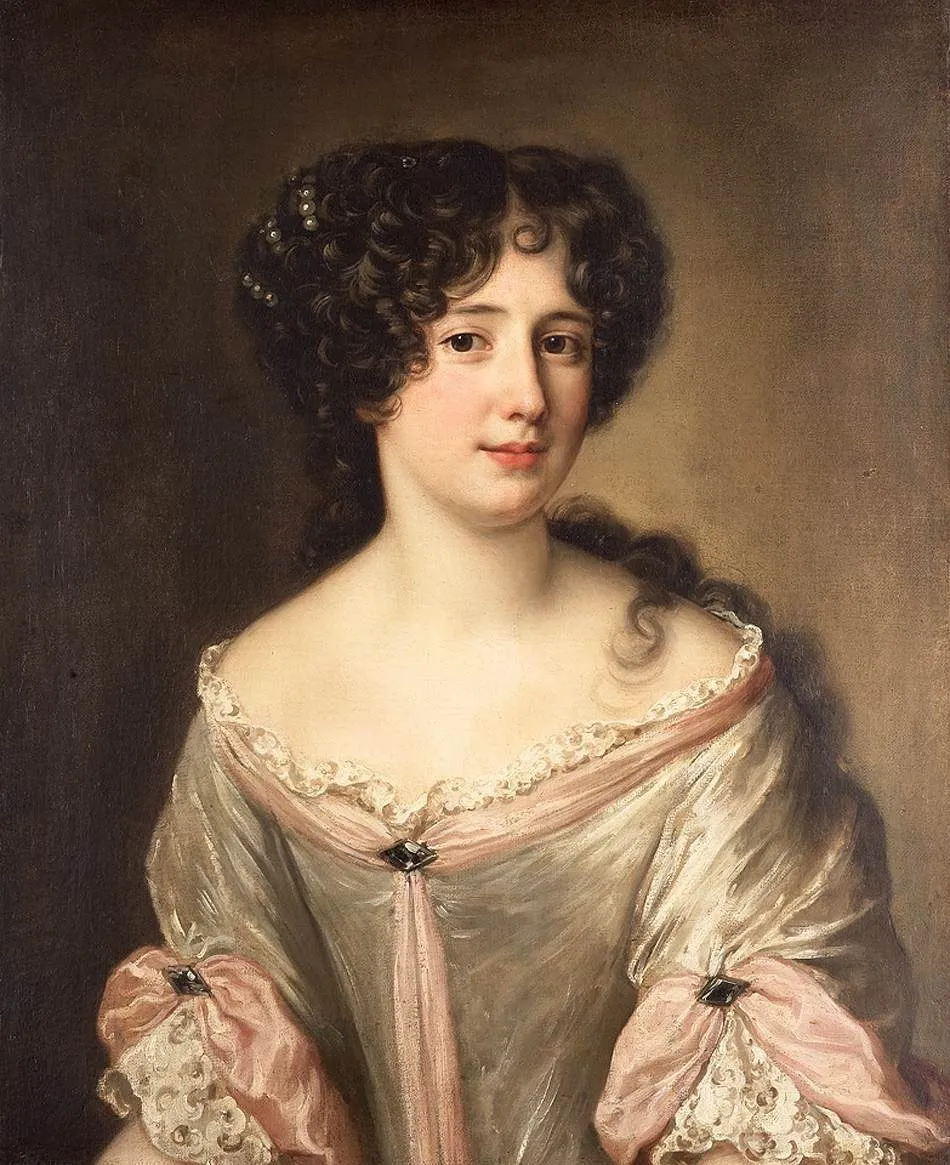
Portrait of Maria Mancini Colonna (1639-1715) is an oil painting by the Flemish Baroque painting artist Jacob Ferdinand Voet. It dates from 1670 and is held in the collection of the Rijksmuseum.
About this work
Subject & Meaning
Together these aspects communicate themes of power, lineage, and the intersection of personal identity with broader diplomatic currents.
The painting shows Maria Mancini Colonna, niece of Cardinal Mazarin, depicted in opulent 17th-century dress that signals her aristocratic status and courtly connections. Her pose and direct gaze convey both personal dignity and the political significance of her family alliance within the French court. The work functions as a visual record of elite marriage negotiations and the role of women in shaping diplomatic relations of the era.
Symbolic elements include the rich fabrics and jewelry, which emphasize wealth and status, while the muted background focuses attention on the sitter’s individuality and the subtle assertion of her lineage. Together these aspects communicate themes of power, lineage, and the intersection of personal identity with broader diplomatic currents.
The composition underscores the subject’s place within the network of European aristocracy, reflecting both her personal narrative and the broader cultural values of the period.
Technique & Style
Jacob Ferdinand Voet created the Portrait of Maria Mancini Colonna in 1670 using oil paint applied to a canvas support. Executed in Rome, the work measures 72.5 cm in height and 62.5 cm in width. As a portrait genre painting, the piece focuses on the depiction of Marie Mancini through the artist's handling of oil on canvas.
History & Provenance
The portrait of Maria Mancini Colonna was painted by Jacob Ferdinand Voet in 1670, executed in oil on canvas during the artist's working period in Rome. The work was created as a portrait of Marie Mancini, the niece of Cardinal Mazarin who had married Lorenzo Colonna. It is now held in the collection of the Rijksmuseum, where it remains on view as part of the museum's holdings of seventeenth-century European portraiture.
Little additional documentation survives regarding the original commission, the immediate patrons who may have requested the likeness, or the early ownership chain before the painting entered the Rijksmuseum's collection. No intermediate provenance records are recorded in the available sources.
Context
Jacob Ferdinand Voet painted this portrait of Maria Mancini Colonna in 1670 while she resided at the Roman court, capturing her as a prominent figure of aristocratic and literary circles in 17th-century Europe. The work exemplifies the Baroque period's focus on individual characterization within portraiture, reflecting contemporary artistic conventions in papal states patronage networks. Its inclusion in the Rijksmuseum collection underscores scholarly recognition of Voet's role in documenting elite women of the era through naturalistic rendering and compositional precision.
Art historians have analyzed the painting to contextualize Voet's technical approach within the broader trajectory of European portraiture, particularly his influence on later generations of court portraitists in the 18th century. Current research emphasizes its significance as a visual record of diplomatic and marital alliances among European nobility during the late 17th century.
Legacy
The portrait of Maria Mancini Colonna painted by Jacob Ferdinand Voet in 1670 has been recognized for its role in shaping the visual representation of aristocratic women in 17th-century Europe. Its presence in the Rijksmuseum collection has contributed to scholarly discussions on courtly portraiture and the diplomatic ties between France and the Papal States, influencing studies on gender and power in Baroque art. The work is frequently cited in art historical literature as an example of Voet's mastery in capturing the subtleties of status and identity among European elites.
The painting's technical precision and compositional balance have informed conservation practices and academic analyses of 17th-century portraiture techniques. Its inclusion in major exhibitions on Baroque portraiture has reinforced its reputation as a significant piece within the genre, underscoring its lasting impact on the understanding of aristocratic identity in art historical discourse.
Overview
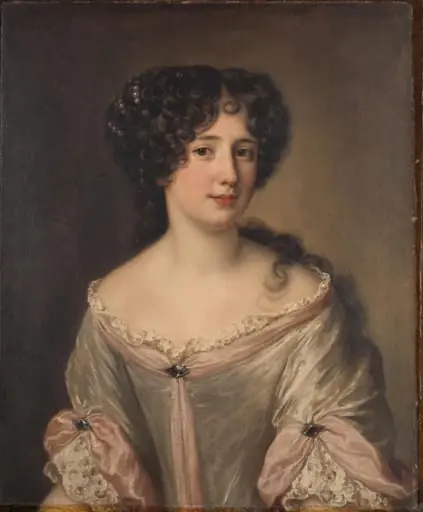
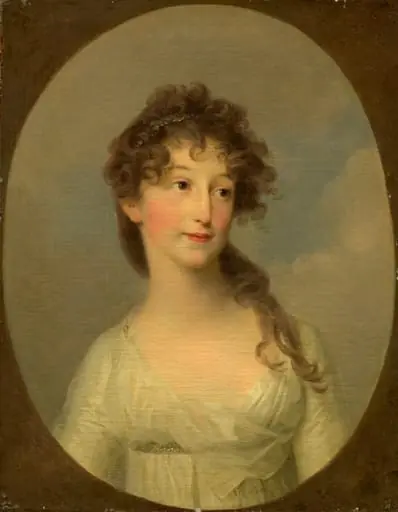
Created in 1670, this oil portrait depicts Maria Mancini (1639–1715) in a poised stance, her dark curls framed by pearls and a white dress accented with pink. The figure looks to her right against a warm brown backdrop, her attire rendered with fine lace and a decorative brooch that emphasize her status and the painter’s attention to surface detail.
Artist & collection
Artist
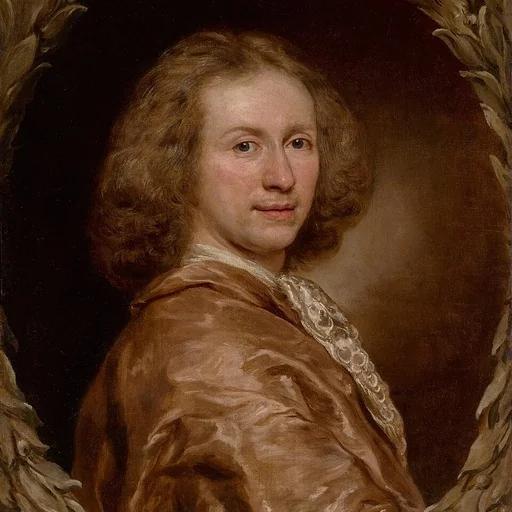
Jacob Ferdinand Voet or Jakob Ferdinand Voet (c. 1639 – 26 September 1689) was a Flemish portrait painter. He had an international career that brought him to Italy and France, where he made portraits for an elite…

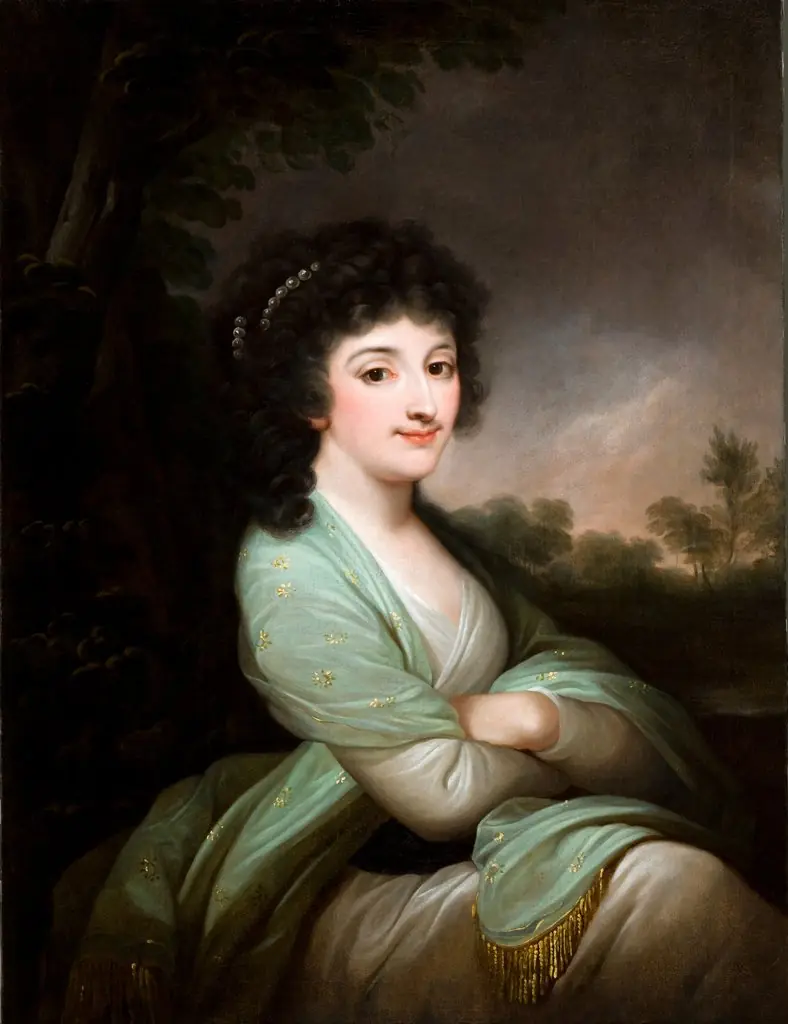 Portrait of Izabela Ogińska née Lasocka
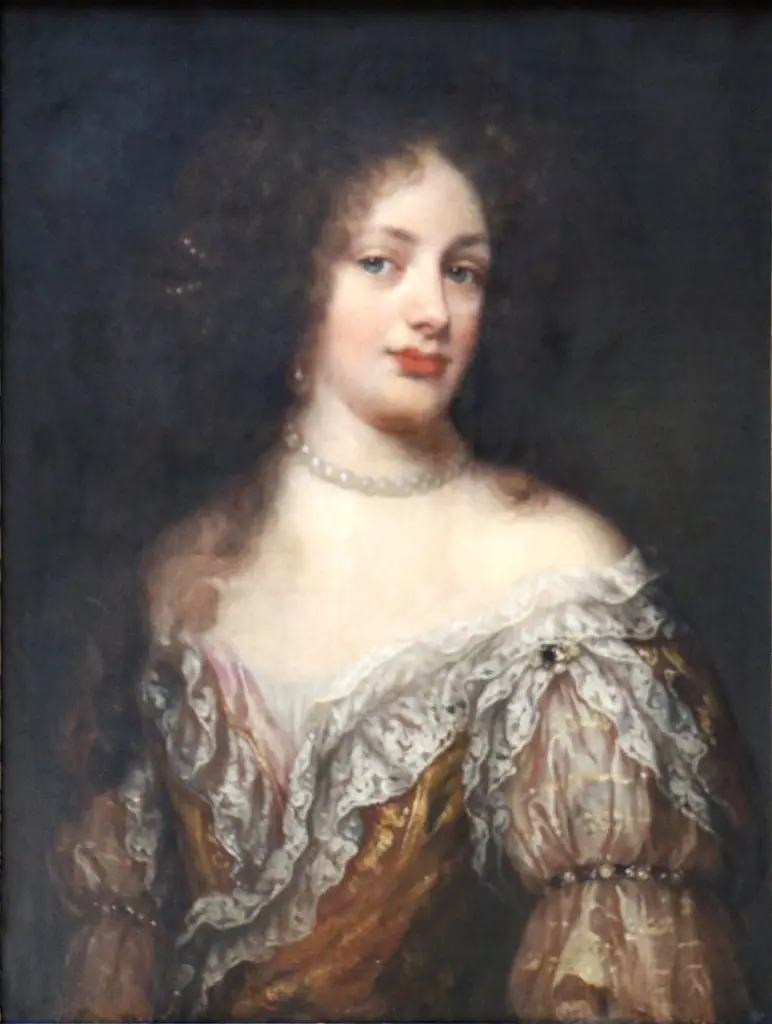 Portrait of a lady
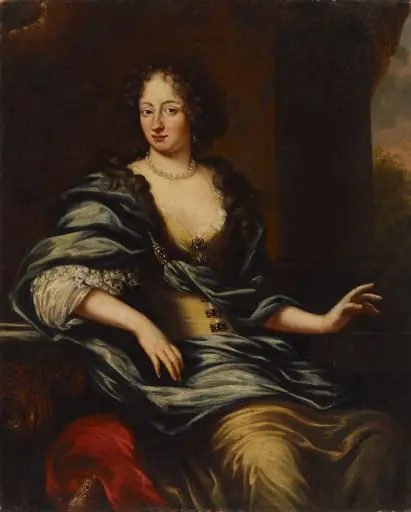 Kuningatar Ulrika Eleonora vanhempi
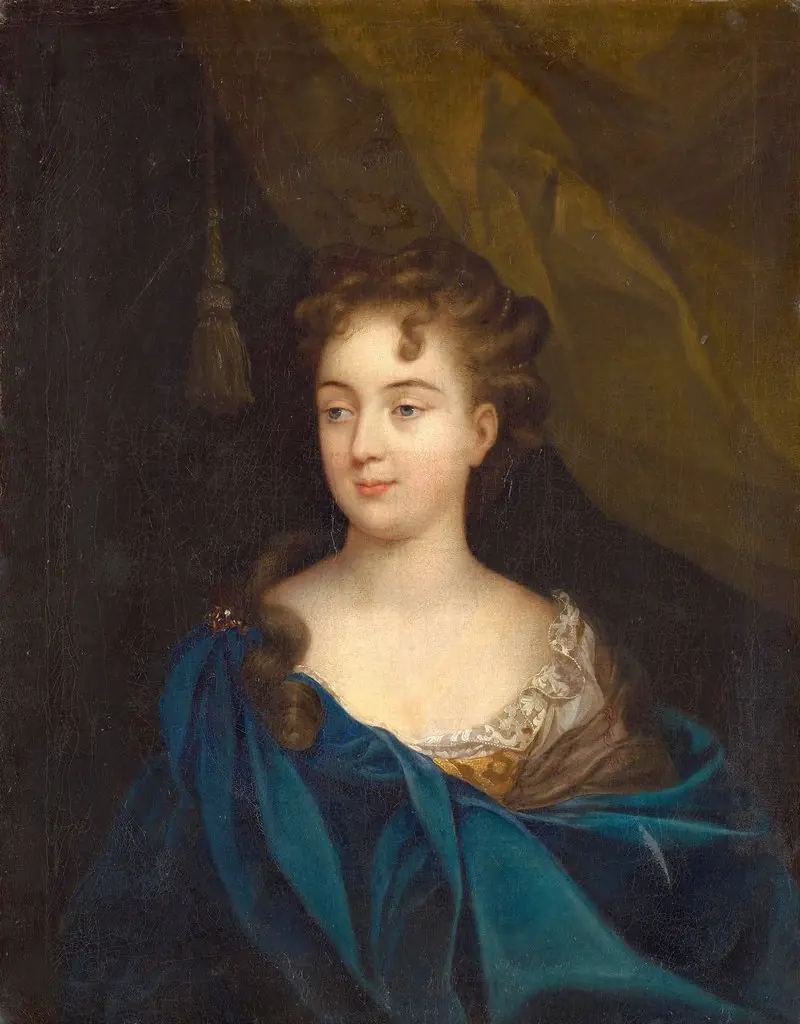 Maria Anna Christina, Dauphine von Frankreich (1660-1690) (Umkreis)
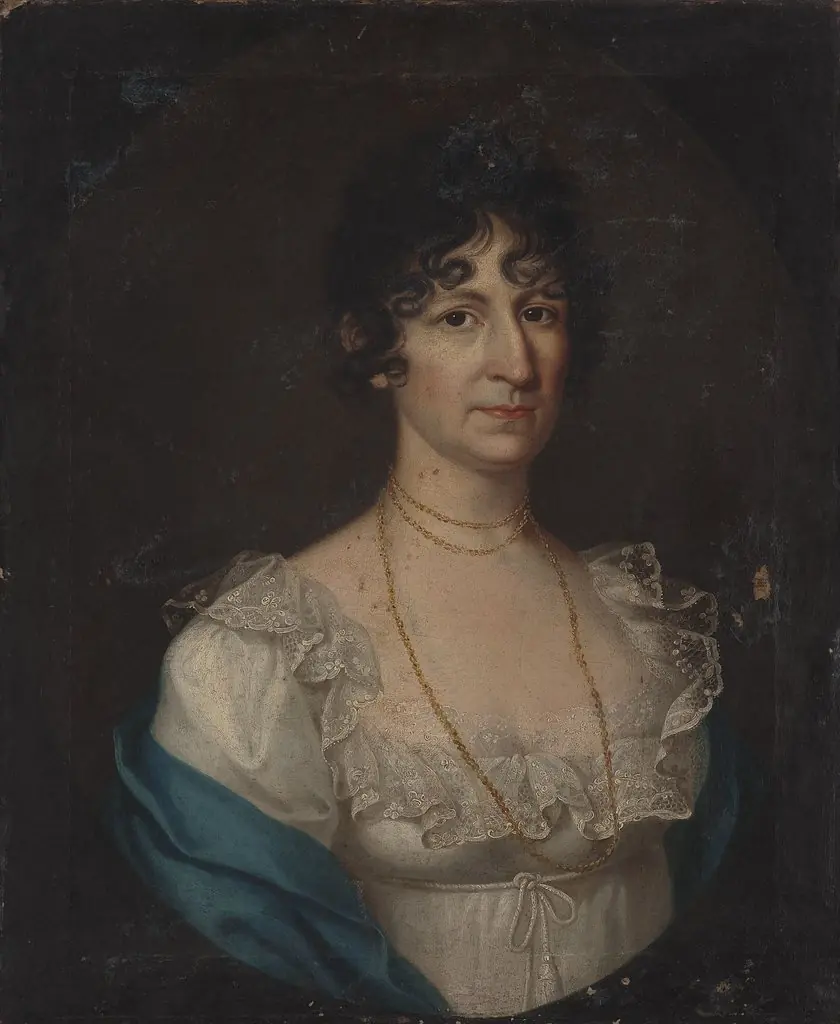 Portrait of a woman
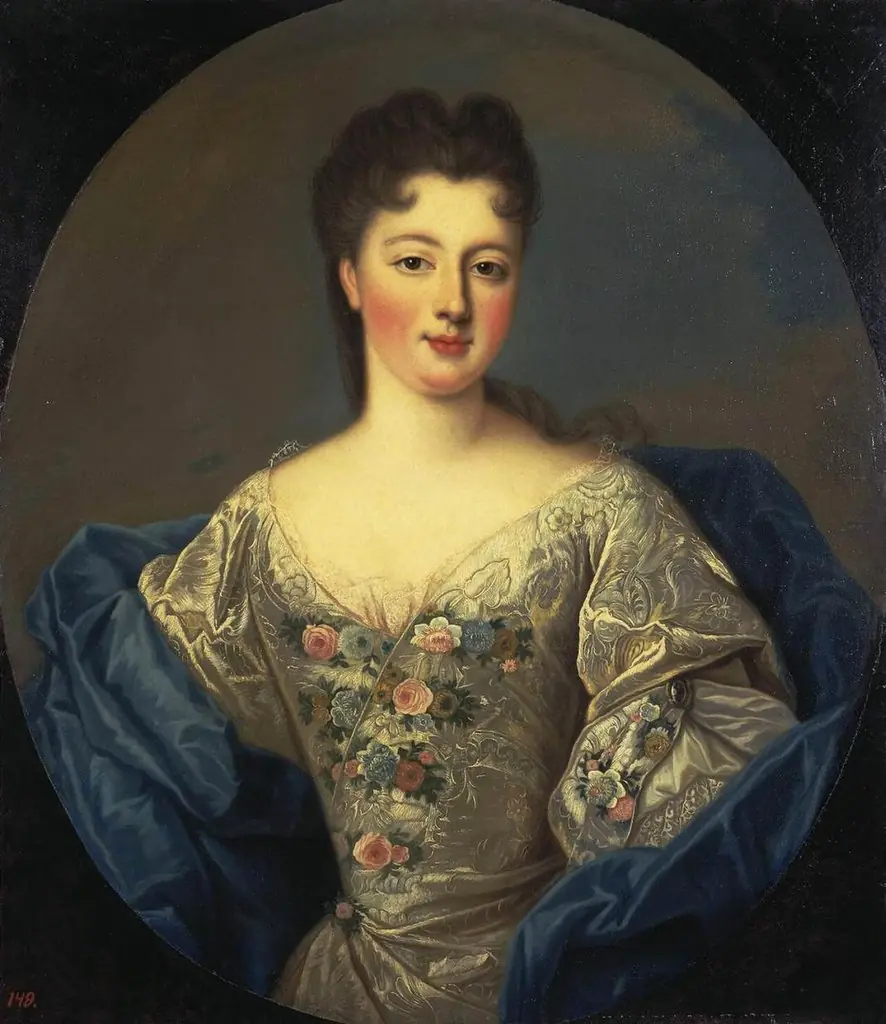 Portrait of Luiza Adelaida of Orleans
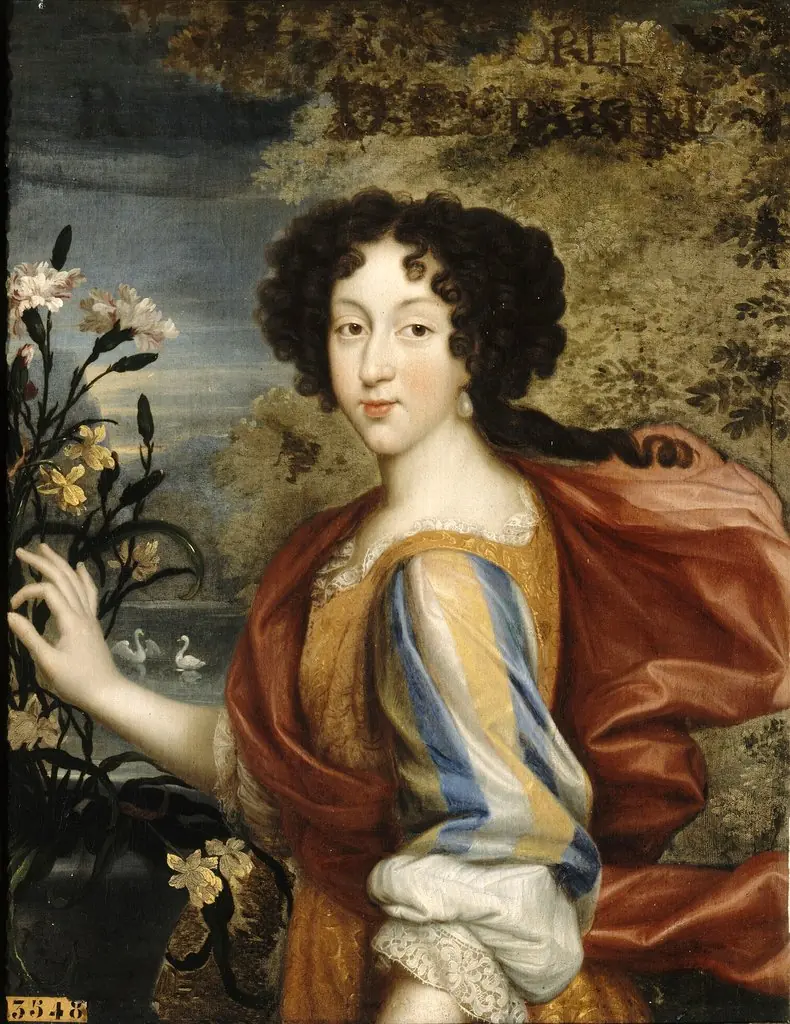 Portrait of Marie Louise d'Orléans (1662–1689)
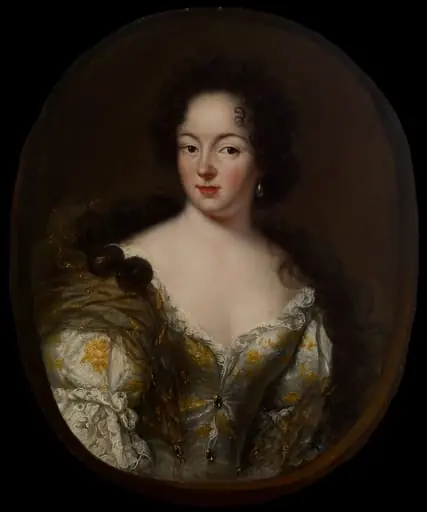 Hedvig Eleonora Tessin, o.s. Stenbock
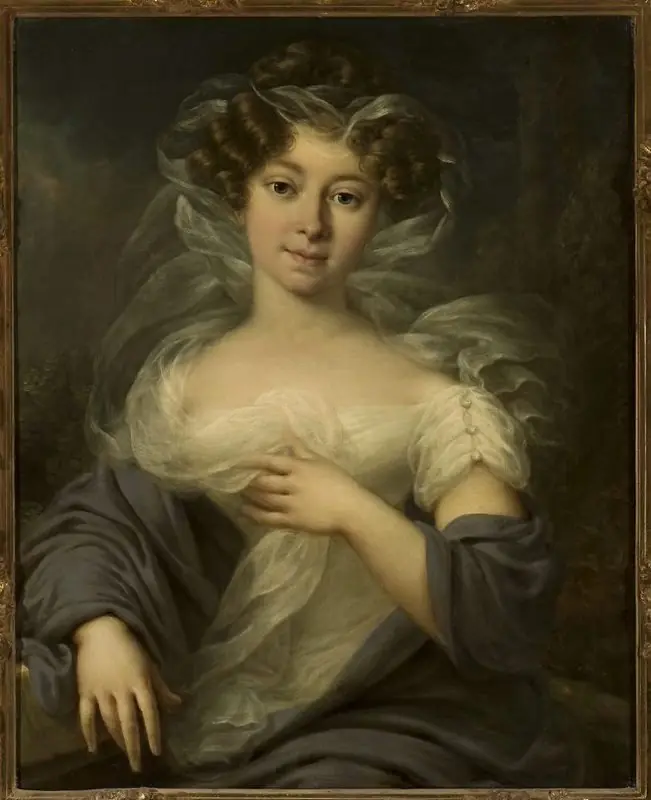 Portrait of Nina Łuszczewska née Żółtowska
 Possibly Franciska Krasinska, Duchess of Courland