Artwork
Still life
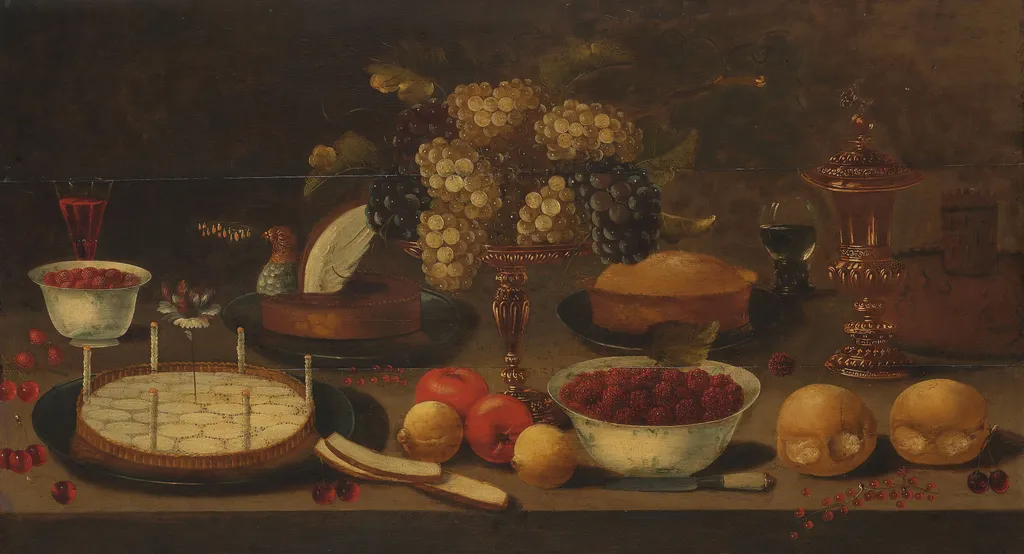
Still life is an oil painting by the Flemish Baroque painting artist Osias Beert. It is held in the collection of the Rijksmuseum.
About this work
Technique & Style
Osias Beert's Still life is executed in oil paint on a panel support. The work measures 64.5 cm in height and 115 cm in width. Created in 1650 in Antwerp, the painting belongs to the still life genre and is currently held in the Rijksmuseum.
History & Provenance
The work is also associated with the Nederlandsch Museum voor Geschiedenis en Kunst and the Museum Gouda in the source records.
The work titled Still life was created by Osias Beert in Antwerp around 1650 as an oil paint painting on panel. It entered the collection of the Rijksmuseum in Amsterdam, where it remains on view.
The piece was initially part of the holdings of the Rijksmuseum, Nederlandsch Museum voor Geschiedenis en Kunst, and Museum Gouda before being consolidated under the Rijksmuseum's stewardship. Its creation date aligns with contemporary still life production in the Dutch Golden Age, and its dimensions of 64.5 cm by 115 cm were recorded at the time of its inclusion in the museum's catalogue.
The work has been part of the Rijksmuseum's collection since at least the mid-20th century, reflecting a continuous ownership chain from its original creation to its present institutional holdings.
The painting Still life by Osias Beert is held in the collection of the Rijksmuseum in Amsterdam. The work is also associated with the Nederlandsch Museum voor Geschiedenis en Kunst and the Museum Gouda in the source records. It was created in 1650 in Antwerp using oil paint on a panel support. The specific inventory or accession numbers for these holdings are not provided in the available documentation.
Overview
This oil painting, attributed to Osias Beert the Elder, is a representative example of early 17th-century Flemish still life. Executed around 1610–1620, it reflects the growing autonomy of still life as a subject in Northern European art. The composition centers on a modest table setting, arranged with common domestic items, and demonstrates a quiet precision that distinguishes Beert’s approach from later, more ornate interpretations.
Subject & Meaning
The arrangement includes bread, fruit, a wine decanter, and ceramic vessels, likely referencing the breakfast or banquet still life tradition. These objects carry no overt symbolic narrative but suggest themes of transience and daily abundance. The inclusion of imported Wan Li porcelain hints at global trade networks, subtly grounding the scene in the material culture of Antwerp’s mercantile society.
Context
In early 17th-century Antwerp, still life emerged as a distinct category, separate from religious or historical painting. Beert, alongside contemporaries like Clara Peeters, helped codify its conventions: orderly arrangements, attention to material detail, and quiet lighting. His work responded to urban elites’ interest in domestic luxury and the visual pleasure of ordinary things.
Legacy
Beert’s restrained compositions influenced later Flemish and Dutch still life painters, including those in Haarlem and Amsterdam. His emphasis on naturalism and careful rendering of surfaces set a standard for the genre. Though less celebrated than his successors, his work laid foundational principles for the evolution of still life as a serious artistic pursuit in the Northern Renaissance.
Artist & collection
Artist
Osias Beert or Osias Beert the Elder (c. 1580 – 1623) was a Flemish painter active in Antwerp who played an important role in the early development of flower and "breakfast"-type still lifes as independent genres in…

 Dishes with Oysters, Fruit, and Wine
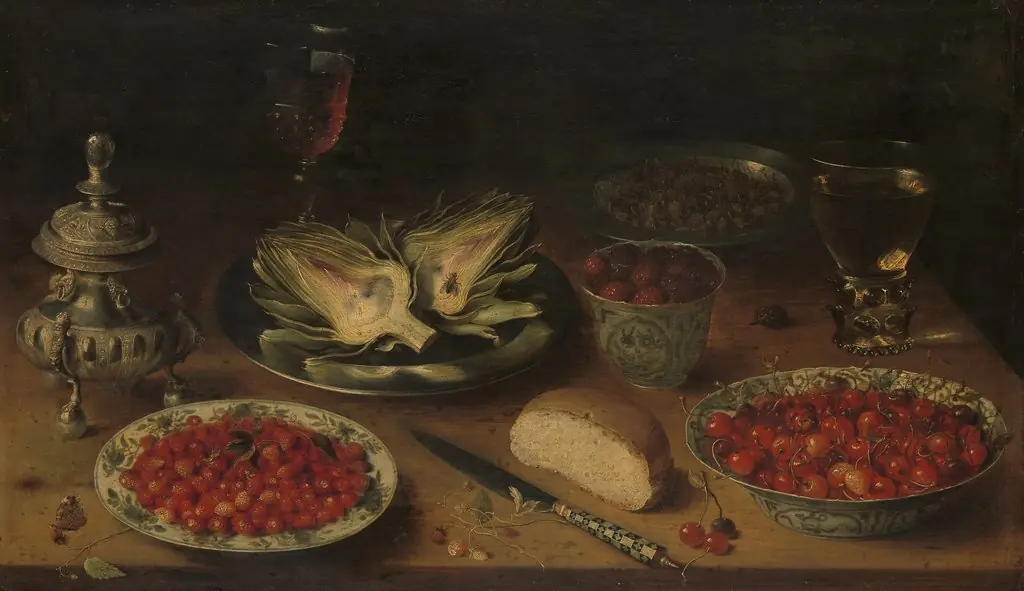 Still life with chinese porcelain, berries, and artichokes
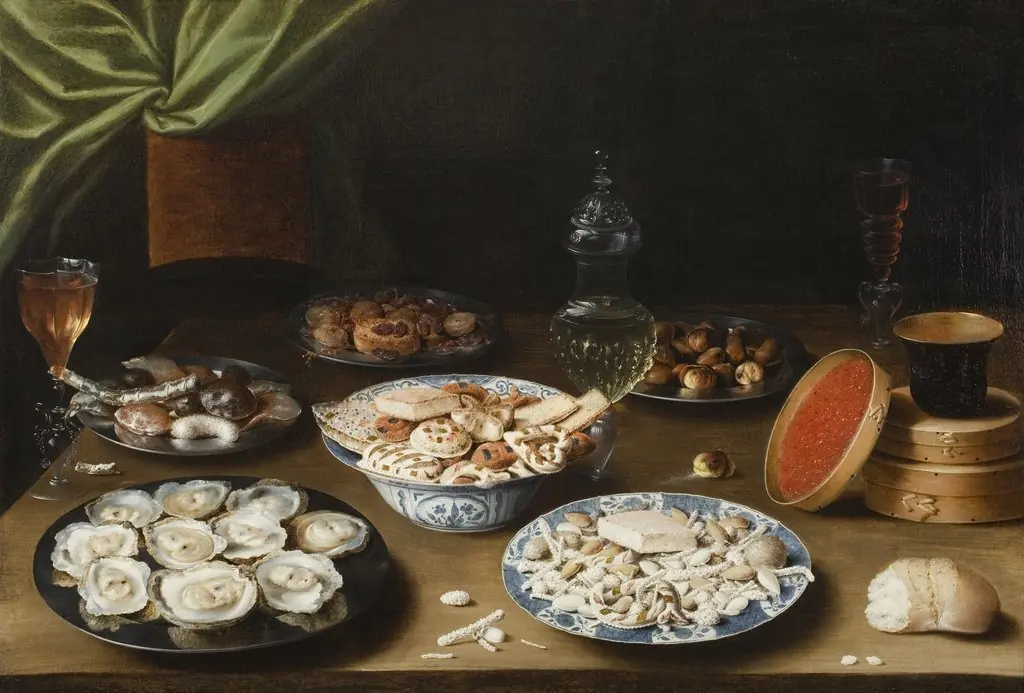 Still Life with Various Vessels on a Table
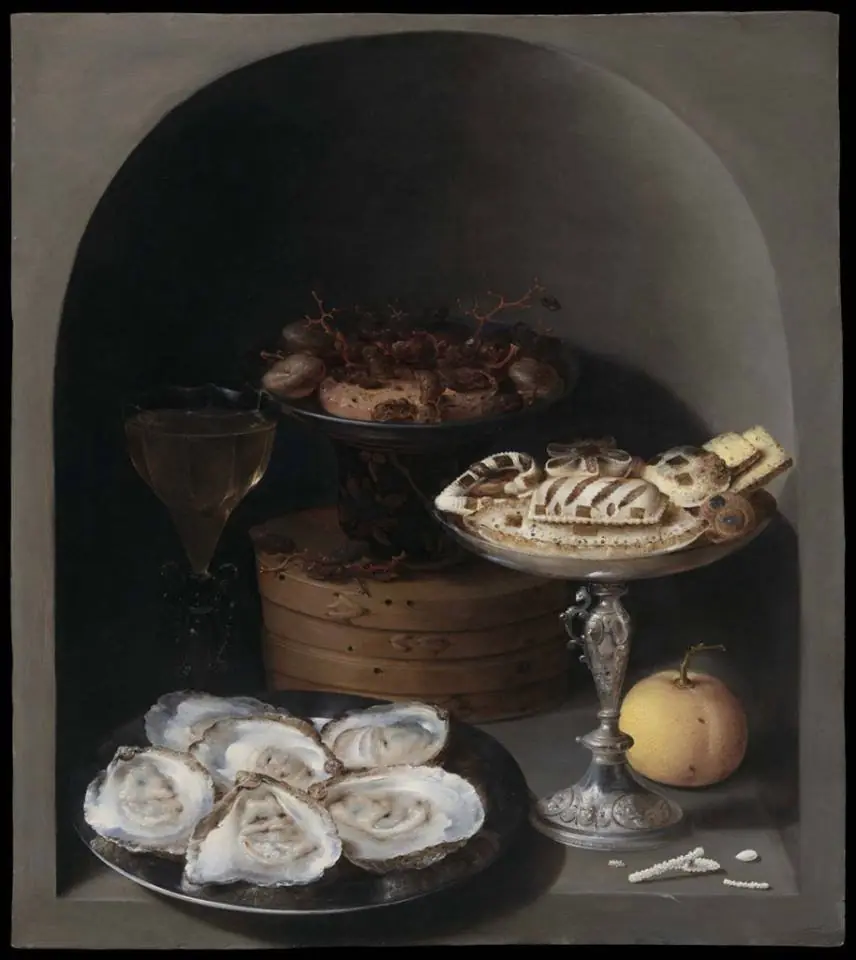 Still Life with Oysters, Sweetmeats and Dried Fruit in a Stone Niche
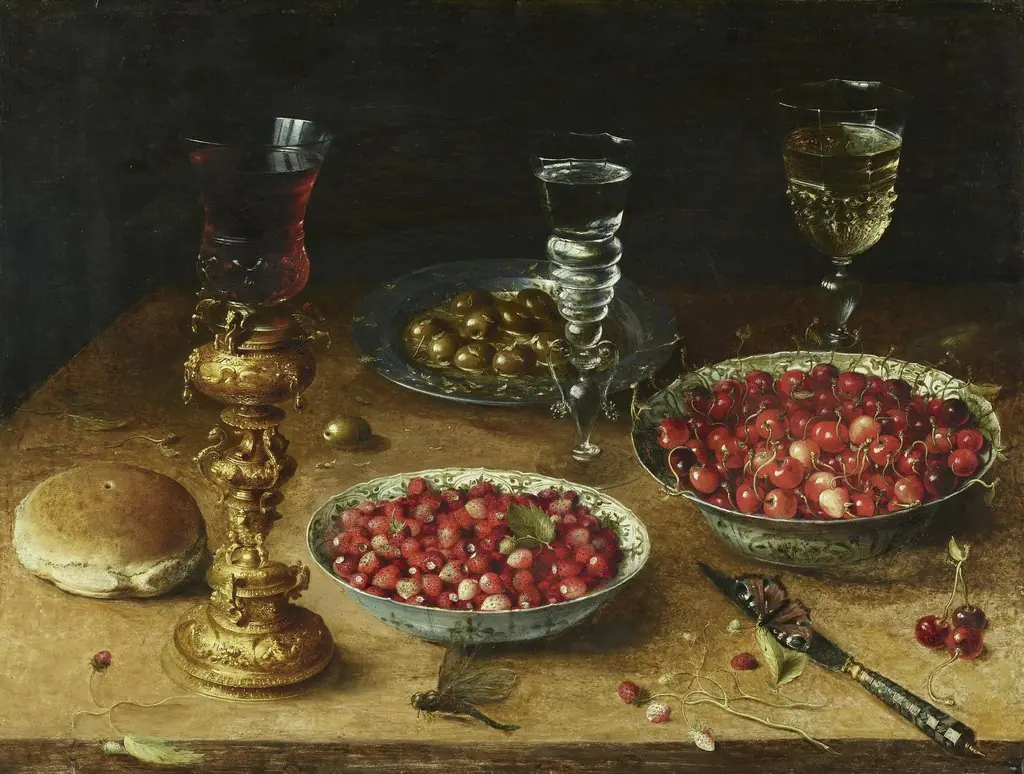 Still-Life with Cherries and Strawberries in China Bowls
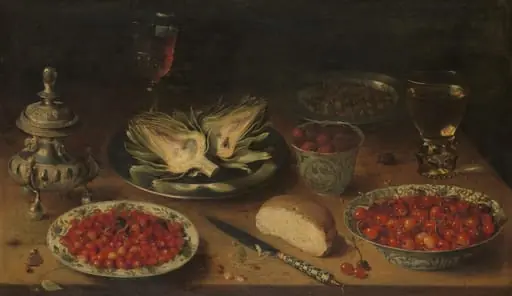 Still Life with Artichoke, Fruit in Kraak Porcelain Ware, a Salt Cellar/Pepper Castor
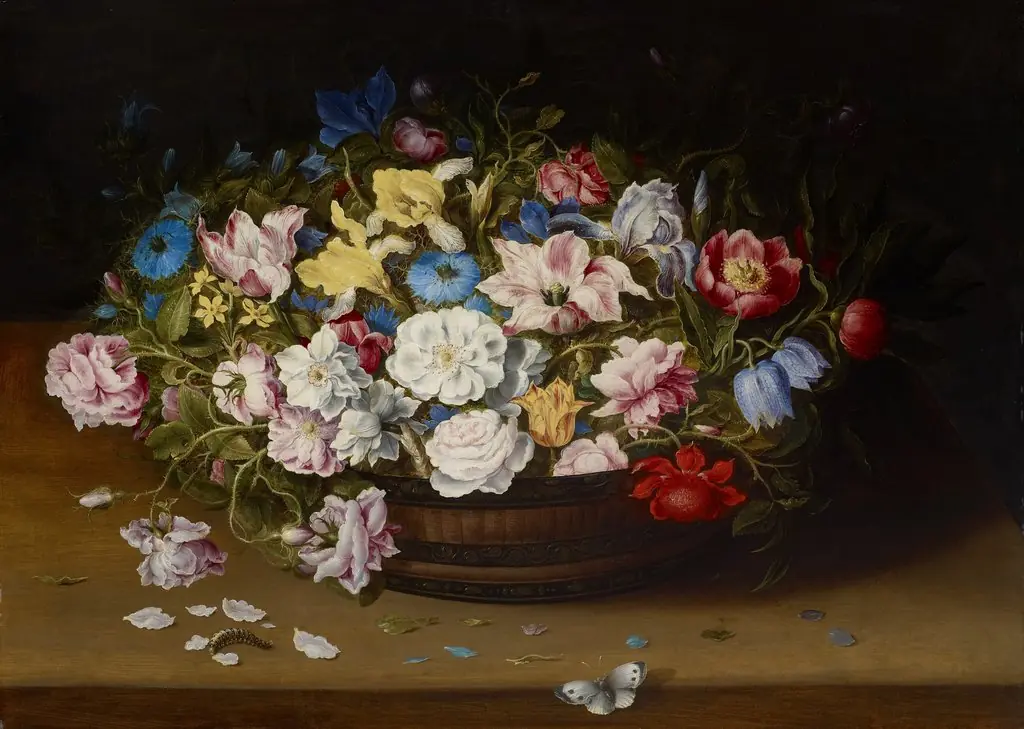 Still Life of Flowers in a Basket
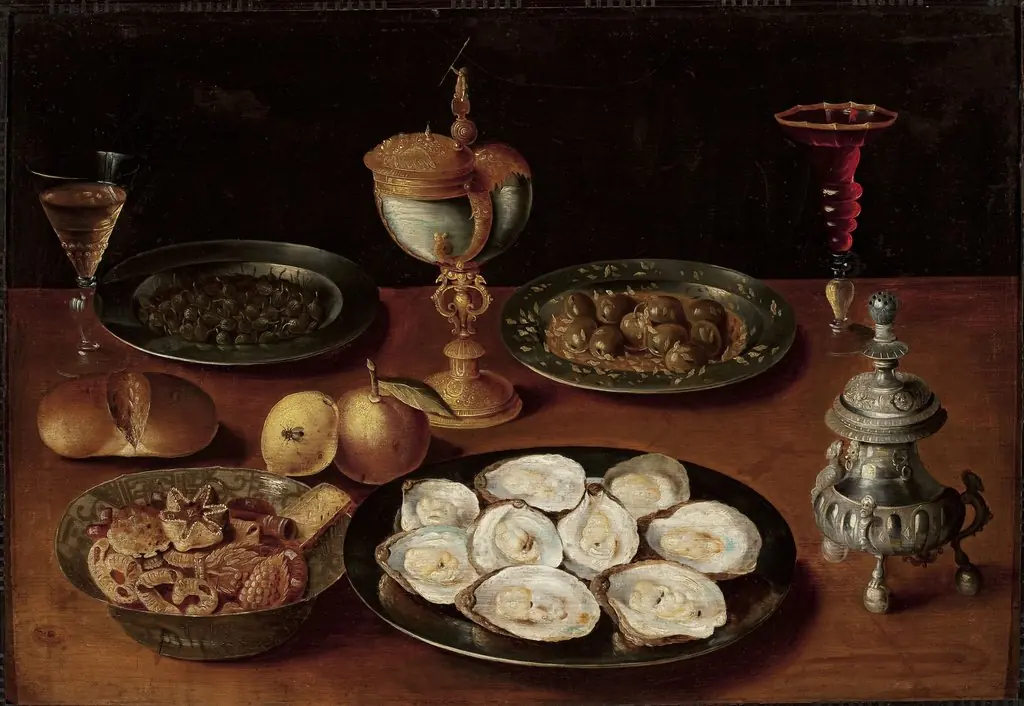 Tableware
- Still life
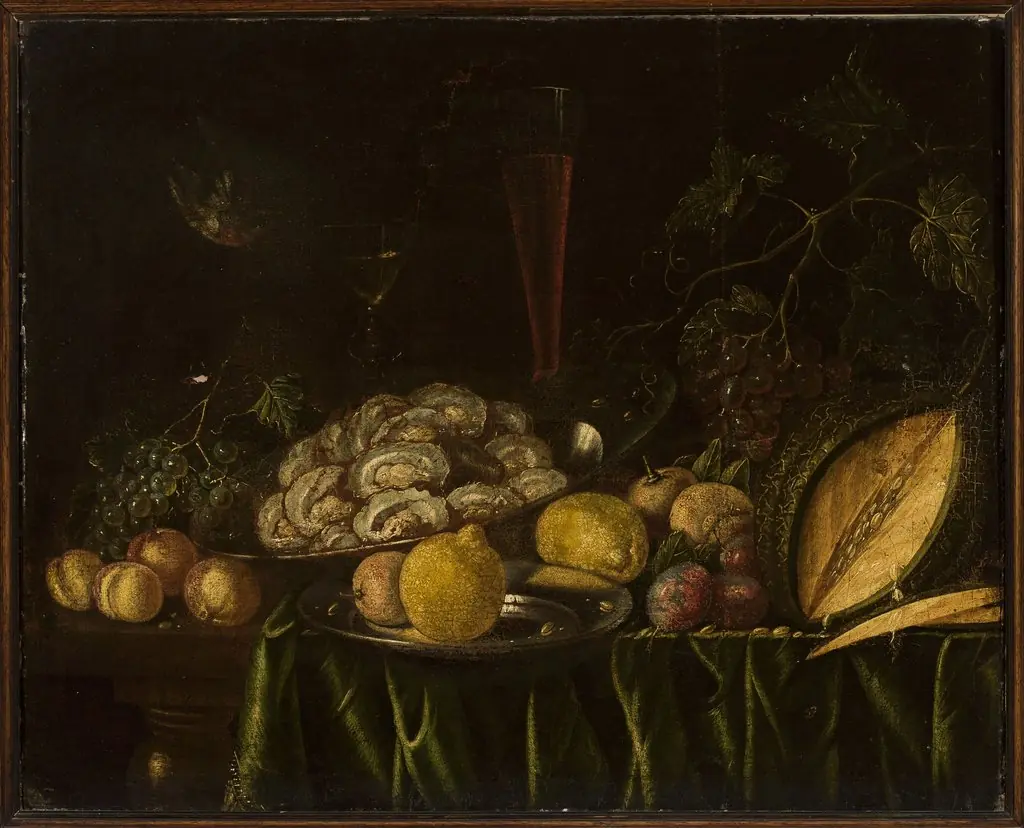 Still life with – fruit, mussels and a bird
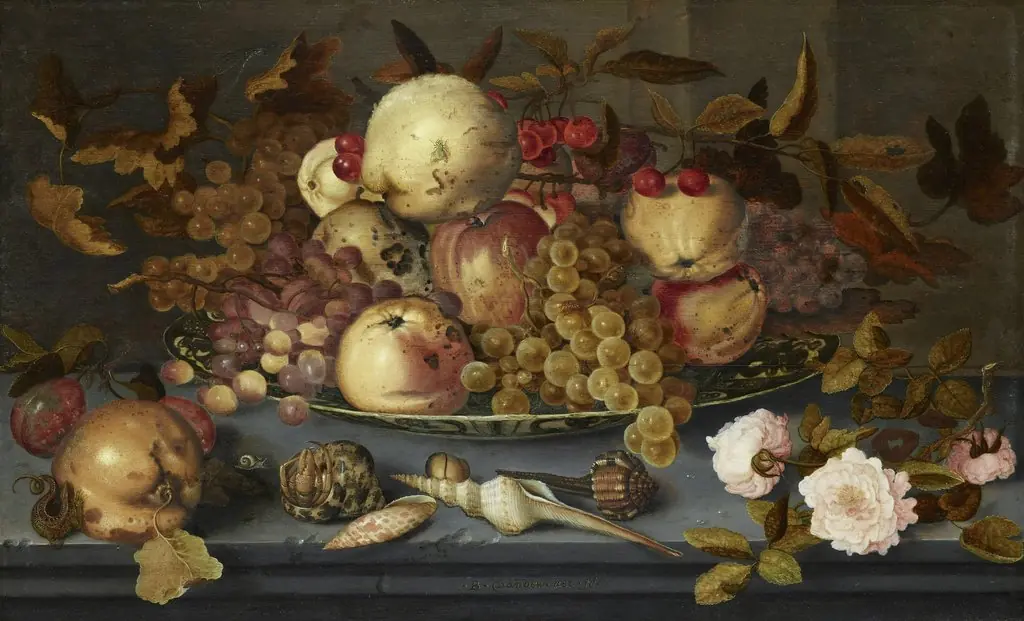 Still-life with Dish of Fruit
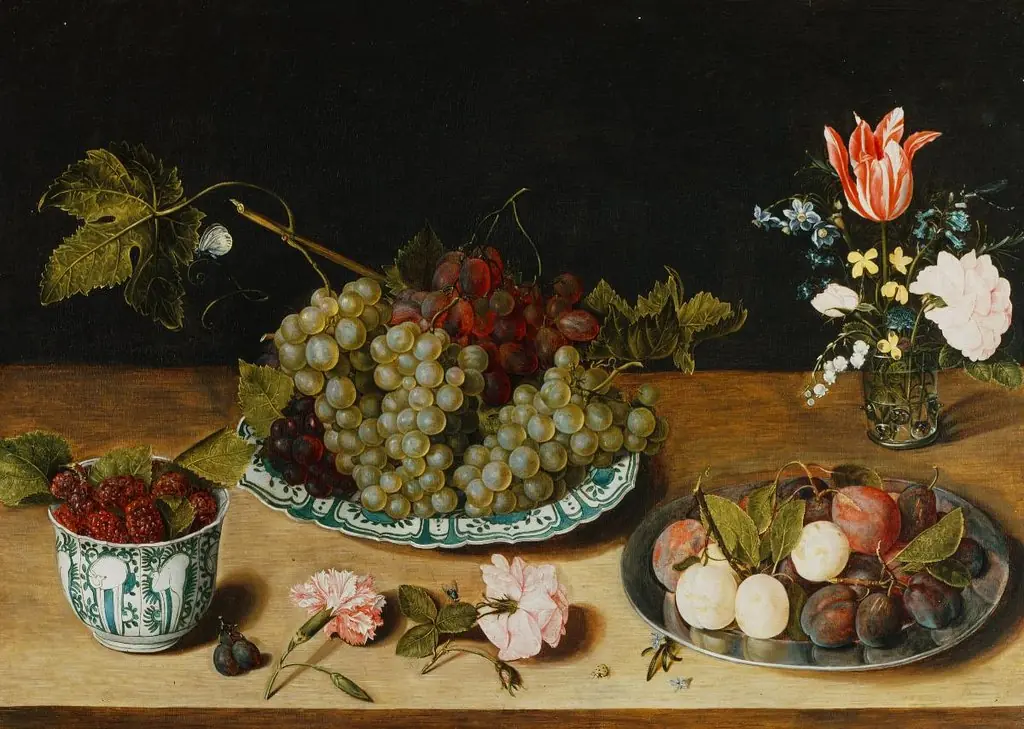 Stillleben mit Früchten und Blumensträusslein
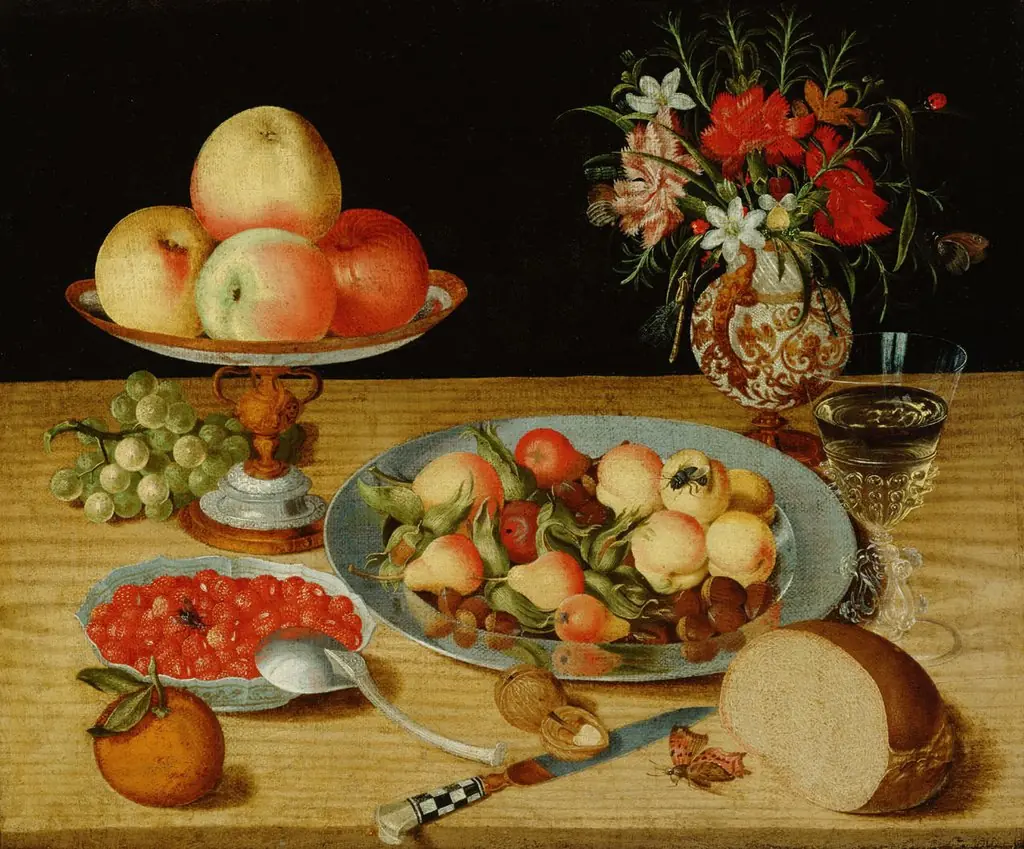 Still life with fruit, wine glass and vase of flowers
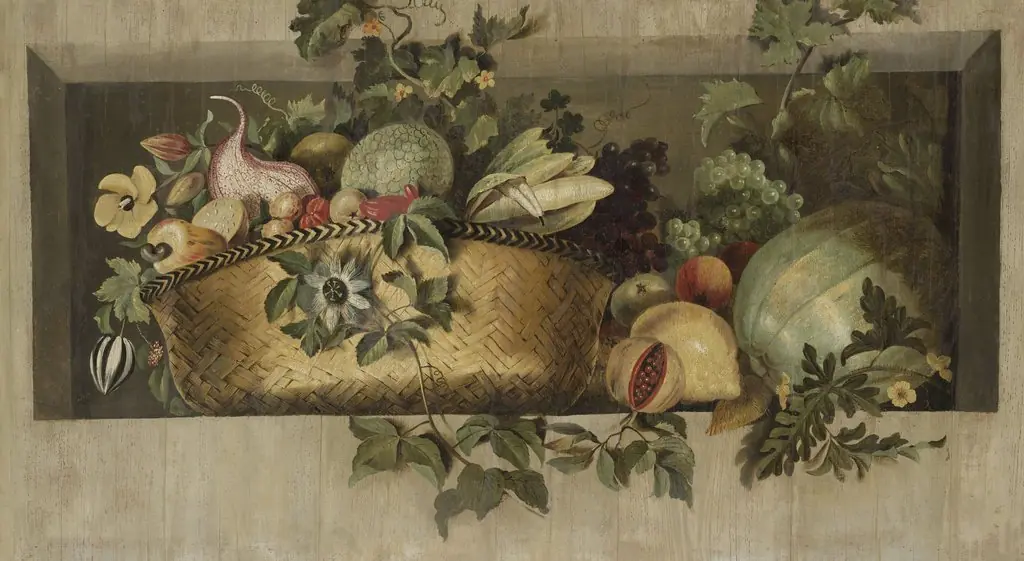 Still Life with Fruit and Flower Garlands
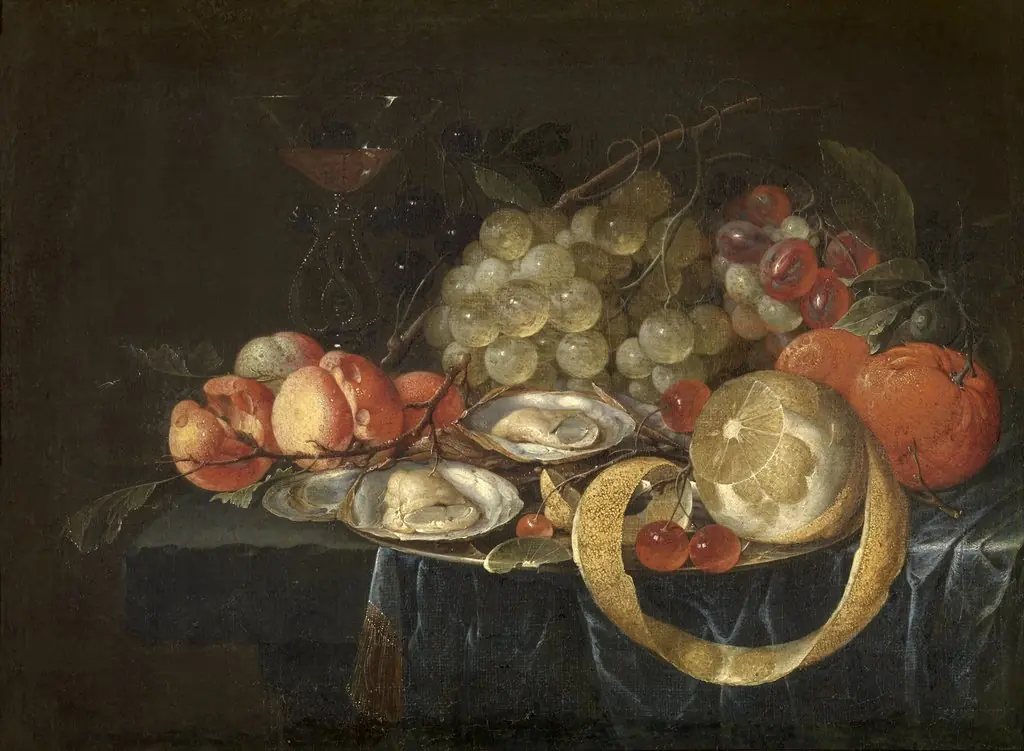 Still Life
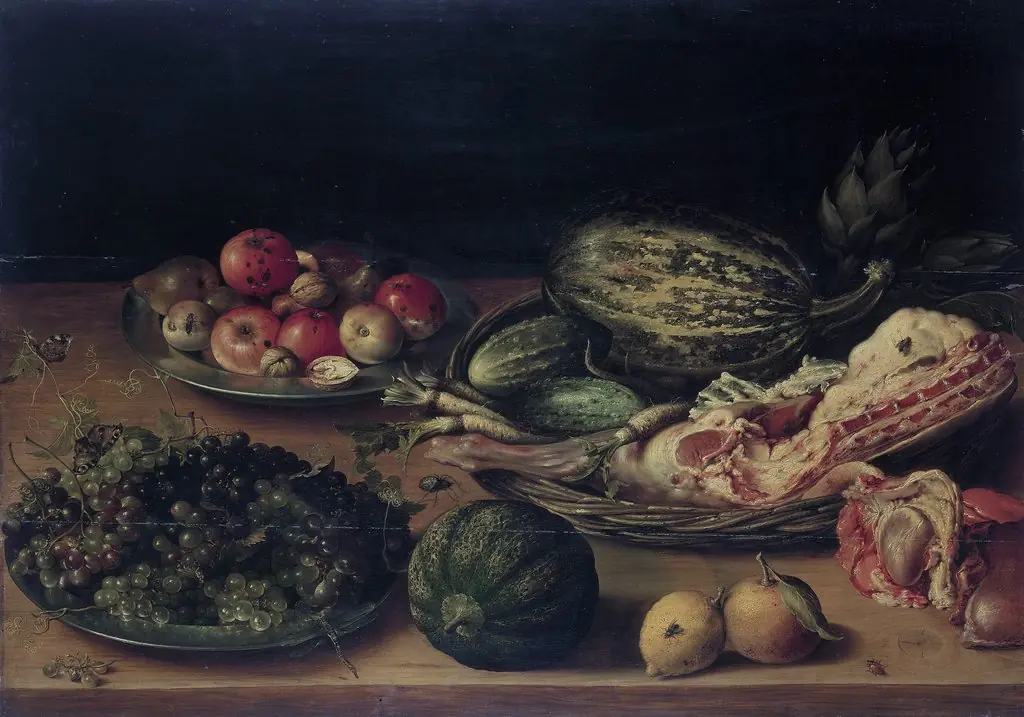 Still life with fruit, vegetables and joint of veal
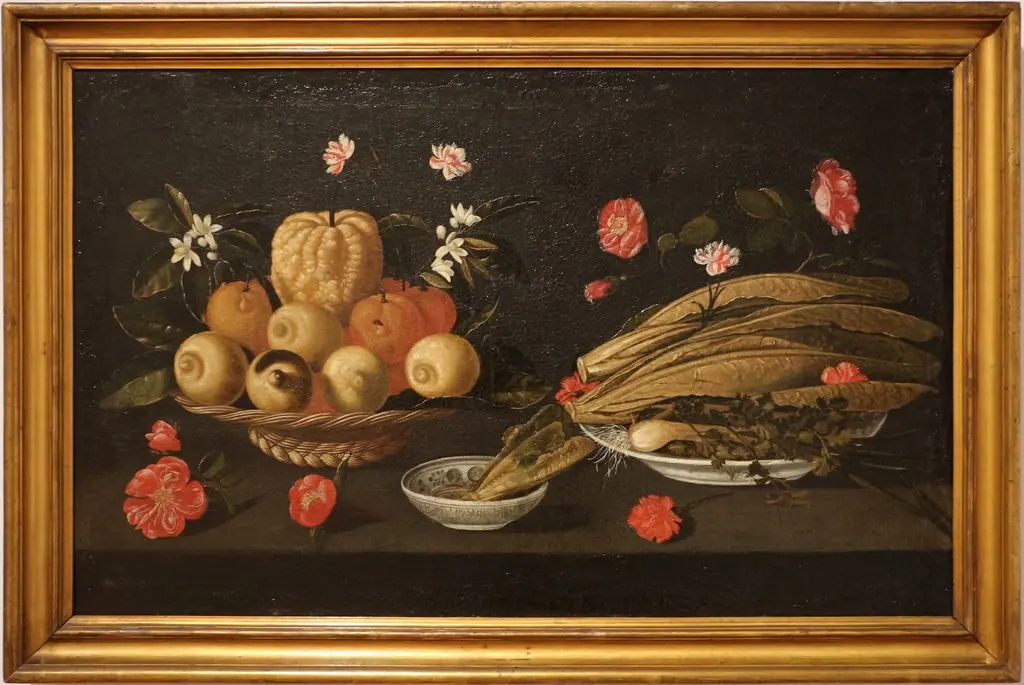 Still life with fruit, vegetables and flowers
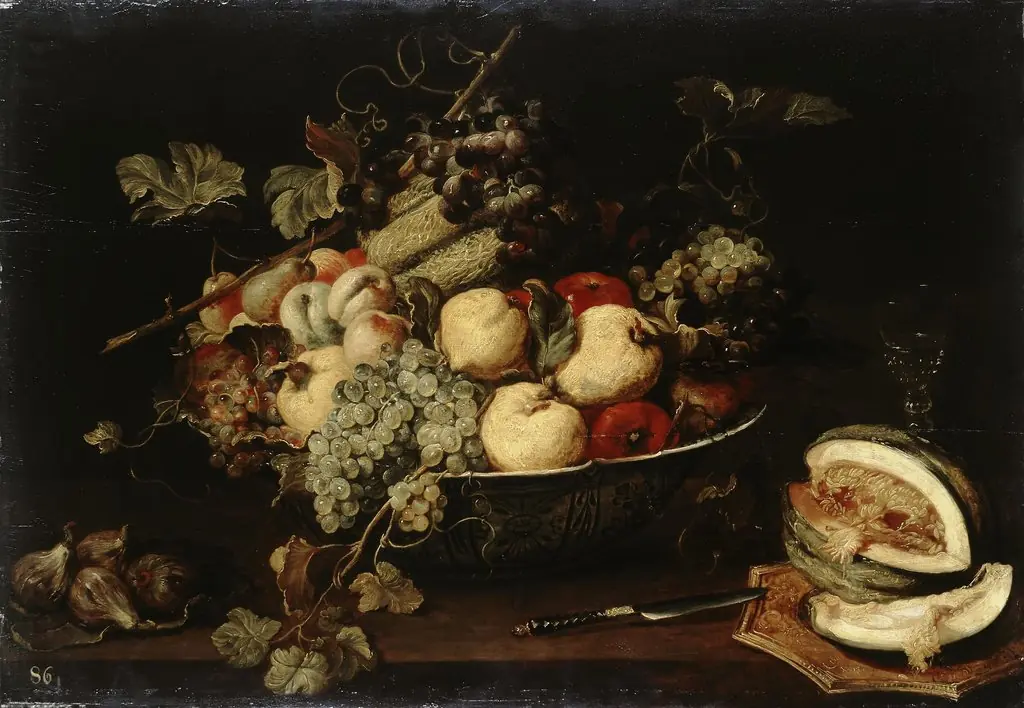 Fruit in a Bowl and a Sliced Melon