Artwork
Ecce homo
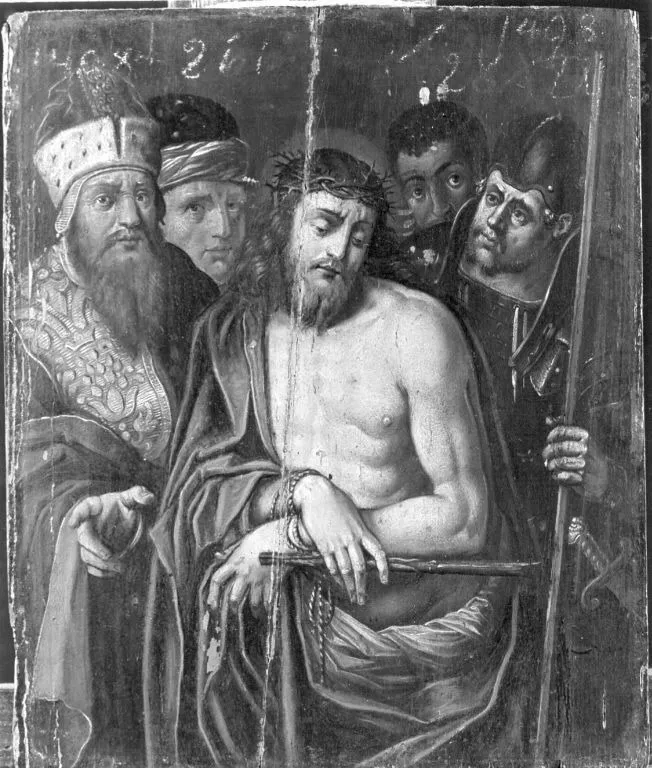
Ecce homo is an unspecified painting by the Mannerist artist Jacopo Ligozzi. It dates from 1594 and is held in the collection of the Bavarian State Painting Collections.
About this work
Subject & Meaning
The subject emphasizes the Ecce Homo phrase uttered by Pilate, highlighting themes of suffering, injustice, and redemption central to Christian iconography.
The painting Ecce homo by Jacopo Ligozzi depicts Jesus Christ in the moments of his Passion, focusing on the moment of mockery when Pontius Pilate presents him to the crowd. The subject emphasizes the Ecce Homo phrase uttered by Pilate, highlighting themes of suffering, injustice, and redemption central to Christian iconography. This representation aligns with religious art traditions of the late Renaissance, where the scene serves as a meditation on Christ's sacrifice and humanity's salvation.
Technique & Style
Created in 1587, Jacopo Ligozzi's Ecce Homo is a religious painting executed on a small scale. The work measures 28.4 cm in height and 23.8 cm in width, depicting Jesus Christ as the main subject. While the specific medium and support materials are not detailed in the available records, the piece is classified within the genre of religious art. The painting is currently held in the Alte Pinakothek, part of the Bavarian State Painting Collections.
History & Provenance
The painting titled Ecce homo, created by Jacopo Ligozzi in 1587, depicts Jesus Christ and falls within the religious art genre. It was commissioned for the Bavarian State Painting Collections and has been housed in the Alte Pinakothek since its creation. The work measures 28.4 cm in height and 23.8 cm in width. Its inception is recorded as 1587-01-01.
The provenance indicates that the artwork has remained within the Bavarian State Painting Collections, establishing a clear chain of ownership from its creation to the present.
The painting is held in the Bavarian State Painting Collections and is located at the Alte Pinakothek. It measures 28.4 cm in height by 23.8 cm in width and was created by Jacopo Ligozzi in 1587.
No exhibition history is documented in the available sources.
Context
The painting Ecce homo by Jacopo Ligozzi, created in 1587, depicts the biblical moment of Christ being presented to the crowd. It is housed in the Alte Pinakothek, part of the Bavarian State Painting Collections, and exemplifies religious art of the late Renaissance period. Ecce Homo remains a significant example of Ligozzi's devotional output, reflecting the thematic focus on Christ's Passion prevalent in Counter-Reformation visual culture.
Scholarly attention to the work centers on its iconographic interpretation and its placement within Ligozzi's broader oeuvre of sacred subjects.
Legacy
The painting Ecce homo by Jacopo Ligozzi was acquired by the Bavarian State Painting Collections in the 19th century and remains on display in its Alte Pinakothek, where it continues to be studied as a significant example of Counter-Reformation religious art. Its iconography of Christ presented to the crowd has influenced scholarly interpretations of Ligozzi's oeuvre and contributed to broader discussions of late Renaissance devotional imagery in European museum collections.
Overview
Jacopo Ligozzi, an Italian painter active in the late 16th century, completed the religious work Ecce Homo in 1594. The oil painting is housed in the Alte Pinakothek in Munich and portrays the biblical moment when Christ is presented to the crowd.
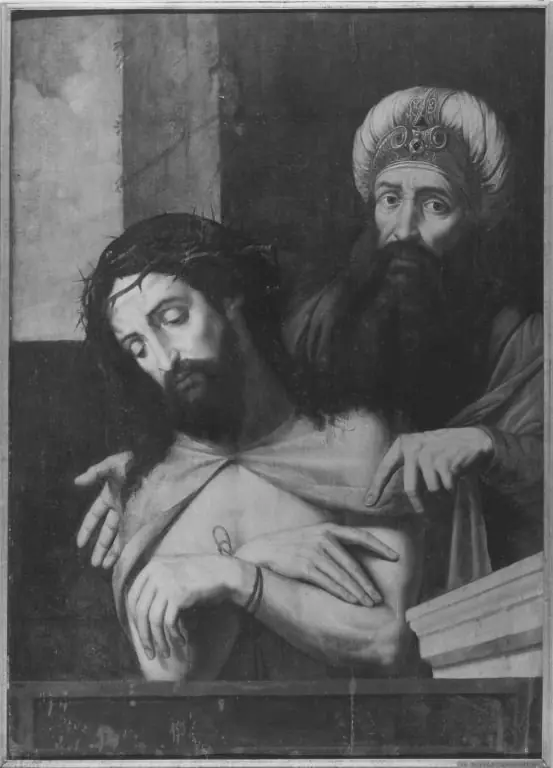
Artist & collection
Artist
Jacopo Ligozzi (1547–1627) was an Italian painter, illustrator, designer, and miniaturist. His art can be categorized as late-Renaissance and Mannerist styles.

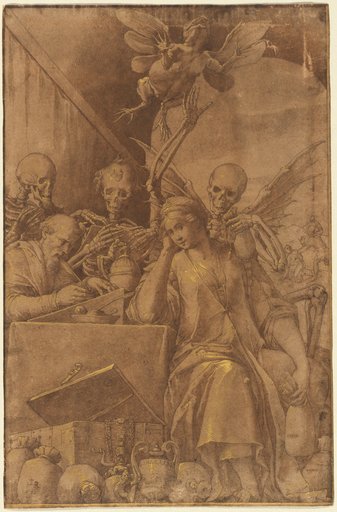
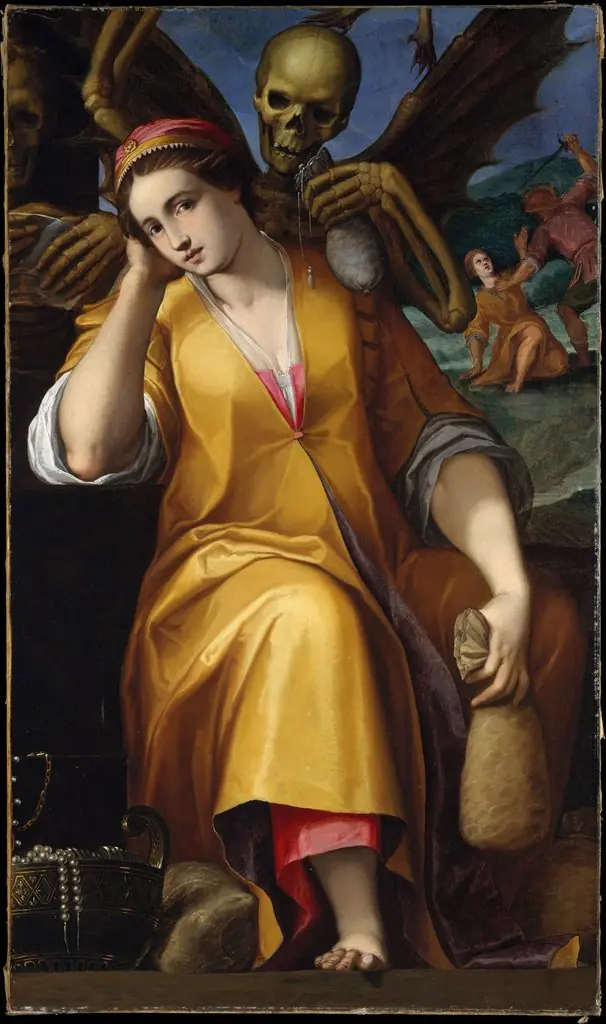 Allegory of Avarice
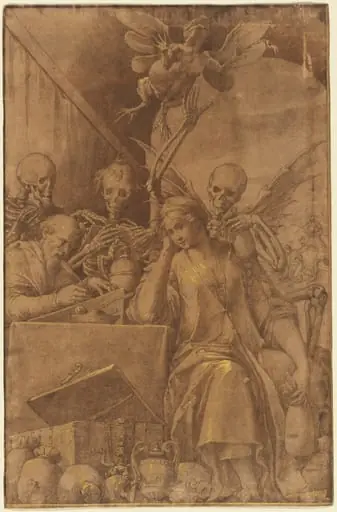 Avarice
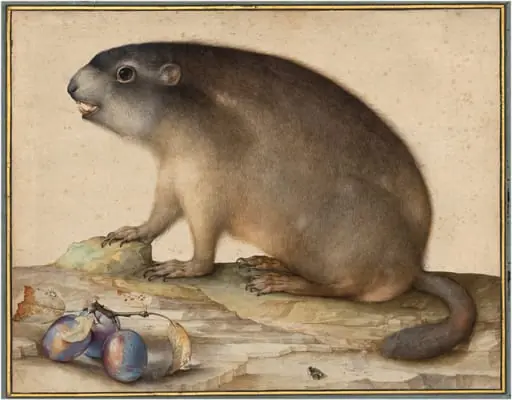 A Groundhog or Marmot with a Branch of Plums
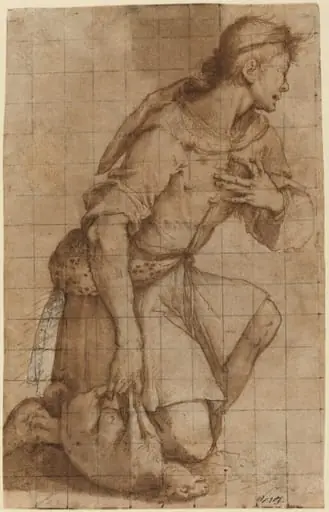 Kneeling Shepherd
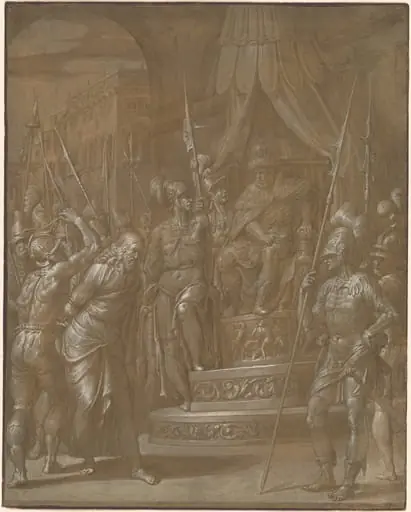 Christ before Herod
![Chapel of Saint Sebastian (Cappella di San Sebastiano) [plate N], by Jacopo Ligozzi](https://artifactworldgallery.com/img/jacopo-ligozzi--chapel-of-saint-sebastian-cappella-di-san-sebastiano-plate-n--144b97ba4a91d67b-w320.webp) Chapel of Saint Sebastian (Cappella di San Sebastiano) [plate N]
Chapel of Saint Sebastian (Cappella di San Sebastiano) [plate N]![Church of the Stigmata (Chiesa delle Stimmate) [plate M], by Jacopo Ligozzi](https://artifactworldgallery.com/img/jacopo-ligozzi--church-of-the-stigmata-chiesa-delle-stimmate-plate-m--255dd75981bd30e3-w320.webp) Church of the Stigmata (Chiesa delle Stimmate) [plate M]
Church of the Stigmata (Chiesa delle Stimmate) [plate M]![Interior of the Chapel of Mary Magdelene (Interno della cappella della Maddalena) [plate H], by Jacopo Ligozzi](https://artifactworldgallery.com/img/jacopo-ligozzi--interior-of-the-chapel-of-mary-magdelene-interno-della-cappe--2c8c7a51e39993f2-w320.webp) Interior of the Chapel of Mary Magdelene (Interno della cappella della Maddalena) [plate H]
Interior of the Chapel of Mary Magdelene (Interno della cappella della Maddalena) [plate H]
- Ecce homo
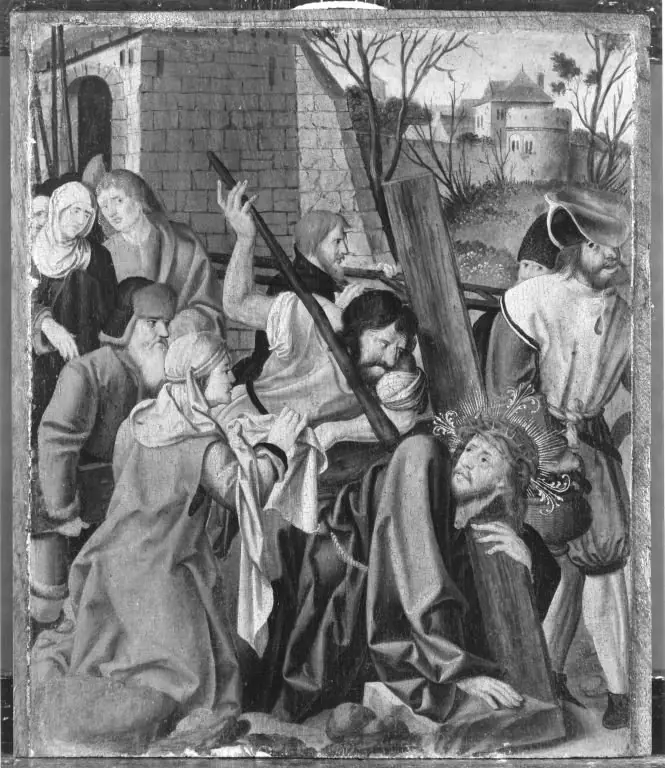 The carrying of the cross
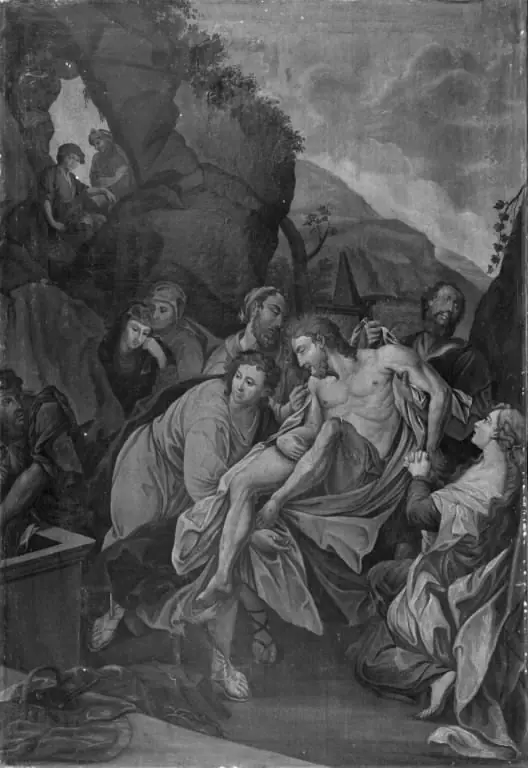 The Entombment
 The Entombment
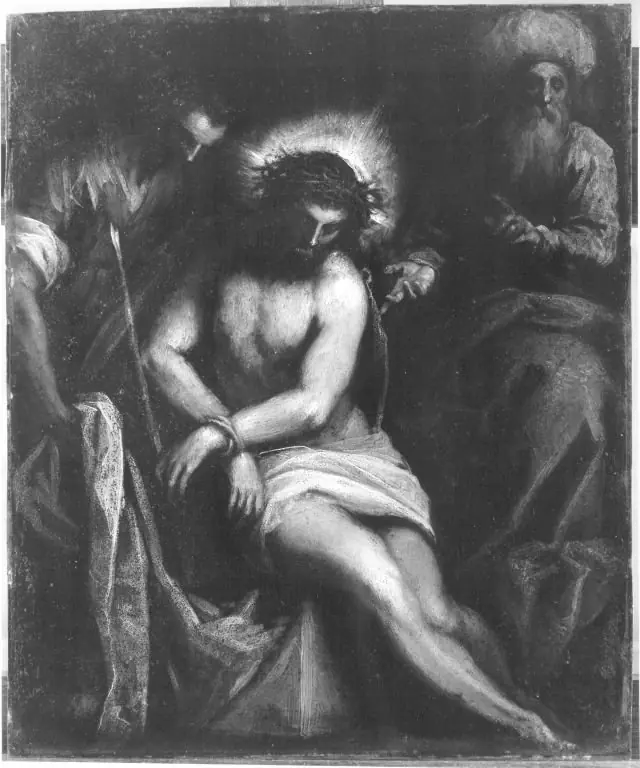 Ecce homo
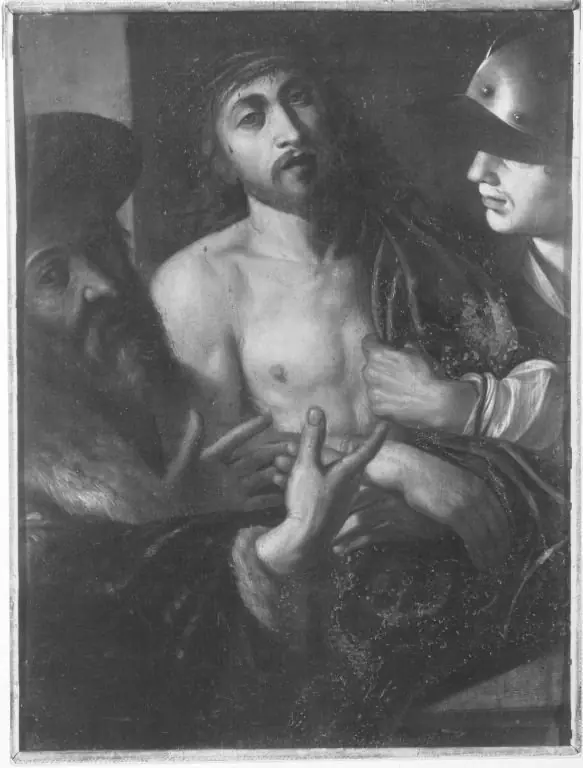 Ecce homo
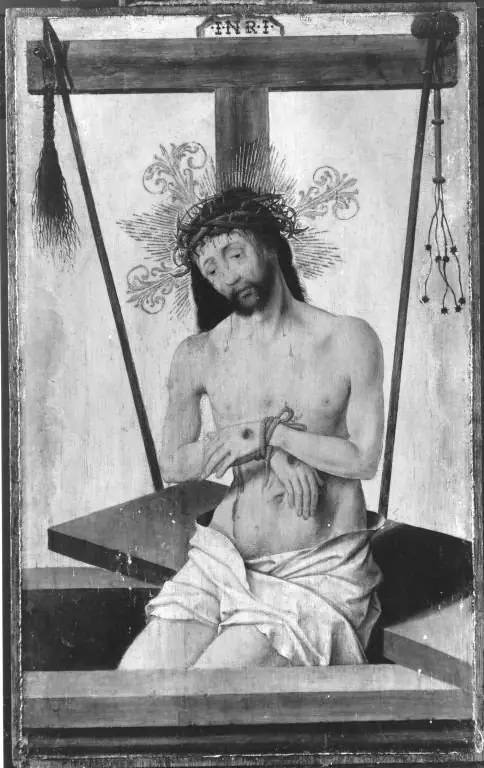 Christus als Schmerzensmann
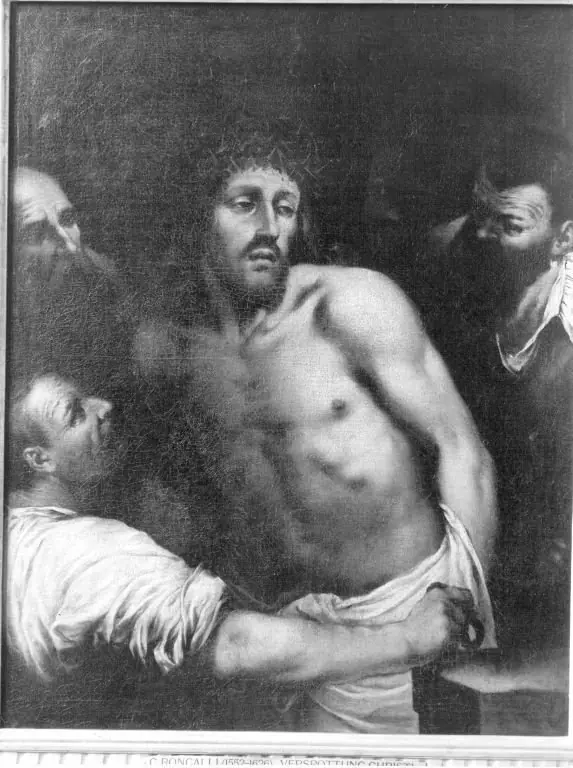 Verspottung Christi
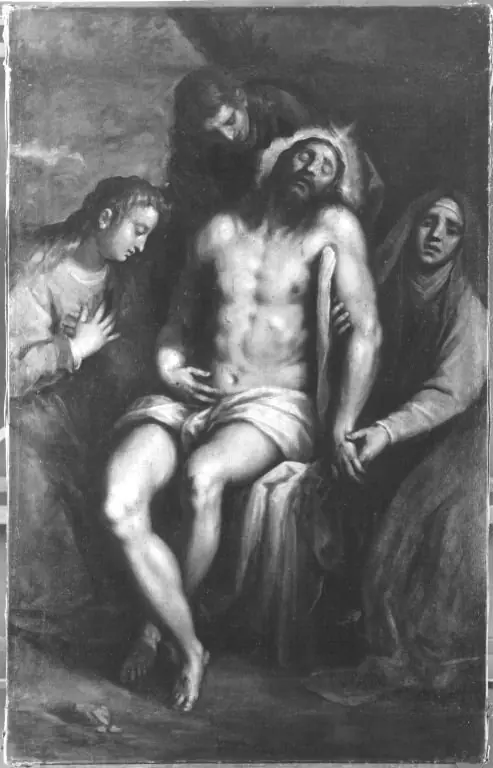 Beweinung Christi
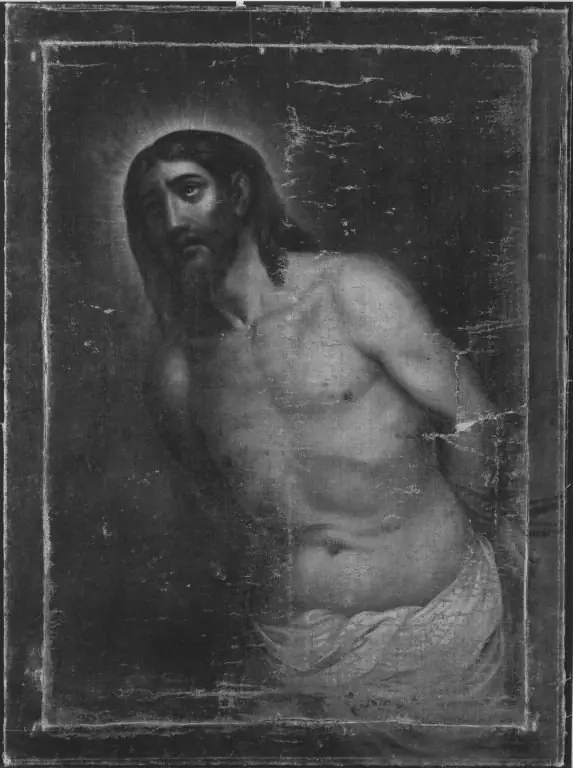 Christus vor der Geißelung (Kopie nach)
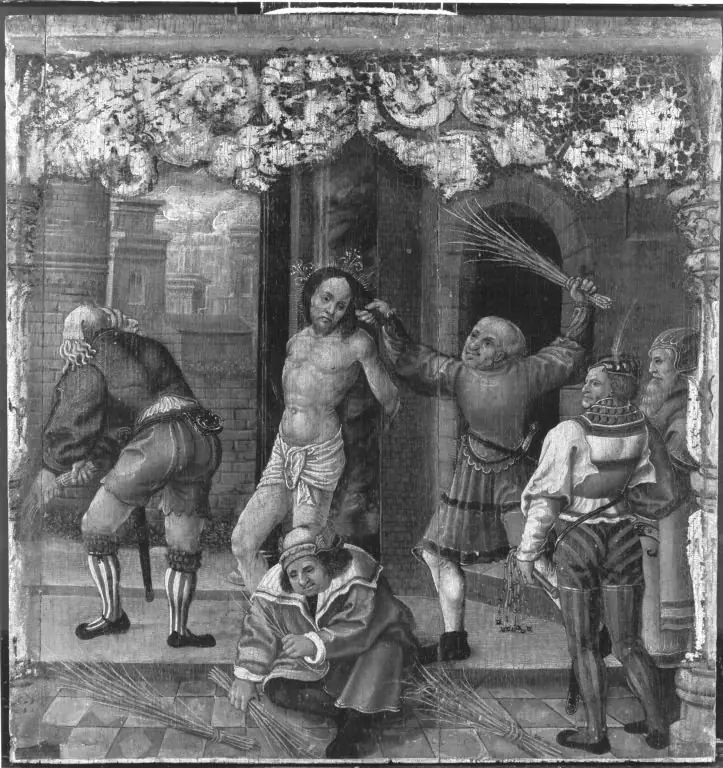 The flagellation of Christ
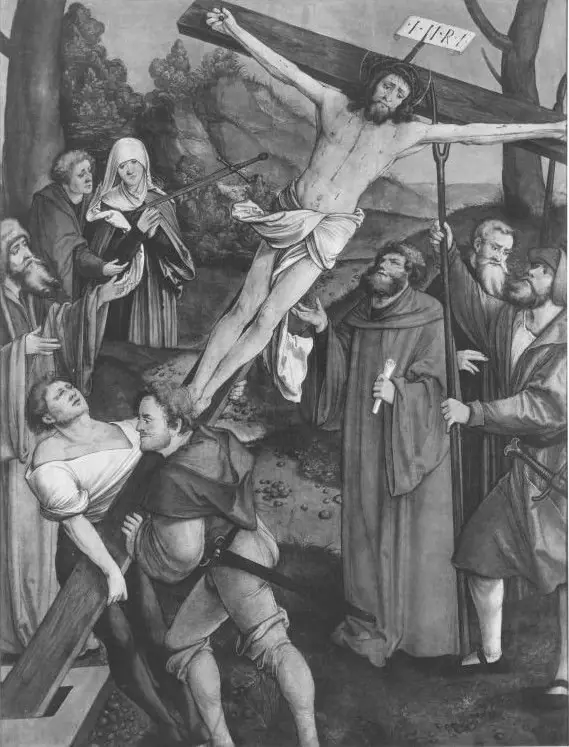 Christgartner Altar: Fall Christi bei der Kreuzaufrichtung (Abgetrennte Rückseite von WAF 920)