Artwork
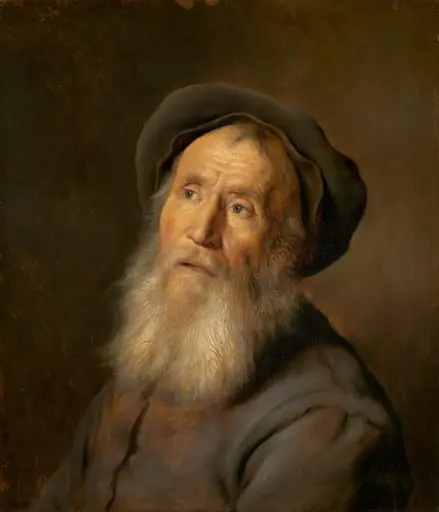
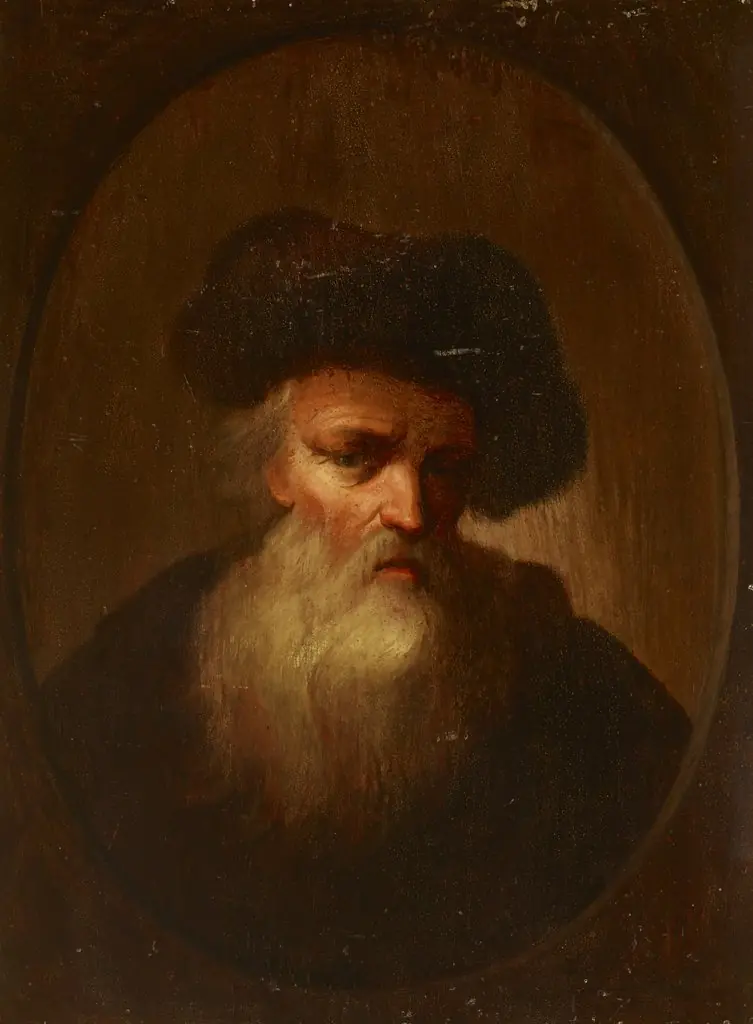
Bärtiger Greis mit Barett
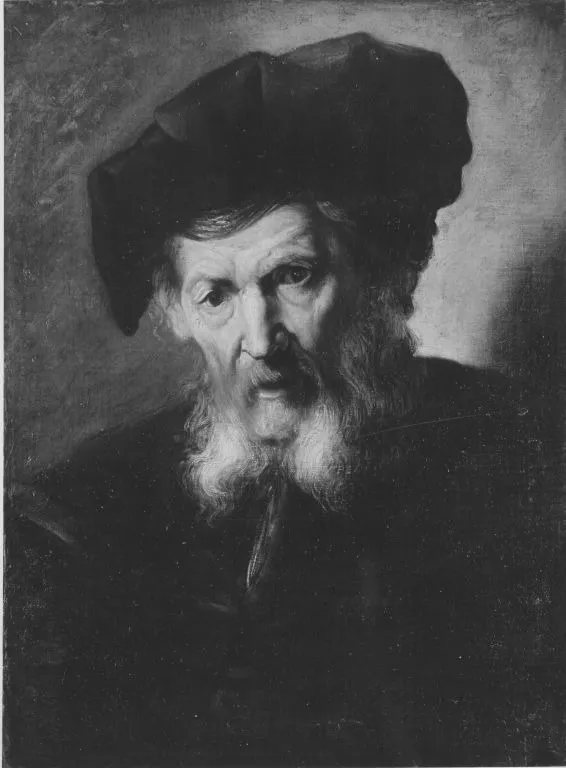
Bärtiger Greis mit Barett is an unspecified painting by the French Classical Baroque artist Jacques des Rousseaux. It dates from 1635 and is held in the collection of the Bavarian State Painting Collections.
About this work
Overview
Painted in 1635 by Jacques des Rousseaux, a Leiden-based artist from the Spanish Netherlands, this portrait captures an elderly man in quiet introspection.
Painted in 1635 by Jacques des Rousseaux, a Leiden-based artist from the Spanish Netherlands, this portrait captures an elderly man in quiet introspection. Executed in oil on panel, the work reflects the influence of French Classical Baroque sensibilities, emphasizing restrained emotion and refined modeling. It is part of the Alte Pinakothek’s collection in Munich, where it stands as a quiet example of early 17th-century Dutch portraiture with continental stylistic leanings.
Subject & Meaning
The subject is an aging man with a full white beard and mustache, dressed in simple dark clothing and a low-crowned beret. His weary gaze and deeply lined face suggest a life of experience, though no identity or title is recorded. The absence of symbols or context invites contemplation of human aging rather than social status, aligning with a broader trend in Northern European art to honor the dignity of ordinary individuals.
Technique & Style
Des Rousseaux employs subtle chiaroscuro to model the face with soft transitions between light and shadow, enhancing the texture of skin and beard without overt drama. Brushwork is controlled and smooth, avoiding the theatricality of Italian Baroque. The dark, unadorned background isolates the figure, focusing attention on the nuanced rendering of age, wrinkles, sparse hair, and the matte quality of fabric and wool.
History & Provenance
The painting entered the Alte Pinakothek’s holdings in the 19th century, likely through the acquisition of private German collections. Its attribution to Jacques des Rousseaux, documented in early 20th-century catalogues, rests on stylistic comparison with his few known works. Little is recorded of its ownership prior to museum acquisition, suggesting it may have remained in regional collections after its creation in Leiden.
Context
In the 1630s, Leiden was a hub for artists blending Dutch realism with broader European trends. Des Rousseaux, trained in the Low Countries but influenced by French Classicism, contributed to a quieter, more introspective branch of portraiture. This work reflects a moment when Northern painters moved beyond overt symbolism toward psychological depth, anticipating the introspective character studies of later generations.
Legacy
Though not widely exhibited, the portrait endures as a representative example of a lesser-known artist’s contribution to Baroque portraiture. Its restrained emotion and technical precision offer insight into the diversity of 17th-century Dutch painting beyond Rembrandt’s dramatic intensity. It remains a quiet testament to the dignity of aging, rendered with understated mastery.
Artist & collection
Artist
Jacques des Rousseaux (1600 – 1638), was a Baroque painter active in Leiden. He was born in Torcoing, which at the time was part of the Spanish Netherlands.

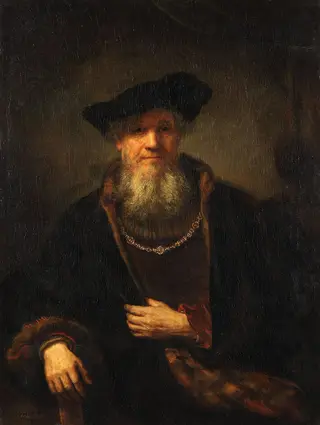
- Old Man with Fur Coat
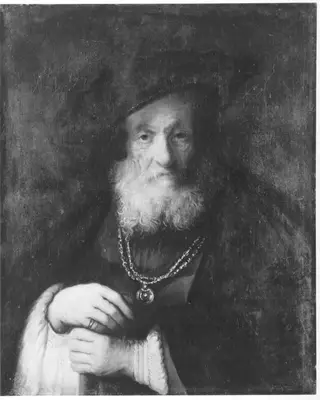 Bildnis eines alten Mannes (Kopie nach)
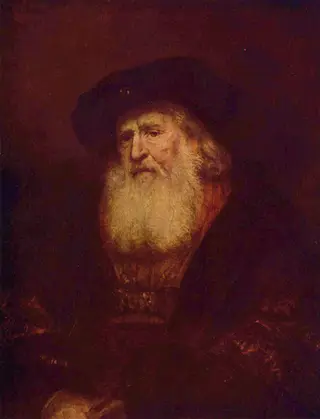 Portrait of a Bearded Old Man
 Bearded Man with a Beret
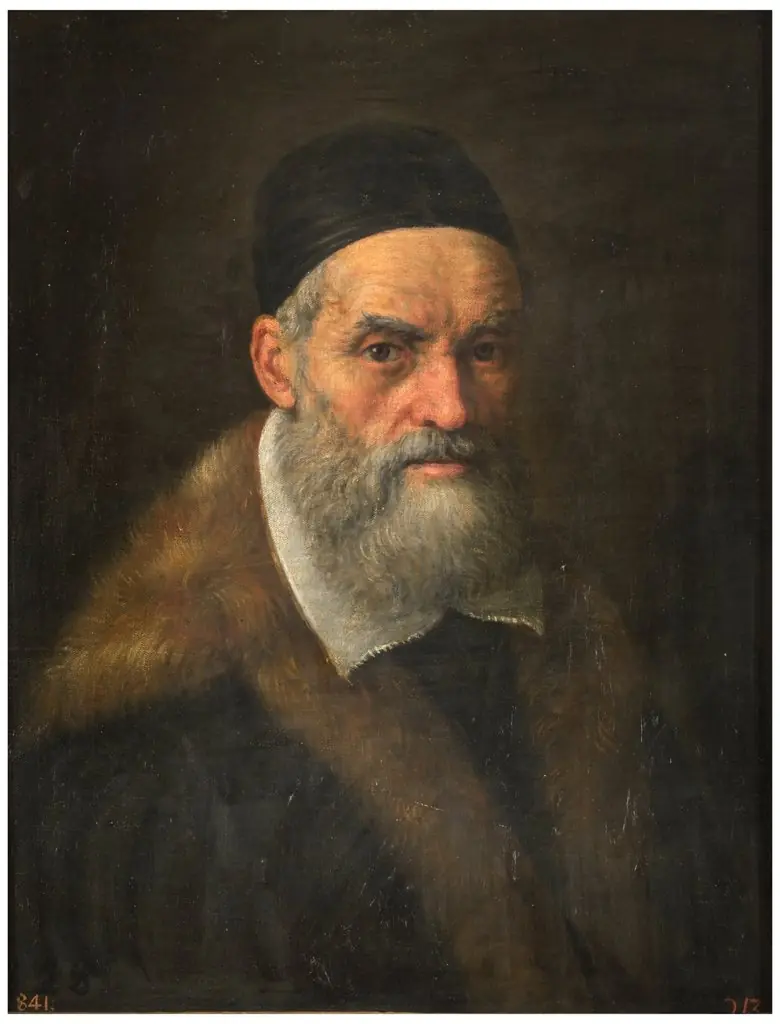 Portrait of Jacopo Bassano
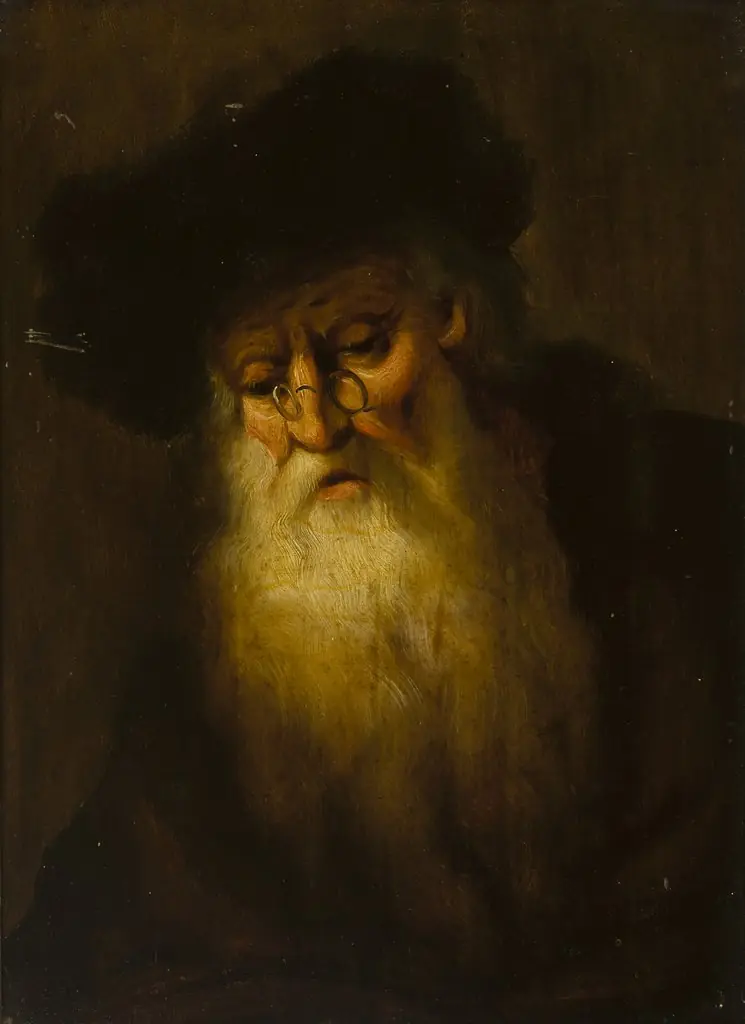 Bust of an Old Man
 Cap de bătrân cu pălărie
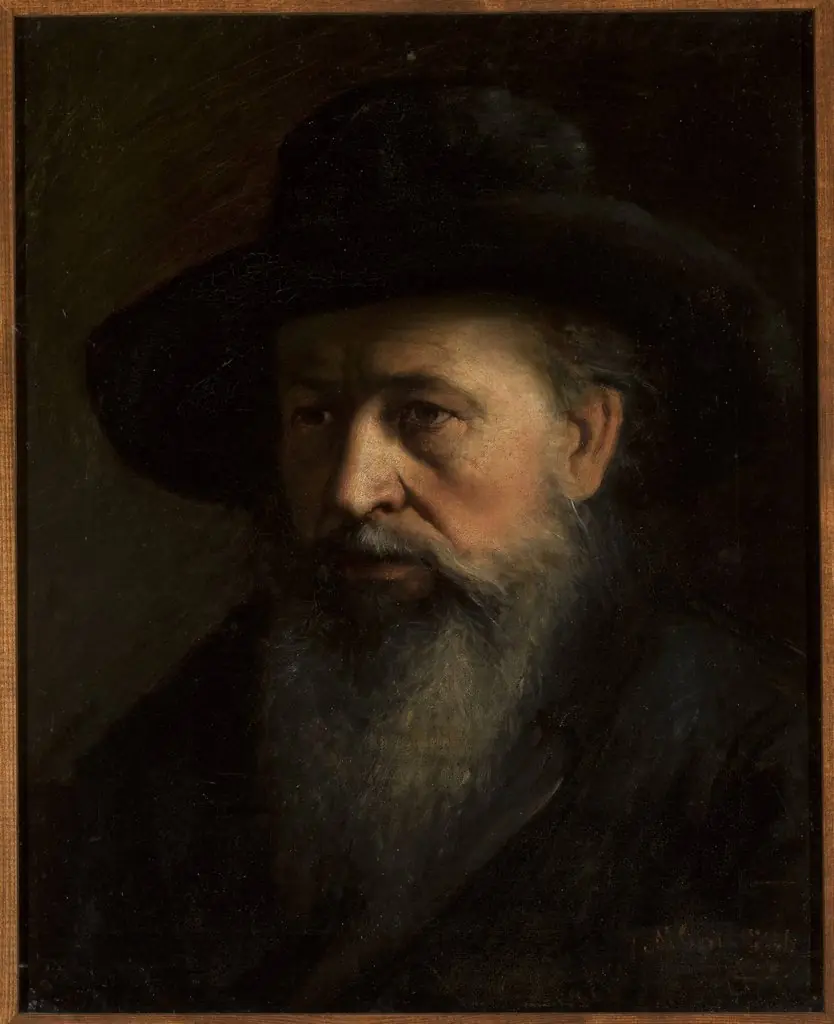 Portrait of a rabbi
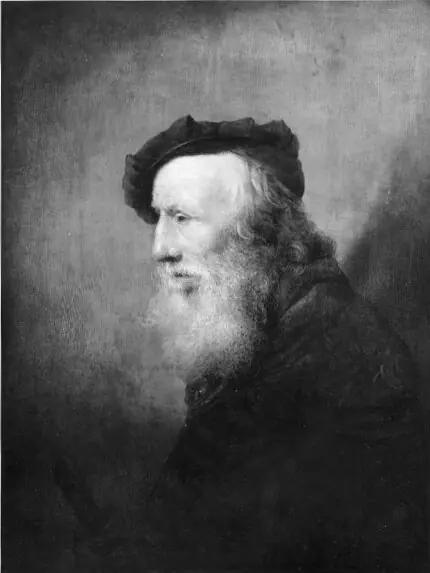 Tronie of an old man with beard and baret
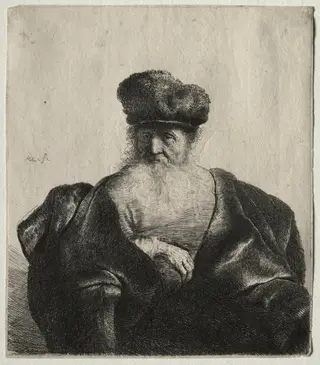 Old Man with Beard, Fur Cap, and Velvet Cloak
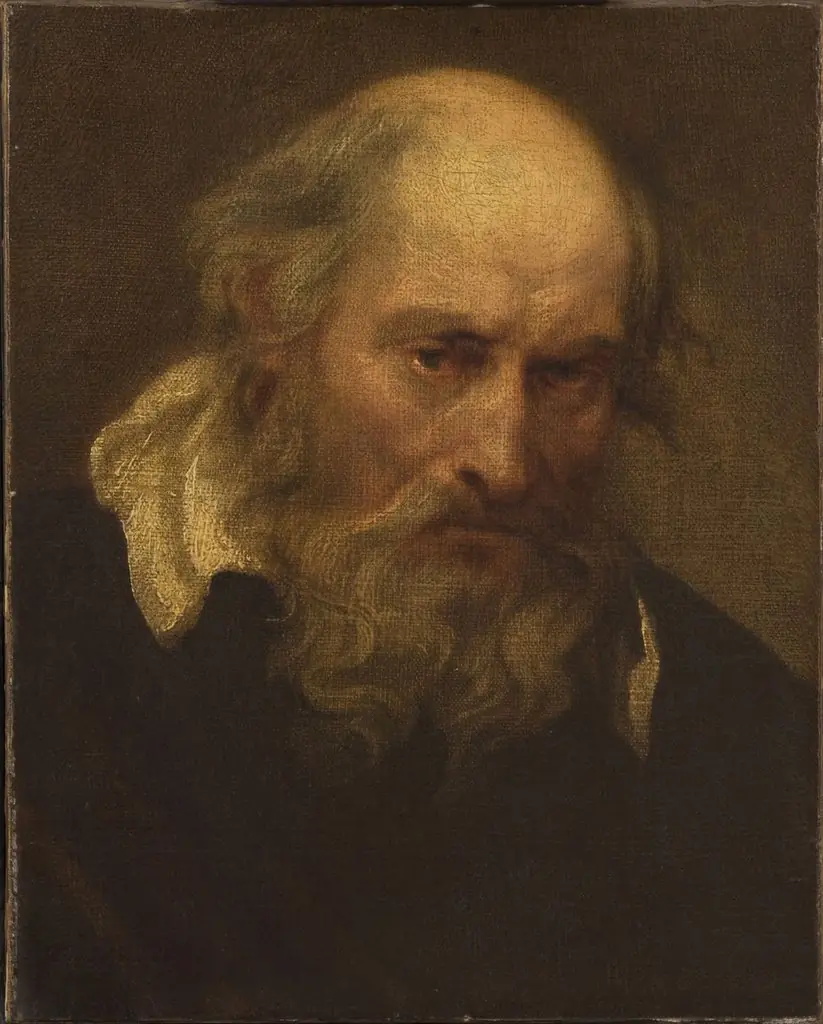 Head of an Old Man
 Portrait of an Old Man