Artwork
Vanitas
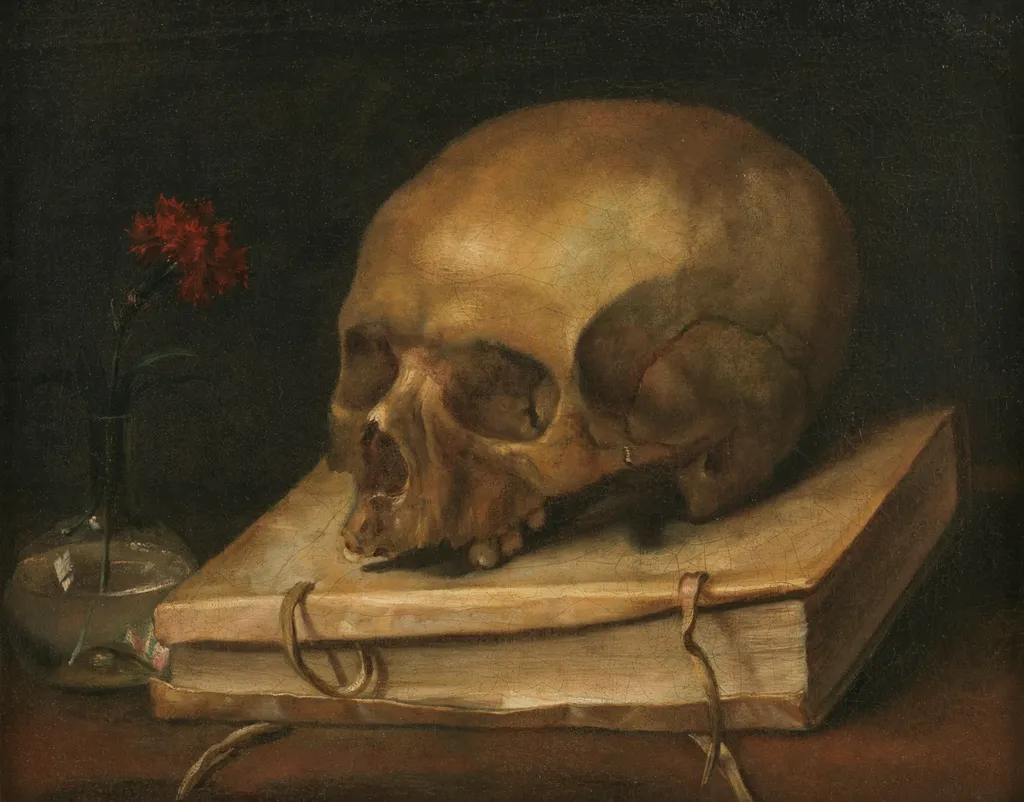
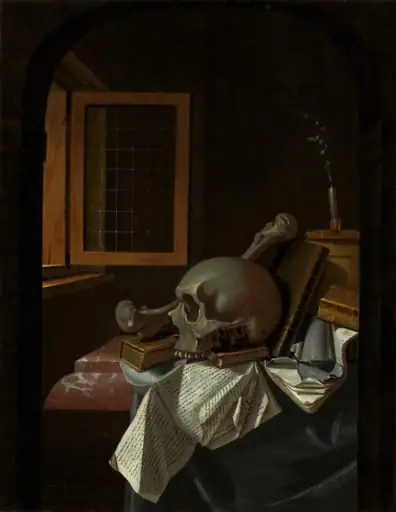
Vanitas is an oil painting by the French Classical Baroque artist Jacques Linard. It dates from 1640 and is held in the collection of the Museo del Prado.
About this work
Subject & Meaning
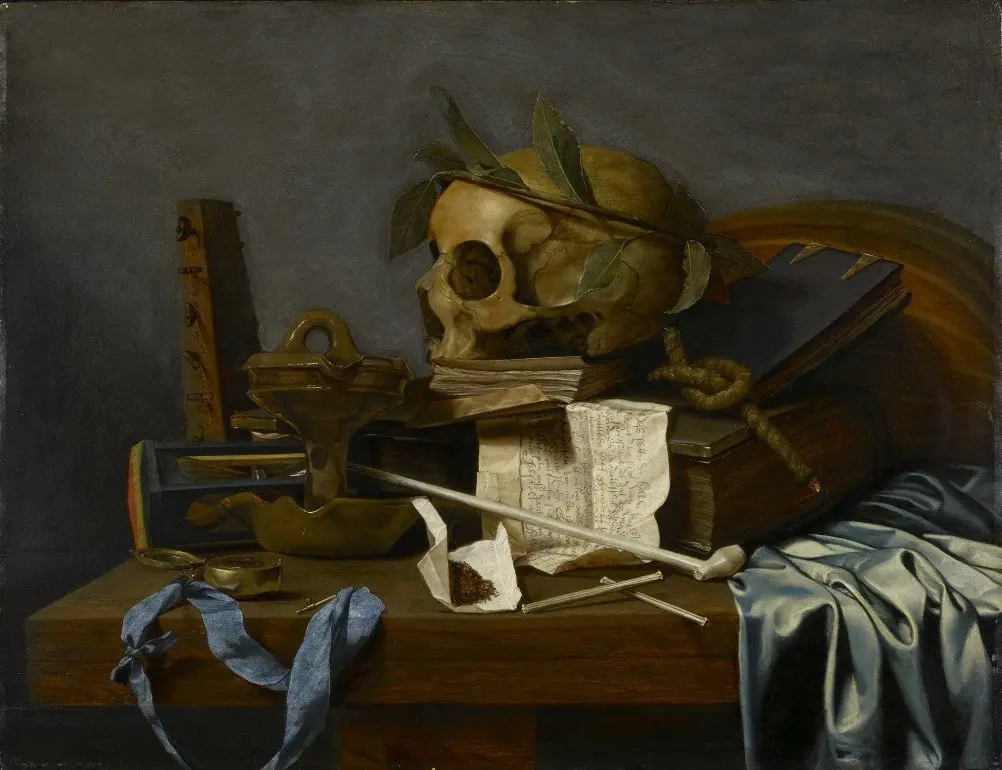
The composition prominently features a human skull, a universal symbol of mortality and the inevitability of death.
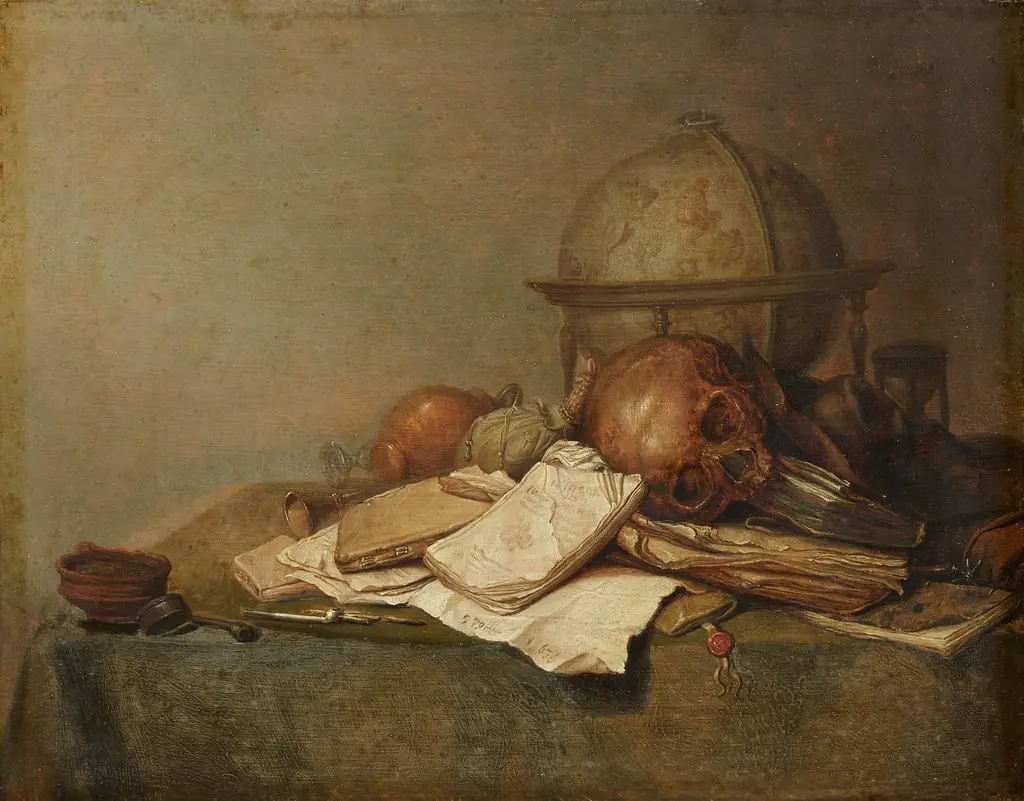
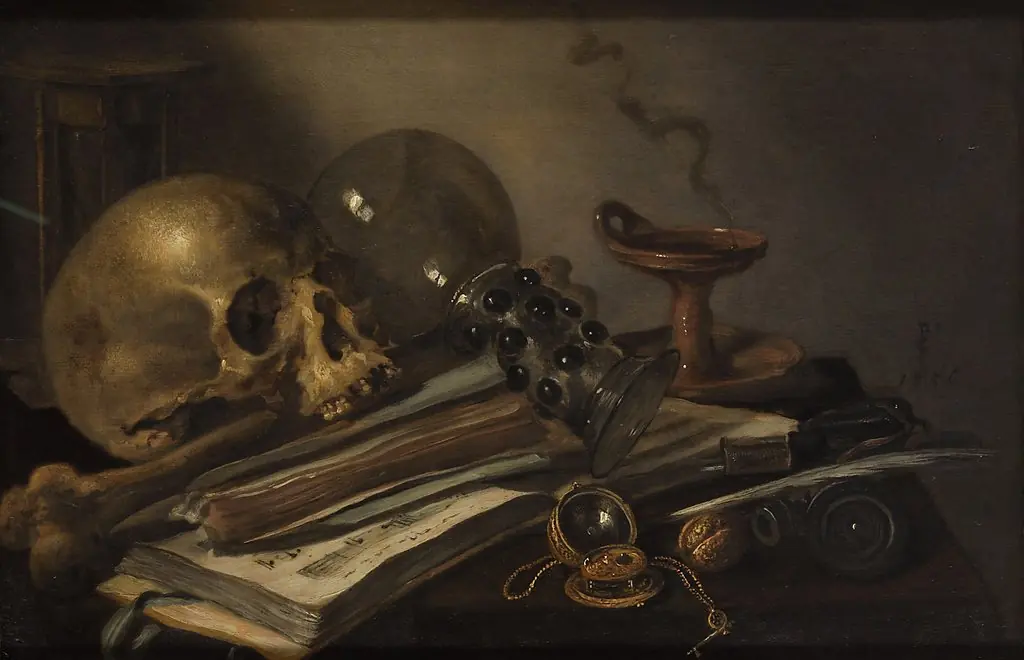
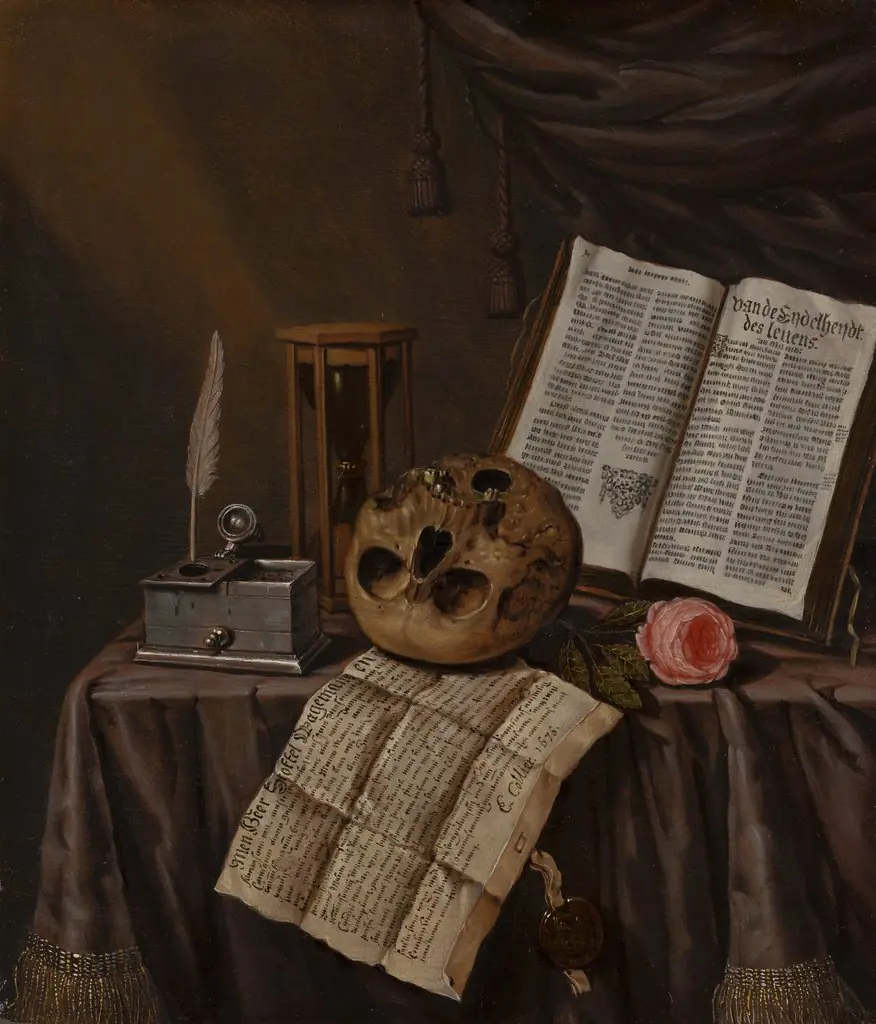
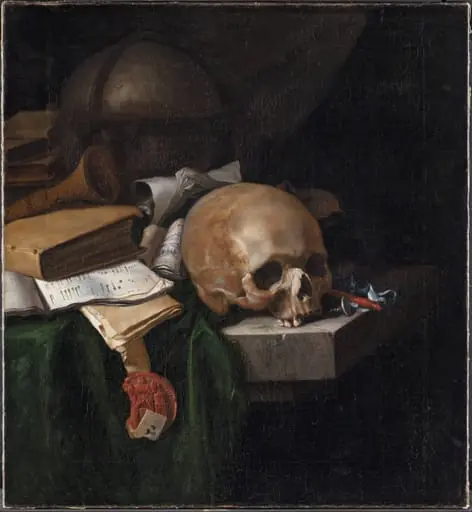
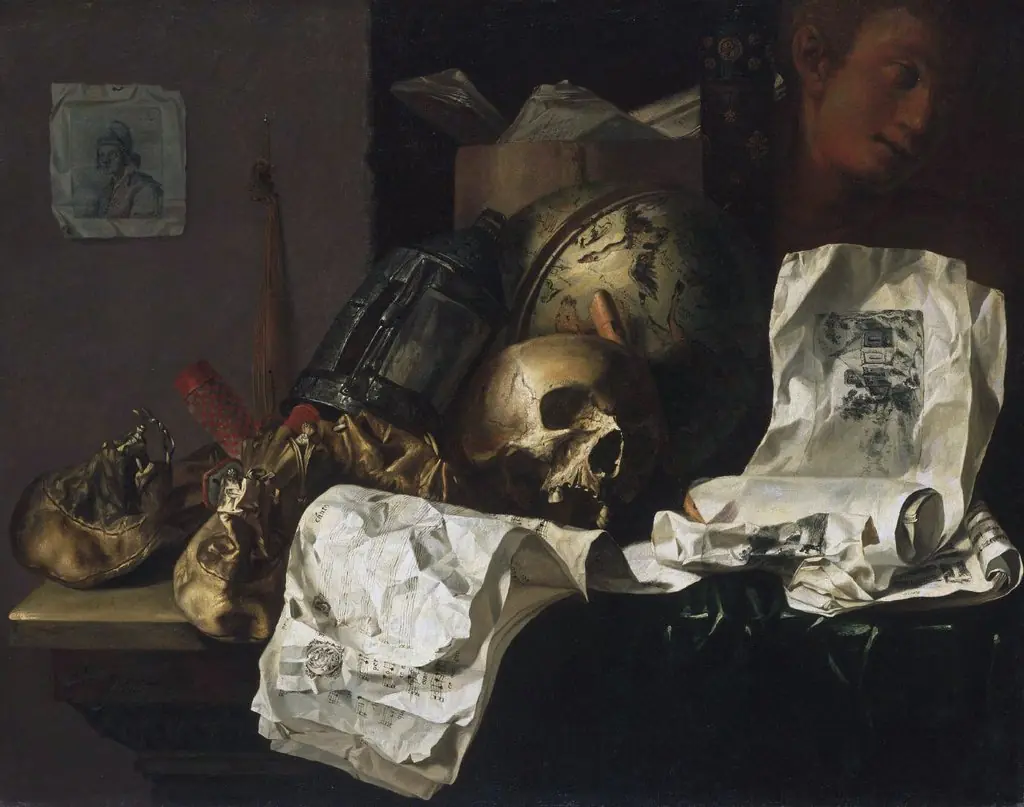
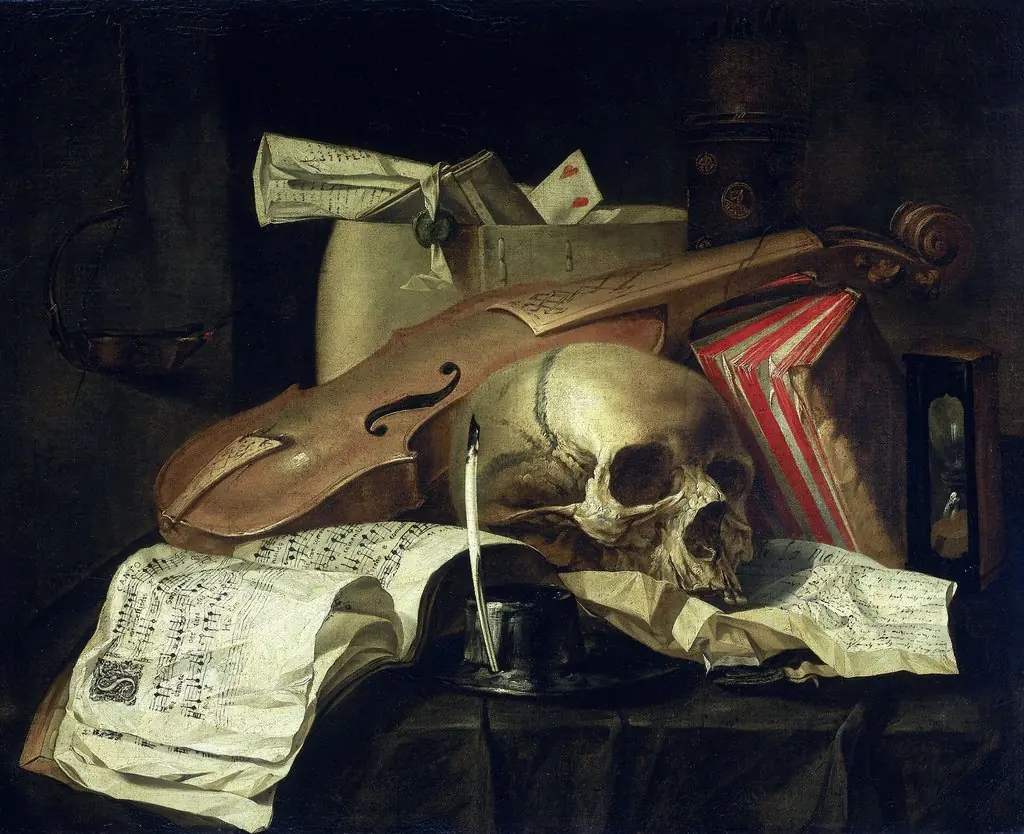
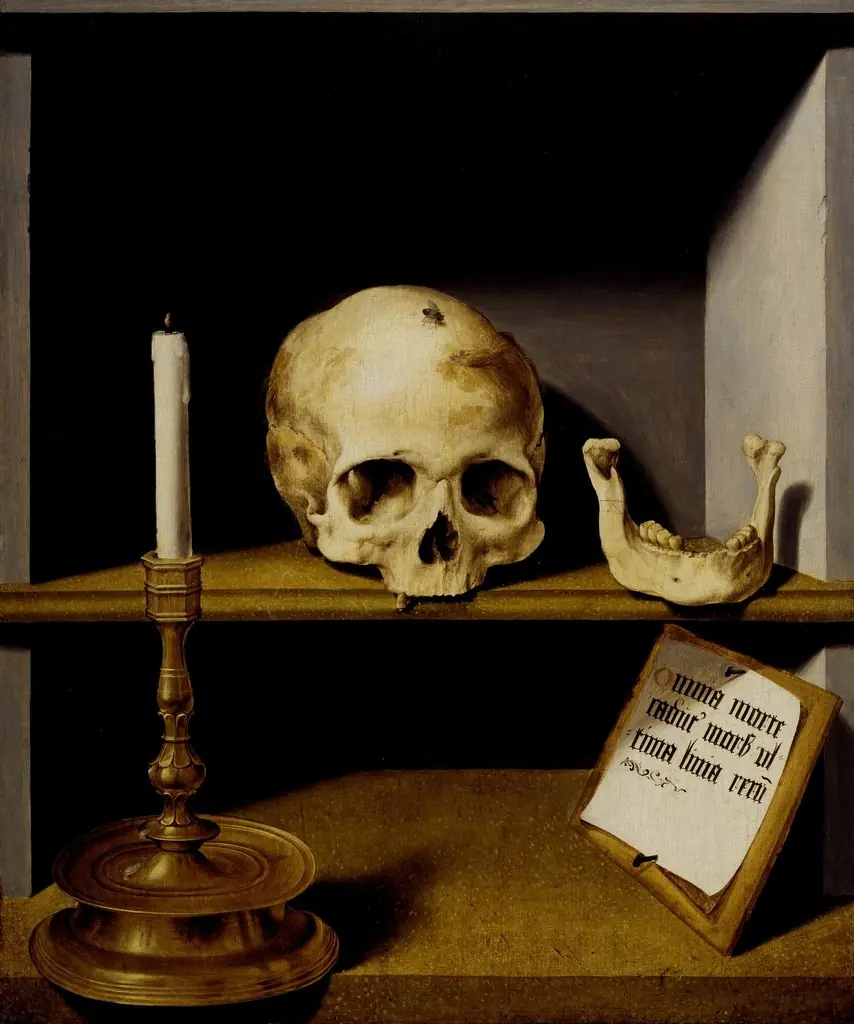
Created in 1640 by Jacques Linard, this oil painting on canvas functions as a vanitas still life, a genre dedicated to meditating on the transience of earthly existence. The composition prominently features a human skull, a universal symbol of mortality and the inevitability of death. Accompanying the skull is a book, which typically represents human knowledge, learning, or worldly achievements that ultimately prove futile in the face of mortality.
By juxtaposing these objects, the work visually argues that intellectual pursuits and life itself are temporary, urging the viewer to consider spiritual matters over material or temporal concerns.
Technique & Style
Jacques Linard painted this 1640 vanitas in oil on canvas. The work measures 31 by 39 cm. The composition depicts a skull and a book, typical iconographic elements of the vanitas genre that meditate on the transience of life and the vanity of earthly pursuits. As a still life, it belongs to the tradition of 17th-century French painting characterized by meticulous attention to surface detail and symbolic objects.
History & Provenance
Vanitas is an oil painting on canvas created in 1640 by Jacques Linard. It was painted for an unknown patron and later entered the collection of the Museo del Prado, where it remains on public display. The work measures 39 cm in width and 31 cm in height.
Jacques Linard's Vanitas, an oil painting on canvas created in 1640, is held in the collection of the Museo del Prado in Madrid. The work measures 31 cm in height and 39 cm in width. It depicts a skull and a book, characteristic of the vanitas genre.
The provided sources do not contain specific inventory or accession numbers for the painting, nor do they record any exhibition history for the work.
Overview
Jacques Linard's 'Vanitas', painted in 1640, is a quintessential example of French Baroque still life that meditates on the transience of earthly existence. The composition centers on a human skull resting atop an open book, flanked by a vibrant red flower in a small glass vessel. These elements are arranged on a table against a dark, neutral background, a technique that heightens the contrast and focuses the viewer's attention on the symbolic objects.
A glass container holding liquid and other small items completes the arrangement. Linard employs precise realism and careful chiaroscuro to render the textures of bone, paper, and glass. The juxtaposition of the skull, representing death, with the book, symbolizing knowledge, and the fleeting bloom, signifies the futility of human pursuits and the inevitability of mortality.
Created during the height of the Vanitas genre's popularity in France, this work reflects Linard's mastery in the field and his adherence to the moralizing traditions of 17th-century Dutch and French still life painting.
Own this work as a print
Artist & collection