Artwork
Vanitas Still Life
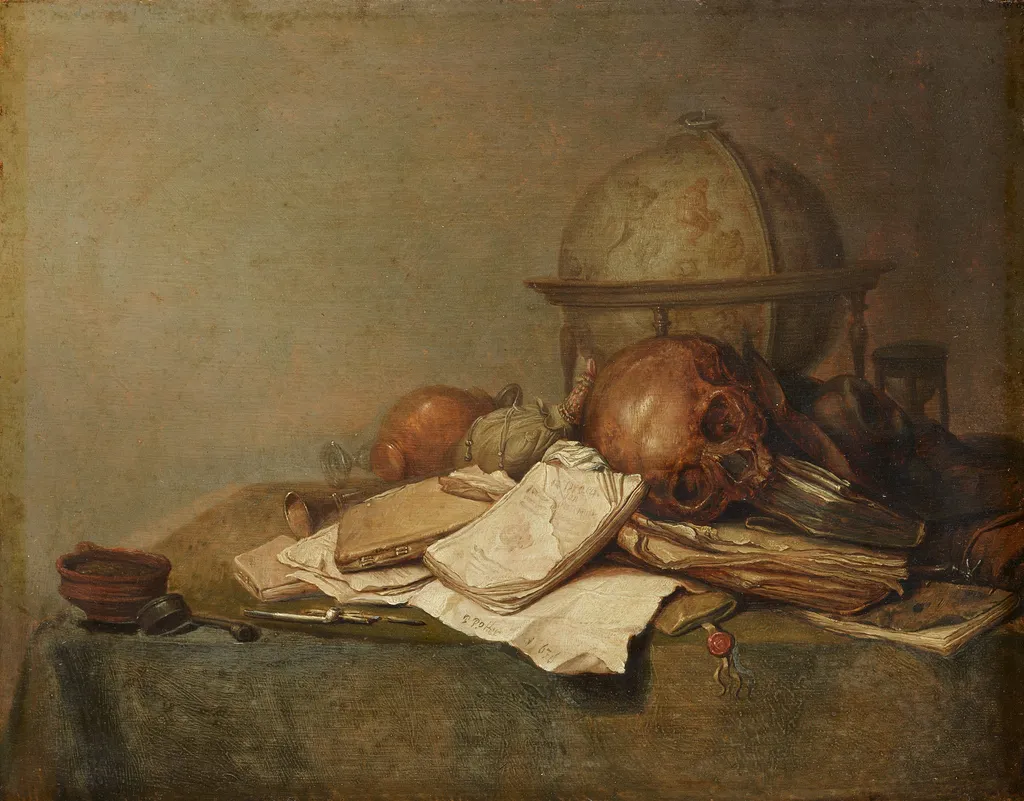
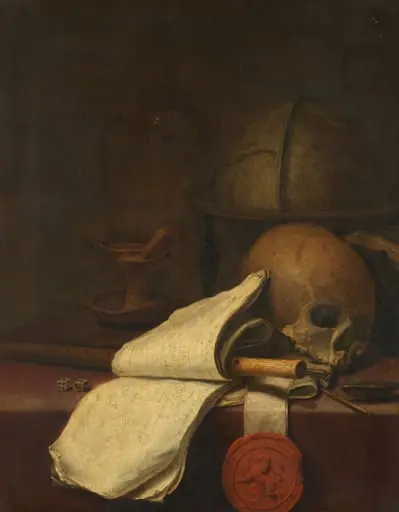
Vanitas Still Life is a paint painting by the Dutch Golden Age artist Pieter Symonsz Potter. It dates from 1636 and is held in the collection of the Gemäldegalerie Berlin.
About this work
Overview
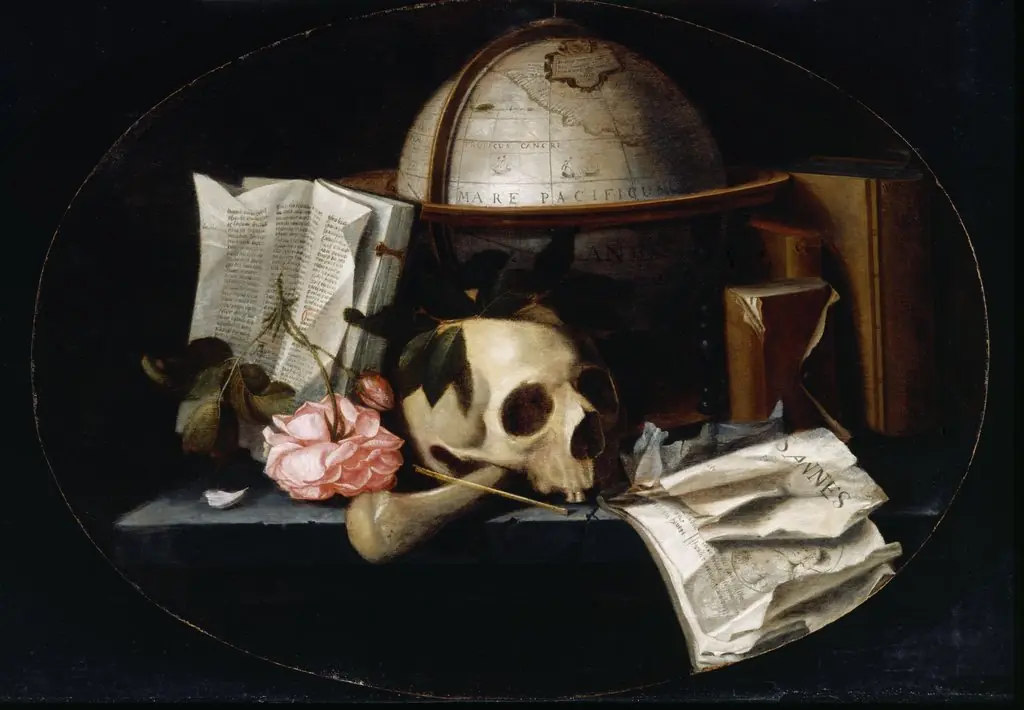
The globe represents worldly knowledge and the transience of human dominion, while the books signify intellectual pursuits that ultimately cannot prevent death.
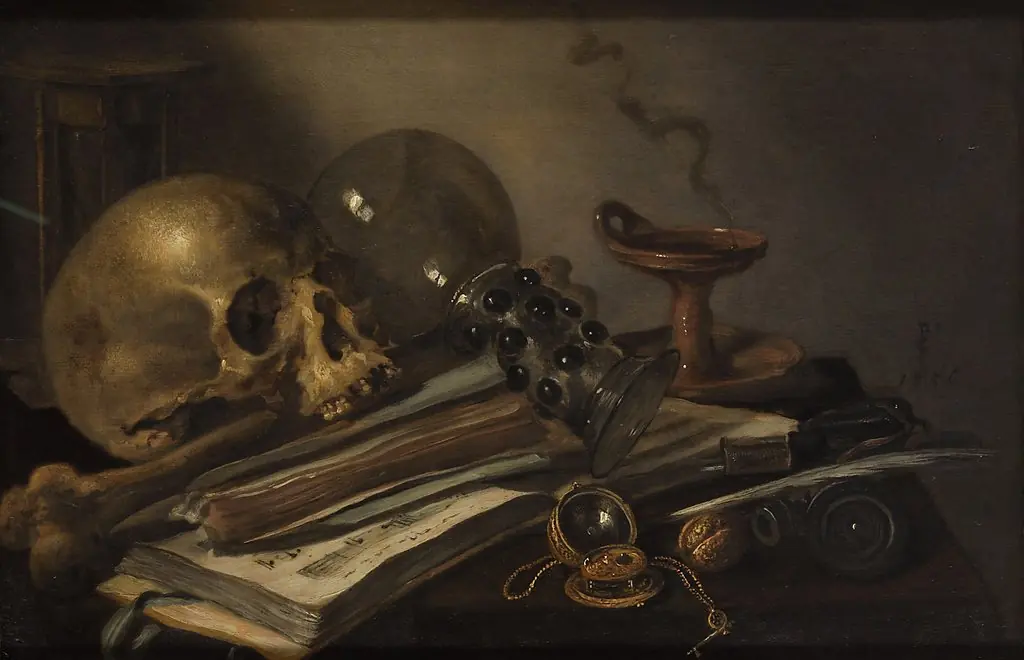
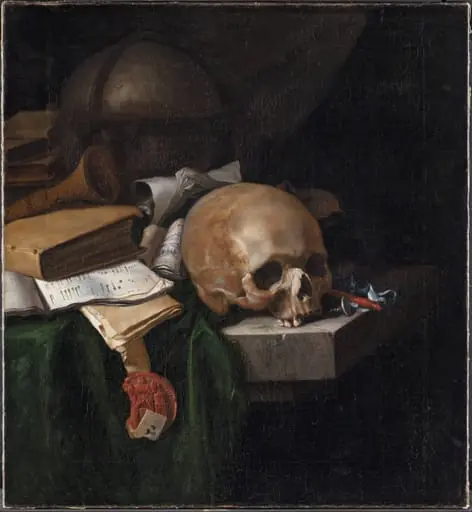
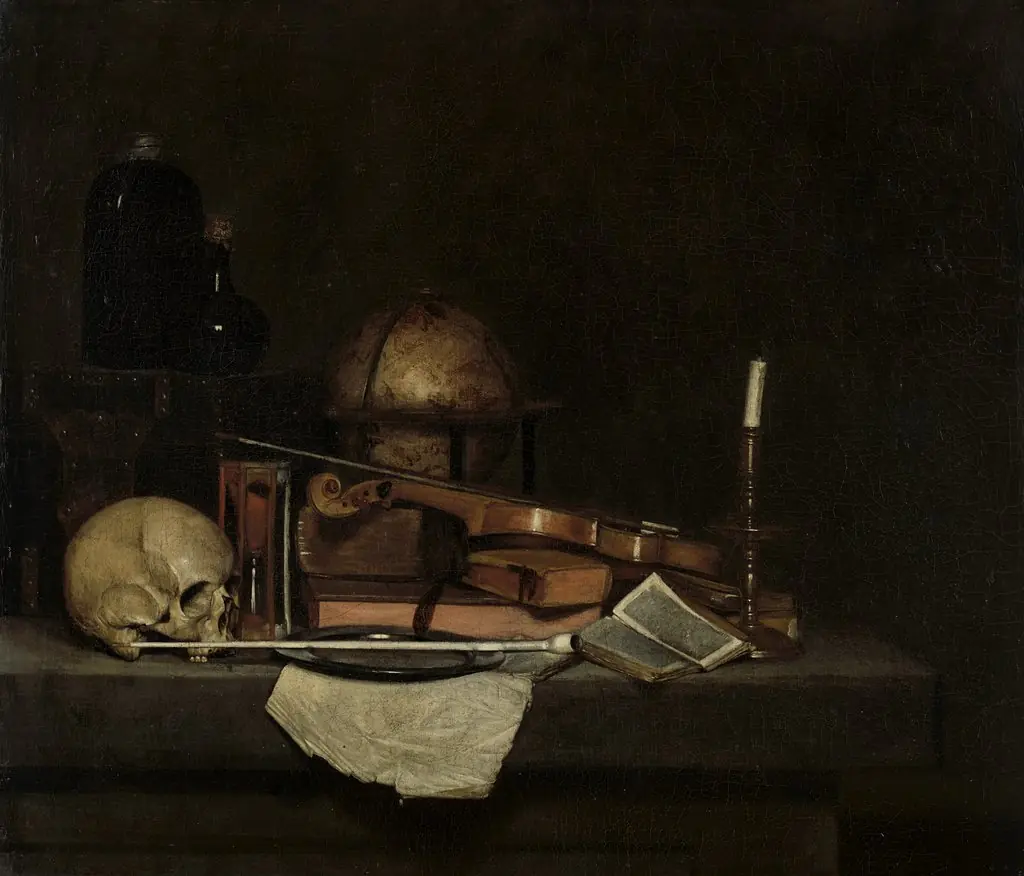
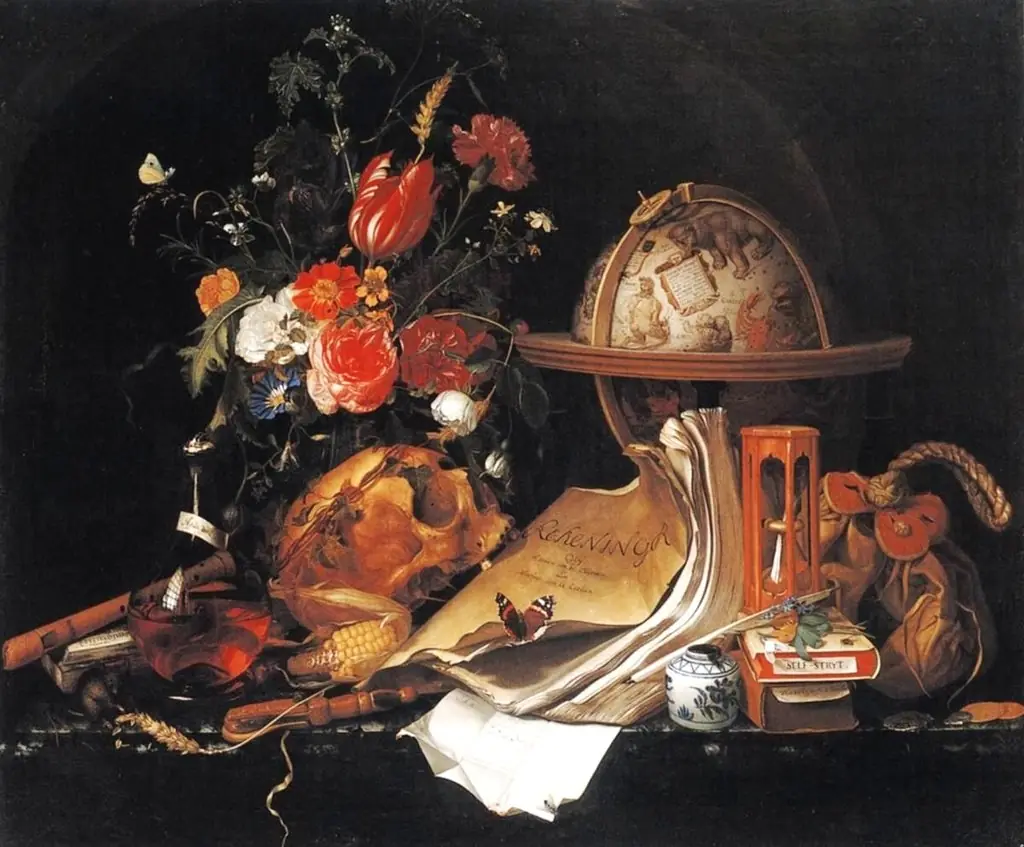
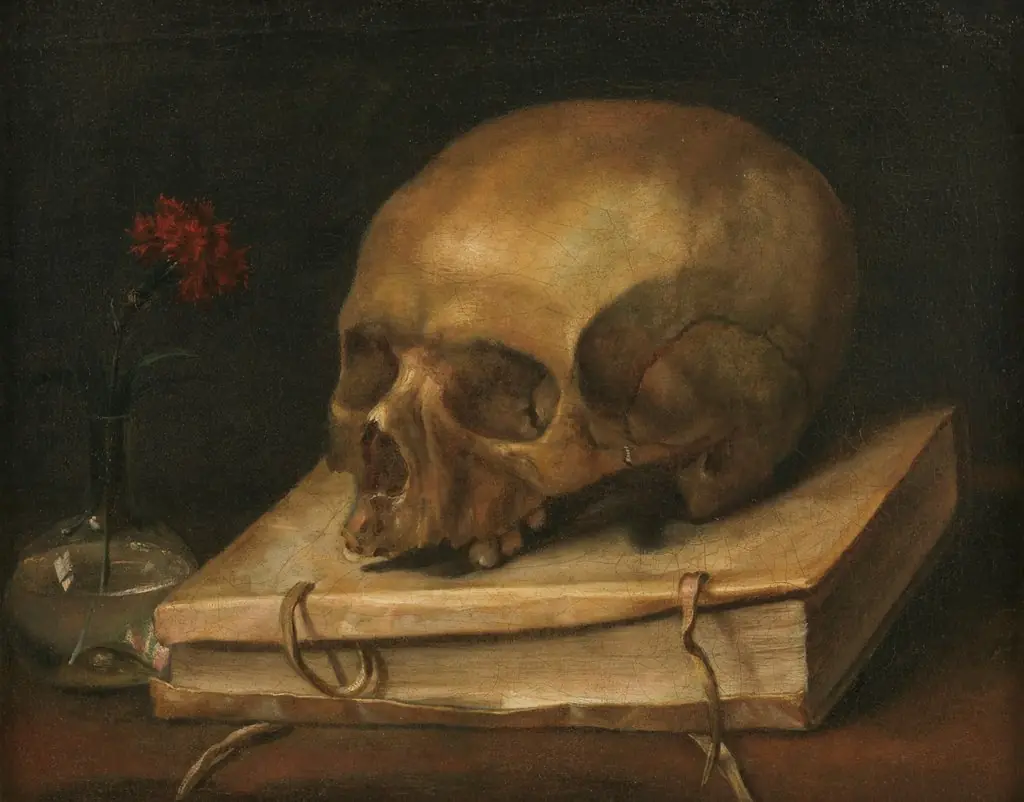
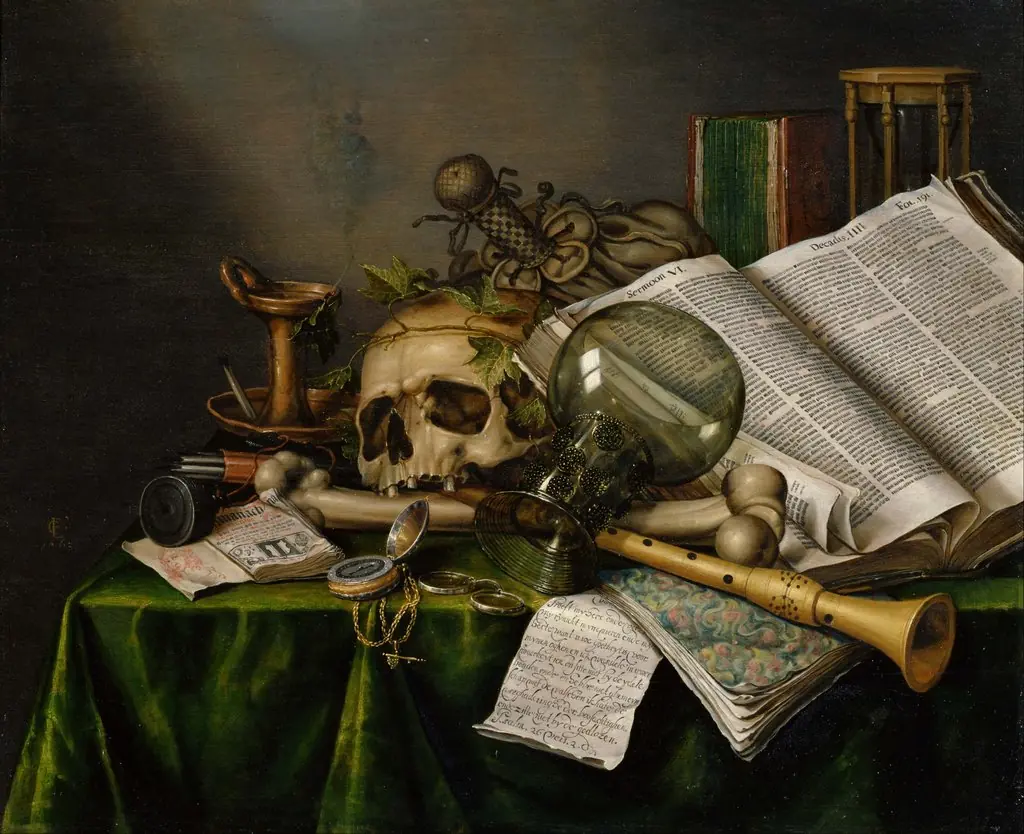
Pieter Symonsz Potter's 'Vanitas Still Life,' executed in 1636, is a quintessential example of Dutch Golden Age memento mori painting. The composition centers on a human skull, the primary symbol of mortality, which rests prominently on a table alongside a terrestrial globe and several bound volumes. These objects are arranged against a stark, dark background that isolates the forms and heightens their symbolic weight.
The globe represents worldly knowledge and the transience of human dominion, while the books signify intellectual pursuits that ultimately cannot prevent death. Potter employs a restrained palette and precise brushwork to render the textures of bone, leather, and paper with tactile realism. This work reflects the artist's engagement with the vanitas genre, which was popular in the Netherlands during the seventeenth century as a moralizing reminder of the futility of earthly pleasures and the inevitability of death.
Created during the height of Potter's career, the painting demonstrates his ability to convey complex philosophical themes through the meticulous arrangement of everyday objects, adhering to the Protestant values of his time that emphasized humility and the afterlife.
Subject & Meaning
At the centre of the composition lies a human skull, a traditional vanitas symbol of death. Behind it a globe suggests the temporal scope of human knowledge, while scattered books and an open, leather‑bound volume with a quill emphasize learning and the written word, all set against a dark background that heightens the contemplative mood.
Technique & Style
Potter employs a muted palette and chiaroscuro lighting to model the objects, allowing the skull’s stark white to contrast with the deep shadows. Fine brushwork renders the texture of the leather cover, the feathered quill, and the globe’s surface, creating a tactile realism typical of Dutch still‑life painting in the early seventeenth century.
History & Provenance
Created in the Dutch Golden Age, the painting entered the Gemäldegalerie’s holdings in the twentieth century, though earlier ownership records are sparse. Its presence in a major German museum reflects the broader European interest in vanitas themes and the cross‑regional circulation of Dutch artworks.
Own this work as a print
Artist & collection