Artwork
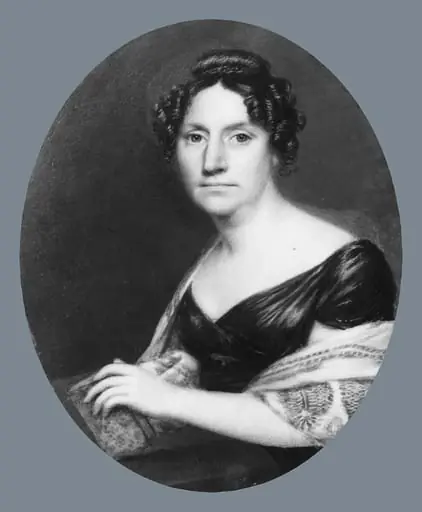
Portrait of a Lady
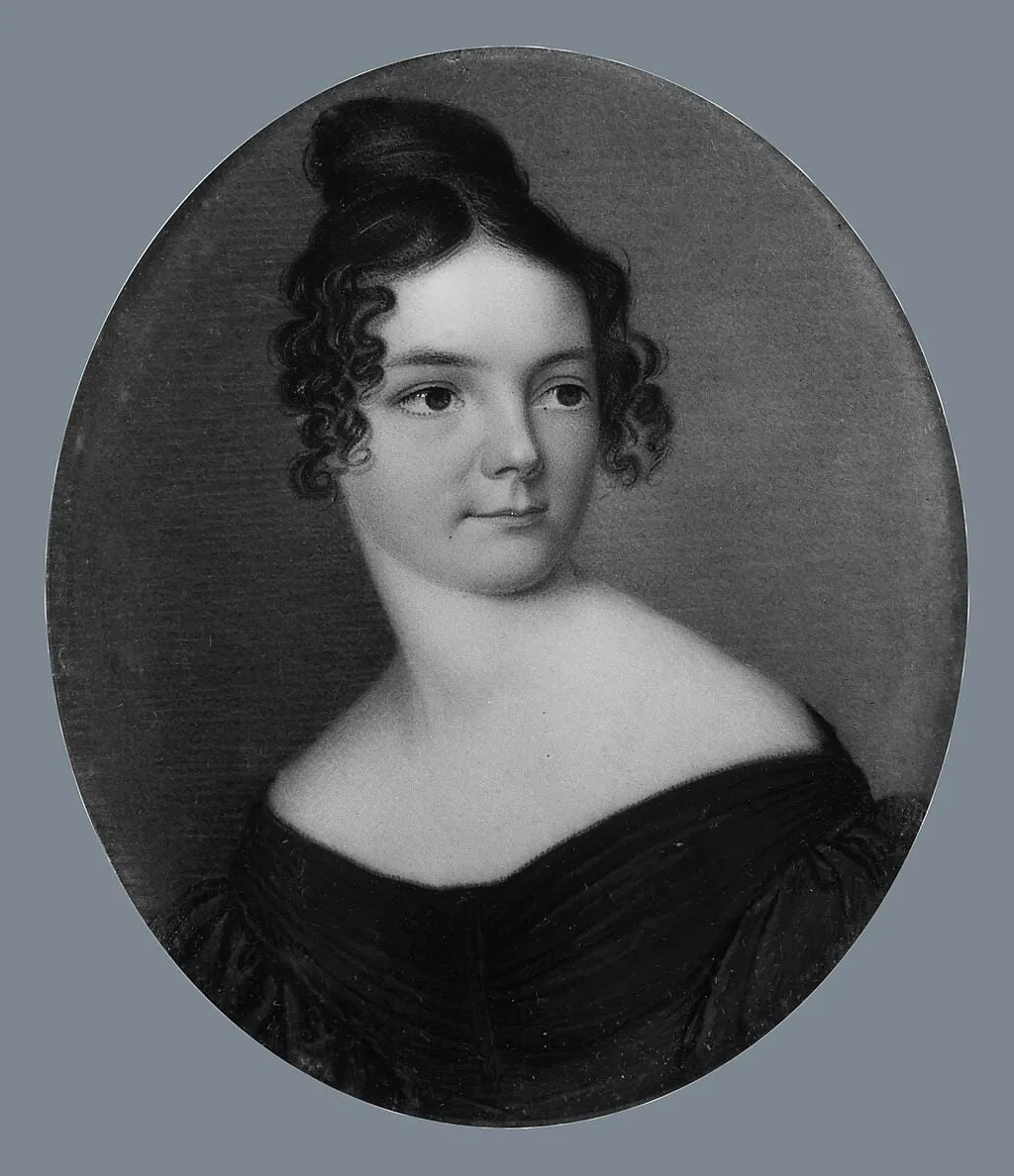
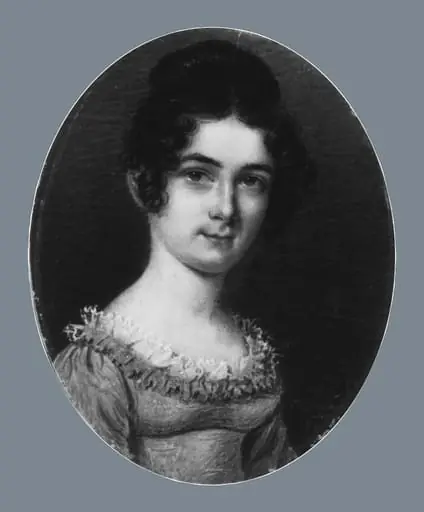
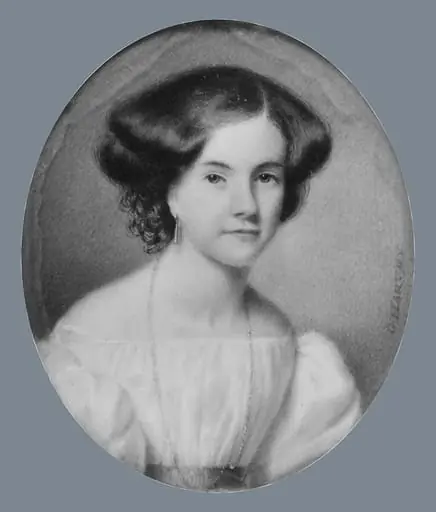
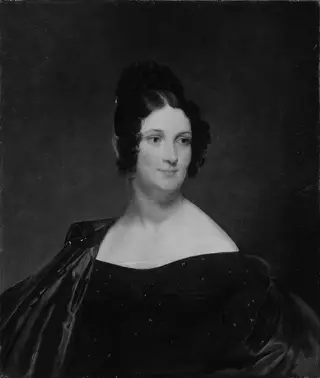
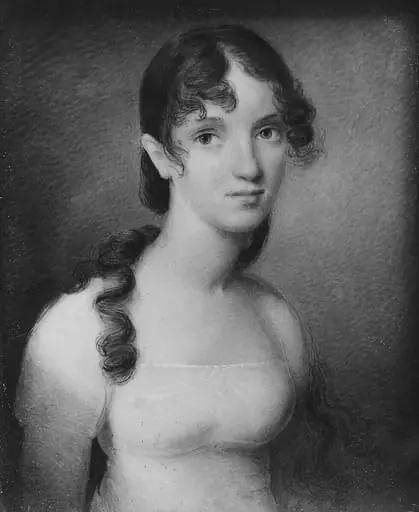
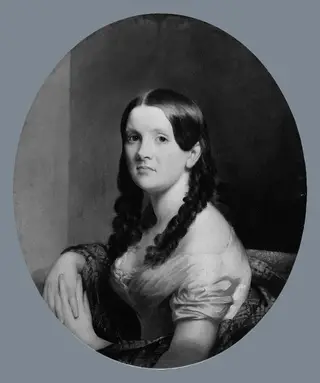
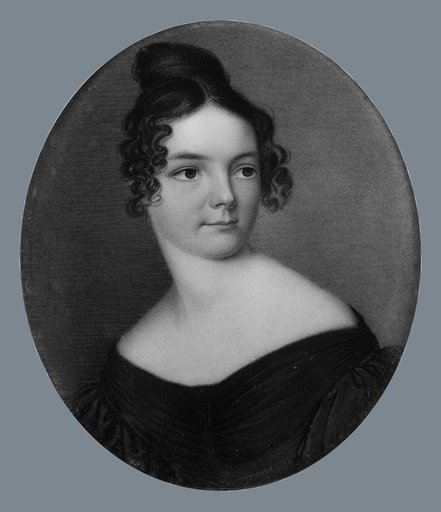
Portrait of a Lady is a watercolor painting by the British Romanticist artist James Passmore Smith. It dates from 1834 and is held in the collection of the Metropolitan Museum of Art.
About this work
Subject & Meaning
The work depicts a single female subject, classified simply as a woman.
The work depicts a single female subject, classified simply as a woman. Created in 1834 by James Passmore Smith, the piece functions as a straightforward portrait without explicit attribution of specific iconographic symbols or allegorical meanings in the available records. The focus remains on the depiction of the female figure within the medium of watercolor on ivory; no further details regarding symbolic elements or the sitter's specific identity beyond gender are provided in the source documentation.
Technique & Style
Created in 1834, this portrait by James Passmore Smith is executed in watercolor on an ivory support. The work measures 6 centimetres in height and 5.1 centimetres in width. As a miniature portrait, it utilizes the traditional medium of watercolor applied to ivory, a material choice characteristic of the genre during the period.
The piece depicts a woman as its main subject and is classified within the American Wing collection. The handling of the watercolor on the small ivory support demonstrates the specific technical constraints and aesthetic qualities associated with miniature portraiture of the early nineteenth century.
History & Provenance
Portrait of a Lady was created in 1834 by James Passmore Smith as a watercolor on ivory. The work is part of the Metropolitan Museum of Art's collection and is classified in The American Wing. While the sources confirm the date, artist, medium, and current institutional ownership, they do not provide details about earlier owners, a specific commission, an accession number, or an exhibition history.
Overview
James Passmore Smith's Portrait of a Lady, created in 1834, is a watercolor on ivory. This small-scale work captures an unidentified woman, depicted with her hands clasped and gaze directed forward. The miniature format was characteristic of the era, offering a personal and portable image. Its delicate execution highlights the artist's skill in this specialized medium.
Context
During the 19th century, miniature portraits served as intimate personal objects, often carried by their owners much like modern photographs. The use of watercolor on ivory elevated these small-scale works, making them a luxurious and fashionable choice for the affluent. Such portraits provided a tangible connection to loved ones, functioning as cherished mementos or tokens of affection.
Artist & collection
Artist
James Passmore Smith painted tiny, delicate portraits on ivory in the 1820s and 1830s.