Artwork
Anthony Wayne Robinson
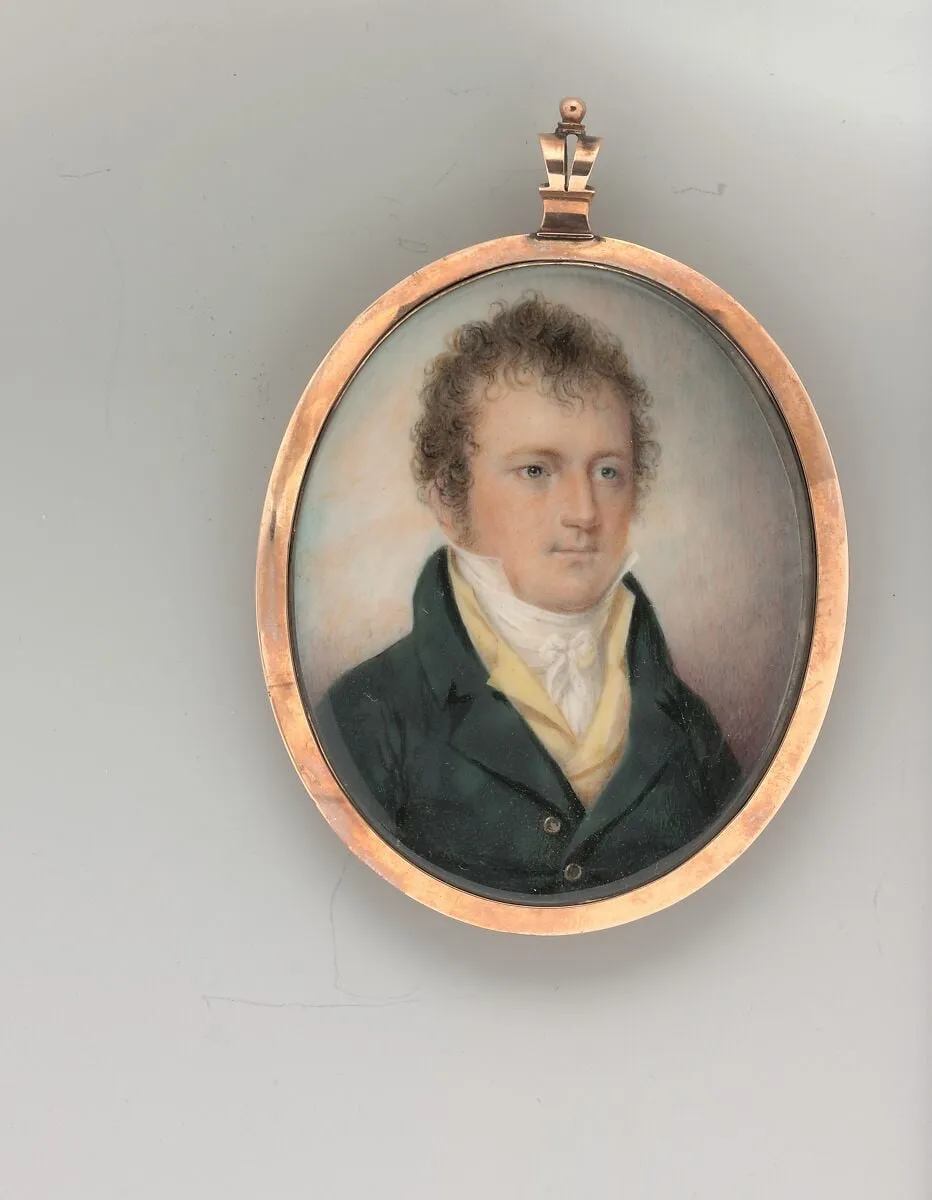
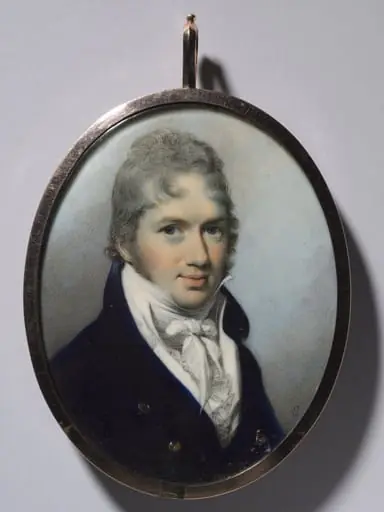
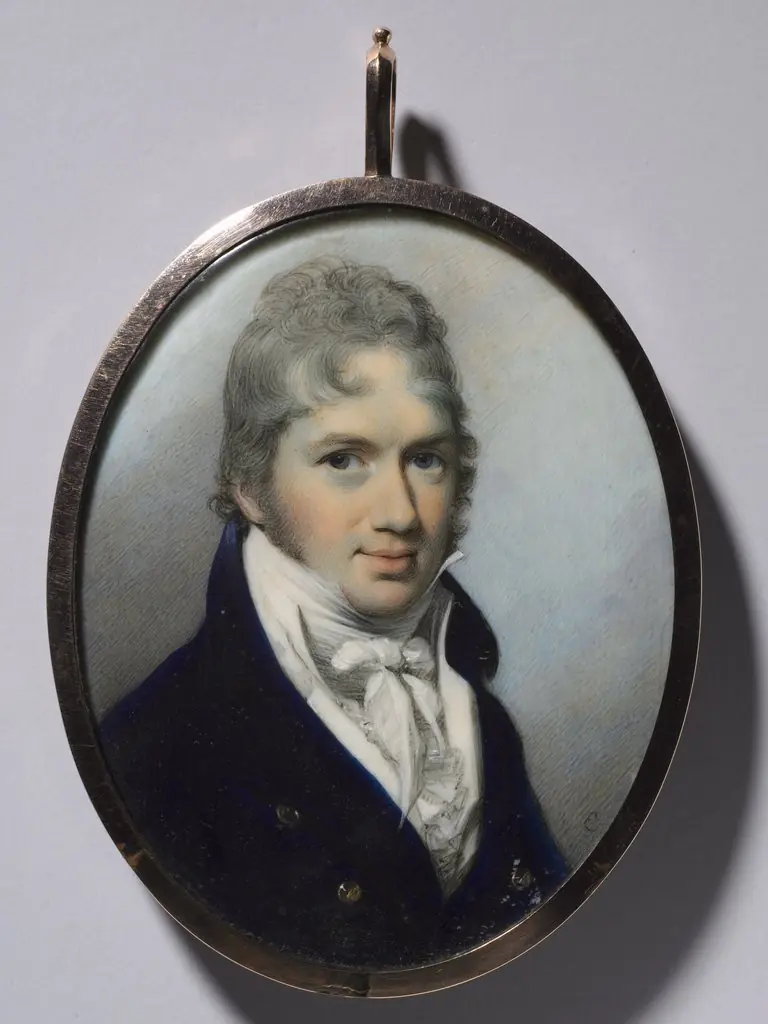
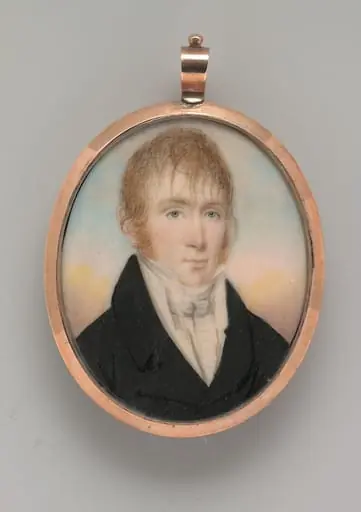
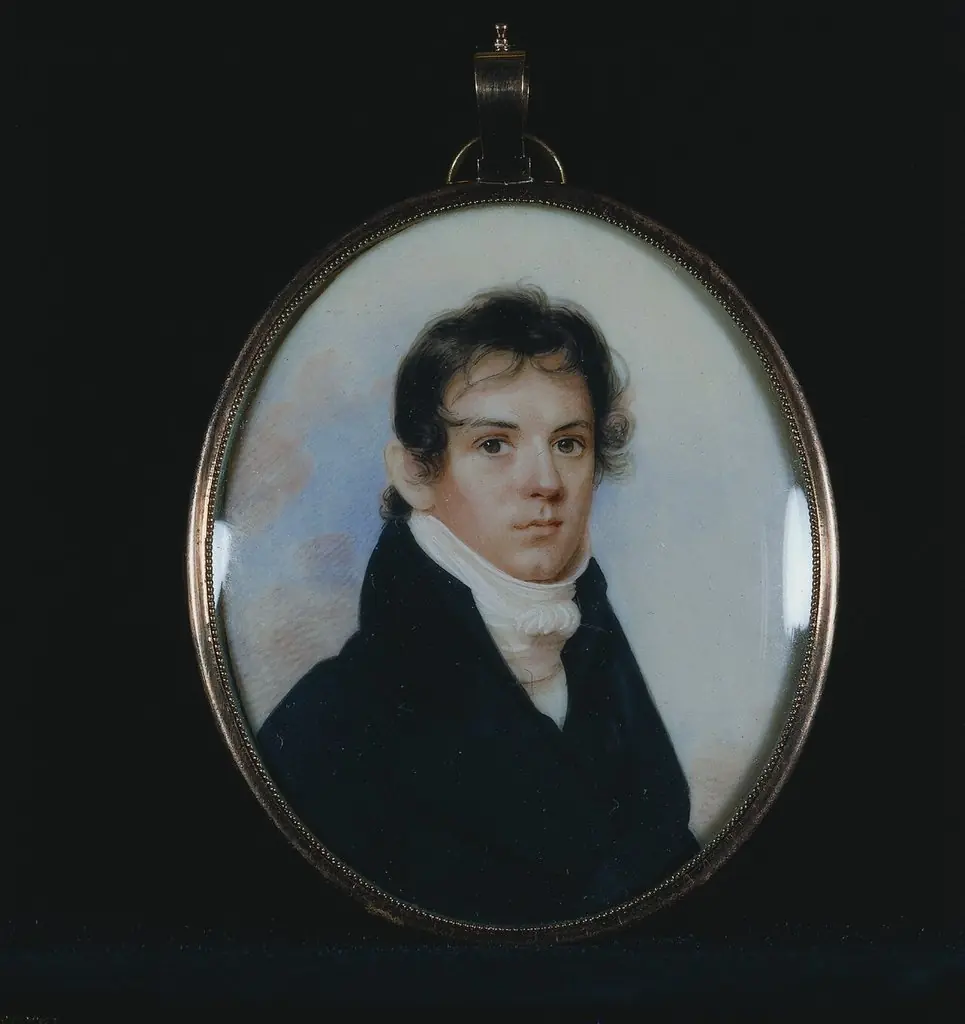
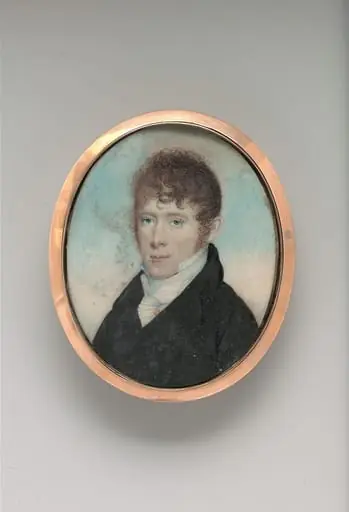
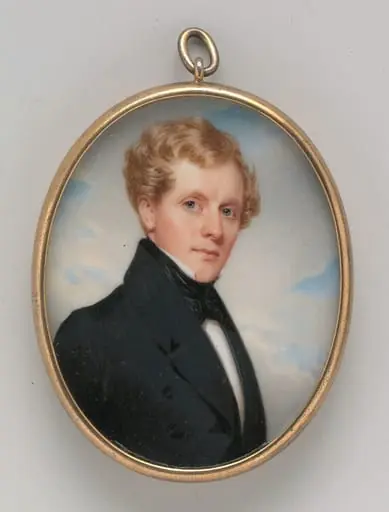
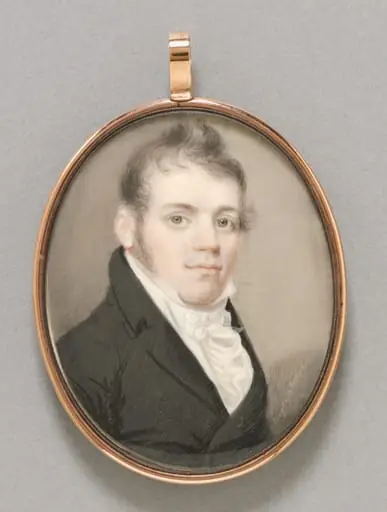
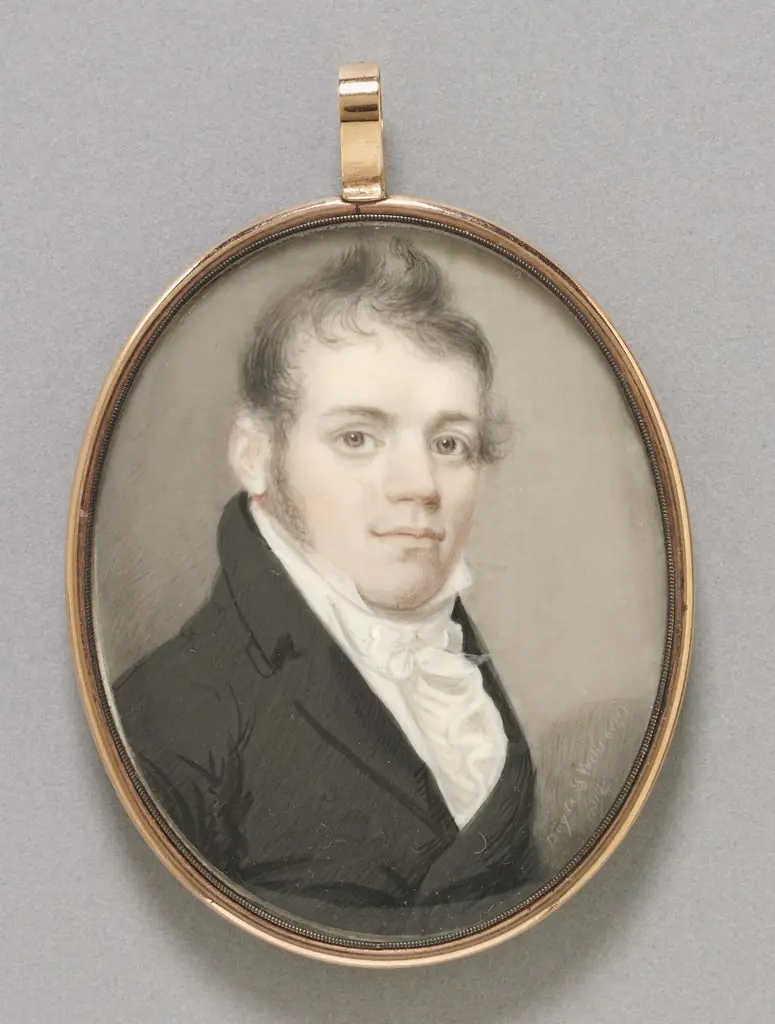
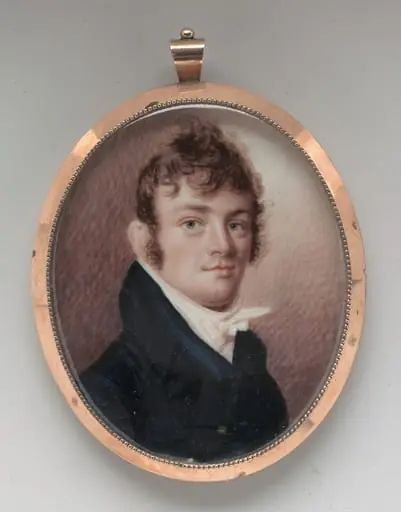
Anthony Wayne Robinson is a watercolor painting by the American Folk Art artist James Peale. It dates from 1811 and is held in the collection of the Metropolitan Museum of Art.
About this work
Subject & Meaning
Executed in watercolor on ivory, it reflects the formal style of early American portraiture and was produced while the artist was active in the United States.
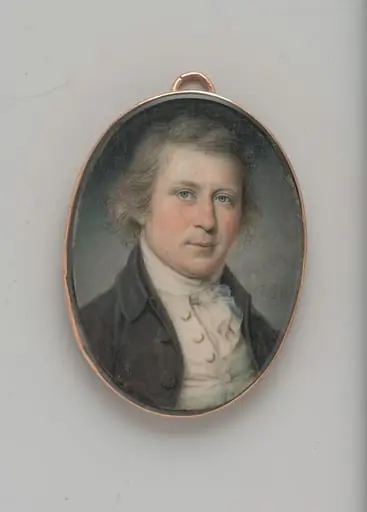
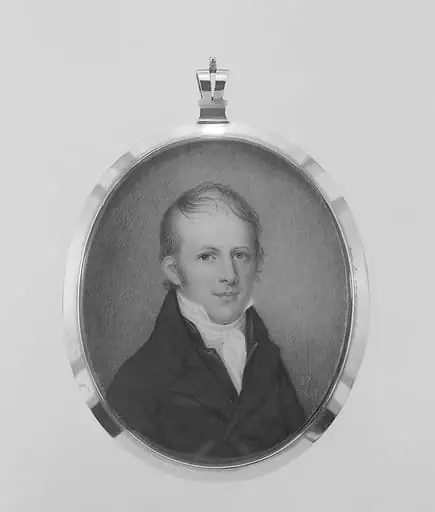
The painting is a portrait of Anthony Wayne Robinson, created in 1811 by James Peale. Executed in watercolor on ivory, it reflects the formal style of early American portraiture and was produced while the artist was active in the United States. The work is classified as a portrait and is part of The American Wing collection at the Metropolitan Museum of Art, where it is displayed as a representative example of the genre.
As a likeness, it functions to record the sitter's appearance and social standing, consistent with portrait conventions of the period.
Technique & Style
Created in 1811 by James Peale, this portrait of Anthony Wayne Robinson is executed as a watercolor on an ivory support. The work is classified as a miniature, characterized by its small physical dimensions, measuring approximately 7.1 centimeters in height and 5.7 centimeters in width. As a portrait genre piece, the artistic approach focuses on the depiction of a male subject using the translucent qualities of watercolor pigments applied to the smooth, luminous surface of the ivory.
This combination of medium and support was a standard technique for American miniature painting during the early nineteenth century, allowing for fine detail and a delicate finish suitable for intimate portraiture.
History & Provenance
Anthony Wayne Robinson is a watercolor-on-ivory portrait miniature painted by James Peale in 1811. The work measures 7.1 × 5.7 cm and depicts a man in portrait format. It belongs to the Metropolitan Museum of Art's collection, where it is catalogued in The American Wing under the genre of portrait.
The painting's creation is documented as a watercolor on ivory, with an inception date of 1811, and its current ownership rests with the museum, which provides the provenance chain from the artist to its collection. A specific inventory number is not provided in the sources, and no exhibition history is documented in the cited references.
Overview
This 1811 watercolor on ivory depicts Anthony Wayne Robinson, a miniature portrait by American artist James Peale. Peale, known for his small-scale works and still lifes, created this piece with meticulous attention to detail on a delicate support. The artwork is characteristic of the portrait genre within the American folk art tradition, offering a glimpse into early 19th-century portraiture.
Context
James Peale, the creator of this miniature, was the younger brother of the prominent artist Charles Willson Peale. While his brother was known for larger-scale portraits and museum endeavors, James established his own reputation, particularly excelling in the demanding genre of miniature painting and still life compositions. This work exemplifies his skill in a specialized format that was popular during the early 19th century.
Artist & collection

Artist
James Peale (1749 – May 24, 1831) was an American painter, best known for his miniature and still life paintings, and a younger brother of noted painter Charles Willson Peale.