Artwork
Portrait of a Gentleman
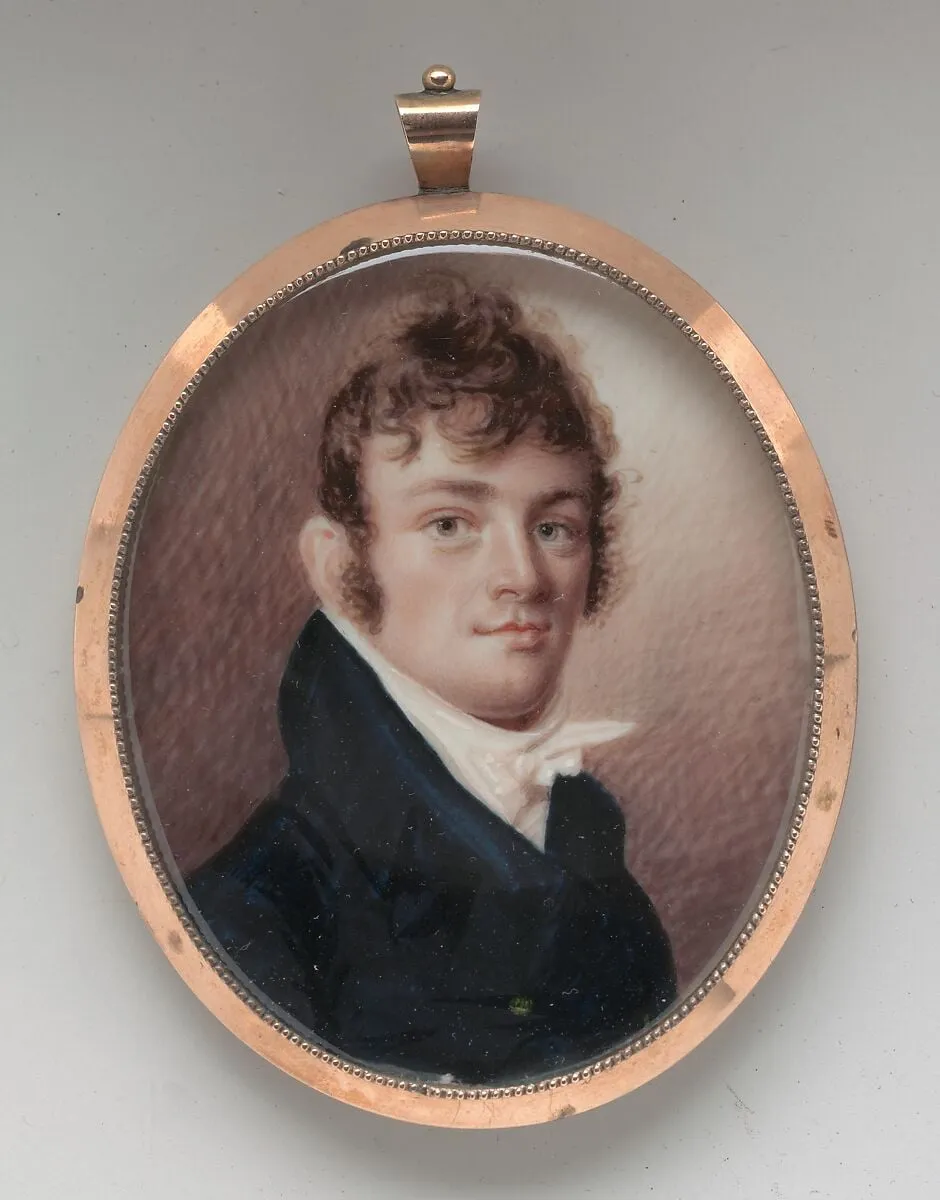
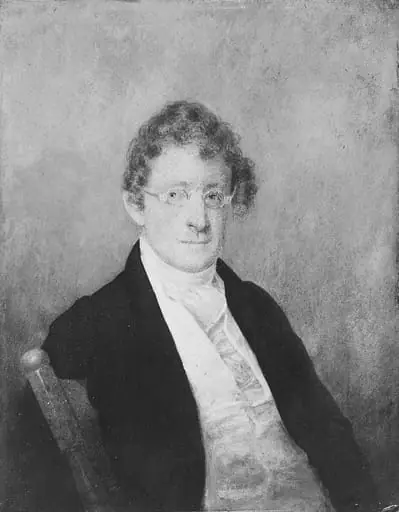
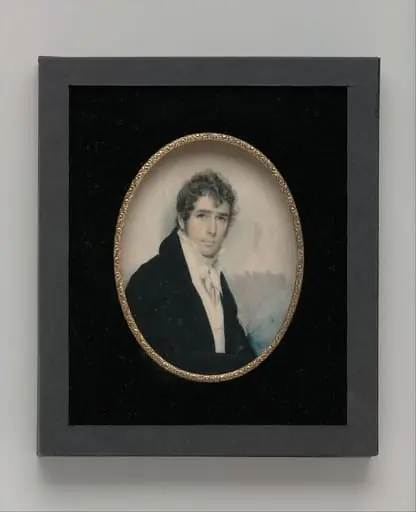
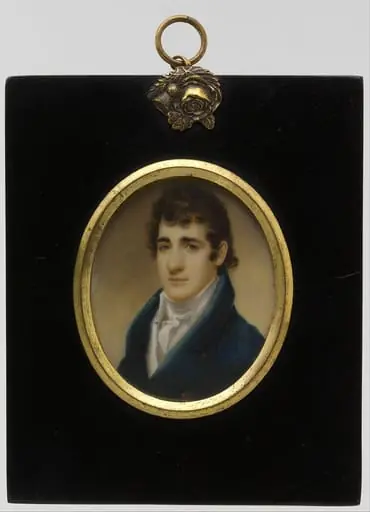
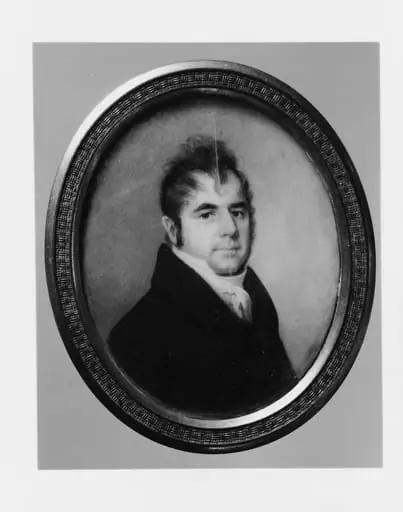
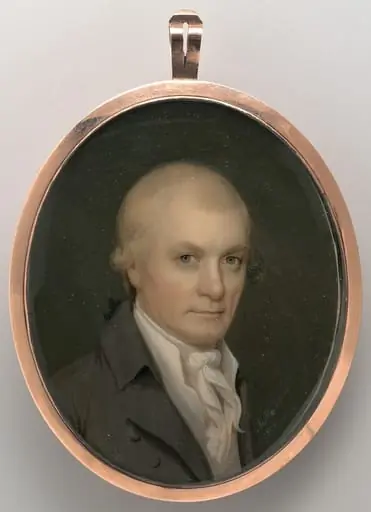
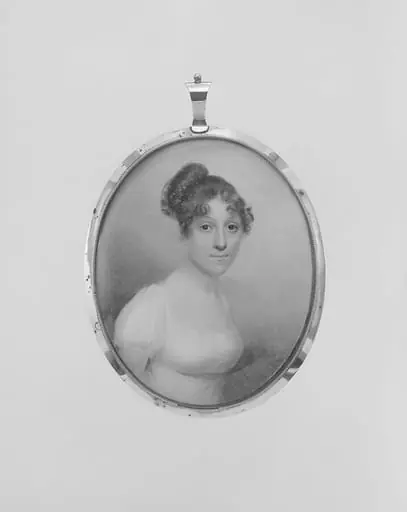
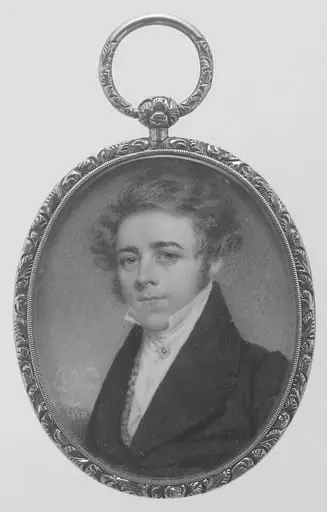
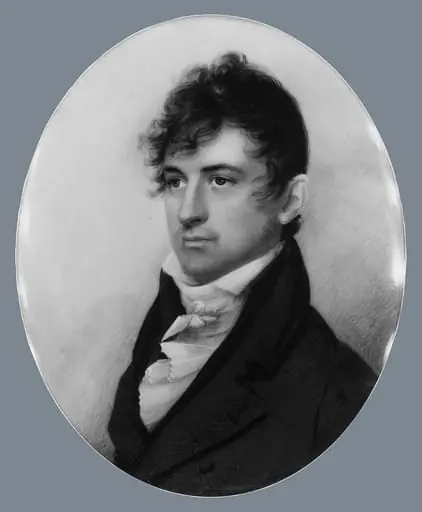
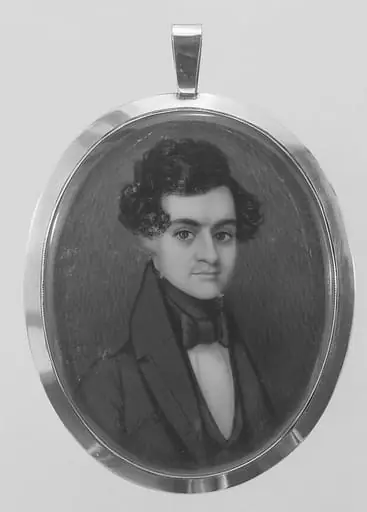
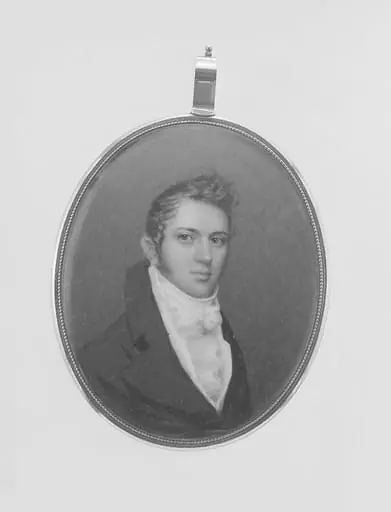
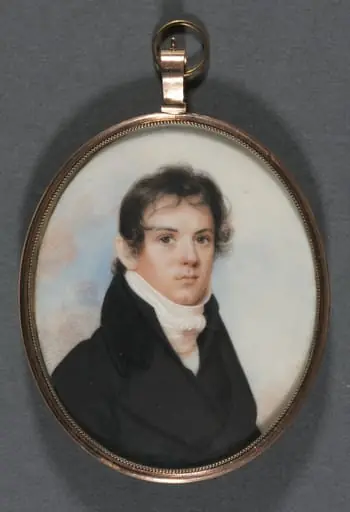
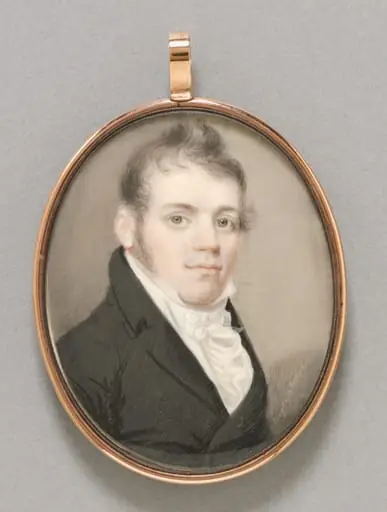
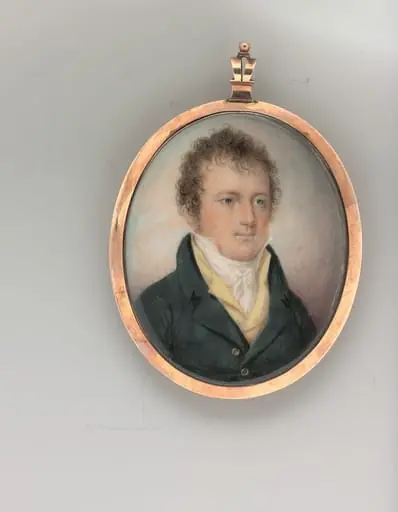
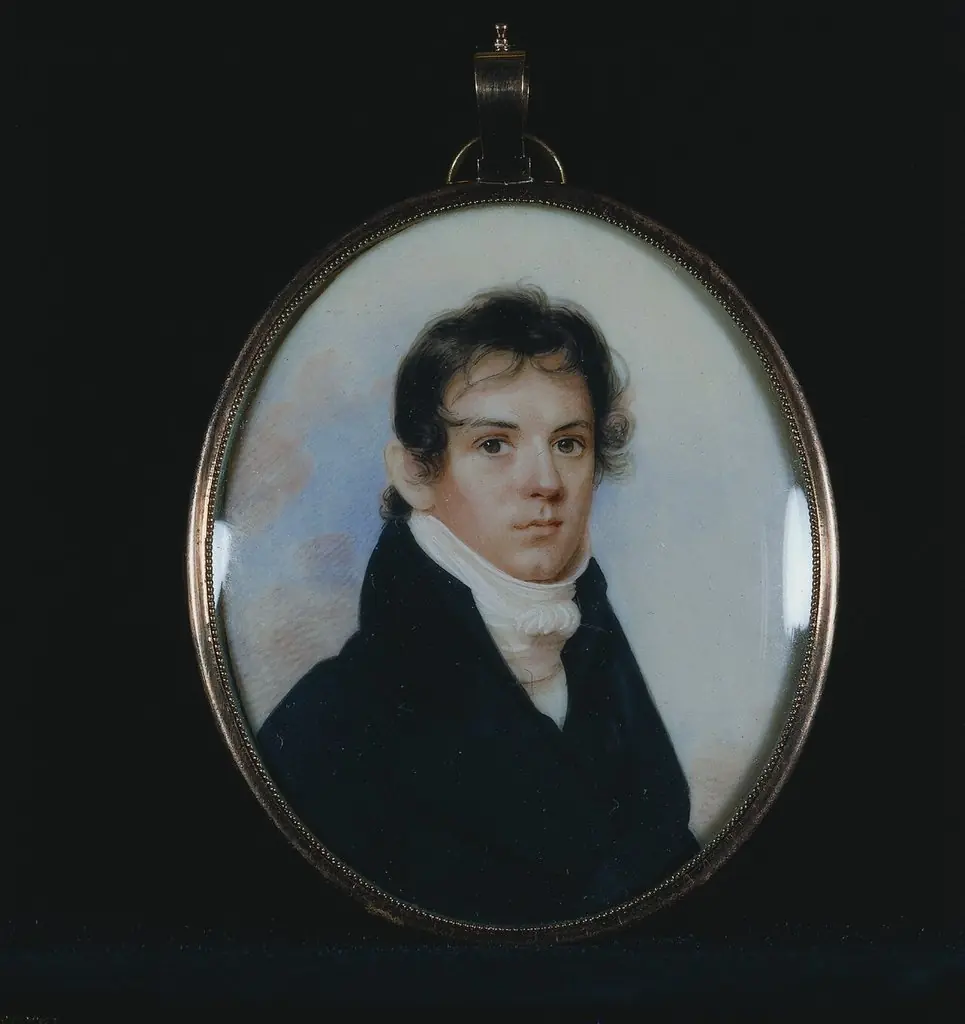
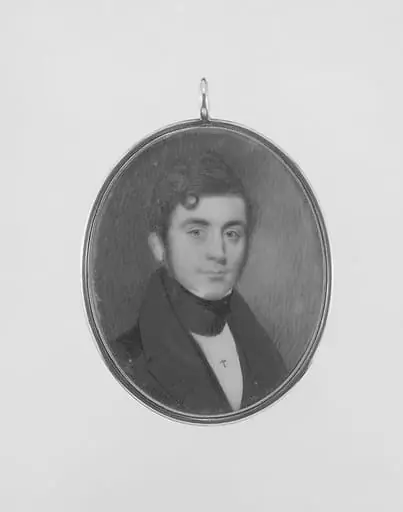
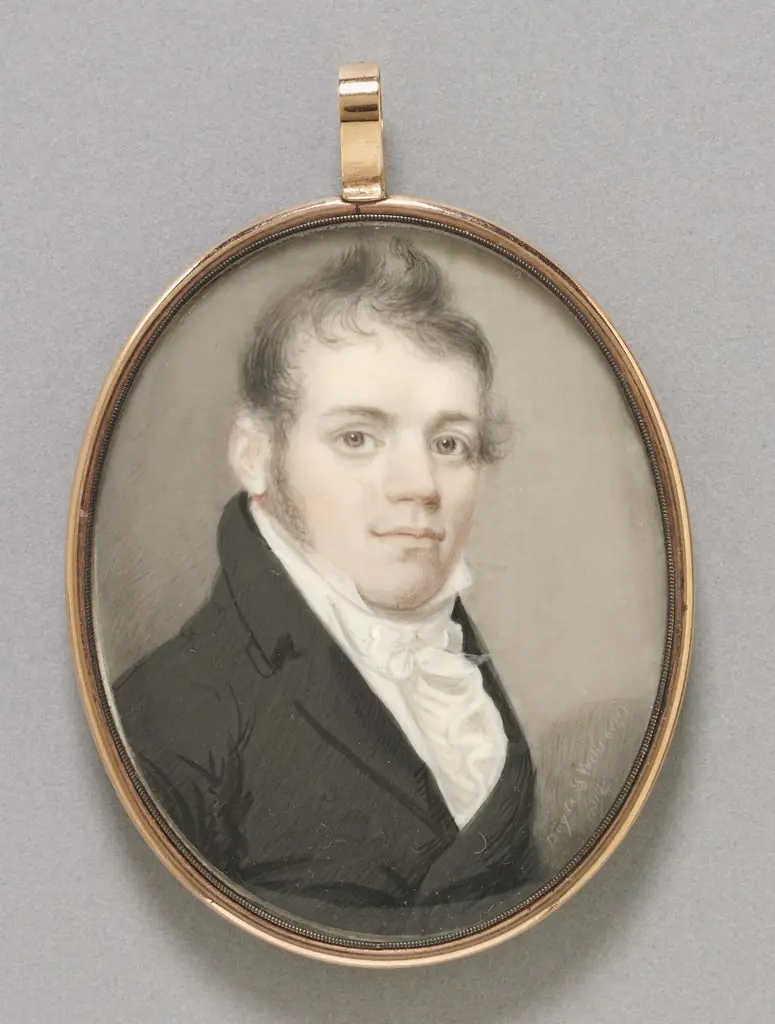
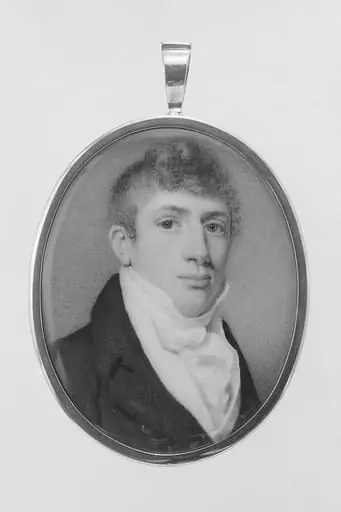
Portrait of a Gentleman is a watercolor painting by the Romanticist artist Joseph Wood. It dates from 1815 and is held in the collection of the Metropolitan Museum of Art.
About this work
Technique & Style
The piece is part of the Metropolitan Museum of Art's collection, where it is preserved as a representative example of American portraiture.
Portrait of a Gentleman is a watercolor executed on an ivory support, dating to 1815. The work, classified within the American Wing, measures approximately 7.5 cm by 6 cm and portrays a male sitter in the portrait genre. Its medium, watercolor on ivory, reflects early-nineteenth-century practices for producing delicate, detailed likenesses.
The composition follows conventional portrait conventions, presenting the sitter with a straightforward pose and modest attire, emphasizing facial characterization. The piece is part of the Metropolitan Museum of Art's collection, where it is preserved as a representative example of American portraiture.
History & Provenance
The work was painted in 1815 by Joseph Wood. It entered the Metropolitan Museum of Art as part of The American Wing collection, accessioned in 1968 under the number 68.222.14, with its medium recorded as watercolor on ivory and dimensions of 7.5 cm in height and 6 cm in width. No specific exhibition history is detailed in the available sources.
Context
Joseph Wood's 1815 watercolor on ivory, Portrait of a Gentleman, exemplifies early American portraiture that blends British refinement with emerging national identity. The work's classification within The American Wing and its designation as a portrait underscore its relevance to the canon of early United States art. Scholars have noted the delicate rendering of facial features and the use of the ivory support as indicative of Wood's technical skill, positioning him among the first generation of American miniaturists.
The painting's presence in the Metropolitan Museum of Art highlights its recognized importance within institutional collections, while its depiction of a solitary male sitter reflects contemporary attitudes toward individual status and respectability.
Overview
This small-scale watercolor portrait, titled Portrait of a Gentleman, was created by Joseph Wood around 1815. Executed on ivory, it presents a likeness of an unidentified man. Such miniature works served as intimate personal mementos during the early 19th century, allowing individuals to carry the image of a loved one. The artist's skill in this delicate medium is evident in the subtle rendering of the sitter's features.
Subject & Meaning
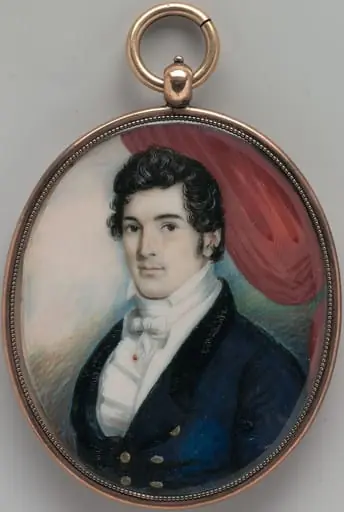
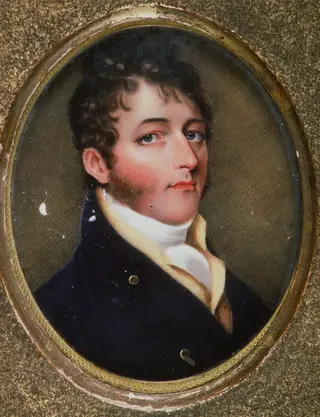
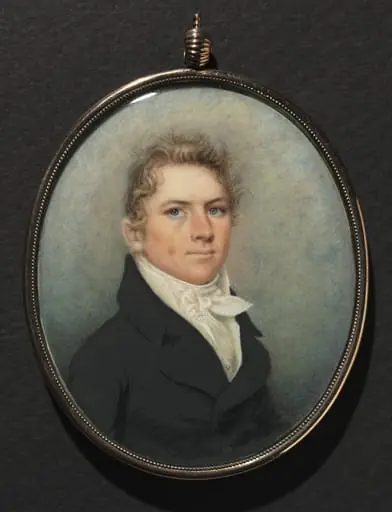
The painting depicts a young man, dressed in a dark coat with a crisp, high collar. His face is illuminated from the side, highlighting his features and a slight, enigmatic smile. The artist employed a plain background, ensuring that the viewer's attention remains entirely on the sitter's expression and attire.
These portable portraits were highly valued as personal keepsakes, offering a tangible representation of family members or close acquaintances to be carried or displayed privately.
Artist & collection