Artwork
Beulah Elmy Twining (Mrs. Torbert)
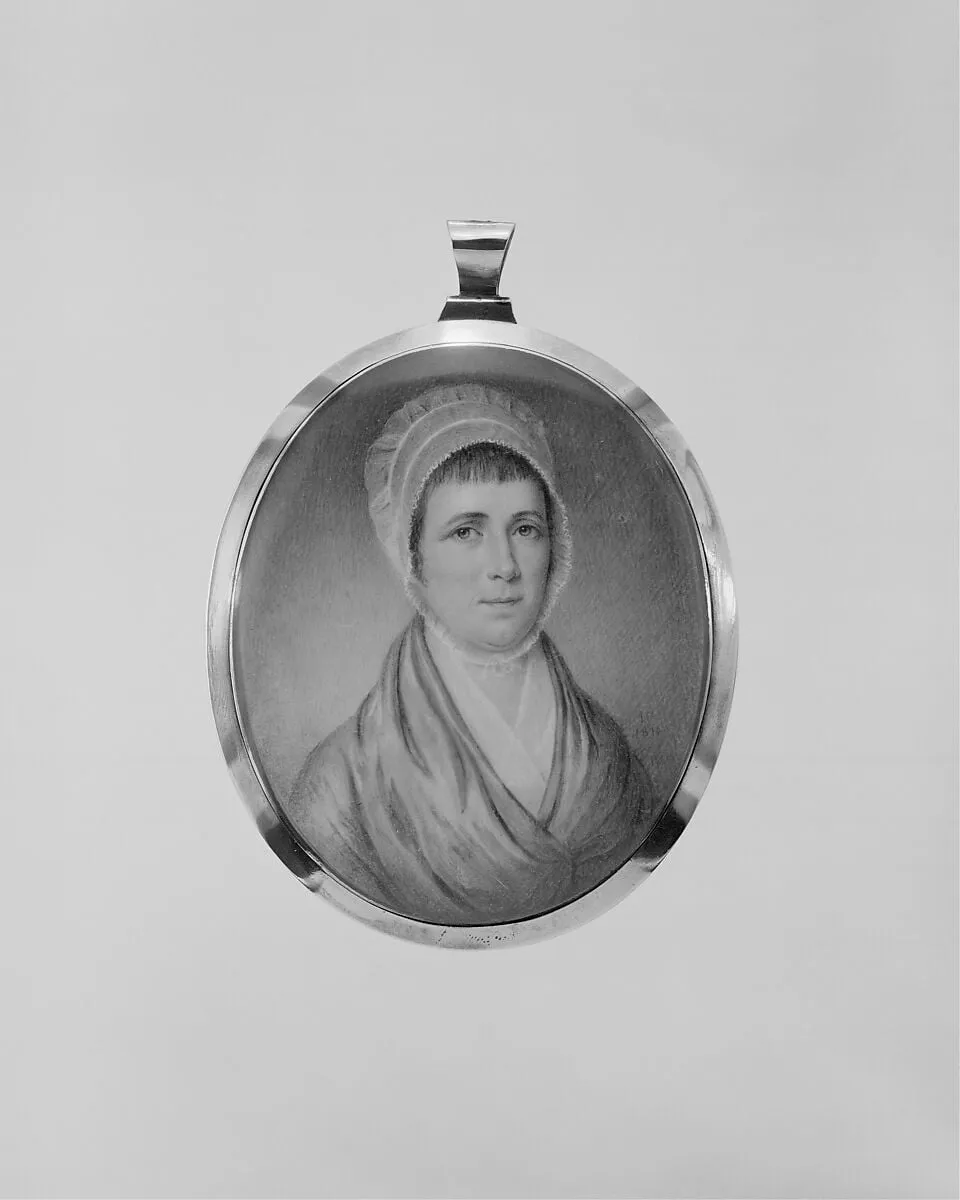
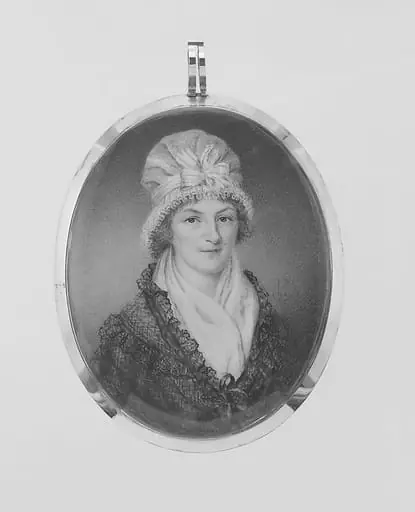
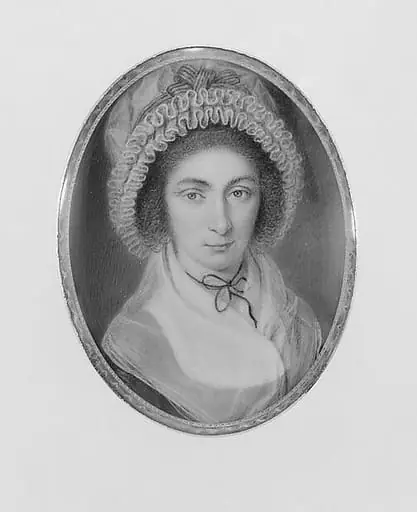
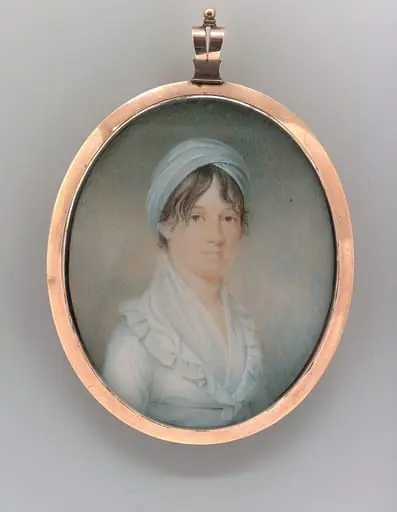
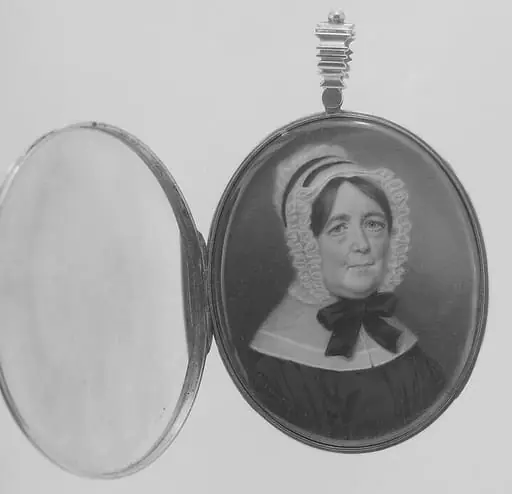
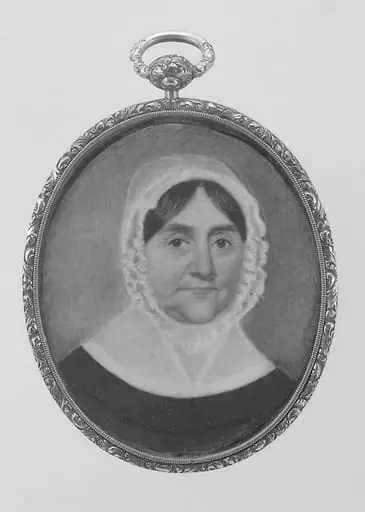
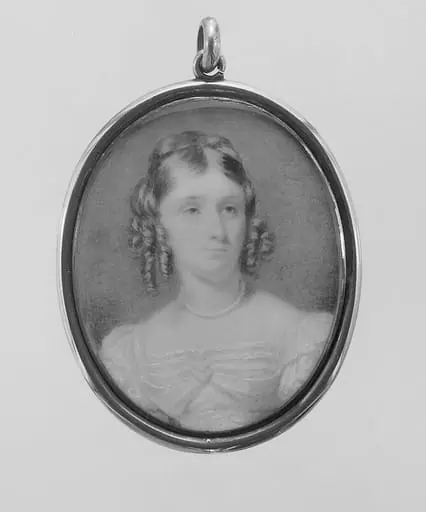
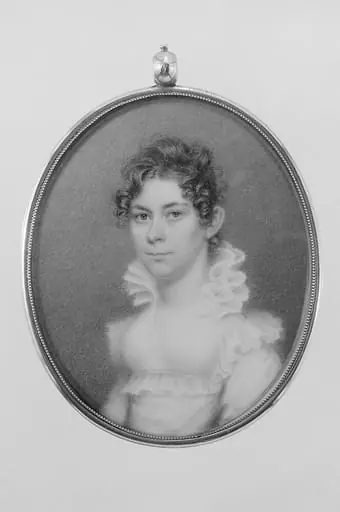
Beulah Elmy Twining (Mrs. Torbert) is a watercolor painting by the American Folk Art artist James Peale. It dates from 1811 and is held in the collection of the Metropolitan Museum of Art.
About this work
Technique & Style
James Peale executed the portrait of Beulah Elmy Twining in 1811 using watercolor applied to an ivory support.
James Peale executed the portrait of Beulah Elmy Twining in 1811 using watercolor applied to an ivory support. This choice of medium and substrate is characteristic of the miniaturist tradition, allowing for fine detail and luminous coloration typical of early nineteenth-century American portraiture. The work measures 7 inches in height and 5.7 inches in width, indicating a small-scale format designed for intimate viewing.
As a portrait classified within the American Wing, the piece relies on the translucency of watercolor to render the sitter's features against the natural tone of the ivory, a technique that demands precise handling to achieve realistic textures and subtle tonal transitions without the opacity of oil paint.
History & Provenance
Beulah Elmy Twining (Mrs. Torbert) is a watercolor on ivory portrait painted in 1811 by James Peale. The work depicts a woman and is classified within The American Wing at the Metropolitan Museum of Art, where it has been part of the museum’s collection. Its creation date is recorded as 1811, matching both the museum’s catalog entry and the Wikidata inception field. The painting’s provenance traces to the Met’s holdings, indicating continuous ownership by the institution since its acquisition.
Overview
James Peale's Beulah Elmy Twining (Mrs. Torbert), created in 1811, is a miniature portrait executed in watercolor on ivory. This work exemplifies Peale's skill in capturing individual likenesses on a small scale. The subject, Beulah Elmy Twining, is depicted with a gentle expression, directly engaging the viewer. This intimate format was a popular choice for personal mementos during the early 19th century in America.
Subject & Meaning
The portrait features Beulah Elmy Twining, also known as Mrs. Torbert, presented in a dress and a hat. Her gaze is directed forward, establishing a direct connection with the observer. In an era before photography, achieving an accurate resemblance was paramount for such personal portraits, serving as a lasting record of an individual's appearance. Peale's careful rendering aimed to capture her distinct features and attire.
Context
James Peale was a significant figure in early American art, recognized for both his miniature portraits and still life paintings. As the younger brother of the prominent artist Charles Willson Peale, James developed his own distinct artistic practice. His contributions, including works like this portrait, played a role in shaping the visual culture of the young American republic, particularly through the accessible and personal format of miniatures.
Artist & collection

Artist
James Peale (1749 – May 24, 1831) was an American painter, best known for his miniature and still life paintings, and a younger brother of noted painter Charles Willson Peale.