Artwork
Mrs. A. Otis
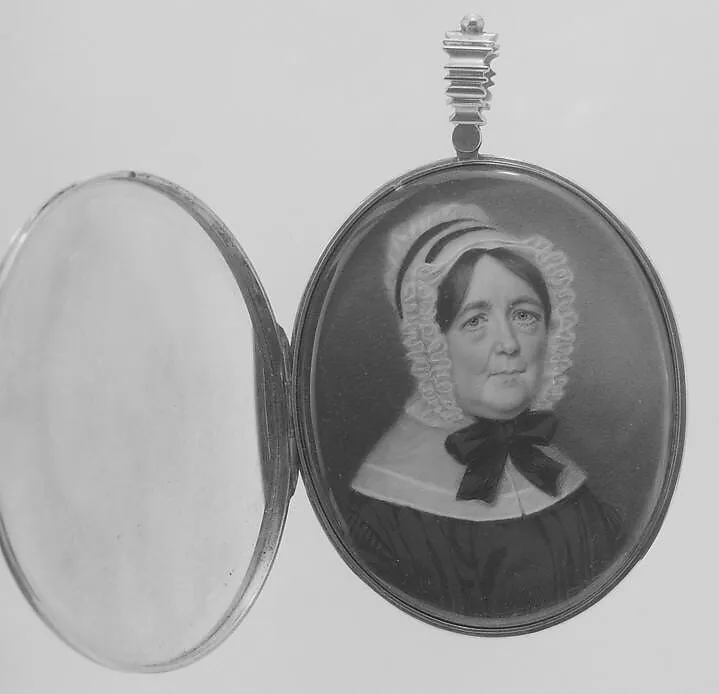
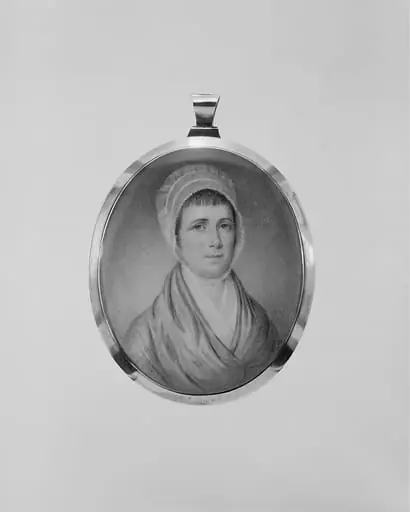
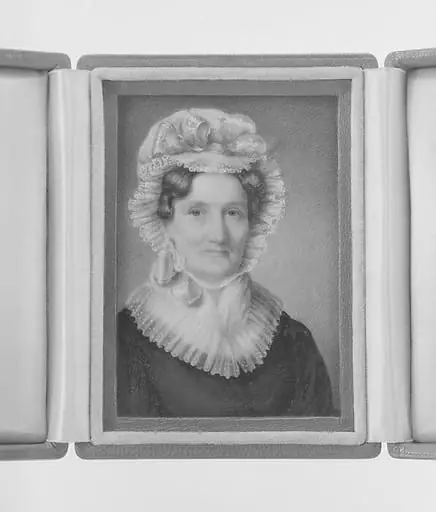
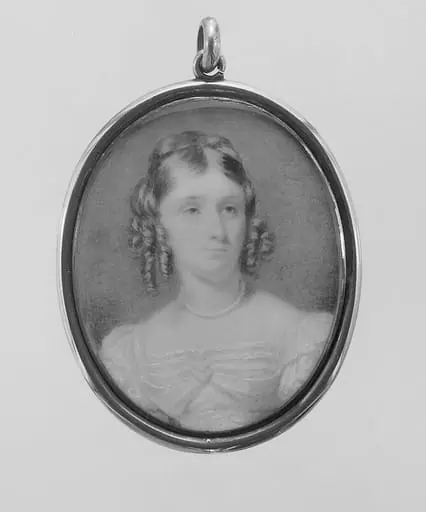
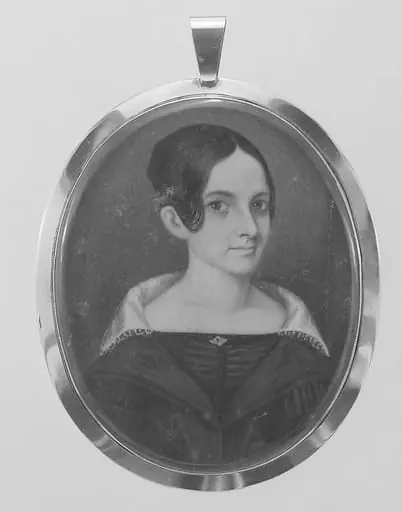
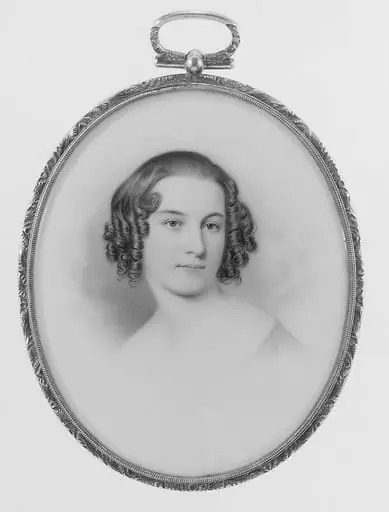
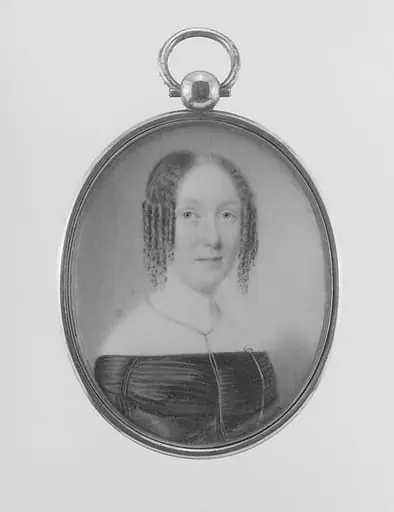
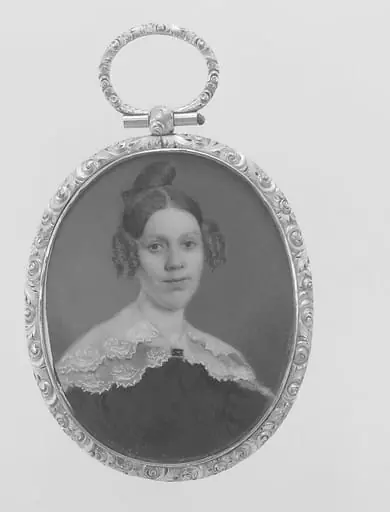
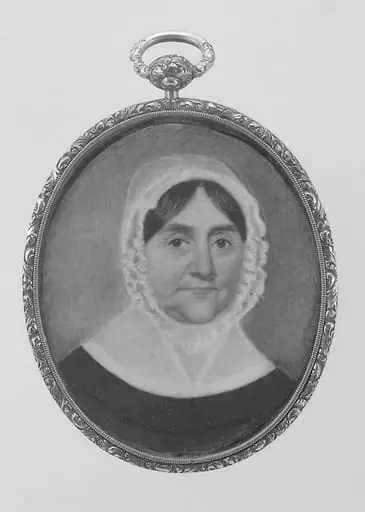
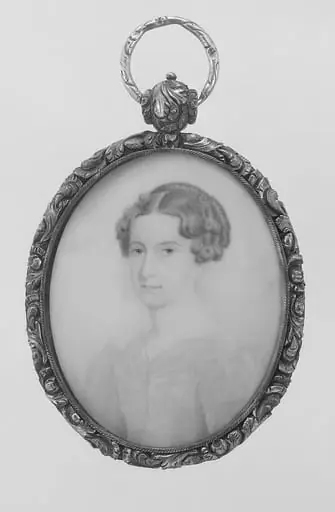
Mrs. A. Otis is a watercolor painting. It dates from 1835 and is held in the collection of the Metropolitan Museum of Art. This small oval watercolor on ivory, titled "Mrs.
About this work
A watercolor on ivory barely larger than a playing card preserves the likeness of a woman known only as Mrs. A. Otis, painted around 1835 by an anonymous American hand. The miniature came to the Metropolitan Museum of Art in 2006 in a gift of more than three hundred portrait miniatures from the collector Gloria Manney.
Overview
This small oval watercolor on ivory, titled "Mrs. A. Otis," dates to approximately 1835 and depicts a woman whose identity remains largely unknown. Measuring just over two inches tall, it is the work of an anonymous American artist. The piece represents a common form of intimate portraiture popular in the United States during the early nineteenth century, serving as a personal keepsake.
Subject & Meaning
The subject of this miniature is identified only by the inscription "Mrs. A. Otis," with further details about her life unrecorded. During the early 1800s, portrait miniatures like this one were widely commissioned across America. These small, portable images functioned primarily as private mementos, cherished by individuals and families to preserve the likenesses of loved ones.
Technique & Style
Executed in watercolor on a thin piece of ivory, this miniature exemplifies a prevalent technique for small-scale portraiture in the period. The smooth, translucent surface of ivory allowed for delicate brushwork and luminous effects, making it ideal for capturing fine details in a compact format. Such works were designed to be easily carried or displayed in intimate settings.
History & Provenance
This miniature entered the collection of The Metropolitan Museum of Art in 2006 as part of a significant donation from Gloria Manney.
This miniature entered the collection of The Metropolitan Museum of Art in 2006 as part of a significant donation from Gloria Manney. A notable collector of American portrait miniatures, Manney gifted over three hundred such works to the museum. This acquisition substantially enhanced the institution's holdings in early American art, particularly within the American Wing, and was documented in a comprehensive museum catalogue.
Context
Created during the Jacksonian era, this miniature reflects a widespread demand for personal likenesses among a growing American middle class. Both established and lesser-known artists produced these portable portraits on ivory, catering to patrons who sought to commemorate themselves or their families. The genre thrived as a means of personal expression and social documentation in a rapidly expanding nation.
Artist & collection