Artwork
Pryor Smallwood
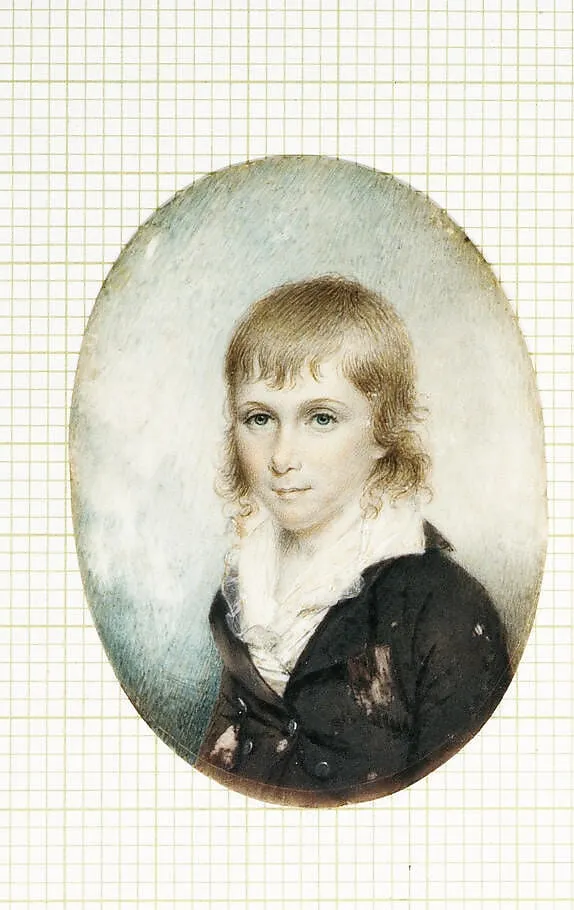
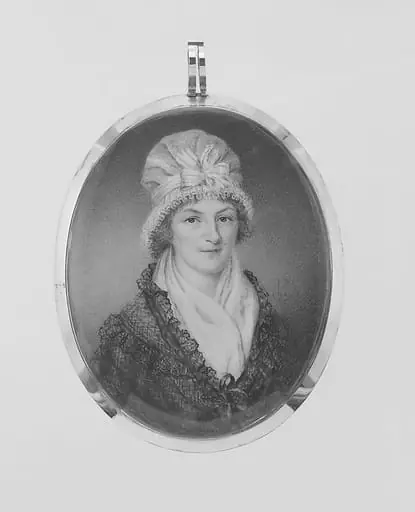
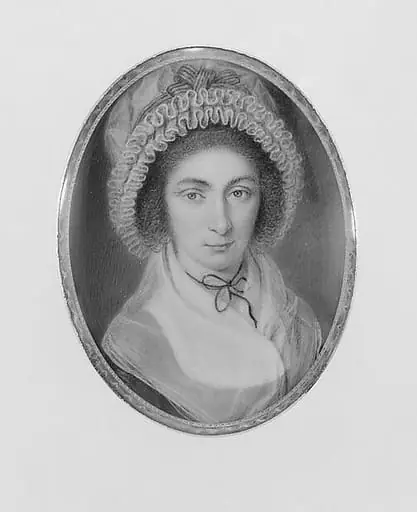
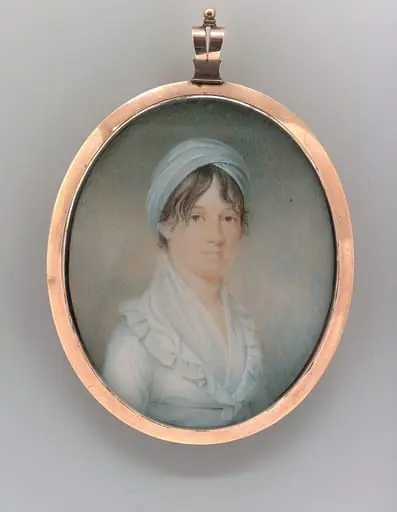
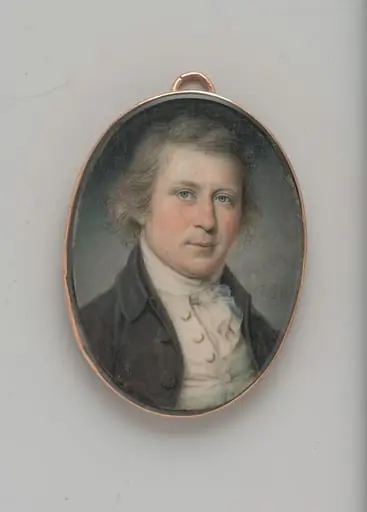
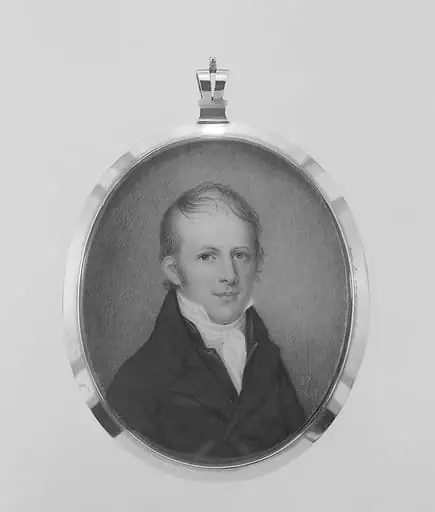
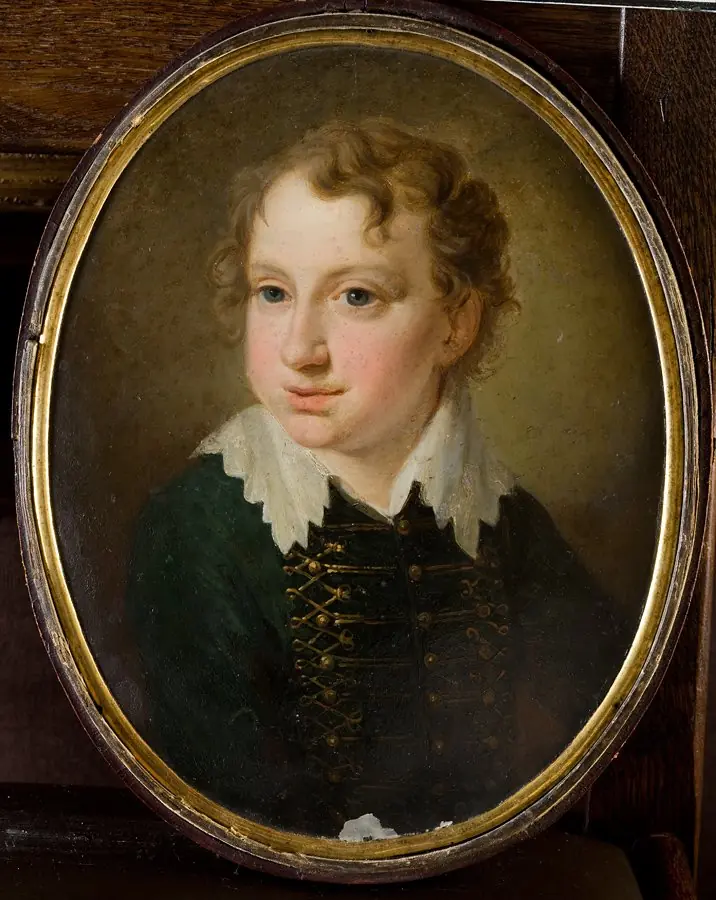
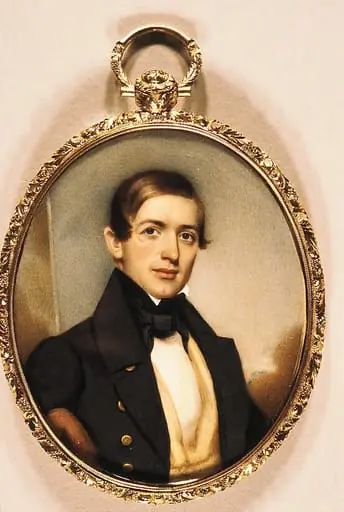
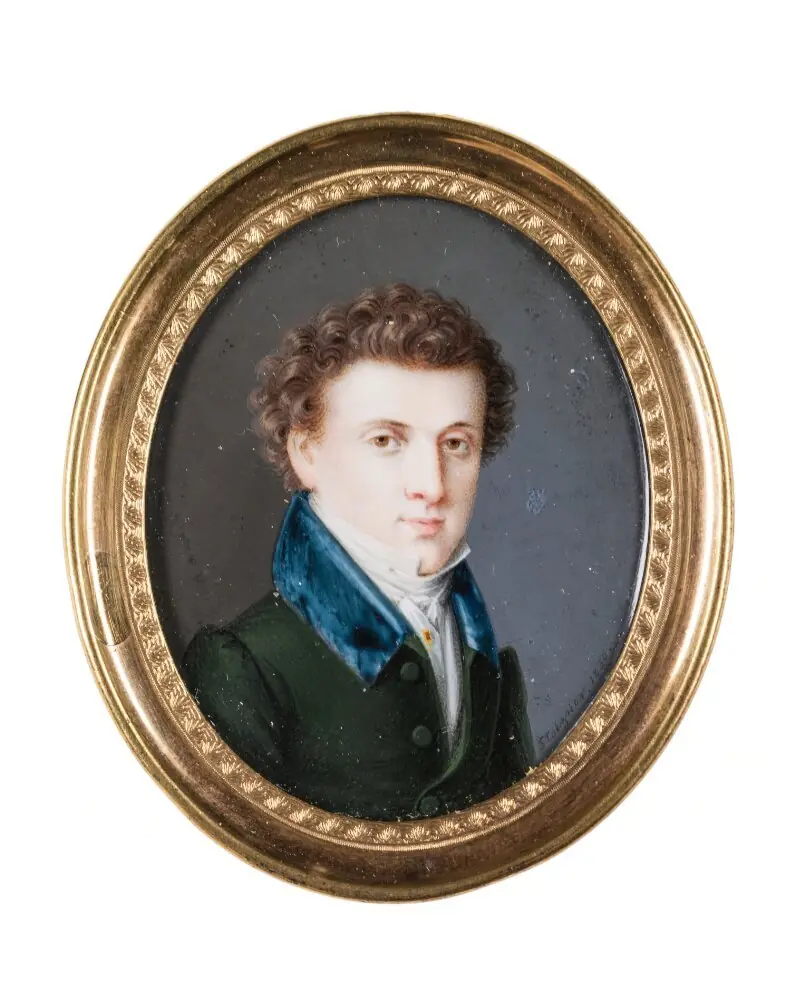
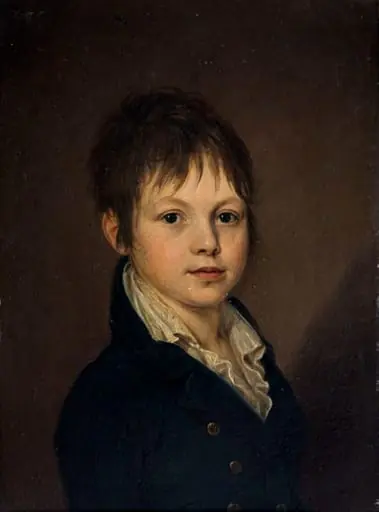
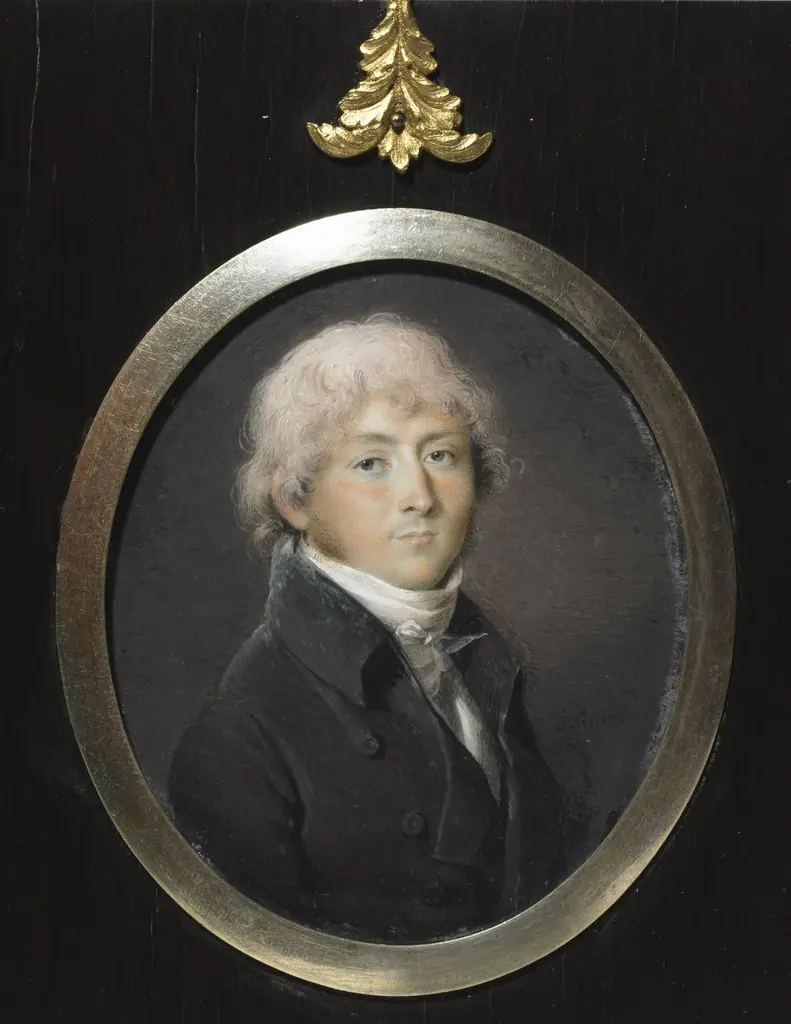
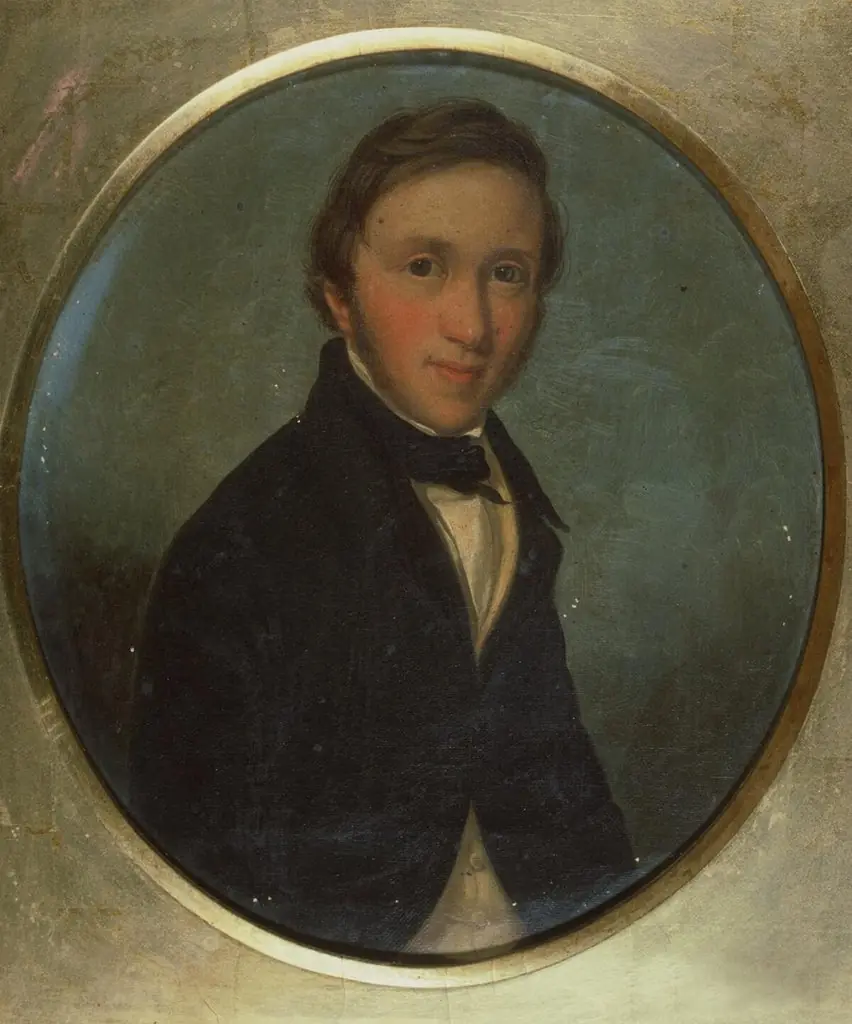
Pryor Smallwood is a watercolor painting by the American Folk Art artist James Peale. It dates from 1798 and is held in the collection of the Metropolitan Museum of Art.
About this work
Subject & Meaning
2 centimeters, places it within the convention of small-format likenesses intended for private, personal viewing rather than public display.
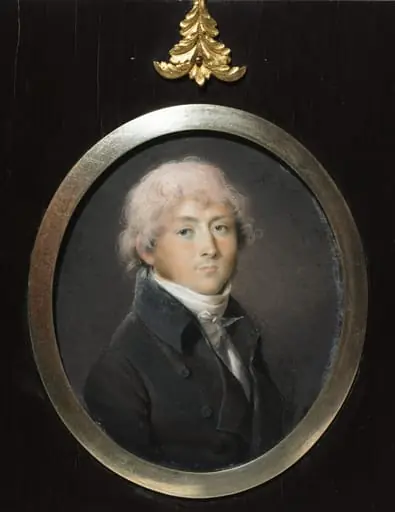
Pryor Smallwood is a portrait miniature depicting a young boy, identified by the work's title as Pryor Smallwood. Rendered in watercolor on ivory, the intimate scale, measuring roughly 7.1 by 5.2 centimeters, places it within the convention of small-format likenesses intended for private, personal viewing rather than public display. As a portrait of a child, the work belongs to a tradition in which such miniatures served as keepsakes for family members, commemorating the sitter's likeness during youth and often functioning as tokens of kinship or remembrance.
The choice of ivory as a support lent a luminous, smooth surface well suited to delicate features and soft flesh tones, reinforcing the tender characterization of the young subject. The painting is held in the Metropolitan Museum of Art's American Wing, situating it within the early American tradition of portrait miniatures that documented individual sitters with both technical refinement and personal sentiment.
Technique & Style
The portrait titled Pryor Smallwood, dated 1798, was created in watercolor on a thin ivory support, as recorded for James Peale. The work measures approximately 7.1 cm by 5.2 cm and belongs to the portrait genre, depicting a young boy in a conventional composition. Its formal qualities include a restrained palette and delicate brushwork, characteristic of early American portraiture. The painting is part of the Metropolitan Museum of Art’s collection, listed under The American Wing.
Overview
James Peale, an American artist known for his miniature paintings, created Pryor Smallwood around 1798. This small-scale watercolor on ivory depicts a young boy, characteristic of the portraiture popular during the late 18th century. The work exemplifies Peale's skill in this delicate medium and contributes to the understanding of American art from that period, residing within the American Wing's collection.
Context
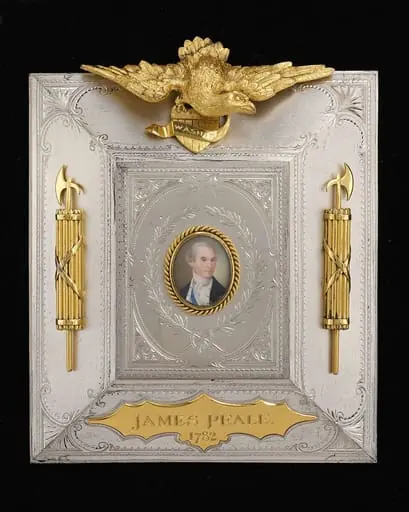
James Peale established his artistic career alongside his elder brother, the prominent painter Charles Willson Peale. While his brother was known for grander canvases, James specialized in smaller formats, particularly miniature portraits and still life compositions. This focus allowed him to develop a distinct reputation for works like Pryor Smallwood, demonstrating his mastery of the intricate demands of watercolor on ivory and contributing significantly to the genre of American miniature painting.
Artist & collection

Artist
James Peale (1749 – May 24, 1831) was an American painter, best known for his miniature and still life paintings, and a younger brother of noted painter Charles Willson Peale.