Artwork
Mr. McKinley
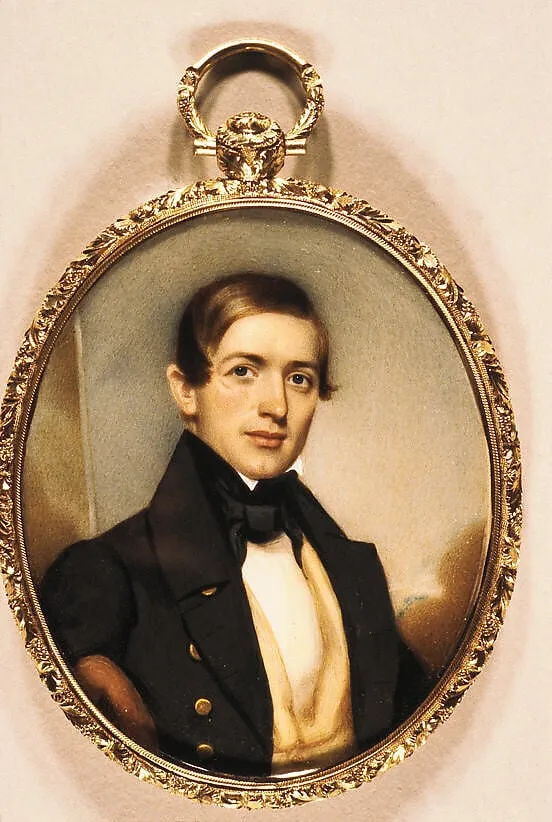
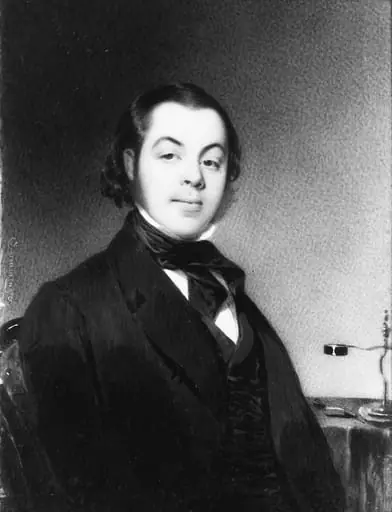
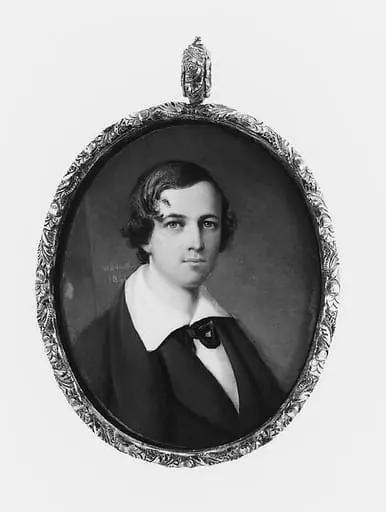
Mr. McKinley is a watercolor painting by the American Folk Art artist Thomas Seir Cummings. It dates from 1840 and is held in the collection of the Metropolitan Museum of Art.
About this work
Technique & Style
The portrait's small dimensions and medium reflect the formal conventions of the genre, prioritizing refinement and closeness of observation.
Thomas Seir Cummings executed Mr. McKinley in watercolor on ivory, a medium characteristic of American miniature portraiture in the early nineteenth century. The work measures 6.7 by 5.6 centimeters, indicating the intimate scale typical of ivory-mounted miniatures designed for personal possession. Cummings, a prominent miniaturist, employed the delicate, precise handling that watercolor on ivory demands, exploiting the luminous, smooth surface of the tusk substrate to achieve subtle tonal gradations and fine detail.
The portrait's small dimensions and medium reflect the formal conventions of the genre, prioritizing refinement and closeness of observation. The work's condition and specific stylistic treatment beyond these material facts are not documented in the available sources.
History & Provenance
Created in 1840, the watercolor portrait on ivory titled Mr. McKinley was executed by the artist Thomas Seir Cummings. The work depicts a male subject and is currently held within the collection of the Metropolitan Museum of Art, specifically under the care of its American Wing. While the piece is firmly dated to 1840 and attributed to Cummings, the available records do not provide specific details regarding the original commission, the identity of the sitter beyond the title, or a detailed chain of ownership prior to its acquisition by the museum.
Context
Thomas Seir Cummings' 1840 watercolor portrait of an unidentified gentleman, titled Mr. McKinley, exemplifies early American portraiture through its delicate medium and refined composition. Documented in the Metropolitan Museum of Art's collection and categorized within The American Wing, the work reflects the mid‑nineteenth‑century interest in dignified individual representation and the growing prestige of watercolor as a fine‑art technique in the United States. Its classification as a portrait and inclusion among other canonical American works underscore its relevance to scholarship on the development of portraiture in antebellum America.
Overview
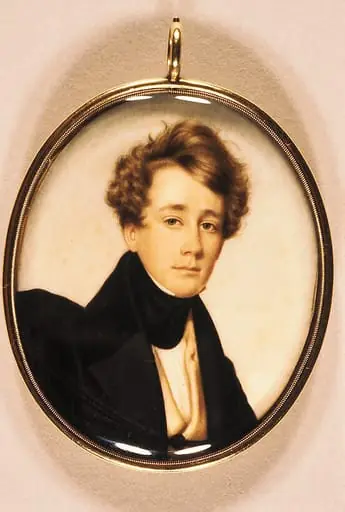
Thomas Seir Cummings created this watercolor portrait, titled Mr. McKinley, around 1840. Rendered on a small, round piece of ivory, the work depicts a man with dark hair and a high collar. This miniature is housed within the museum's American Wing collection, representing a common artistic practice of the period.
Subject & Meaning
The subject of this intimate portrait is William McKinley, captured decades before his eventual presidency. Such miniature portraits served a significant personal function in the 19th century, often carried by individuals as a tangible memento of a loved one. The small scale and detailed execution allowed for a private connection between the viewer and the depicted individual.
Artist & collection

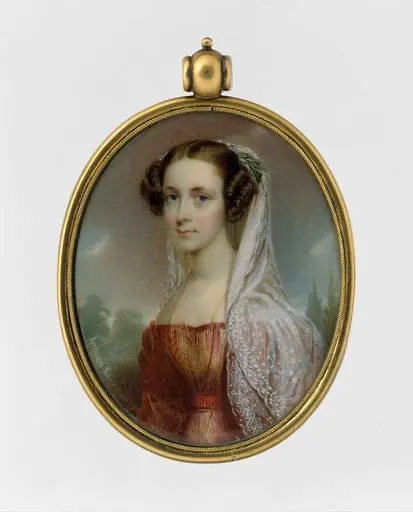
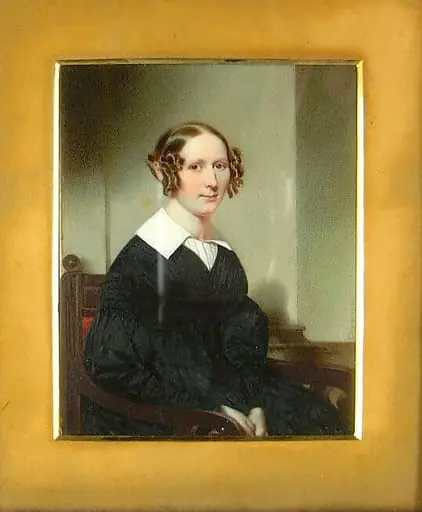
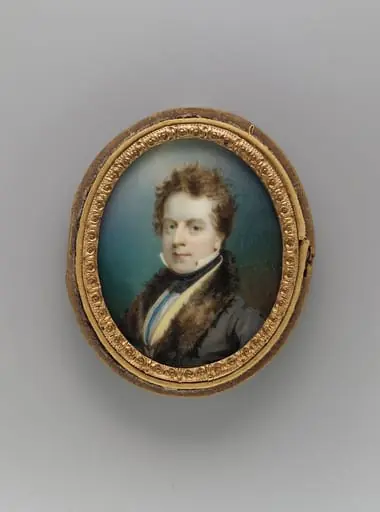
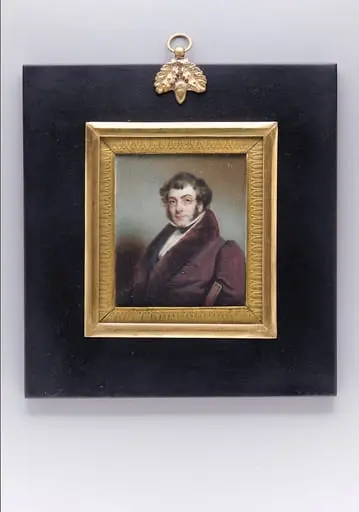
- Portrait of a Gentleman
 Portrait of a Gentleman
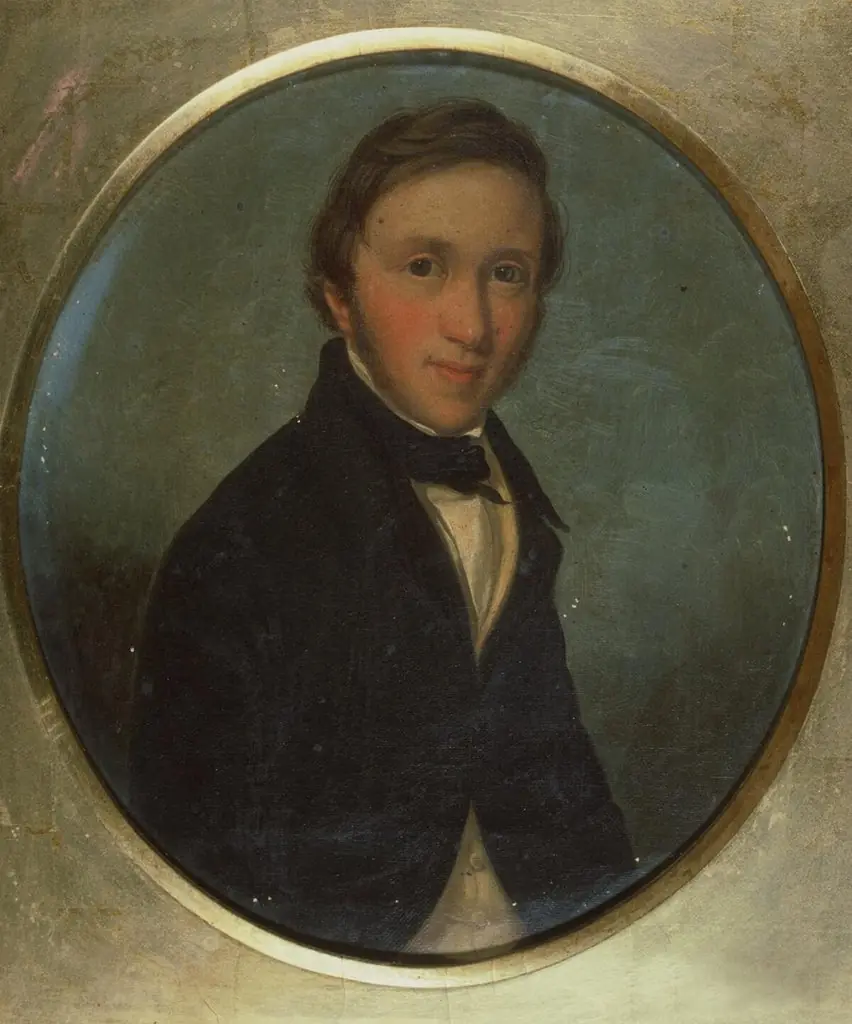 John Thomas
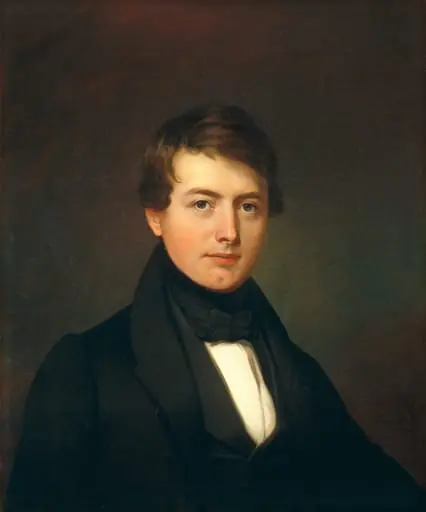 Henry Eichholtz Leman
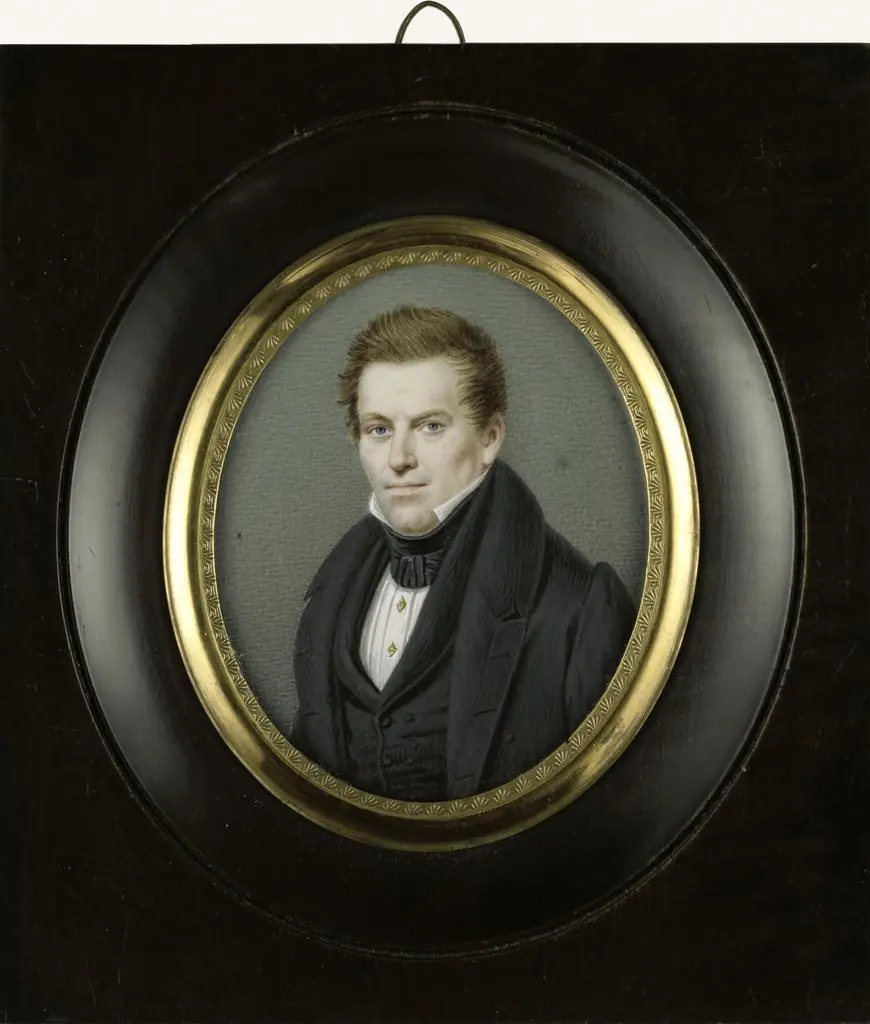 George Frederik Diederichs (1799–1862). Bookhandler of Amsterdam
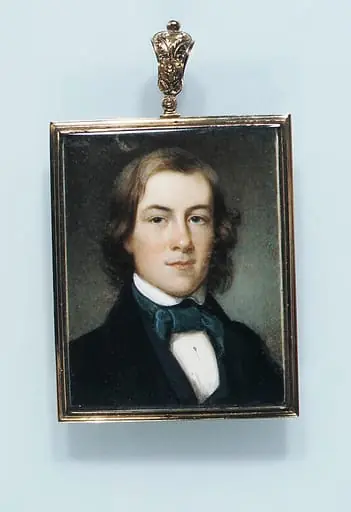 Portrait of a Gentleman
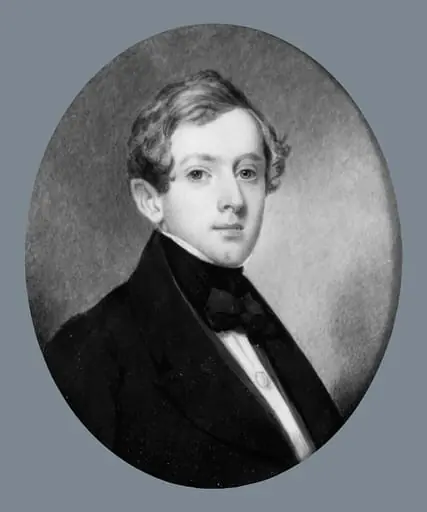 Portrait of a Gentleman
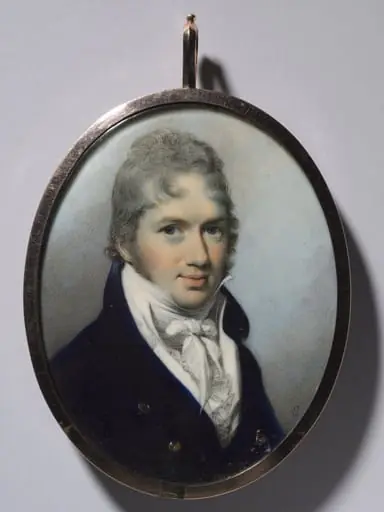 Portrait of Sir Thomas Baring, 2nd Baronet
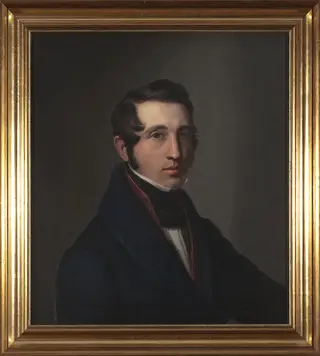 Portrait of count Karol Krasiński
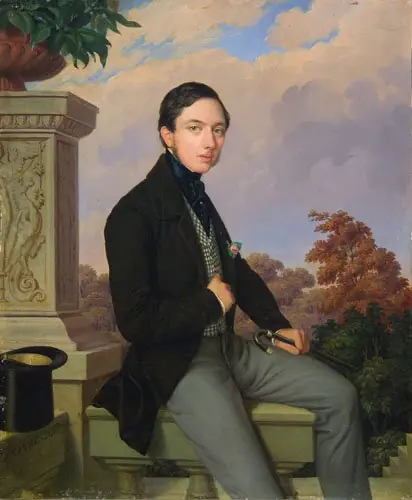 Portrait of György Lenhossék
 Portrait of a Gentleman
 James Merrill Cook