Artwork
George Johnston
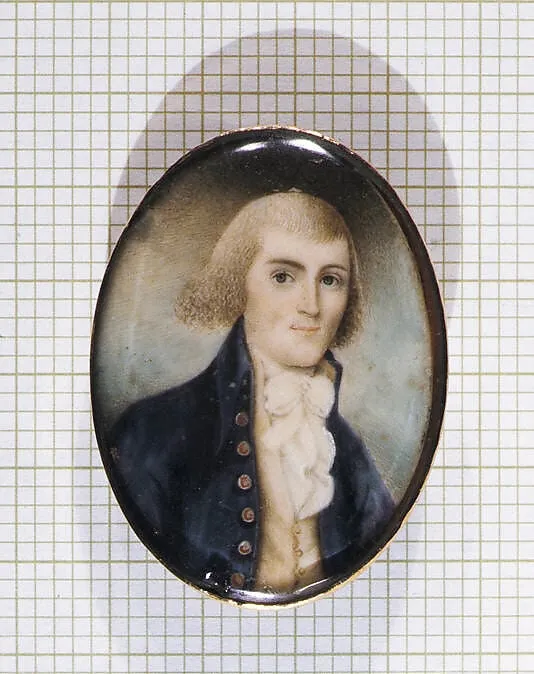
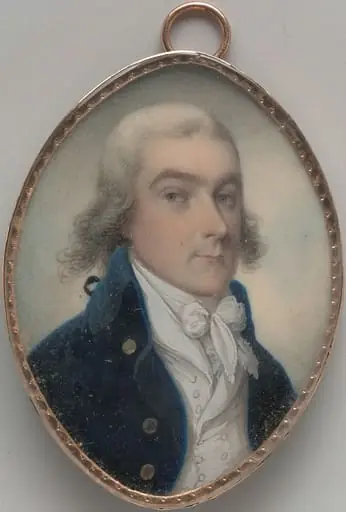
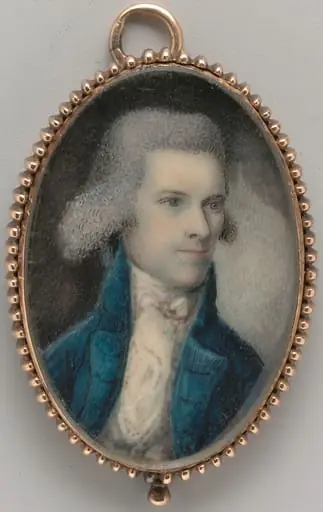
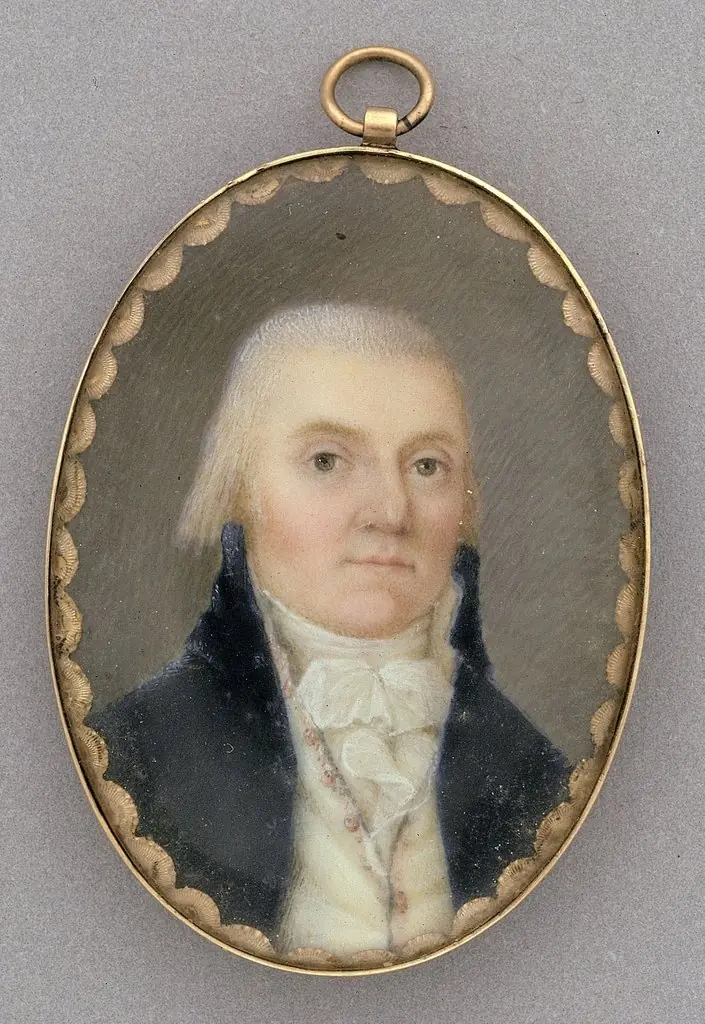
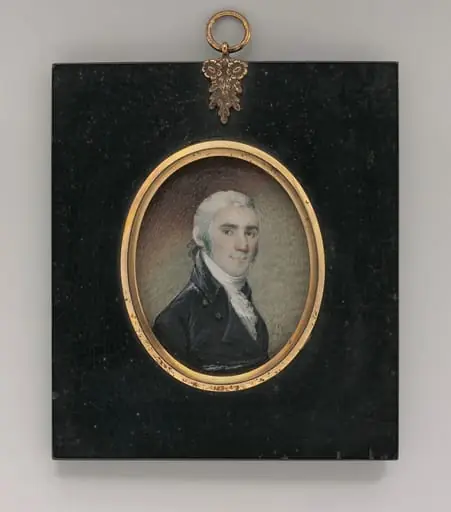
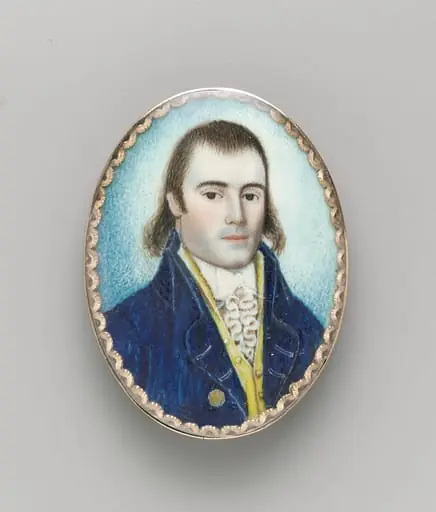
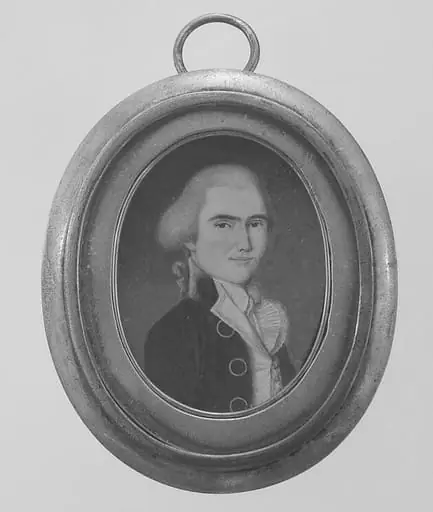
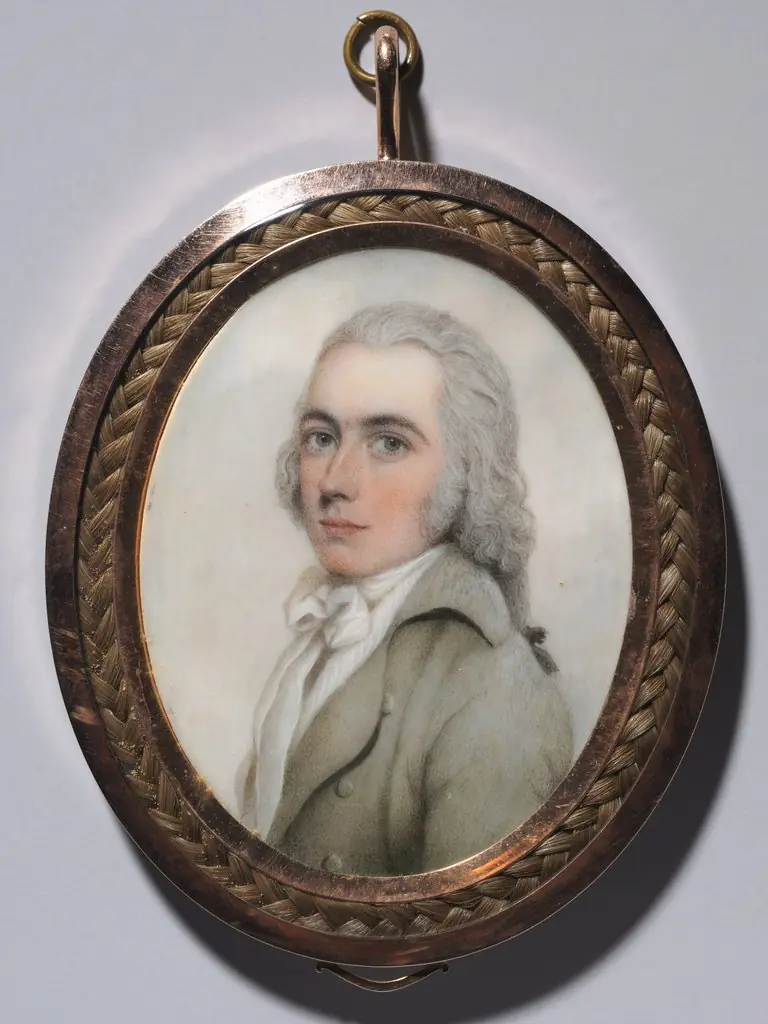
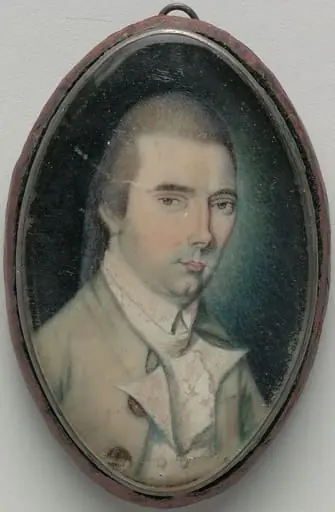
George Johnston is a watercolor painting. It dates from 1790 and is held in the collection of the Metropolitan Museum of Art.
About this work
Subject & Meaning
The work is a watercolor on ivory portrait dating to 1790, housed in The American Wing of the Metropolitan Museum of Art.
The work is a watercolor on ivory portrait dating to 1790, housed in The American Wing of the Metropolitan Museum of Art. It depicts an unidentified man, typical of late 18th‑century portraiture, emphasizing status and dignity. The iconography is minimal, focusing on realistic representation rather than symbolic attributes.
The subject’s anonymity underscores the genre’s function of recording likenesses of patrons, reflecting contemporary conventions of portraiture in early America.
Technique & Style
The artwork is a watercolor on ivory support created circa 1790. Executed as a portrait miniature, it measures approximately 4.8 units in height and 3.4 units in width, consistent with the small-scale format favored for intimate likenesses. The medium, watercolor applied to a polished ivory ground, was commonly employed in American portrait miniatures of the late eighteenth century, allowing fine detail and subtle tonal gradations.
Classified within the American Wing of the Metropolitan Museum of Art, the piece exemplifies the period’s preference for portable, personal portraiture.
History & Provenance
The watercolor on ivory portrait titled George Johnston, dated to 1790, is held in the collection of the Metropolitan Museum of Art. The work is classified within the museum's American Wing and depicts a man. While the artist remains unknown, the piece is cataloged with specific dimensions of 4.8 inches in height and 3.4 inches in width.
The provided sources confirm the artwork's current location and physical classification but do not list a specific accession number or detail any exhibition history for the piece.
Context
The watercolor on ivory attributed to an unknown hand, dated 1790, measures 4.8 by 3.4 units and is housed in the Metropolitan Museum of Art’s American Wing. Its classification as a portrait of a man places it within the tradition of early American portraiture, where anonymity was common and many works circulated without recorded creators. The piece’s presence in a major museum collection underscores scholarly interest in documenting the development of American visual culture, while its modest dimensions reflect the intimate format of elite domestic likenesses of the period.
The lack of a known artist highlights the broader context of artistic production in the young republic, where patronage and attribution were often informal.
Overview
This small, circular portrait depicts a man identified as George Johnston, presented in a dark coat with a white cravat. Rendered in watercolor on ivory, this piece exemplifies the miniature format popular during its era. Such intimate works were often commissioned to capture the likeness of individuals, serving as personal mementos or tokens exchanged among families.
Artist & collection