Artwork
Richard Thomas III
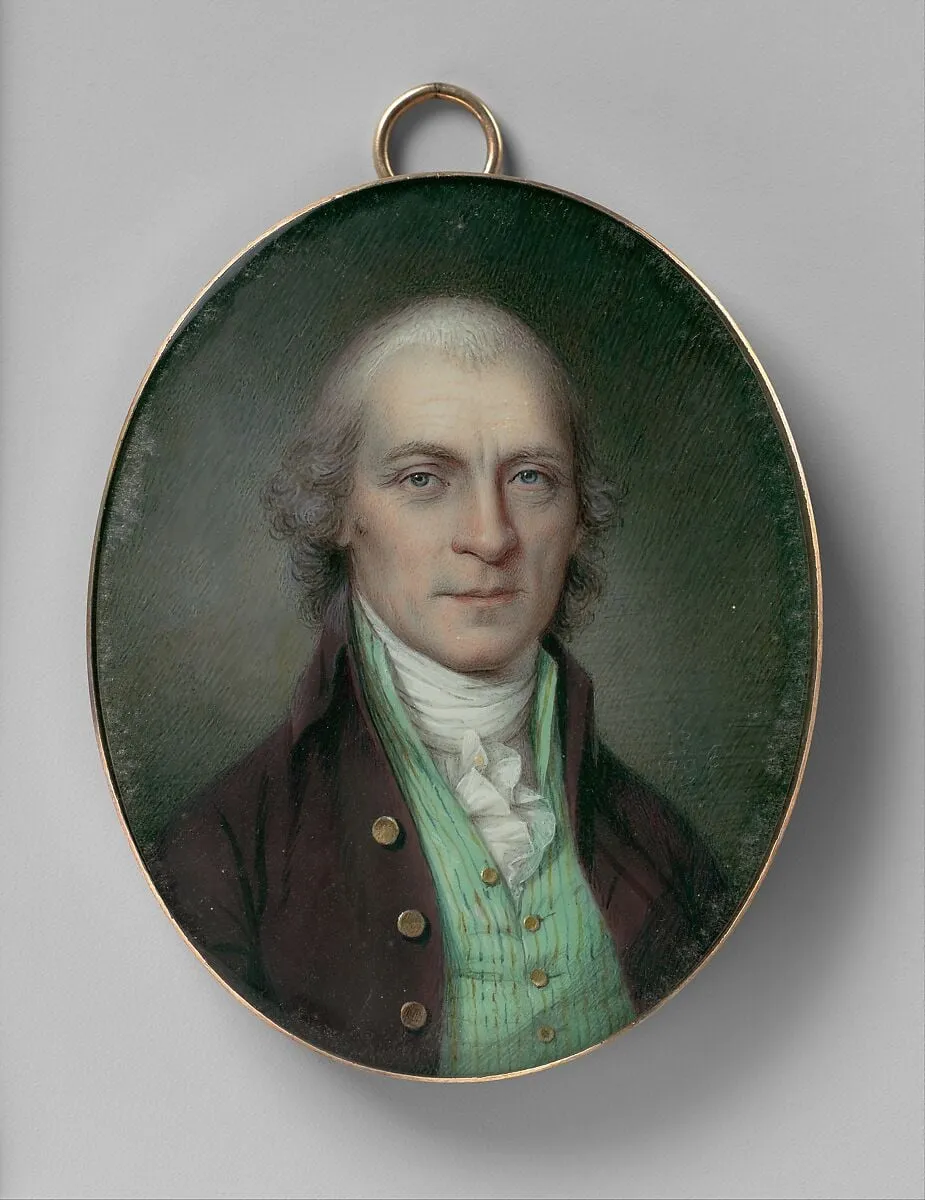
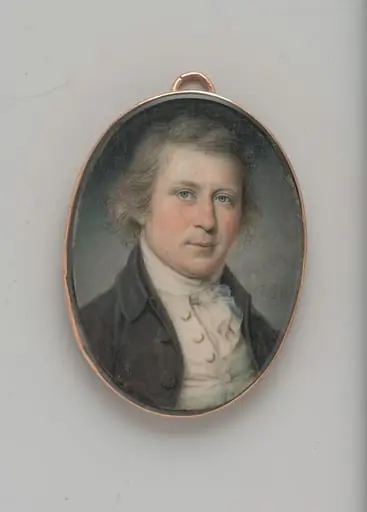
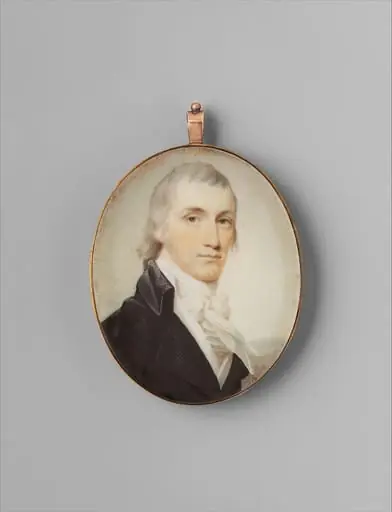
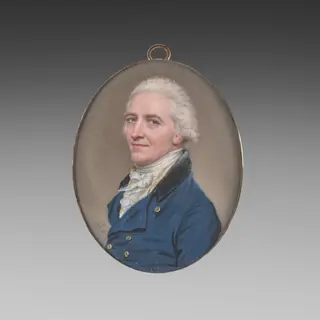
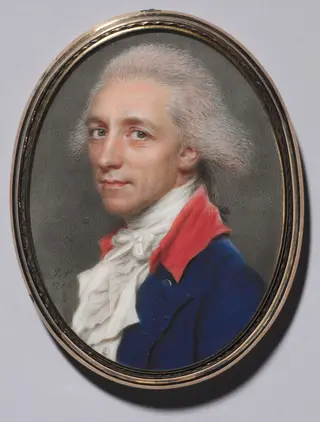
Richard Thomas III is a watercolor painting by the American Folk Art artist James Peale. It dates from 1796 and is held in the collection of the Metropolitan Museum of Art.
About this work
Technique & Style
The classification of the piece within the American Wing underscores its significance as an example of early American portraiture.
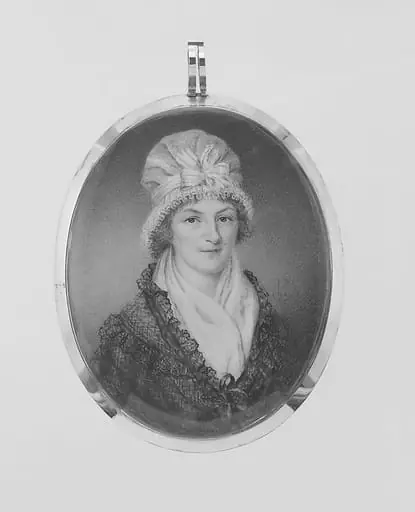
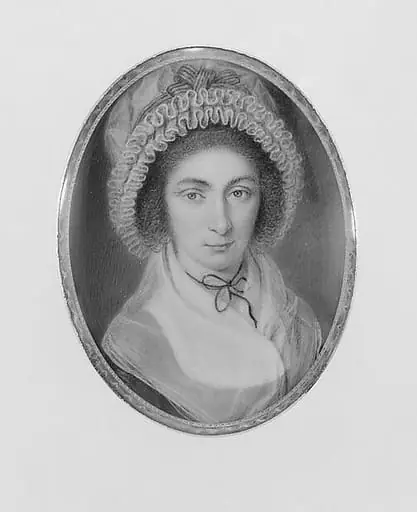
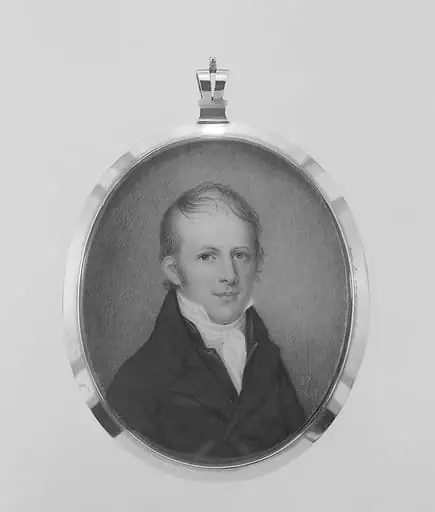
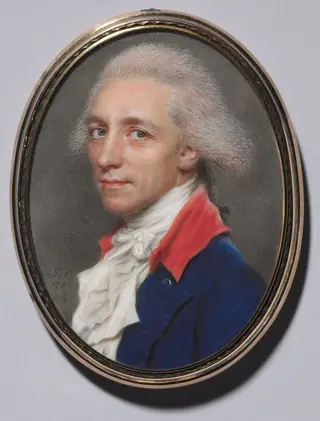
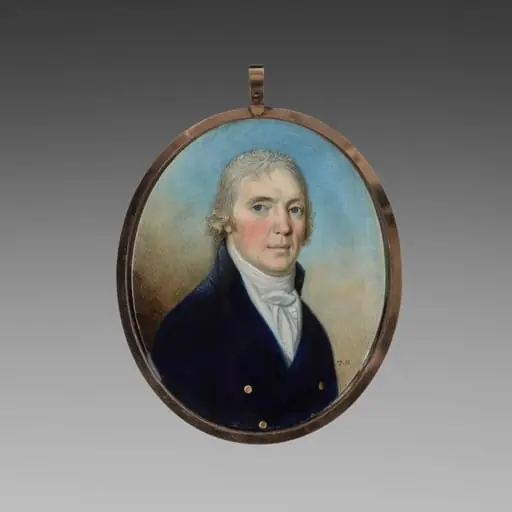
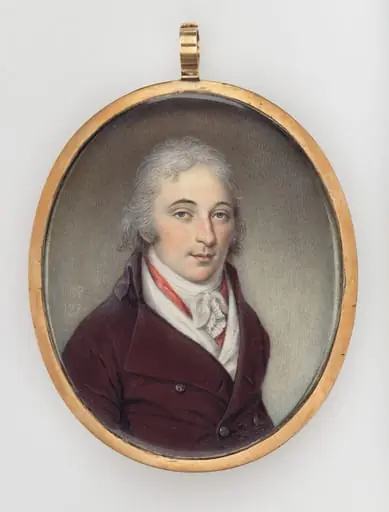
Executed in 1796, this portrait by James Peale utilizes watercolor applied to an ivory support, a medium characteristic of miniature painting during the late eighteenth century. The work presents a formal depiction of a male subject, rendered with the precision typical of the genre. Physically, the object is small in scale, measuring approximately 7.3 centimeters in height and 5.9 centimeters in width.
The classification of the piece within the American Wing underscores its significance as an example of early American portraiture. The combination of translucent watercolor washes over the smooth, luminous surface of the ivory allows for a delicate handling of light and skin tones, defining the stylistic approach of the artist in this specific commission.
History & Provenance
The work titled Richard Thomas III was executed by James Peale in 1796 as a watercolor on ivory portrait of a man. Measuring approximately 7.3 × 5.9 cm, the painting was classified within the American Wing of the Metropolitan Museum of Art and remains in the museum's collection. Its creation is documented in contemporary records as a portrait produced by Peale, who specialized in such works.
The piece entered the Met's holdings as part of the institution's established collection. No specific accession number or exhibition history is provided in the available sources.
Overview
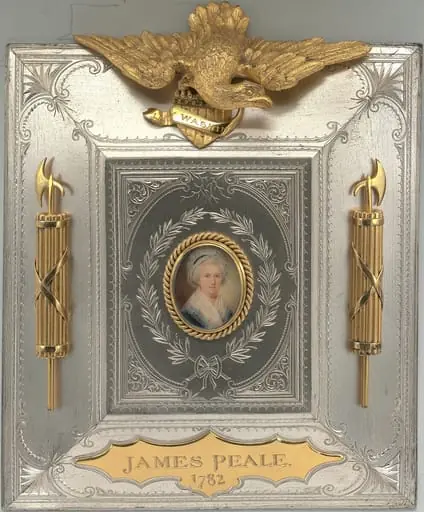
James Peale's Richard Thomas III, created in 1796, is an intimate watercolor portrait rendered on ivory. This small-scale work captures the likeness of a man in period attire, reflecting the directness characteristic of early American portraiture. Peale, recognized for his miniatures and still lifes, contributed significantly to the visual record of the nascent United States through such detailed depictions.
Subject & Meaning
The portrait presents Richard Thomas III with a composed and serious demeanor, a common approach in 18th-century portraiture to convey dignity and character. Rather than dramatic expression, Peale focused on a simple, yet penetrating, portrayal of the individual. This directness aimed to capture the sitter's essential personality, making the work a personal record of its subject.
Context
James Peale was a notable figure in early American art, often working alongside or in the shadow of his elder brother, the prominent artist Charles Willson Peale. While his brother was known for grander canvases, James specialized in the smaller, more personal scale of miniatures and still lifes. Richard Thomas III exemplifies his contribution to documenting American society through accessible, detailed portraits.
Artist & collection

Artist
James Peale (1749 – May 24, 1831) was an American painter, best known for his miniature and still life paintings, and a younger brother of noted painter Charles Willson Peale.