Artwork
Gulian Ludlow
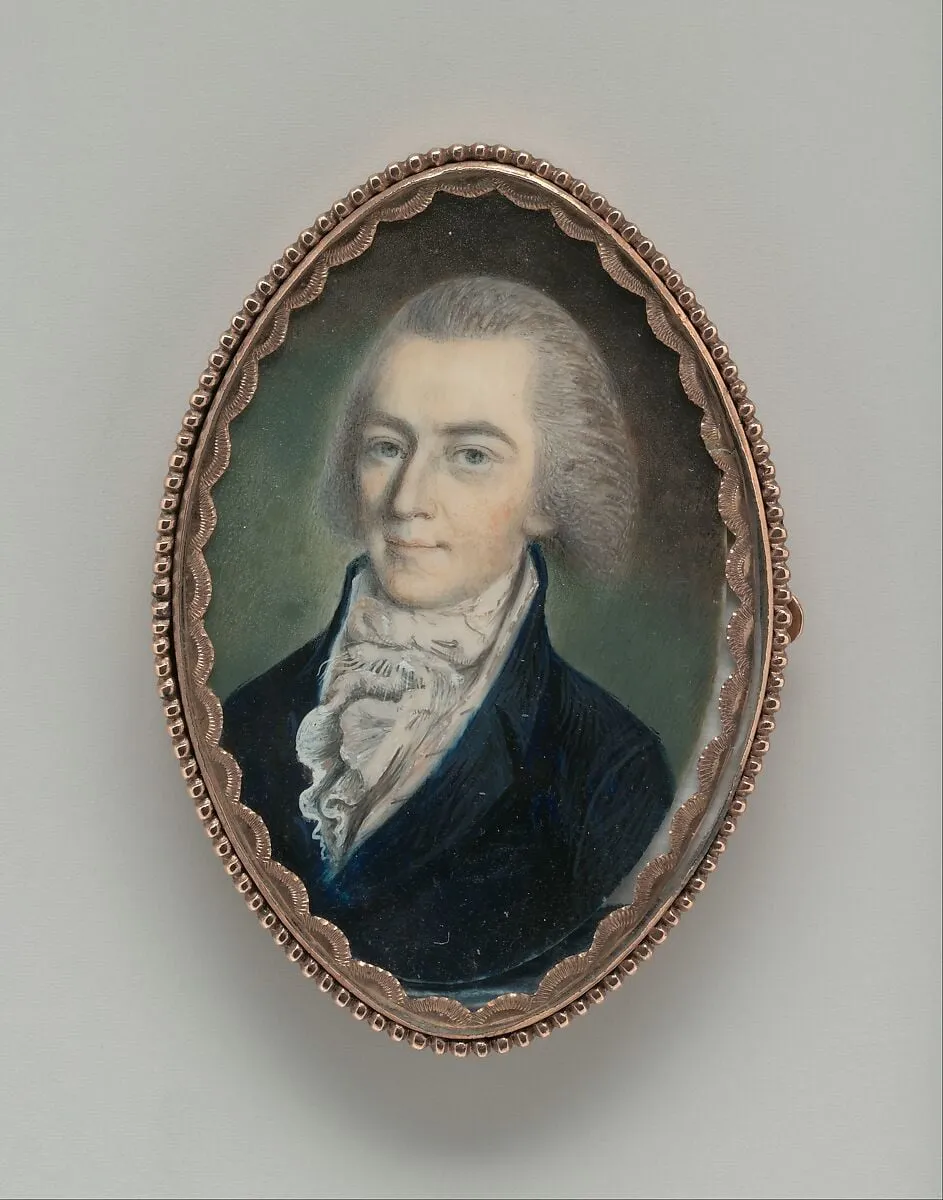
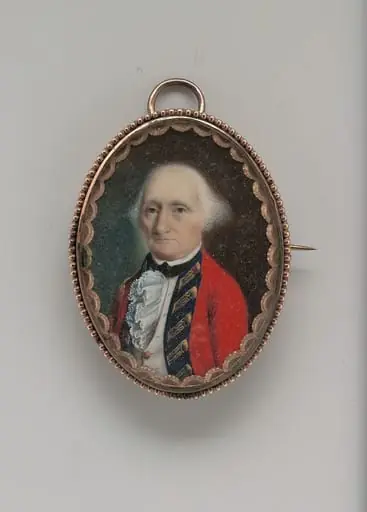
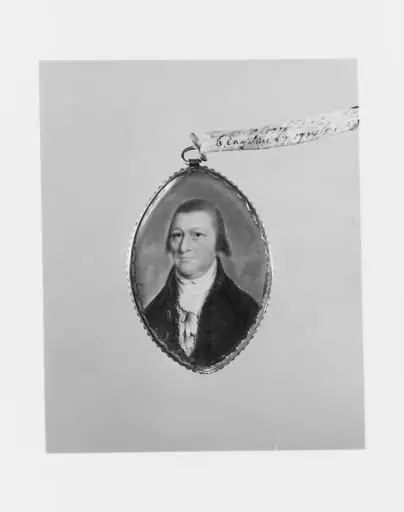
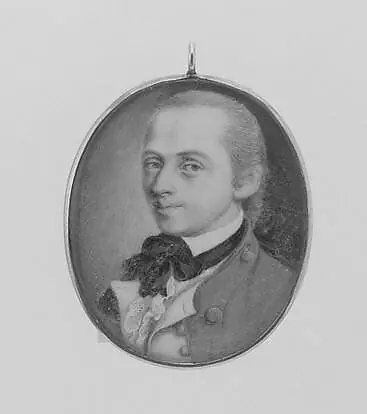
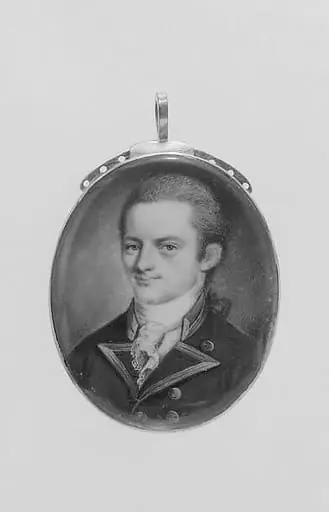
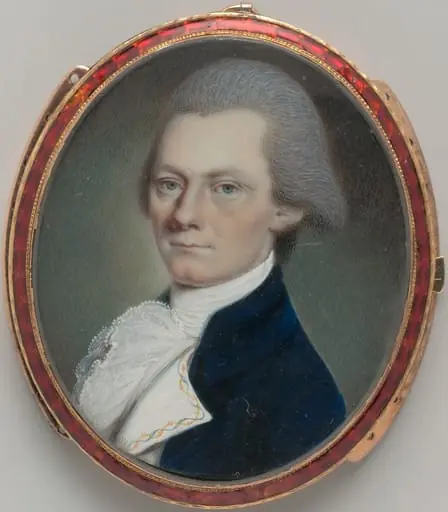
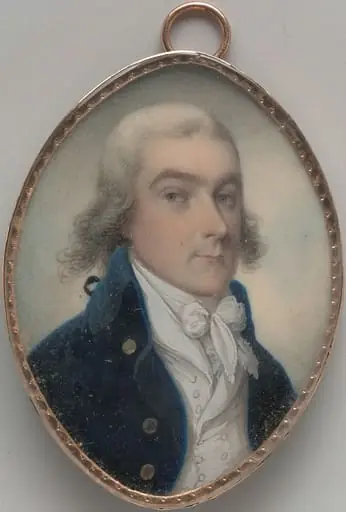
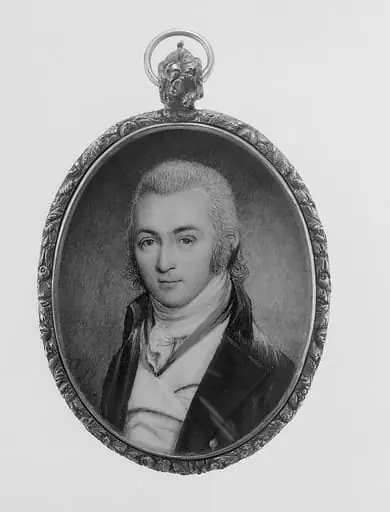
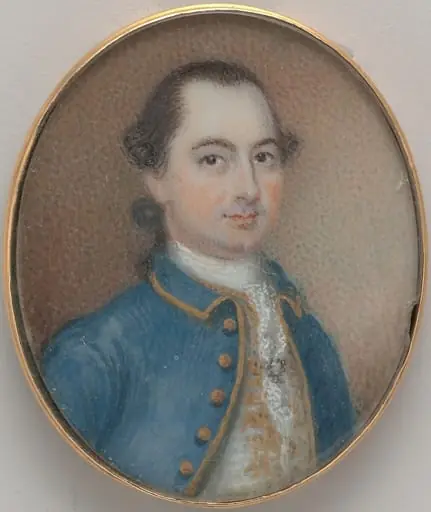
Gulian Ludlow is a watercolor painting by the Rococo painting artist John Ramage. It dates from 1790 and is held in the collection of the Metropolitan Museum of Art.
About this work
Technique & Style
The portrait falls within the genre tradition of likeness portraiture, with the composition centered on the male sitter.
Gulian Ludlow is a small-format portrait miniature executed in watercolor on ivory, a support and medium combination favored for its smooth, luminous surface that allowed for finely detailed, jewel-like finishes. The work measures approximately 4.9 by 3.2 inches, a scale consistent with portrait miniatures intended for intimate, handheld viewing rather than wall display. The watercolor medium permitted delicate layering and subtle tonal gradations in the sitter's features and attire, while the ivory ground provided a warm, translucent luminosity beneath the pigment.
The portrait falls within the genre tradition of likeness portraiture, with the composition centered on the male sitter. Held in the collection of the Metropolitan Museum of Art's American Wing, the work is classified as a portrait miniature reflecting John Ramage's characteristic handling of the medium.
Overview
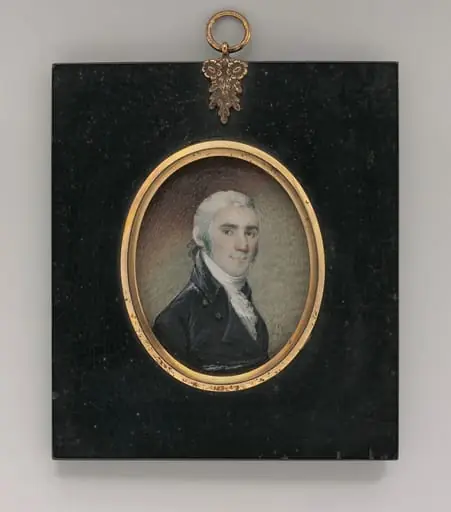
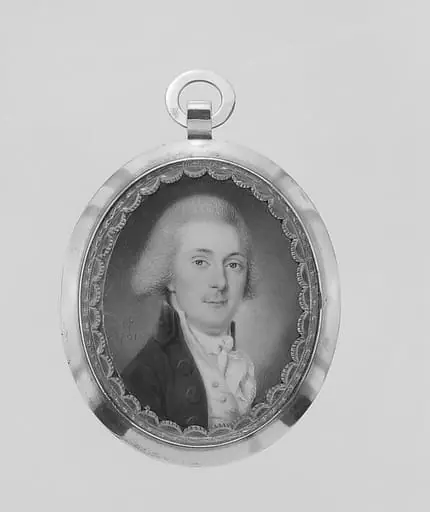
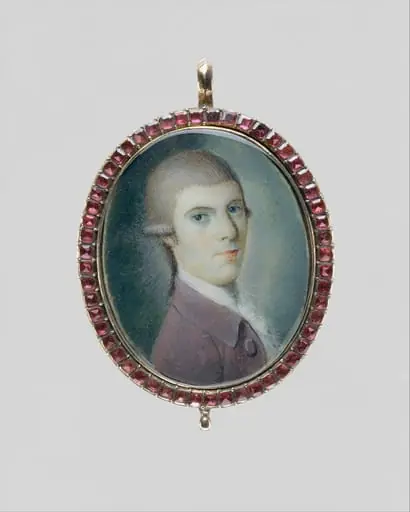
This miniature portrait, depicting Gulian Ludlow, was created by the Irish-born American artist John Ramage around 1790. Executed in watercolor on ivory, the small-scale work exemplifies the refined style characteristic of late 18th-century portraiture. Ramage was renowned for these intimate likenesses, which allowed individuals to carry or display images of loved ones. The delicate application of paint highlights the subtle details of the subject's features and attire.
Subject & Meaning
The portrait presents Gulian Ludlow, a figure from the late 18th century, captured with a softly lit face against a pale background. Miniature portraits like this one served a practical and personal purpose, allowing individuals to keep an intimate likeness of a loved one close at hand, often carried in pockets or worn as jewelry. These small-scale works were frequently commissioned by or for prominent individuals, reflecting their social standing and personal connections.
Context
John Ramage, an American artist originally from Ireland, established a reputation for his skill in creating portrait miniatures. His practice flourished during a period when such intimate works were highly valued for their portability and personal significance. Ramage's career included a notable commission: he was the first artist to paint George Washington following his inauguration as president, underscoring his prominence in the field of portraiture at the time.
Artist & collection

Artist
John Ramage (1748 – 24 October 1802) was an Irish American artist, goldsmith, patroller, and second lieutenant.