Artwork
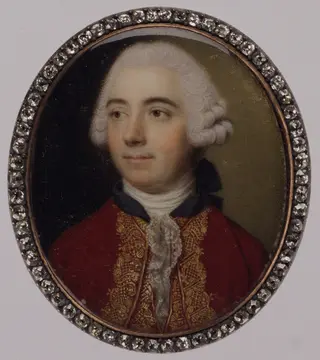
Portrait of a Man
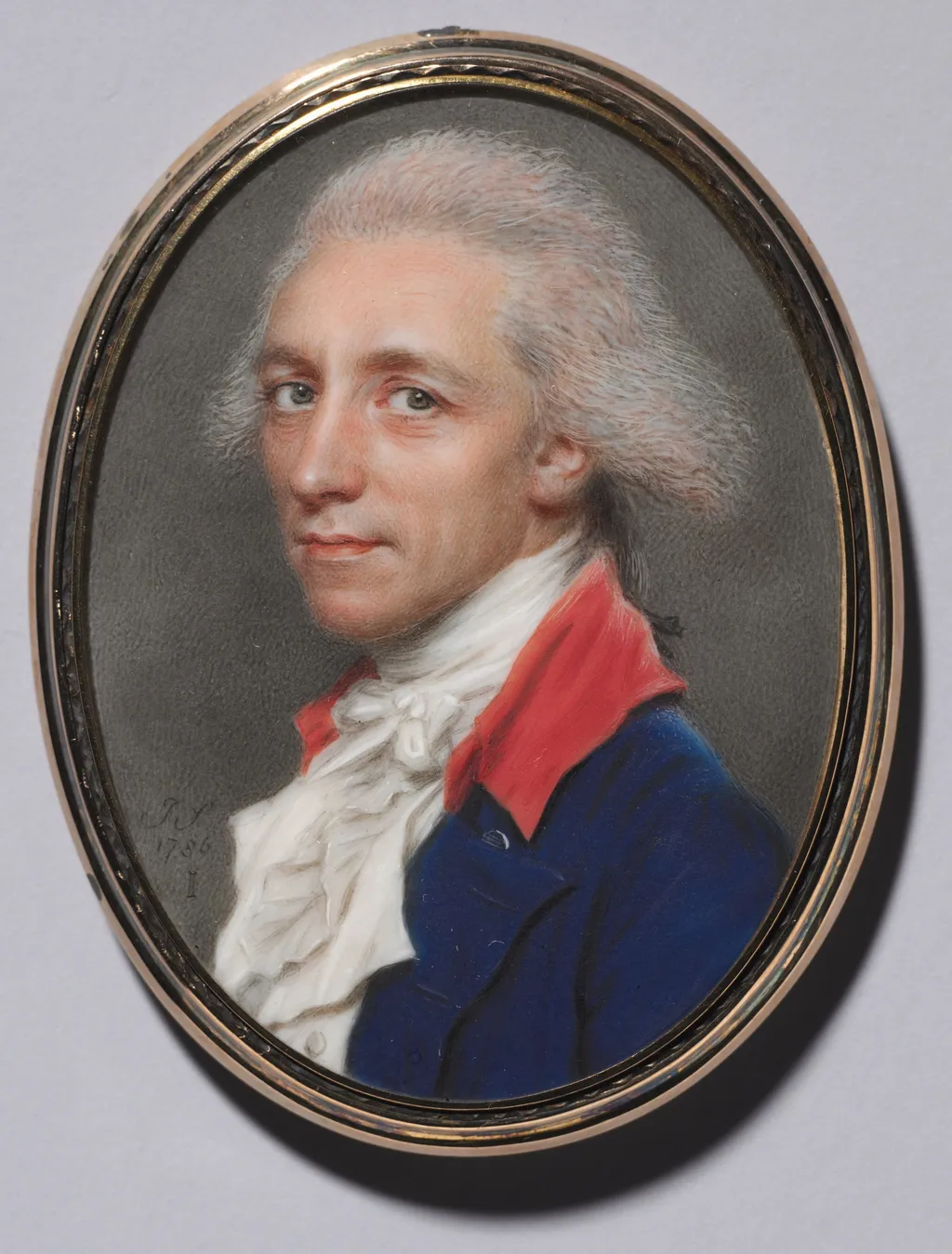
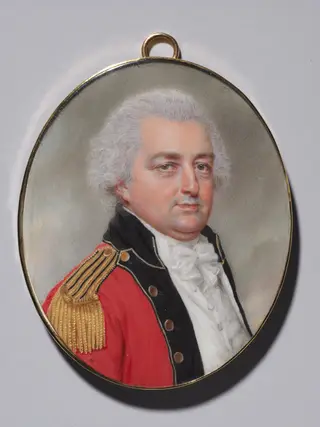
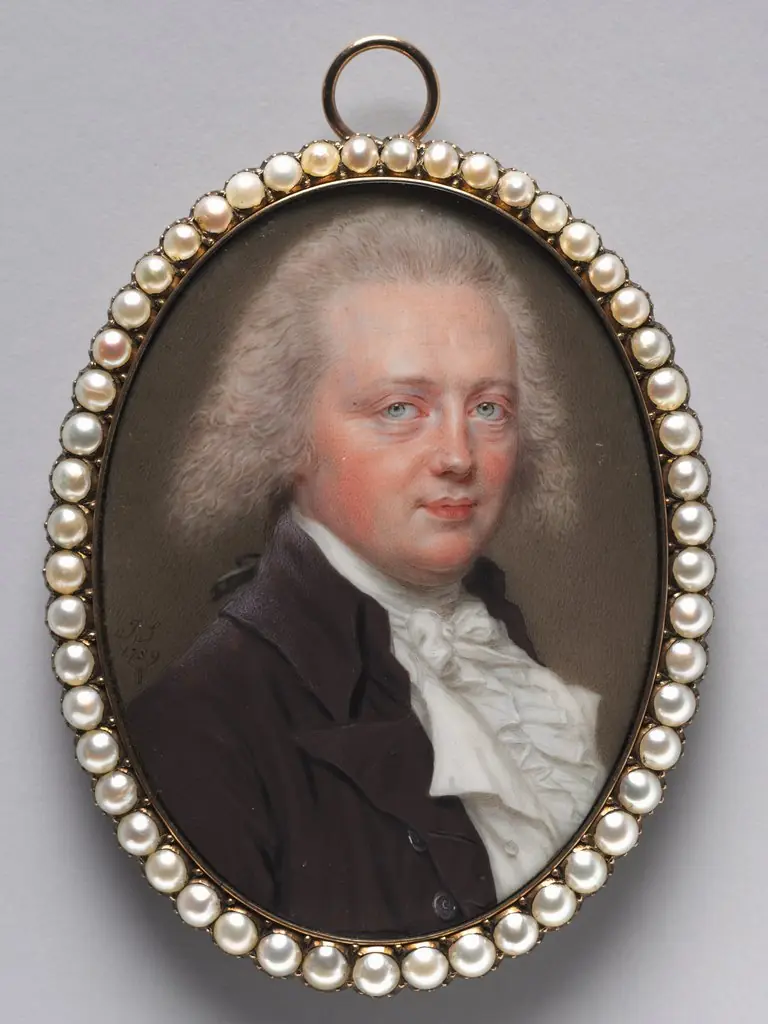
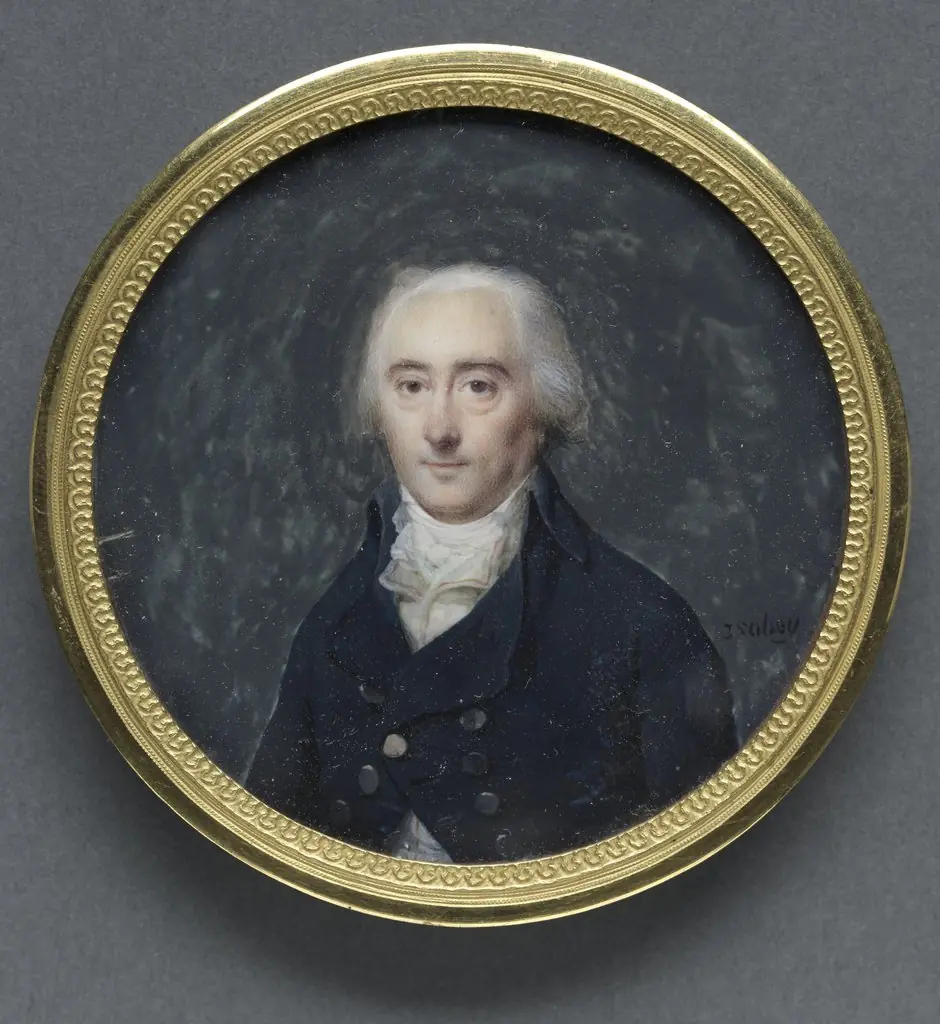
Portrait of a Man is a watercolor painting by the Rococo painting artist John I Smart. It dates from 1794 and is held in the collection of the Cleveland Museum of Art.
About this work
The man's hair is styled in a manner that was popular during the late 18th century, and his clothing suggests that he may have been a member of the upper class.
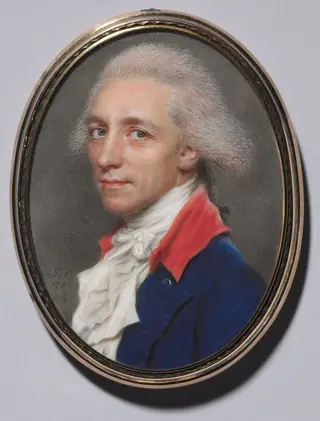
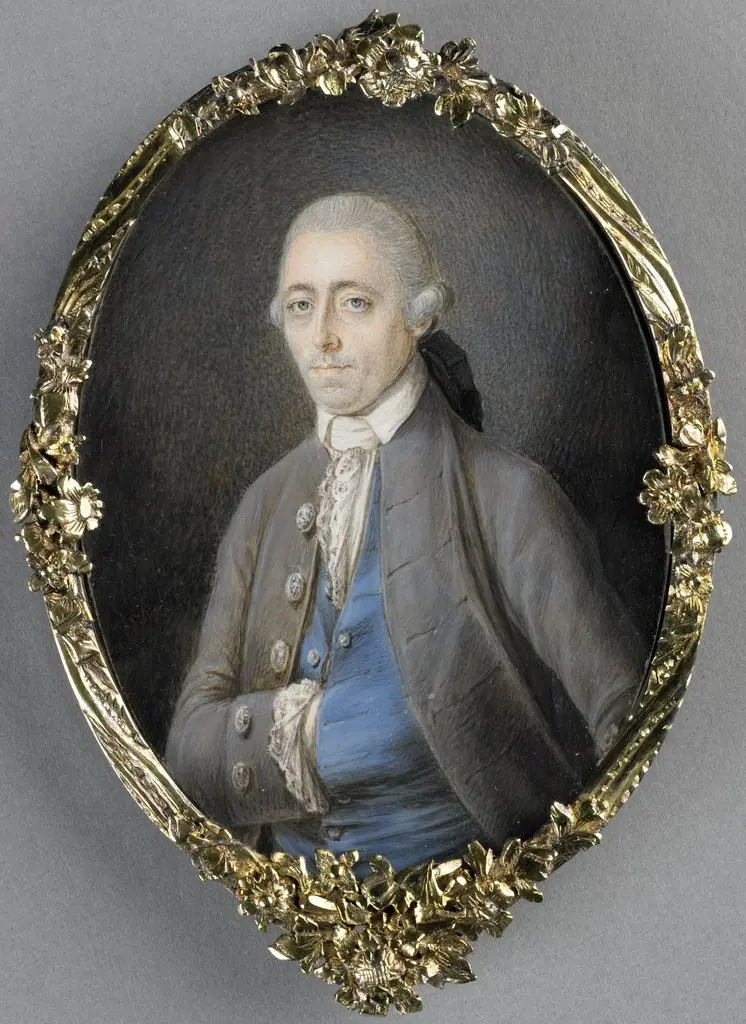
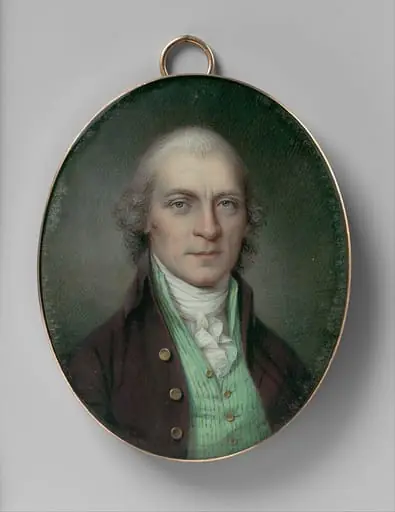
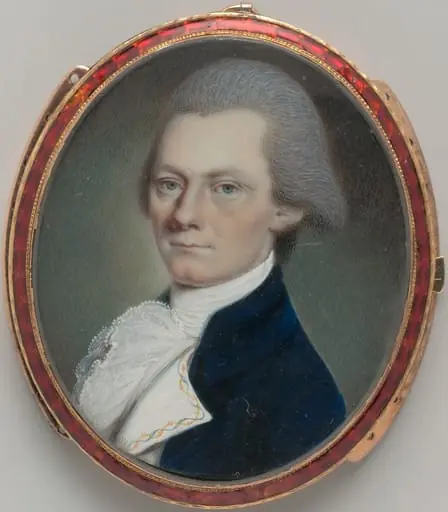
This painting is a portrait of a man with white hair, wearing a blue jacket with red lapels and a white cravat. The subject is shown from the chest up, facing the viewer. The background is a dark gray color.
The man's hair is styled in a manner that was popular during the late 18th century, and his clothing suggests that he may have been a member of the upper class. The artist has used a range of colors to create a sense of depth and dimensionality in the painting.
The painting is done in a realistic style, with attention to detail and texture. The artist has used chiaroscuro to create a sense of contrast between light and dark, which adds to the overall sense of depth and dimensionality. If you're interested in learning more about this style, you might want to explore the work of artist John Smart.
Technique & Style
The Portrait of a Man is a late‑18th‑century British portrait miniature painted on a thin ivory support using watercolor pigments. Executed in 1786 in England, the work measures approximately 4.9 × 3.7 cm and depicts an unidentified gentleman. The artist employed fine brushwork to render delicate facial features, subtle shading, and the sitter’s attire, creating a realistic yet intimate likeness typical of miniature portraiture.
The ivory ground provides a smooth, luminous surface that enhances the translucency of the watercolor washes. The piece is part of the Cleveland Museum of Art’s collection, where it has been preserved as a representative example of the genre.
History & Provenance
Created by the British artist John Smart in 1786, this portrait miniature was executed in England using watercolor paint on an ivory support. The work depicts an unidentified man and measures approximately 4.9 by 3.7 centimeters. While the specific circumstances of its initial commission and the identity of the original patron remain unrecorded in available documentation, the piece entered the collection of the Cleveland Museum of Art by 1949, where it is currently cataloged under accession number 1949.546.
The dating to 1786 aligns with the artist's active period during the late eighteenth century, reflecting the peak popularity of the miniature genre in Britain at that time.
The Portrait of a Man has been part of the Cleveland Museum of Art's collection, where it is catalogued under accession number 1949.546. The miniature, executed in 1786, is held in the museum's holdings of portrait miniatures. No exhibition history is documented in the available sources beyond its presence within the Cleveland Museum of Art's collection.
Overview
John Smart, an English artist specializing in miniature portraits, created this work titled Portrait of a Man in 1794. Executed on ivory, the painting depicts an unidentified male subject. It exemplifies the Rococo style prevalent during the late 18th century and is part of The Cleveland Museum of Art's collection.
Smart was a notable figure among his contemporaries, including Richard Cosway and George Engleheart, known for their contributions to the genre.
Subject & Meaning
The portrait features a man with white hair, presented from the chest up and directly facing the viewer. He wears a blue jacket accented with red lapels and a white cravat, attire indicative of late 18th-century fashion and suggesting a person of elevated social standing. The subject's identity remains unknown, a common occurrence for many such commissioned works from the period.
Context
John Smart was a prominent English practitioner of miniature portraiture, a popular art form in the 18th century often used for personal keepsakes or to commemorate individuals. He worked alongside other notable artists in this field, such as Richard Cosway and George Engleheart. This particular work, created in 1794, reflects the artistic trends and social customs of its era, where such intimate portraits were highly valued.
Own this work as a print
Artist & collection
Artist
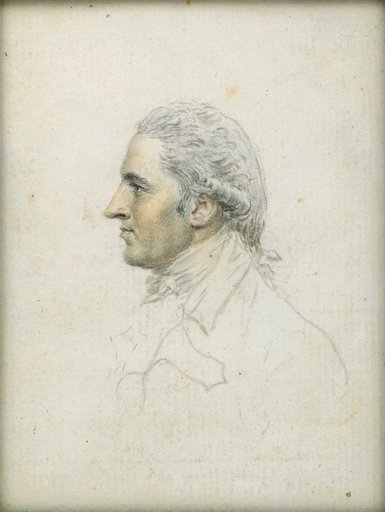
John Smart (1 May 1741 – 1 May 1811) was an English painter who specialised in portrait miniatures. He was a contemporary of Richard Cosway, George Engleheart, William Wood and Richard Crosse.