Artwork
Albert Gallatin
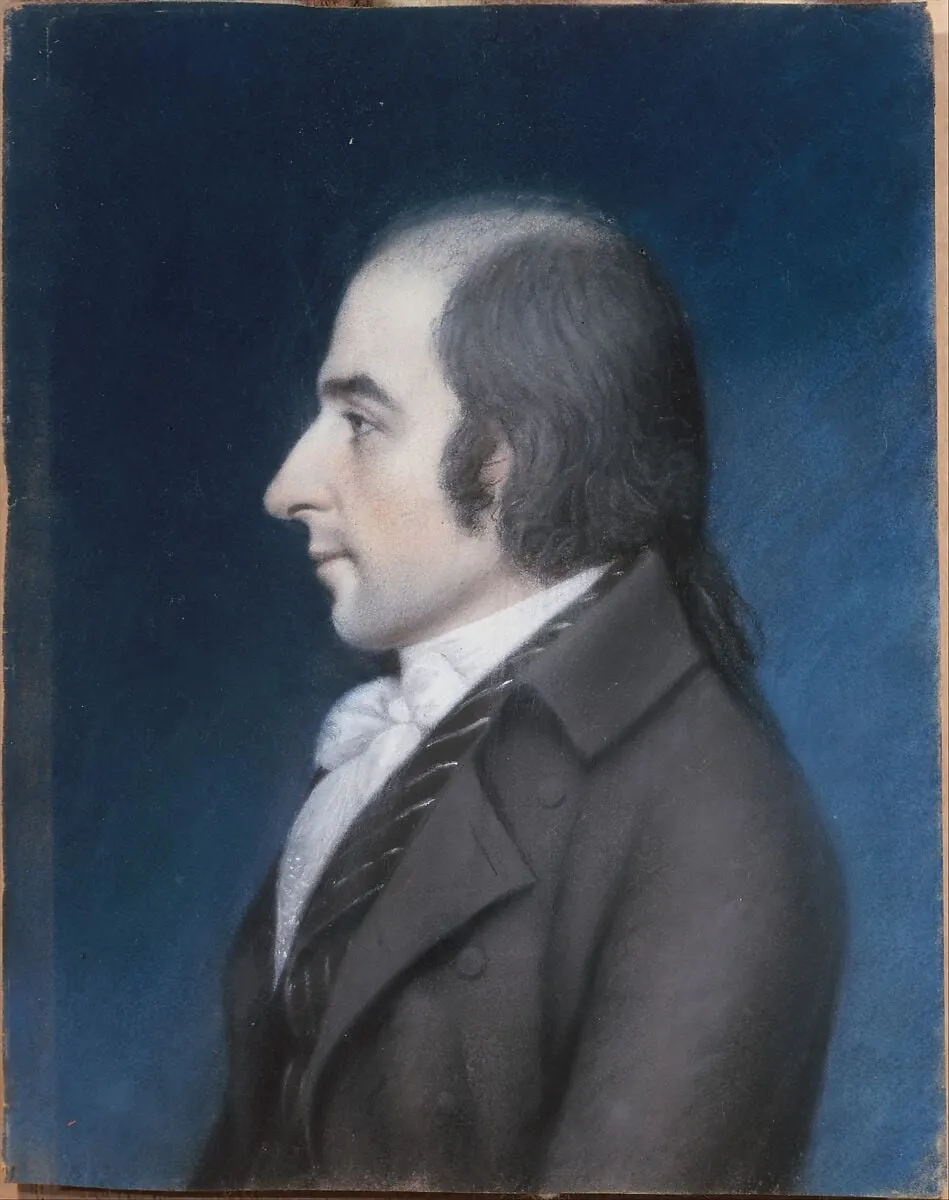
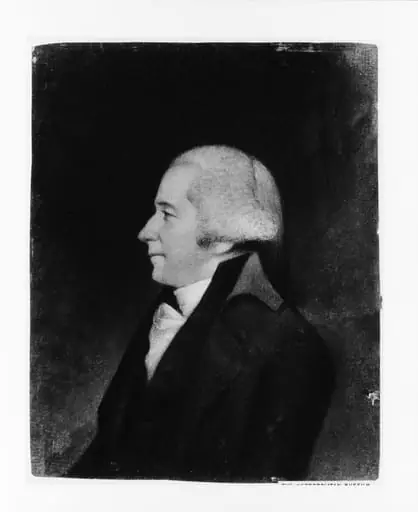
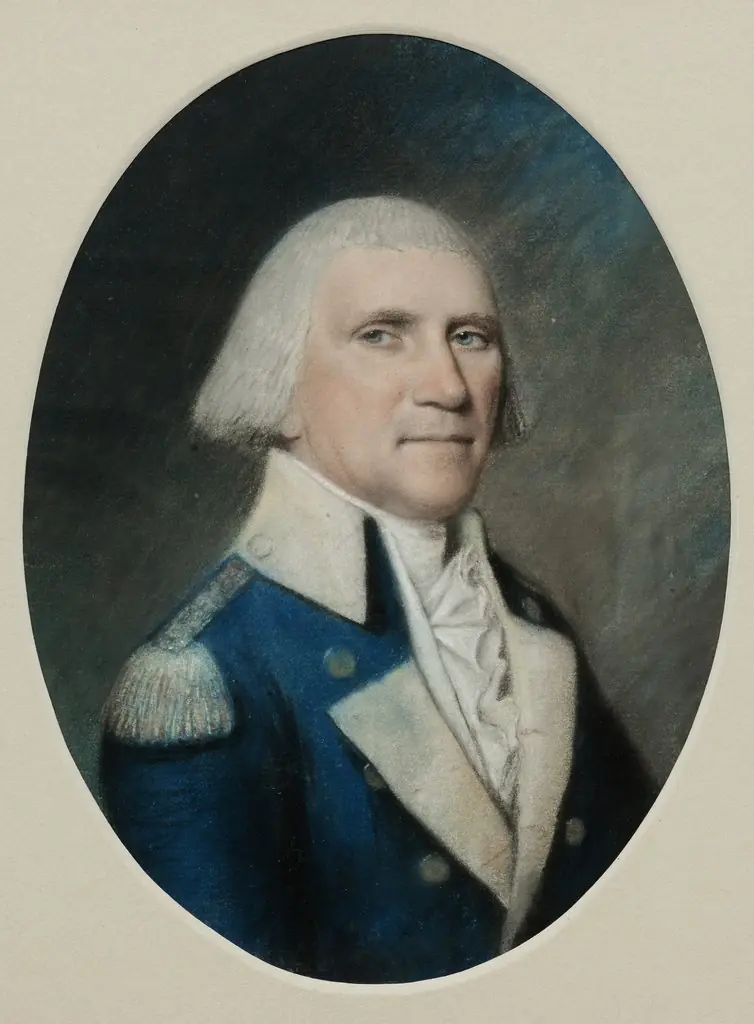
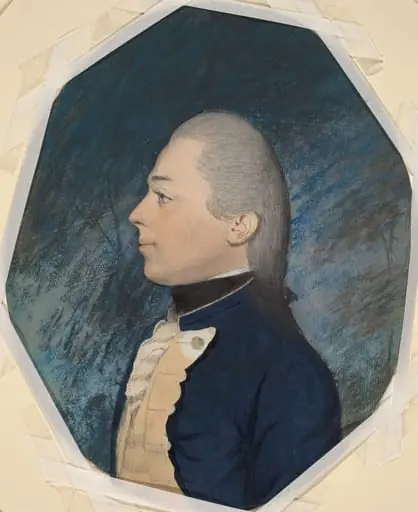
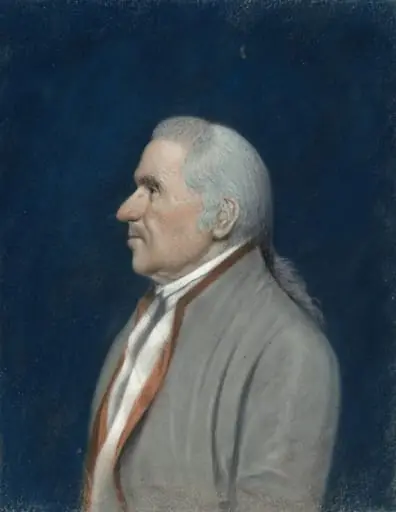
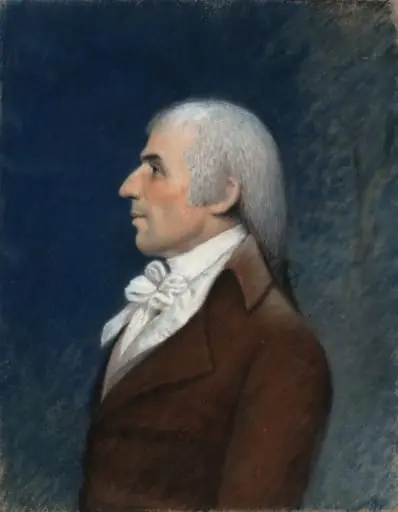
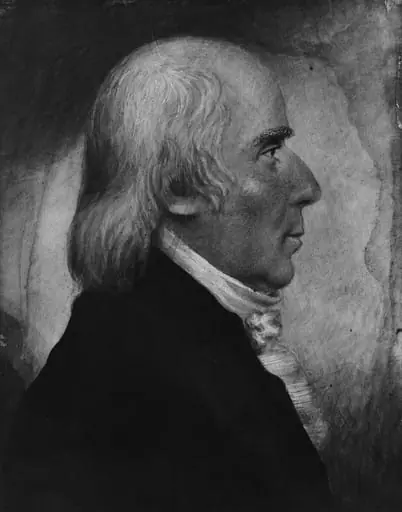
Albert Gallatin is a pastel drawing by the Romanticist artist James Sharples. It dates from 1796 and is held in the collection of the Metropolitan Museum of Art.
About this work
The soft chalk lets him show every wrinkle and shine on the skin without a single brushstroke.
You see a side-view portrait of a man with powdered hair, a high collar, and a dark coat.
This pastel was made in 1796, right after the American Revolution. Sharples drew many early politicians this way, quick, cheap, and easy to carry. The soft chalk lets him show every wrinkle and shine on the skin without a single brushstroke.
If you like this quiet, direct style, look up the technique: pastel.
Subject & Meaning
The work depicts Albert Gallatin in a strict profile view, capturing the subject as a man in a formal portrait format. Created in 1796 by James Sharples, the piece focuses on the physical likeness of the individual without incorporating additional narrative elements or complex allegorical figures. The composition relies on the direct representation of the sitter to convey his identity, utilizing the profile orientation typical of the artist's portraiture style during this period.
No specific symbolic attributes or iconographic details beyond the depiction of the man himself are indicated in the available records.
Technique & Style
Albert Gallatin is rendered as a pastel drawing on light gray wove paper. The medium consists of pastel applied to the paper support, producing a soft, velvety surface typical of pastel work. Sharples depicted the subject in profile, following the portrait convention of the late eighteenth century. No further details about handling, condition, or specific stylistic treatment are provided in the sources.
History & Provenance
James Sharples created a pastel on light gray wove paper portrait of Albert Gallatin in 1796. The work entered the collection of the Metropolitan Museum of Art, where it remains on view in The American Wing. It is classified as a portrait and depicts a man in profile.
The drawing was recorded in the museum's documentation by 1908 and has been part of its permanent collection since at least that year. Its creation history is tied to Sharples' work as an itinerant portraitist in the early United States.
The piece was produced during Sharples' active period in the United States before his return to England and is documented in the Metropolitan Museum of Art's records as accession number 08.144.
The pastel portrait of Albert Gallatin by James Sharples is held in the collection of the Metropolitan Museum of Art, specifically within its American Wing. The work, created in 1796 on light gray wove paper, is cataloged under the accession number 08.144. While the artwork's physical location and classification are established, the provided records do not list specific past exhibitions or loan history for this piece.
Legacy
The portrait of Albert Gallatin by James Sharples, created in 1796, has been recognized for its significance within early American portraiture, particularly for its nuanced depiction of subject and form. As part of The American Wing's collection at the Metropolitan Museum of Art, the work contributes to scholarly understanding of Federal-era visual culture and the representation of political figures in the early Republic. Its inclusion in major exhibitions and continued presence in academic discourse underscore its lasting relevance in the study of American art history.
Overview
This pastel portrait, created around 1796, is the work of English artist James Sharples. It is part of The American Wing collection.
Context
Produced shortly after the American Revolution, this portrait reflects the artist's practice of creating quick, portable likenesses of early American politicians.
Artist & collection

Artist
James Sharples (1751 or 1752, in Lancashire – 26 February 1811, in New York City) was an English portrait painter and pastelist, who moved to the United States in 1794. He first exhibited at the Royal Academy in 1779.