Artwork
Albert Gallatin
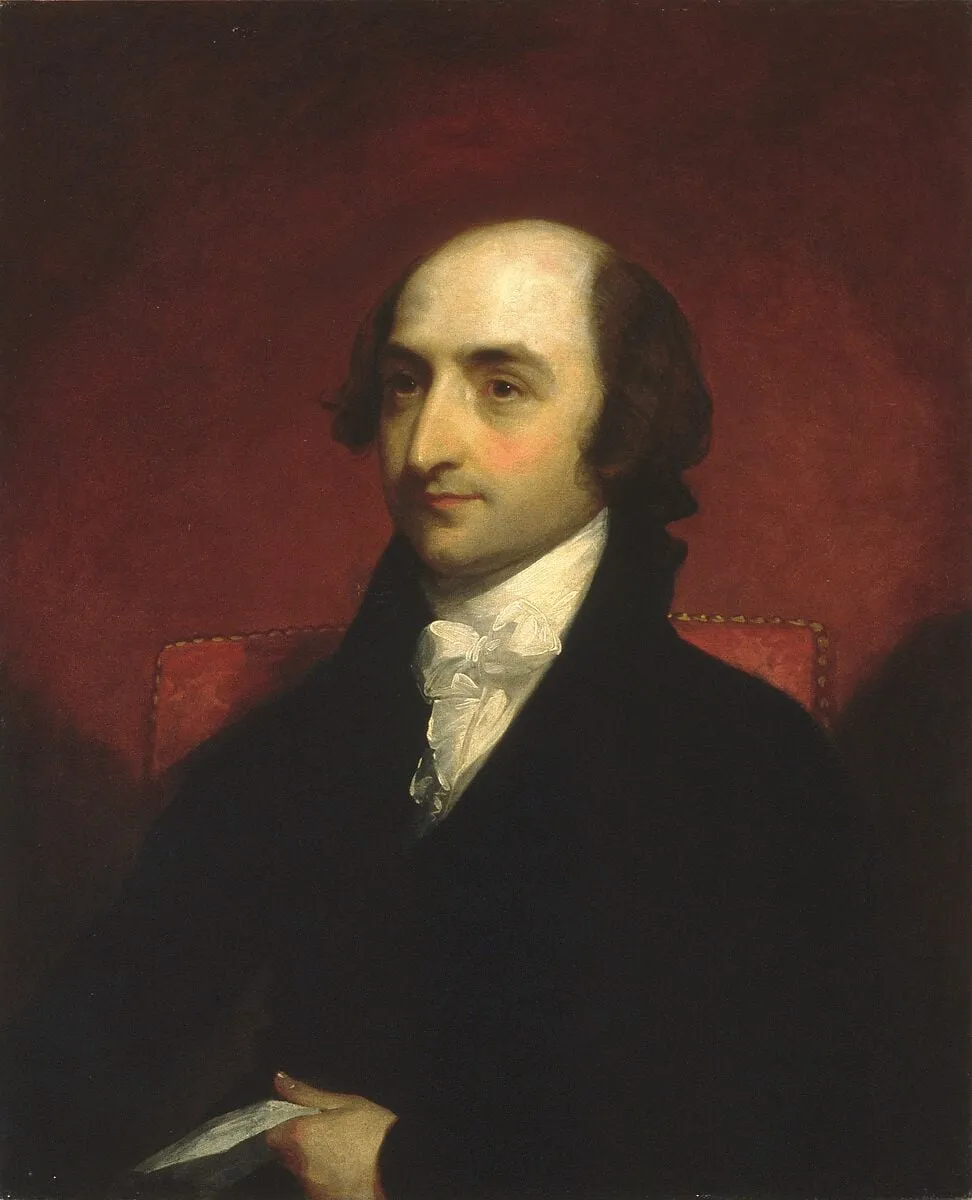
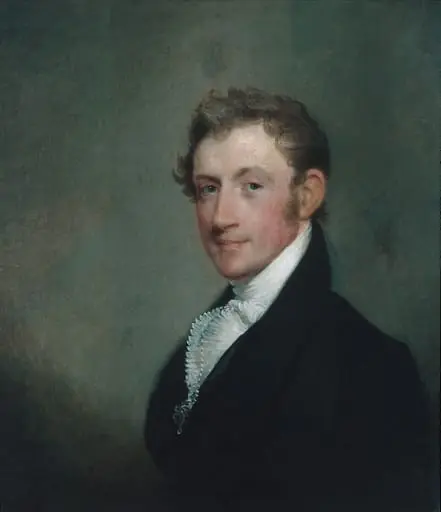
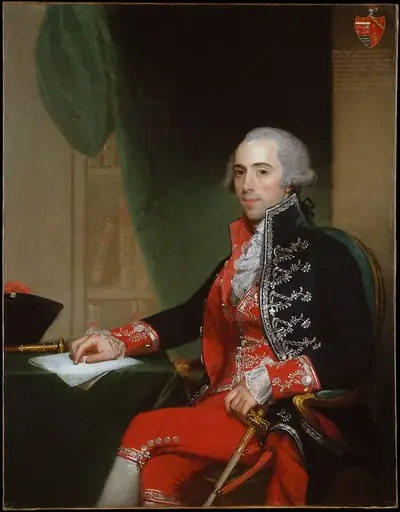
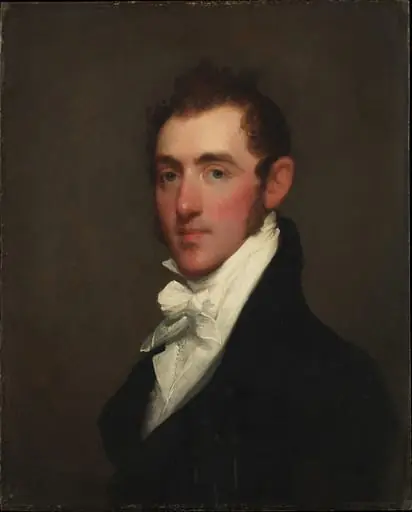
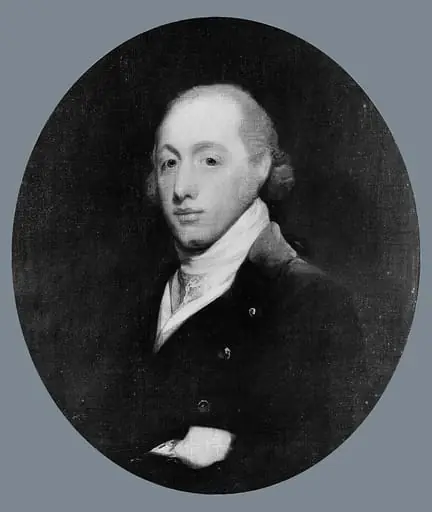
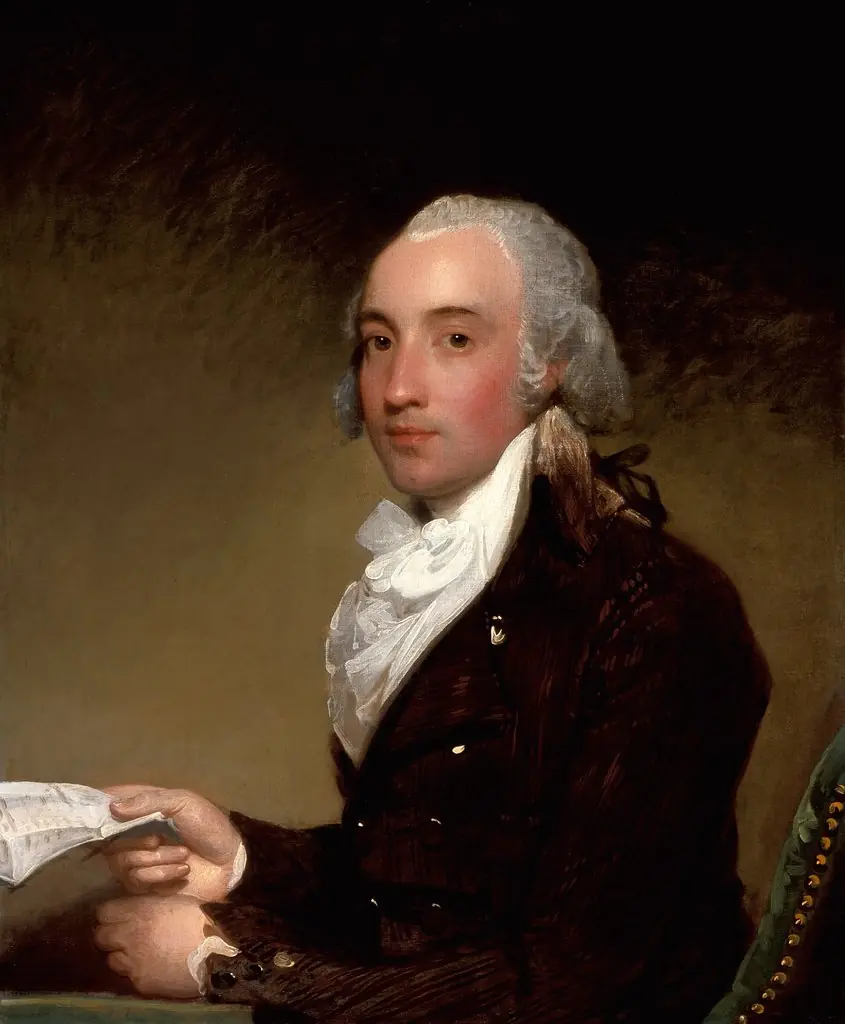
Albert Gallatin is an oil painting by the American Impressionist artist Gilbert Stuart. It dates from 1803 and is held in the collection of the Metropolitan Museum of Art.
About this work
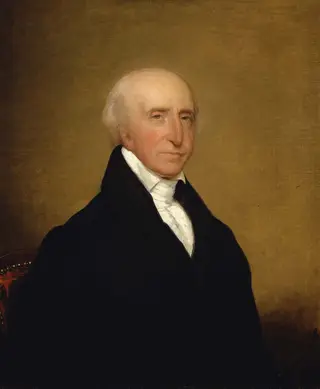
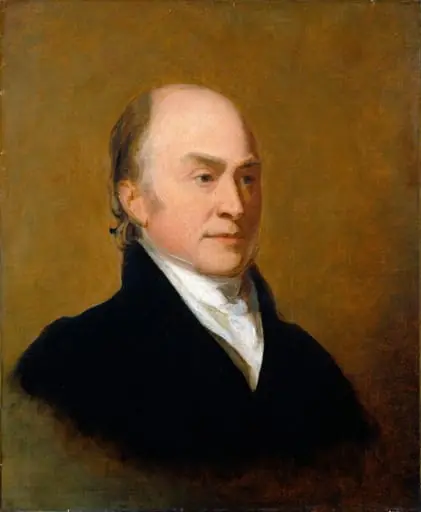
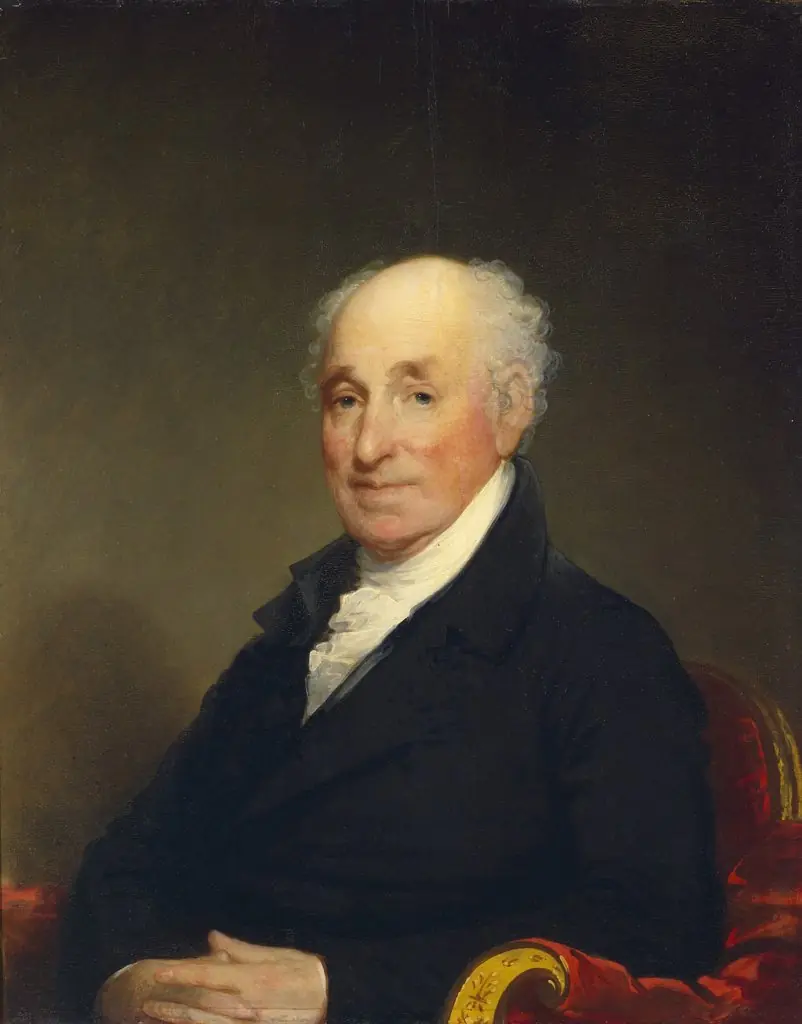
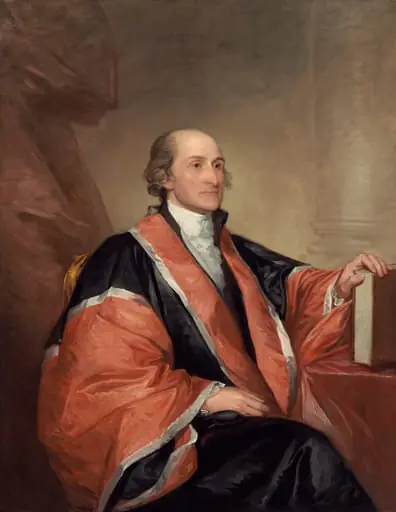
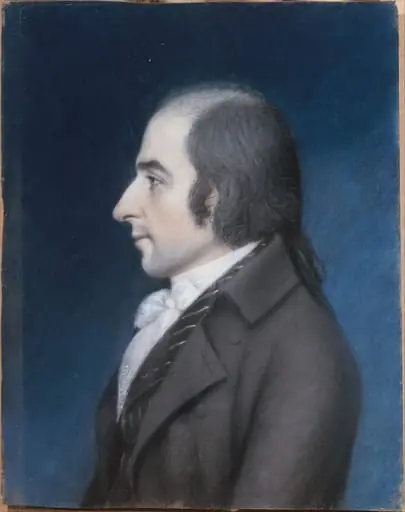
Albert Gallatin sits in a chair in old-fashioned dress, looking straight out at the viewer. Gilbert Stuart painted the portrait in 1803, one of many likenesses he made of the public figures of his day.
History & Provenance
2 centimeters, depicts the statesman and is currently held in the collection of the Metropolitan Museum of Art within its American Wing.
Gilbert Stuart executed this oil-on-canvas portrait of Albert Gallatin in 1803. The work, measuring approximately 74.6 by 63.2 centimeters, depicts the statesman and is currently held in the collection of the Metropolitan Museum of Art within its American Wing. While the specific date of inception is recorded as 1803, the available records do not detail the original commissioning party or trace the full chain of ownership prior to the painting's arrival at the museum.
The portrait of Albert Gallatin painted by Gilbert Stuart in 1803 is held by the Metropolitan Museum of Art in New York. It belongs to the museum’s American Wing and is listed in the department’s catalogue of paintings. The work is displayed in the permanent galleries dedicated to early American portraiture, allowing visitors to view it within the museum’s ongoing exhibition program.
No specific accession number is recorded in the available documentation, but the piece remains part of the Met’s collection and has been shown as part of the museum’s regular display of historic portraiture.
Overview
Painted in 1803, this oil on canvas portrait by Gilbert Stuart depicts Albert Gallatin, the fourth United States Secretary of the Treasury. The composition features Gallatin seated in a dark, unadorned interior, facing the viewer directly with a calm and intellectual demeanor. He is dressed in formal early 19th-century attire, including a black coat and white cravat, which contrasts with the somber background to emphasize his figure.
Stuart employs his characteristic loose yet precise brushwork, particularly in the rendering of the face, capturing the subject's sharp features and thoughtful expression. This work was created during a period when Gallatin was establishing his influence on American fiscal policy, and it reflects Stuart's role as the premier portraitist of the early American republic. The painting is part of a series of portraits Stuart executed of prominent political figures, including Thomas Jefferson and James Madison, serving as a visual record of the nation's founding generation.
It demonstrates the artist's ability to convey both the physical likeness and the character of his sitters, cementing his reputation in American art history.
Subject & Meaning
The painting features Albert Gallatin, an influential figure in early American history. As a portrait, its primary purpose was to record his likeness for posterity. The direct gaze and seated posture convey a sense of presence and authority, characteristic of formal portraiture intended to commemorate important individuals. This work contributes to the visual record of a significant historical personality.
Context
This artwork is attributed to Gilbert Stuart, a prominent American portrait painter known for his ability to capture the distinct character of his sitters. Stuart frequently produced multiple portraits of various individuals, demonstrating his adaptable approach to rendering unique likenesses. This particular depiction of Albert Gallatin illustrates Stuart's consistent practice of engaging with diverse subjects to create individualized representations.
Artist & collection

Artist
Gilbert Stuart (né Stewart; December 3, 1755 – July 9, 1828) was an American painter born in the Rhode Island Colony who is widely considered one of America's foremost portraitists.