Artwork
Alexander Hamilton
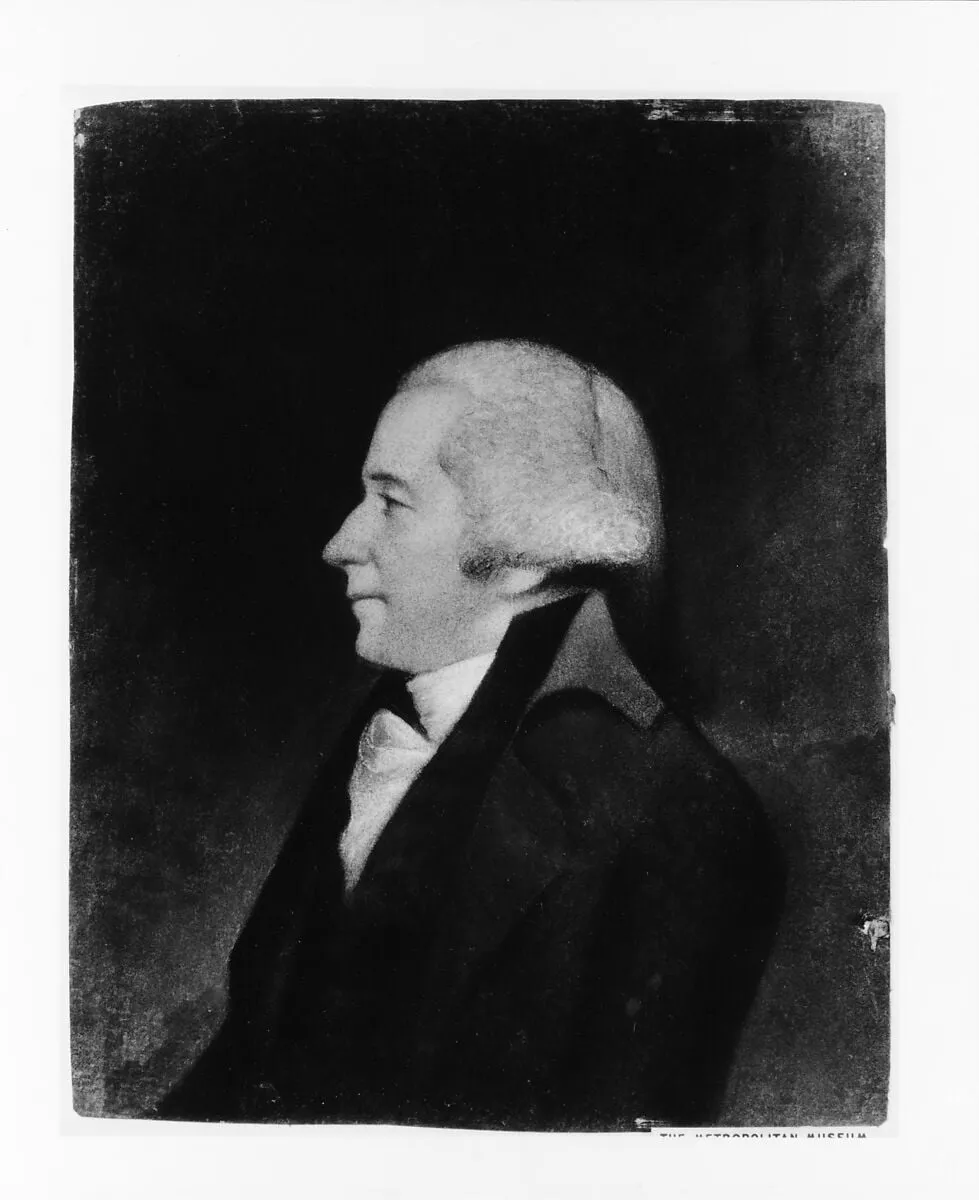
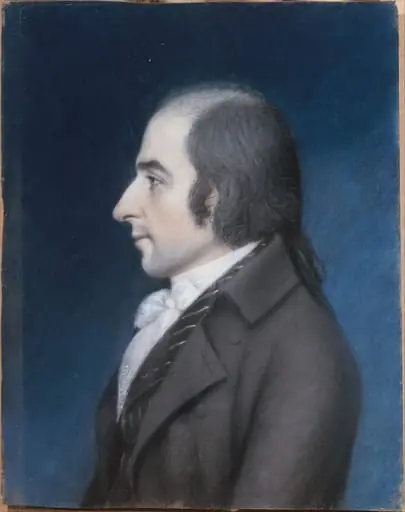
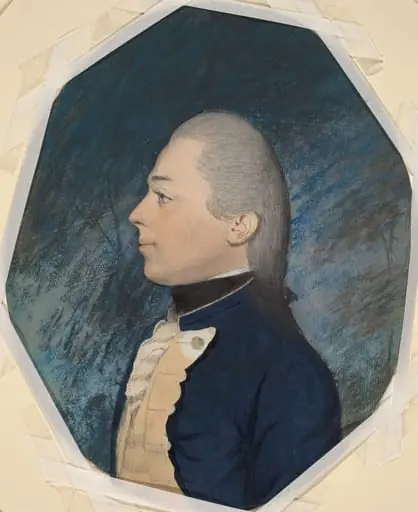
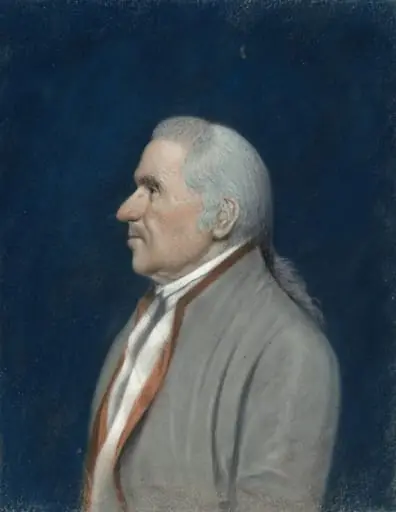
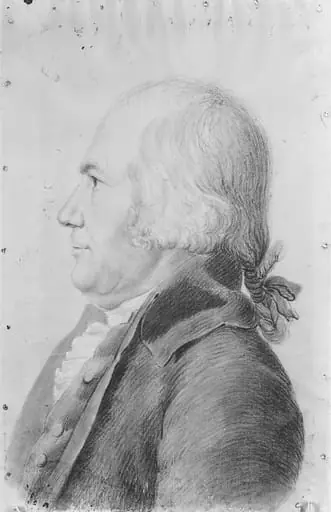
Alexander Hamilton is a pastel drawing by the Romanticist artist James Sharples. It dates from 1796 and is held in the collection of the Metropolitan Museum of Art.
About this work
Subject & Meaning
The pastel portrays Alexander Hamilton, the early American statesman and first U.
The pastel portrays Alexander Hamilton, the early American statesman and first U.S. Secretary of the Treasury, shown as a man in a strict profile portrait. The profile format, a convention borrowed from Neoclassical portraiture and antique medallions, lends the sitter a sense of dignity, intellect, and historical gravitas appropriate to his role as a Founding Father. Executed in 1796, the work belongs to a tradition of likenesses that circulated among elite American and European circles, where Sharples was known for producing small-scale profile portraits of prominent figures.
By rendering Hamilton in this restrained, classical mode, the drawing emphasizes his identity as a public man of letters and policy rather than offering a personalized or informal characterization.
Technique & Style
Alexander Hamilton is rendered as a pastel drawing on toned laid paper that has since oxidized, altering the paper's original hue. James Sharples (with Ellen Sharples credited as collaborator) employed the pastel medium to build up soft, layered strokes that define the sitter’s profile with delicate tonal gradations. The technique emphasizes fine linear detail in the hair and facial contours while allowing subtle blending for the flesh tones.
As a profile portrait, the work presents the subject in strict side view, a compositional choice typical of late‑eighteenth‑century portraiture that focuses on physiognomic clarity. The support’s oxidation indicates a change in condition over time, though the pastel application remains intact.
History & Provenance
James Sharples created the pastel on toned laid paper portrait of Alexander Hamilton in 1796, during his time in America. The work entered the collection of the Metropolitan Museum of Art, where it remains on view in The American Wing as part of their portrait genre holdings.
The pastel portrait of Alexander Hamilton by James Sharples is held by the Metropolitan Museum of Art, where it is classified within The American Wing. It is catalogued under the accession number 24.109.98. The work entered the museum's collection as part of its holdings of drawings by James Sharples and his wife Ellen Sharples.
No specific exhibition history is documented in the available sources for this portrait.
Overview
James Sharples's pastel portrait, Alexander Hamilton, created circa 1796, presents a profile view of the subject on toned laid paper, now oxidized to a brown hue.
Artist & collection

Artist
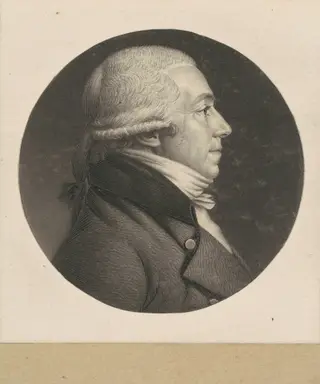
James Sharples (1751 or 1752, in Lancashire – 26 February 1811, in New York City) was an English portrait painter and pastelist, who moved to the United States in 1794. He first exhibited at the Royal Academy in 1779.