Artwork
Augustus Vallette Van Horne, Jr.
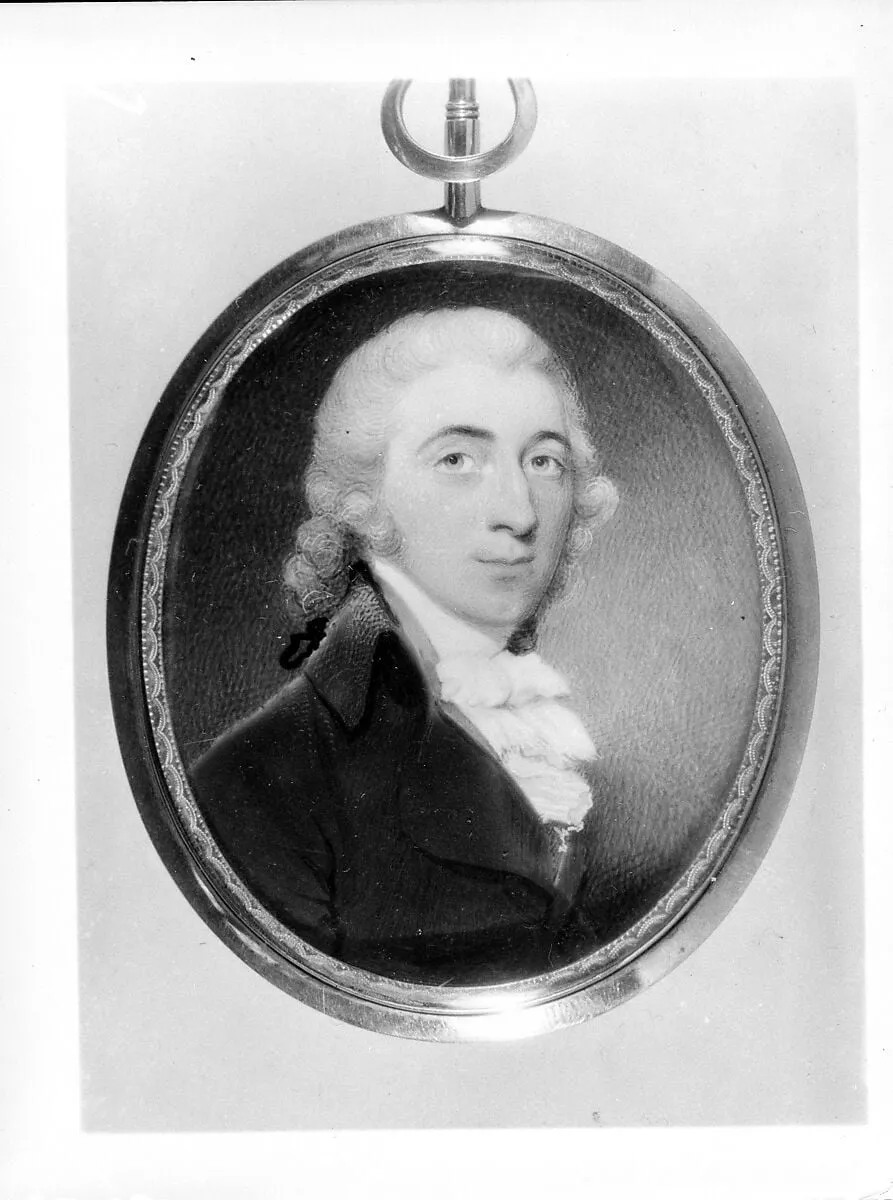
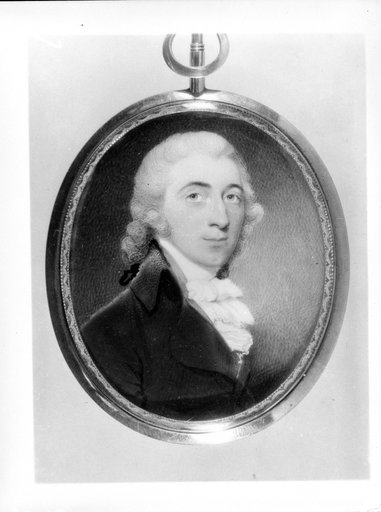
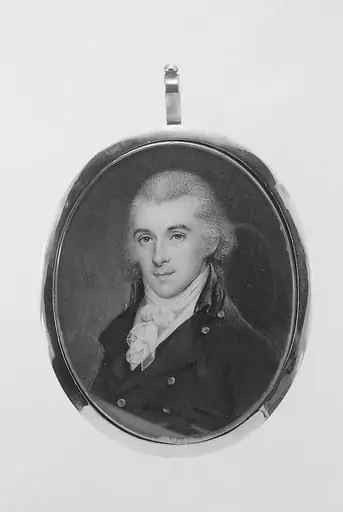
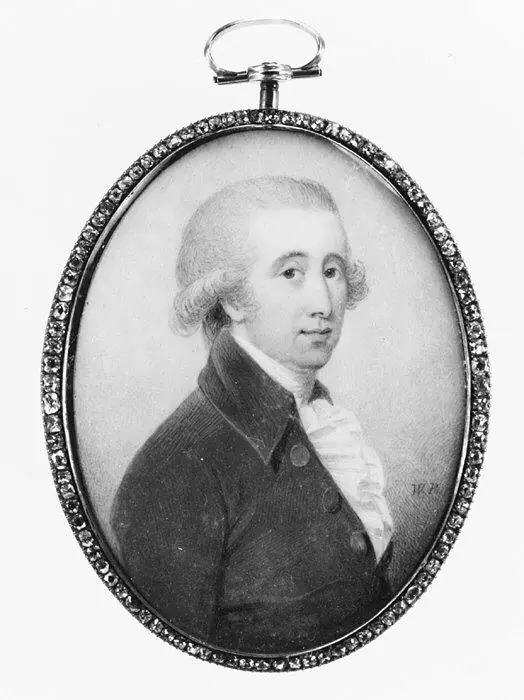
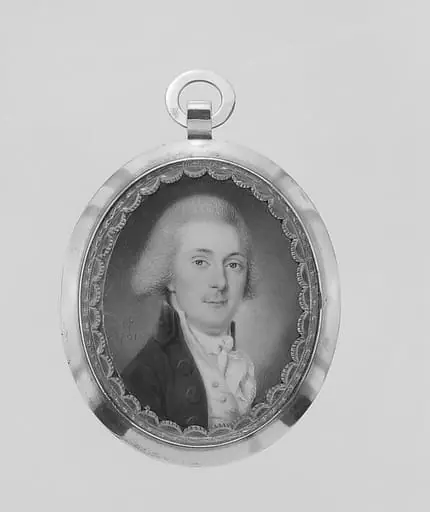
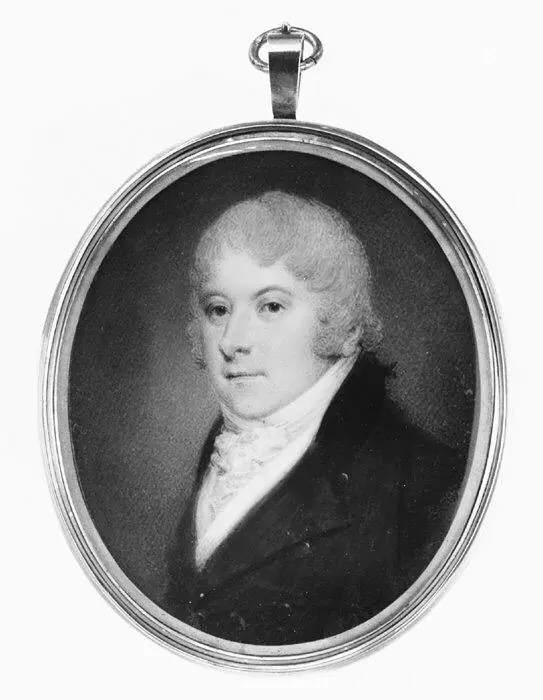
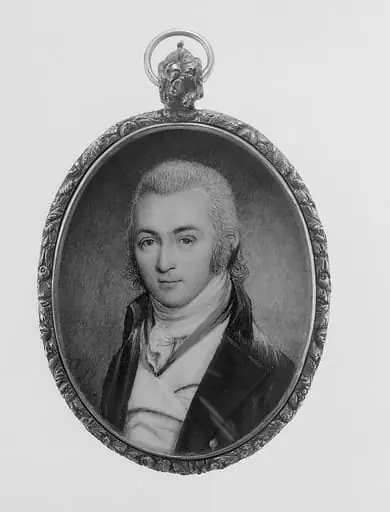
Augustus Vallette Van Horne, Jr. is a watercolor painting by the American Folk Art artist Walter Robertson. It dates from 1793 and is held in the collection of the Metropolitan Museum of Art.
About this work
Subject & Meaning
Miniature portraits on ivory were intimate, portable objects typically commissioned by wealthy patrons to commemorate family members or betrothed partners.
This 1793 watercolor-on-ivory miniature by Walter Robertson depicts Augustus Vallette Van Horne, Jr., a young gentleman of the late eighteenth century. As a portrait, the work belongs to the genre of personal likenesses that flourished among America's elite during the Federal period. Miniature portraits on ivory were intimate, portable objects typically commissioned by wealthy patrons to commemorate family members or betrothed partners.
The depiction of Van Horne as a 'man, portrait' (as catalogued) situates him within the conventions of masculine self-presentation of the era, emphasizing social status and individual identity through direct representation rather than allegory. The small scale (6 × 5.1 cm) underscores the private, handheld nature of such objects, designed for close viewing and personal contemplation rather than public display.
Technique & Style
The portrait is executed in watercolor on ivory, a delicate miniature technique well suited to small-scale likenesses of the late eighteenth century. This format, combining translucent watercolor washes with the luminous, smooth surface of an ivory support, allowed the artist to achieve fine detail and subtle tonal gradations in the sitter's features. The work is classified within The American Wing and is documented as a portrait of a man.
Its modest dimensions, recorded at approximately 6 by 5.1 units, are consistent with the intimate scale typical of ivory miniatures intended for private viewing rather than public display.
History & Provenance
The work is held by the Metropolitan Museum of Art, where it is listed within the American Wing’s collection; the cited records indicate its presence in the museum’s holdings but do not specify an accession or inventory number. According to the internal classification and the Wikidata entry, the portrait by Walter Robertson, dated 1793, is categorized as a painting and displayed as part of the museum’s portrait genre. Exhibition history is not detailed in the provided sources, and no specific exhibition records are attributed to this artwork in the referenced documentation.
Legacy
The portrait by Walter Robertson, painted in 1793, entered the collection of the Metropolitan Museum of Art and is now displayed in The American Wing. Its inclusion in this prominent American art department signals scholarly recognition of the work as an important example of early American portraiture. The painting’s provenance, documented in museum records, has contributed to discussions of 18th‑century American artistic practice and the development of portrait conventions in the young republic.
As a result, the piece is frequently cited in studies of early American portraiture and continues to influence interpretations of colonial‑era representation.
Overview
Walter Robertson's 1793 watercolor on ivory depicts Augustus Vallette Van Horne, Jr., a young man presented in a formal three-quarter view. Executed in the miniature tradition, the work measures approximately three inches in height and utilizes the translucency of the ivory support to achieve a luminous skin tone. The sitter wears a dark coat that contrasts with his powdered white hair and the pale, unadorned background, directing full attention to his facial features.
Robertson renders the subject's calm, direct gaze with delicate brushwork, capturing the refined aesthetic of late 18th-century portraiture. Created during Robertson's active period in the United States, this piece exemplifies his mastery of the miniature medium, where the layering of watercolor over ivory creates a depth and glow unattainable on paper. The portrait serves as a characteristic example of the artist's ability to convey both likeness and social standing within the intimate scale of a miniature, reflecting the tastes of the American elite in the 1790s.
Context
Miniature portraits like this one served a practical and sentimental purpose in the late 18th century. Their small size made them easily portable, allowing individuals to carry the likeness of a loved one or a significant figure with them. These intimate objects were often exchanged as tokens of affection or remembrance, reflecting a common practice of personal portraiture.
Artist & collection