Artwork
William Kerin Constable
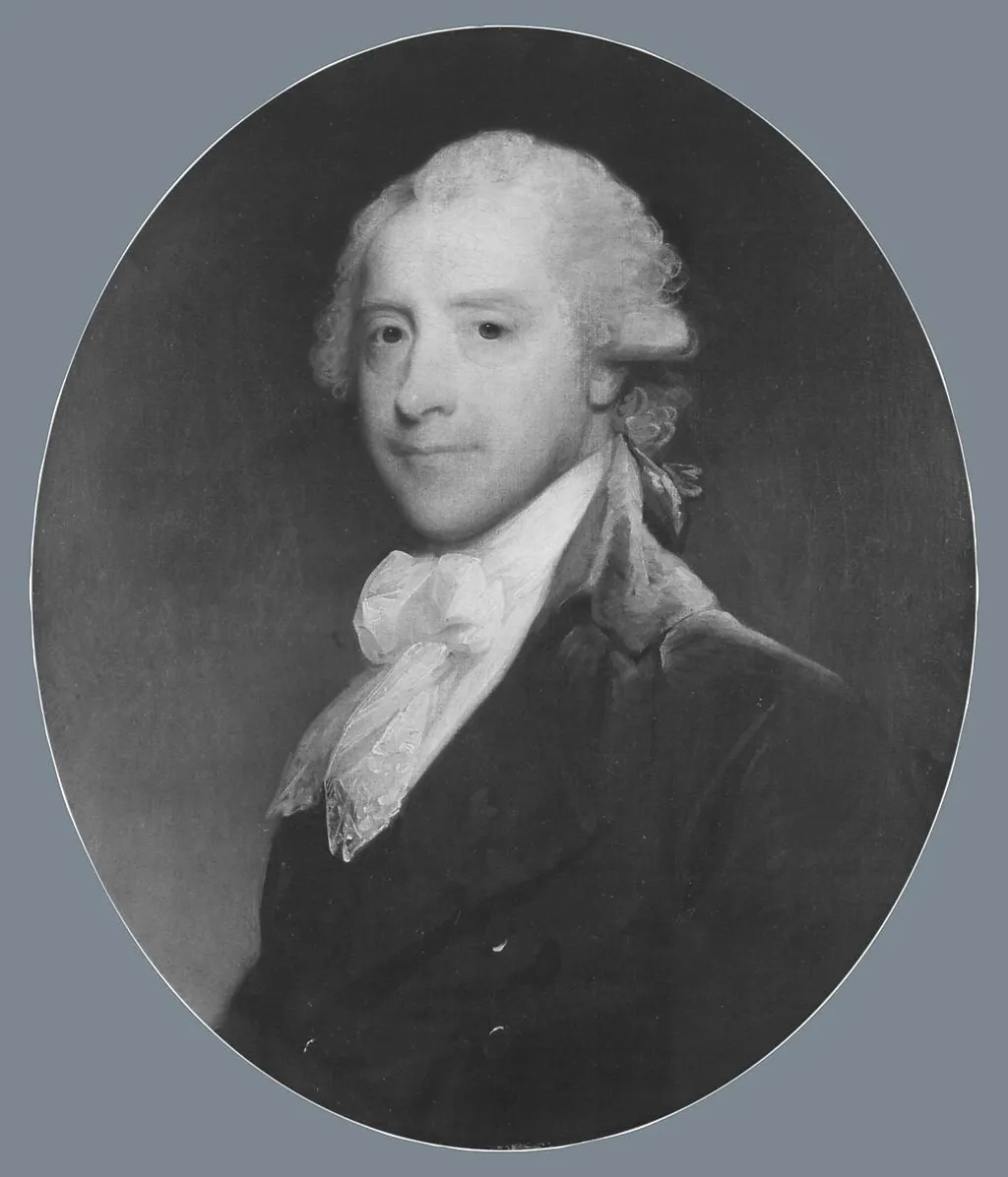
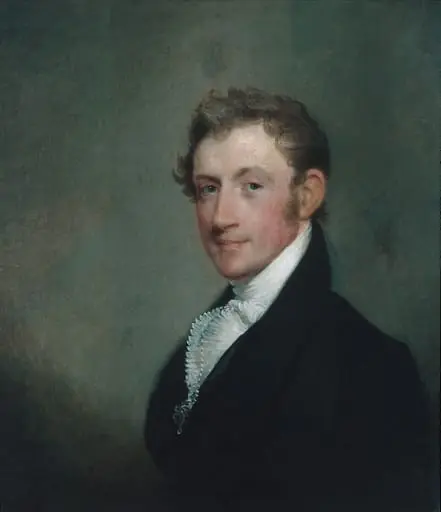
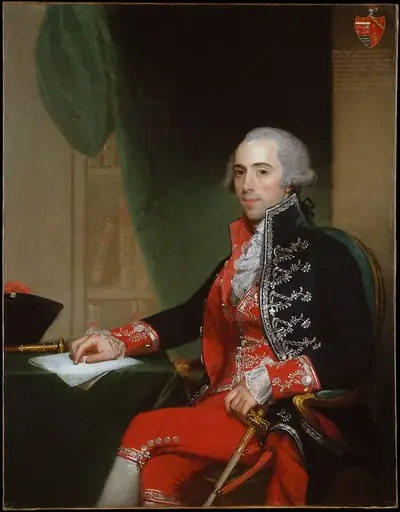
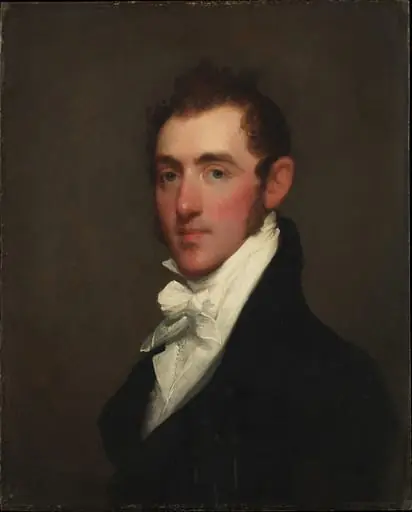
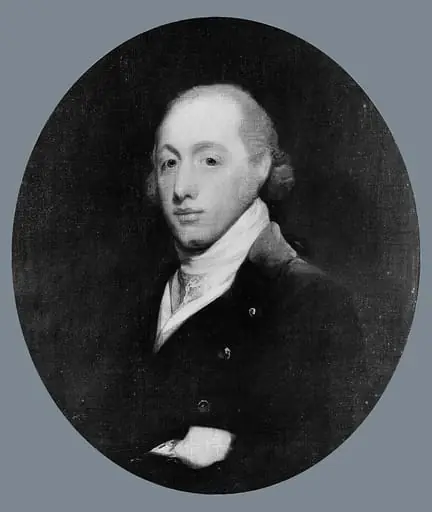
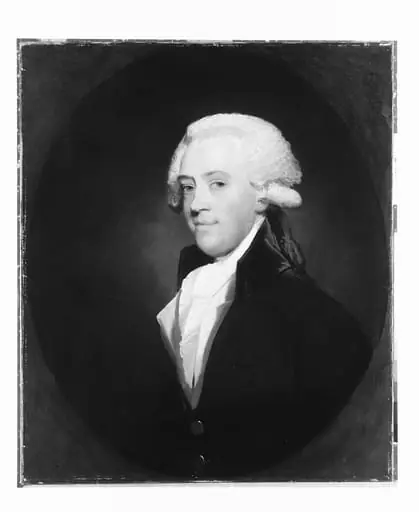
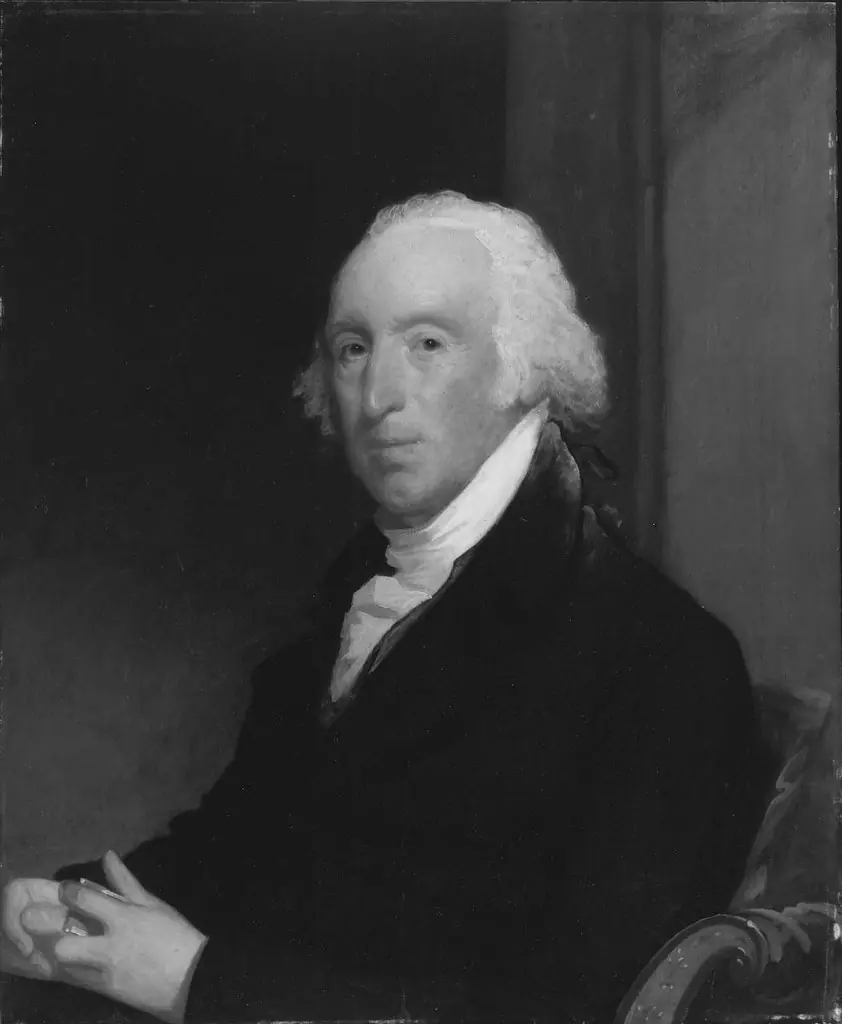
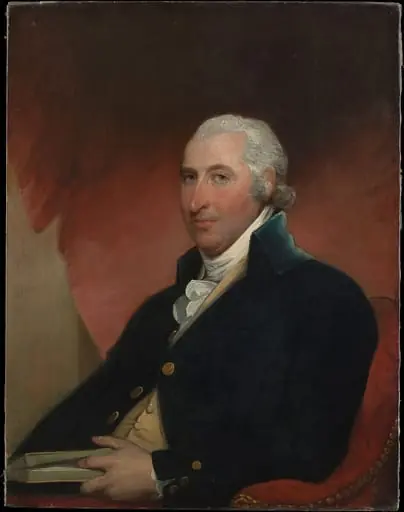
William Kerin Constable is an oil painting by the American Impressionist artist Gilbert Stuart. It dates from 1796 and is held in the collection of the Metropolitan Museum of Art.
About this work
Subject & Meaning
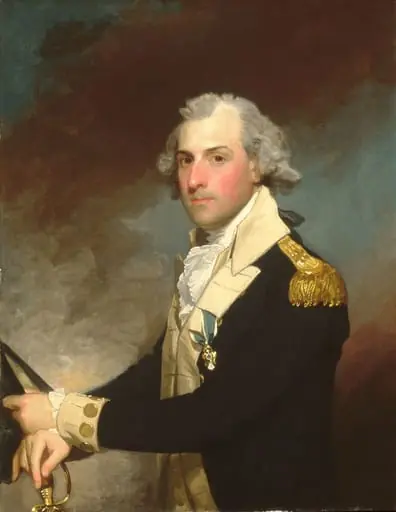
The painting is a portrait of William Kerin Constable, rendered by Gilbert Stuart in 1796.
The painting is a portrait of William Kerin Constable, rendered by Gilbert Stuart in 1796. Classified within the genre of portraiture and housed in the American Wing of the Metropolitan Museum of Art, the work depicts Constable as a man, with the canvas measuring 72.7 by 59.7 centimeters. As a representative example of late eighteenth-century American portraiture, the image centers entirely on its sitter, William Constable, who is identified as the main subject.
The work belongs to the tradition of formal commissioned likenesses that characterized Stuart's practice during this period, presenting the subject in oil on canvas as a means of personal commemoration.
Technique & Style
William Kerin Constable is executed in oil on canvas, a support explicitly noted in the work’s technical data. The paint medium consists of oil pigments applied to a stretched canvas, a combination documented for Gilbert Stuart’s portraiture. Brushwork reveals a smooth modeling of facial features and delicate handling of light, characteristic of Stuart’s late‑18th‑century portrait style.
The composition centers the sitter, emphasizing texture and subtle gradations of tone to convey three‑dimensional presence. While the canvas shows expected age‑related craquelure, no structural damage is recorded, preserving the integrity of the painted surface.
History & Provenance
The portrait titled William Kerin Constable was executed by Gilbert Stuart in 1796 as an oil on canvas work. It depicts William Kerin Constable, identified as a man in a portrait genre. The painting measures 72.7 × 59.7 cm and is part of the Metropolitan Museum of Art’s collection, where it is displayed.
The work was created as a likeness of its subject, reflecting the original commission to portray William Kerin Constable.
The painting is housed in the Metropolitan Museum of Art, where it is part of the American Wing collection; the work is listed as a portrait of William Constable executed in oil on canvas in 1796. No accession or inventory number is disclosed in the available documentation. Exhibition records are not detailed in the sources consulted, indicating that the piece has not been listed in publicly noted exhibitions within the provided references.
Overview
This oil on canvas portrait, titled William Kerin Constable, was created by American artist Gilbert Stuart in 1796. It depicts its namesake, an American man, seated and directly engaging the viewer. The work exemplifies Stuart's proficiency in capturing individual likenesses and is housed within the American Wing collection, reflecting its significance in the nation's artistic heritage.
Context
Gilbert Stuart, originally from the Rhode Island Colony, established himself as a leading portraitist in the nascent United States. His ability to depict prominent figures of his era earned him considerable recognition. Among his most celebrated works is the Athenaeum Portrait of George Washington, an unfinished yet highly influential depiction that solidified his reputation as a foundational figure in early American art.
Artist & collection

Artist
Gilbert Stuart (né Stewart; December 3, 1755 – July 9, 1828) was an American painter born in the Rhode Island Colony who is widely considered one of America's foremost portraitists.