Artwork
Adoration of the Magi
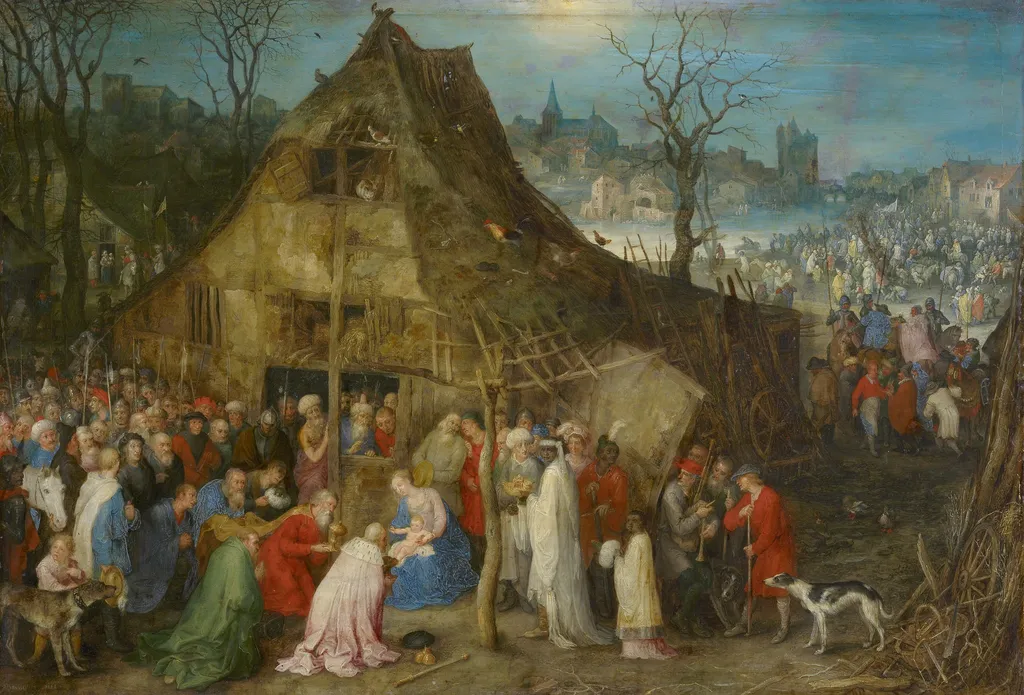
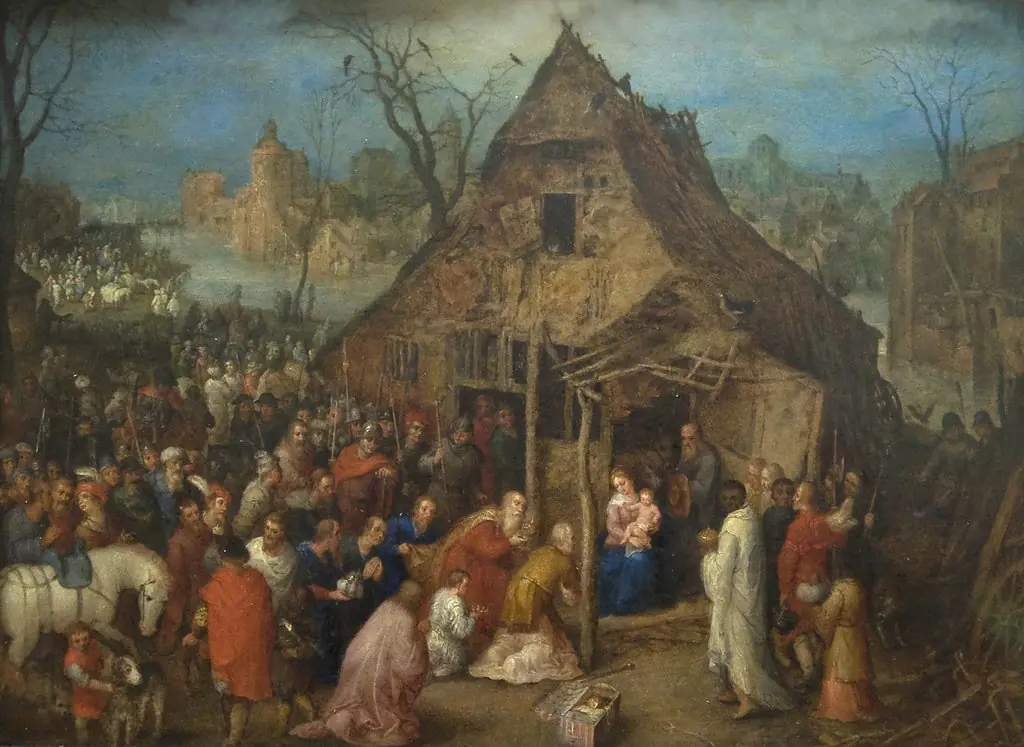
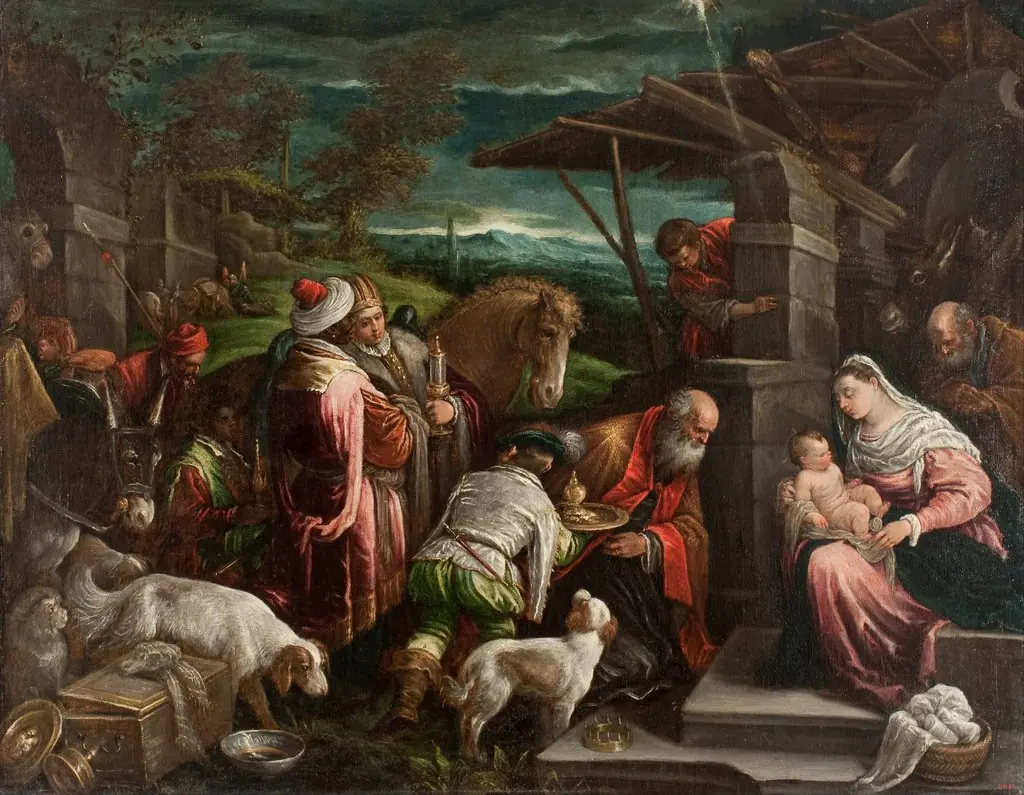
Adoration of the Magi is an oil painting by the Flemish Baroque painting artist Jan Brueghel, the elder. It dates from 1600 and is held in the collection of the Kunsthistorisches Museum.
About this work
Technique & Style
This medium was favored by Flemish painters of the late sixteenth century for devotional subjects intended for close, intimate viewing.
Jan Brueghel the Elder's Adoration of the Magi is executed in oil paint on a copper support, a technique well suited to the fine, jewel-like detail characteristic of his cabinet pictures. The small-scale panel, measuring 33 cm in height by 48 cm in width, allowed for meticulous handling and a smooth, enamel-like surface finish typical of copper-ground painting. The work belongs to the religious genre and is classified as a painting within the holdings of the Kunsthistorisches Museum.
The use of copper as a support, rather than panel or canvas, would have permitted Brueghel to apply thin, translucent layers of oil paint with great precision, lending the composition its crisp contours and luminous color. This medium was favored by Flemish painters of the late sixteenth century for devotional subjects intended for close, intimate viewing.
History & Provenance
Jan Brueghel the Elder created the painting Adoration of the Magi in 1598. Executed in oil on copper, the work measures 33 cm in height and 48 cm in width. The piece currently resides in the collection of the Kunsthistorisches Museum, where it is held as a religious artwork depicting the Christ Child and the adoration of the Magi.
Overview
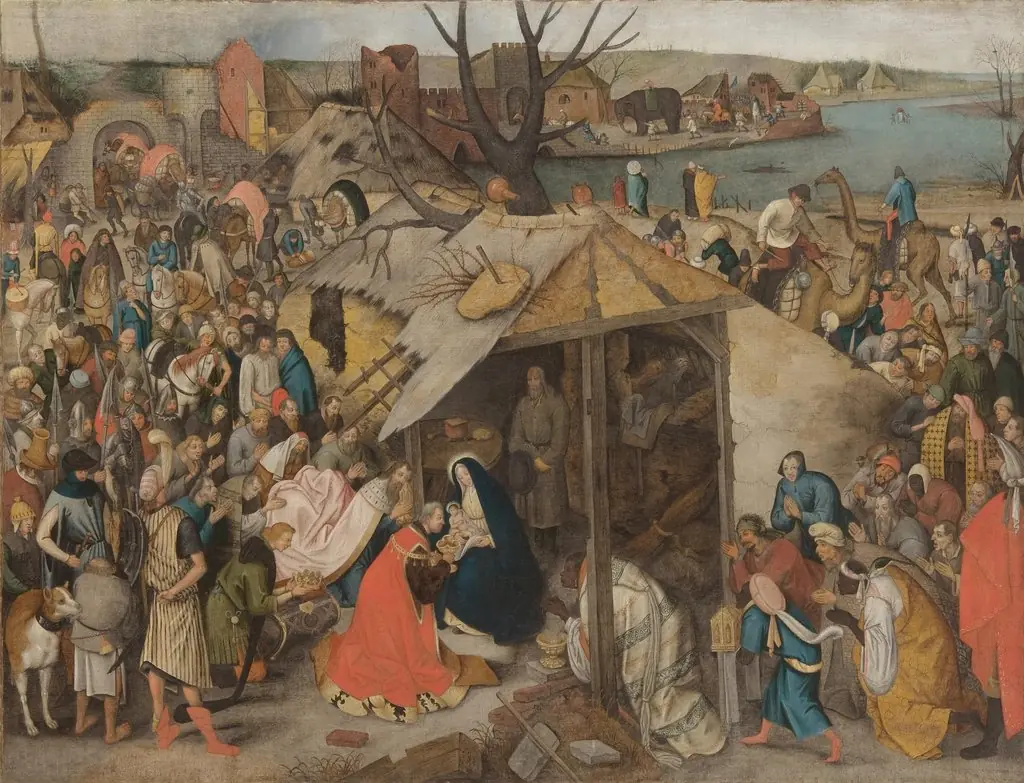
Created in 1600 by Jan Brueghel the Elder, this copper painting presents a bustling Nativity tableau typical of early‑17th‑century Flemish Baroque. The composition centers on a woman cradling an infant, surrounded by a lively crowd of travelers, townspeople, and animals, all set against a thatched house and a distant riverside town with towers and a castle.
Subject & Meaning
The work illustrates the biblical episode of the Adoration of the Magi, focusing on the intimate moment of the infant’s presentation. The varied attire, from opulent robes to simple farmer garb, highlights the universal appeal of the event, while the inclusion of playful children and a dog adds a domestic, humanizing touch to the sacred scene.
Context
The painting reflects the collaborative artistic environment of Antwerp at the turn of the 17th century, where Brueghel’s detailed landscapes and genre scenes complemented Rubens’ dynamic figures. Its subject aligns with contemporary devotional trends, offering a visual narrative that combined religious reverence with everyday life, a common motif in Flemish Baroque art.
Own this work as a print
Artist & collection
Artist
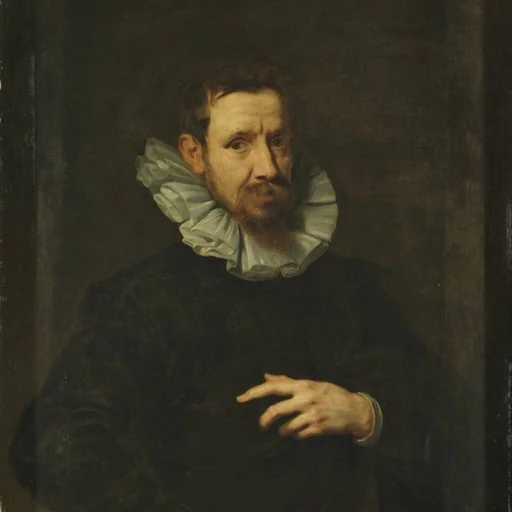
Jan Brueghel the Elder ( BROY-gəl, US also BROO-gəl; Dutch:; 1568 – 13 January 1625) was a Flemish painter and draughtsman.