Artwork
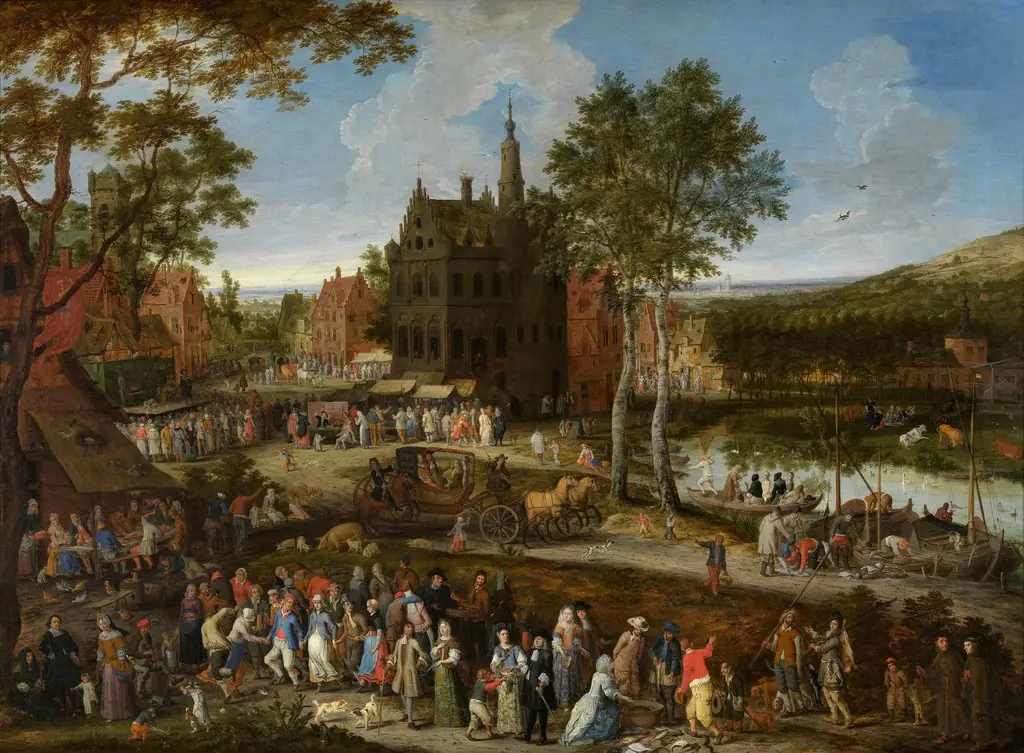
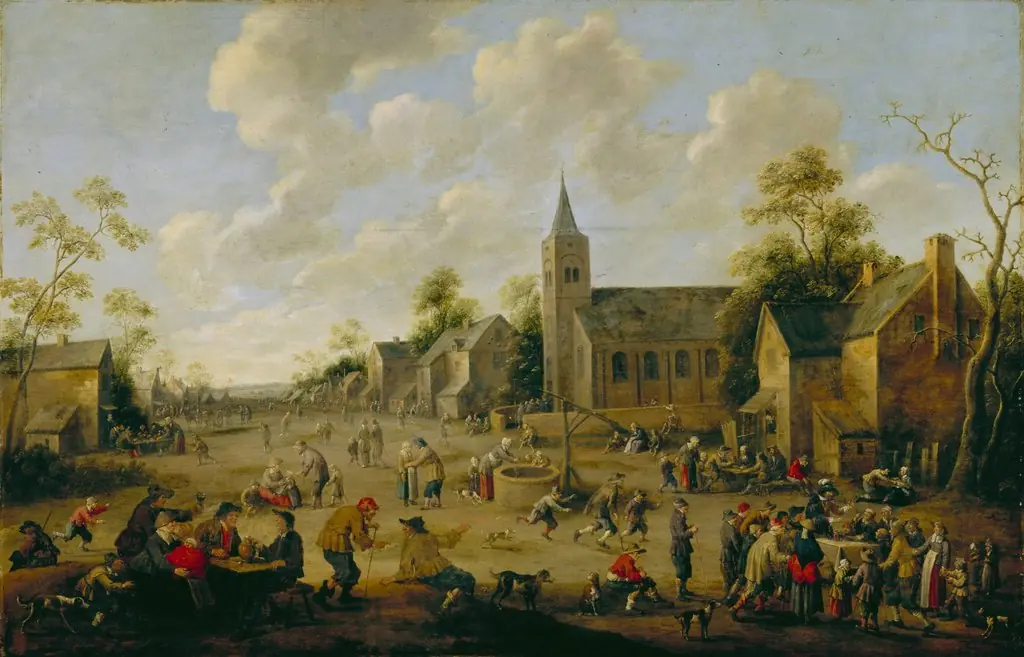
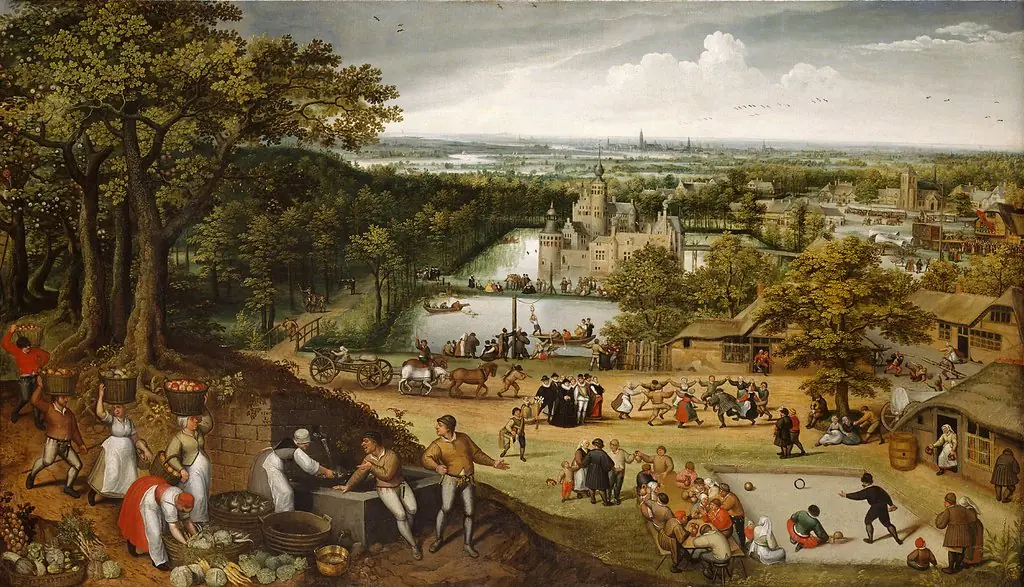
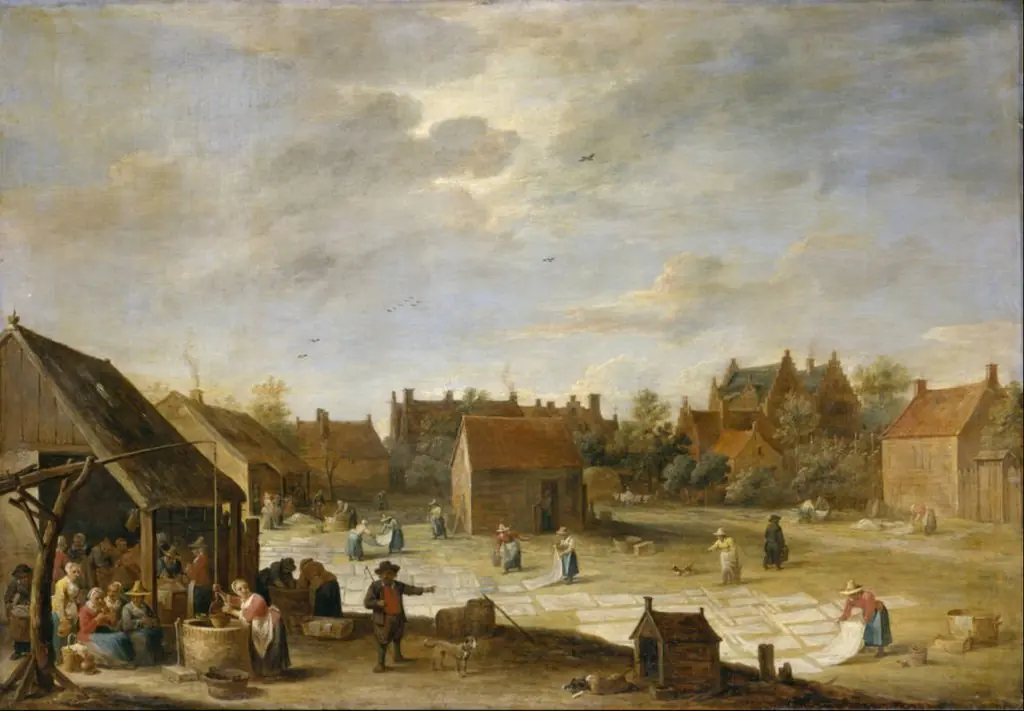
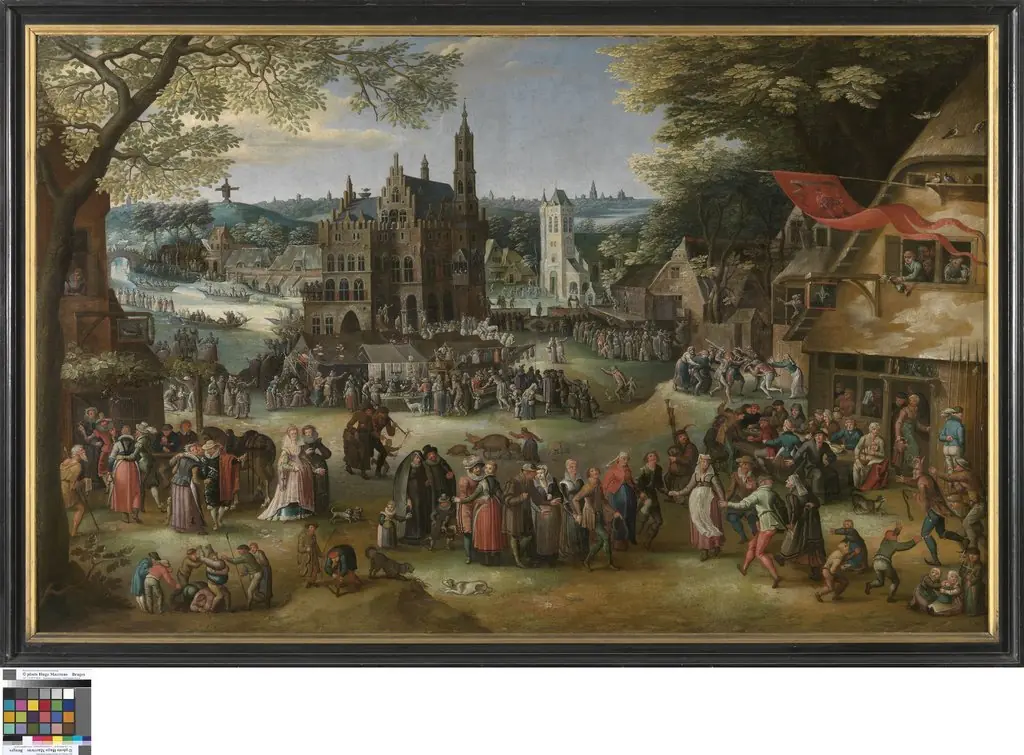
Flemish Market and Washing Place
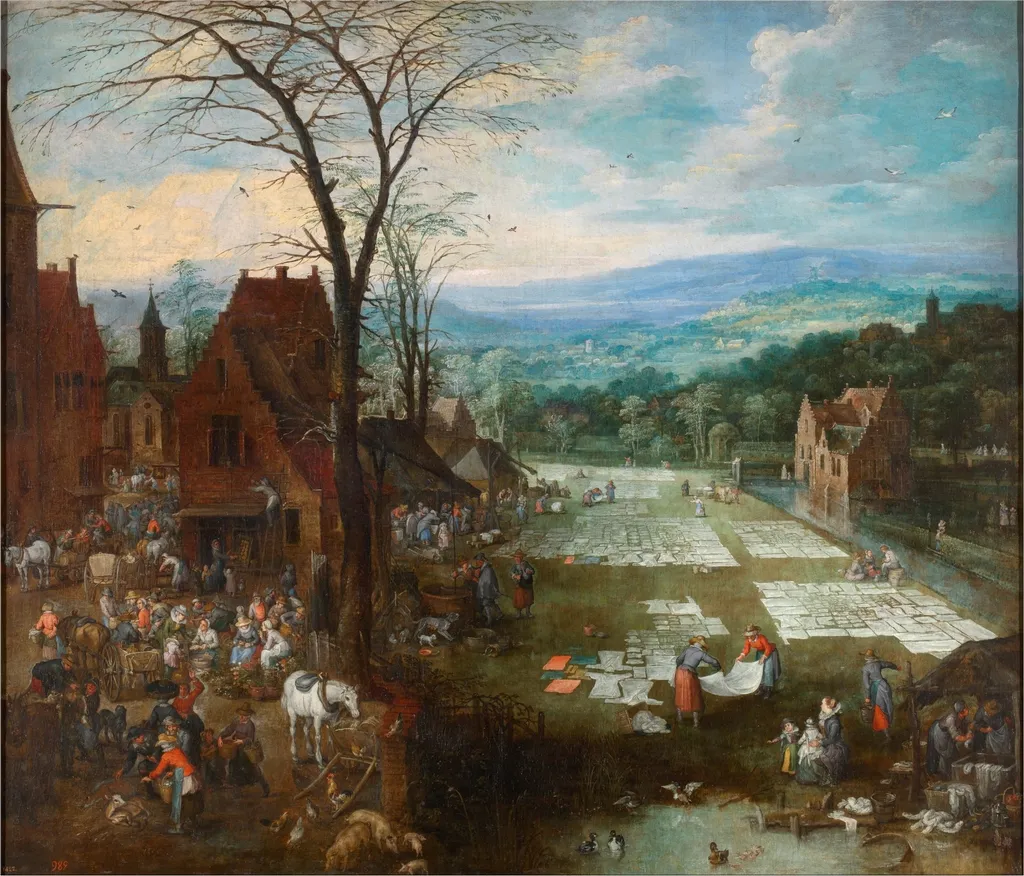
Flemish Market and Washing Place is an oil painting by the Flemish Baroque painting artist Jan Brueghel, the elder. It dates from 1620 and is held in the collection of the Museo del Prado.
About this work
The picture may have been a joint effort with Joos de Momper, another landscape painter of the time.
Flemish Market and Washing Place is an oil painting dated 1620. It is linked to Jan Brueghel, the elder, a Flemish artist who lived from 1568 to 1625. The work is in the collection of the Museo del Prado.
The picture may have been a joint effort with Joos de Momper, another landscape painter of the time. Scholars think the two artists shared the canvas, blending their styles.
If you want to keep exploring, check out the museum: Museo del Prado.
Technique & Style
Executed in oil on canvas, the work measures 166 cm in height by 194 cm in width. Its composition blends landscape and genre painting, depicting a Flemish rural scene in which figures spread cloth on a bleachfield while a bustling market occupies the left side. The handling balances detailed foreground figures with broader, atmospheric recession into an elevated sky, a hallmark of the collaborative practice between Jan Brueghel the Elder and Joos de Momper the Younger.
The palette favors earthy greens and ochers punctuated by bright textiles and white cloth, reinforcing the contrast between the tranquil bleaching grounds and the animated market activity.
History & Provenance
The painting was created in the 1620s, with an inception date recorded as 1620. While some sources attribute the work solely to Joos de Momper the Younger, others identify it as a collaboration between de Momper and Jan Brueghel the Elder. It has been part of the Spanish Royal Collection since at least the early 18th century, when it was housed at the Zarzuela Palace, and was once owned by Ferdinand VII of Spain before entering the Museo del Prado in Madrid, where it remains today.
The work was included in the exhibition "Splendors of Spain and Belgian villages, 1500–1700," and earlier literature includes a 1930 Joos de Momper exhibition catalogue published in Amsterdam.
Context
The work, dated 1620 and executed in oil on canvas, exemplifies early-17th-century Flemish genre-landscape synthesis, depicting a bustling market alongside a bleachfield used for linen-whitening, a motif tied to Flemish rural labor. Scholarship highlights its probable collaboration between Jan Brueghel the Elder and Joos de Momper the Younger, situating it within the broader network of Antwerp-based painters who merged detailed genre scenes with expansive landscapes. Its presence in the Royal Collection, documented by the 18th-century inventory of the Zarzuela Palace, and its display in the exhibition "Splendors of Spain and Belgian villages, 1500–1700" underscore its historical trajectory.
The painting remains in the Museo del Prado, where it is cited as a key example of the integration of market and washing-place iconography in Flemish art.
Overview
The painting Flemish Market and Washing Place, executed in oil paint around 1620, depicts a lively scene characteristic of Flemish genre and landscape art. This work is attributed to Joos de Momper, a Flemish painter, and is notable for scholarly suggestions that it may represent a collaborative effort. The piece is currently housed in the collection of the Museo del Prado.
Own this work as a print
Artist & collection
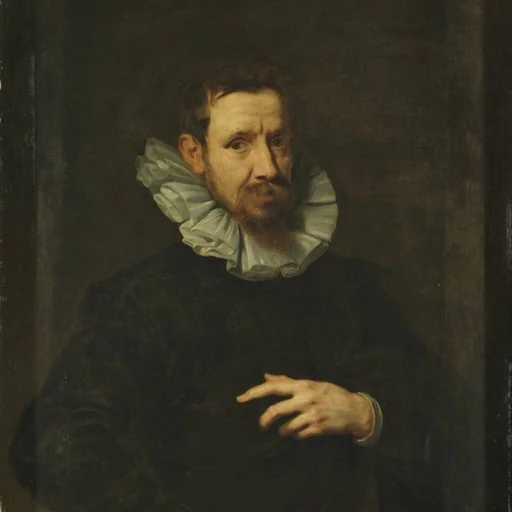
Artist
Jan Brueghel the Elder ( BROY-gəl, US also BROO-gəl; Dutch:; 1568 – 13 January 1625) was a Flemish painter and draughtsman.