Artwork
Anbetung der Könige
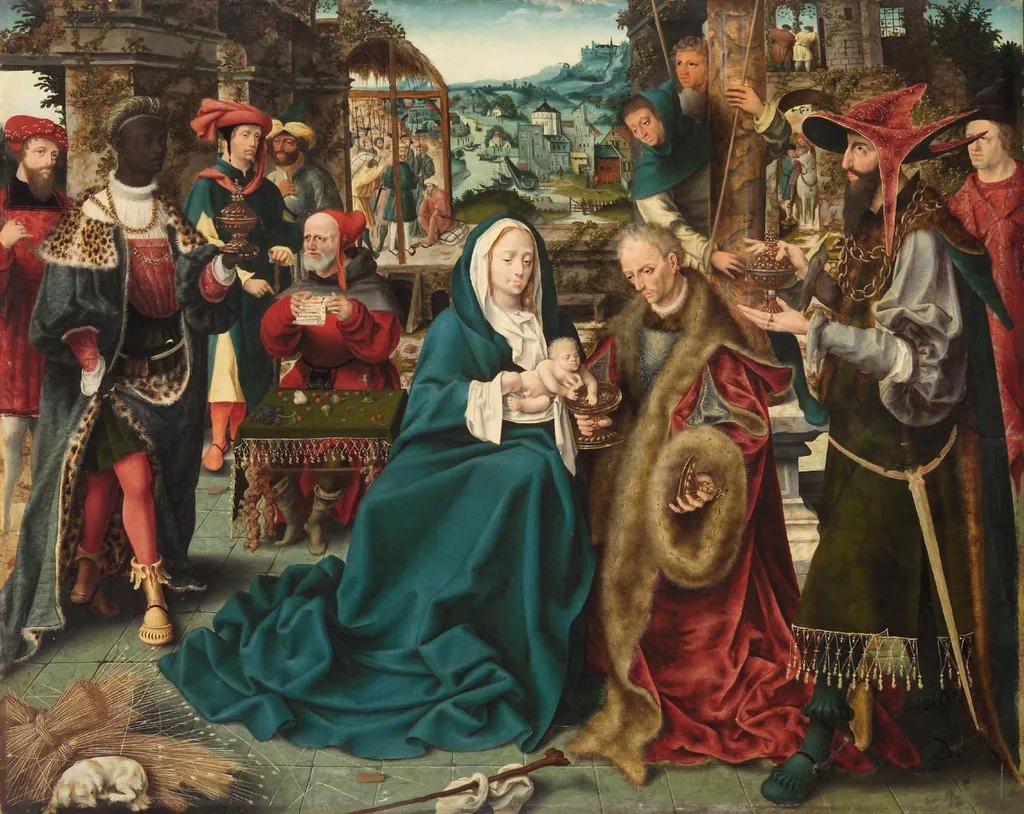
Anbetung der Könige is an unspecified painting by the Mannerist artist Unknown. It dates from 1520 and is held in the collection of the Kunsthistorisches Museum.
About this work
Subject & Meaning
The work portrays the adoration of the Magi, showing the infant Christ Child surrounded by the three kings who present gifts in humble reverence.
The work portrays the adoration of the Magi, showing the infant Christ Child surrounded by the three kings who present gifts in humble reverence. The scene functions as a visual meditation on the recognition of the divine nature of Christ by the world’s rulers, a common motif in Renaissance religious painting that emphasizes both the humility of the holy family and the acknowledgment of their sacred status by earthly authority. The composition is set within a modest interior, drawing attention to the intimate exchange between the newborn Savior and the visiting monarchs.
History & Provenance
The painting known as Anbetung der Könige is attributed to a Netherlandish artist and dates to 1520. It is currently held in the collection of the Kunsthistorisches Museum. The work depicts the Adoration of the Magi and the Christ Child, falling within the genre of religious art.
No specific details regarding the original commission, the identity of the patron, or the intermediate ownership chain prior to its arrival at the museum are provided in the available records.
The painting is held in the collection of the Kunsthistorisches Museum, Vienna. It is inventoried there as attributed to an anonymous Netherlandish hand, with accession dimensions recorded as 50 cm in height and 63 cm in width.
The work has not been recorded in any documented exhibition history in the provided sources.
Overview
The painting 'Anbetung der Könige' depicts a scene with a woman and baby surrounded by a group of elaborately dressed figures. The composition is set against a detailed landscape.
Technique & Style
The use of chiaroscuro, a technique that utilizes strong contrasts between light and dark, is evident in the painting, creating a dramatic effect. The artist's use of color and detail in the clothing and background landscape adds depth to the scene.
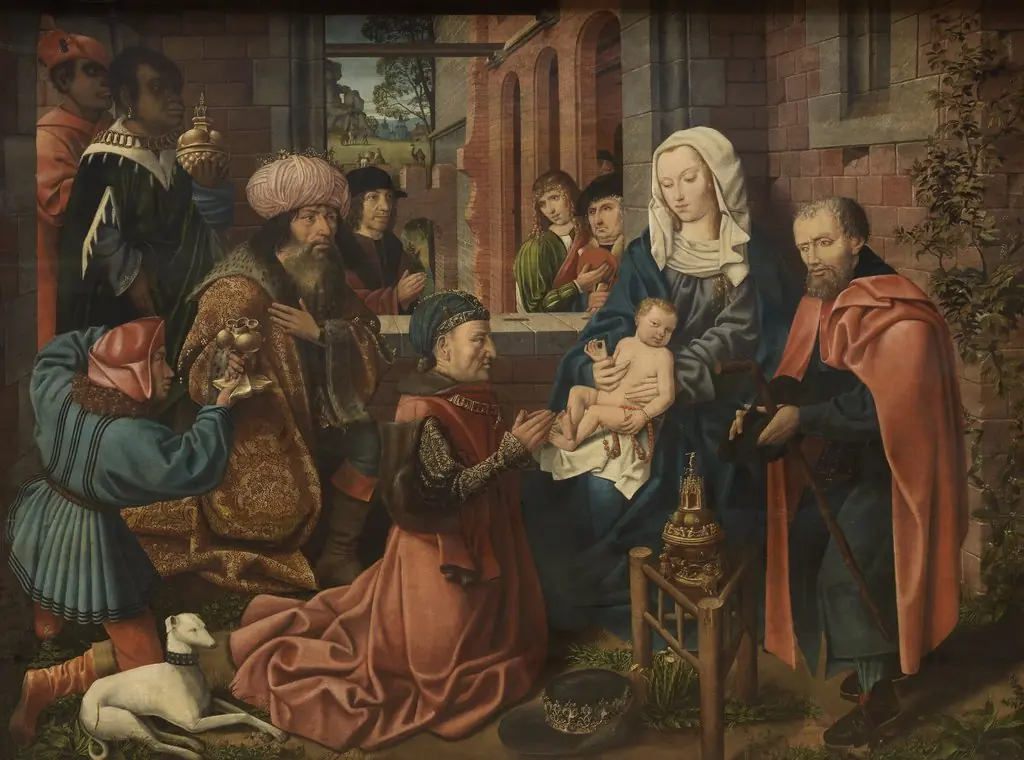
Artist & collection









- The Adoration of the Magi
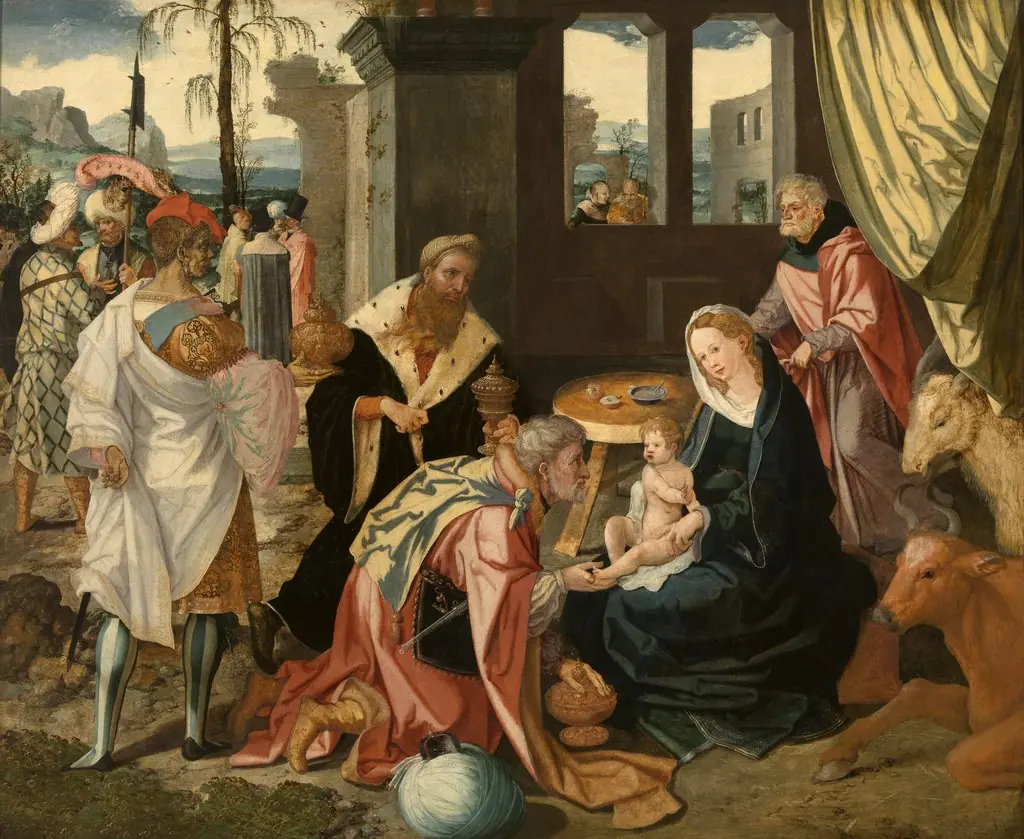 The Adoration of the Magi
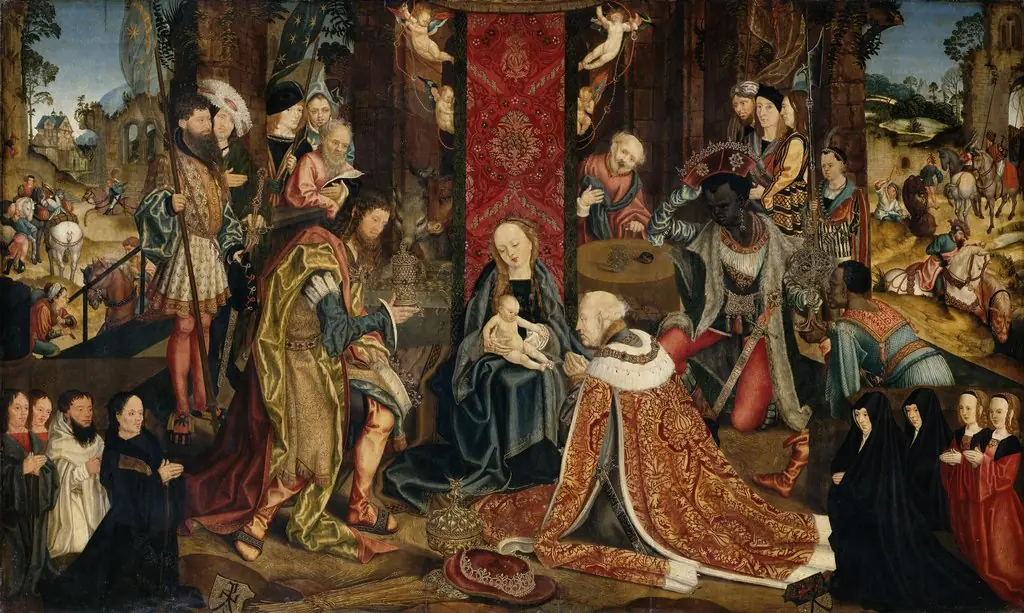 The Adoration of the Kings
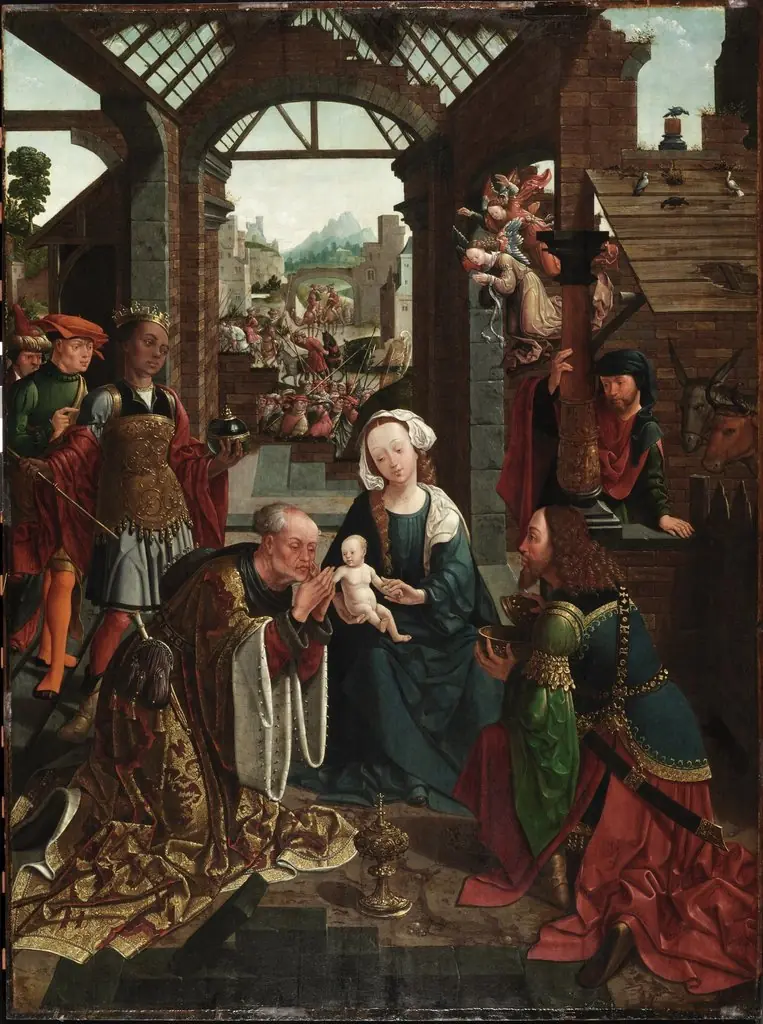 The Adoration of the Kings
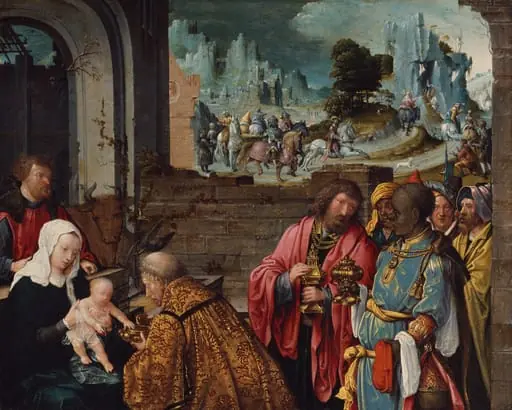 The Adoration of the Magi
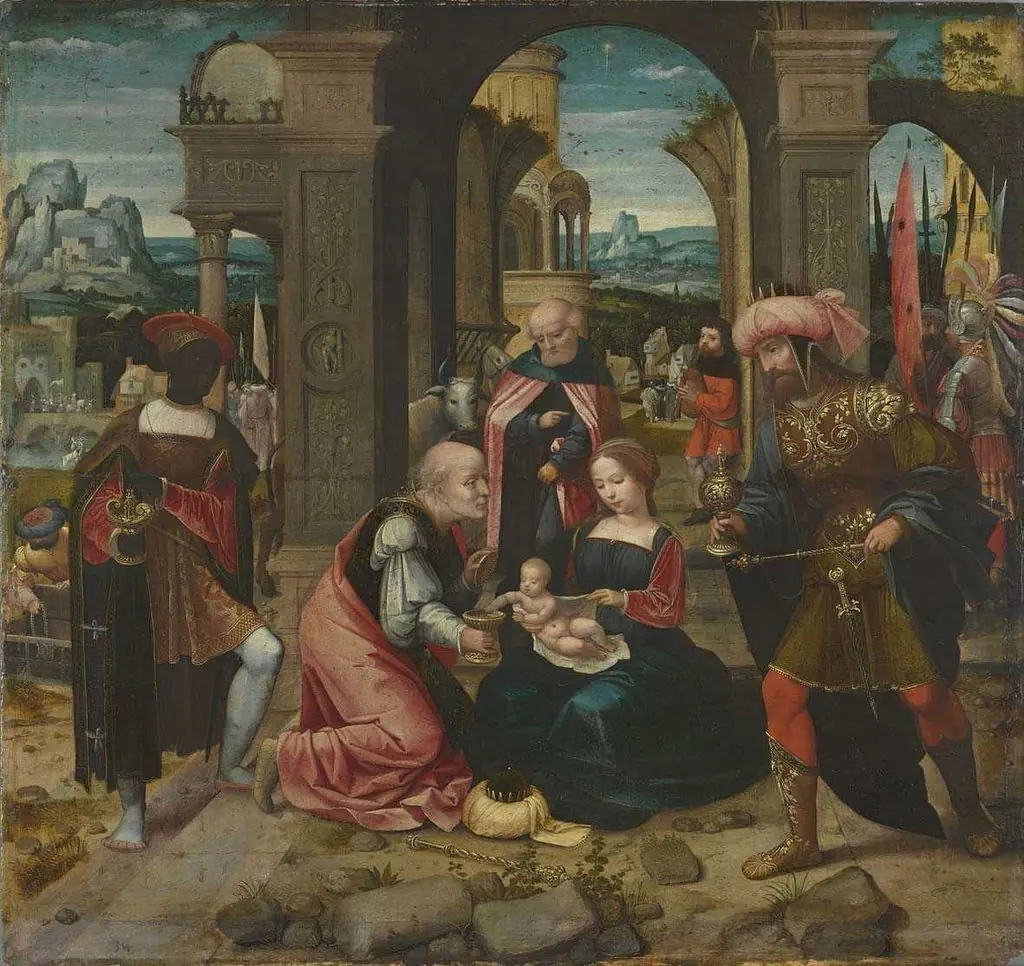 Adoration of the Magi
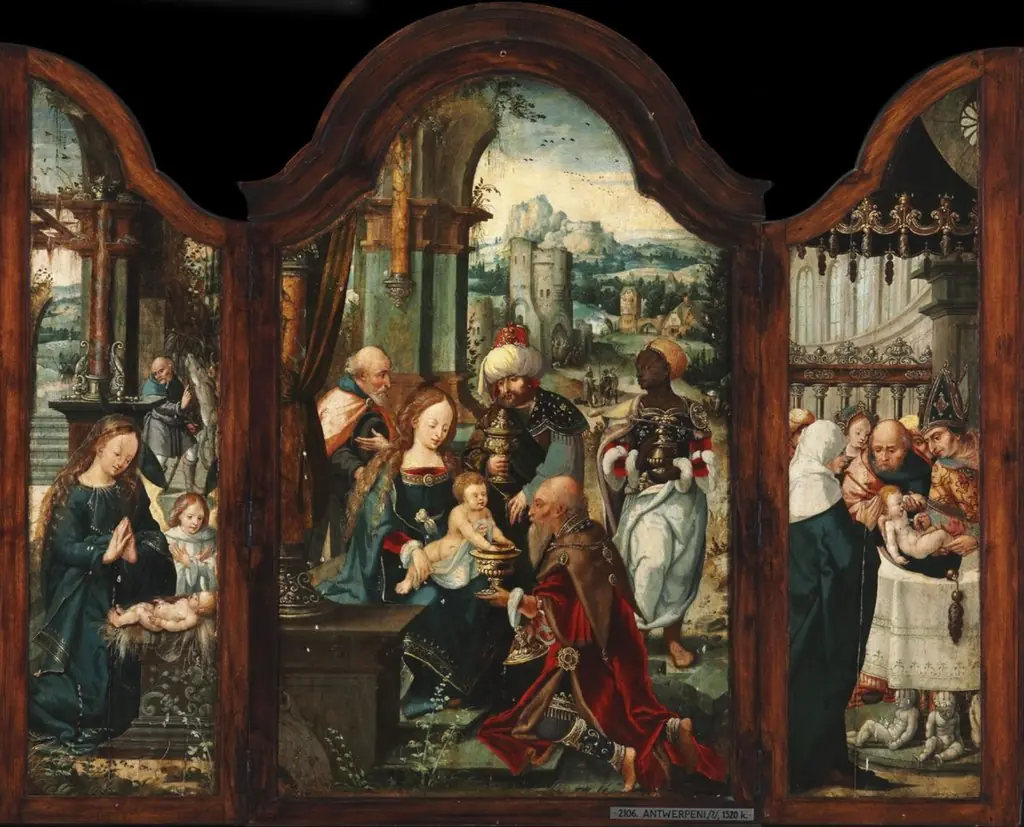 Triptych. Central panel: The Adoration of the Magi; left wing: The Nativity; right wing: The Circumcision
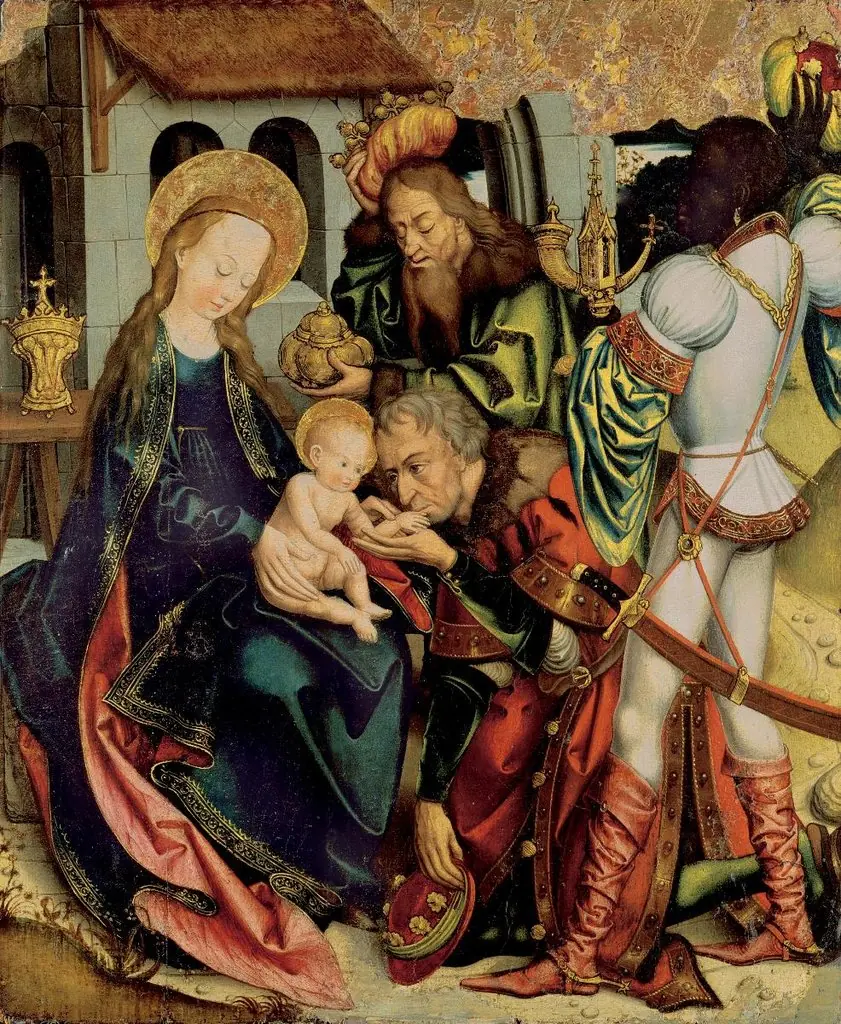 Anbetung der Heiligen Drei Könige
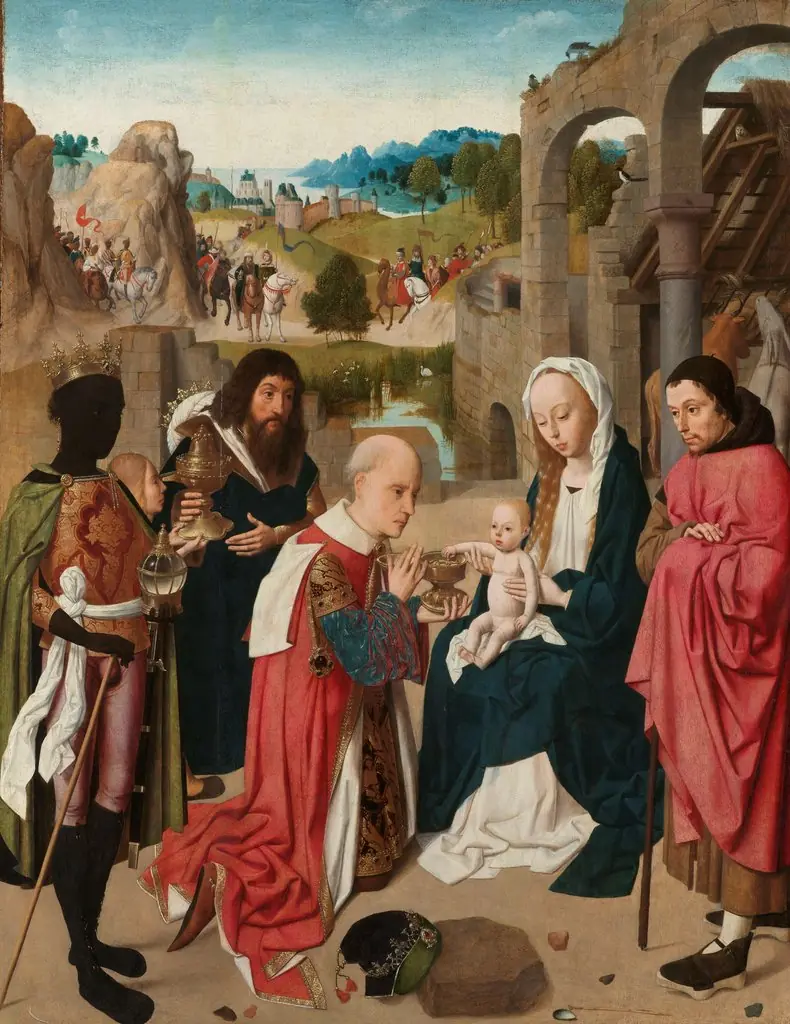 The Adoration of the Magi
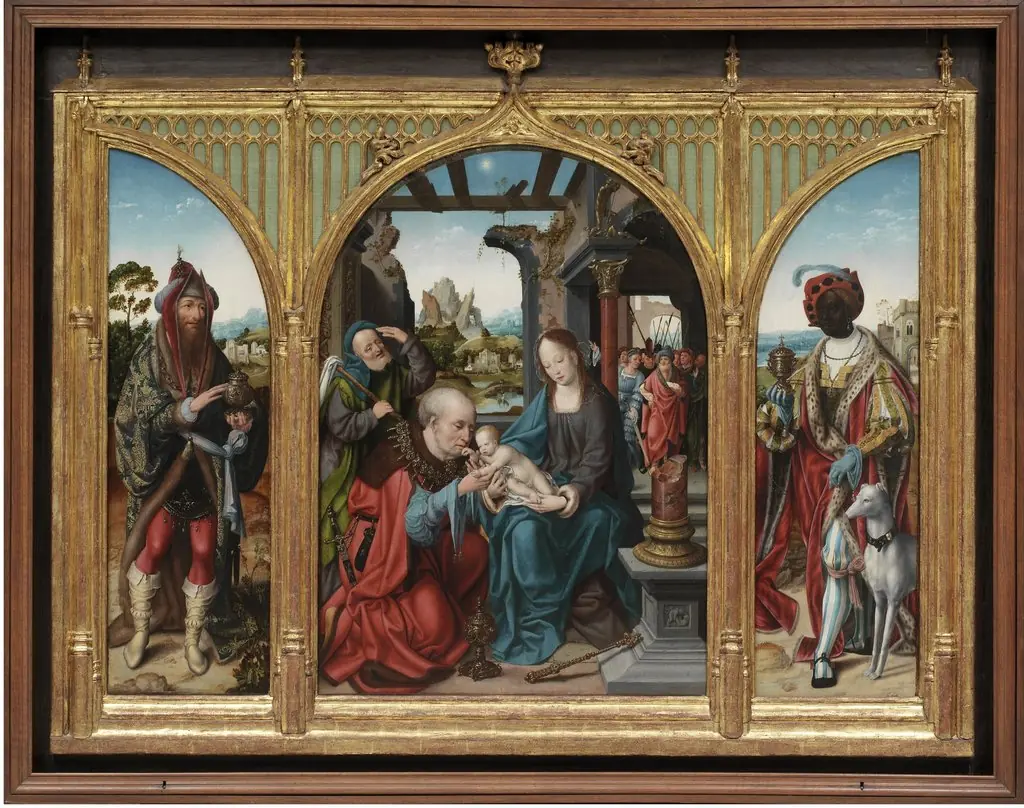 Adoration of the Magi
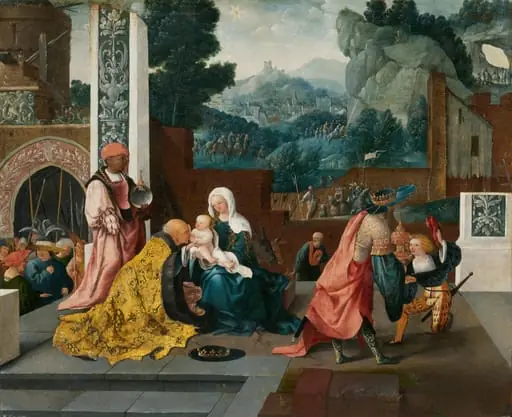 Adoration of the Magi
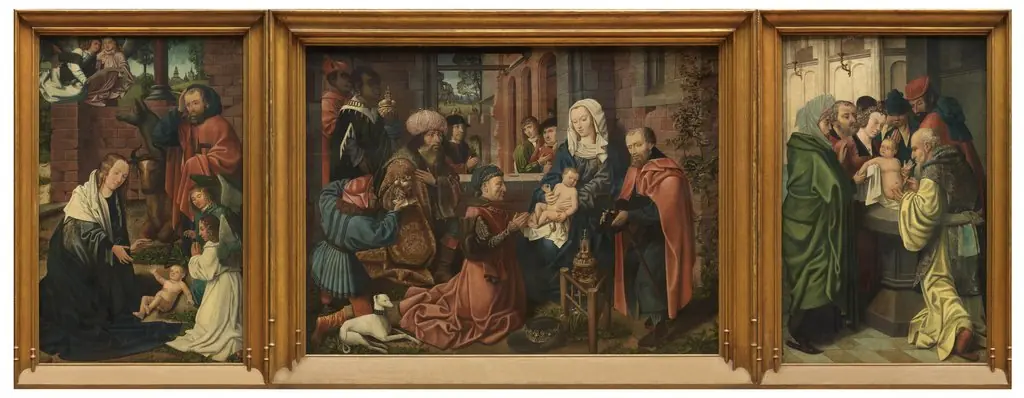 Epiphany Triptych