Artwork
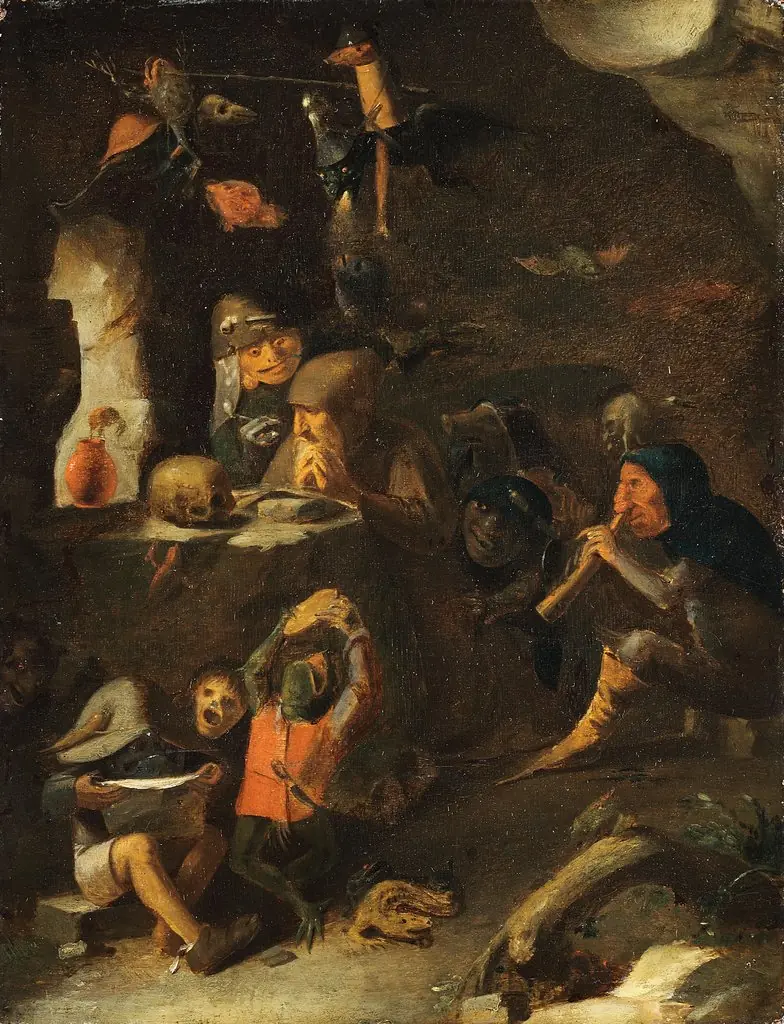
Temptation of St Anthony
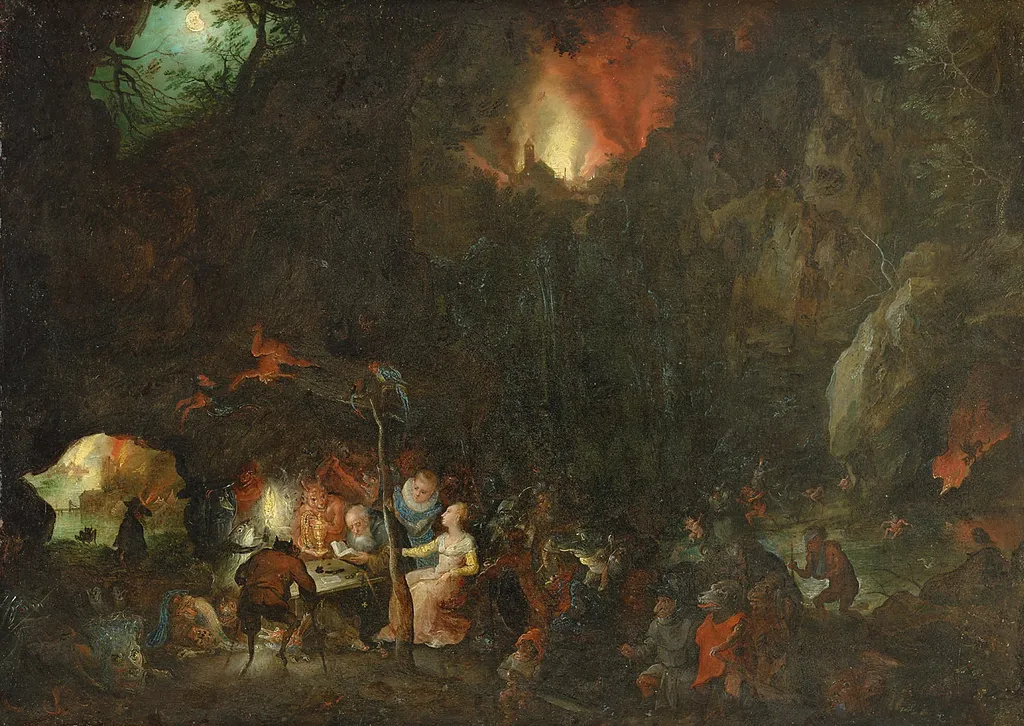
Temptation of St Anthony is an oil painting by the Flemish Baroque painting artist Jan Brueghel, the elder. It dates from 1600 and is held in the collection of the Kunsthistorisches Museum.
About this work
Subject & Meaning
The painting depicts the Temptation of Saint Anthony the Great, a popular subject in Christian religious art illustrating the spiritual trials endured by the hermit saint in the Egyptian desert. According to legend, Anthony was assailed by demonic visions and seductive temptations designed to break his faith and monastic discipline; his resistance became a paradigm of ascetic perseverance and the triumph of divine grace over worldly and supernatural evil.
Rendered on a small copper panel by Jan Brueghel the Elder in 1599, the work belongs to the genre of religious painting and is held by the Kunsthistorisches Museum. The intimate scale and refined copper support are characteristic of Brueghel's cabinet pictures, which often translated the dramatic iconography of larger altarpieces into jewel-like devotional images meant for private contemplation.
Technique & Style
The choice of copper as a ground allows for the fine detail and luminous surface quality characteristic of the artist's small-scale devotional works.
Executed in 1599, this religious painting by Jan Brueghel the Elder utilizes oil paint applied to a copper support. The choice of copper as a ground allows for the fine detail and luminous surface quality characteristic of the artist's small-scale devotional works. The composition measures 20.8 cm in height and 29 cm in width, presenting a compact format typical for private contemplation.
As a depiction of Anthony the Great, the work combines precise brushwork with the smooth texture afforded by the metal panel, ensuring the preservation of vibrant colors and intricate iconographic elements within the scene.
History & Provenance
The painting known as the Temptation of St Anthony was executed in 1599 by Jan Brueghel the Elder. Created as a religious work, the piece utilizes oil paint applied to a copper support, a medium choice characteristic of the artist's small-scale productions during this period. The dimensions of the work are recorded as 20.8 cm in height and 29 cm in width.
Today, the artwork is held in the collection of the Kunsthistorisches Museum, where it remains part of the institution's holdings of religious art depicting Anthony the Great.
Jan Brueghel the Elder's painting Temptation of St Anthony, executed in 1599 on copper, is held in the collection of the Kunsthistorisches Museum. The work measures 20.8 cm in height and 29 cm in width.
The provided sources do not contain specific inventory or accession numbers for this piece, nor do they list any exhibition history.
Context
Jan Brueghel the Elder created Temptation of St Anthony in 1599 as an oil painting on copper, depicting the saint's legendary struggle with temptation. The work resides in the Kunsthistorisches Museum collection, reflecting the artist's specialization in detailed religious compositions characteristic of the late Renaissance period. Its creation coincides with Brueghel's development of intricate allegorical scenes that blended Flemish tradition with emerging Baroque sensibilities, establishing conventions later influential in Northern European religious art.
Overview
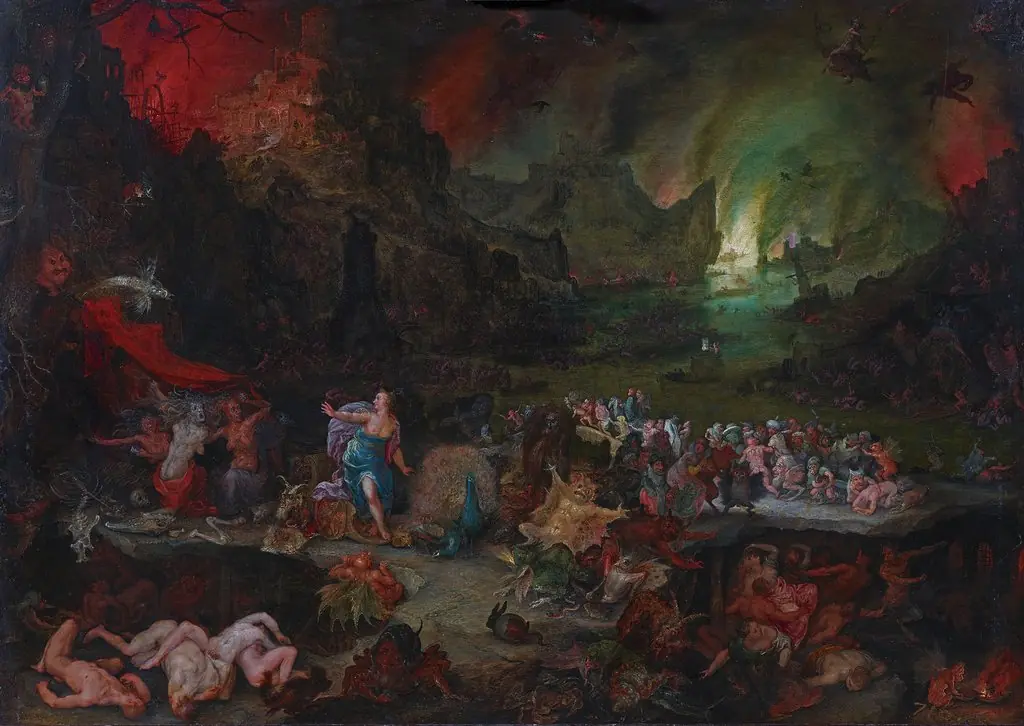
Temptation of St Anthony, a copper painting from circa 1600, is a work of the Flemish Baroque by Jan Brueghel the Elder. It portrays the hermit Saint Anthony surrounded by fantastical and menacing figures in a desert landscape.
Legacy
As a representative of Flemish Baroque, the painting contributes to the movement's emphasis on dramatic lighting and intense thematic engagement, influencing subsequent artistic explorations of religious themes.
Artist & collection
Artist
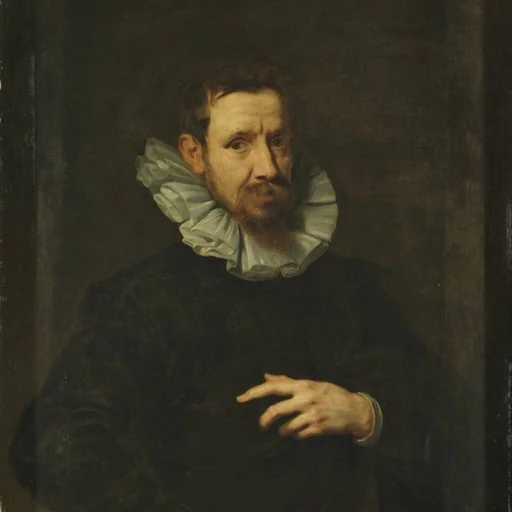
Jan Brueghel the Elder ( BROY-gəl, US also BROO-gəl; Dutch:; 1568 – 13 January 1625) was a Flemish painter and draughtsman.