Artwork
The temptation of St Anthony
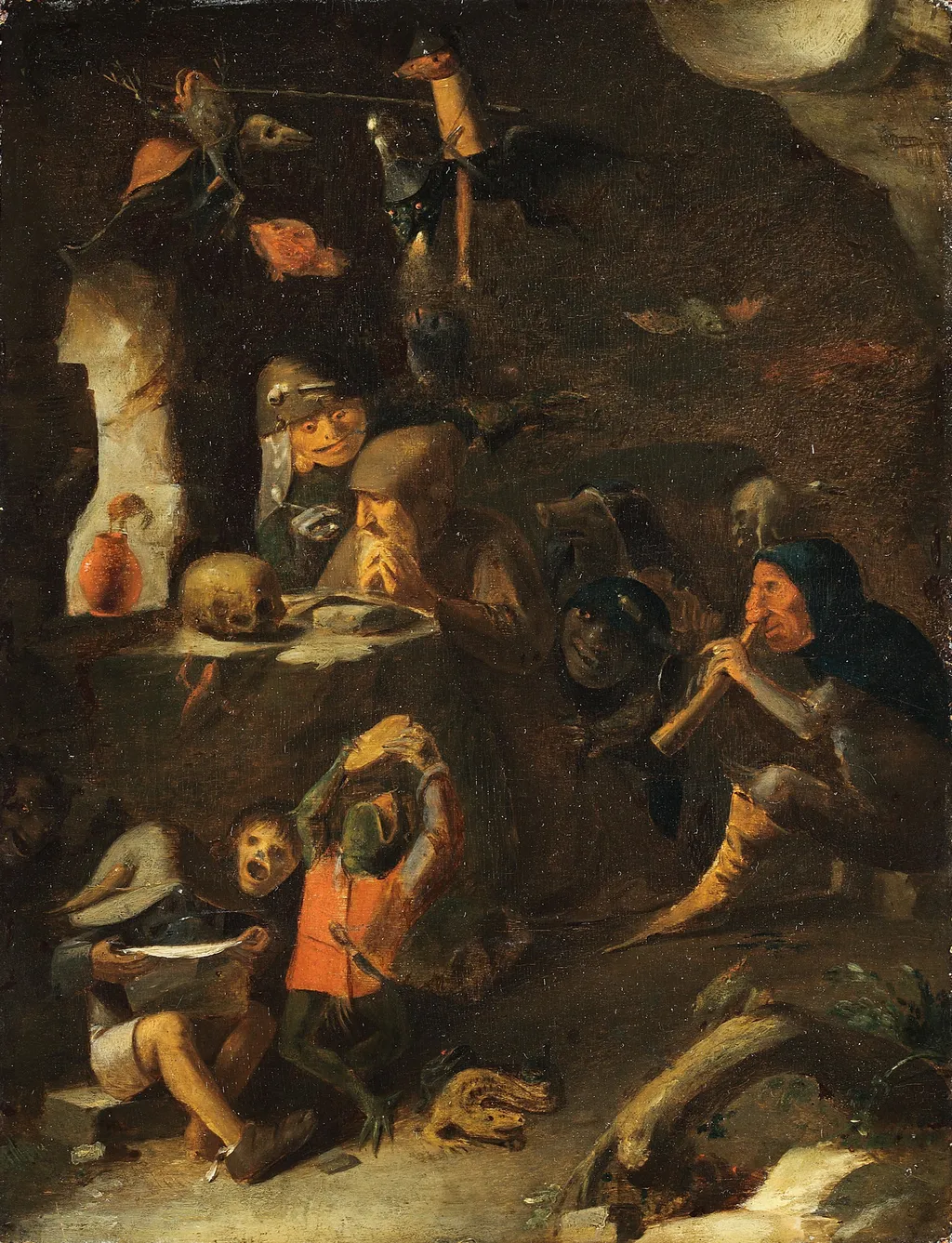
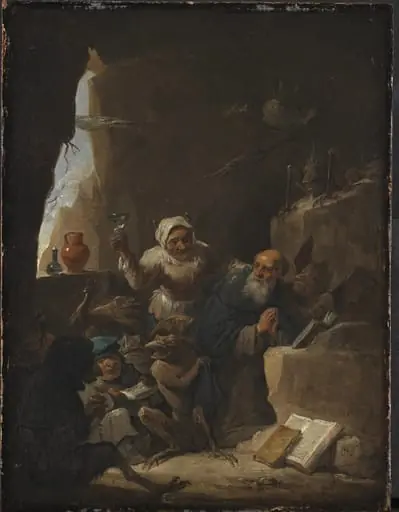
The temptation of St Anthony is an oil painting by the Flemish Baroque painting artist Adriaen Brouwer. It dates from 1633 and is held in the collection of the Bode Museum.
About this work
Overview
It belongs to the collection of the Gemaldegalerie Berlin, located in the Bode Museum.
The Temptation of St Anthony is a religious painting by the Flemish artist Adriaen Brouwer, dated to 1633, though some sources place its creation between 1631 and 1635. Executed in oil on an oak panel, the work measures 27.2 cm in height and 21 cm in width. It belongs to the collection of the Gemaldegalerie Berlin, located in the Bode Museum. The painting represents a significant contribution to the popular iconographic tradition of Saint Anthony's supernatural trials, filtering the medieval subject through Brouwer's distinctive focus on grotesque common life and masterful tonal values.
Subject & Meaning
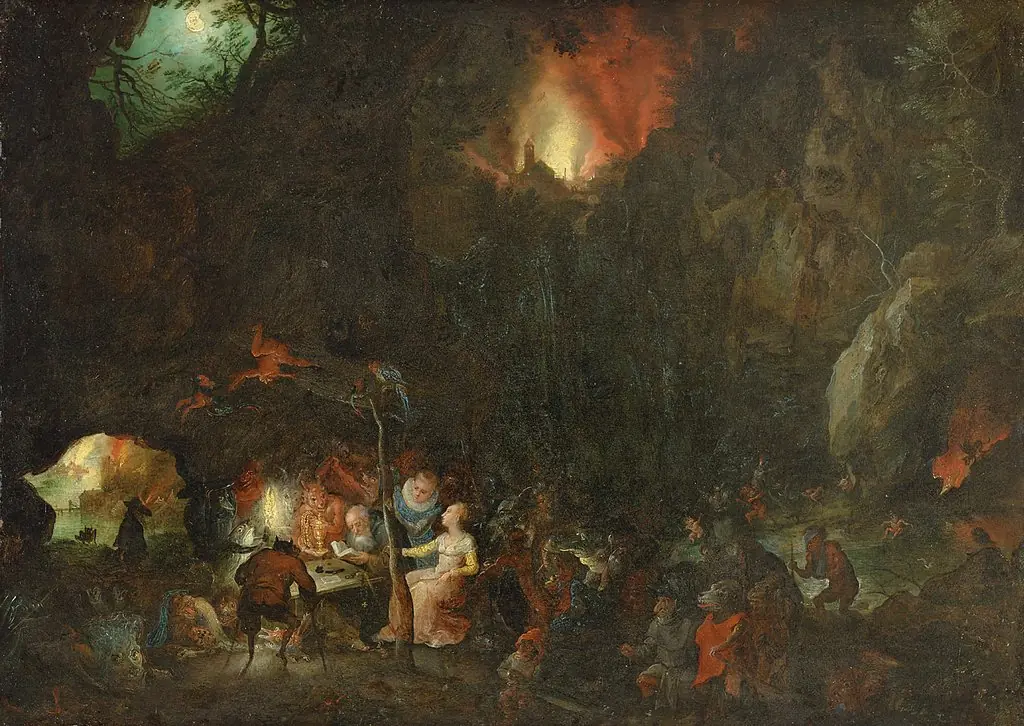
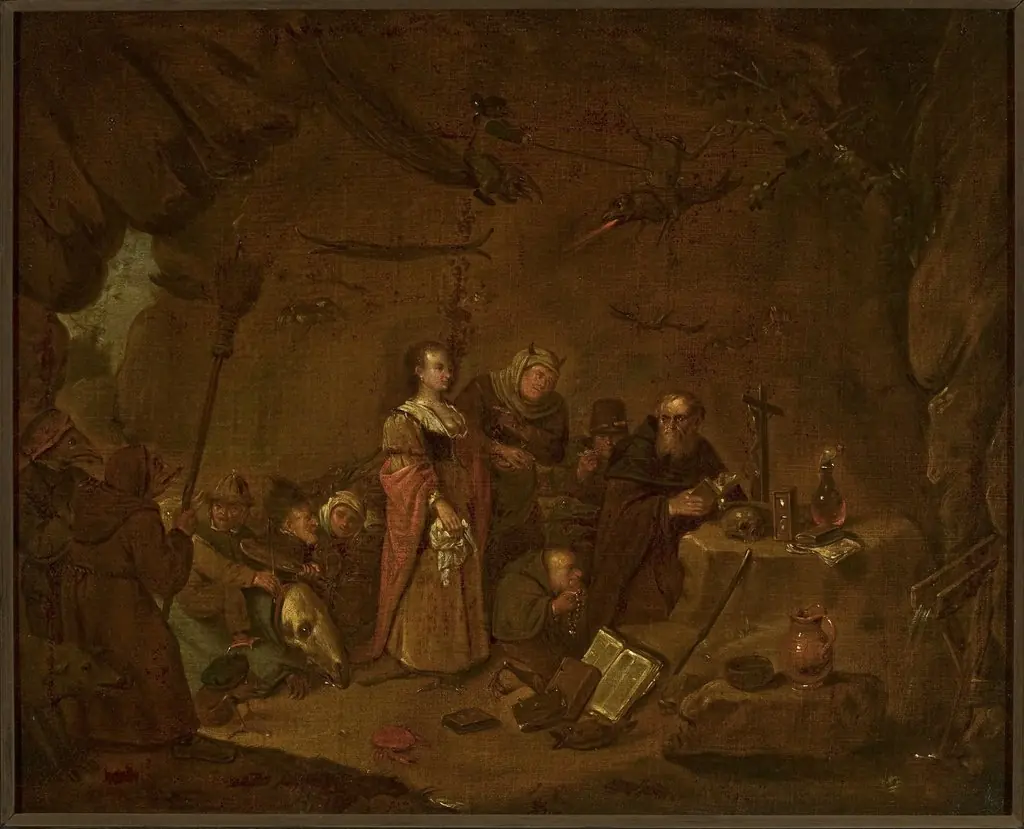
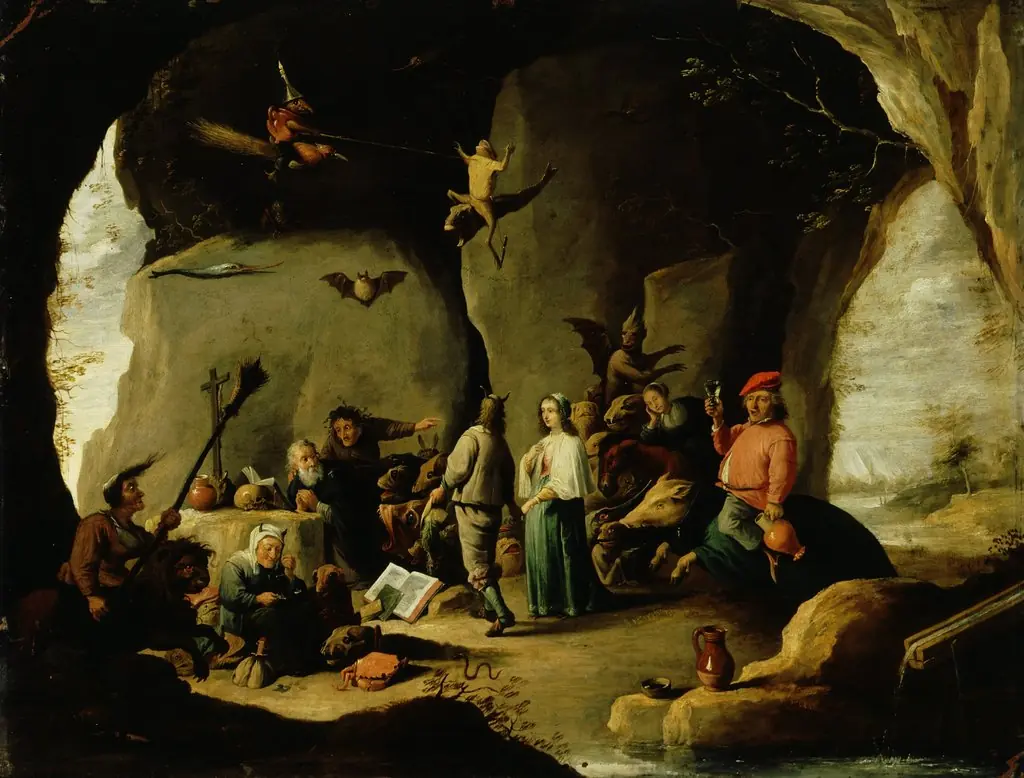
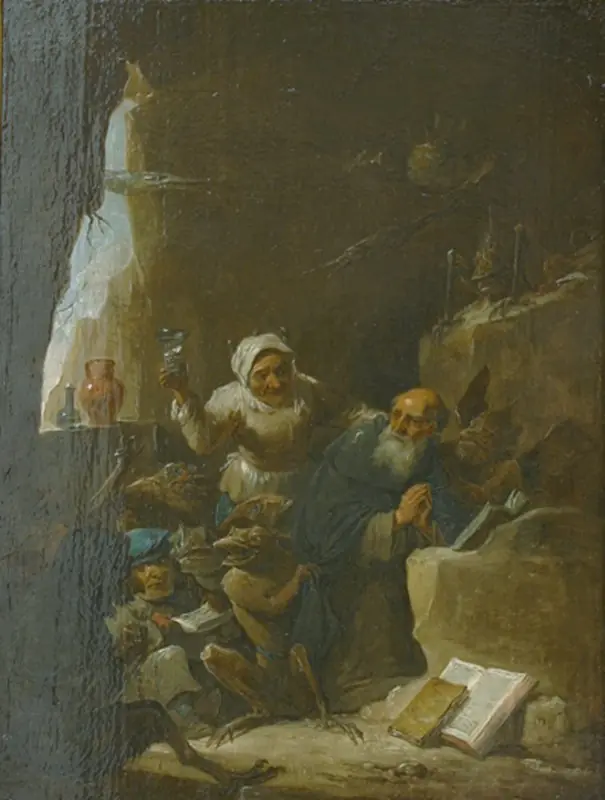
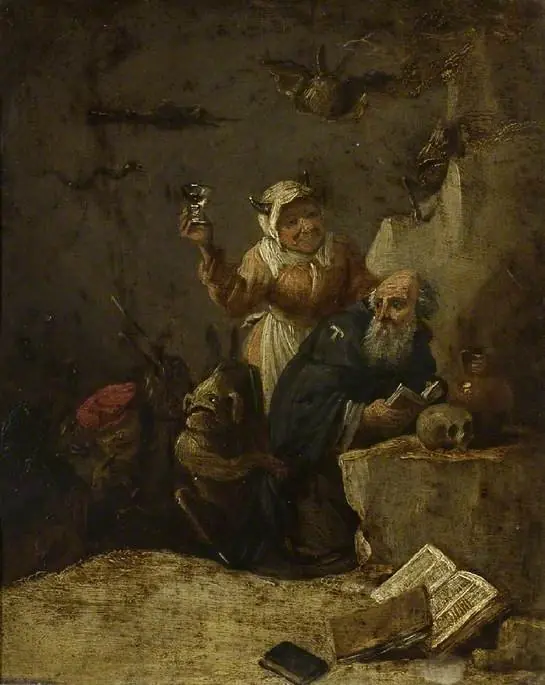
The work depicts Saint Anthony the Great during his sojourn in the Egyptian desert, a narrative first recorded by Athanasius of Alexandria. In Brouwer's interpretation, the saint sits at a table bearing a skull and a platter, surrounded by a chaotic horde of hybrid creatures and demons. These grotesque figures, including a helmeted figure with a wide grin and a creature with a bird-like head, embody the temptations of everyday life and the supernatural assault described in the Golden Legend. The skull serves as a vanitas symbol, reminding the viewer of the ephemerality of earthly pleasures, while Anthony's resistance reinforces devotion and trust in God.
Technique & Style
Brouwer painted the scene using oil on an oak panel support. The composition is dense and chaotic, confined to a dark, cavernous setting that suggests a cave or ruined structure. His palette is dominated by browns, ochres, and muted greens, punctuated by touches of red on a vase and an orange vest worn by a figure raising its arms. Light falls selectively from the upper right, illuminating faces and objects while deep shadows engulf much of the scene, demonstrating Brouwer's mastery of tonal values. The brushwork is loose and textured, and the surface exhibits visible craquelure.
History & Provenance
The painting was created around 1633, a pivotal year in Brouwer's life when he was released from imprisonment by the Spaniards on suspicion of espionage and subsequently settled in Antwerp. The work is now held in the Gemaldegalerie Berlin. While the full ownership chain is not documented in the provided sources, the painting's survival and current institutional location attest to its enduring preservation. The dimensions and medium have been recorded in the museum's catalog, confirming its status as a small panel painting typical of Brouwer's output.
Context
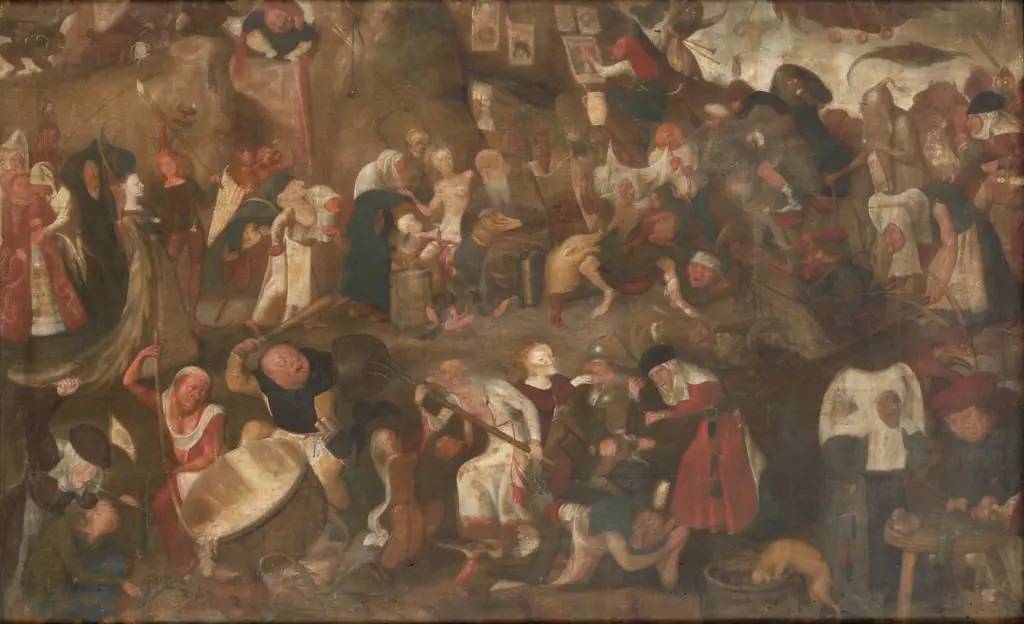
Brouwer was a Flemish genre painter active in the early seventeenth century, known for depicting coarse subjects drawn from common life, such as peasants in taverns and quack surgeons. This painting translates that sensibility into a religious framework, populating the saint's desert retreat with the same grimacing, distorted human and animal forms found in his secular work. The subject of Saint Anthony's temptation was especially popular in the late European Middle Ages and experienced a revival in the seventeenth century, particularly in the Catholic south after the division of the Netherlands, as artists sought to revitalize old religious motifs. Brouwer's approach aligns with the diableries of Hieronymus Bosch and Pieter Brueghel, and his style heavily influenced contemporaries like Joos van Craesbeeck and David Teniers the Younger, who also painted their own versions of the theme.
Legacy
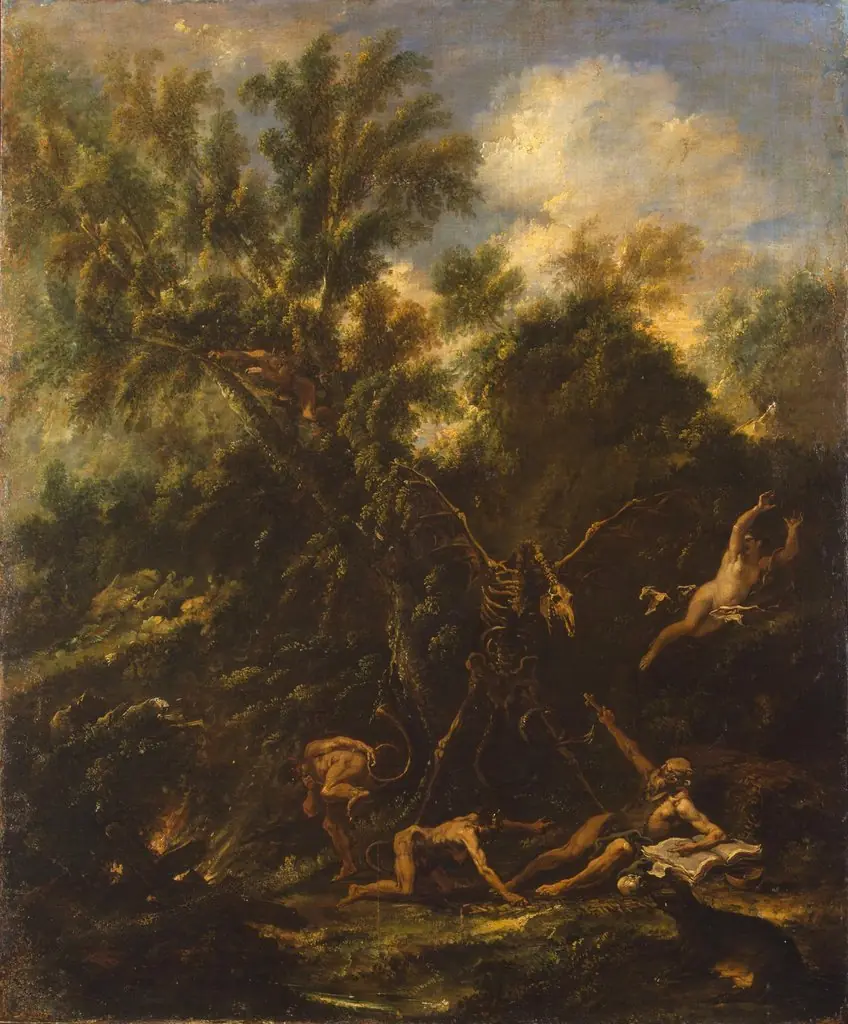
The Temptation of Saint Anthony remained a vital theme in Western culture long after Brouwer's death in 1638. The iconographic tradition that Brouwer contributed to continued to inspire artists, including his direct pupil Joos van Craesbeeck, whose own interpretation explicitly echoes the Boschian diableries and Brouwer's stylistic handling of light and color. The subject evolved through the modern era, treated by artists such as Paul Cezanne, Salvador Dali, and Max Ernst, demonstrating the enduring appeal of Anthony's supernatural trials as a vehicle for exploring psychological and physical torment.
Own this work as a print
Artist & collection
Artist
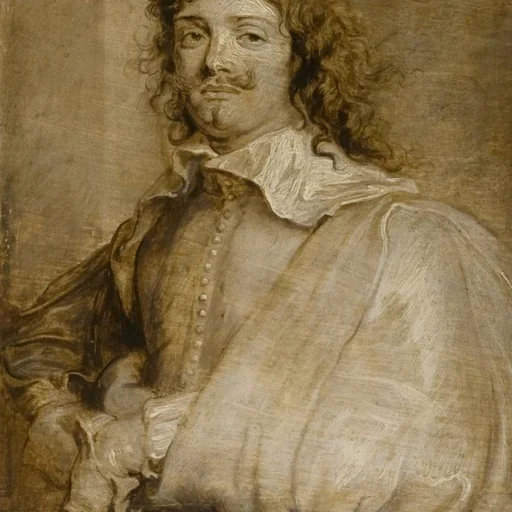
Adriaen Brouwer (c. 1605 – January 1638) was a Flemish painter active in Flanders and the Dutch Republic in the first half of the 17th century. Brouwer was an important innovator of genre painting through his vivid…