Artwork
Siberian Greyhound
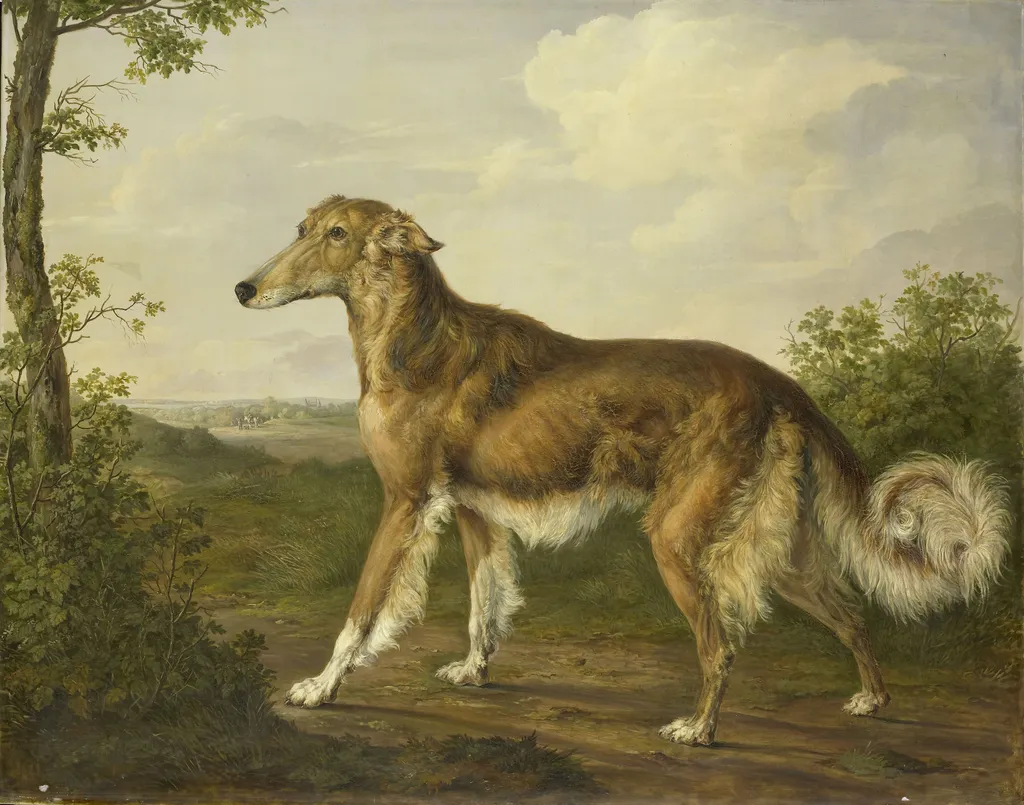
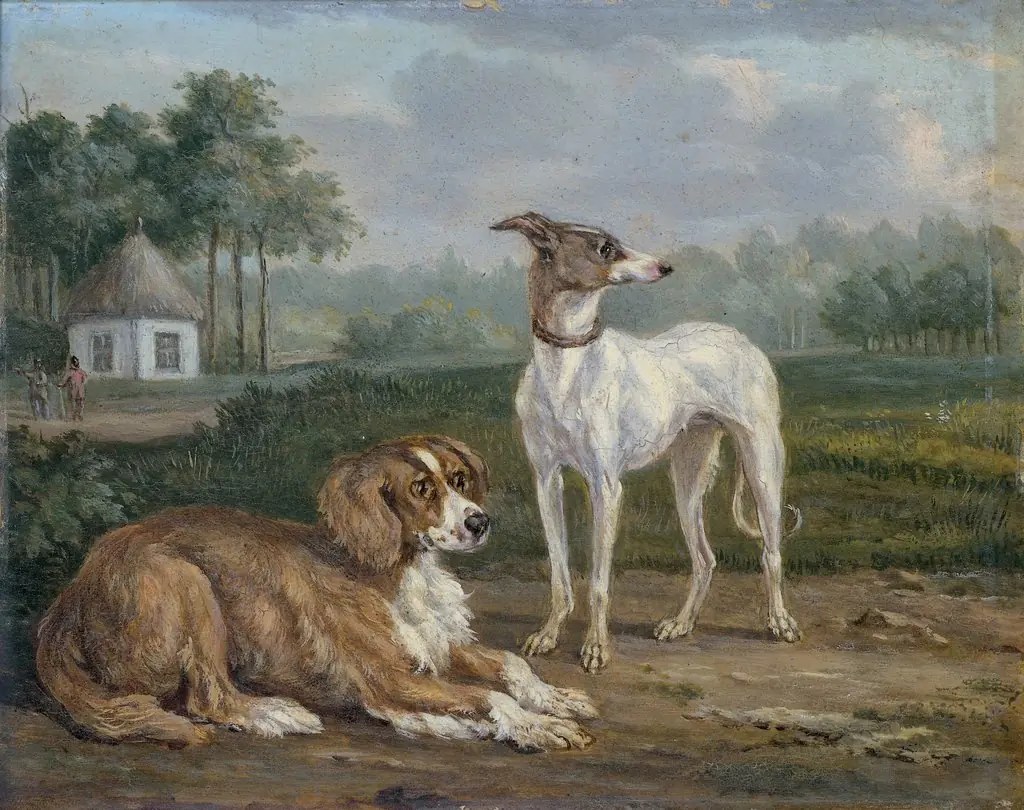
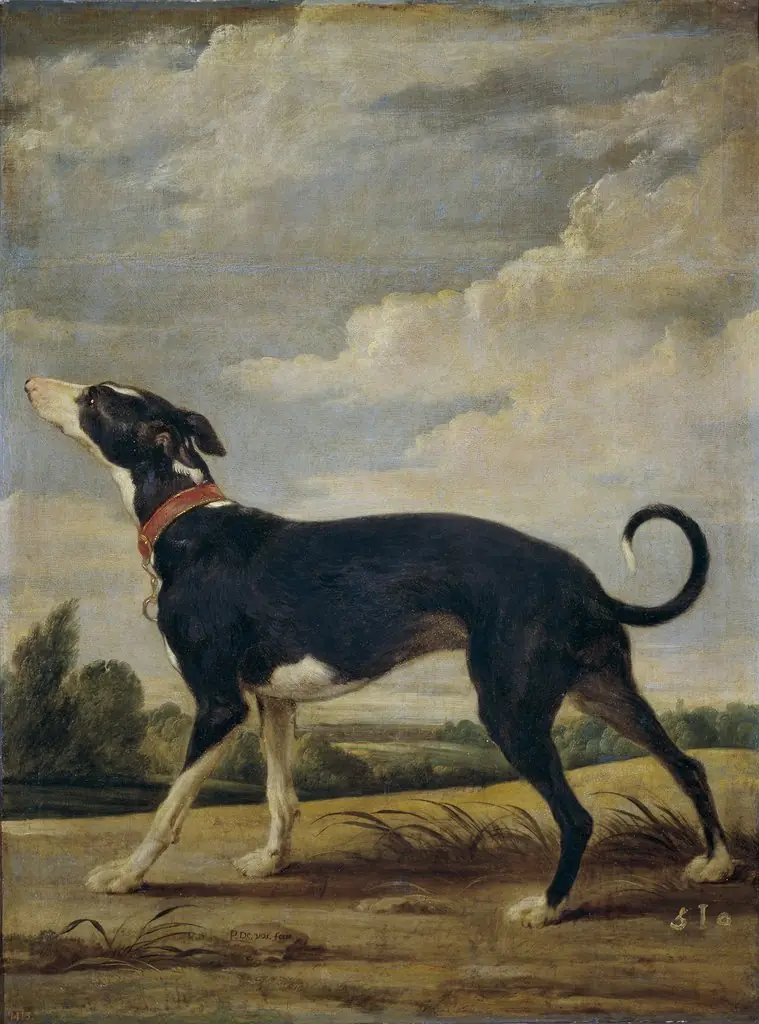
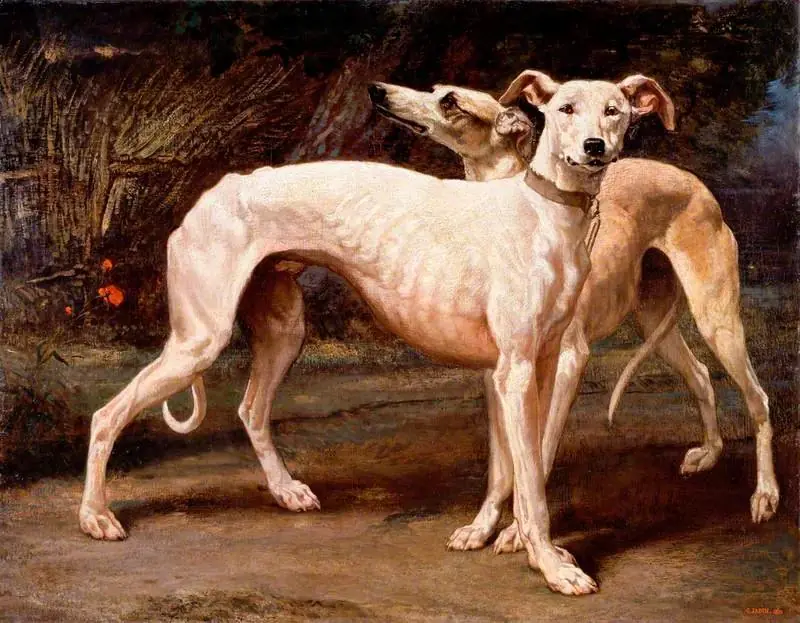
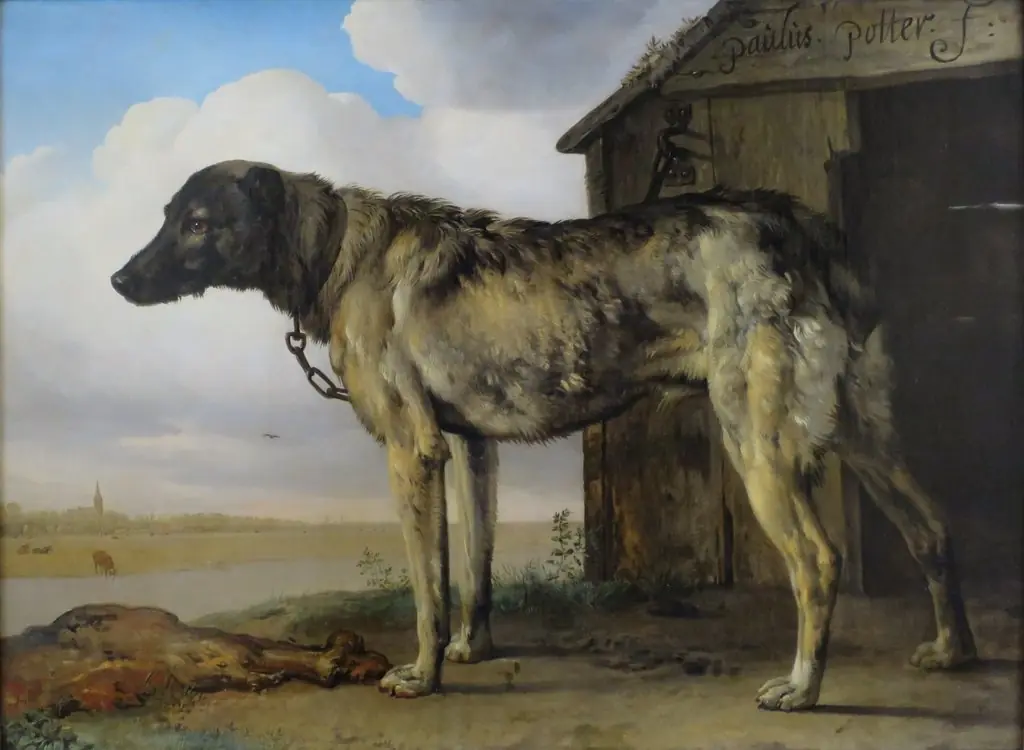
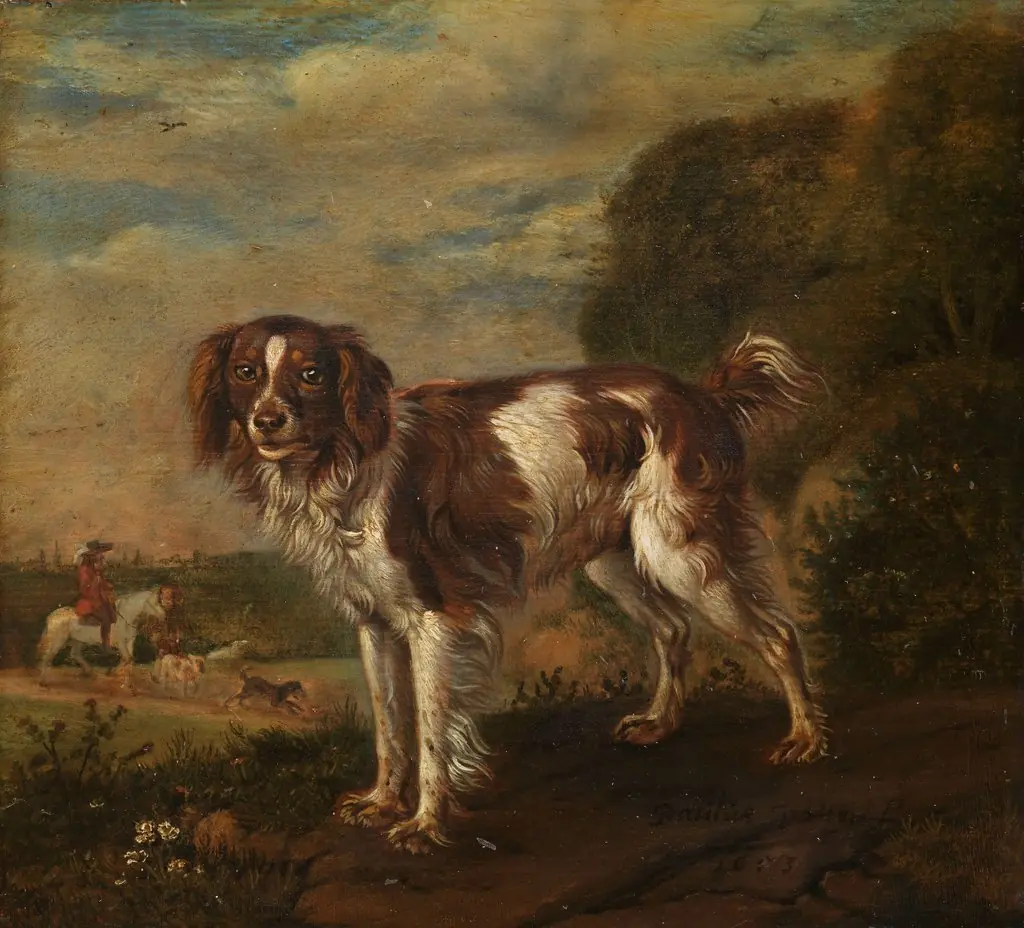
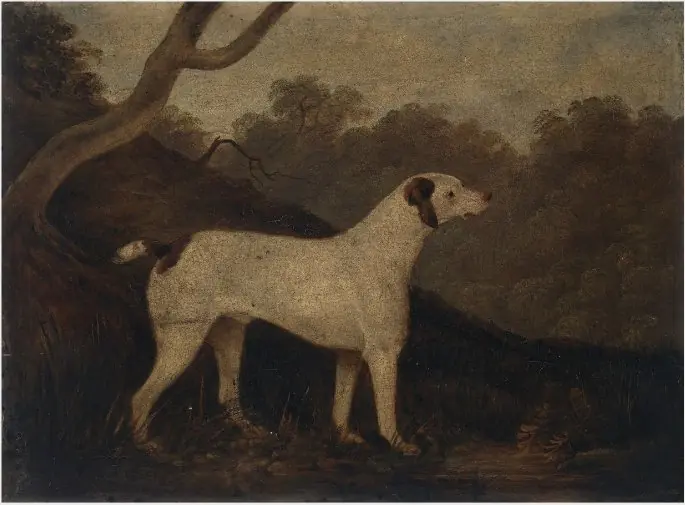
Siberian Greyhound is an oil painting by Jan Dasveldt. It dates from 1825 and is held in the collection of the Rijksmuseum.
About this work
Overview
Siberian Greyhound, painted in 1825 by Jan Dasveldt, is an oil-on-canvas work currently in the collection of the Rijksmuseum.
Siberian Greyhound, painted in 1825 by Jan Dasveldt, is an oil-on-canvas work currently in the collection of the Rijksmuseum. It presents a life-sized canine figure set within a quiet rural landscape. The composition centers on the dog’s poised stance, framed by natural elements that suggest a northern European setting. The painting reflects a 19th-century interest in documenting animal forms with observational precision.
Subject & Meaning
The subject is a large sighthound, likely bred for hunting in cold climates, rendered with attention to its physical structure and coat. Its alert posture and turned head imply awareness of something beyond the frame, evoking a sense of readiness. The inclusion of a distant settlement hints at human presence without direct intervention, positioning the animal as both companion and independent creature of the land.
Technique & Style
Dasveldt employed oil paint to capture the texture of the dog’s fur, using layered brushwork to suggest the sheen of brown hair and the contrast of white paws and tail. The background is softly modeled, with muted tones for sky and foliage that recede into the distance. The path beneath the dog leads the eye toward the village, creating subtle spatial depth without dramatic perspective.
History & Provenance
The painting entered the Rijksmuseum’s collection in the 19th century, likely acquired during a period when Dutch institutions expanded their holdings of animal and landscape subjects. No documented commission or original owner is recorded, suggesting it may have been painted for the open market. Its preservation indicates early recognition of its technical merit within Dutch artistic circles.
Context
In the early 1800s, Dutch painters increasingly turned to naturalistic depictions of animals, influenced by broader European trends in zoological observation. Dasveldt’s work aligns with contemporaries who treated dogs not as symbols but as individual subjects. The rural setting reflects a growing appreciation for everyday environments, away from mythological or aristocratic themes common earlier in the century.
Legacy
Though not widely exhibited outside the Netherlands, the painting remains a representative example of 19th-century Dutch animal portraiture. It contributes to the understanding of how non-human subjects were rendered with dignity and detail during a time when naturalism gained prominence. Its presence in a major museum underscores its role in documenting the cultural value placed on working animals.
Own this work as a print
Artist & collection