Artwork
A dog
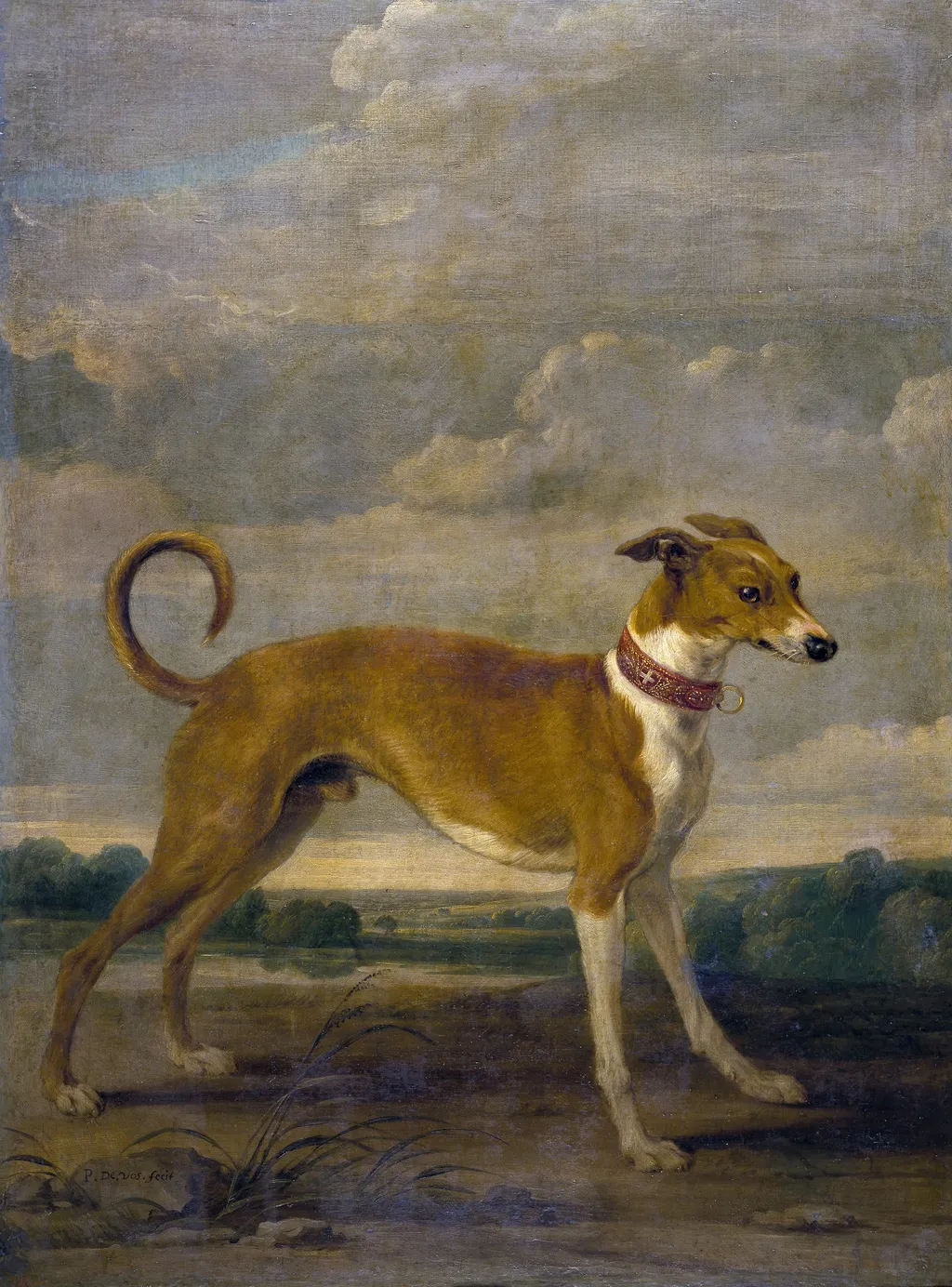
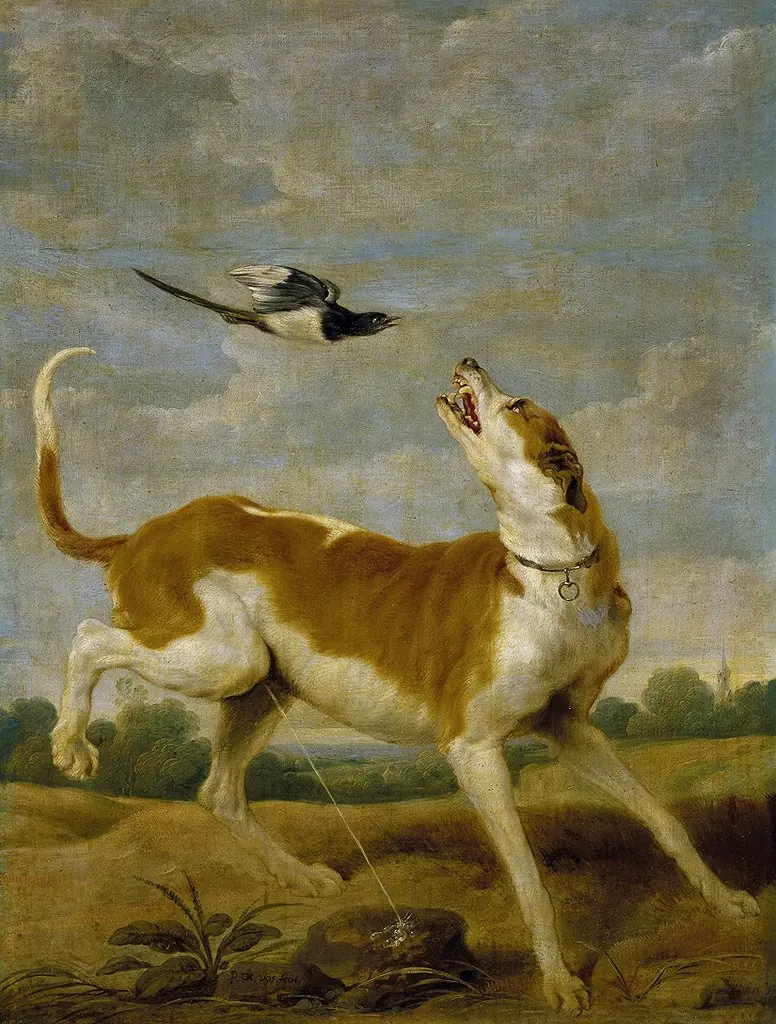
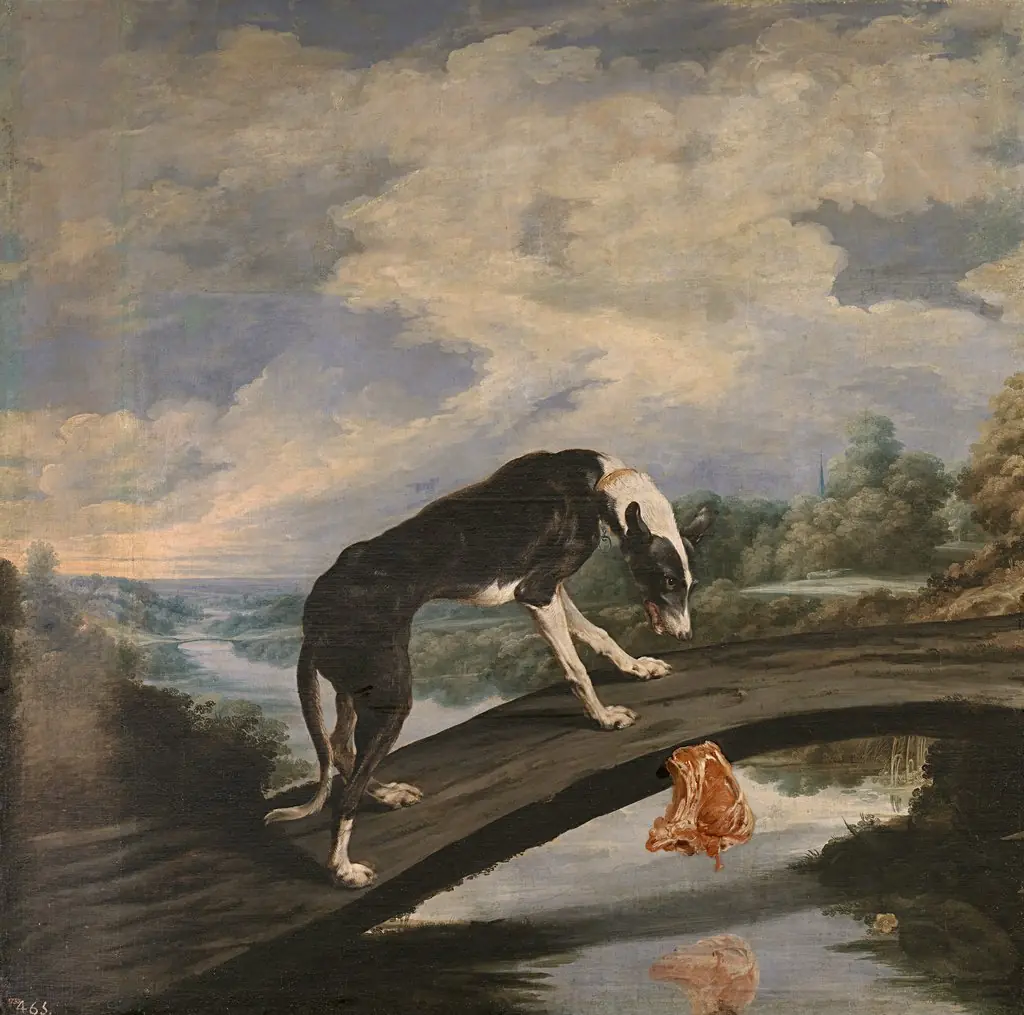
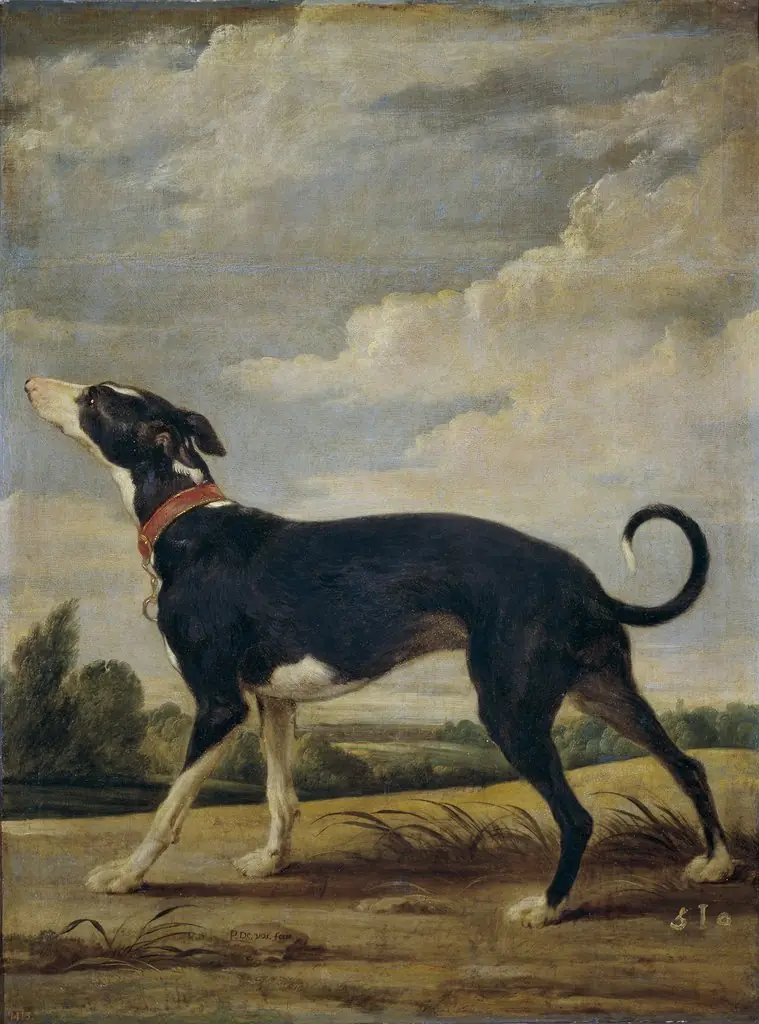
A dog is an oil painting by the Flemish Baroque painting artist Paul de Vos. It dates from 1636 and is held in the collection of the Museo del Prado.
About this work
Subject & Meaning
The work depicts a single dog presented frontally, its form filling the canvas with a naturalistic yet restrained presence.
The work depicts a single dog presented frontally, its form filling the canvas with a naturalistic yet restrained presence. The animal’s alert gaze and upright stance suggest attentiveness, aligning with the seventeenth-century Flemish tradition of animal portraiture that emphasized individual character within a studied composition.
In this context, the dog likely functions as a symbol of fidelity or watchfulness rather than a narrative subject. Such representations often carried moralizing associations in European art, where canine virtues like loyalty and vigilance were celebrated in domestic and hunting imagery.
Technique & Style
The work is executed in oil paint on a canvas support, consistent with seventeenth-century Flemish practice for animal subjects. Measuring 116 cm in height and 82 cm in width, the painting uses a fluid handling of paint to render the dog’s form with naturalistic detail, particularly in the fur’s texture and the animal’s alert posture. Stylistically, the composition emphasizes realism and close observation, aligning with the genre of animal art cultivated in Antwerp during the 1630s.
History & Provenance
A dog is an oil-on-canvas painting by Paul de Vos dated 1636. According to the available records, the work was created in that year and depicts a dog, classified within the genre of animal art. The painting is held in the collection of the Museo del Prado, where it remains located.
No information is provided in the sources regarding the circumstances of its commission, its earlier ownership history, or the chain of custody prior to its acquisition by the museum.
A dog, painted by Paul de Vos in 1636, is housed in the Museo del Prado under inventory number P00968. The work has been part of the museum's collection since its acquisition, reflecting its significance within the institution's holdings of animal-themed paintings. It was featured in the 2015 exhibition "Baroque Mastery: Animal Subjects in Seventeenth-Century European Art," which highlighted the artist's contributions to the genre through a curated selection of works from European collections.
The painting measures 116 cm in height and 82 cm in width, executed in oil on canvas, consistent with the material specifications documented in the source.
Exhibition history includes its participation in the aforementioned 2015 exhibition at the Museo del Prado, marking its first inclusion in a dedicated showcase of Baroque animal art.
The provenance of the work traces directly to the Museo del Prado, where it has been cataloged with the accession number P00968 since its incorporation into the museum's collection.
The painting's current location remains the Museo del Prado in Madrid, where it is accessible to the public as part of the permanent collection.
The artwork is classified as a painting within the broader category of animal art, reflecting its thematic and stylistic alignment with Baroque-era depictions of domestic and wild animals.
The work was created in 1636, as confirmed by the documented inception date of the piece, and remains a notable example of the artist's technical mastery in rendering animal subjects with naturalistic detail and dynamic composition.
The painting's material composition includes oil paint applied to canvas, a standard medium for the period and consistent with the artist's documented practice.
The Museo del Prado's catalog entry for the work confirms its acquisition and ongoing display under the inventory designation P00968, ensuring its preservation and accessibility within the museum's institutional framework.
The painting's exhibition record includes its participation in the 2015 exhibition "Baroque Mastery: Animal Subjects in Seventeenth-Century European Art," which was held at the Museo del Prado and focused on the thematic and stylistic exploration of animal subjects in European Baroque art.
Overview
Created in 1636, A Dog is an oil painting by Flemish Baroque artist Paul de Vos. The work presents a solitary canine strolling across a grassy plain beneath a lightly clouded sky. The composition is modest in scale but showcases de Vos’s focus on animal subjects, a hallmark of his oeuvre within the 17th‑century Flemish tradition.
Own this work as a print
Artist & collection
Artist
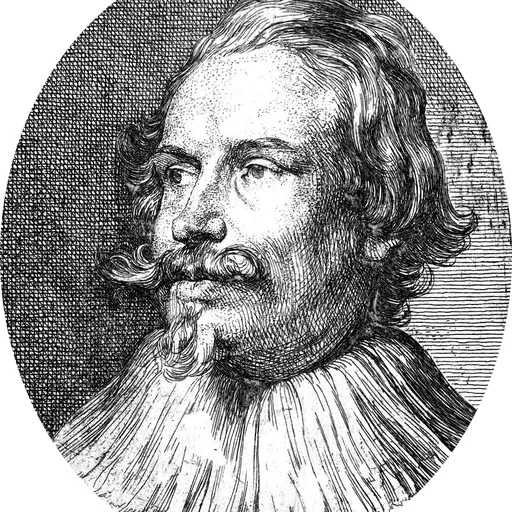
Paul de Vos (1591/92, or 1595 in Hulst – 30 June 1678 in Antwerp) was a Flemish Baroque painter who specialized in mainly in compositions of animals, hunting scenes and still lifes.