Artwork
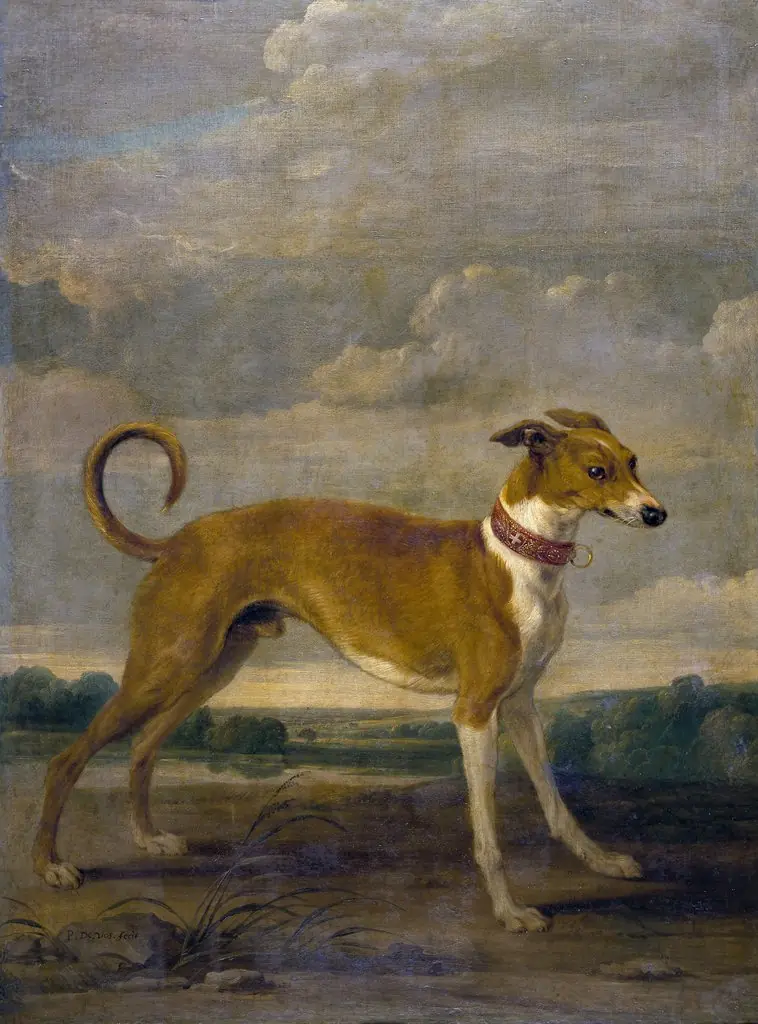
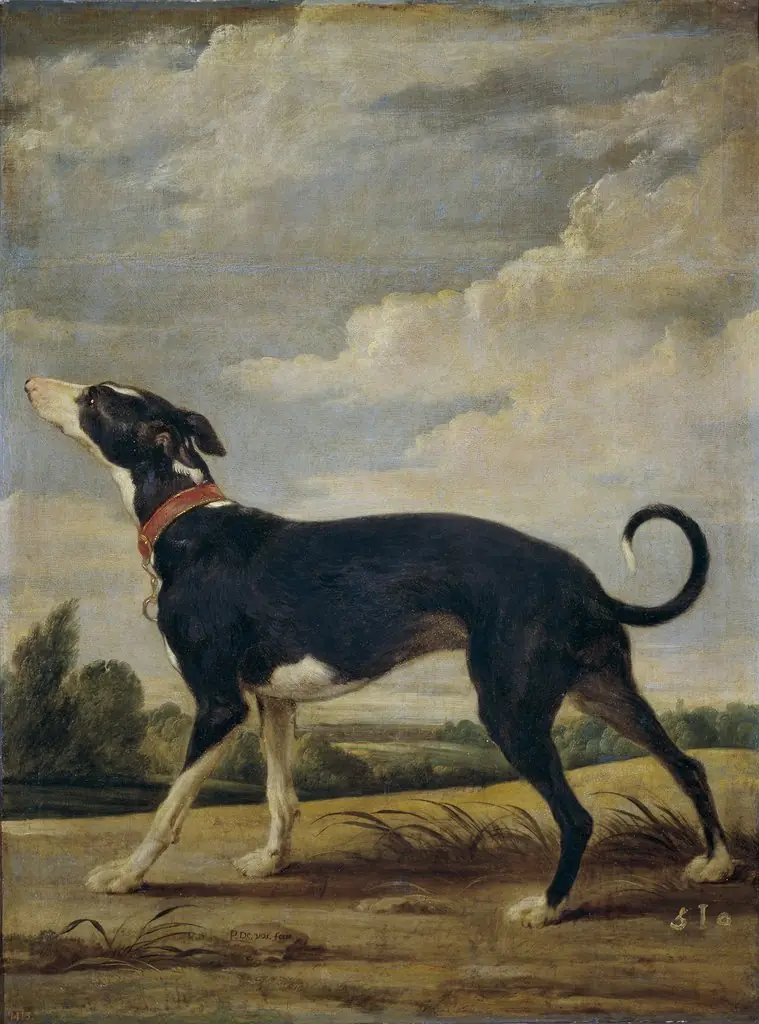
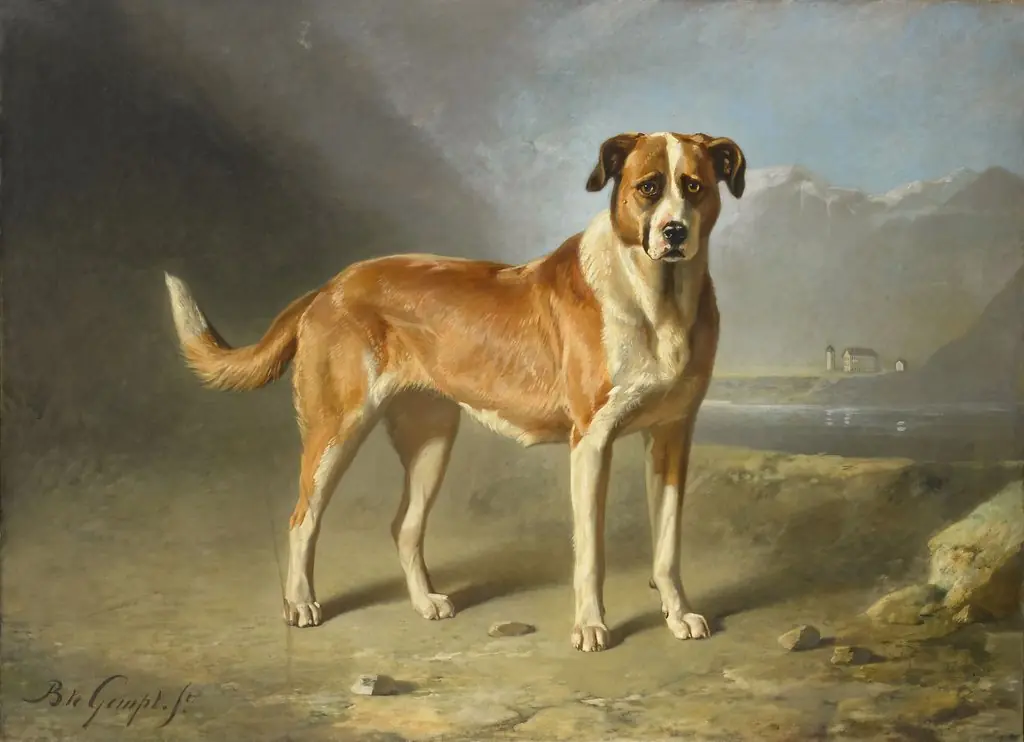
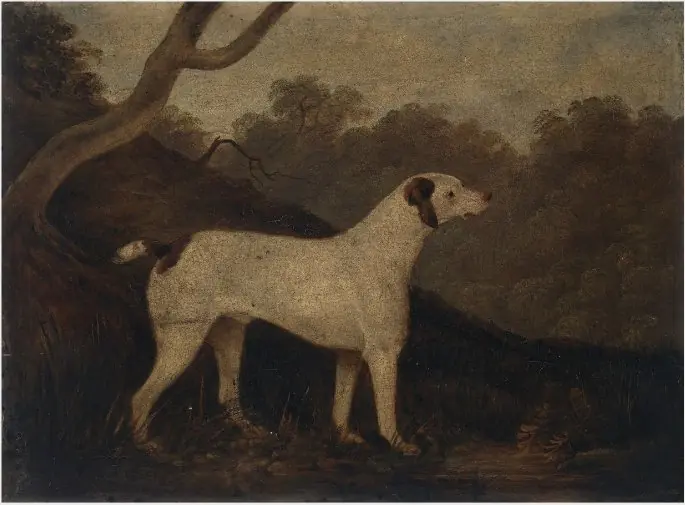
A spaniel
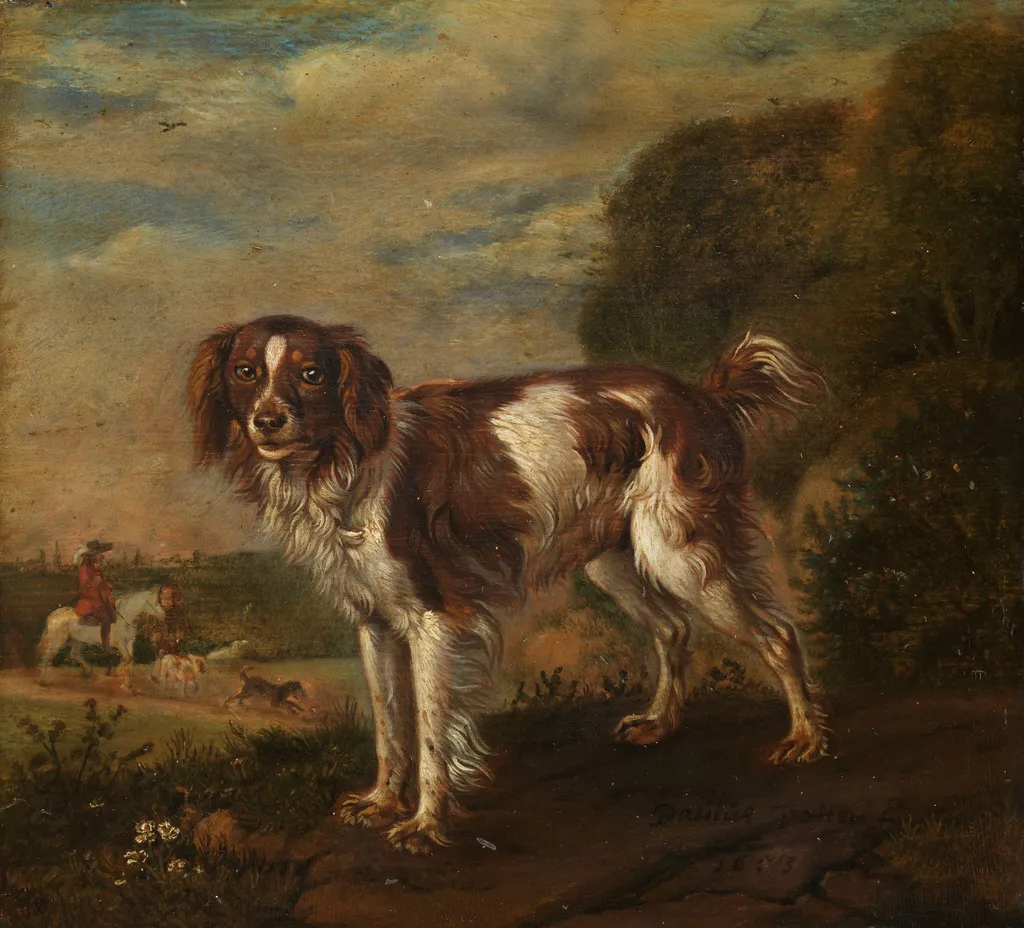
A spaniel is an oil painting by the Dutch Golden Age artist Paulus Potter. It dates from 1653 and is held in the collection of the Rijksmuseum.
About this work
Subject & Meaning
As an example of animal art, the painting focuses on the dog's attentive gaze and alert posture, emphasizing its role as a loyal hunting companion.
The work depicts a Drentse Patrijshond, a breed of spaniel, rendered in close-up against a plain background. As an example of animal art, the painting focuses on the dog's attentive gaze and alert posture, emphasizing its role as a loyal hunting companion. In 17th-century Dutch painting, such portraits of dogs often symbolized fidelity, vigilance, and the domestic virtues prized by the merchant class.
Potter's naturalistic treatment elevates the animal from mere accessory to a subject of independent dignity, reflecting the growing interest in secular, everyday subjects in the Dutch Golden Age.
Technique & Style
The painting is executed in oil on a wooden panel support, measuring 18 cm in height and 20 cm in width. The handling reflects the refined, naturalistic style associated with Paulus Potter’s mid-seventeenth-century Dutch works, emphasizing delicate brushwork to render the spaniel’s fur and features with lifelike precision. The composition remains compact yet focused, foregrounding the dog against a neutral background to highlight its form and texture. The condition of the work is not documented in the cited sources.
History & Provenance
The painting A spaniel was created in 1653 by Paulus Potter and executed in oil on panel. It measures 18 by 20 centimeters and portrays a Drentse Patrijshond, a type of spaniel. The work entered the collection of Adriaan van der Hoop, who bequeathed it to the Rijksmuseum and Amsterdam Museum, where it remains part of their holdings today.
Overview
Paulus Potter’s 1653 oil painting, titled A spaniel, presents a large brown‑and‑white dog standing in a grassy meadow. The animal, rendered with a thick, tactile surface, occupies the foreground while a rider on horseback, accompanied by other dogs and a sheep, recedes into the background. The work is part of the Rijksmuseum’s collection.
Context
During the Dutch Golden Age, animal and landscape subjects gained popularity as symbols of prosperity and domestic virtue. Potter, known for his precise observation of fauna, contributed to this trend by combining meticulous naturalism with a compositional balance that integrates human activity and animal presence.
Own this work as a print
Artist & collection
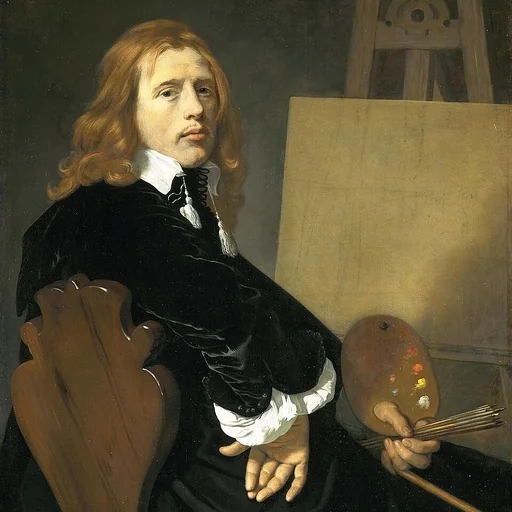
Artist
Paulus Potter (Dutch pronunciation:; 20 November 1625 (baptised) – 17 January 1654 (buried)) was a Dutch painter who specialized in landscapes featuring animals, often from a low vantage point.