Artwork
Battle of Raclawice
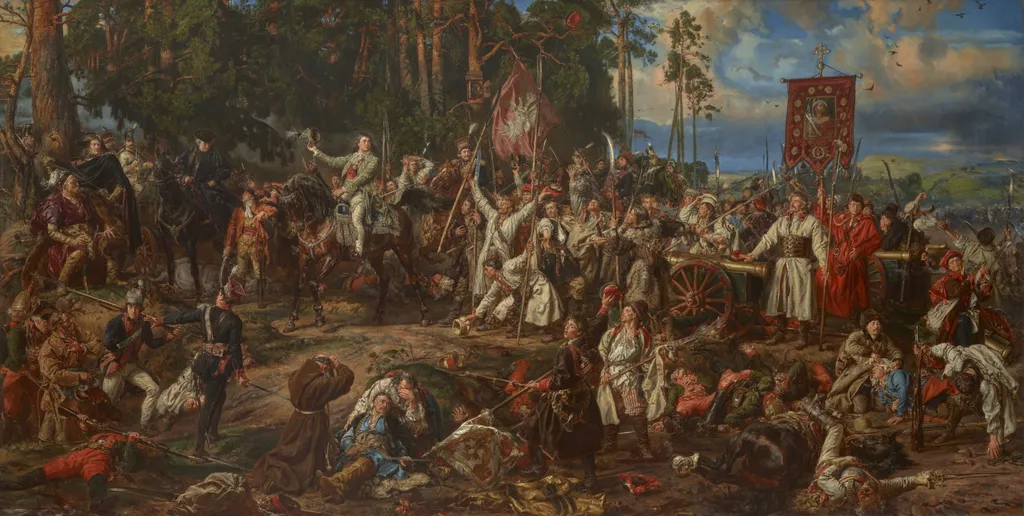
Battle of Raclawice is an oil painting by the Historicist artist Jan Matejko. It is held in the collection of the National Museum in Kraków.
About this work
Subject & Meaning
Beside him stands Bartosz Głowacki, a peasant hero, perched atop a captured cannon, symbolizing the participation of commoners in the national cause.
The painting depicts the Battle of Racławice of 1794, a pivotal engagement of the Kościuszko Uprising. At center is Tadeusz Kościuszko, the Polish-Lithuanian military leader, dressed in a fashionable uniform tailcoat modeled after Michał Stachowicz's earlier depiction of Kościuszko's oath. Beside him stands Bartosz Głowacki, a peasant hero, perched atop a captured cannon, symbolizing the participation of commoners in the national cause.
The work carries layered political meaning. Hugo Kołłątaj, co-organizer of the uprising, appears on a black horse despite not having fought at Racławice, underscoring the painting's commemorative rather than strictly documentary purpose. Matejko also included generals Antoni Madaliński and Józef Zajączek, and notably portrayed Stefan Dembowski in elaborate noble costume.
This figure carries symbolic weight: he represents the hesitancy of the Polish nobility to fully commit to the uprising and their tendency to sabotage Kościuszko's commands. Through these choices, Matejko transforms a historical battle scene into a meditation on national unity, class division, and the challenges of collective political action.
Technique & Style
Jan Matejko executed the Battle of Racławice using oil paint on a canvas measuring 465 by 897 cm. As a history painting aligned with the Historicism movement, the artwork is characterized by its monumental scale and dense, detailed composition. Matejko's handling of the medium involved a meticulous preparatory process; he produced several preliminary pencil sketches and an oil sketch before finalizing the composition. He also paused his work to create landscape sketches from nature at Racławice, ensuring topographical accuracy.
Stylistically, the painting merges precise historical detail with symbolic commentary, featuring carefully rendered contemporary garments, such as Kościuszko's fashionable uniform tailcoat, and expressive figural arrangements to convey both the event and underlying political narratives.
History & Provenance
Battle of Racławice was commissioned in 1884 by a committee formed in 1883 to secure a new history painting for the National Museum in Kraków after Matejko unexpectedly pledged to donate Jan Sobieski pod Wiedniem to the Pope.
Funds were raised publicly, totaling 49,807 guldens by 1888, with the largest contributions from Galicia. The painting was completed in April 1888 and publicly unveiled on 14 May 1888 in the Cloth Hall in Kraków, where it was entrusted to the National Museum in Kraków. Matejko retained reproduction rights, while the committee retained exhibition rights.
The work was first exhibited outside Kraków in Lviv in 1888, then in Poznań, Vienna in 1889, and at the Exposition Universelle in Paris the same year.
The painting is held in the Sukiennice Museum, part of the National Museum in Kraków, with the inventory identifier recorded in the museum’s collection database. It was first exhibited publicly in May 1888 at the National Museum in Kraków and subsequently shown in Lviv in June 1888, followed by exhibitions in Poznań, Vienna in 1889, and at the Exposition Universelle in Paris in 1889. A reproduction was produced in 1888–1889, and a silver bas‑relief after the work was made between 1890 and 1894 and is now in the Hungarian National Museum in Budapest.
Legacy
Upon its unveiling in May 1888, Matejko’s painting rapidly became a national symbol, galvanizing Polish identity amid partitions and cultural suppression. Its immediate circulation through exhibitions in Lviv, Poznań, Vienna, and the 1889 Exposition Universelle in Paris amplified its reach, while popular prints and a chromolithographic edition by Juliusz Kossak, totaling 24,000 copies across two printings, embedded the image in public consciousness. The Kościuszko Society named Matejko an honorary member in 1888, underscoring the work’s patriotic resonance.
Commemorative silver bas-reliefs and tableaux vivants further extended its cultural footprint, turning the composition into an enduring emblem of the 1794 uprising and a touchstone for later political iconography.
Overview
Jan Matejko’s oil on canvas, completed in 1888, depicts the 1794 Battle of Racławice. The work is housed in the Gallery of 19th‑Century Polish Art within Kraków’s Sukiennice Museum. It presents a dense, forested battlefield where infantry and cavalry clash amid swirling smoke and a storm‑laden sky, rendered in a palette of earth tones, reds, and greys.
Context
The Battle of Racławice was a key early victory for Tadeusz Kościuszko’s forces during the 1794 uprising against the partitioning powers. Matejko, renowned for visualizing pivotal moments in Polish history, chose this episode to illustrate national resilience. The work aligns with his broader oeuvre, which frequently dramatizes historic battles to reinforce collective identity.
Artist & collection
Artist
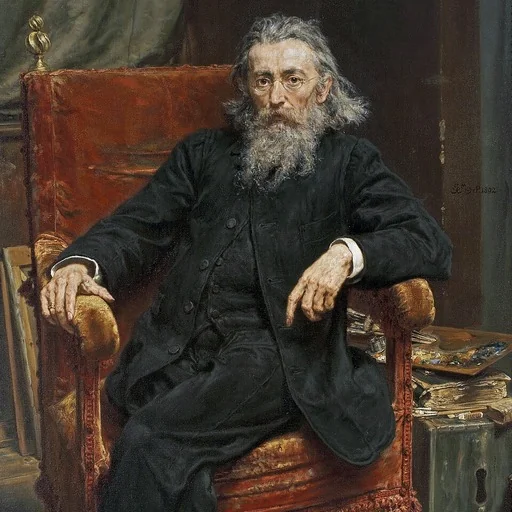
Jan Alojzy Matejko (Polish pronunciation:; also known as Jan Mateyko; 24 June 1838 – 1 November 1893) was a Polish painter, a leading 19th-century exponent of history painting, known for depicting nodal events from Polish history.

 Battle
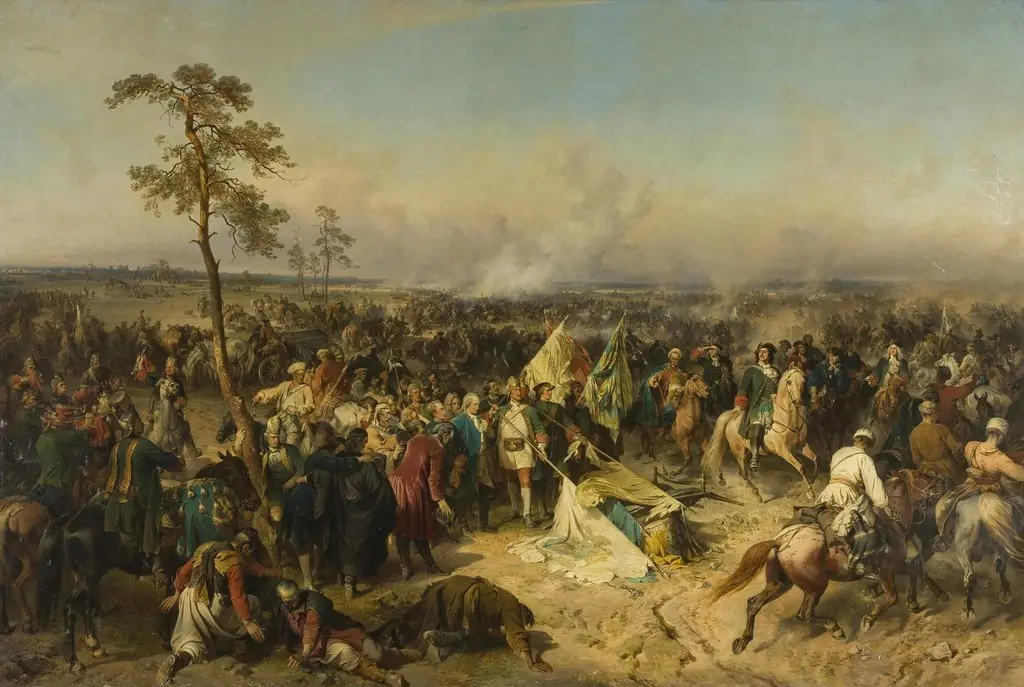 Battle of Poltava
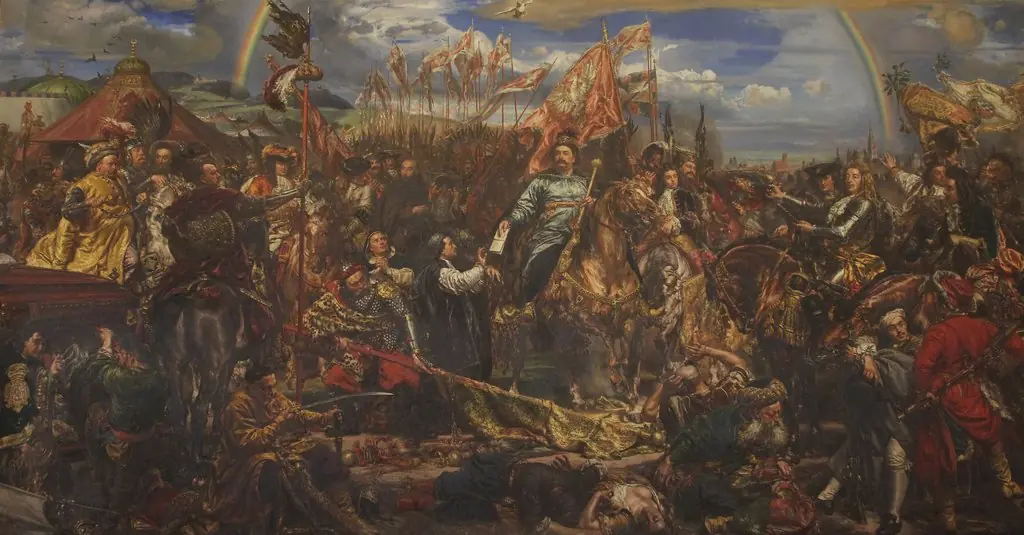 Jan Sobieski at Vienna
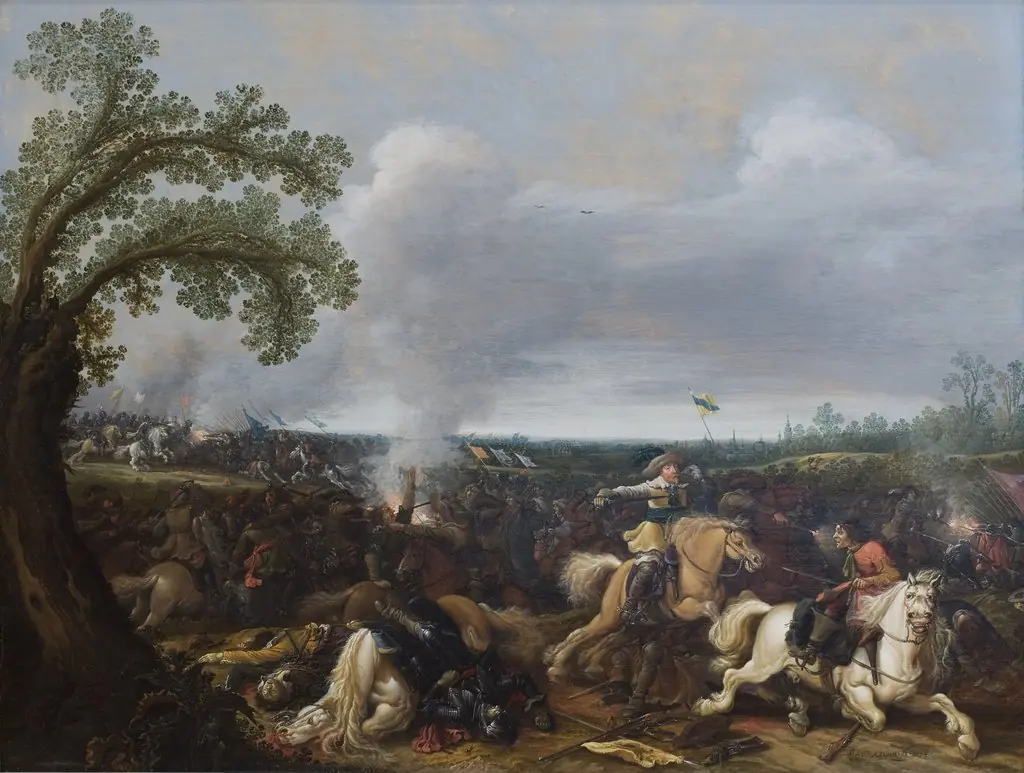 King Gustav II Adolf of Sweden at the Battle by Lützen November 16th, 1632
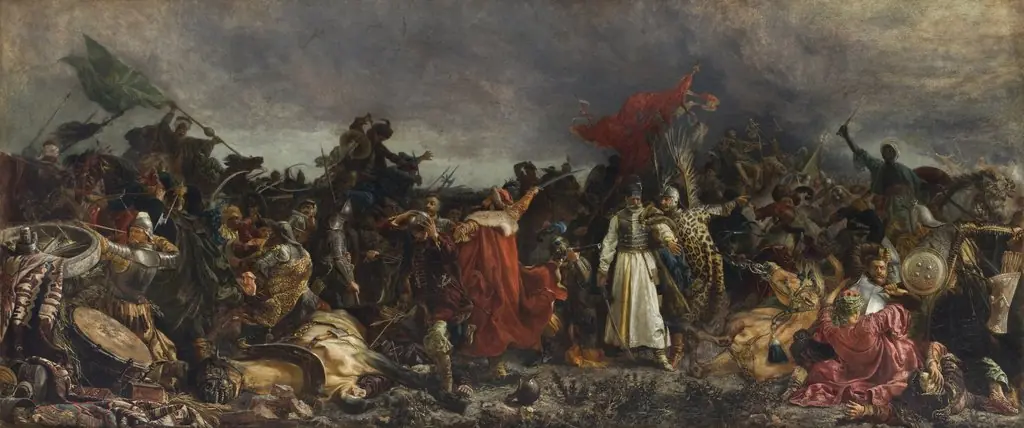 The Battle of Cecora
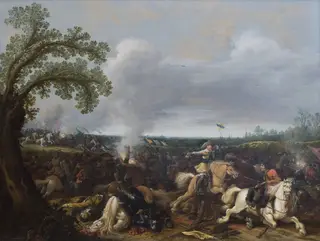 King Gustav II Adolf of Sweden at the Battle by Lützen November 16th, 1632
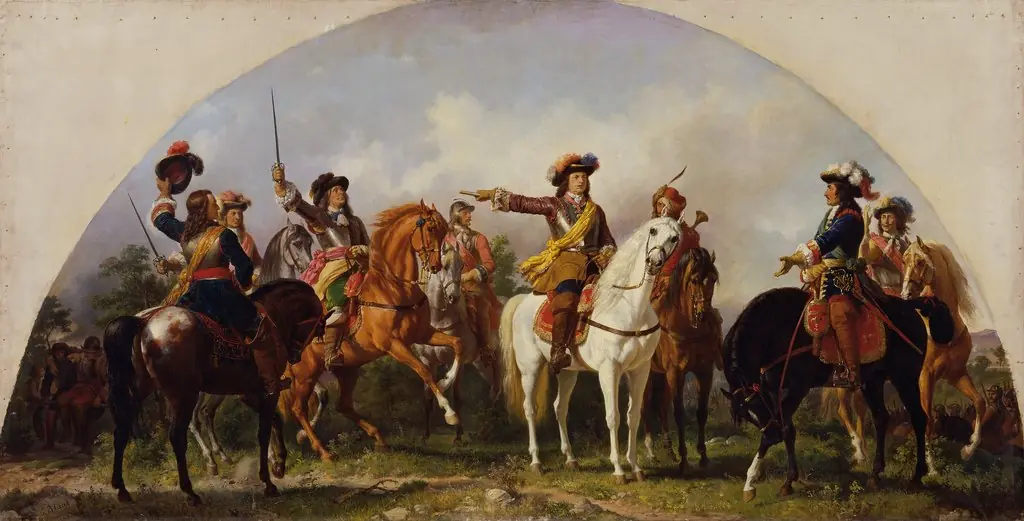 The Battle of St. Gotthard 1664
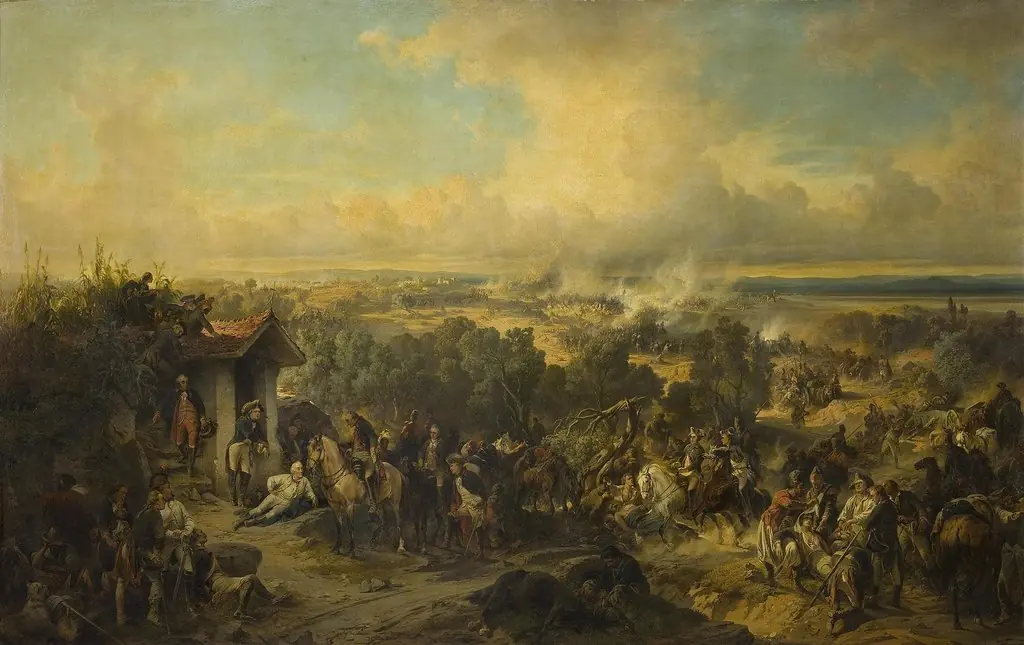 Battle of the Trebbia on 8 June 1799
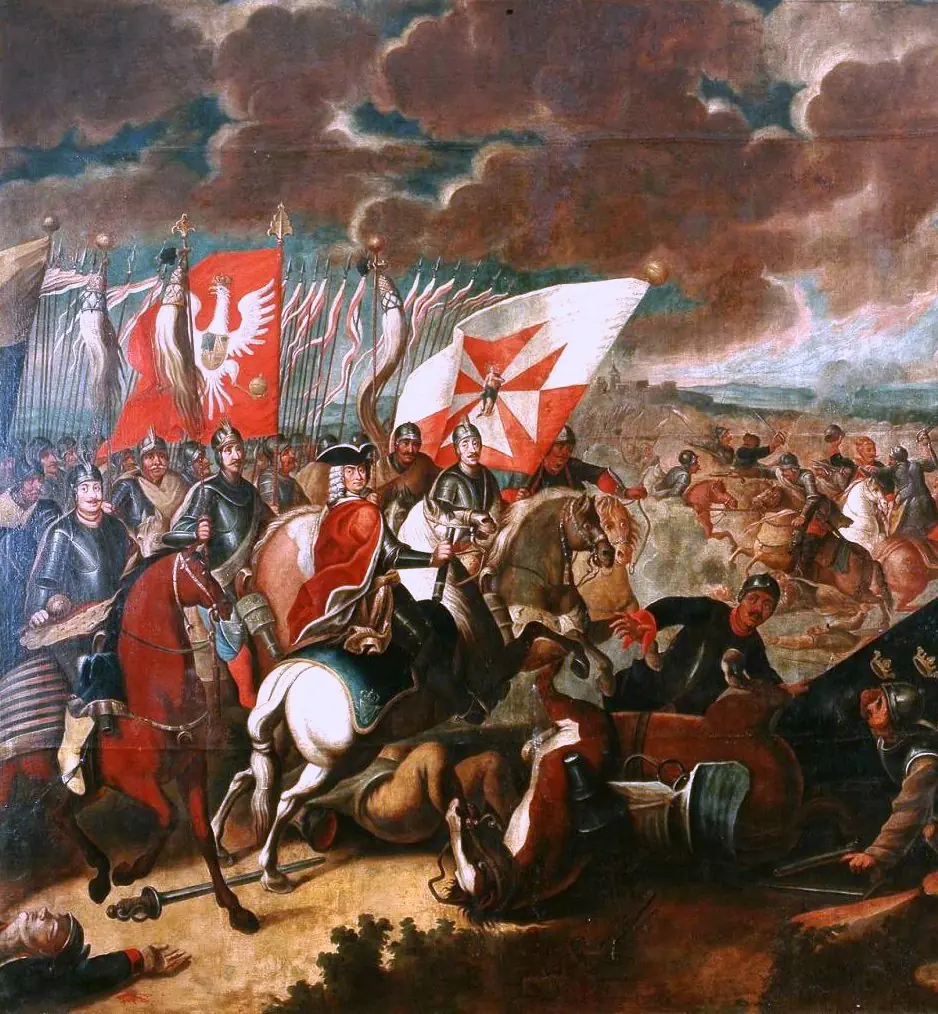 Battle of Kalisz
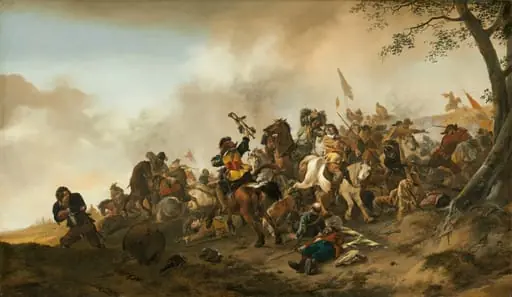 Battle Scene
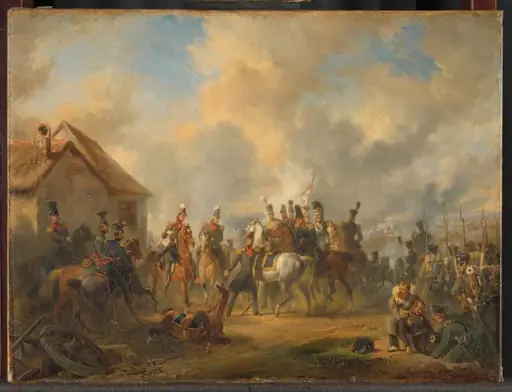 De Slag bij Bautersem, gedurende de Tiendaagse Veldtocht
- Cavalery in the Battle