Artwork
Ecce Homo
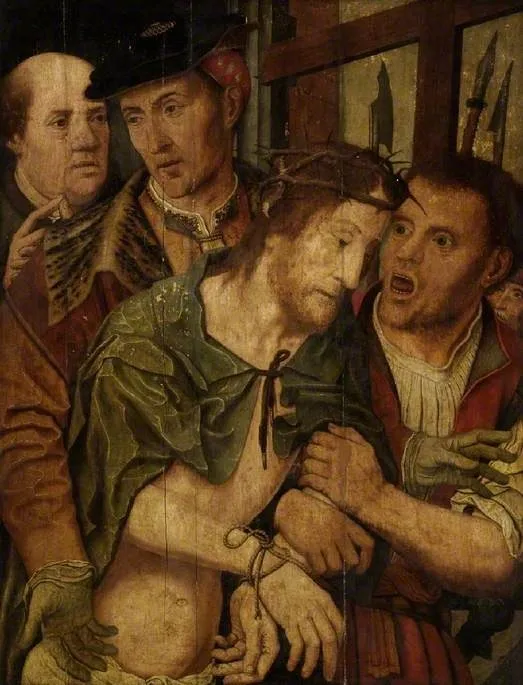
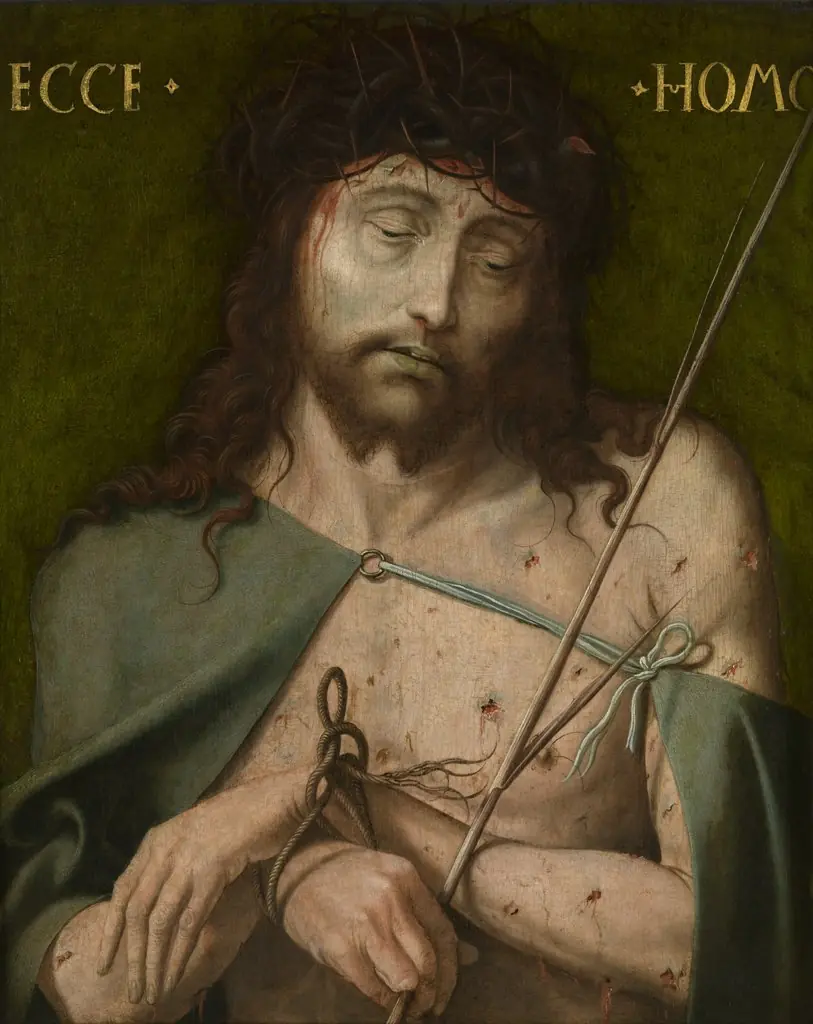
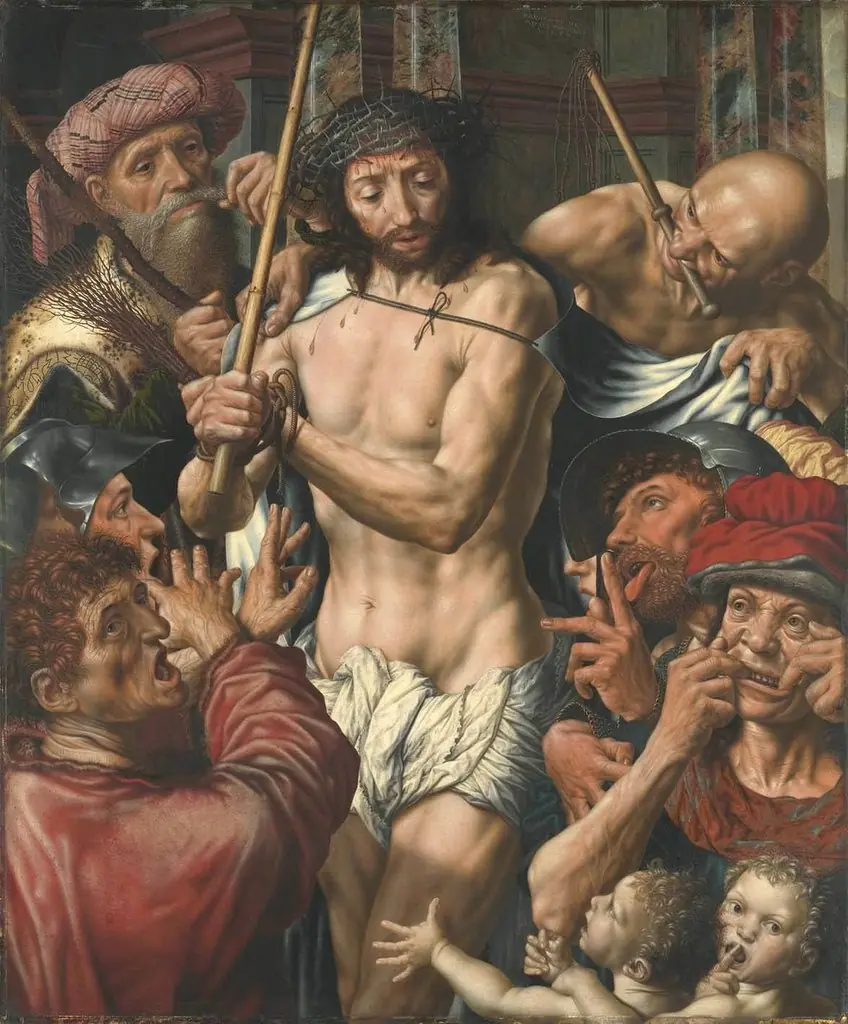
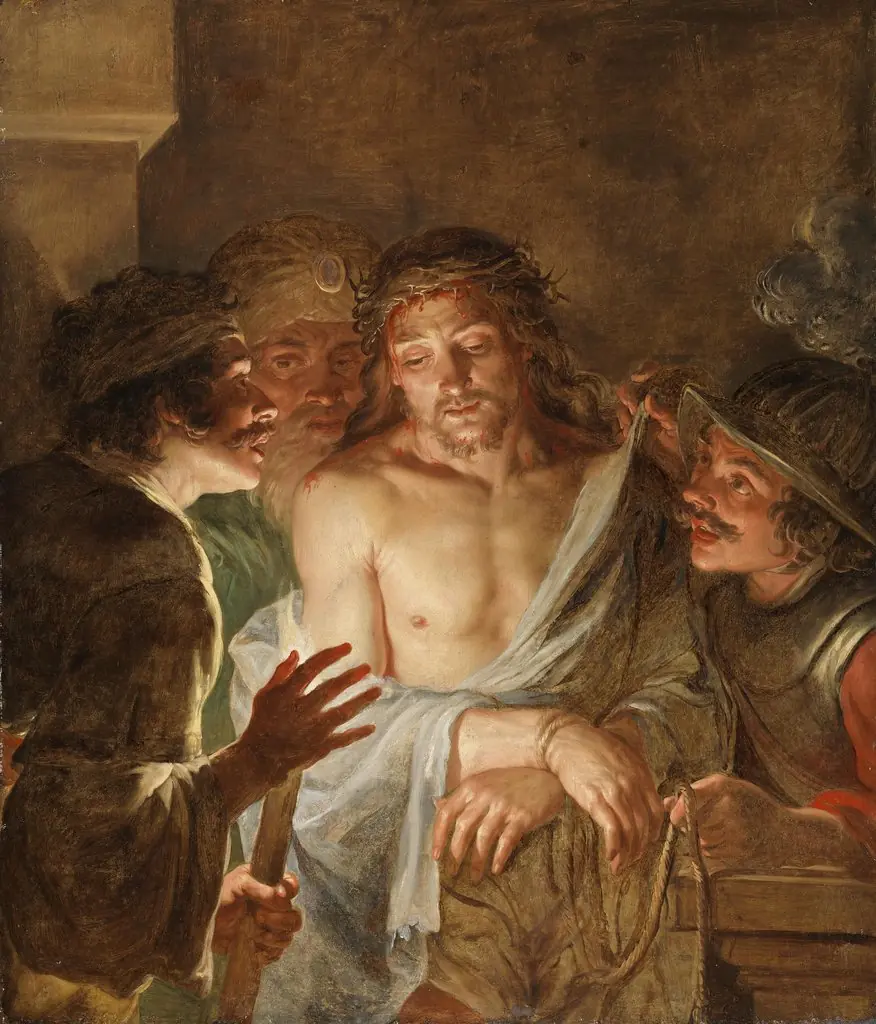
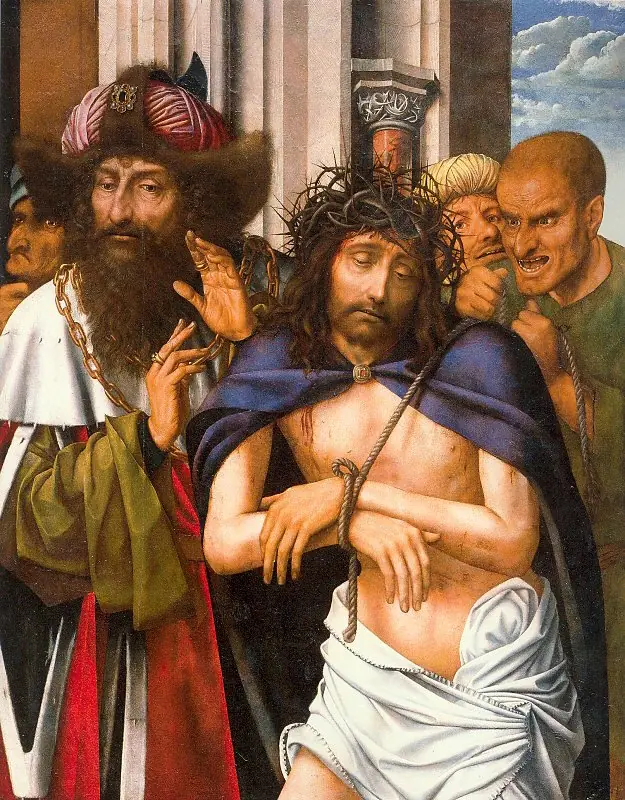
Ecce Homo is an oil painting by the Northern Renaissance artist Jan Mostaert. It dates from 1524 and is held in the collection of the Fitzwilliam Museum.
About this work
Overview
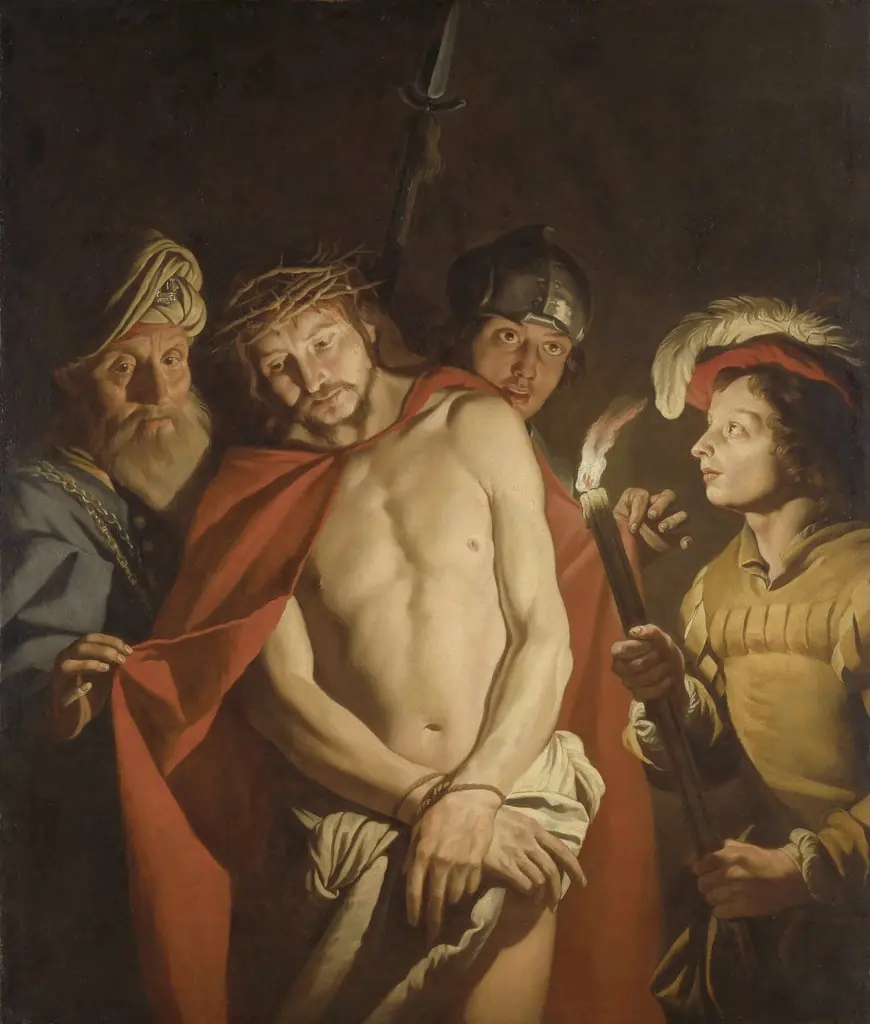
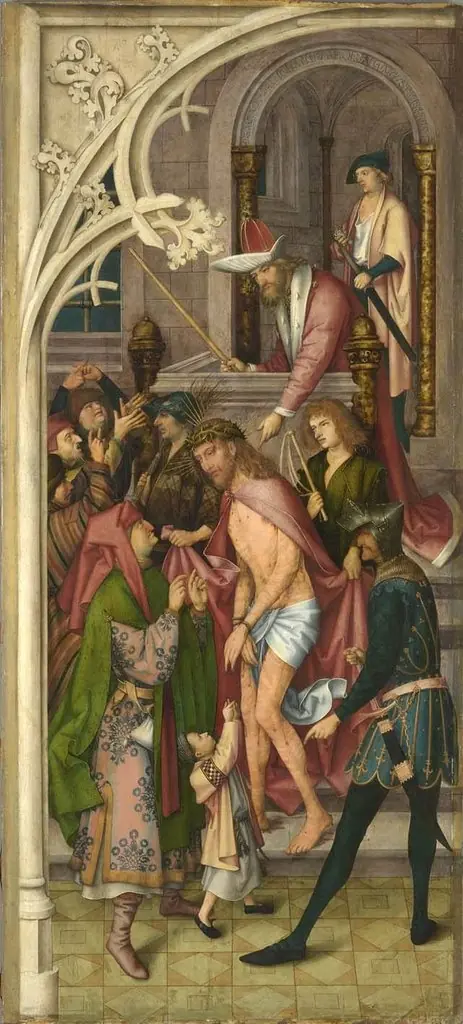
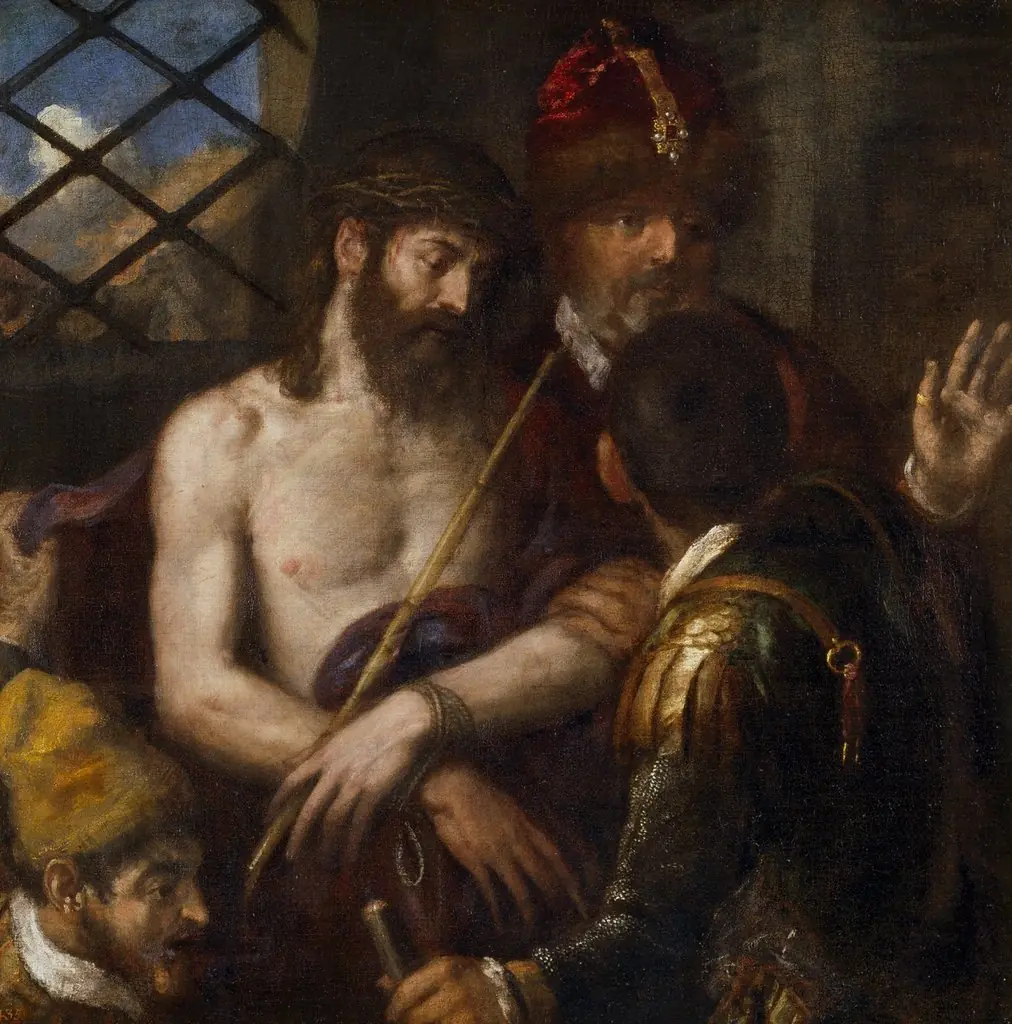
Jan Mostaert’s Ecce Homo, painted in oil in 1524, belongs to the Northern Renaissance. The composition presents a cramped interior where a half‑clothed Christ, crowned with thorns, is surrounded by three men. The work is part of the Fitzwilliam Museum’s collection and exemplifies the period’s interest in dramatic religious narrative.
Subject & Meaning
The scene captures the moment when Pontius Pilate presents a scourged Jesus to the crowd, a traditional ‘Ecce Homo’ motif. Christ’s twisted expression and exposed torso convey physical suffering, while the varied reactions of the surrounding figures, one shouting, another contemplative, suggest differing human responses to divine humiliation.
Technique & Style
Mostaert employs a strong chiaroscuro, allowing a focused beam of light to illuminate Christ’s face and chest against a deep, shadowy backdrop. The palette of dark reds, greens, and browns enhances the somber mood, and the painter’s layered application of oil creates rich tonal depth and textured brushwork on flesh and fabric.
History & Provenance
Created early in Mostaert’s mature period, the painting entered the Fitzwilliam Museum’s holdings in the 20th century, though precise acquisition details remain sparse. Its presence in a major British institution reflects the broader collecting interest in Northern Renaissance religious works.
Context
Mostaert worked in the Netherlands during a time when artists blended Gothic traditions with emerging Renaissance naturalism. Ecce Homo illustrates this transition, combining detailed facial expression with a heightened emotional atmosphere, aligning with contemporary devotional art intended for private contemplation.
Artist & collection
Artist
Jan Mostaert (c. 1475 – 1552/1553) was a Dutch Renaissance painter who is known mainly for his religious subjects and portraits. One of his most famous creations was the Landscape with an Episode from the Conquest of…

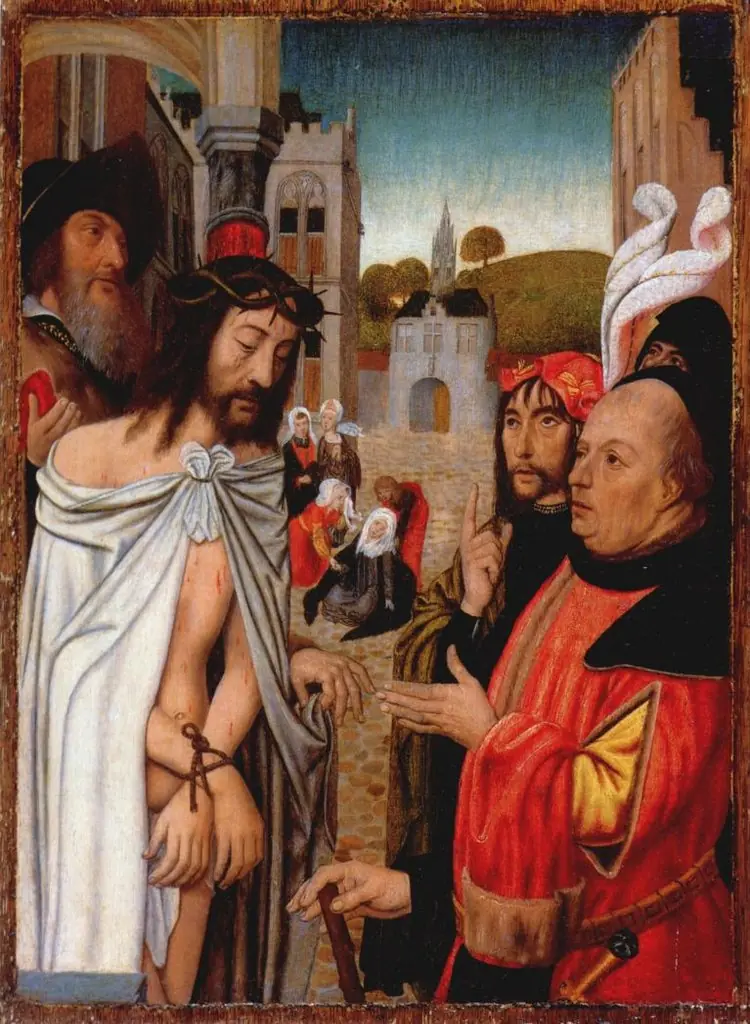 Christ Shown to the People
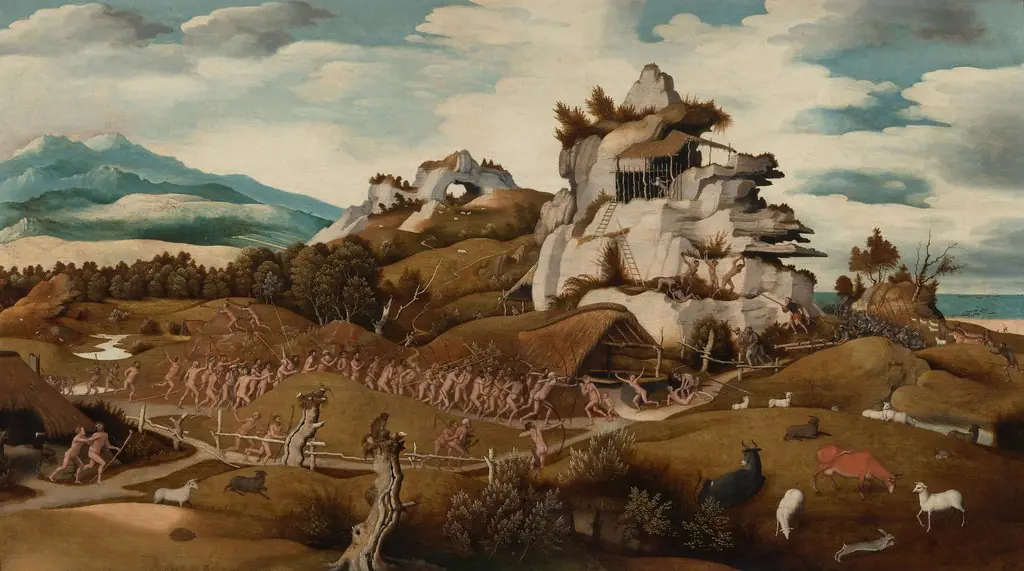 Landscape with a Scene of the Conquest of America
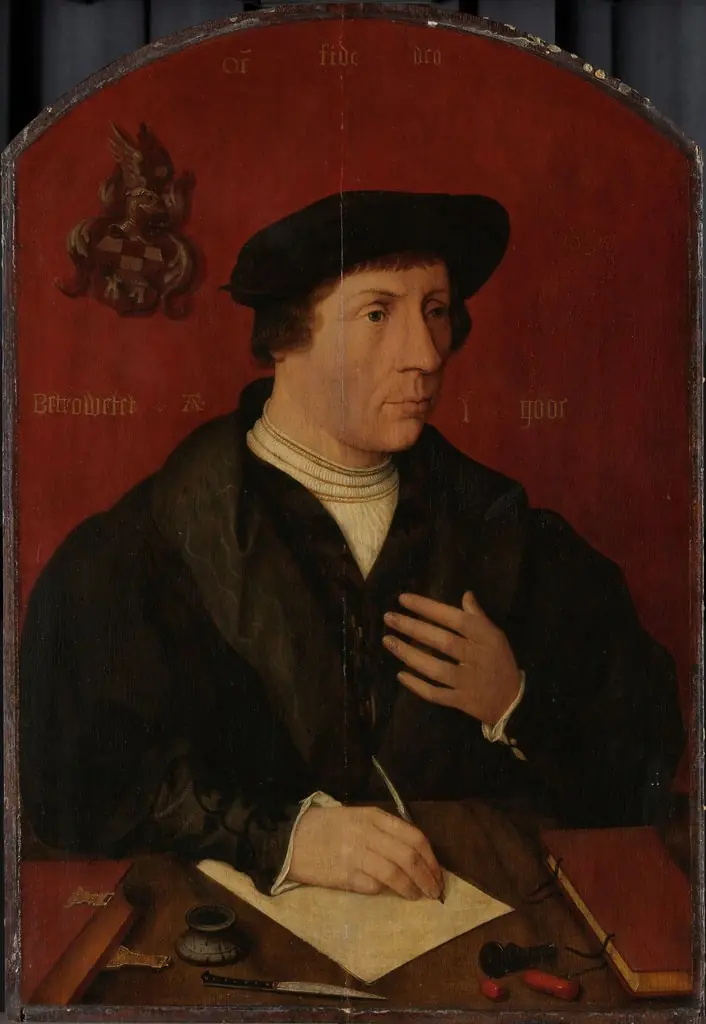 Portrait of a man
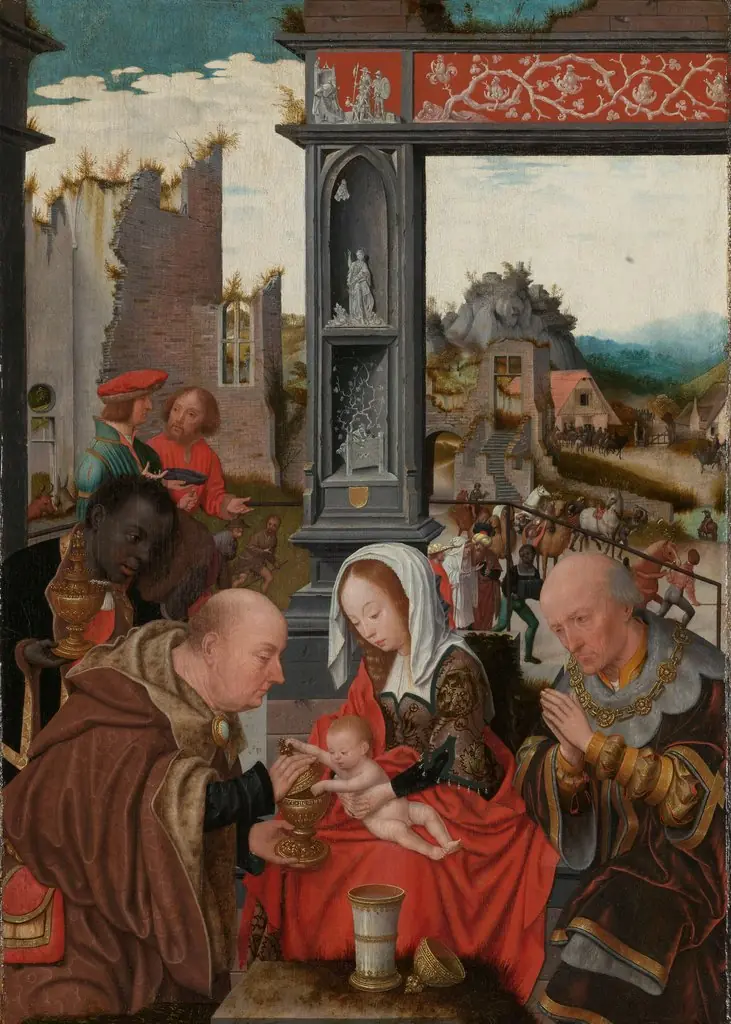 The Adoration of the Magi
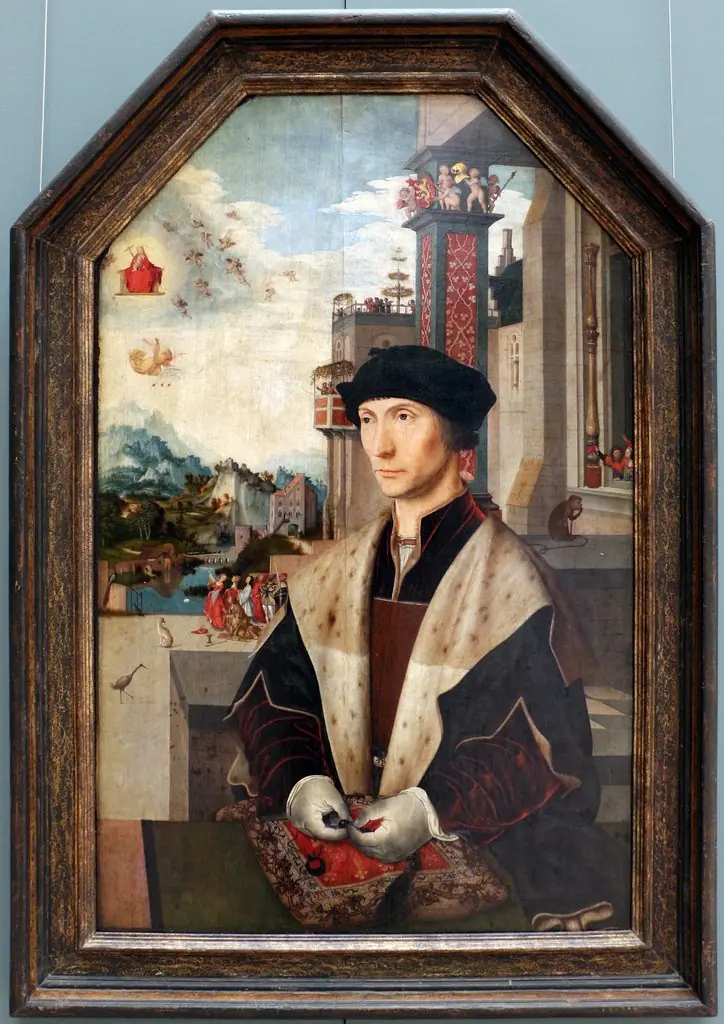 Portrait of the knight Abel van Coulster (1477-1548), representative to the Hof van Holland in 1512
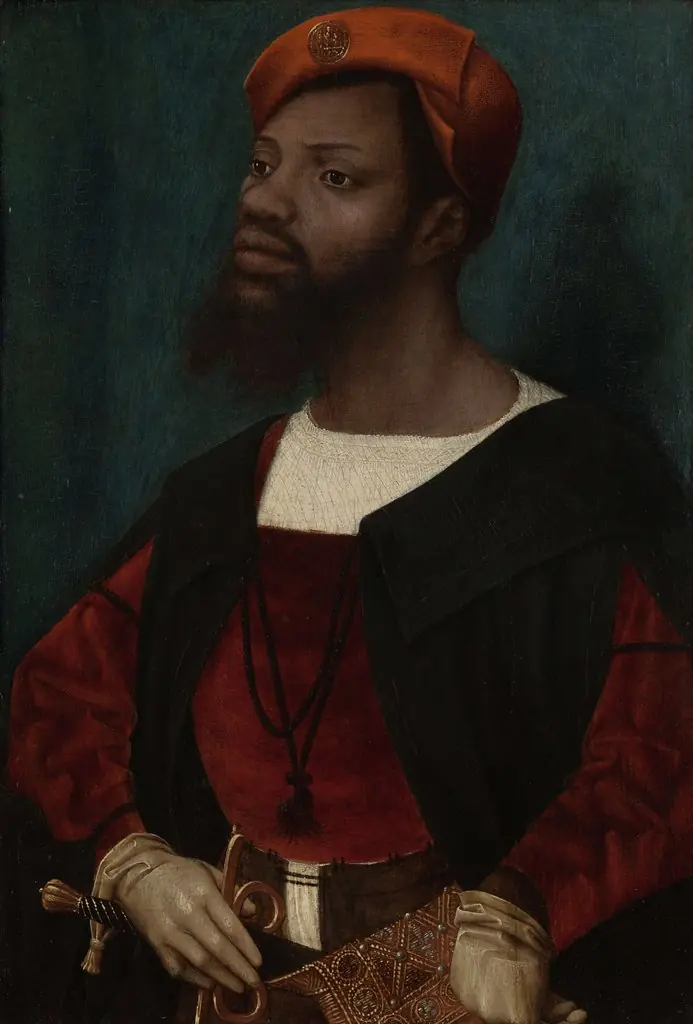 Portrait of an African Man (Christophle le More?)
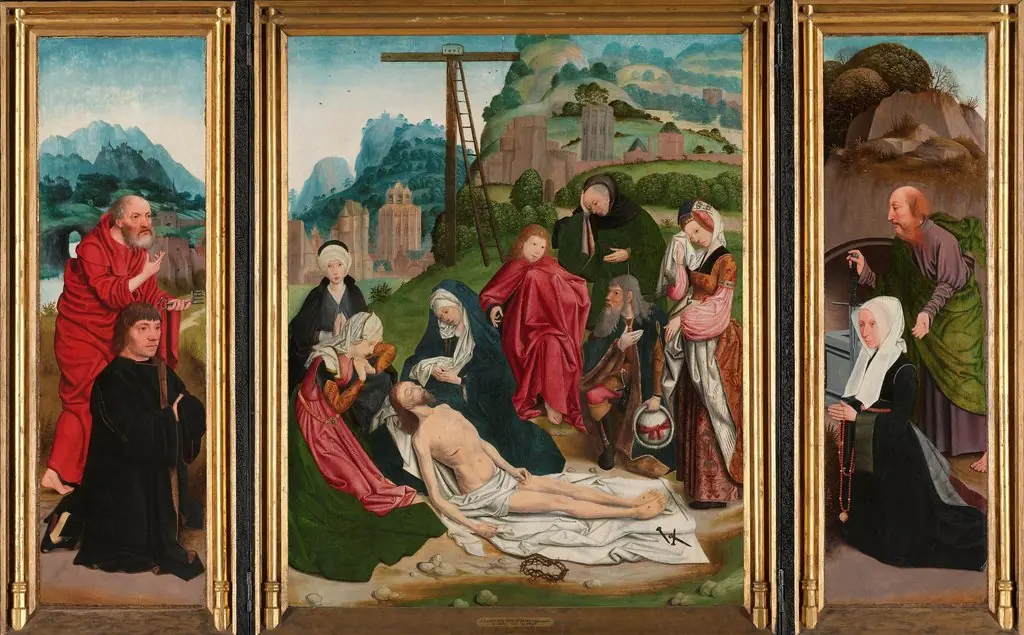 Triptych with the Lamentation (centre panel), the donor with St Peter (inner left wing), the donor’s wife with St Paul (inner right wing) and the donors’ coats of arms (outer wings)
 A Woman