Artwork
The Virgin and Child
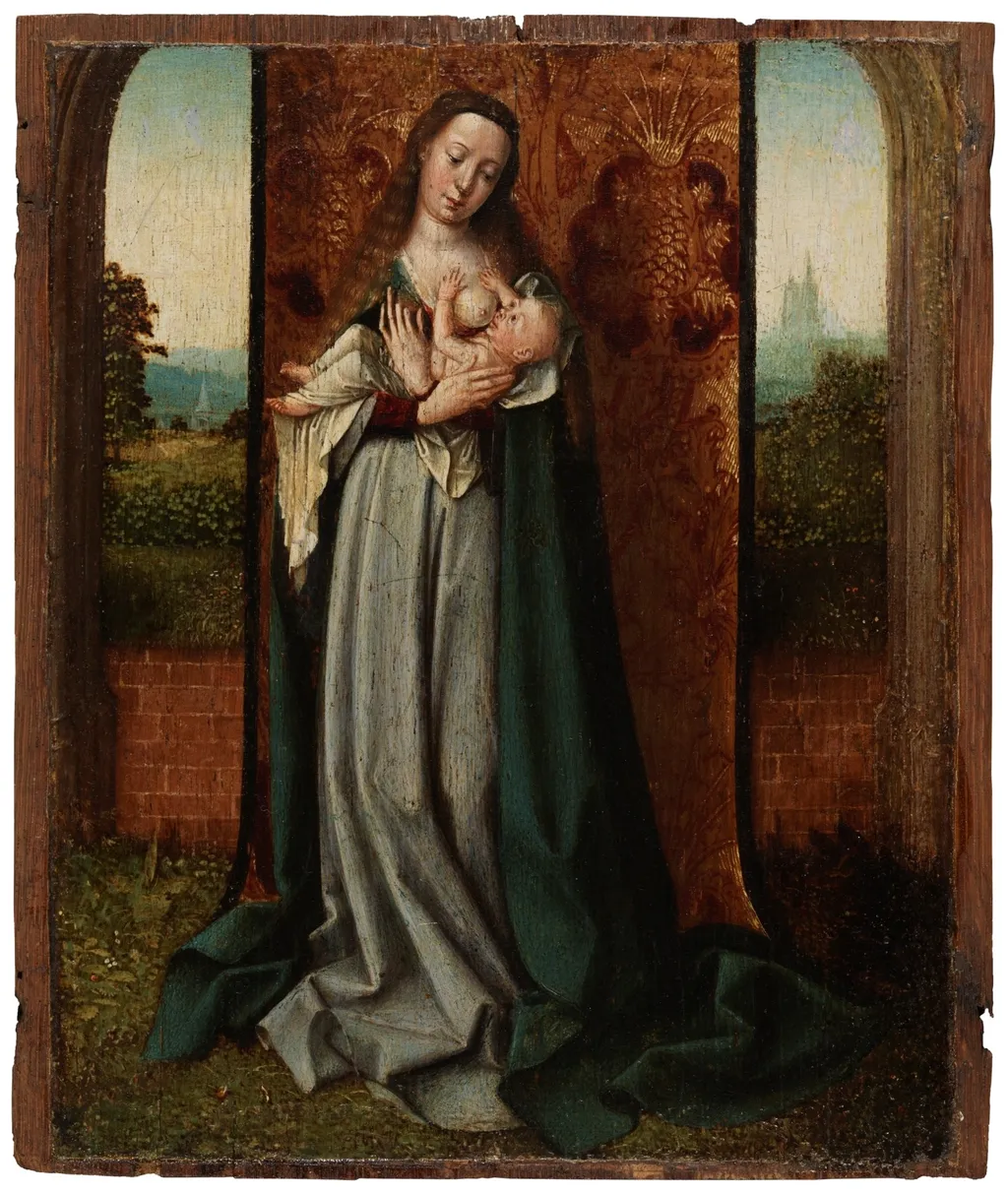
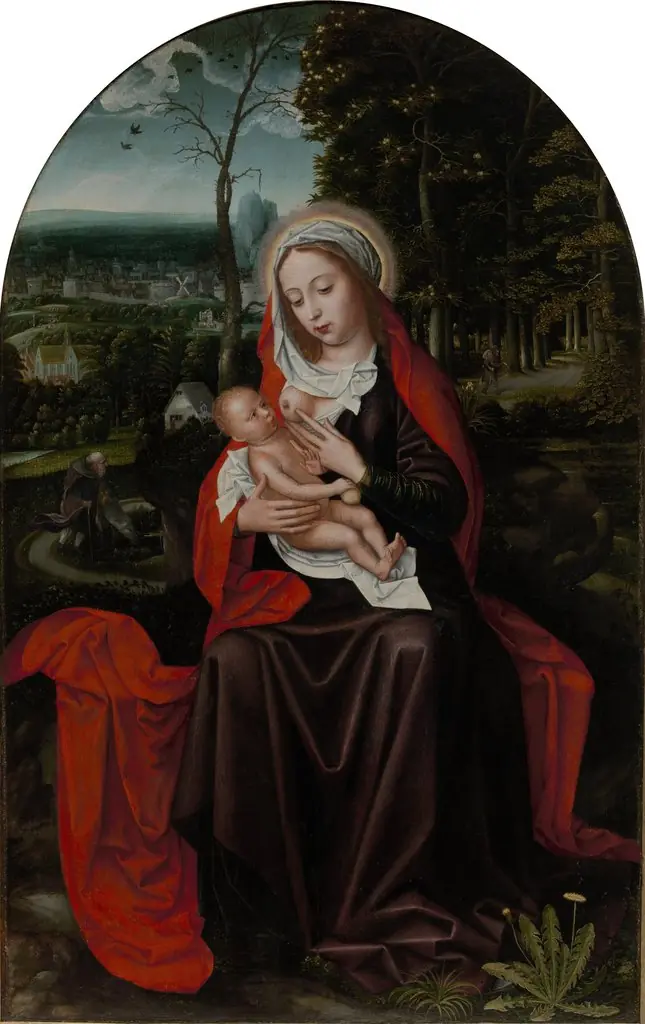
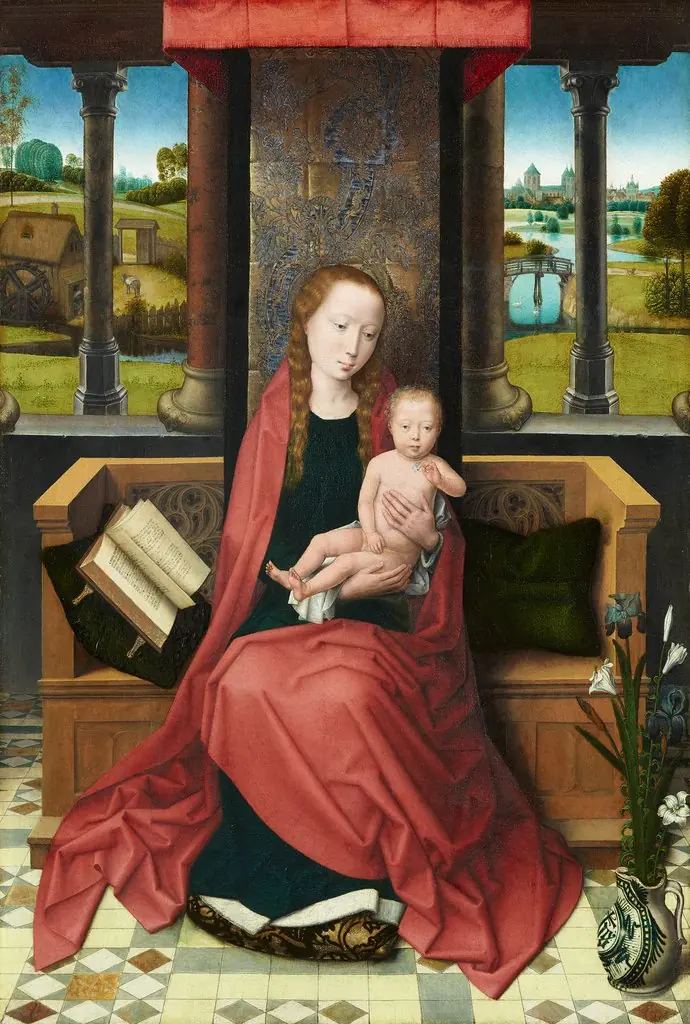
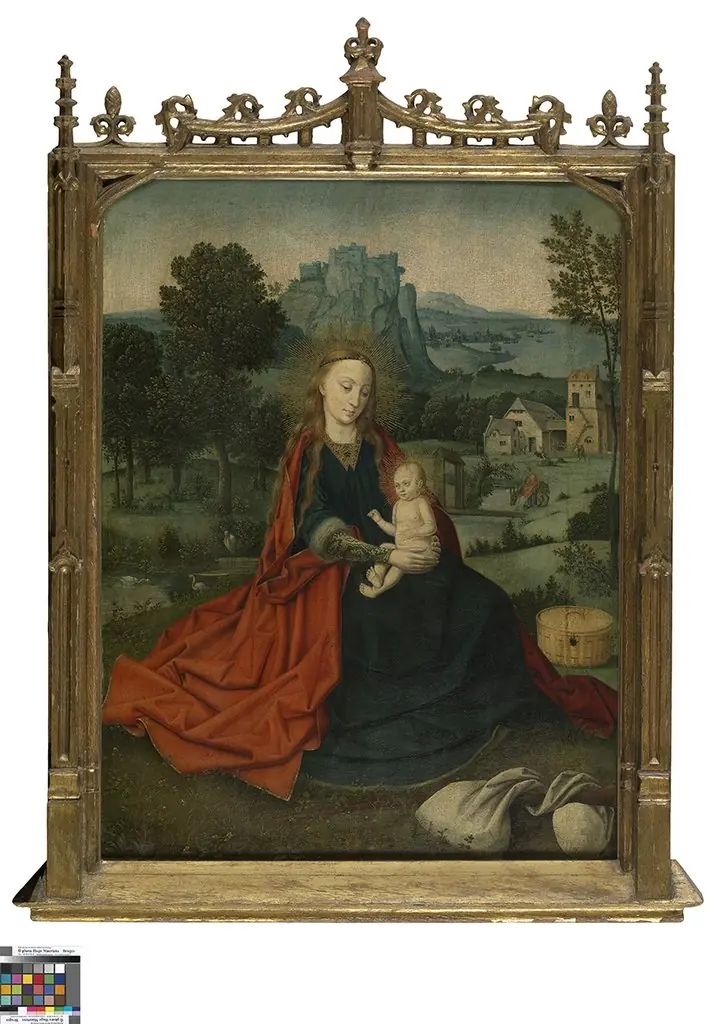
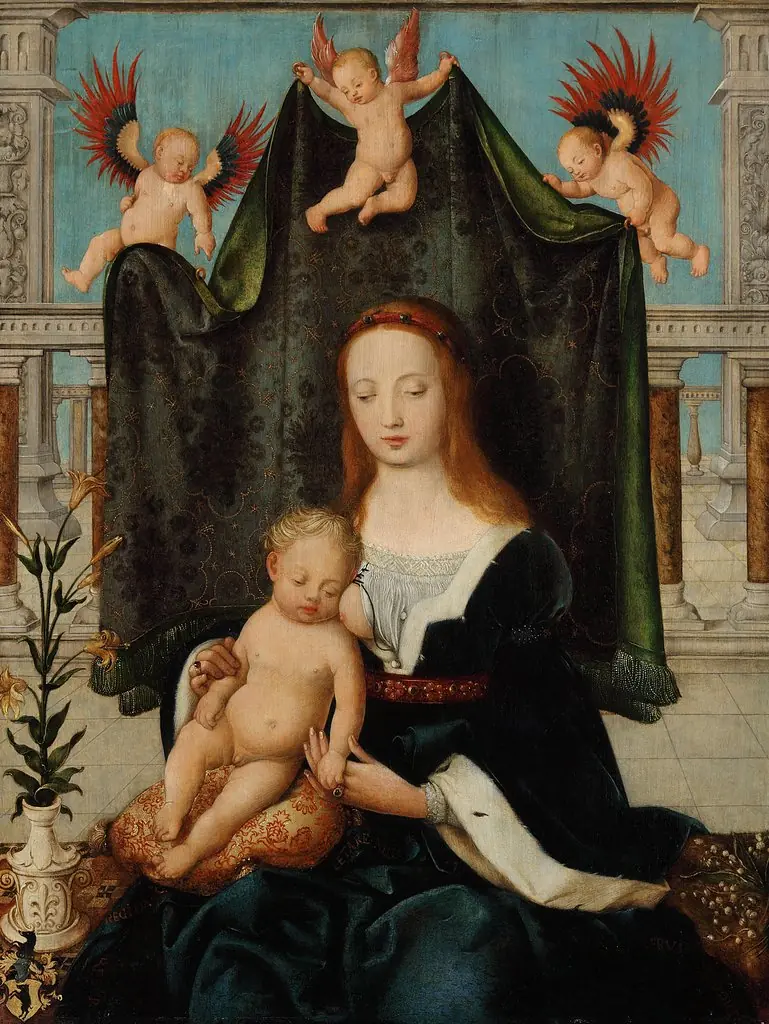
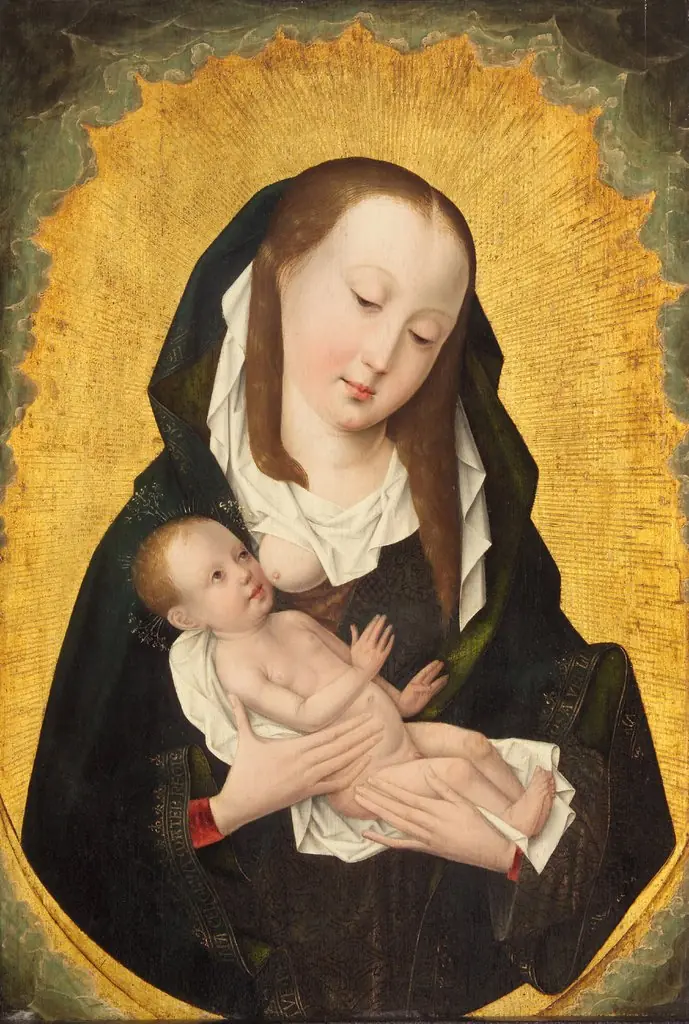
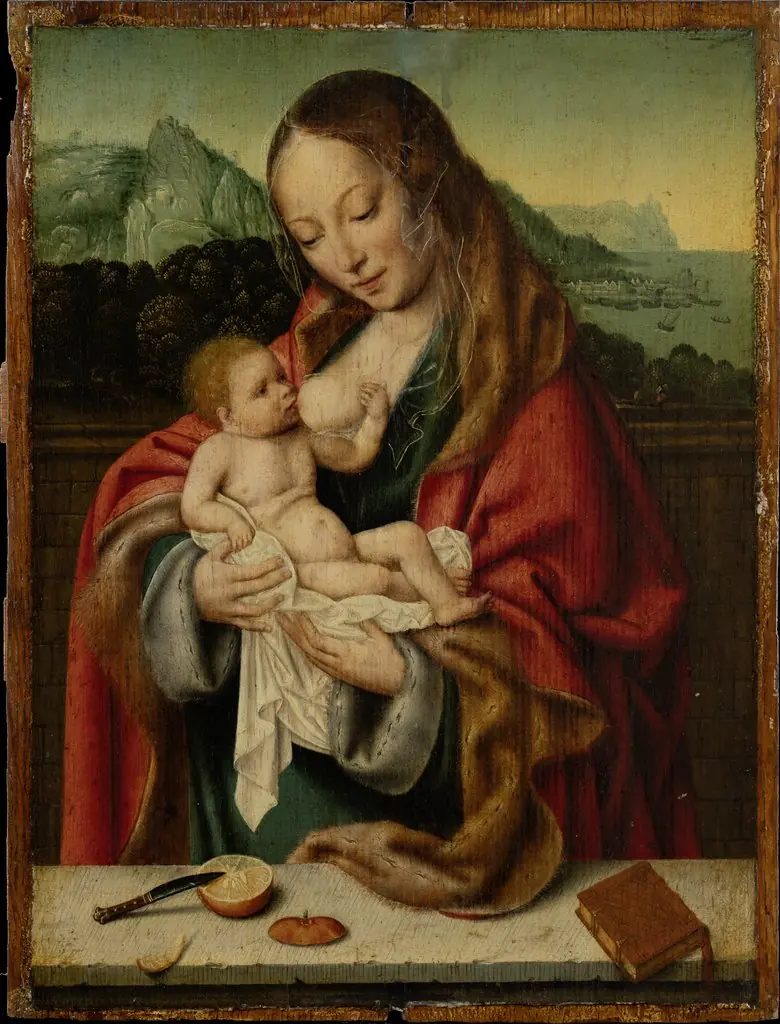
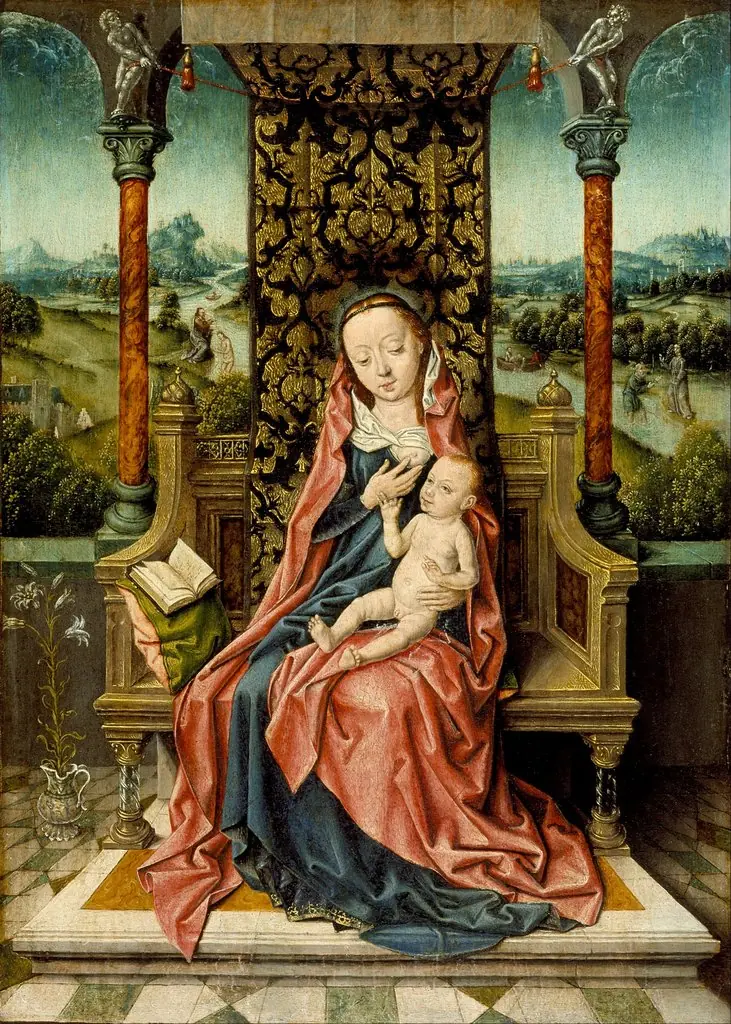
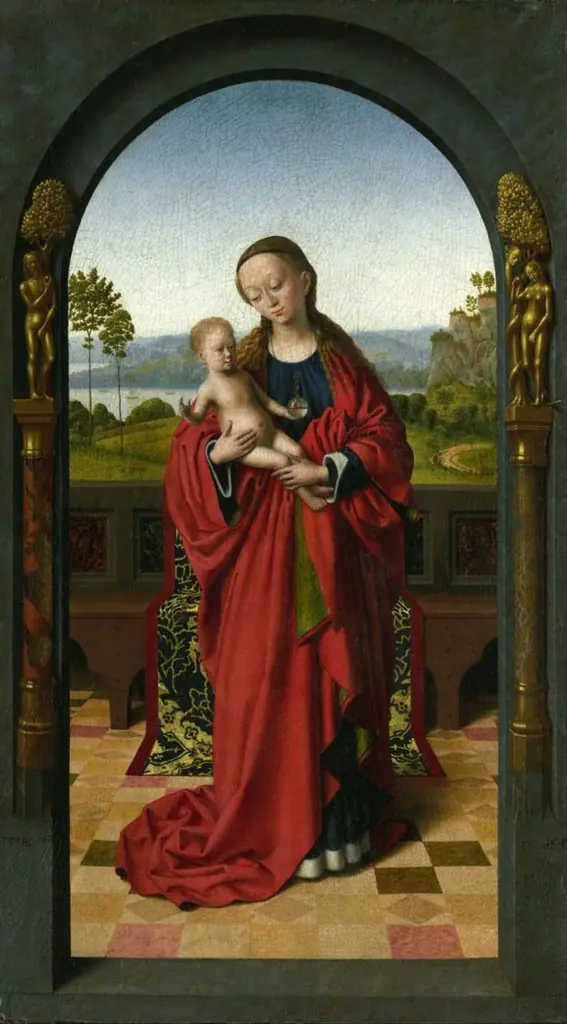
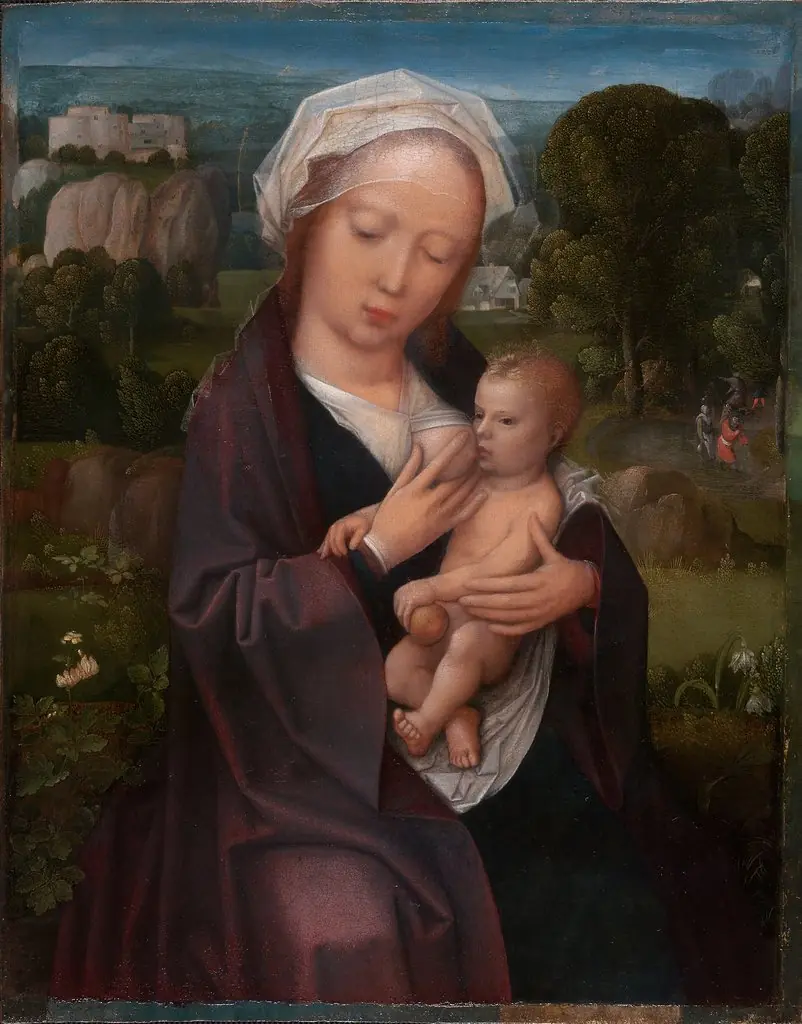
The Virgin and Child is an unspecified painting by the Northern Renaissance artist Jan Provoost. It dates from 1500 and is held in the collection of the Museo del Prado.
About this work
Subject & Meaning
Created around 1500 by Jan Provoost, this religious painting depicts the Madonna and Child as its primary subject.
Created around 1500 by Jan Provoost, this religious painting depicts the Madonna and Child as its primary subject. The composition features the Virgin Mary holding the Christ Child, a standard iconographic representation in Christian art symbolizing the incarnation and divine motherhood. As a work of religious genre, the image serves as a devotional focus, representing the theological bond between mother and son within the context of early 16th-century Flemish spirituality.
History & Provenance
The painting known as The Virgin and Child was created by the artist Jan Provoost around the year 1500. Classified as a religious work, it depicts the Madonna and Christ Child. The piece is currently held in the collection of the Museo del Prado, where it remains part of the institution's holdings.
While specific details regarding its original commission or intermediate ownership history are not provided in the available records, the work's inception is firmly dated to the turn of the sixteenth century.
The painting is housed in the Museo del Prado, where it is catalogued under the accession number P00968. It has been part of the museum’s collection since its acquisition, forming part of the institution’s permanent display of Flemish primitives. The work was featured in the 1995 Prado retrospective on Jan Provoost, highlighting its significance within the artist’s oeuvre and its role in the museum’s religious art holdings.
Context
The Virgin and Child by Jan Provoost, painted in 1500, exemplifies early 16th-century Netherlandish religious art and reflects the devotional emphasis of the period. Stylistically, it aligns with Provoost's broader oeuvre and the Antwerp School's output, demonstrating compositional innovations that influenced contemporaries in Antwerp and beyond. The work's depiction of the Madonna and Child, grounded in contemporary Marian iconography, has been analyzed in scholarship for its role in shaping devotional practices in the Low Countries, situating it within the transitional phase of Northern Renaissance aesthetics.
Its presence in the Museo del Prado collection since its acquisition underscores its recognized historical and artistic significance.
Overview
Created around 1500, The Virgin and Child is an oil painting by Jan Provoost, a Northern Renaissance artist originally from Mons. The work is part of the Museo del Prado’s collection and exemplifies the devotional imagery typical of the period.
Technique & Style
Provoost employs a restrained palette of soft hues while rendering the folds of the garments with precise, crisp brushwork. Gold leaf applied to the background and the ornate frame adds a luminous, sacred quality, and subtle chiaroscuro modelling gives the figures a modest sense of depth.
Own this work as a print
Artist & collection
Artist
Jan Provoost, or Jean Provost, or Jan Provost (1462/65 – January 1529) was a painter born in Mons.

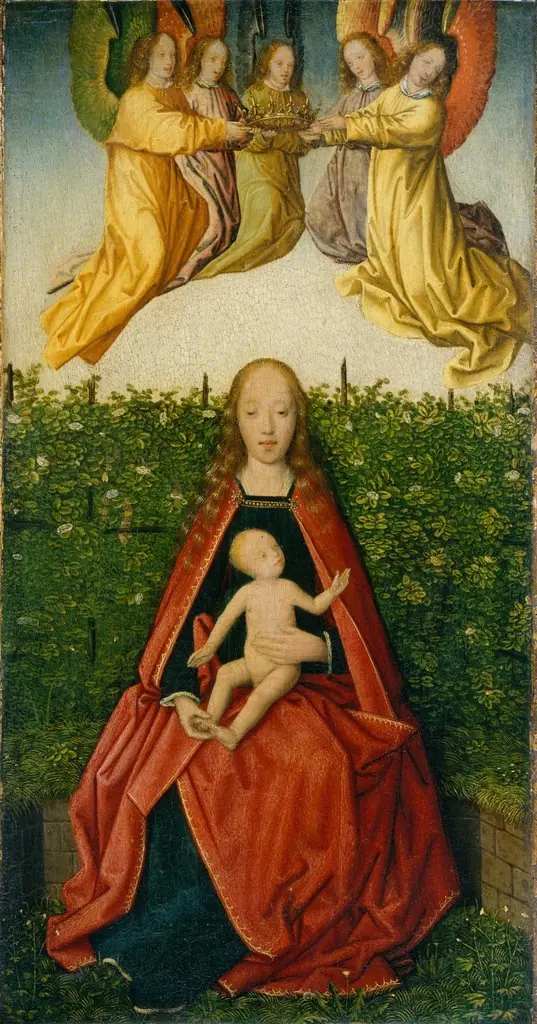 Virgin and Child
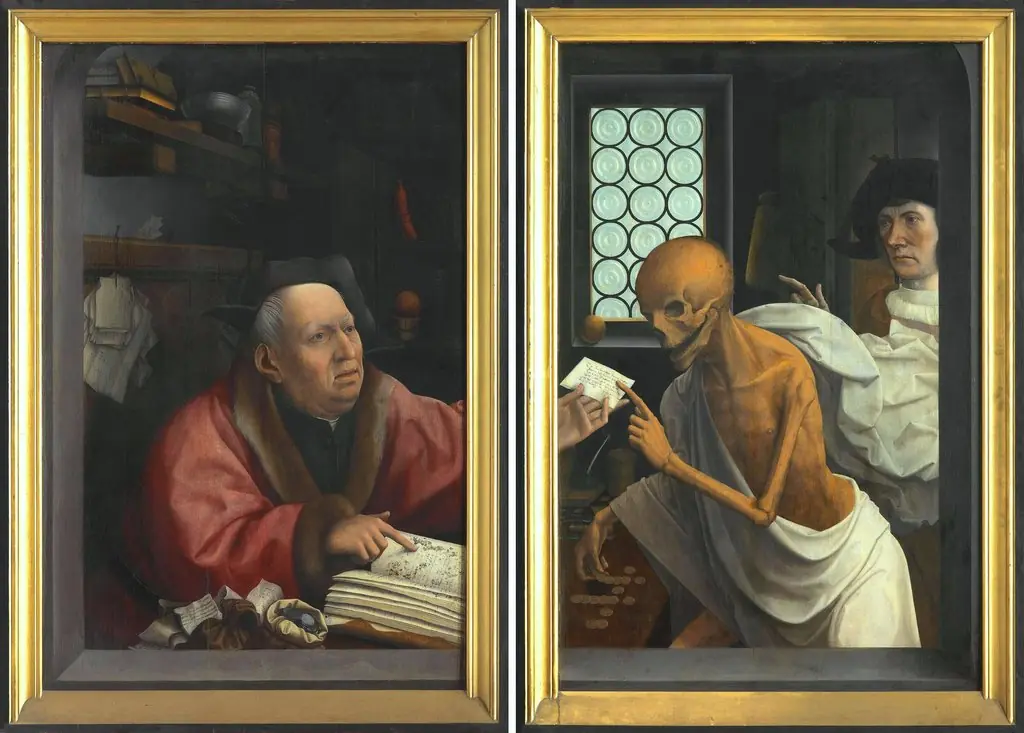 Death and the Miser (outer doors); St. Nicolas with donor and St. Godelieve with donor (inner doors)
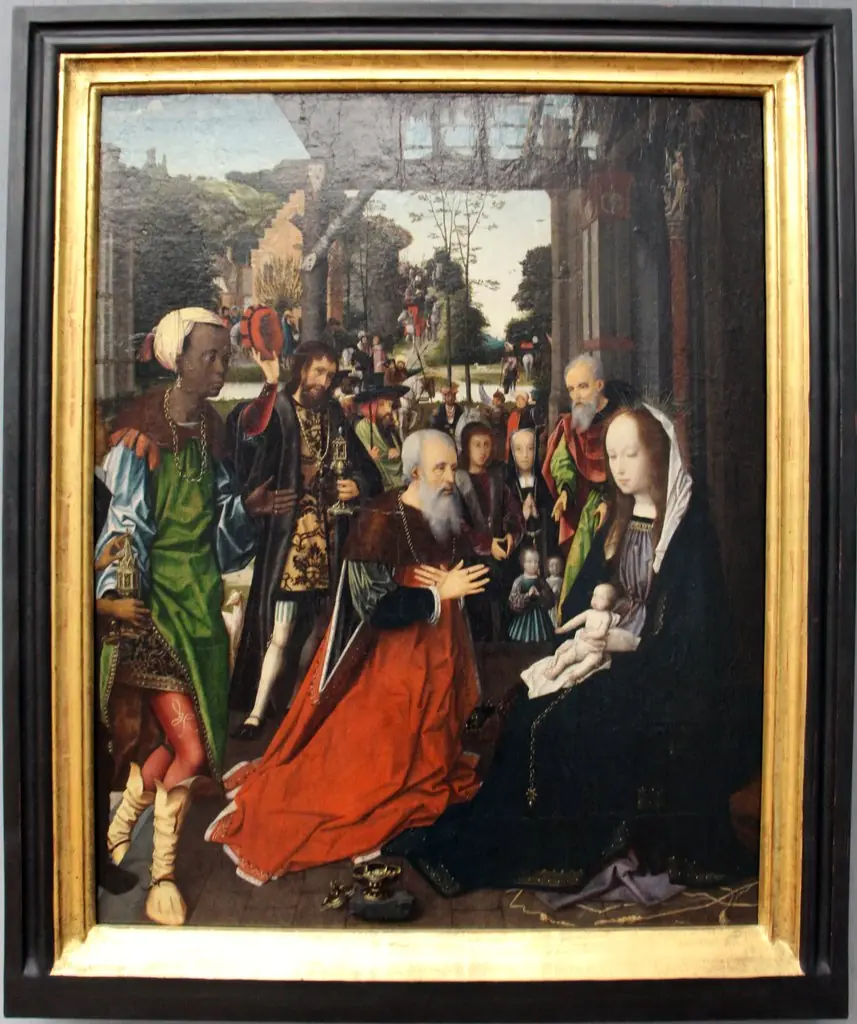 Adoration of the Magi
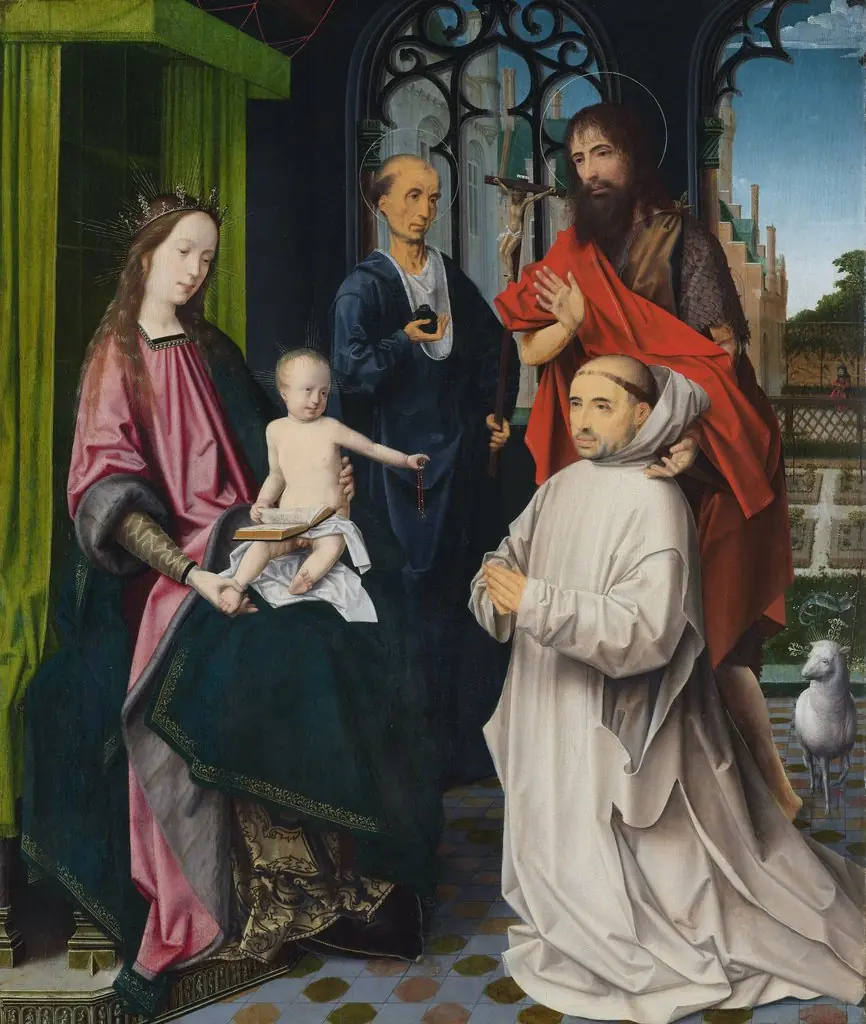 Virgin and Child Enthroned, with Saints Jerome and John the Baptist and a Carthusian Monk
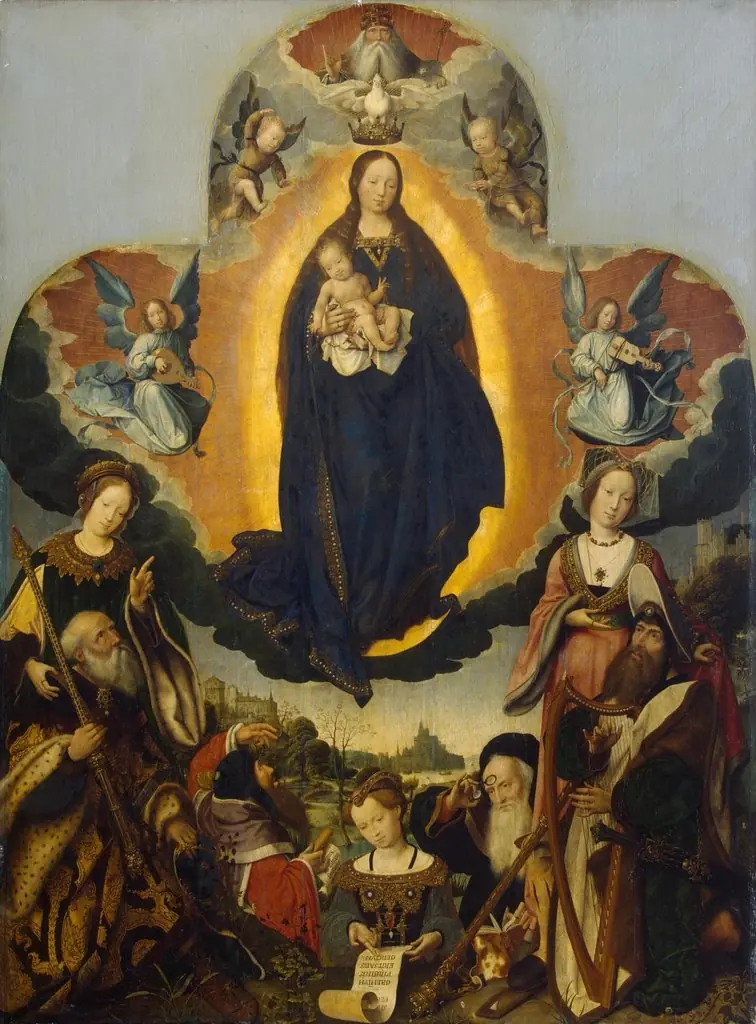 The Virgin Mary in Glory
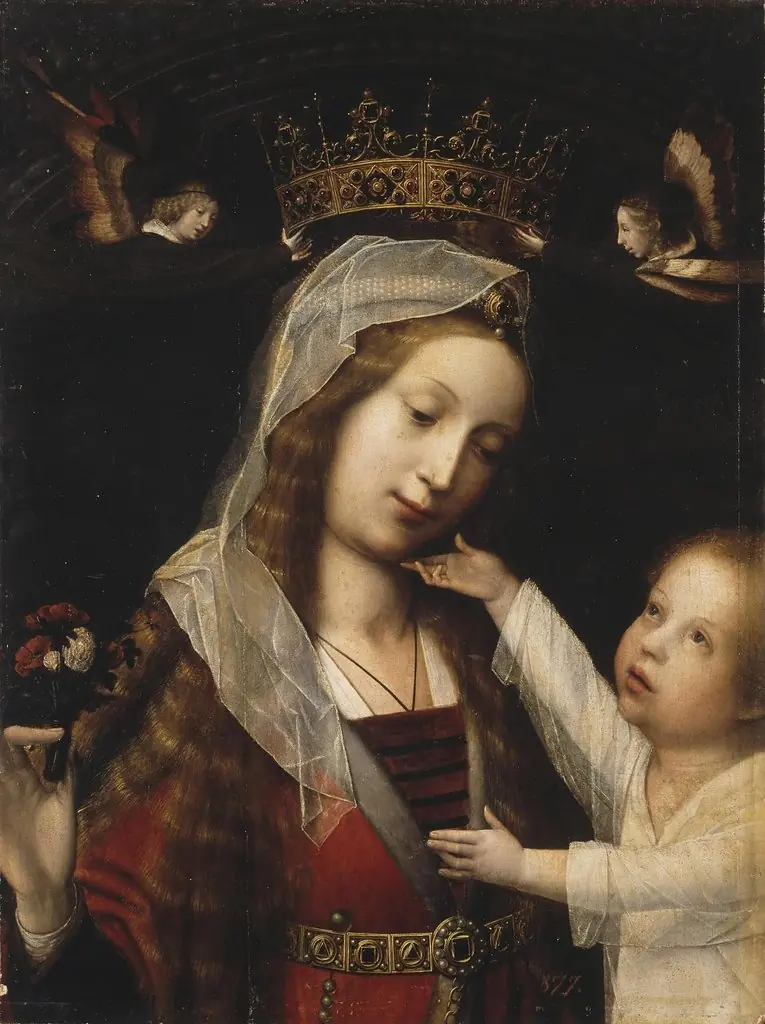 Madonna with the Child
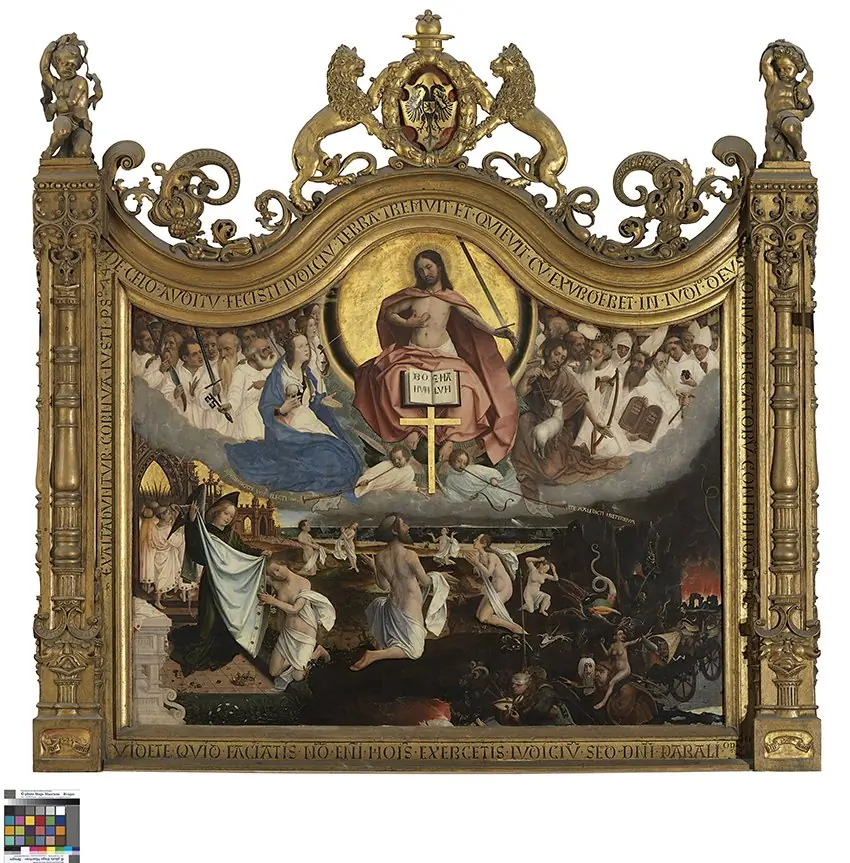 Last Judgement
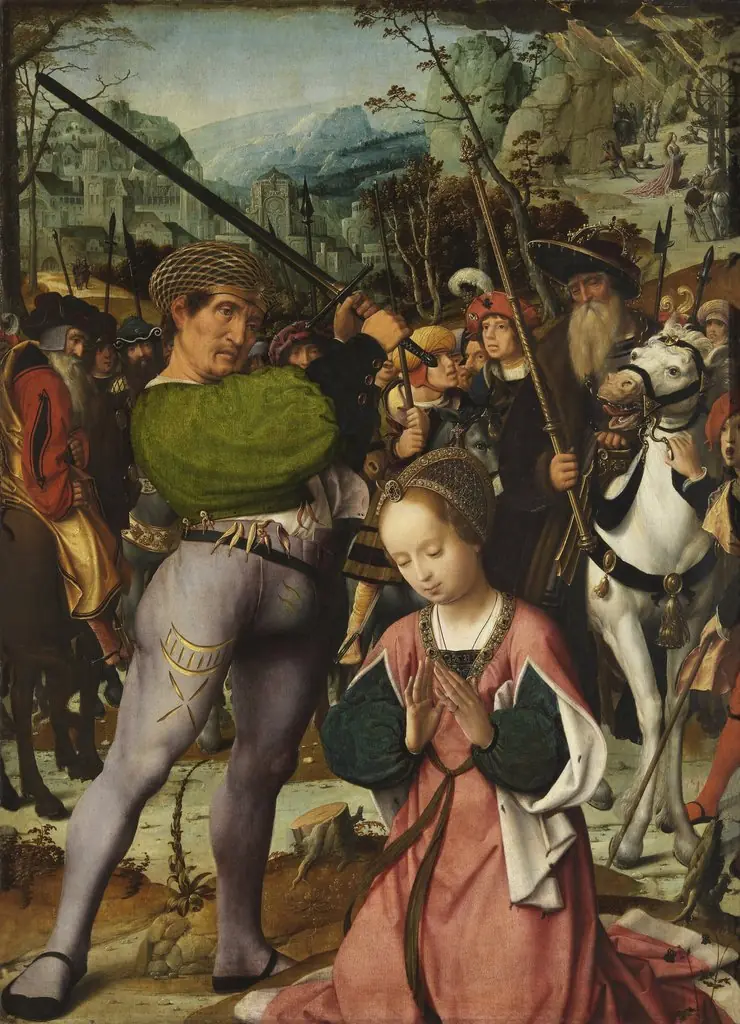 The Cruxifixion and the Life of Saint Catherine of Alexandria