Artwork
Last Judgement
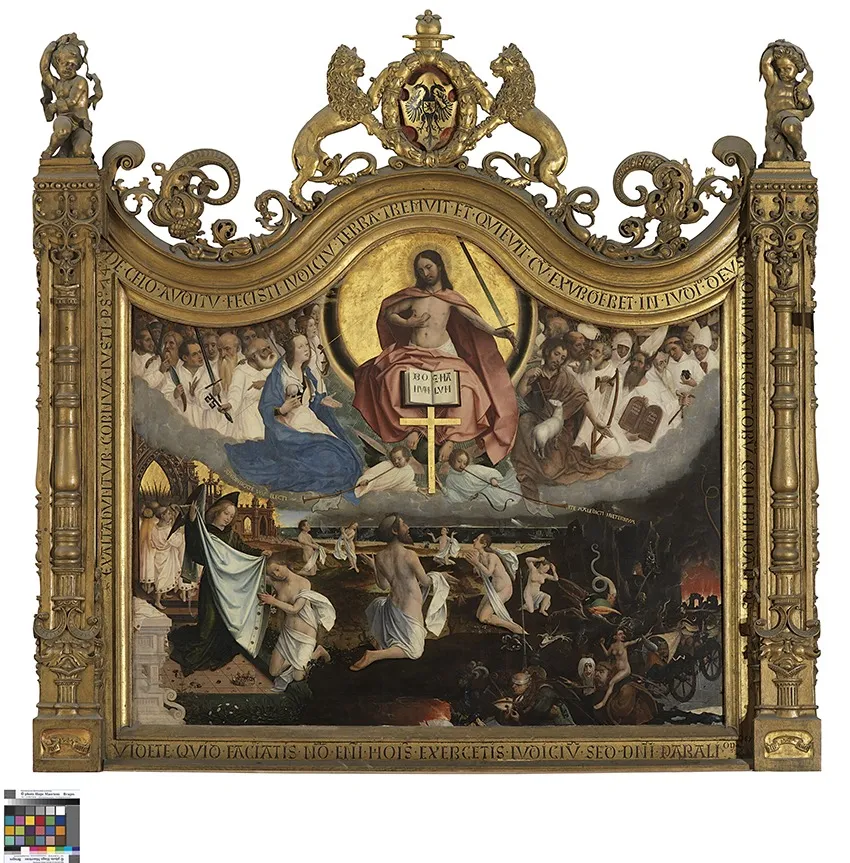
Last Judgement is an oil painting by the Northern Renaissance artist Jan Provoost. It dates from 1525 and is held in the collection of the Groeningemuseum. This oil painting, completed in 1525, presents the biblical scene of the Last Judgment.
About this work
Subject & Meaning
Surrounding him are saints and martyrs rendered in a monumental Gothic architectural setting, their gestures and gazes directed toward the heavenly tribunal.
The work portrays the biblical moment of divine assessment, where Christ presides over the separation of the saved and the damned. In the composition a radiant Christ figure occupies the central space, flanked by angels bearing instruments of judgment such as a sword and a book that records deeds. Surrounding him are saints and martyrs rendered in a monumental Gothic architectural setting, their gestures and gazes directed toward the heavenly tribunal.
Symbolic elements – a chariot representing triumph, a scale of justice implied by the balance of heavenly authority, and the open book signifying the record of souls – reinforce the theme of moral reckoning. The scene functions as a visual sermon on salvation, emphasizing the inevitability of divine judgment and the ultimate triumph of righteousness over sin.
Technique & Style
Jan Provoost's Last Judgement is executed in oil paint on an oak panel, a support typical of early Netherlandish painting. The work measures 169 cm in height by 145 cm in width. Its subject matter, the Day of Judgment, is rendered through a religious genre composition that incorporates Gothic architecture as a structural element of the scene.
Stylistically, the panel belongs to the Flemish tradition of the early sixteenth century, with the imagery organized around the central figure of Jesus Christ, accompanied by attributes such as a book and sword, and a chariot as part of the iconographic program. The classification as a justice panel situates the work within the tradition of devotional and didactic imagery produced for ecclesiastical settings.
History & Provenance
The Last Judgement by Jan Provoost is dated to 1525, aligning with the artist’s active period and the inscription on the work’s frame [1, 2]. Commissioned for a religious context, it was later acquired by the Groeningemuseum in Bruges, where it has remained in the collection of the Vlaamse Kunstcollectie [2]. The painting was exhibited in 1902 at the Exposition des primitifs flamands à Bruges, confirming its presence in institutional holdings by the early 20th century [2].
Measuring 169 cm in height and 145 cm in width, it is painted in oil on oak panel and depicts the Christian theme of the Last Judgement [2].
The painting is held in the Groeningemuseum, part of the Vlaamse Kunstcollectie in Bruges, Belgium.
It is inventoried as accession number 0.00.000.000, with dimensions of 169 cm in height and 145 cm in width.
The work was exhibited at the Exposition des primitifs flamands à Bruges.
Context
Jan Provoost's Last Judgement, completed in 1525, stands as a significant example of early Netherlandish religious art. The work, executed in oil on oak panel, depicts the Day of Judgment with iconographic elements such as Jesus Christ, Gothic architecture, and a sword, reflecting the artist's engagement with contemporary theological themes. Its inclusion in the Exposition des primitifs flamands à Bruges underscores its recognized place within the canon of Flemish Primitives.
Currently held by the Groeningemuseum, the painting contributes to the understanding of Provoost's oeuvre and the broader visual culture of justice and eschatology in sixteenth-century Flanders.
Legacy
The Last Judgement by Jan Provoost, painted in 1525, exerted influence through its dramatic composition and integration of Gothic architectural motifs within a religious narrative. Its depiction of the Day of Judgment, featuring Christ, a chariot, and symbolic objects such as a sword and book, contributed to the evolution of judgment scenes in early Netherlandish art. The work’s presence in the Groeningemuseum’s collection and its exhibition history, including the Exposition des primitifs flamands à Bruges, underscore its enduring reputation as a key example of religious panel painting from the period.
Overview
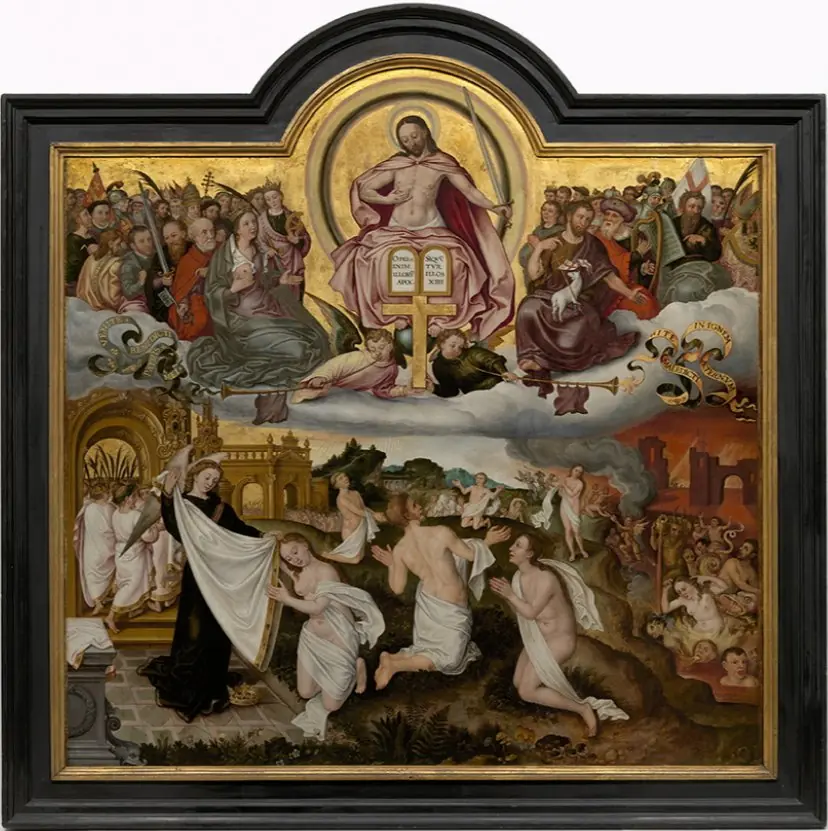
This oil painting, completed in 1525, presents the biblical scene of the Last Judgment. A central robed figure bearing a cross dominates the composition, positioned above a divided crowd. The work belongs to the Northern Renaissance and is preserved in the Groeningemuseum collection.
Artist & collection
Artist
Jan Provoost, or Jean Provost, or Jan Provost (1462/65 – January 1529) was a painter born in Mons.

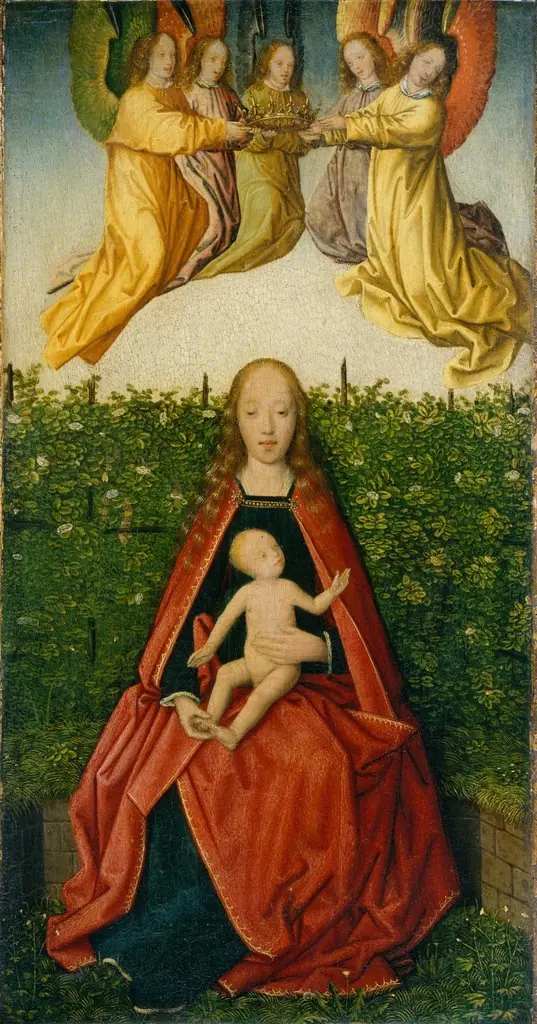 Virgin and Child
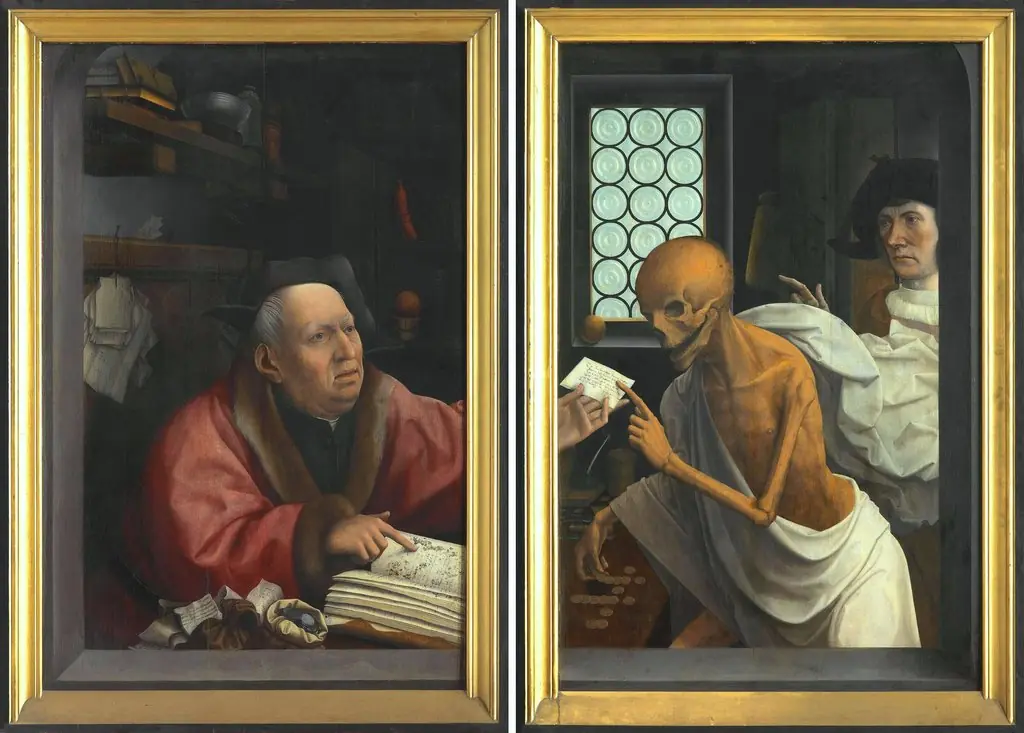 Death and the Miser (outer doors); St. Nicolas with donor and St. Godelieve with donor (inner doors)
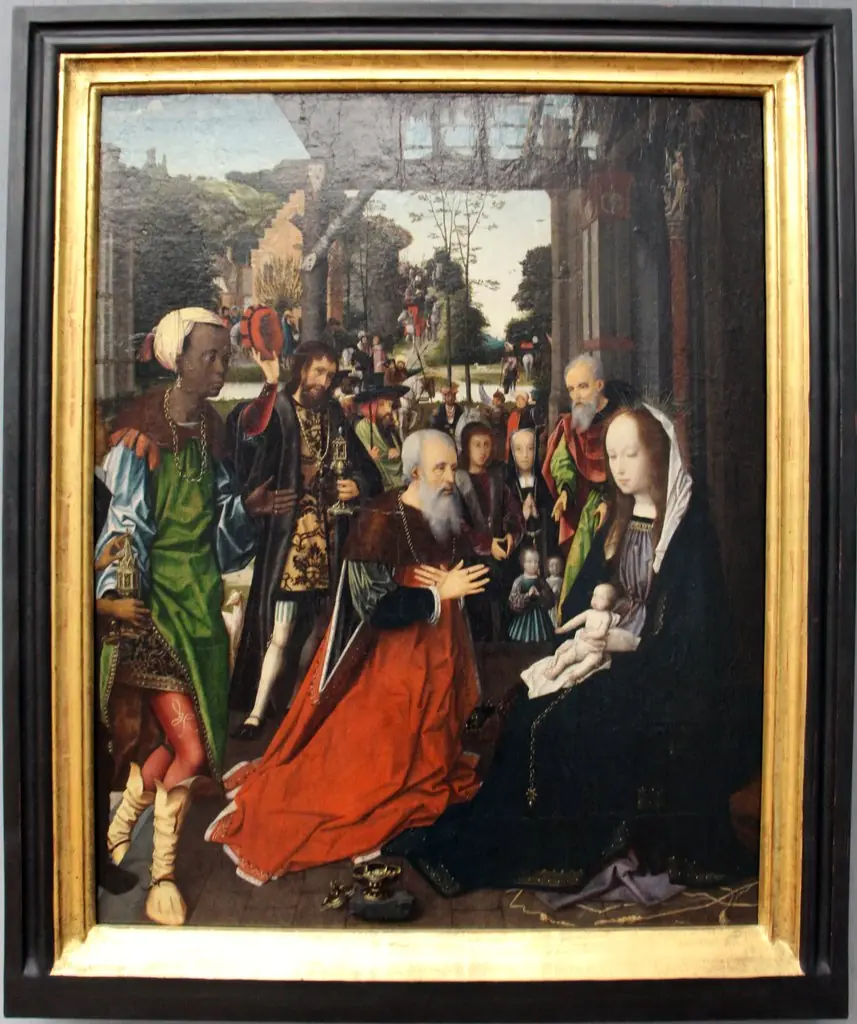 Adoration of the Magi
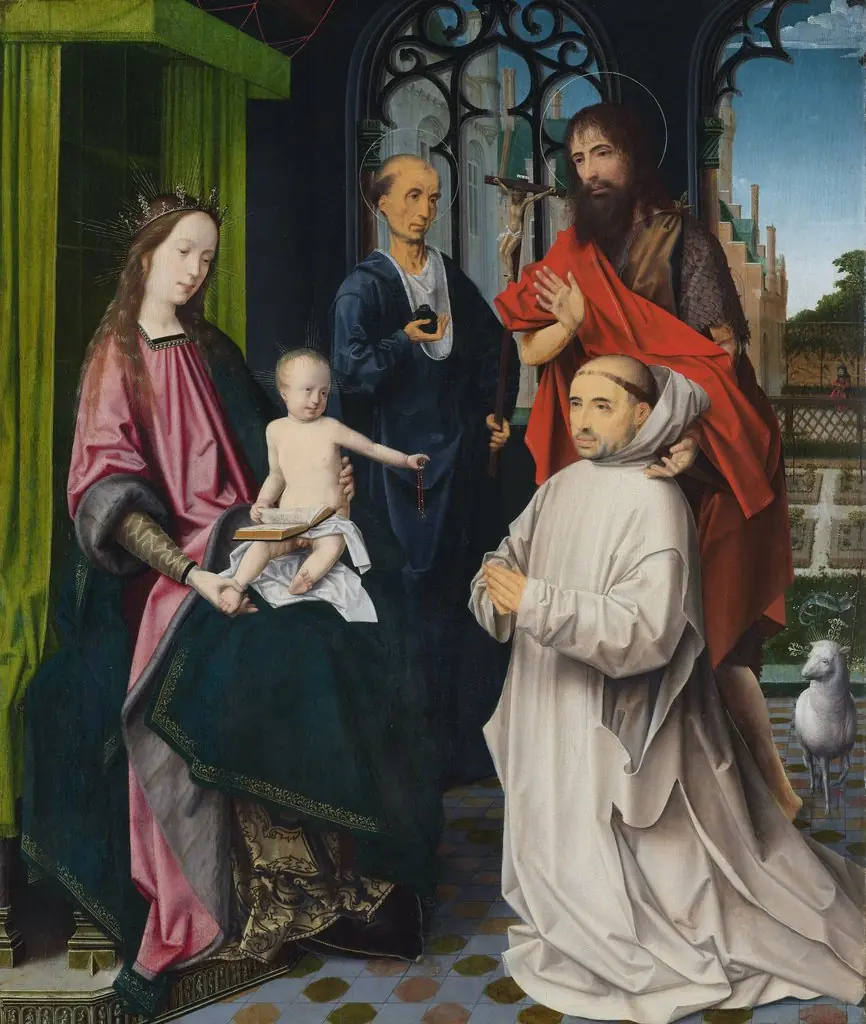 Virgin and Child Enthroned, with Saints Jerome and John the Baptist and a Carthusian Monk
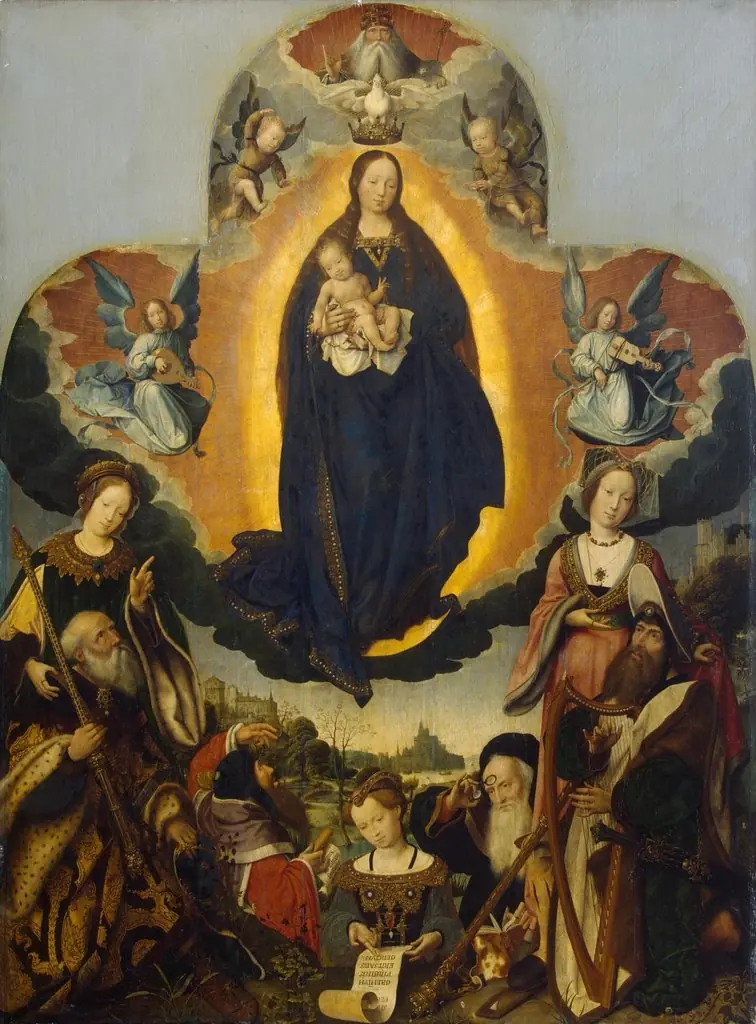 The Virgin Mary in Glory
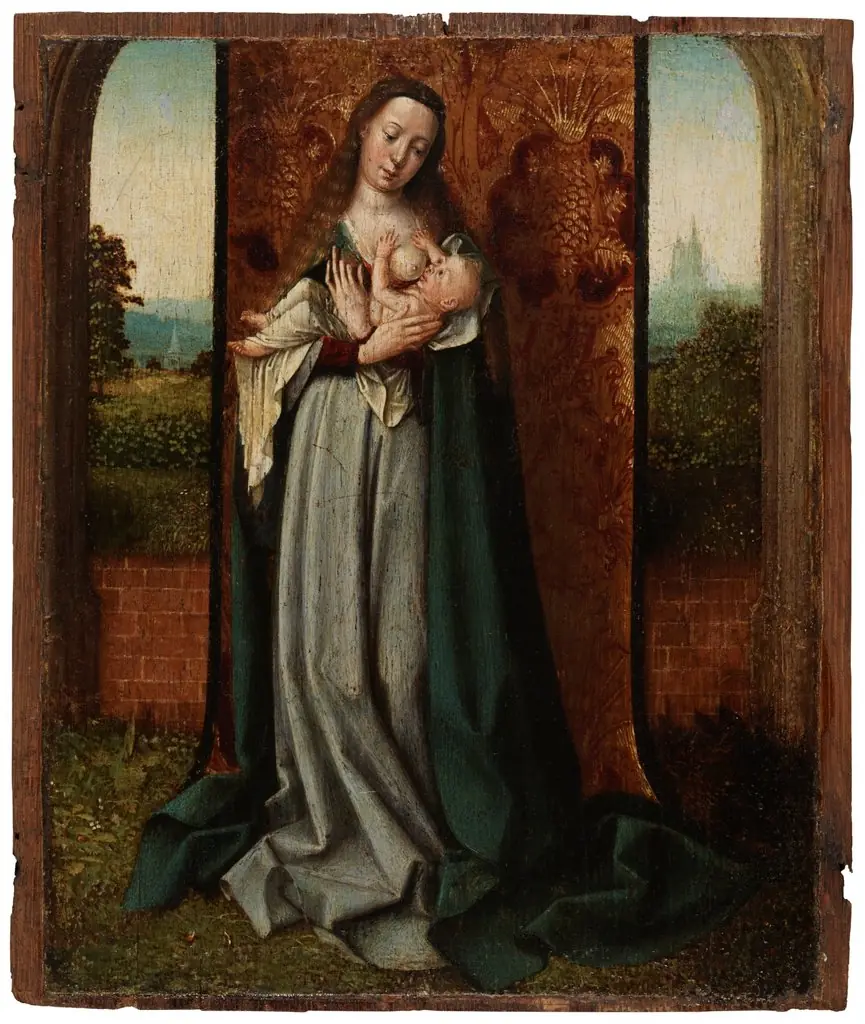 The Virgin and Child
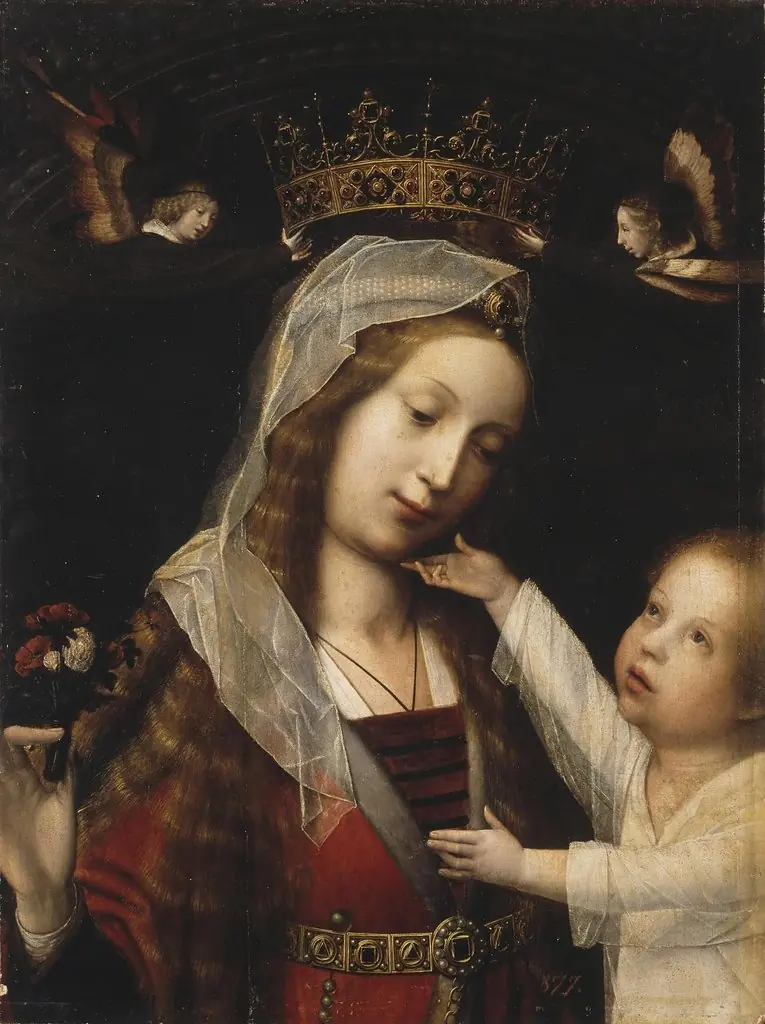 Madonna with the Child
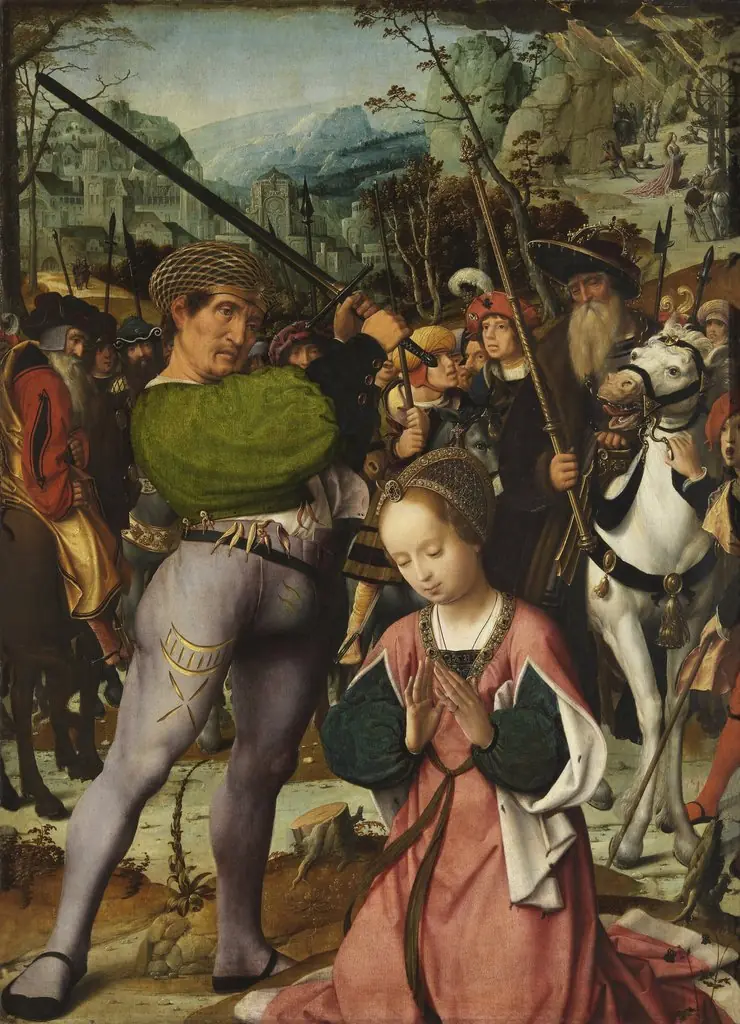 The Cruxifixion and the Life of Saint Catherine of Alexandria
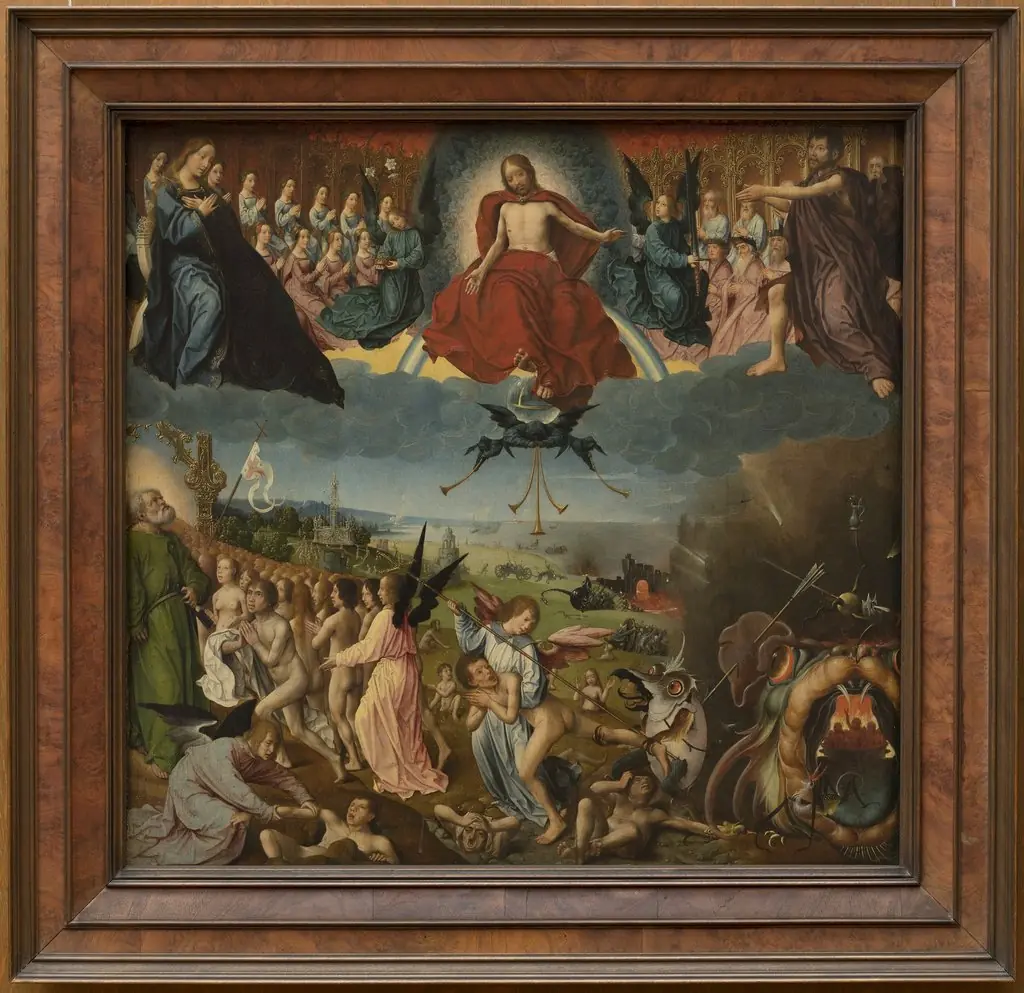 The Last Judgment
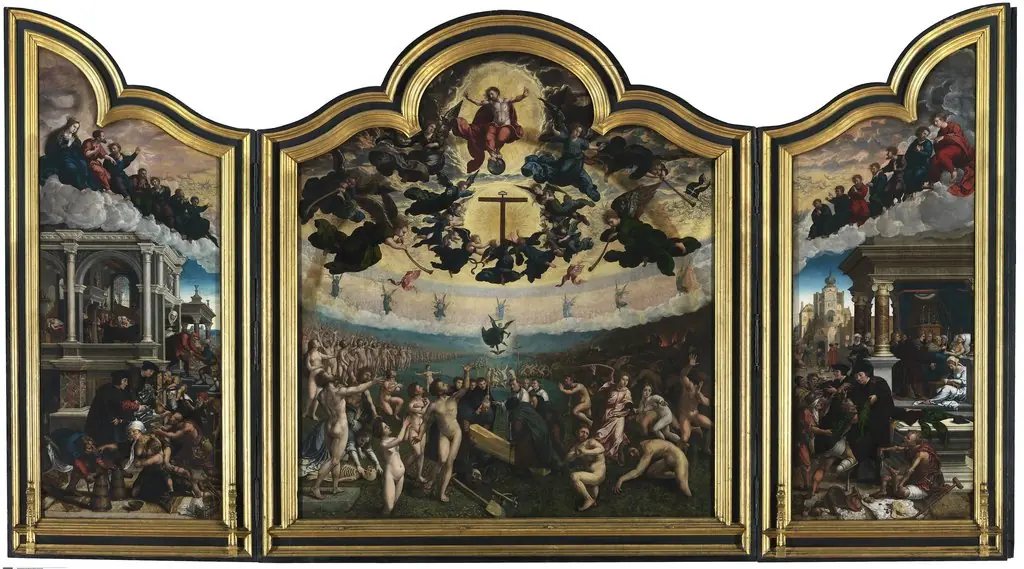 Last Judgement and the seven Acts of Mercy
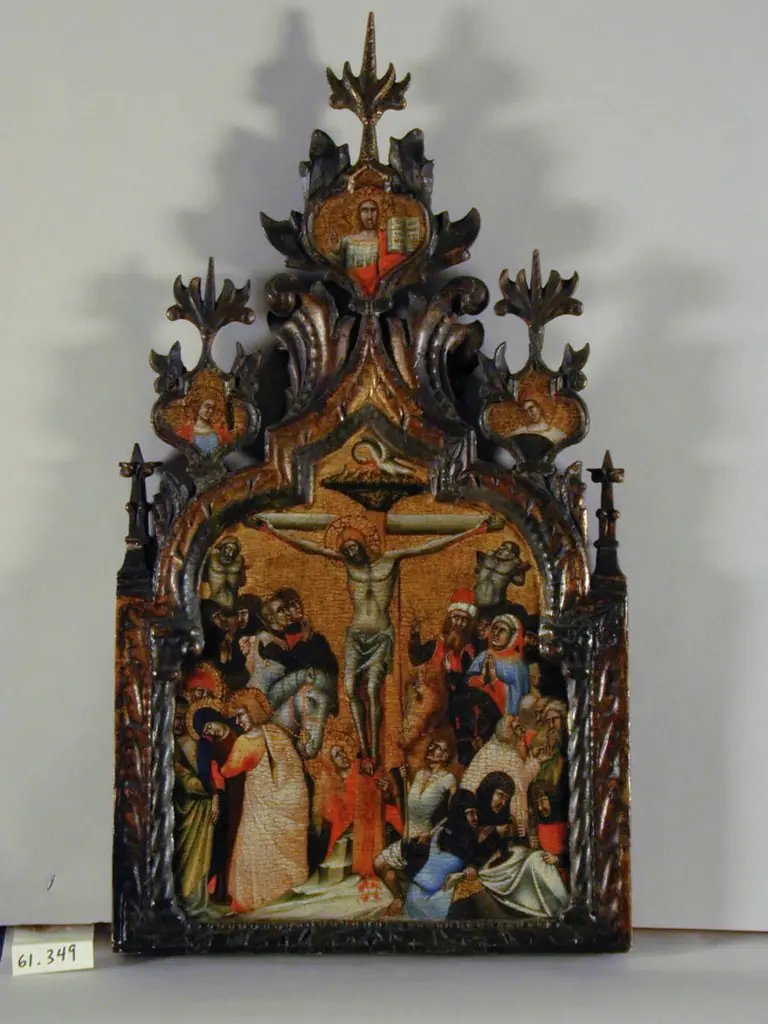 The Crucifixion
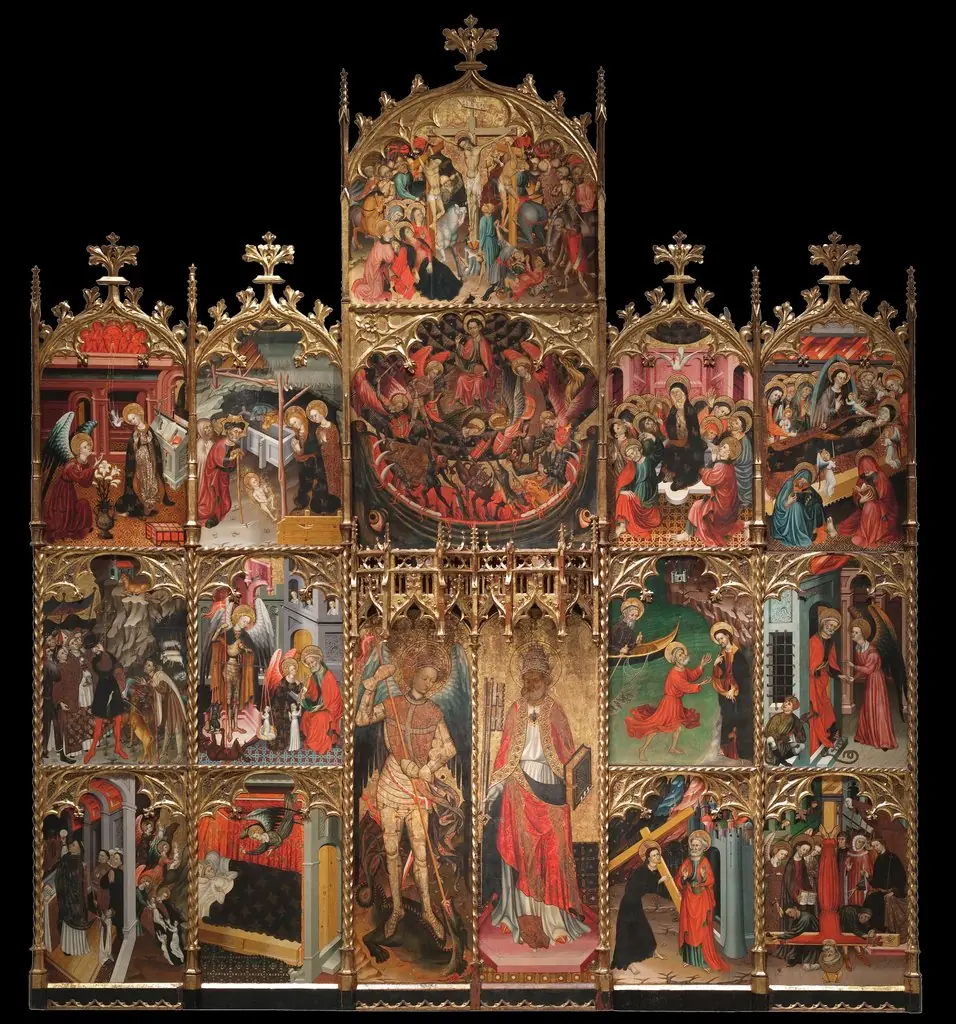 Altarpiece of Saint Michael and Saint Peter
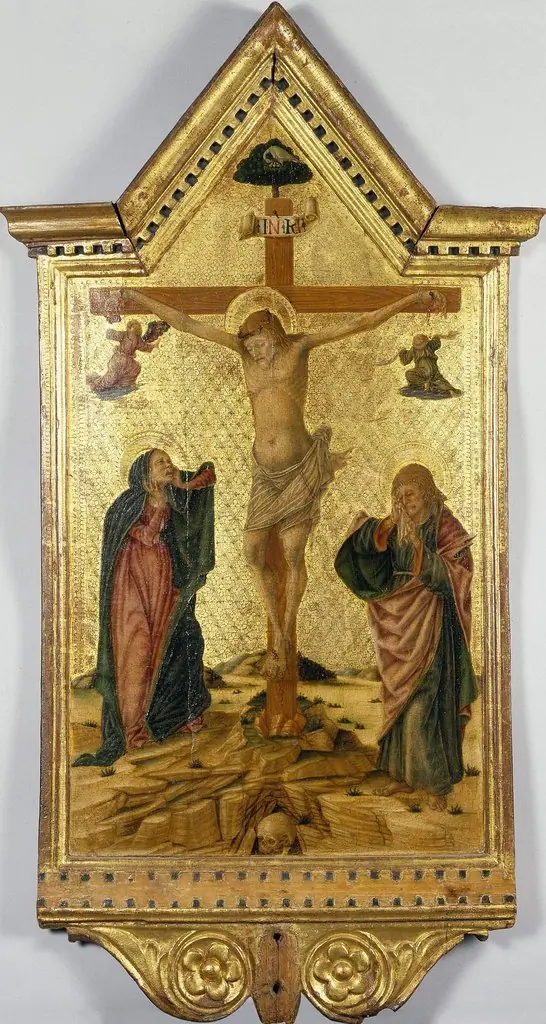 Crucifixion with the Virgin and St John
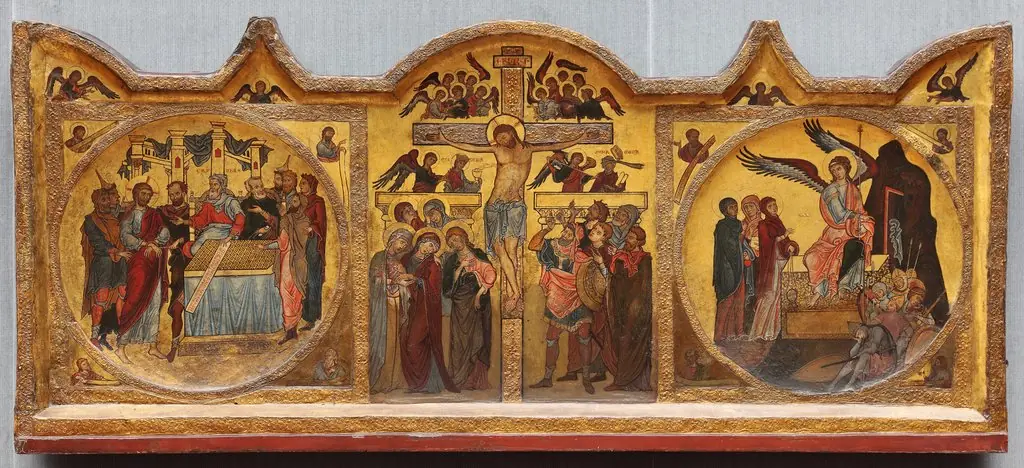 Crucifixion retable from Soest
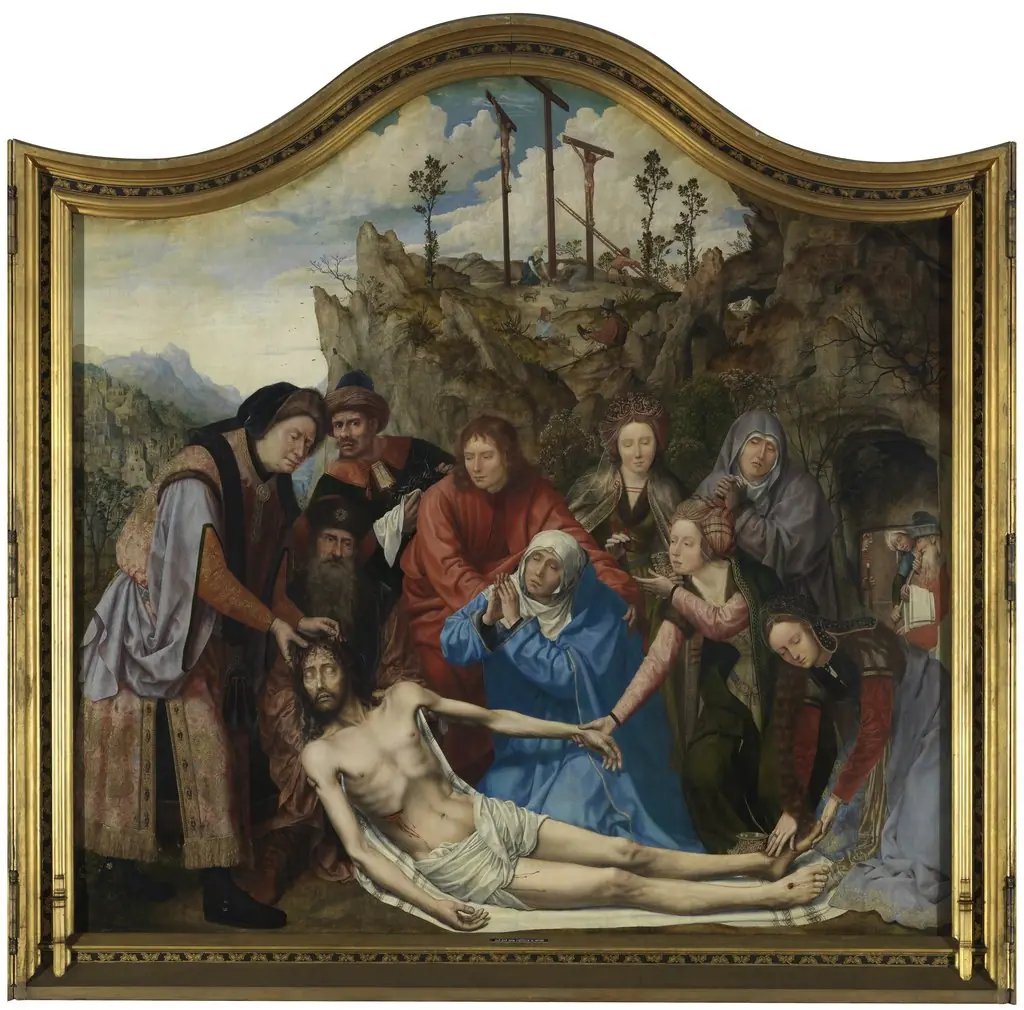 The Lamentation over the Dead Christ
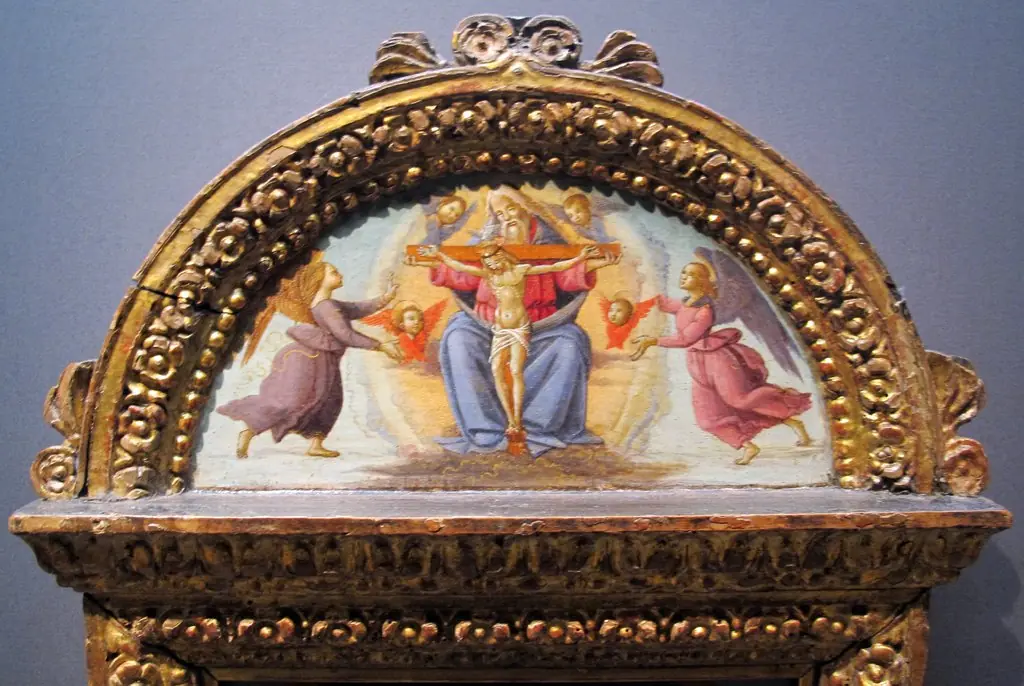 The Trinity
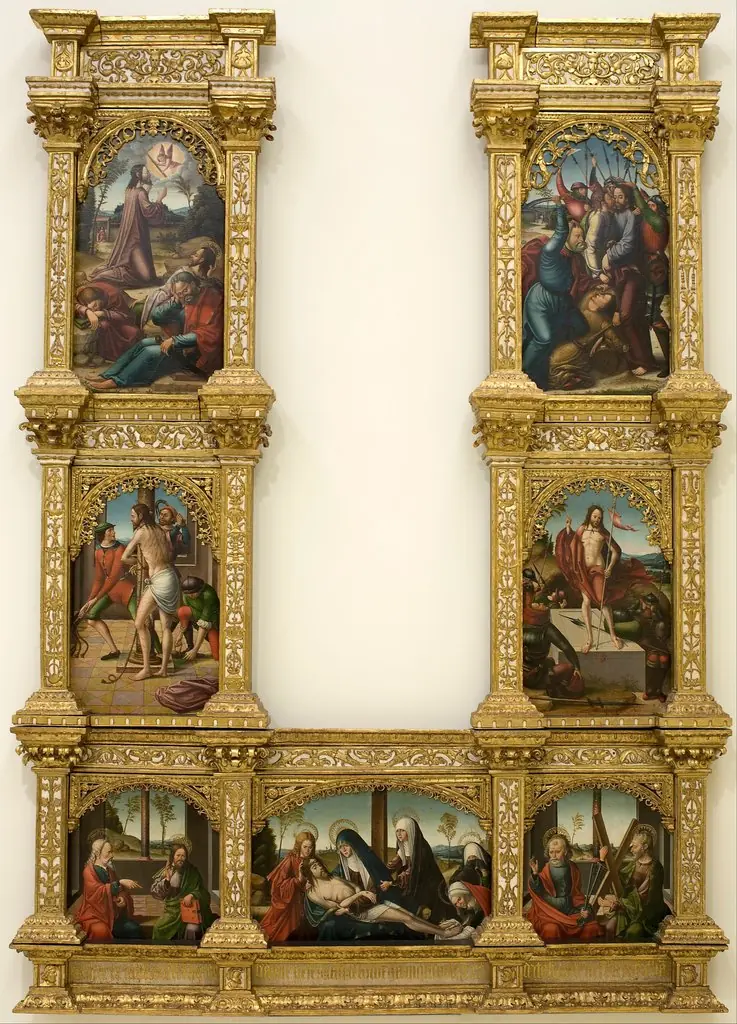 Altarpiece of the Passion of Christ
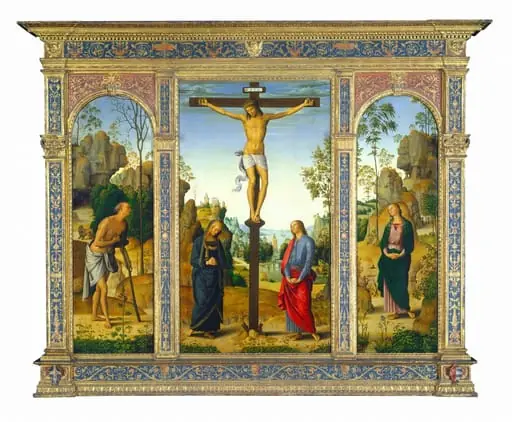 The Crucifixion with the Virgin, Saint John, Saint Jerome, and Saint Mary Magdalene