Artwork
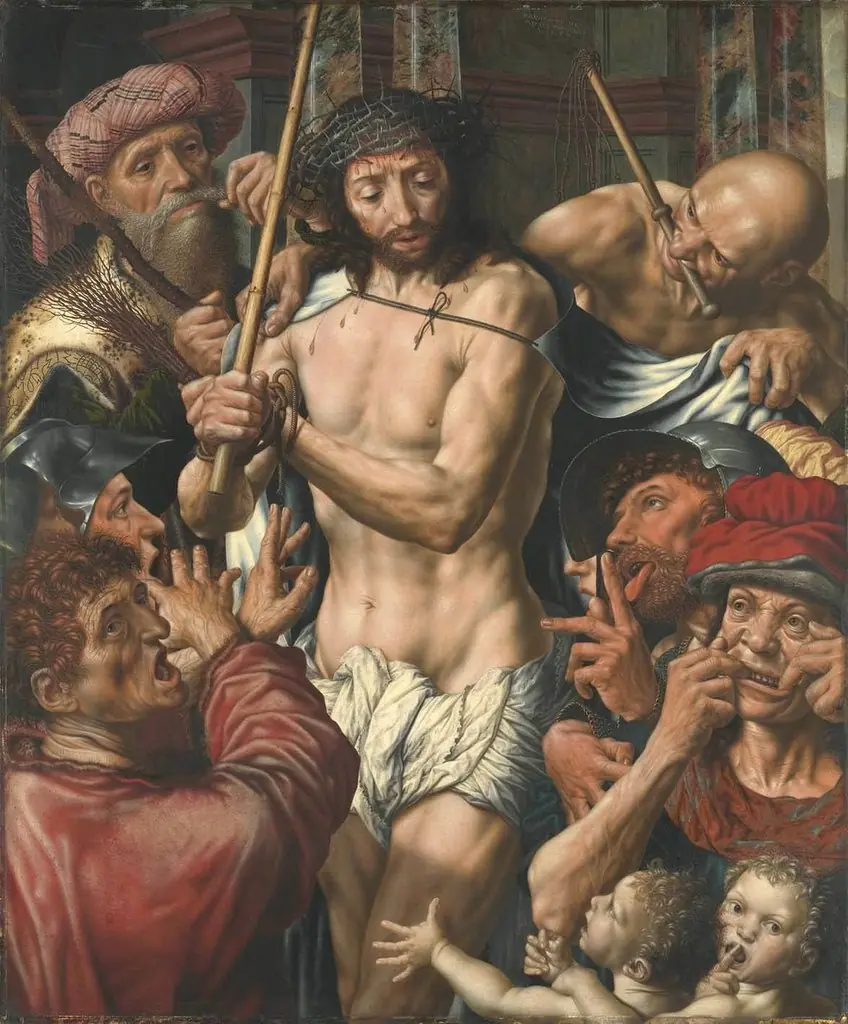
Ecce homo
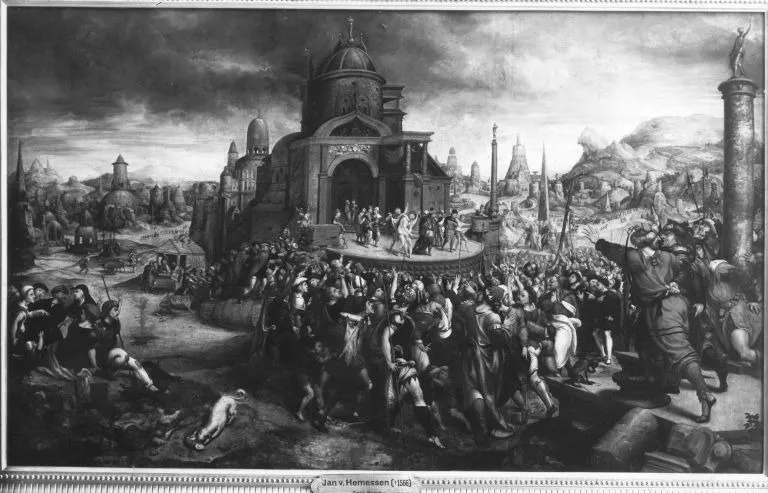
Ecce homo is an unspecified painting by the Mannerist artist Jan Sanders van Hemessen. It dates from 1537 and is held in the collection of the Bavarian State Painting Collections.
About this work
Subject & Meaning
The painting depicts the moment when Pontius Pilate presents the scourged Jesus to the hostile crowd, an episode drawn from the Gospel of John (19:5).
The painting depicts the moment when Pontius Pilate presents the scourged Jesus to the hostile crowd, an episode drawn from the Gospel of John (19:5). Hemessen renders Christ crowned with thorns, his body marked by wounds, and a reed placed in his bound hands to signify mockery of kingship. The crowd’s hostile gestures and the placement of a soldier holding a staff underscore the scene’s dramatic tension and the impending crucifixion.
The work thus visualizes the theological concept of Christ’s suffering and sacrifice as the path to redemption, a central theme in Northern Renaissance religious art.
Technique & Style
Jan Sanders van Hemessen created the work Ecce homo in 1537 as a religious painting. The piece is executed on a support measuring 101 cm in height and 163.2 cm in width. As a panel painting from the Northern Renaissance, it depicts the main subject of Jesus Christ in a religious context, aligning with the artist's genre focus.
The work is currently held within the collections of the Bavarian State Painting Collections at the Alte Pinakothek.
History & Provenance
Jan Sanders van Hemessen created the religious painting Ecce Homo in 1537. The work, which depicts Jesus Christ, was completed with dimensions of 101 cm in height and 163.2 cm in width. It currently resides within the Bavarian State Painting Collections, where it is housed at the Alte Pinakothek in Munich.
No specific details regarding the original commissioner or the intermediate ownership chain between its creation and its current museum holding are provided in the available records.
Context
Jan Sanders van Hemessen painted Ecce homo in 1537, a religious work now housed in the Alte Pinakothek in Munich as part of the Bavarian State Painting Collections. The painting depicts Jesus Christ and has been interpreted as a powerful expression of the moment of Christ's condemnation, reflecting Counter-Reformation themes of suffering and sacrifice. Scholars have examined its emotional intensity and compositional clarity within the context of Northern Renaissance religious art, situating it among van Hemessen's broader explorations of biblical narratives and moral instruction.
Its presence in a major Bavarian collection underscores its historical significance within German art traditions of the 16th century.
Overview
Jan Sanders van Hemessen's 1537 painting Ecce homo is a Flemish Renaissance work held in the Alte Pinakothek. It exemplifies the Mannerist style, blending Italian and French influences.
Artist & collection
Artist
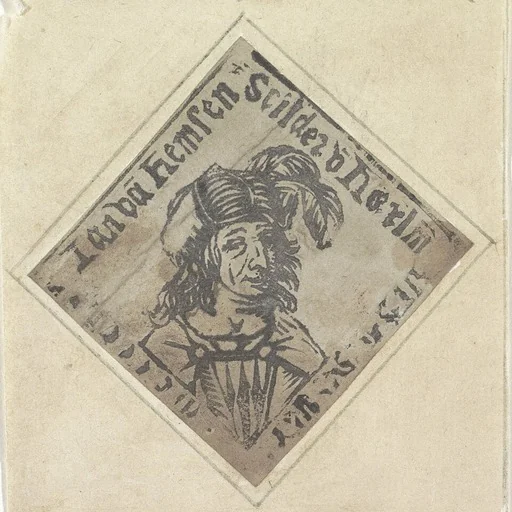
Jan Sanders van Hemessen (c. 1500 – c. 1566) was a leading Flemish Renaissance painter, belonging to the group of Italianizing Flemish painters called the Romanists, who were influenced by Italian Renaissance painting.…

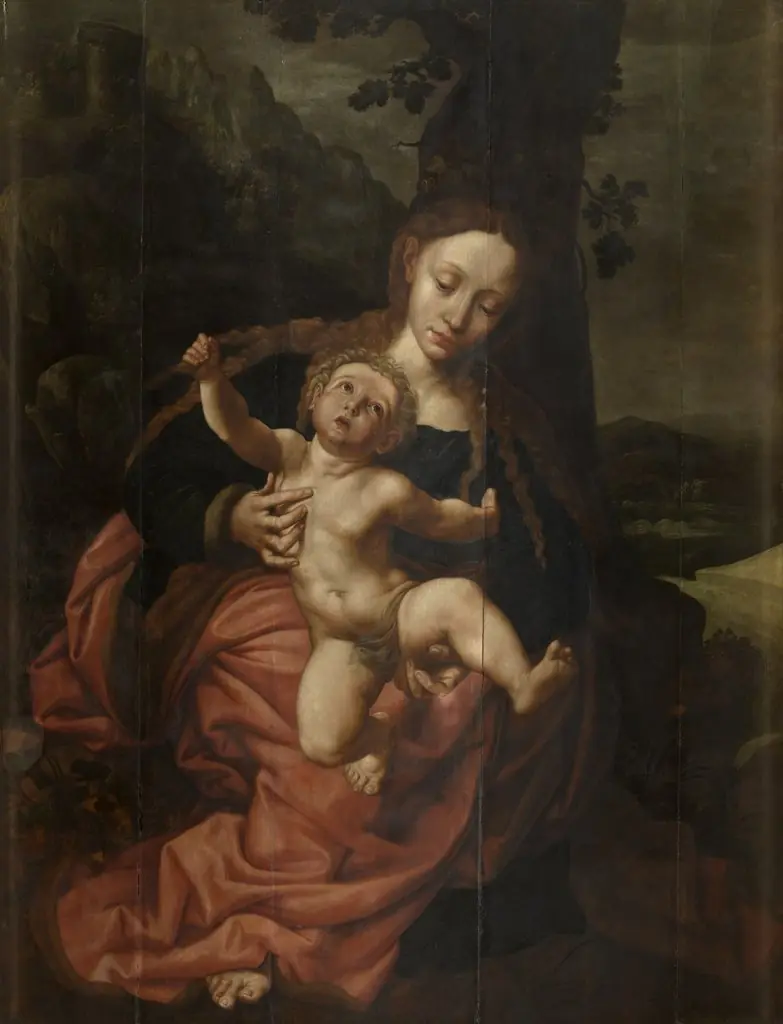
- Way to Calvary
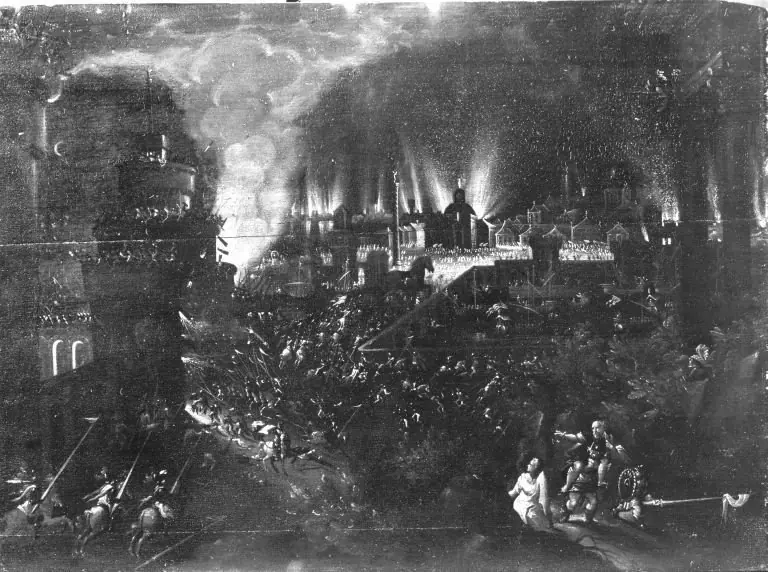 Der Brand von Troja
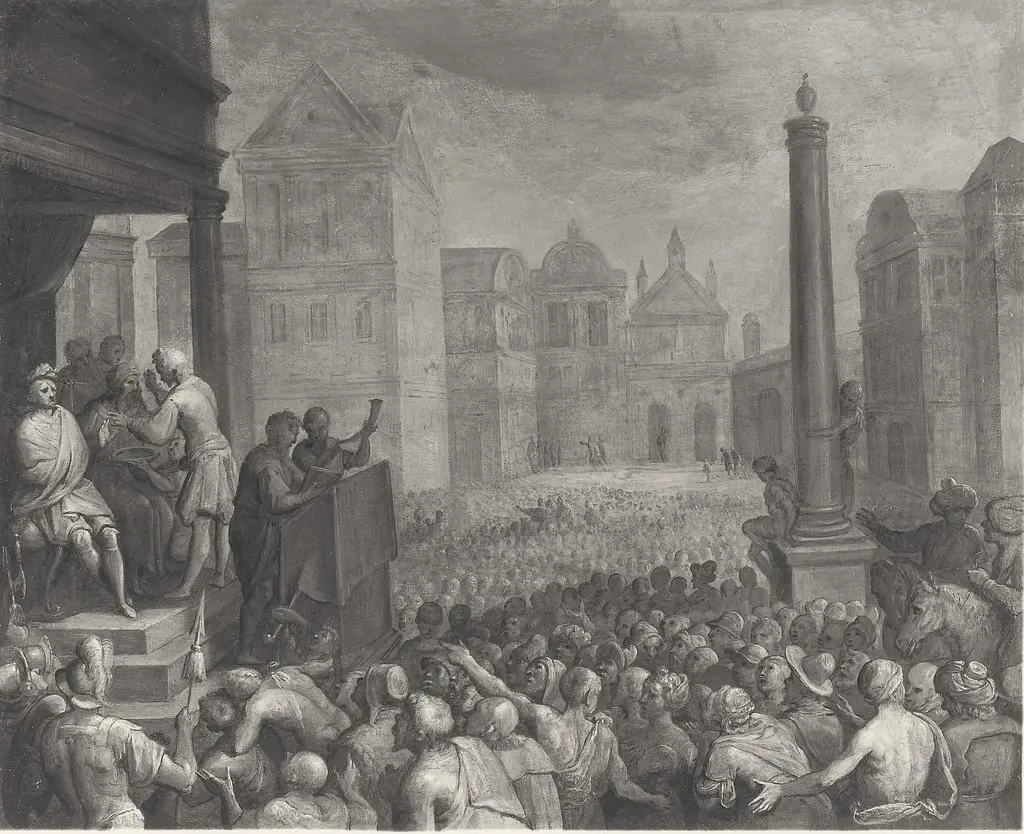 The Judgement of Zaleucus
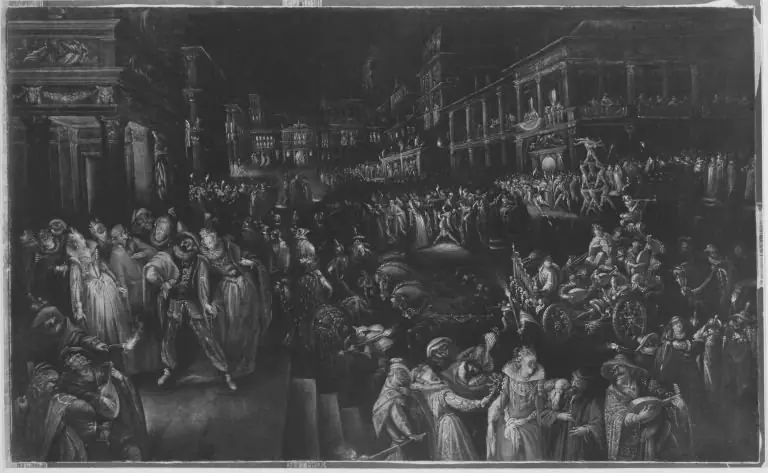 Nächtliche Karnevalsszene
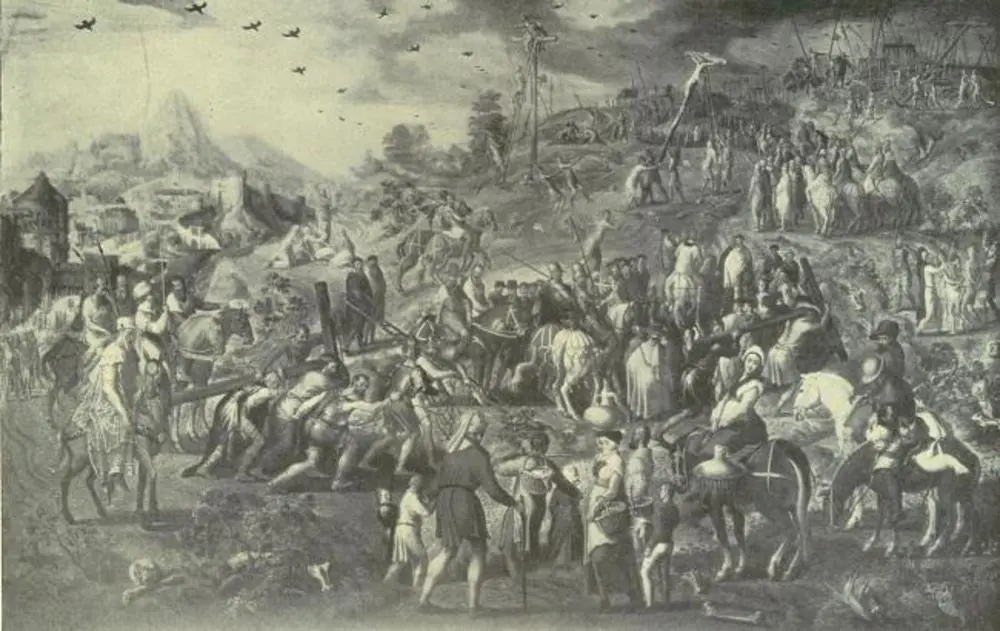 The Bearing of the Cross
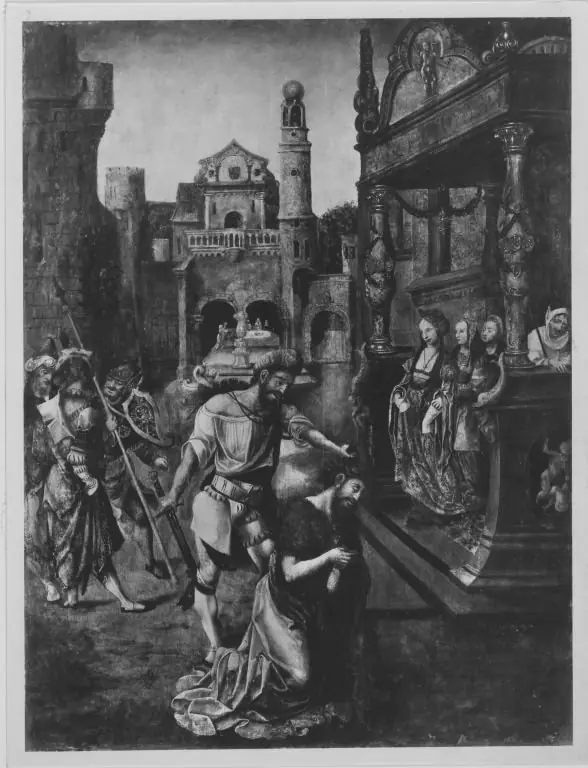 The beheading of John the Baptist
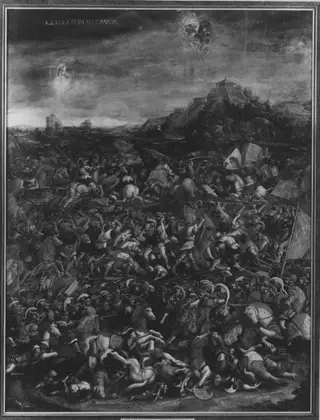 Historienzyklus: Die Niederlage der Römer durch die Karthager in der Schlacht bei Cannae
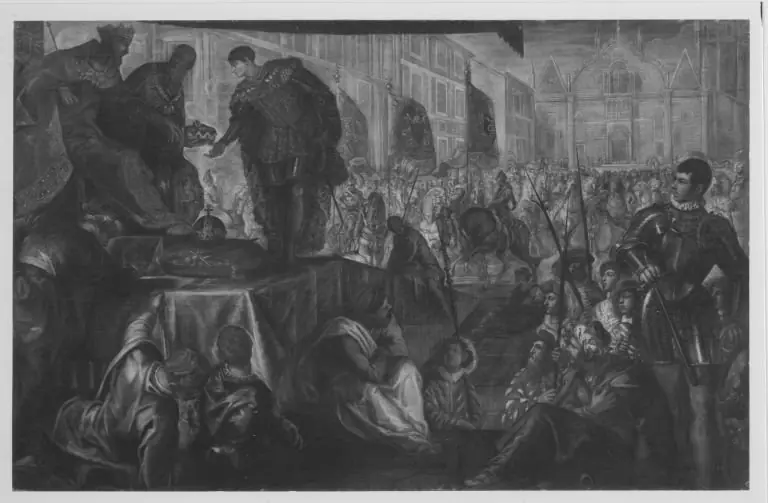 Gonzaga cycle
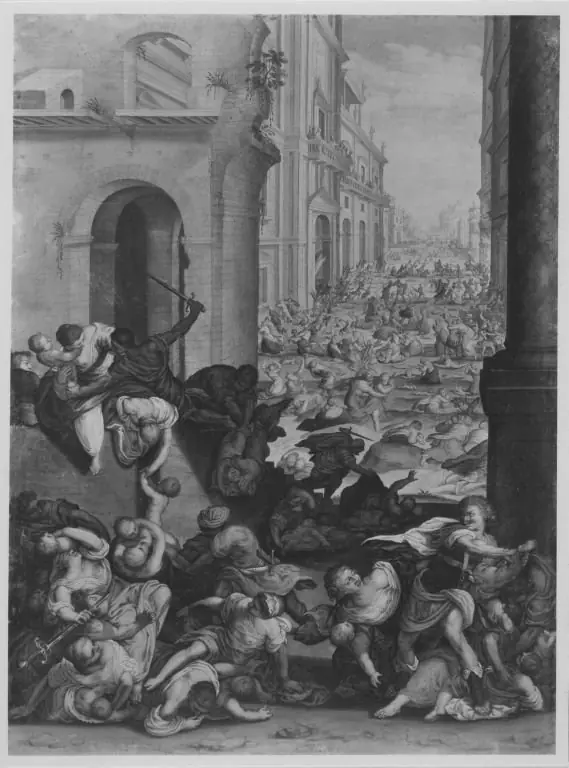 Der bethlehemitische Kindermord
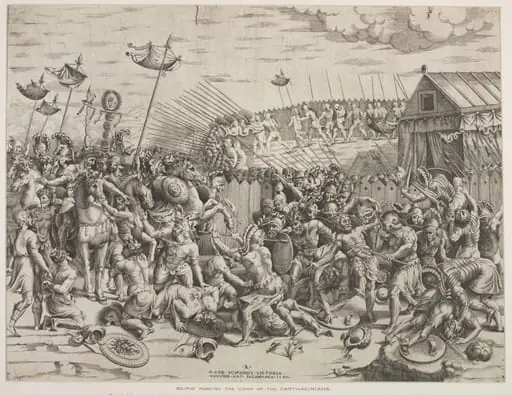 Untitled
 Maskenfest
 Enthaltsamkeit des Scipio