Artwork
Male portrait
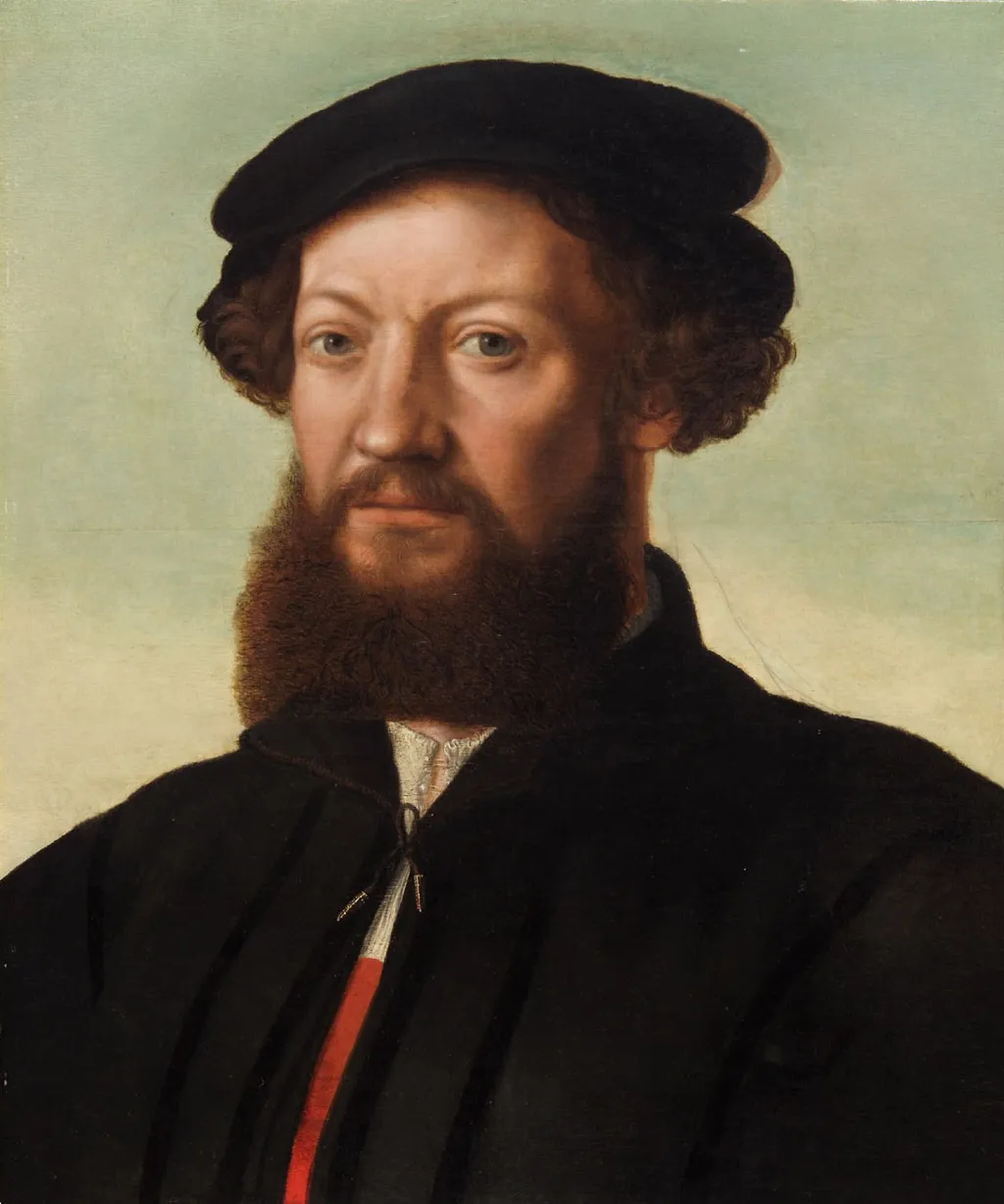
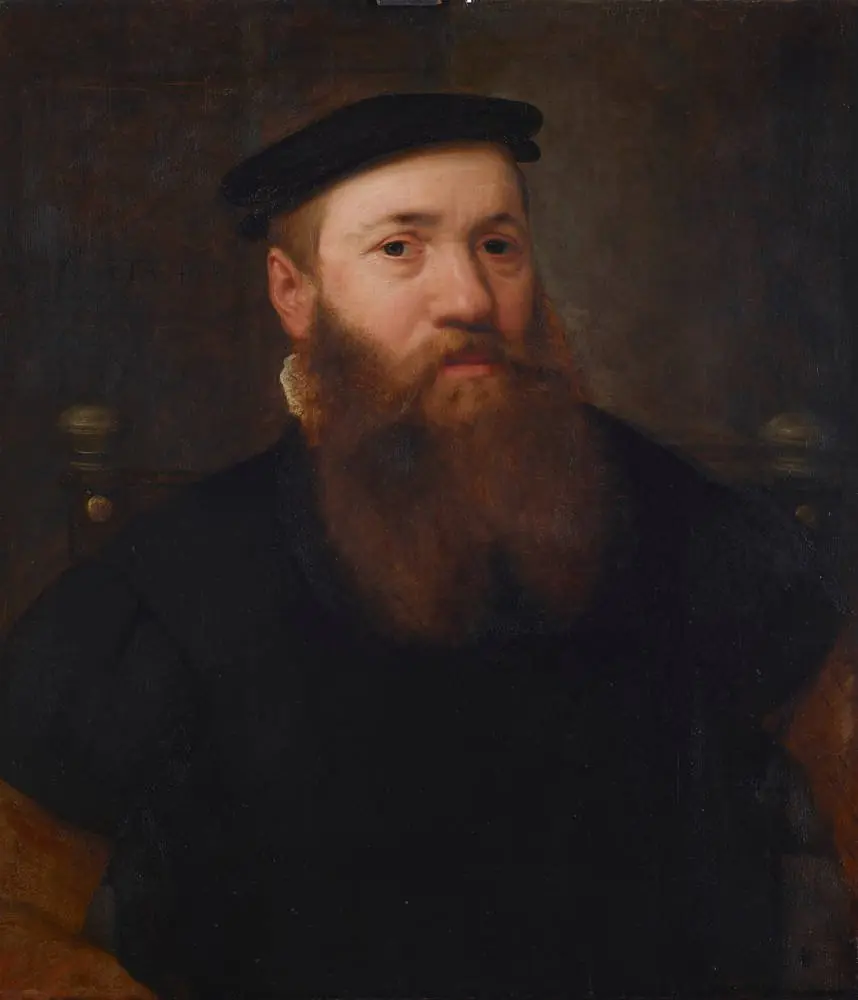
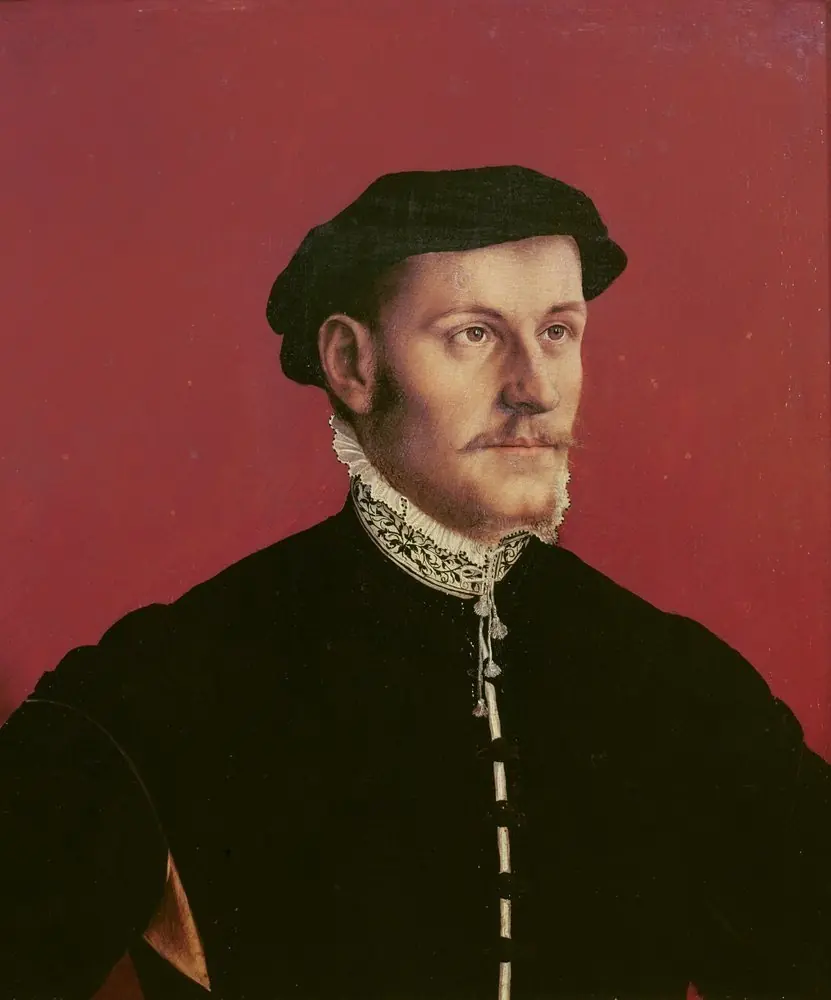
Male portrait is an oil painting by the Mannerist artist Jan Sanders van Hemessen. It dates from 1555 and is held in the collection of the Kunsthistorisches Museum.
About this work
Technique & Style
Executed in 1555, this male portrait by Jan Sanders van Hemessen is an oil painting on a wooden panel. The work measures 47 cm in height and 39 cm in width. As a portrait genre piece, the composition focuses exclusively on the depiction of a man.
The application of oil paint on panel was a standard technique for Netherlandish artists of this period, allowing for detailed rendering of the subject.
History & Provenance
Its location within the museum's holdings is confirmed by the institutional record that pairs the work with the same accession identifier.
The painting was created in 1555 by Jan Sanders van Hemessen as an oil-on-panel portrait of a man, measuring 47 by 39 cm. It entered the collection of the Kunsthistorisches Museum in Vienna, where it is catalogued under inventory number GG_1030. No further details of commission, intermediate ownership, or acquisition history are documented in the available sources.
The available records do not specify who commissioned the work, the identity of the sitter, or the chain of ownership prior to its accession by the Kunsthistorisches Museum.
The painting has been in the collection of the Kunsthistorisches Museum, where it is catalogued under inventory number GG 1030. Its location within the museum's holdings is confirmed by the institutional record that pairs the work with the same accession identifier.
No exhibition history is documented for this portrait in the available sources.
Overview
Painted in 1555 by Jan Sanders van Hemessen, this oil portrait captures a man of probable middle or upper class standing. The work belongs to a series of character studies produced by Flemish artists who absorbed Italian Renaissance ideals after traveling to Rome and Fontainebleau. Its restrained composition and focus on individual presence reflect the transition from Northern realism to Mannerist refinement in mid-16th-century Flanders.
Subject & Meaning
The sitter is depicted with a full red beard and mustache, dressed in a dark robe edged with a red stripe and a crisp white collar. His attire suggests civic or professional status, though his identity remains unknown. The direct gaze and composed posture convey dignity rather than narrative, aligning with the period’s growing interest in individual character over symbolic allegory.
Context
Van Hemessen was part of the Romanist movement, a group of Flemish painters who integrated Italian compositional principles into their native tradition. In the 1550s, portraiture in the Low Countries increasingly emphasized psychological presence and refined dress, reflecting broader social changes. This work exemplifies how Northern artists synthesized Italianate harmony with meticulous local observation.
Legacy
Though not widely reproduced, the portrait exemplifies the quiet sophistication of mid-century Flemish portraiture. It illustrates how artists like van Hemessen bridged regional techniques with continental trends, influencing later generations who sought to balance realism with stylized elegance. Its preservation in Vienna underscores its role in the canon of Northern Renaissance portraiture.
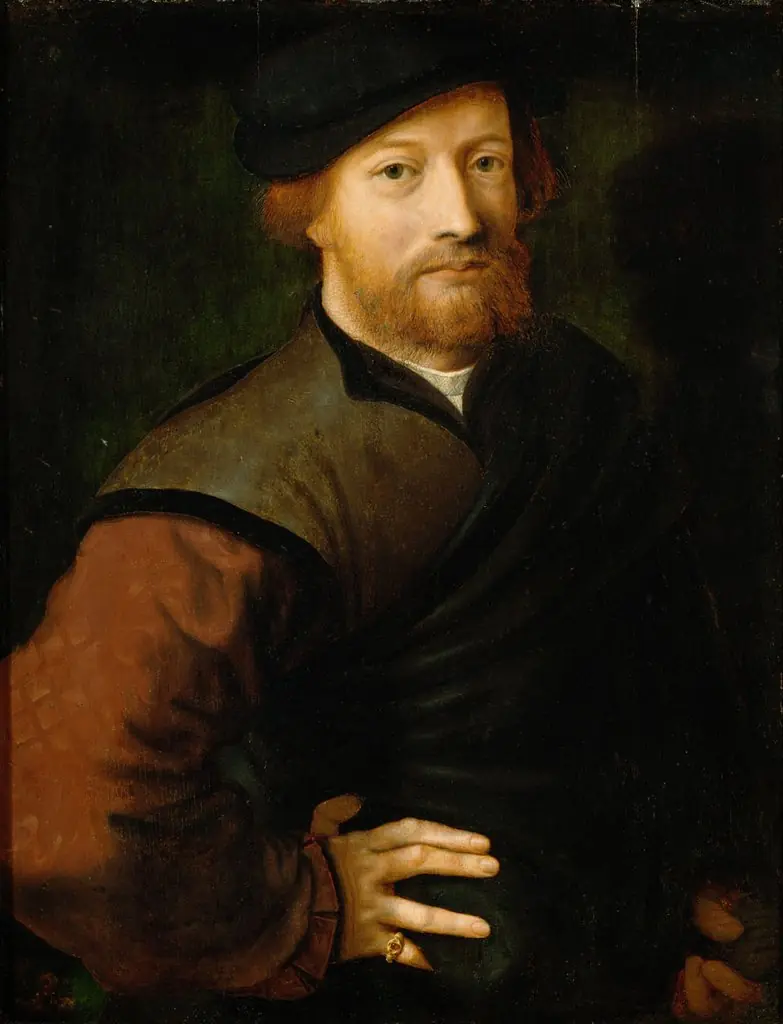
Artist & collection
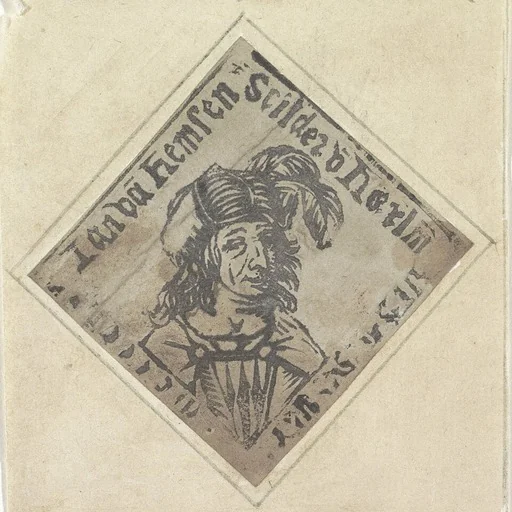
Artist
Jan Sanders van Hemessen (c. 1500 – c. 1566) was a leading Flemish Renaissance painter, belonging to the group of Italianizing Flemish painters called the Romanists, who were influenced by Italian Renaissance painting.…

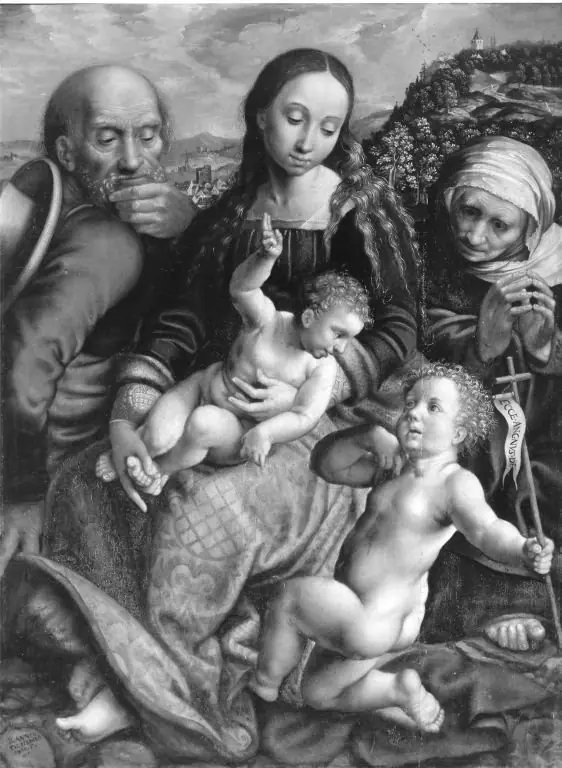
 Portrait of a Gentleman
 Bildnis eines Mannes mit dunkelblondem Vollbart
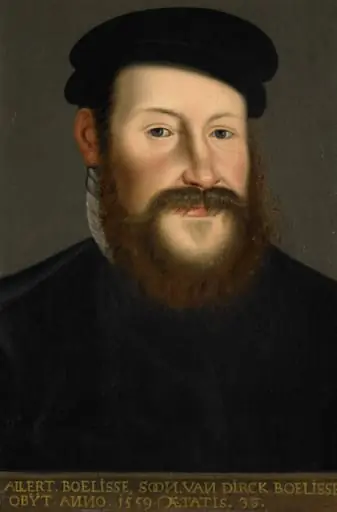 Allert Boelisse (1523-59)
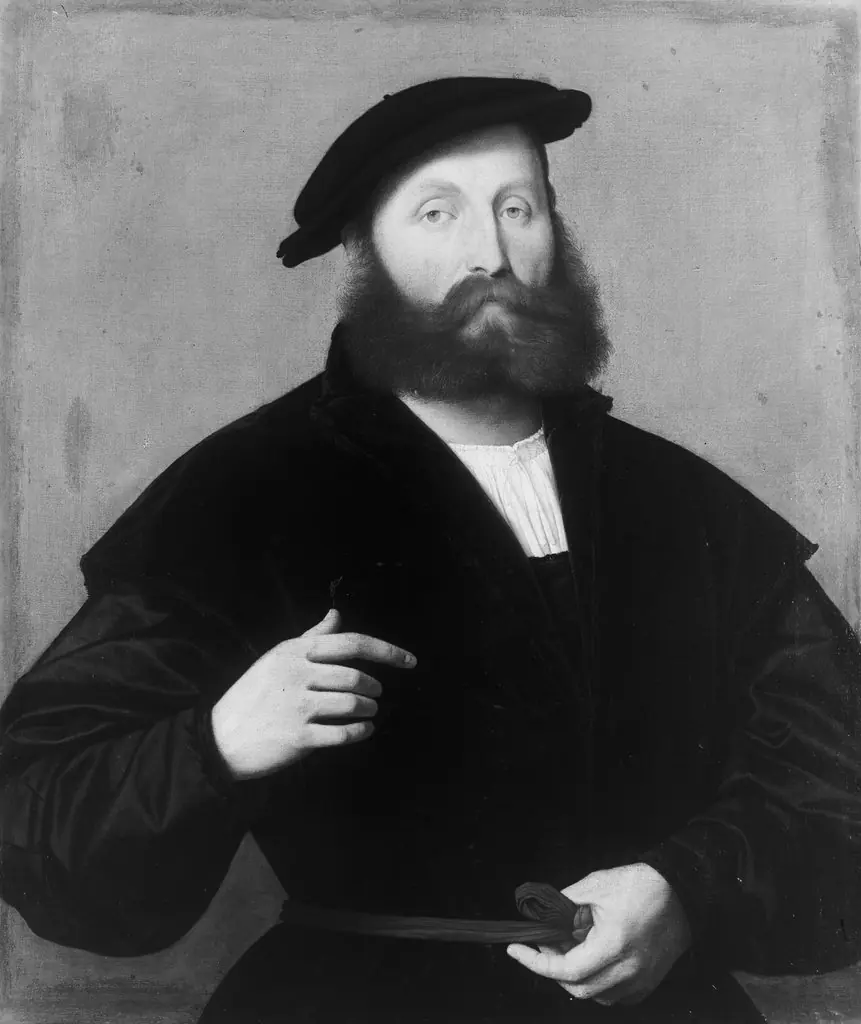 Portrait of Count Raimund Fugger
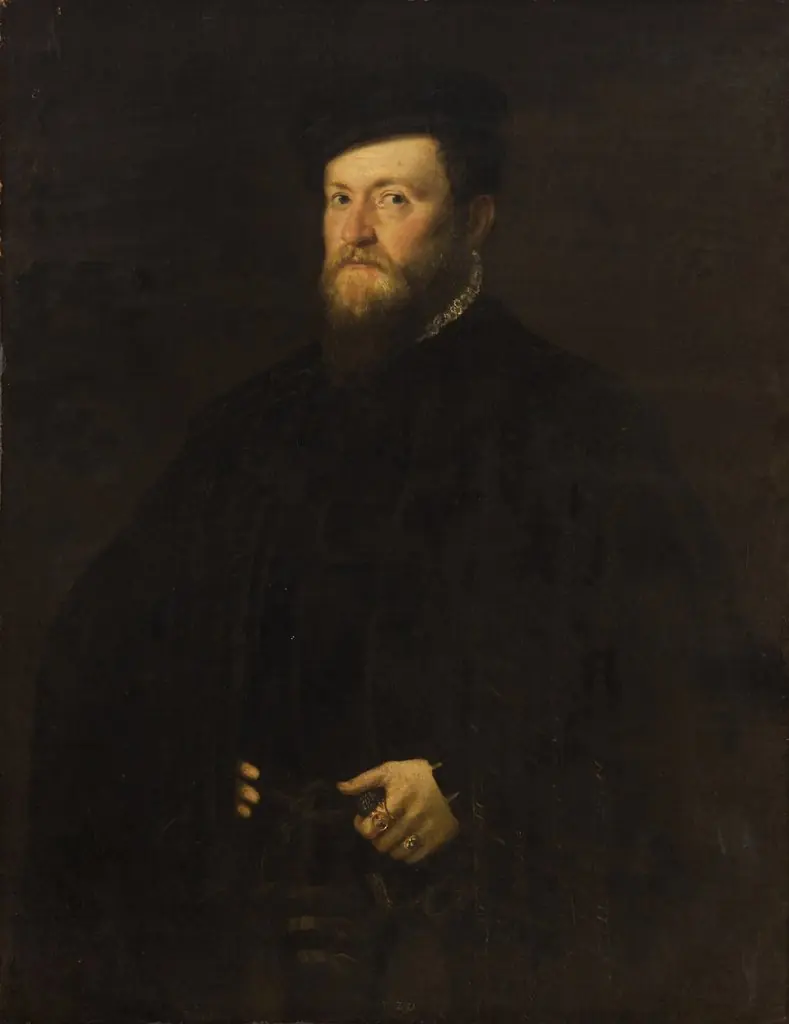 Portrait of a Man in a Cape
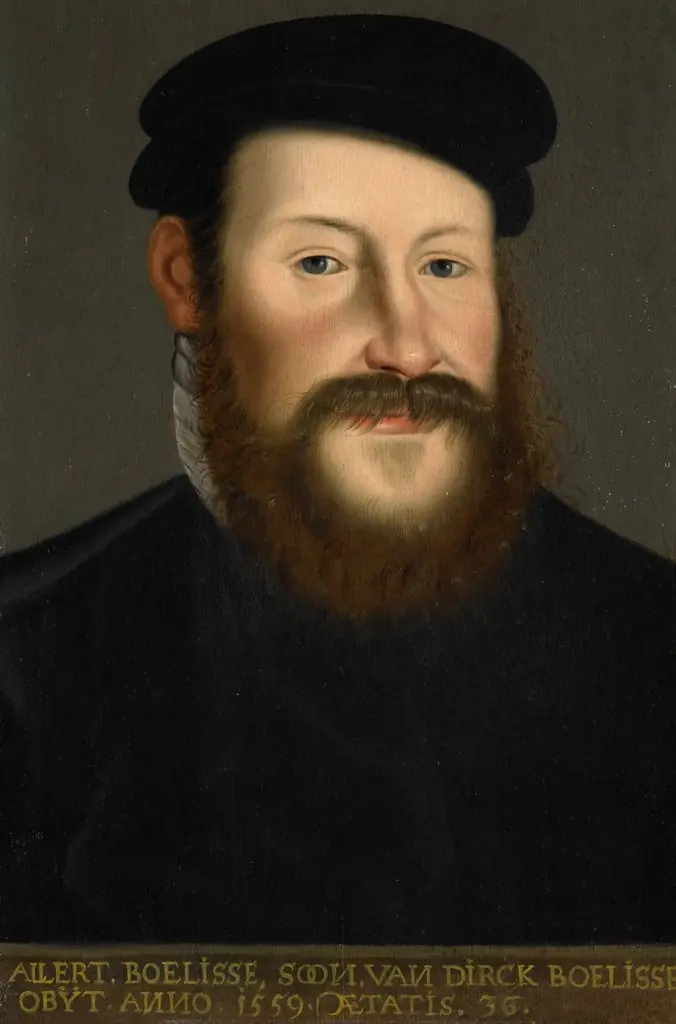 Allert Boelisse (1523-59)
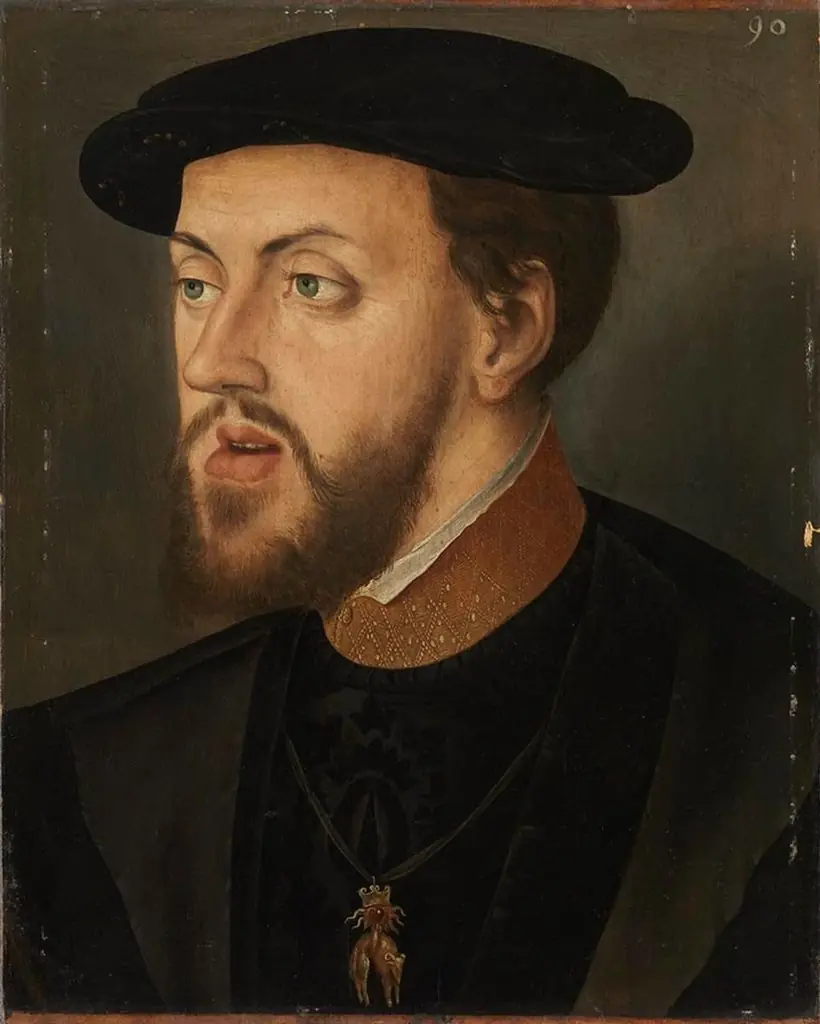 Emperor Charles V
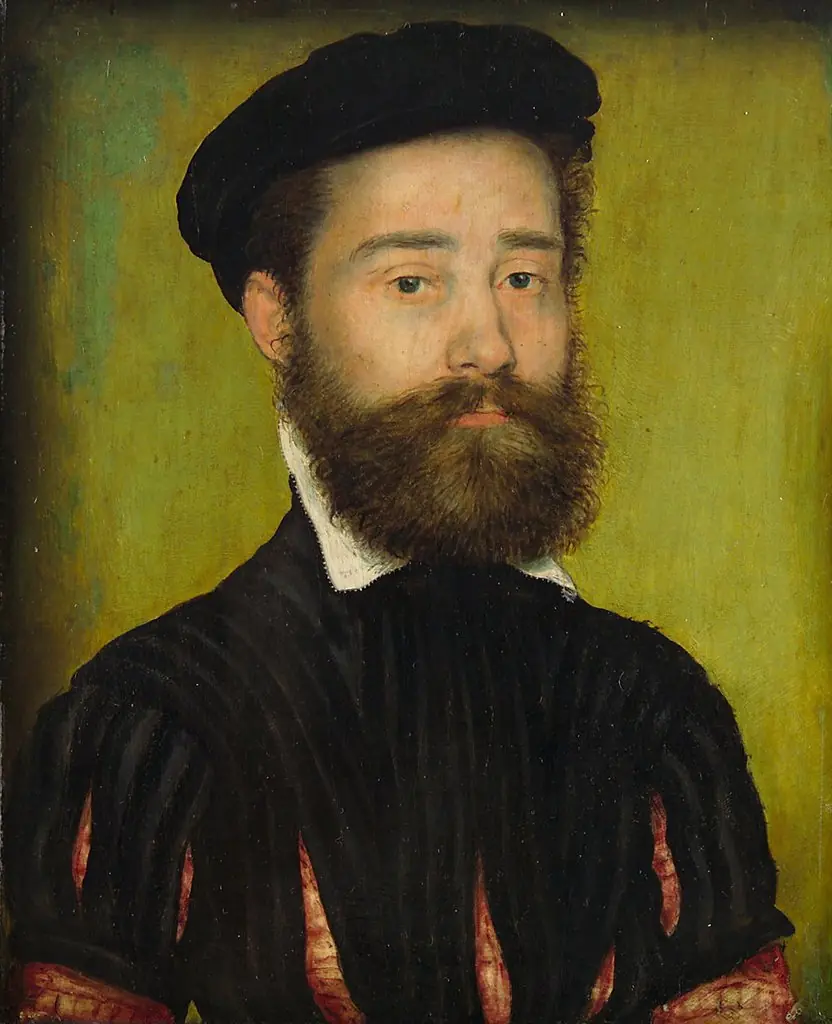 Bildnis eines bärtigen Mannes
 Bărbat cu barbă roșcată
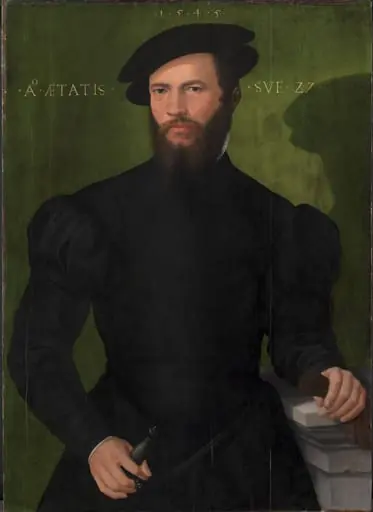 Portrait of a Gentleman aged 27
 Portrait of an Unknown Gentleman