Artwork
Landscape with Buildings
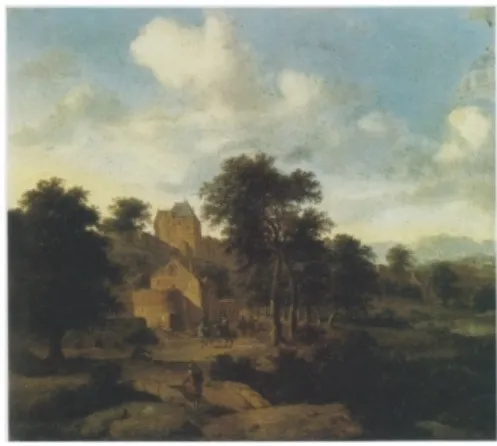
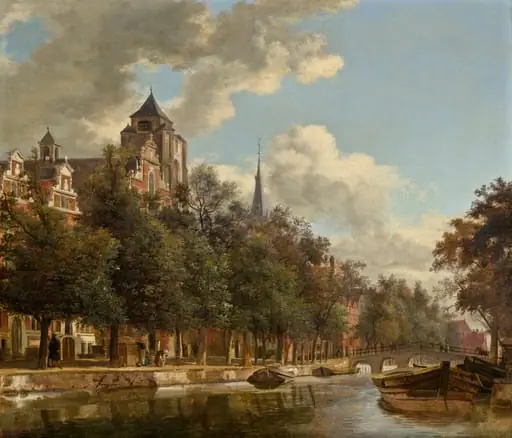
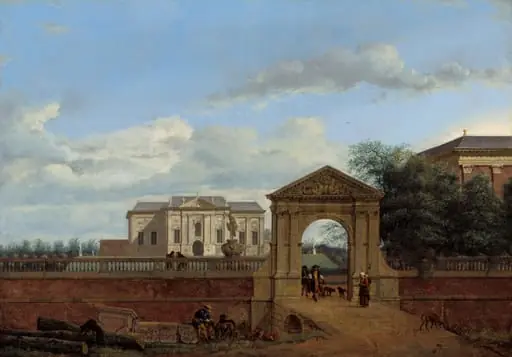
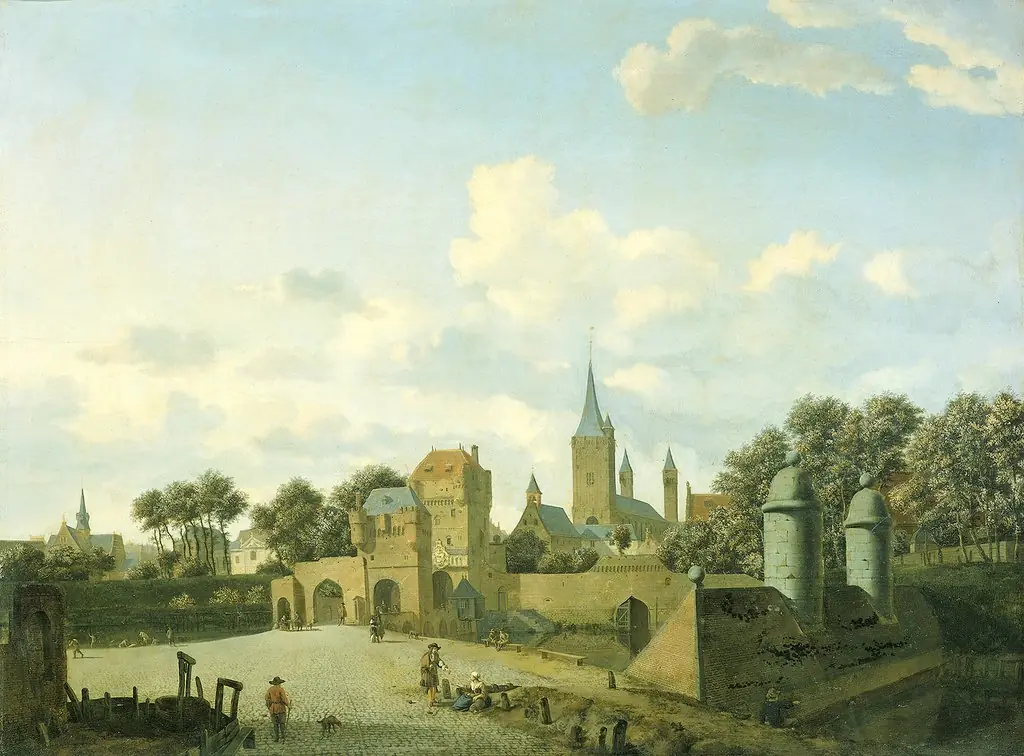
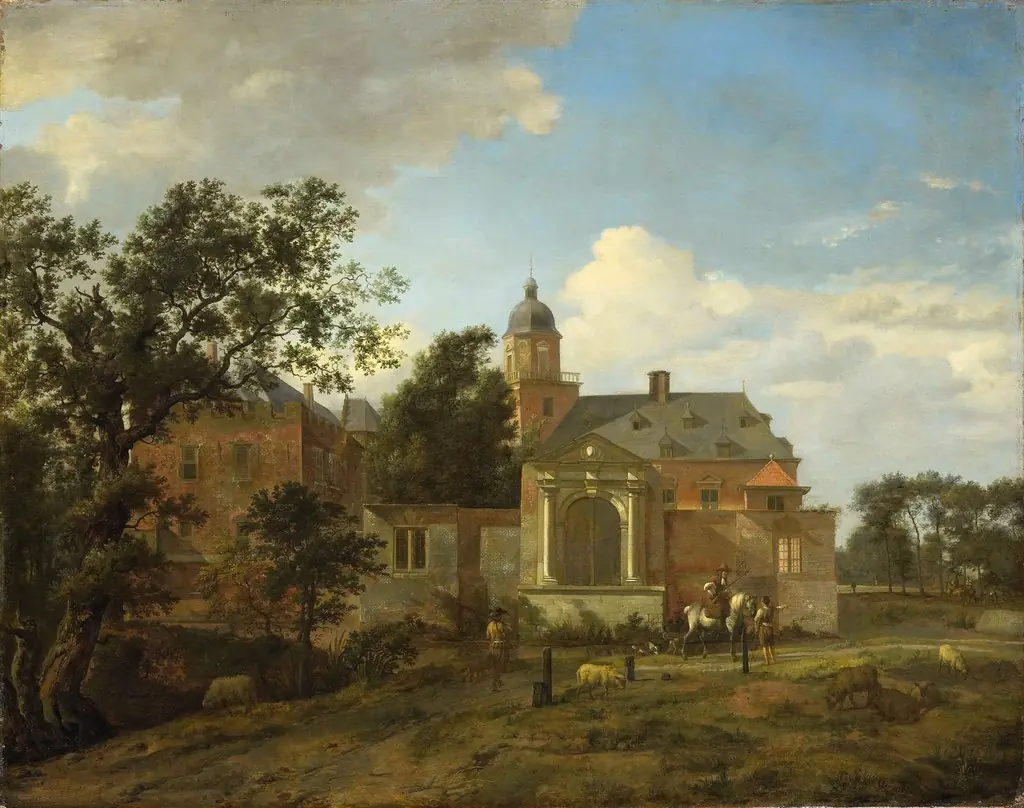
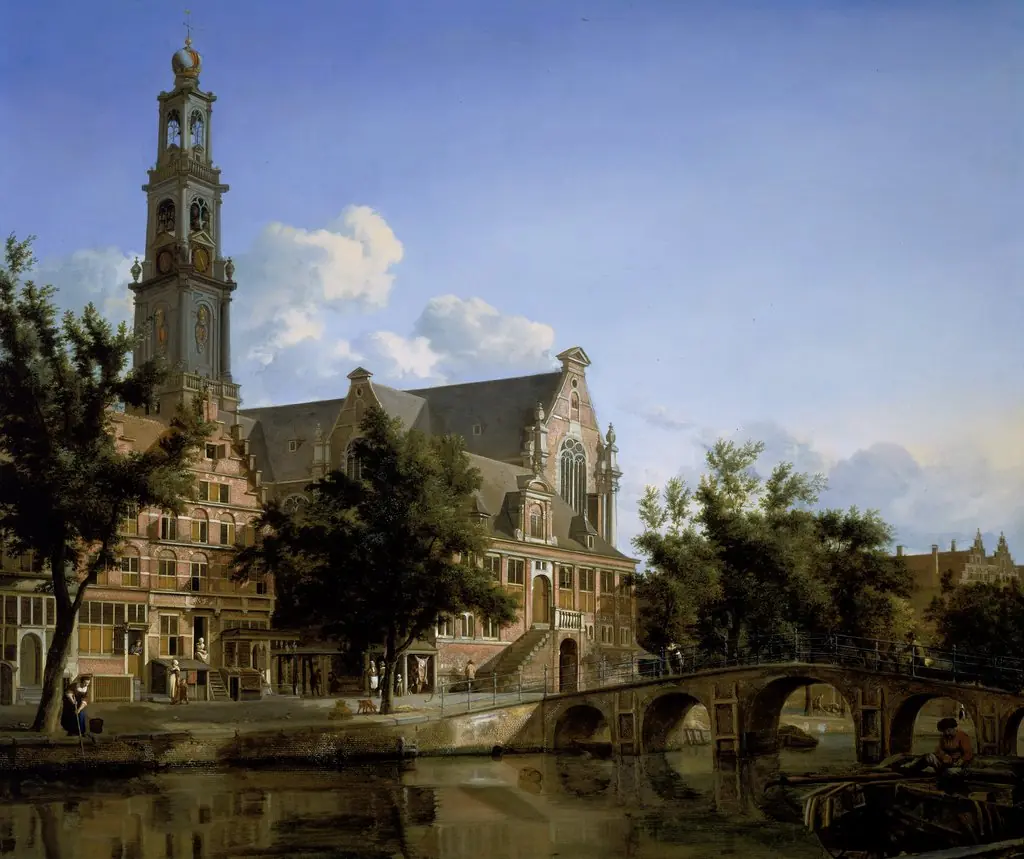
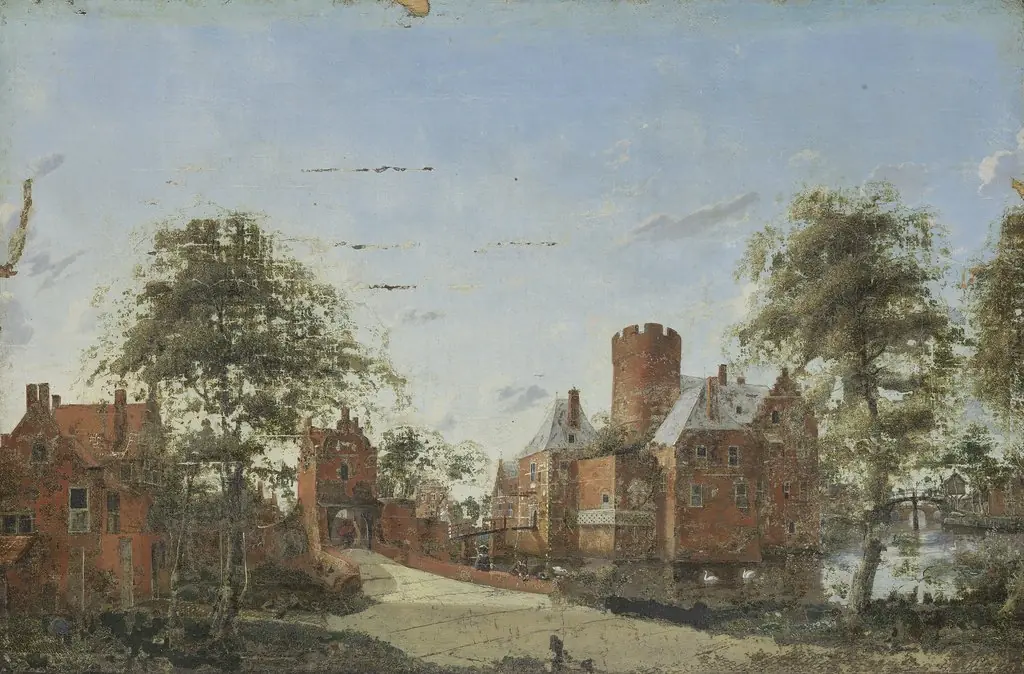
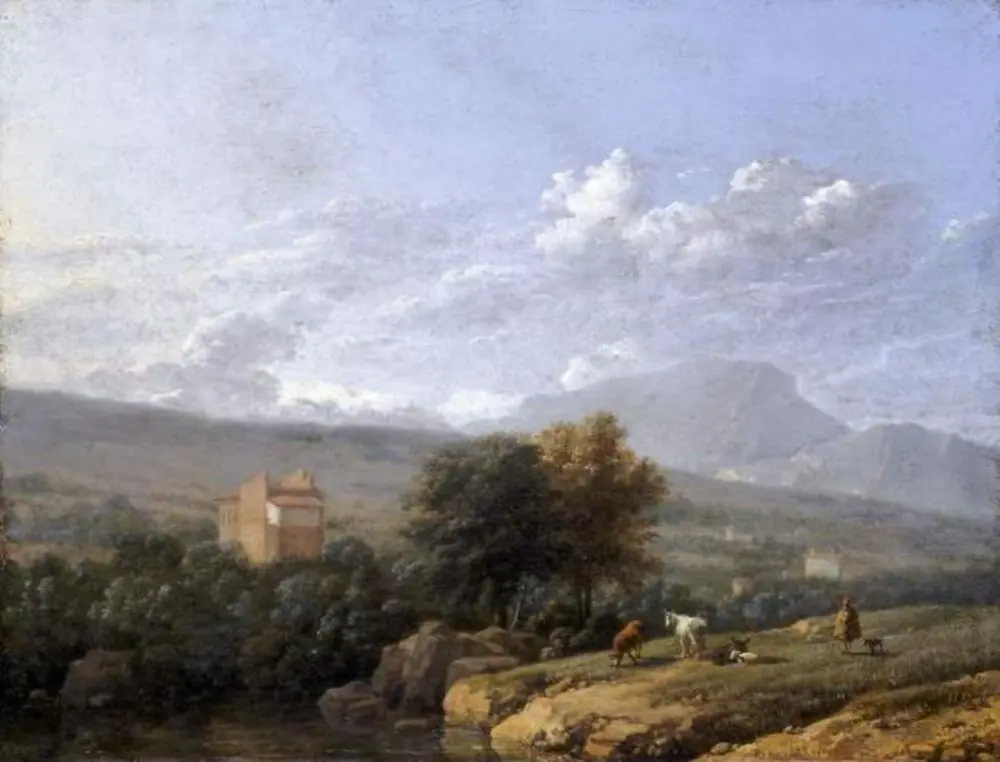
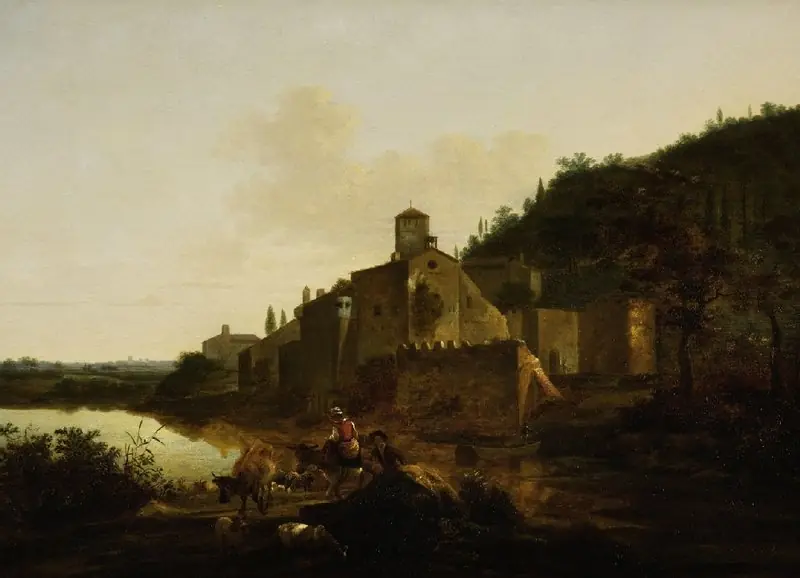
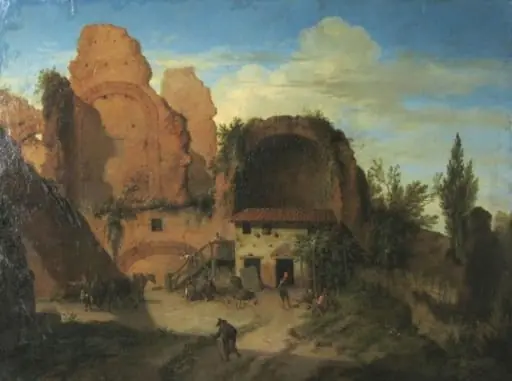
Landscape with Buildings is an oil painting by the Dutch Golden Age artist Jan van der Heyden. It dates from 1670 and is held in the collection of the Rijksmuseum. Created in 1670, this oil painting presents a tranquil vista where modest structures recede into a softly lit horizon.
About this work
History & Provenance
It subsequently entered the collection of Adriaan Leonard van Heteren, who bequeathed it to the Rijksmuseum as part of the Kabinet van Heteren Gevers.
Jan van der Heyden created the oil-on-copper painting Landscape with Buildings in 1670. The work, which depicts a man and a house within a landscape setting, is attributed to both van der Heyden and Adriaen van de Velde. The provenance chain indicates that the piece was formerly owned by the art dealer Franz Kleinberger.
It subsequently entered the collection of Adriaan Leonard van Heteren, who bequeathed it to the Rijksmuseum as part of the Kabinet van Heteren Gevers. The painting is currently housed in the Trippenhuis building of the Rijksmuseum.
The painting is held in the collection of the Rijksmuseum, specifically within the Kabinet van Heteren Gevers, and is located at the Trippenhuis. Its ownership history includes possession by Franz Kleinberger before passing to Adriaan Leonard van Heteren and subsequently Adriaan Leonard van Heteren Gevers.
The provided sources do not contain information regarding specific exhibition history or an inventory accession number for the work.
Overview
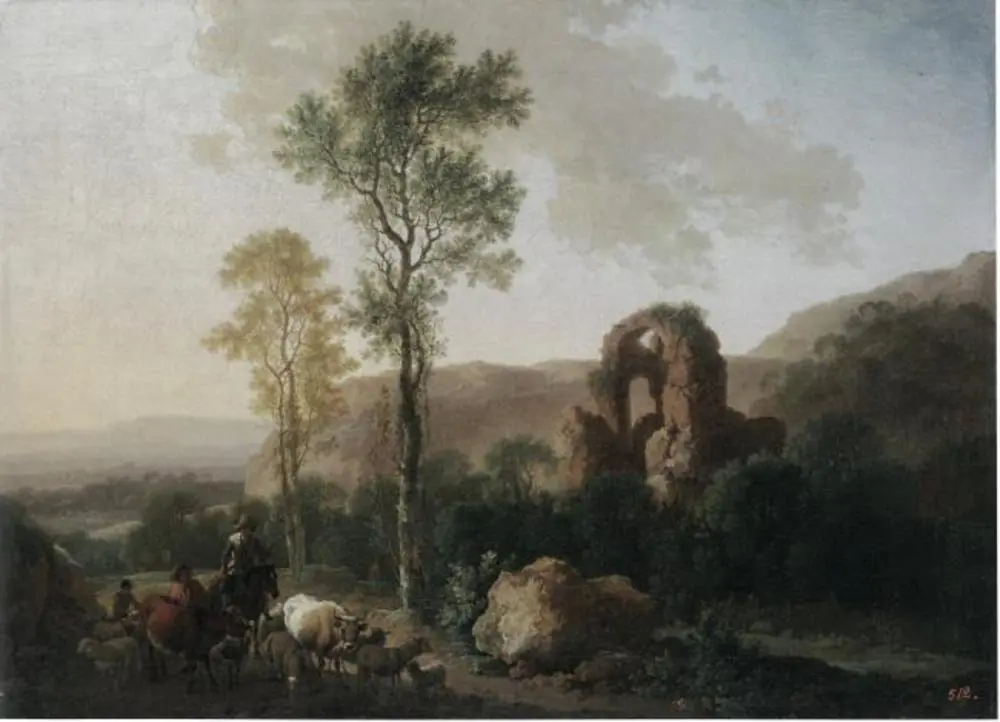
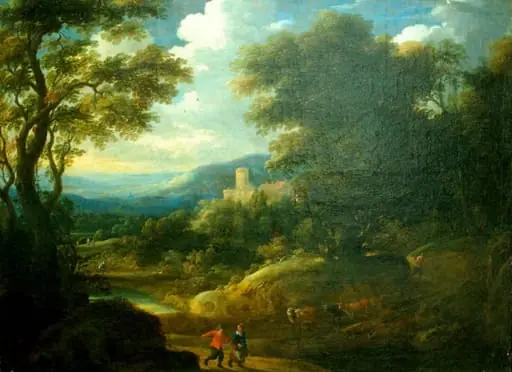
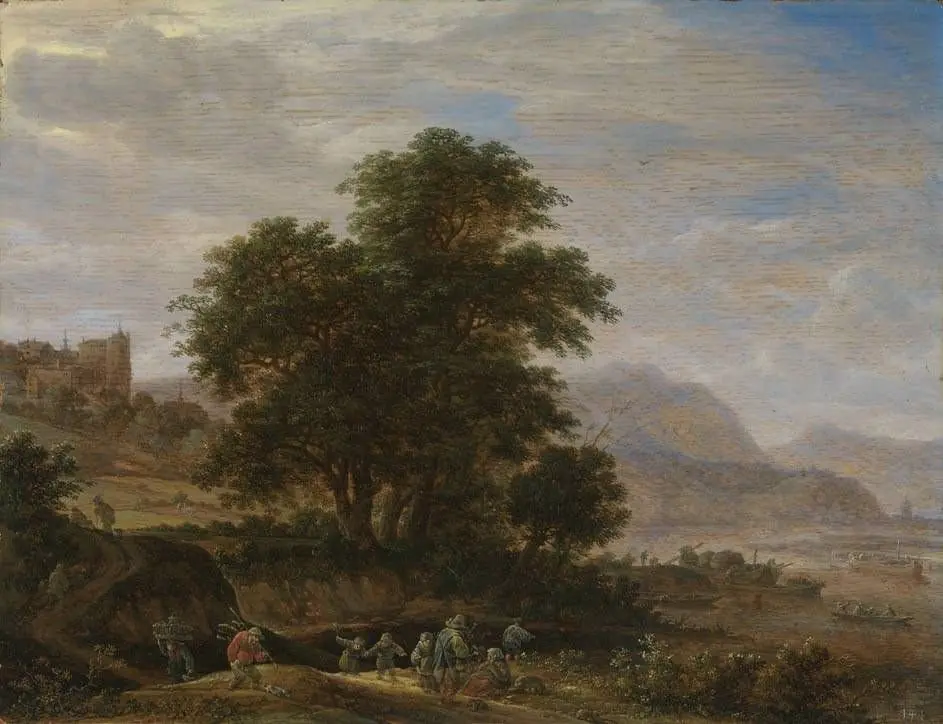
Created in 1670, this oil painting presents a tranquil vista where modest structures recede into a softly lit horizon. A solitary figure stands in the foreground, offering a reference for scale amid the gently rolling terrain. The sky, a clear blue brushed with wispy clouds, contributes to the calm atmosphere that characterizes the composition.
Subject & Meaning
The work centers on a domestic building set within an open landscape, suggesting everyday life rather than grand historical narrative. The lone individual, perhaps a traveler or laborer, anchors the scene and invites contemplation of humanity’s place within the built environment. The serene setting may reflect the artist’s interest in the harmonious coexistence of architecture and nature.
Technique & Style
Employing layered glazing, the painter achieves depth through warm tonal shifts that model forms and convey atmospheric perspective. Light falls across the structures, creating subtle chiaroscuro that defines volume. Fine detailing in the distant edifices demonstrates the artist’s meticulous approach to architectural rendering, while the overall composition balances realism with a gentle, idealized ambience.
Context
The artist, renowned for his cityscapes and technical inventions, produced this piece during a prolific phase of Dutch Baroque art, when detailed observation of everyday scenes was highly prized. His dual career as an engineer and inventor, notably in fire‑suppression devices, informs the precise architectural accuracy evident in the work, reflecting the era’s blend of artistic skill and scientific curiosity.
Artist & collection

Artist
Jan van der Heyden (5 March 1637, Gorinchem – 28 March 1712, Amsterdam) was a Dutch Baroque-era painter, glass painter, draughtsman and printmaker.