Artwork
Winter
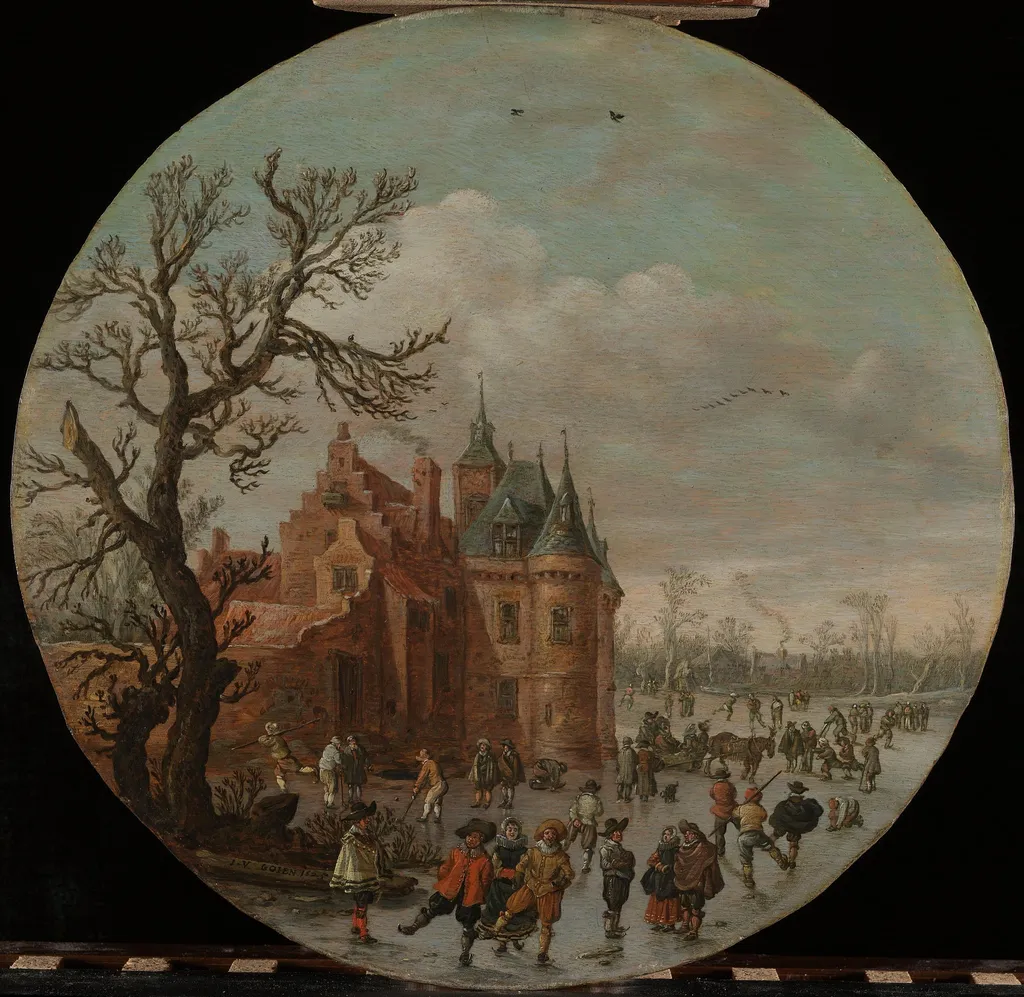
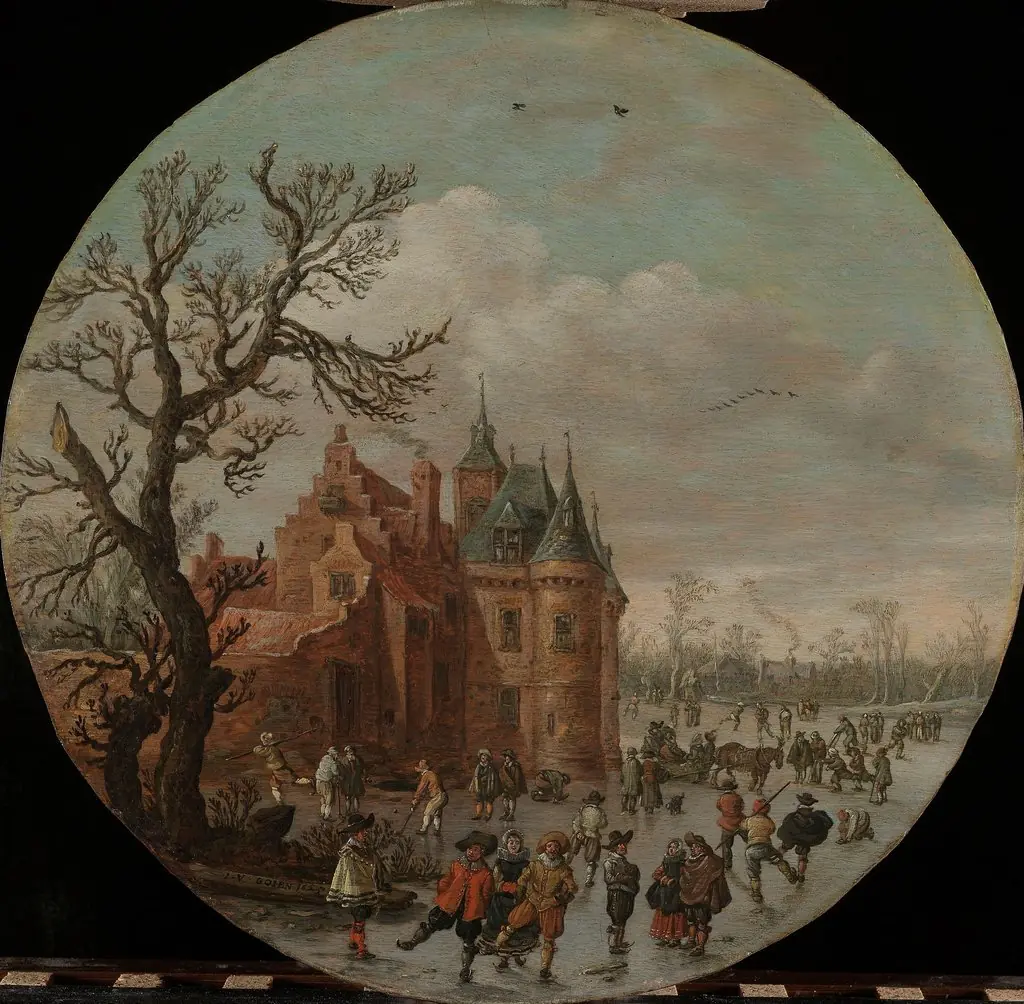
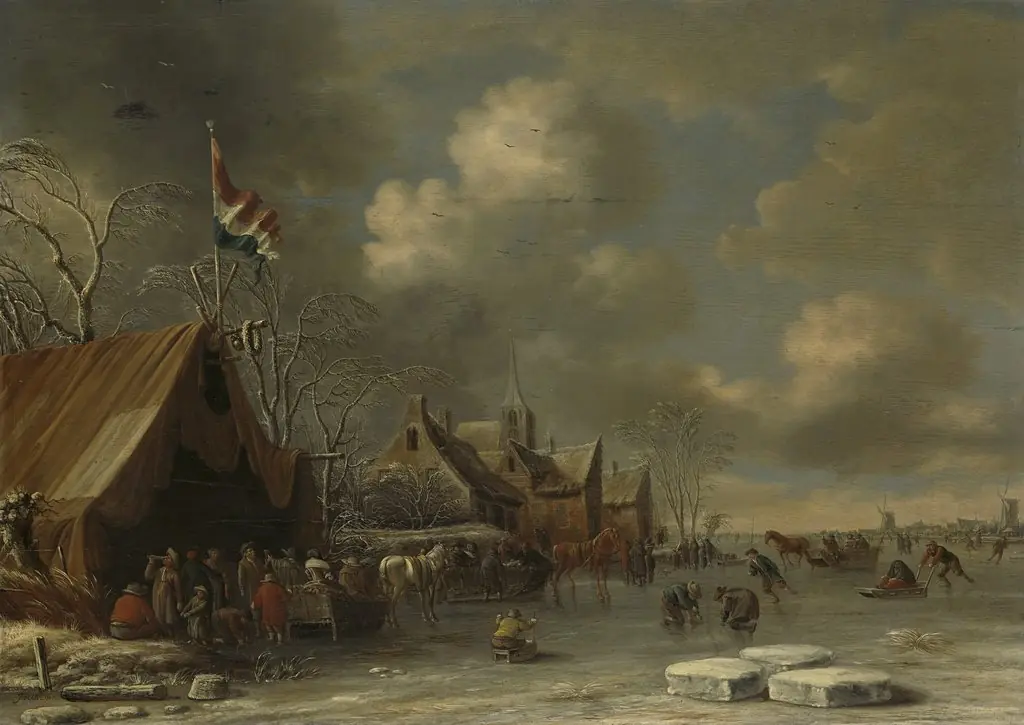
Winter is an unspecified painting by the Dutch Golden Age artist Jan van Goyen. It dates from 1625 and is held in the collection of the Rijksmuseum. Created in 1625, this modestly sized oil depicts a wintry Dutch village under a muted sky.
About this work
Subject & Meaning
The work features figures engaging in activities on ice, consistent with his broader oeuvre that includes winter landscapes with skaters on frozen lakes.
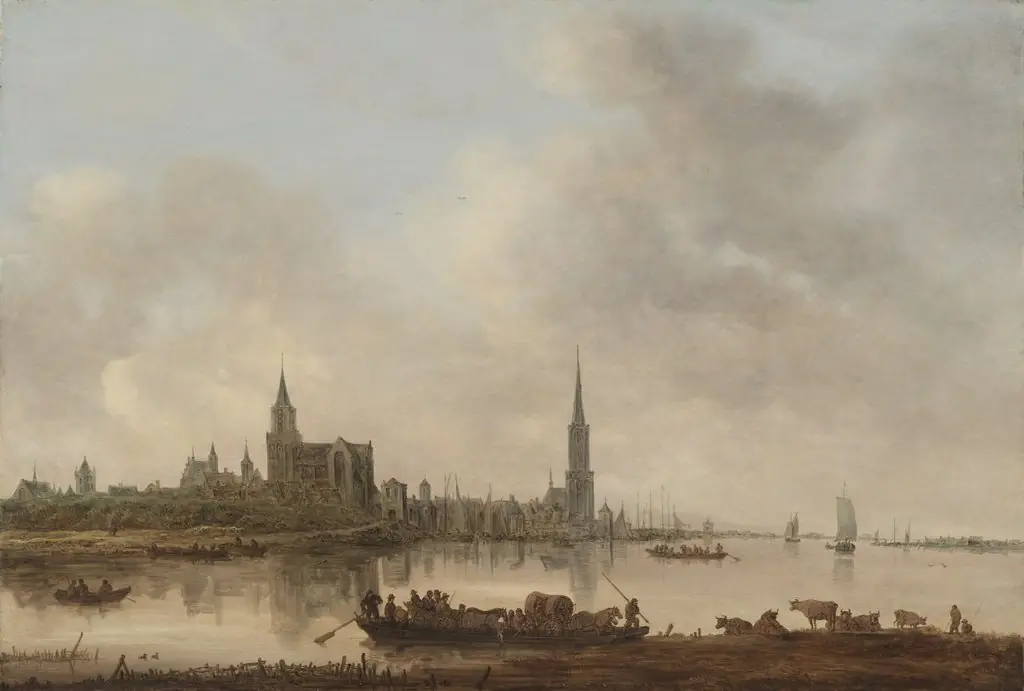
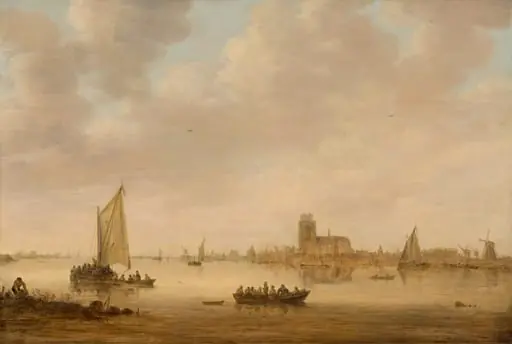
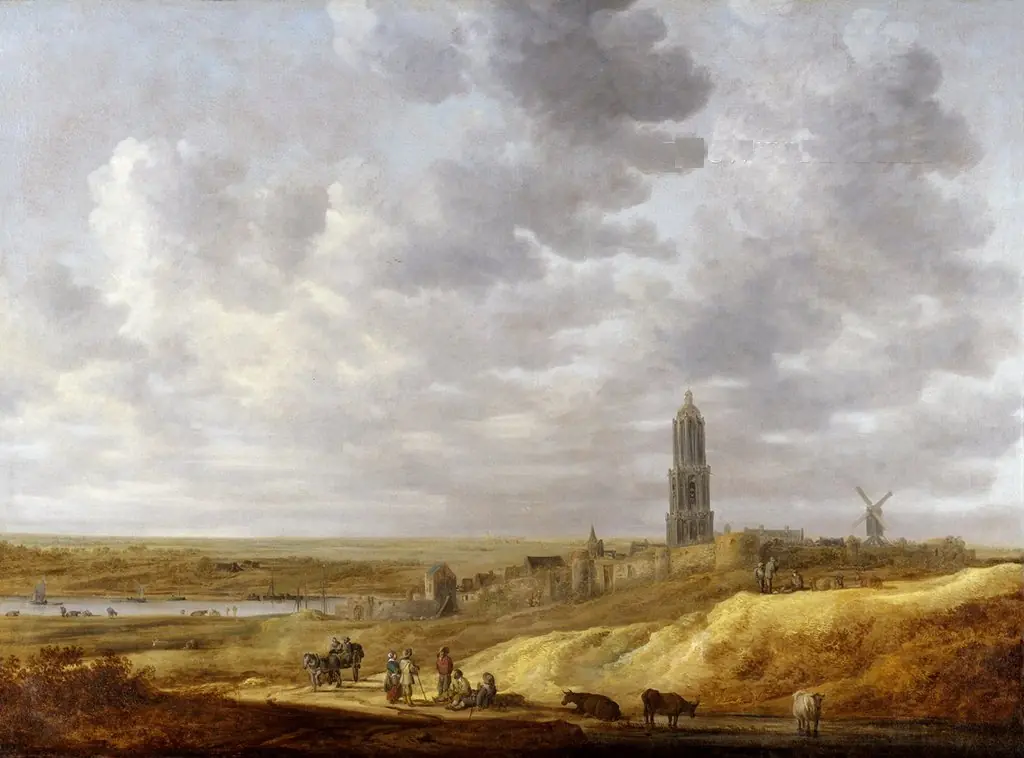
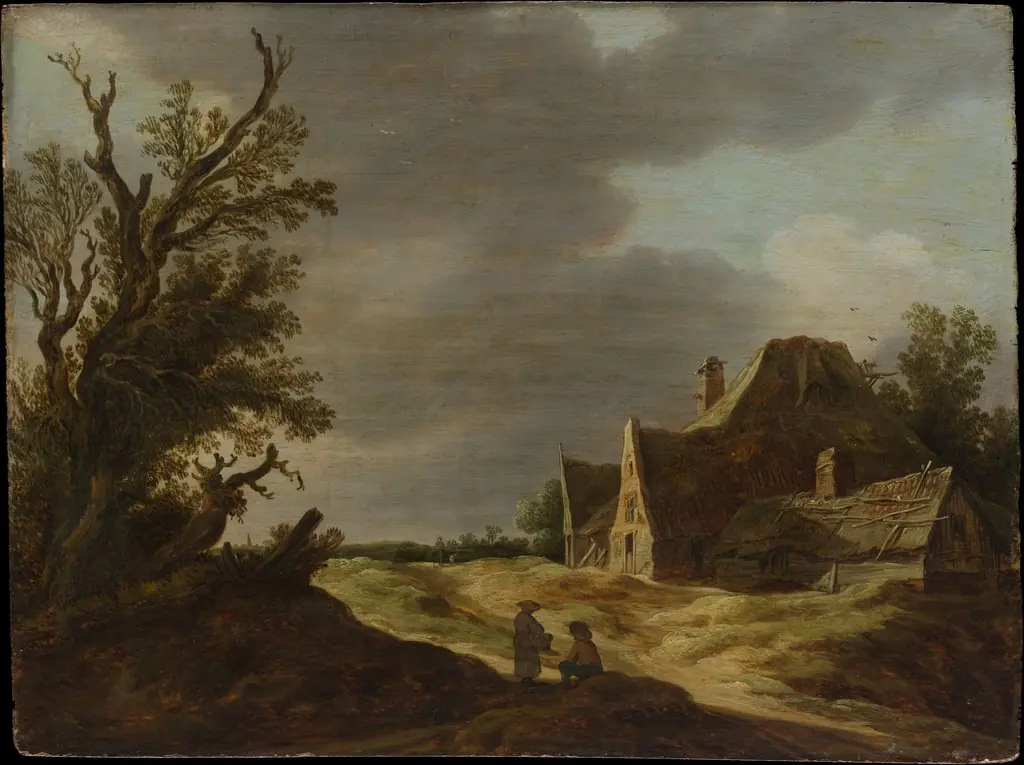
Jan van Goyen's 1625 painting Winter depicts a Dutch winter landscape, a genre in which the artist specialized alongside river and beach scenes. The work features figures engaging in activities on ice, consistent with his broader oeuvre that includes winter landscapes with skaters on frozen lakes. These scenes are characterized by an observation of everyday life and human activity within the natural environment. Van Goyen's approach to such subjects was not strictly topographical but rather aimed at capturing the overall impression of the scene, often under cloudy skies that mute the color palette. His winter views typically utilize a reduced range of earthy tones and neutral grays to convey the atmospheric conditions of the season.
Technique & Style
Jan van Goyen typically painted on thin oak panels prepared with animal hide glue and a tinted white lead ground, often light brown or ochre. He sketched compositions rapidly in walnut ink and pen before applying thin, quick-drying layers of paint using a limited palette of neutral grays, umbers, ochre, and earthen greens, mixed with oil to facilitate blending. Dark areas were rendered with transparent, thin paint to enhance depth, while lighter sections used opaque white lead to create reflective highlights, producing a supple, three-dimensional surface. His technique emphasized tonal gradations and atmospheric effects, particularly in winter and coastal scenes, aligning with Dutch Golden Age landscape traditions. This approach is documented in technical descriptions of his materials and process.
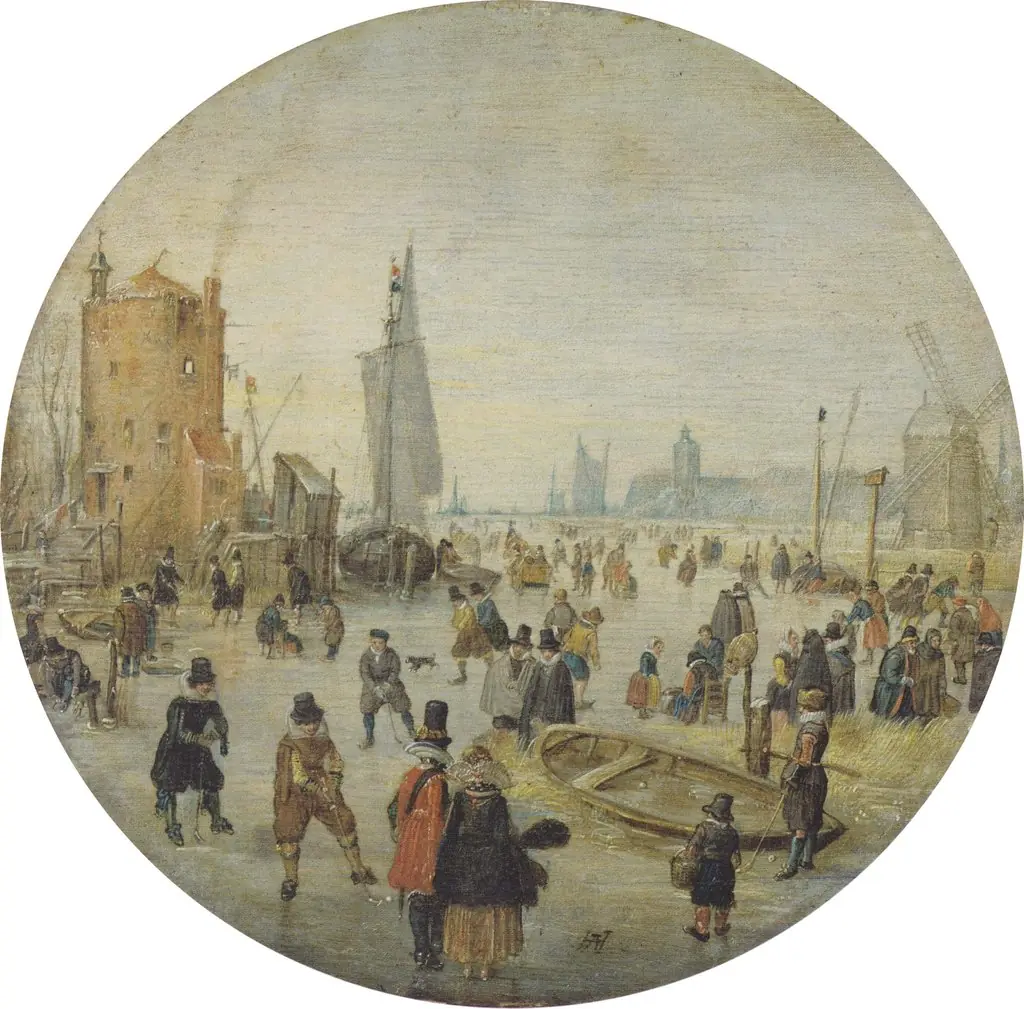
The work titled Winter (1625), an oil on panel measuring 33 cm in diameter, exemplifies his winter landscape genre and is housed in the Rijksmuseum, Amsterdam.
Legacy
Jan van Goyen exerted a profound influence on the landscape painters of the seventeenth century, particularly through his development of tonal quality which many artists imitated. The Netherlands Institute for Art Records identifies a long list of painters influenced by his style, including Cornelis de Bie, Jan Coelenbier, and Abraham van Beijeren. His reputation endured well beyond the Dutch Golden Age; Vincent van Gogh explicitly referenced the artist's perspective in a letter from an asylum, noting a wheat field viewed "in the manner of Van Goyen." In the nineteenth century, the British master J.M.W. Turner paid tribute to van Goyen's legacy with the 1833 painting *Van Goyen Looking Out for a Subject*. Despite his financial struggles during his lifetime, his innovative approach to tonal landscapes secured his place as a pivotal figure in art history.
Own this work as a print
Artist & collection

Artist
Jan Josephszoon van Goyen (Dutch pronunciation: ; 13 January 1596 – 27 April 1656) was a Dutch landscape painter.