Artwork
Portrait of the sister of Dirck Baltus
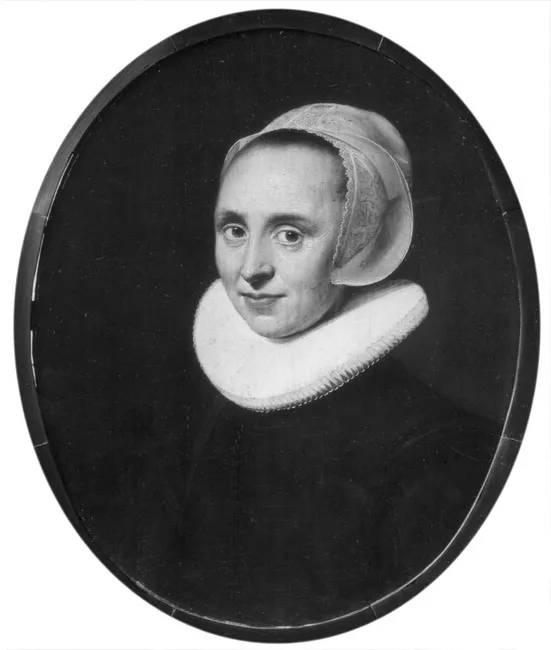
Portrait of the sister of Dirck Baltus is an oil painting by the Dutch Golden Age artist Jan van Ravesteyn. It dates from 1630 and is held in the collection of the Rijksmuseum.
About this work
Subject & Meaning
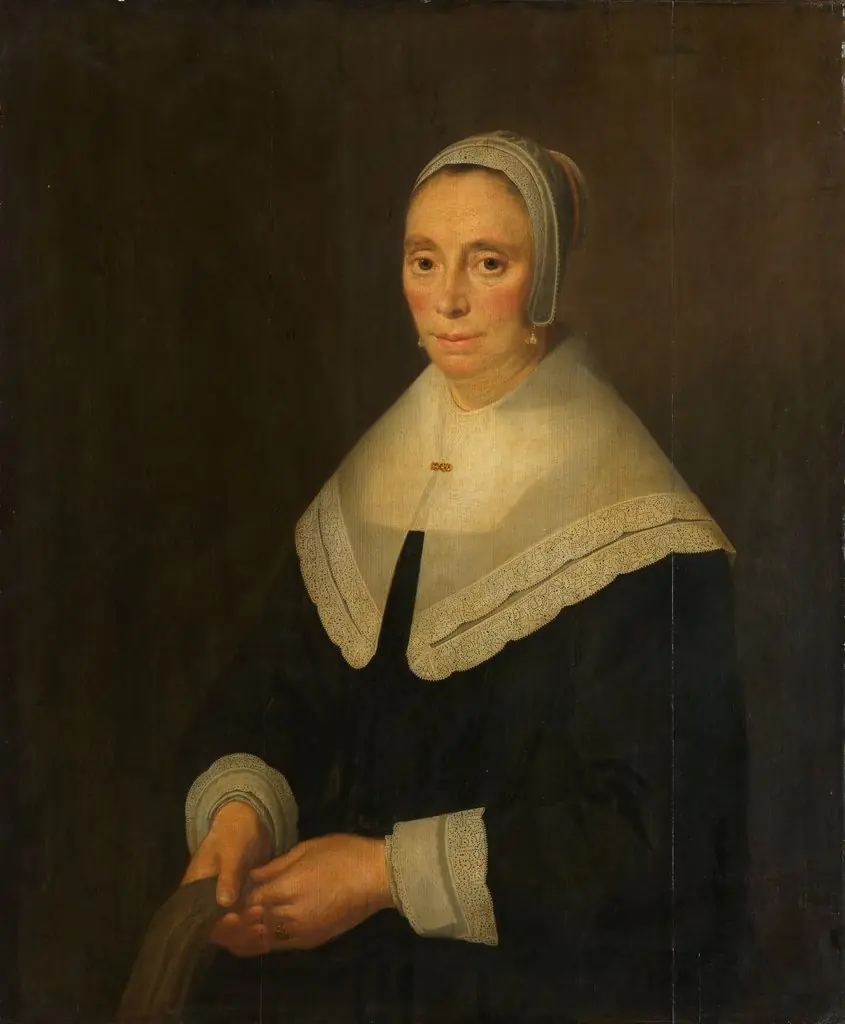
The painting depicts a woman identified in early sources as the sister of Dirck Baltus, positioned in a three-quarter view against a neutral background.
The painting depicts a woman identified in early sources as the sister of Dirck Baltus, positioned in a three-quarter view against a neutral background. Her attire, consisting of a dark dress with a white collar and cuffs, reflects the restrained fashion of the Dutch Golden Age portraiture of the 1630s. The work’s restrained palette and direct gaze align with the conventions of elite portraiture of the period, emphasizing social status rather than symbolic attributes.
Within its documented provenance, the painting has been associated with the Rijpenhofje collection, suggesting a possible institutional or civic context for its display.
No overt religious or allegorical symbols are recorded in the work’s iconography, indicating that the portrait’s meaning centers on personal identity and familial connection rather than broader symbolic representation.
Technique & Style
The work is an oil painting executed on a wooden panel, measuring 36 centimeters in height by 30 centimeters in width. It portrays a woman identified as the sister of Dirck Baltus, rendered with the characteristic realism and subdued palette typical of early Dutch portraiture. The handling of light and the fine modeling of facial features reflect the influence of contemporary portrait conventions in the 1630s.
History & Provenance
The work was created in 1630 and attributed to Jan van Ravesteyn, as recorded in both the Rijksmuseum’s holdings and an internal catalog entry.
It entered the Rijksmuseum’s collection through the Rijpenhofje, an Amsterdam civic orphanage whose art holdings were transferred to the museum in the nineteenth century. The painting has been part of the Rijksmuseum’s holdings since at least the date of that transfer.
The painting’s title refers to a woman identified as the sister of Dirck Baltus, a figure otherwise unattested in surviving archival sources; no commission record or preparatory material has been identified, and the work is dated solely by the artist’s known chronology.
The painting is held in the collection of the Rijksmuseum in Amsterdam, specifically within the Rijpenhofje. Its inventory location is recorded as the Rijpenhofje, a historic almshouse associated with the museum's holdings. The work depicts a woman and dates to circa 1630, created by Jan van Ravesteyn. No specific accession number or exhibition history is provided in the available records.
Overview
Created in 1630 by Jan van Ravesteyn, a court painter based in The Hague, this oil portrait depicts a woman identified as the sister of Dirck Baltus. Executed during the Dutch Golden Age, the work is part of the Rijksmuseum’s holdings and exemplifies the period’s focus on realistic, individualized likenesses.
Context
The portrait reflects the broader cultural climate of early 17th‑century Holland, a time when the burgeoning middle class commissioned intimate likenesses to assert status and preserve family memory. Van Ravesteyn’s work aligns with contemporary court portraiture, balancing refined elegance with the emerging realism that characterized Dutch art of the era.
Artist & collection
Artist
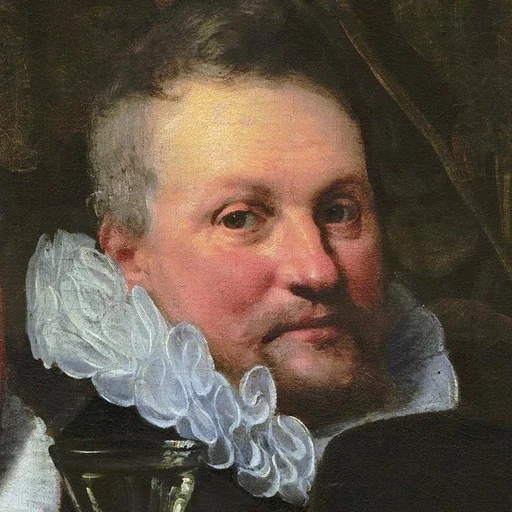
Jan Anthoniszoon (abbr. Anthonisz.) van Ravesteyn (c. 1572 – buried 21 June 1657) was a successful portrait painter to the Dutch court in The Hague.

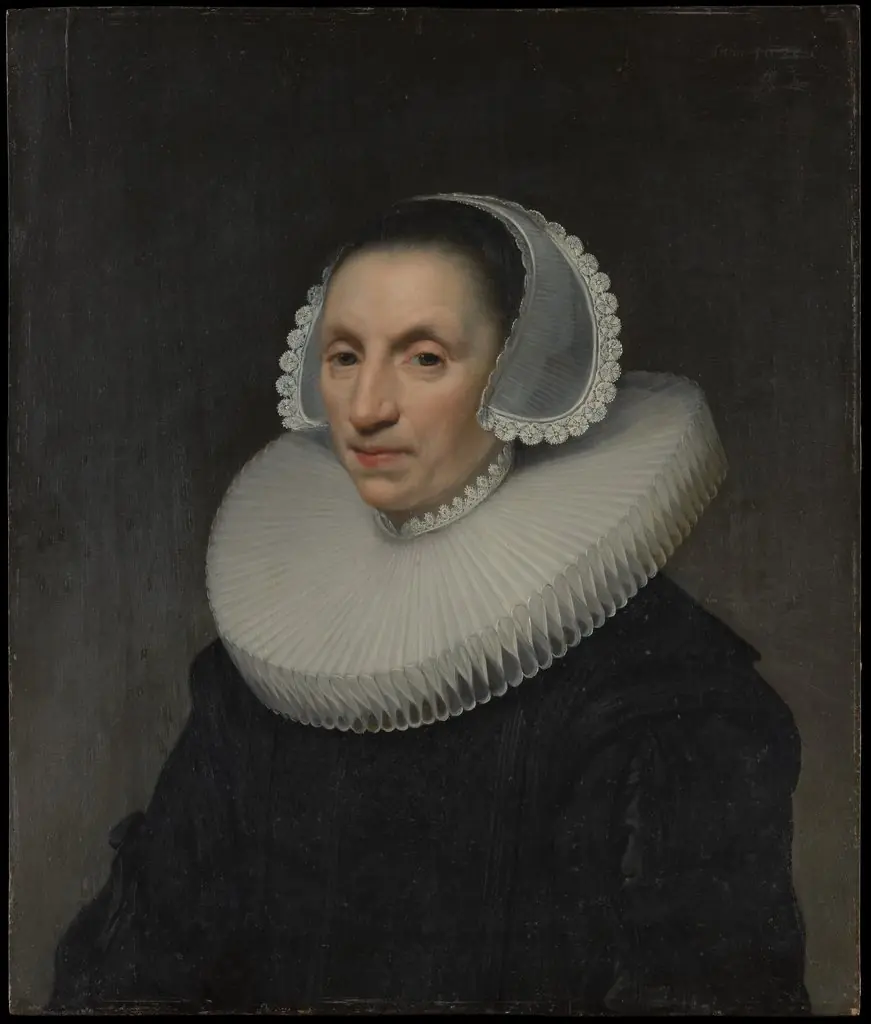
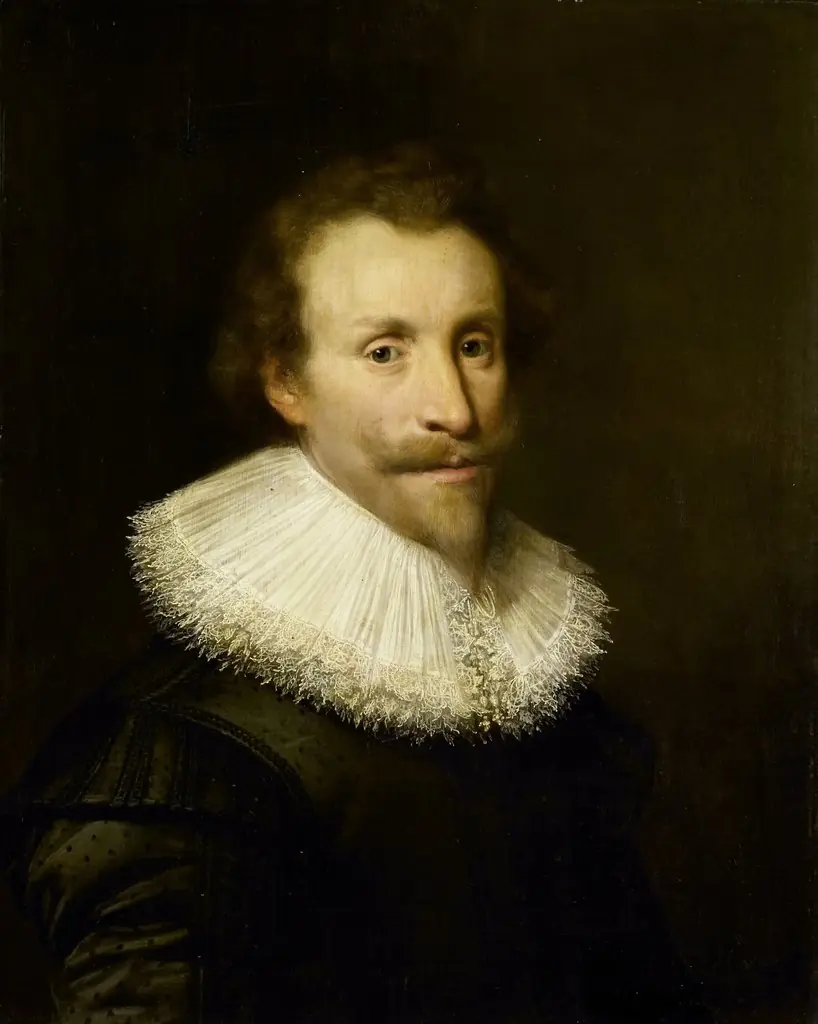
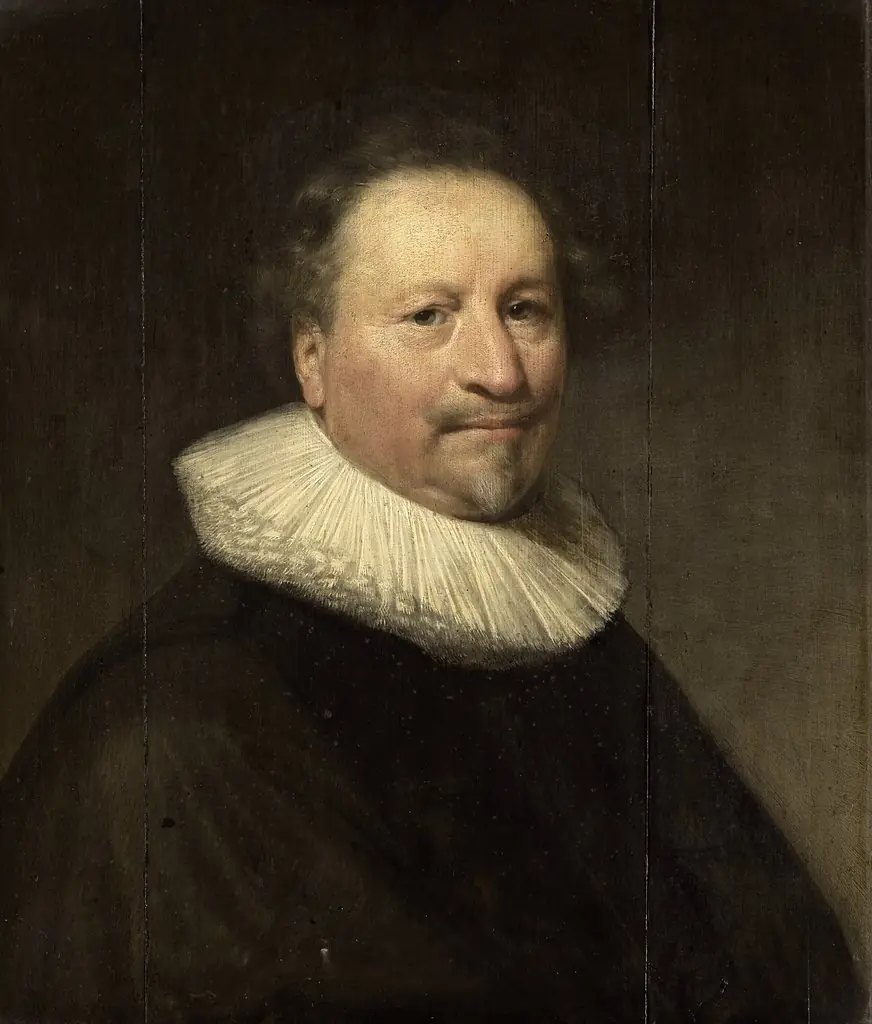
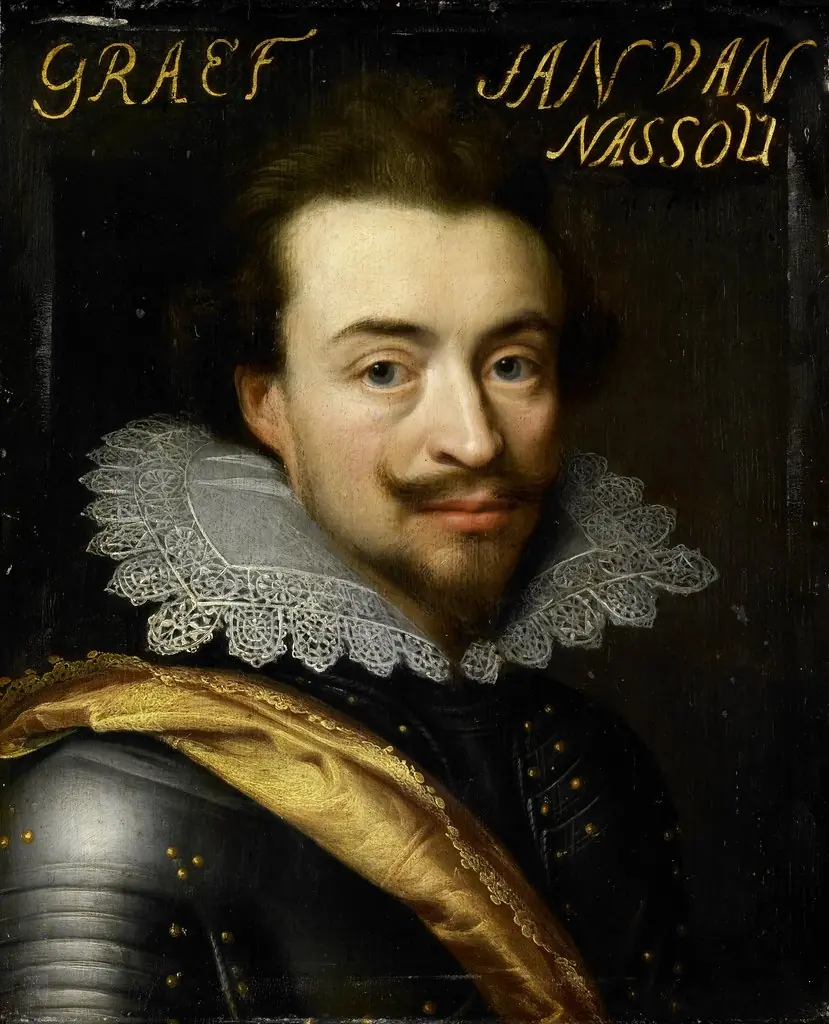
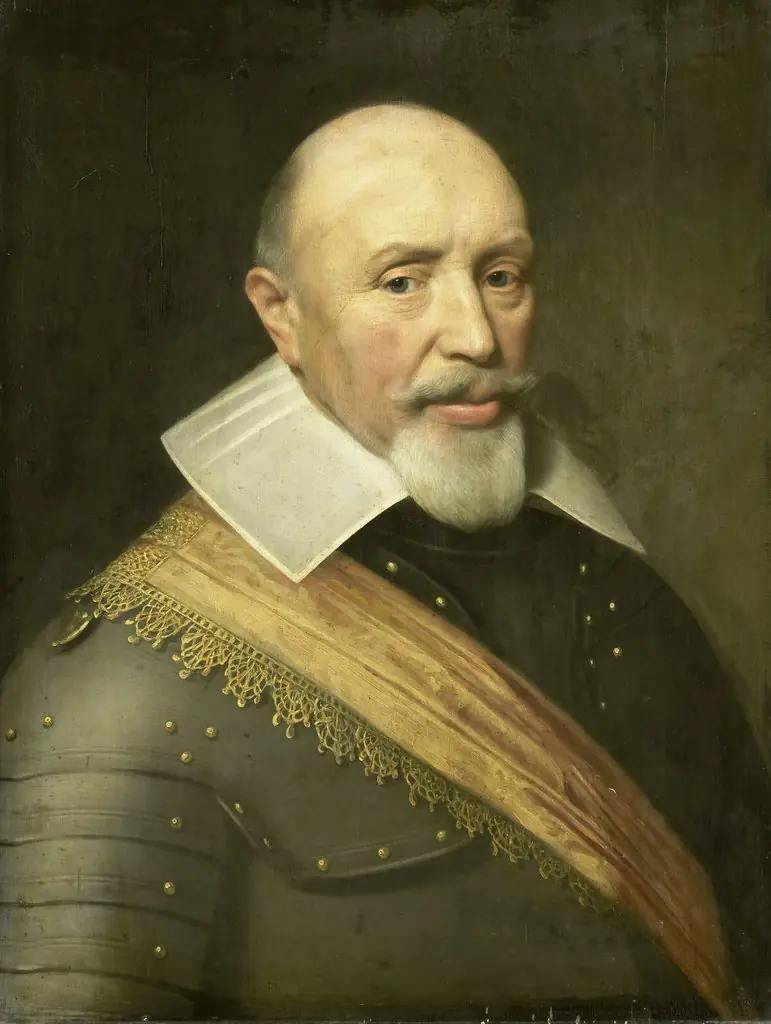
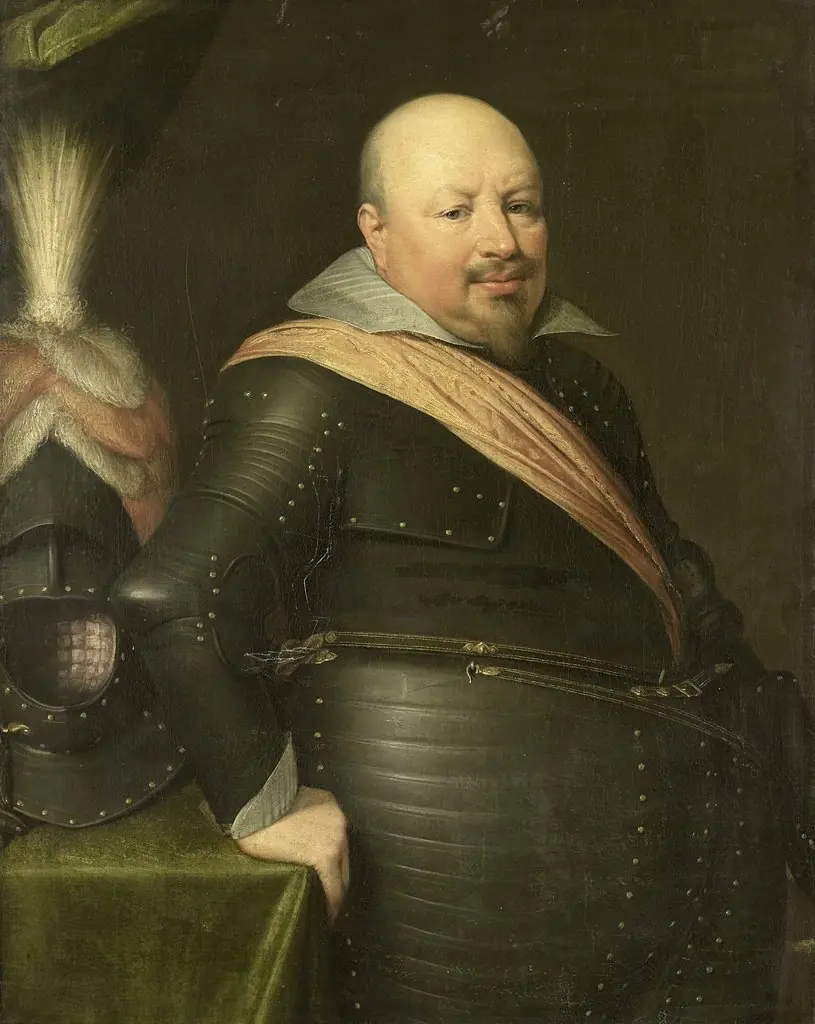
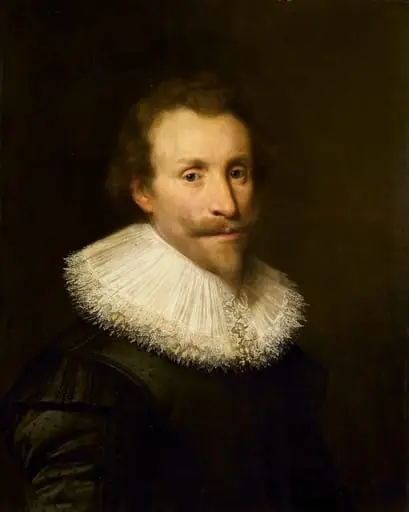
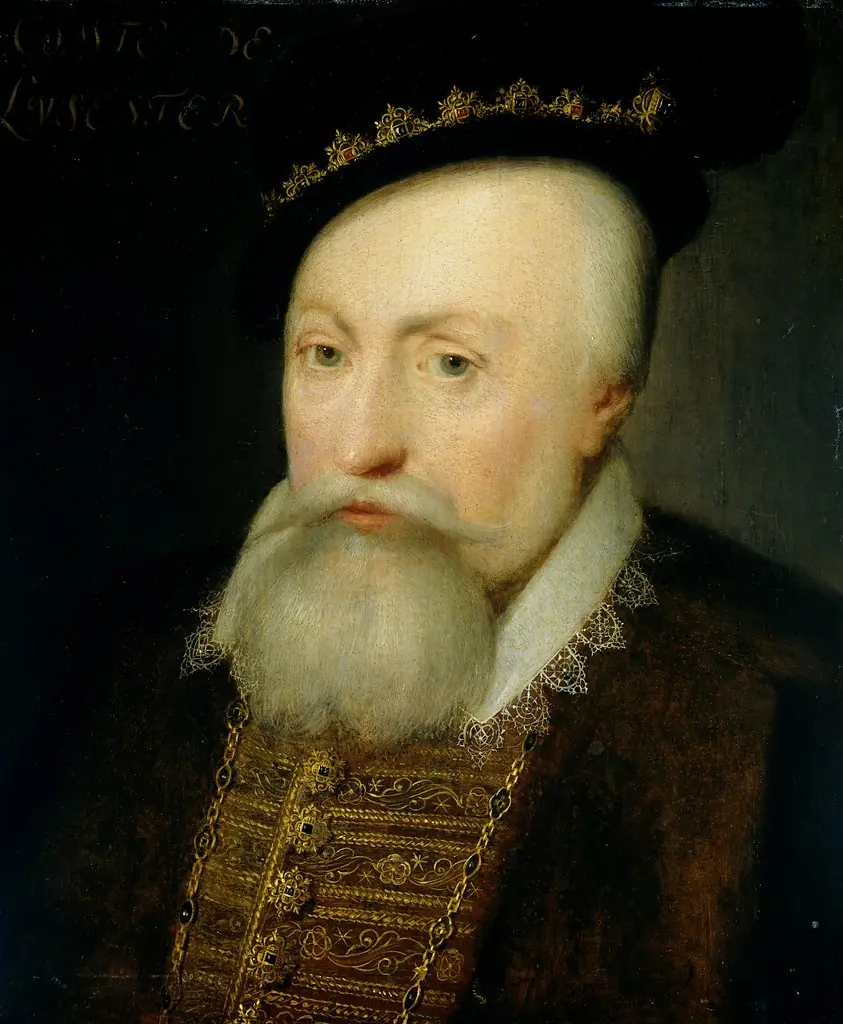
- Portrait of a Woman
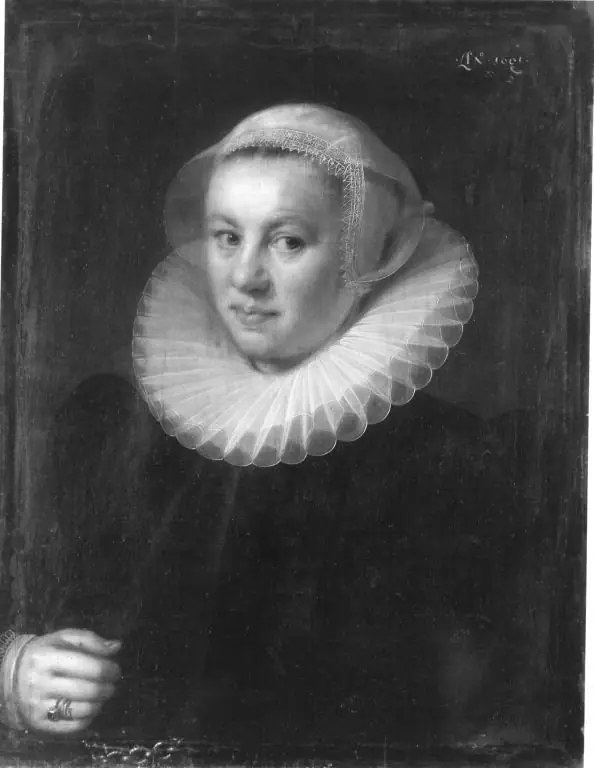 Bildnis einer Frau
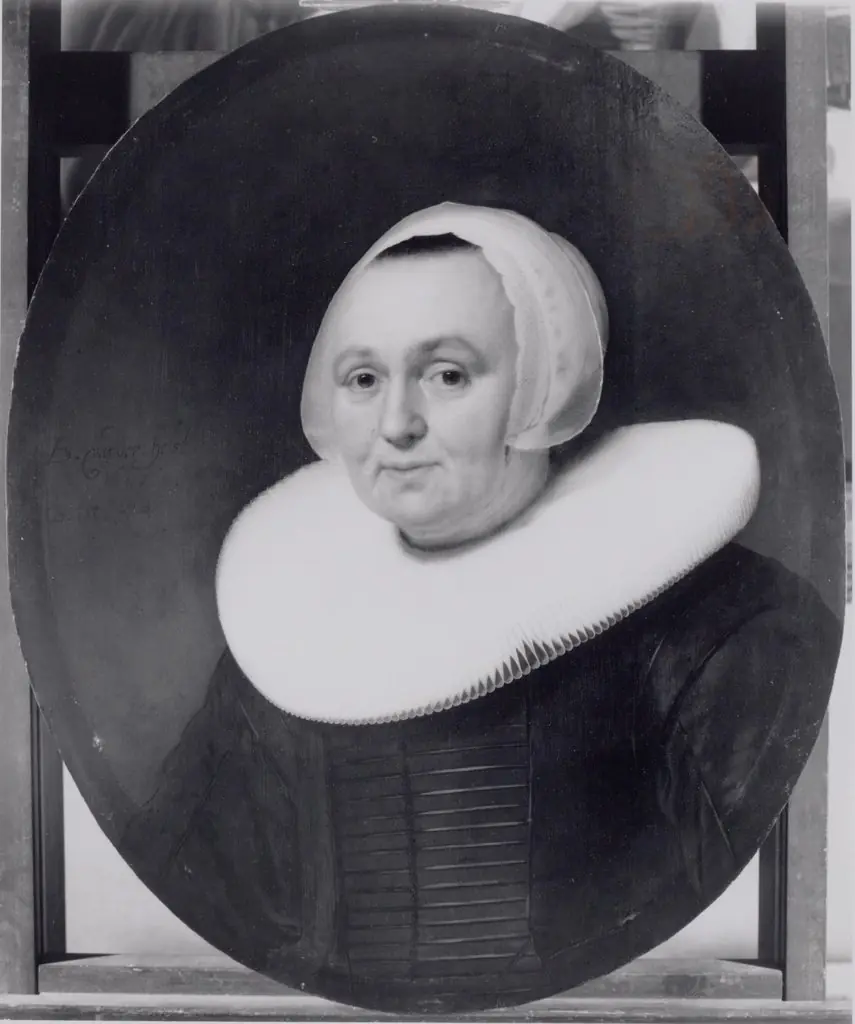 Portrait of Maritge Jansdr. Pesser
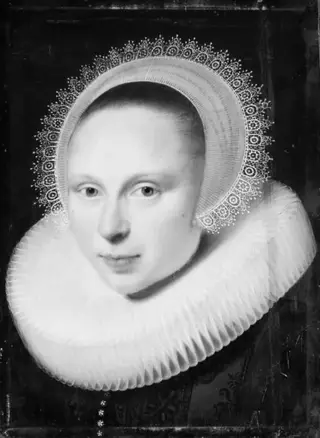 Portrait of a Lady
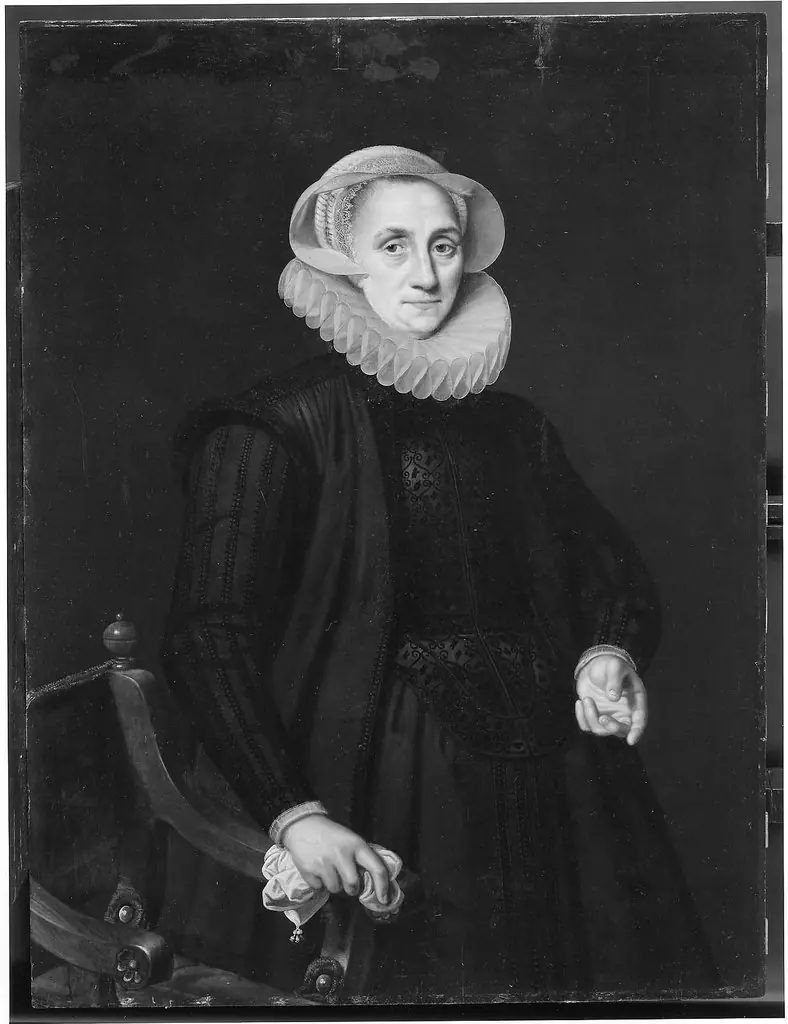 Portrait of a Woman Standing beside a Chair
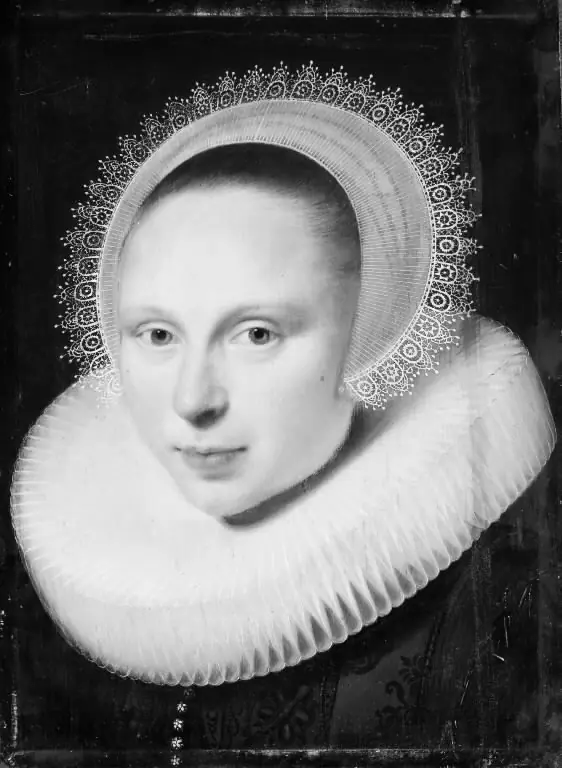 Portrait of a Lady
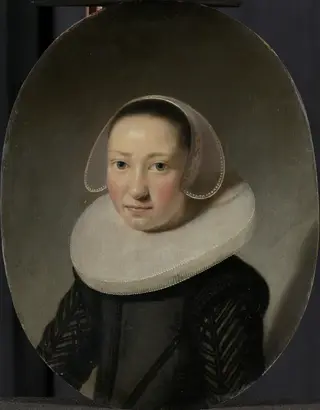 Portret van een jonge vrouw
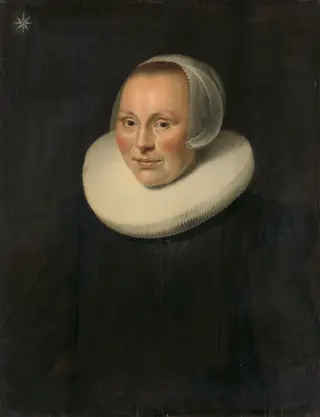 Portrait of a woman
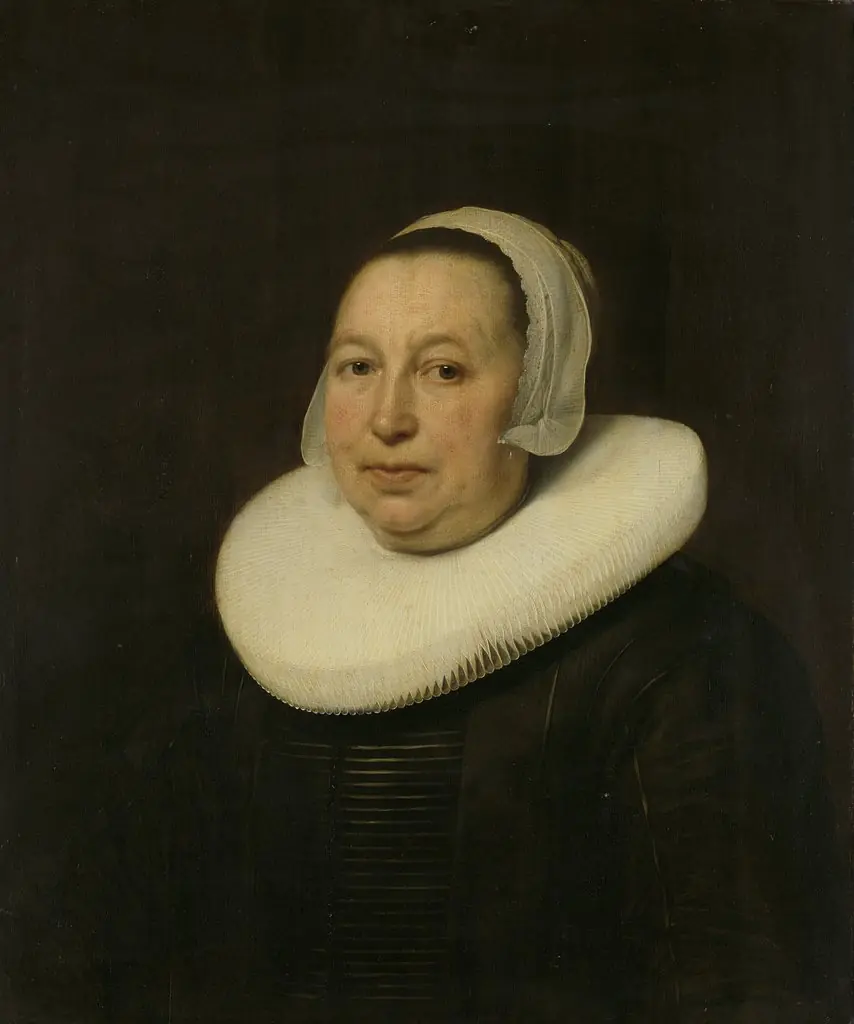 Maria Pietersdr de Leest (d 1652). Wife of Samuel van Lansbergen
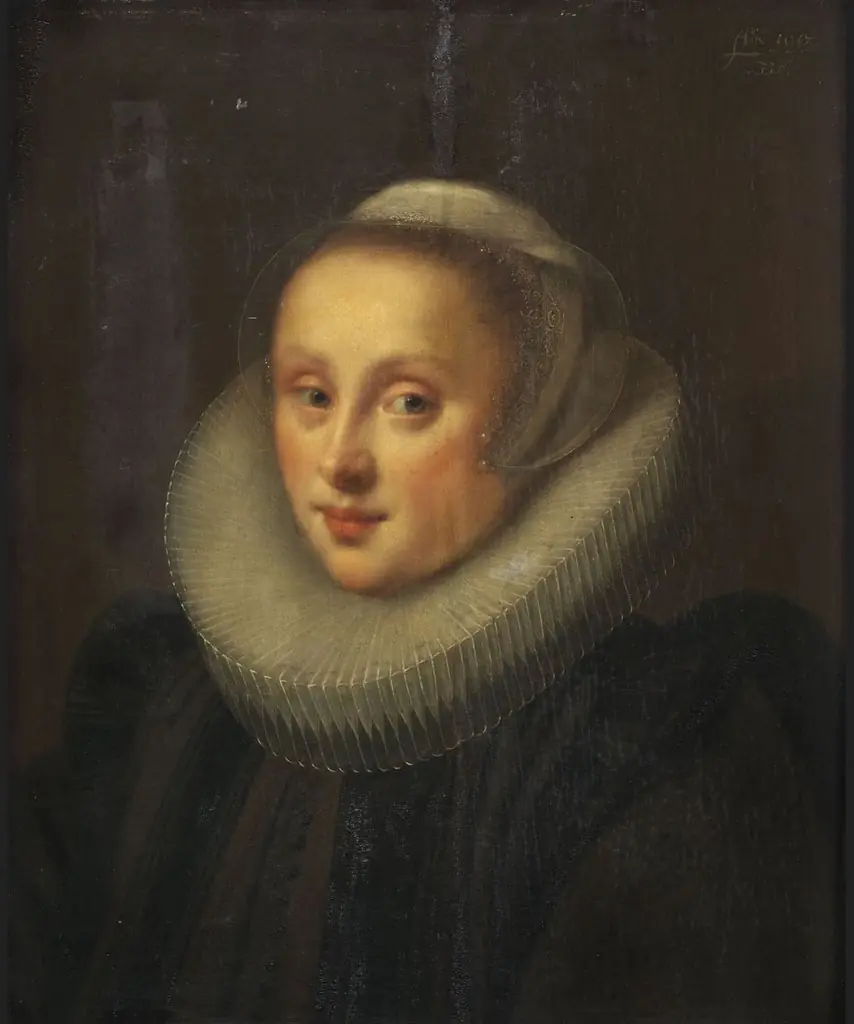 Portrait of Gertrud Cronenberg, second wife to Adriaen de Bruyn van Blanckenvort
 Portrait of a woman
 Portrait of a Young Woman wrongly called Wife of Burgomaster Six