Artwork
The swine butcher
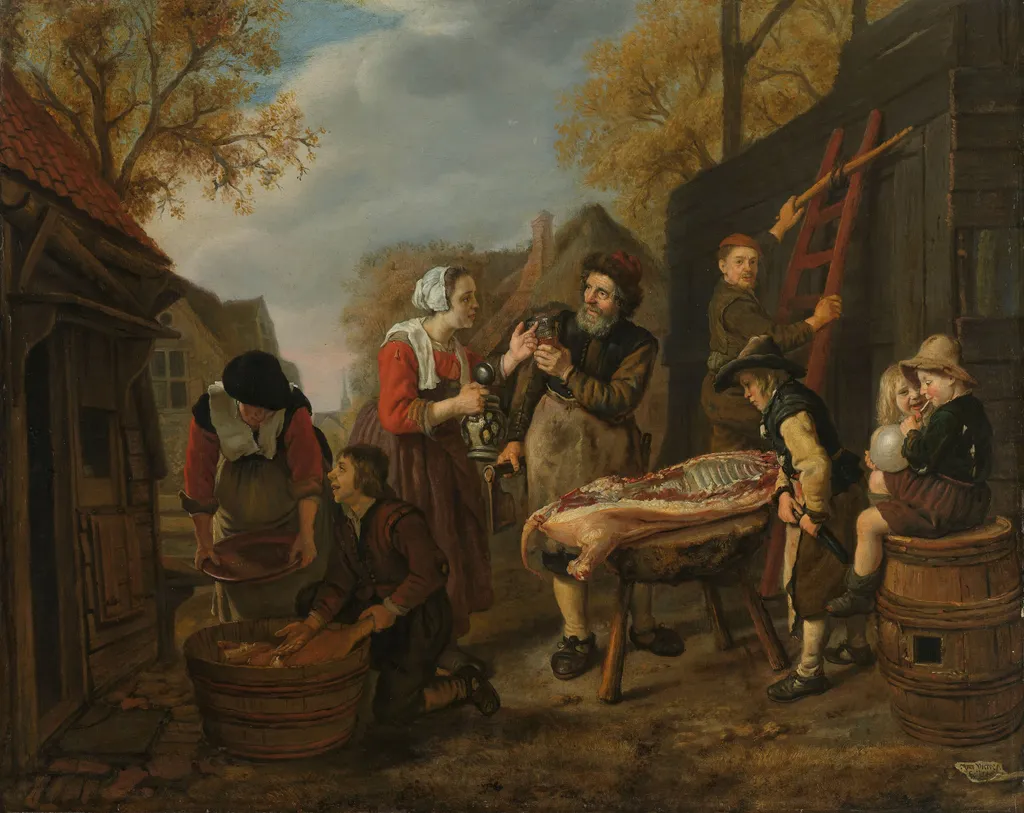
The swine butcher is an oil painting by the Dutch Golden Age artist Jan Victors. It dates from 1648 and is held in the collection of the Rijksmuseum.
About this work
Subject & Meaning
The painting serves as a visual record of food preparation and labor, characteristic of Dutch genre art of the period.
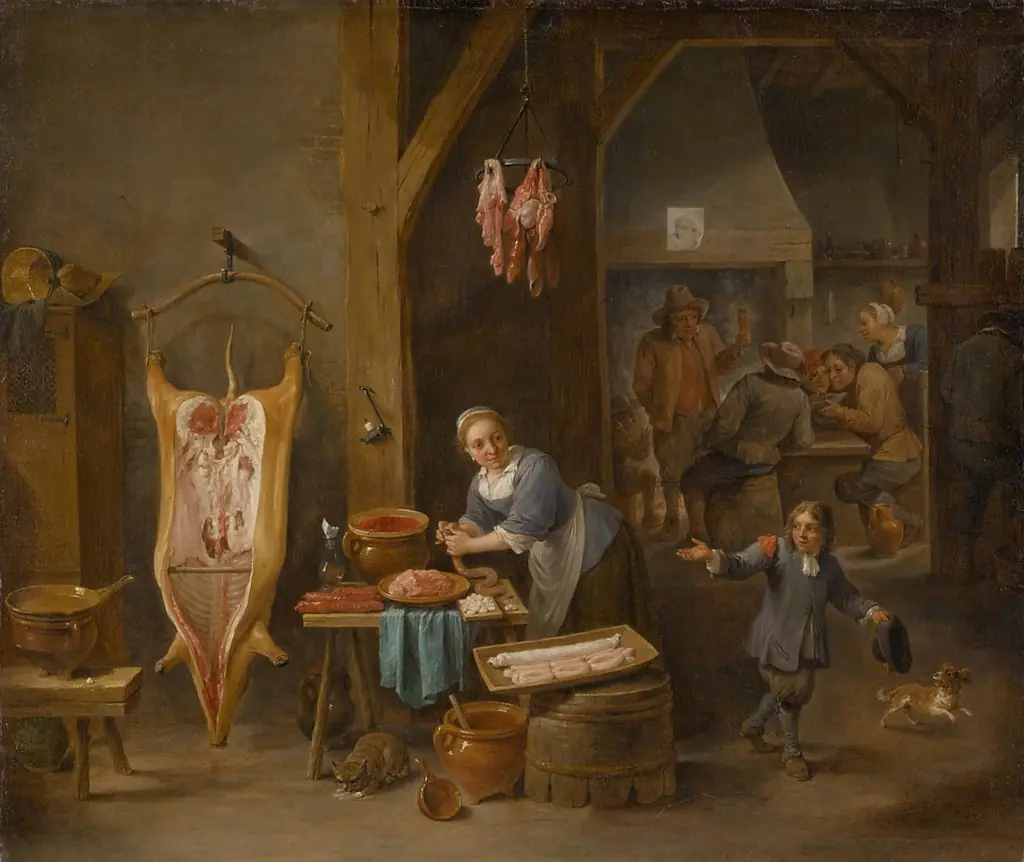
Jan Victors' 1648 oil painting portrays a domestic genre scene centered on the ritual of animal slaughter. The composition explicitly depicts a butcher engaged in processing a pig, surrounded by a woman, a child, and various implements including a ladder and a pig's bladder. By including multiple figures and household tools alongside the carcass, the work illustrates the communal and practical aspects of butchery within a seventeenth-century setting.
The presence of the bladder, often used for stuffing or as a toy, alongside the stark reality of the slaughter, grounds the image in the tangible details of daily life rather than allegorical abstraction. The painting serves as a visual record of food preparation and labor, characteristic of Dutch genre art of the period.
Technique & Style
Jan Victors executed The Swine Butcher in 1648 using oil paint on canvas, a support and medium typical of Dutch Golden Age practice. The work measures 79.5 × 99.5 cm, a modest scale suited to its intimate genre subject. As a genre scene, the painting depicts the slaughter of a pig, incorporating multiple figures, a butcher, man, woman, and child, along with attendant objects including a ladder and pig's bladder, suggesting a narrative composition with careful attention to the details of everyday rural labor. Victors's handling serves the conventions of Dutch genre art, emphasizing naturalistic observation of a domestic-professional activity.
History & Provenance
Jan Victors executed the oil painting The Swine Butcher in 1648 on canvas, depicting a genre scene of animal slaughter. The work entered the collection of the 19th-century collector Adriaan van der Hoop, and through his bequest passed into the holdings of the Rijksmuseum in Amsterdam, with which the Amsterdam Museum is also associated in its records. Measuring 79.5 by 99.5 cm, the painting remains part of the museum's permanent collection.
Overview
The oil painting "The swine butcher" was created in 1648 by Jan Victors, an artist of the Dutch Golden Age. This work is a genre scene, capturing a moment from everyday life rather than a historical or religious narrative. It portrays a butcher engaged in his trade, surrounded by onlookers, including children.
The painting offers a detailed and colorful glimpse into the ordinary activities of the 17th century Netherlands, reflecting a common subject for the period.
Context
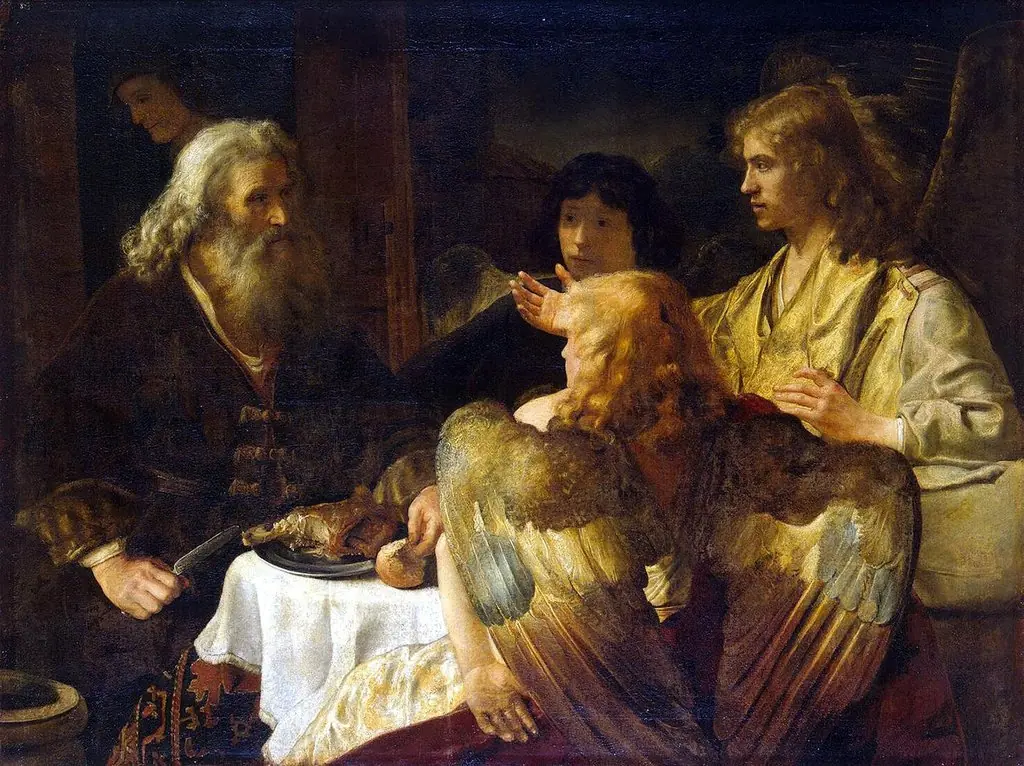
Jan Victors was a painter active during the Dutch Golden Age, primarily recognized for his history paintings, often drawn from biblical narratives. While he may have studied under Rembrandt, Victors' religious affiliation with the Calvinist Dutch Reformed Church influenced the types of subjects he chose to depict or omit. "The swine butcher," a genre scene, represents a departure from his more common historical themes, focusing instead on contemporary daily life.
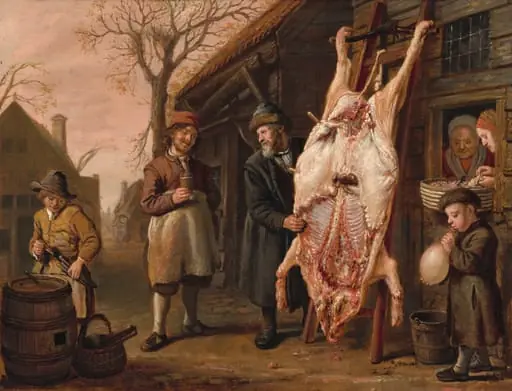
Own this work as a print
Artist & collection
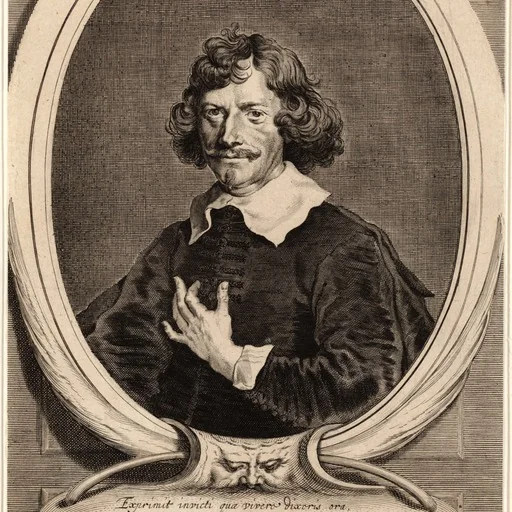
Artist
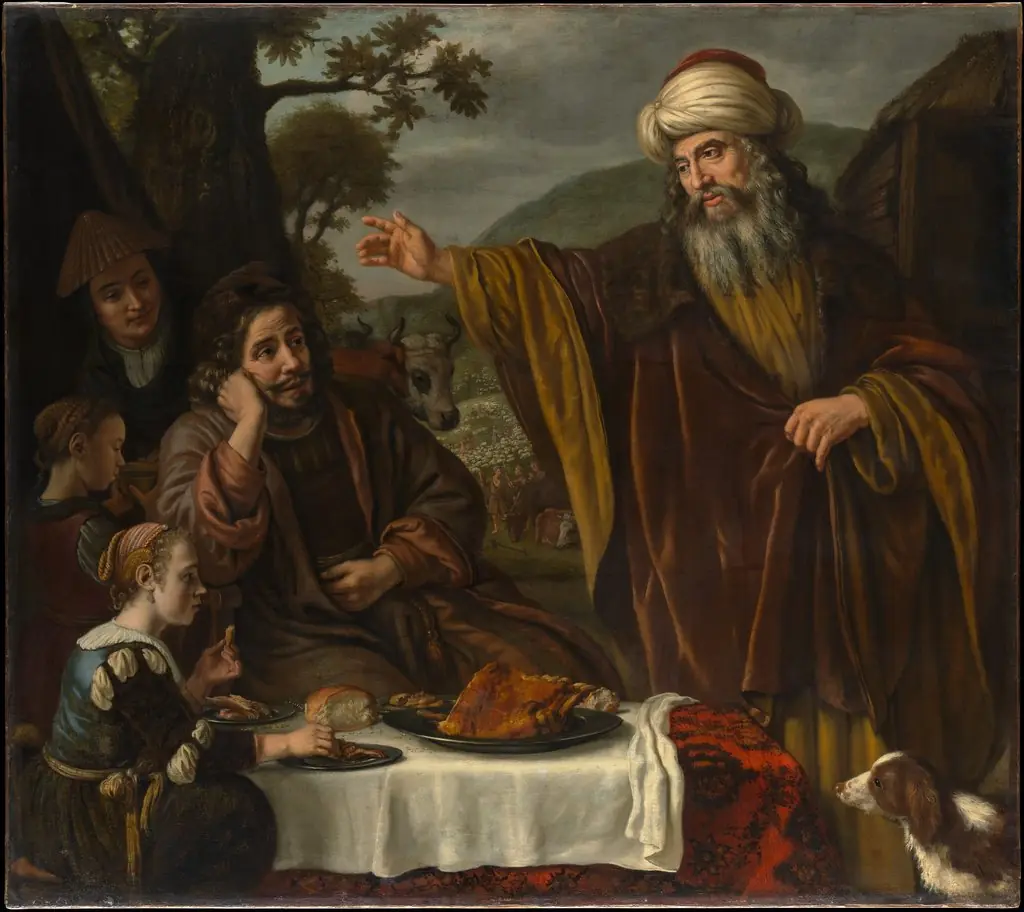
Jan Victors (or Fictor; 1619 – 1676) was a Dutch Golden Age painter mainly of history paintings of Biblical scenes, with some genre scenes.