Artwork
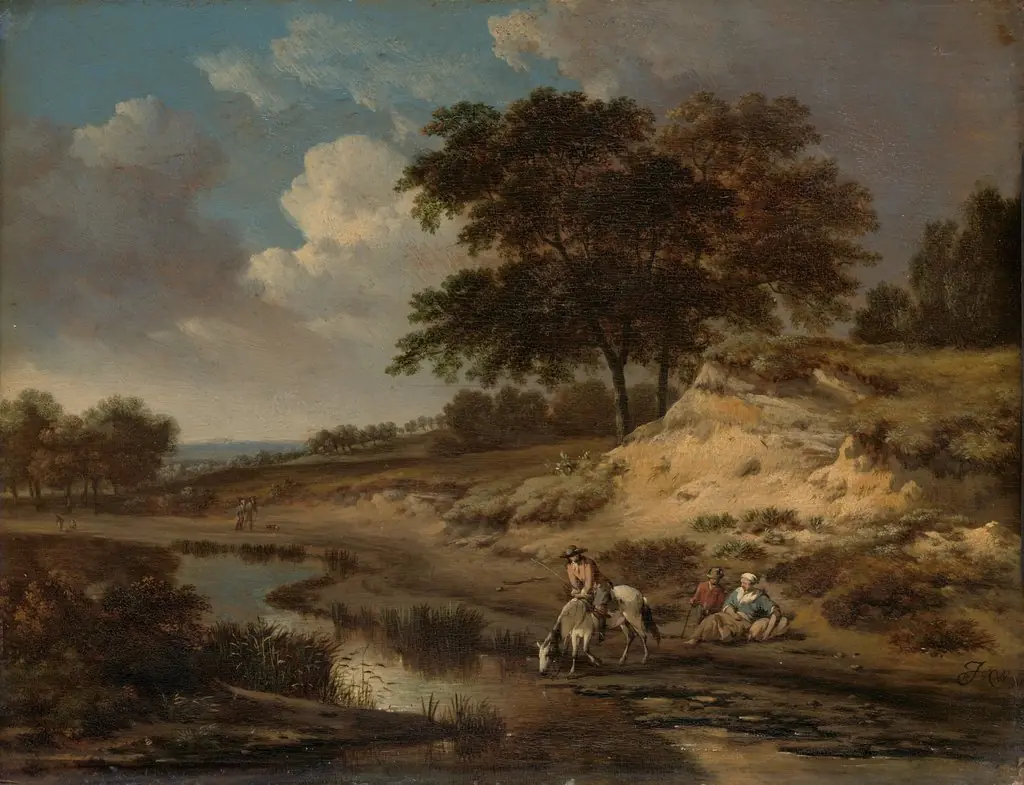
Landscape with donkey rider
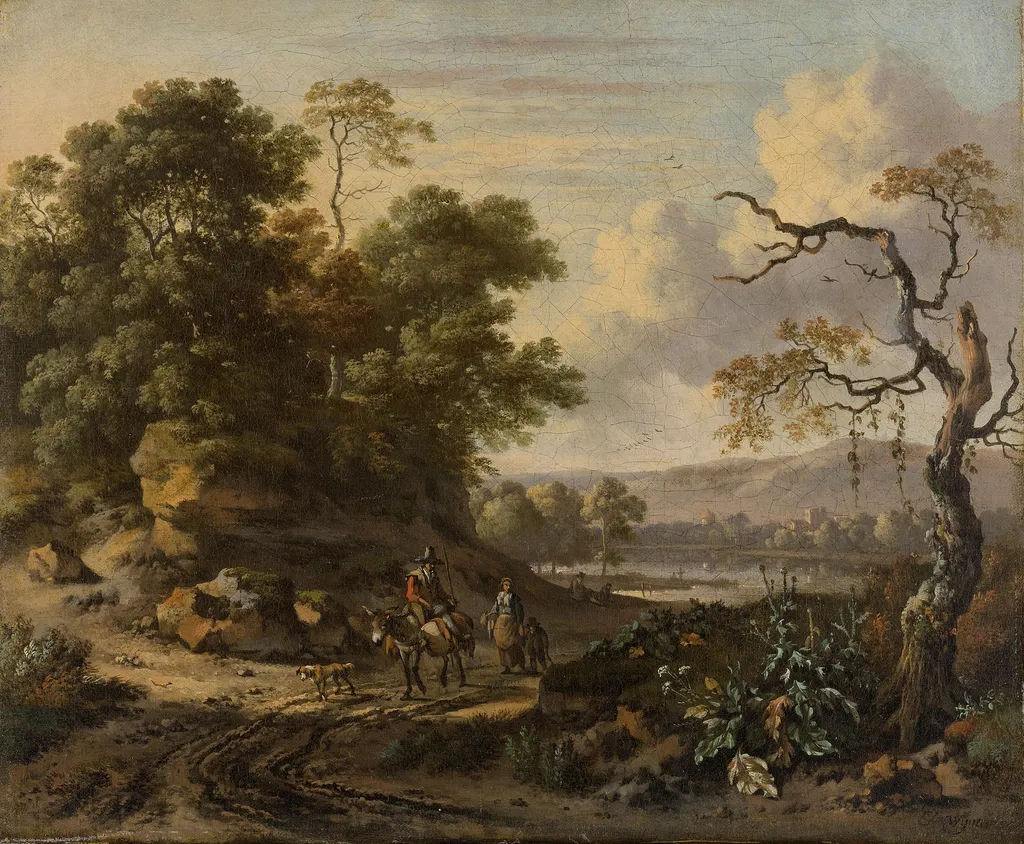
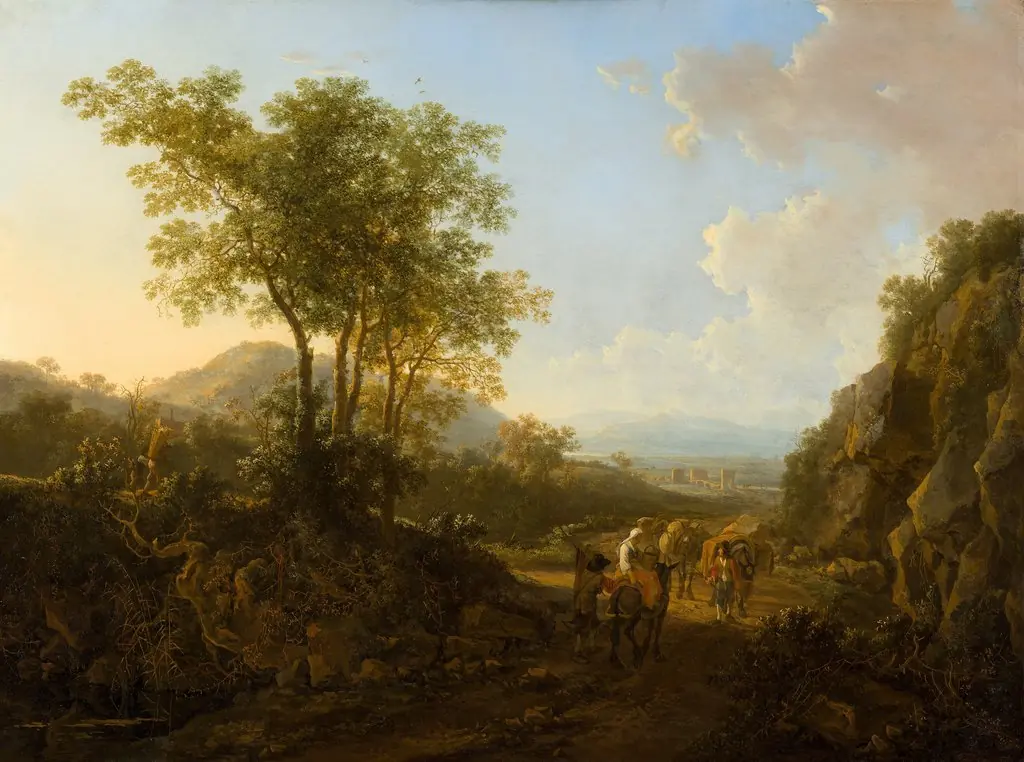
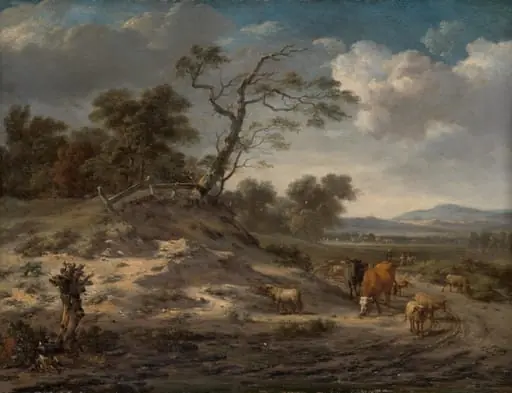
Landscape with donkey rider is an oil painting by the Dutch Golden Age artist Jan Wijnants. It dates from 1670 and is held in the collection of the Rijksmuseum.
About this work
Subject & Meaning
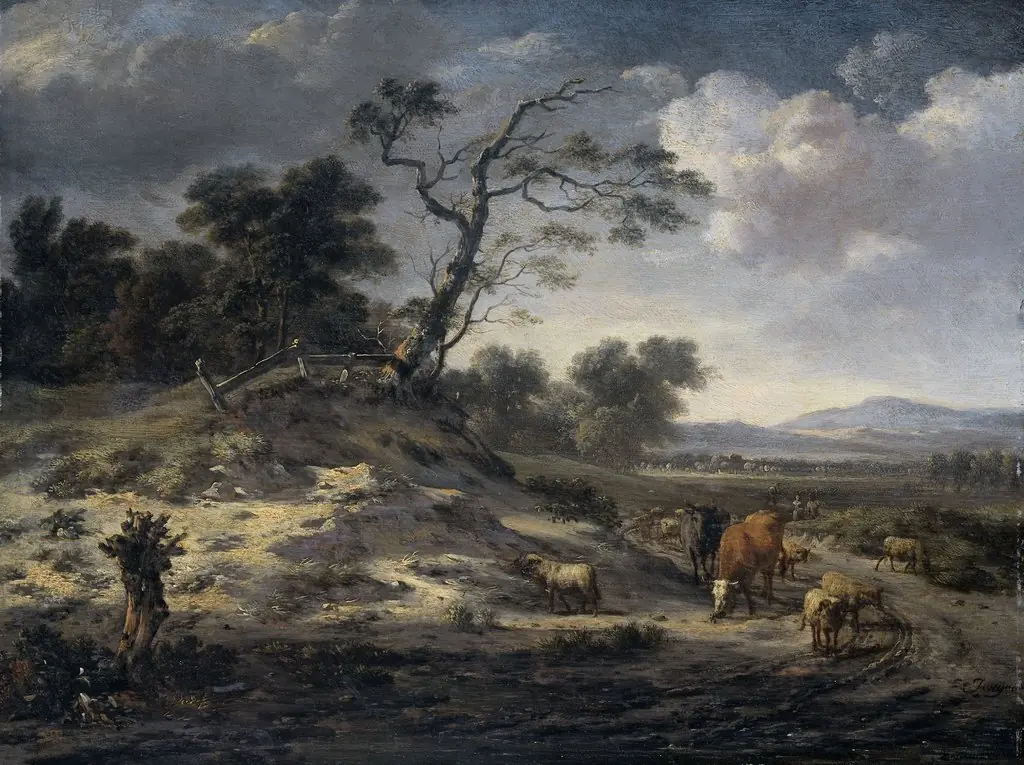
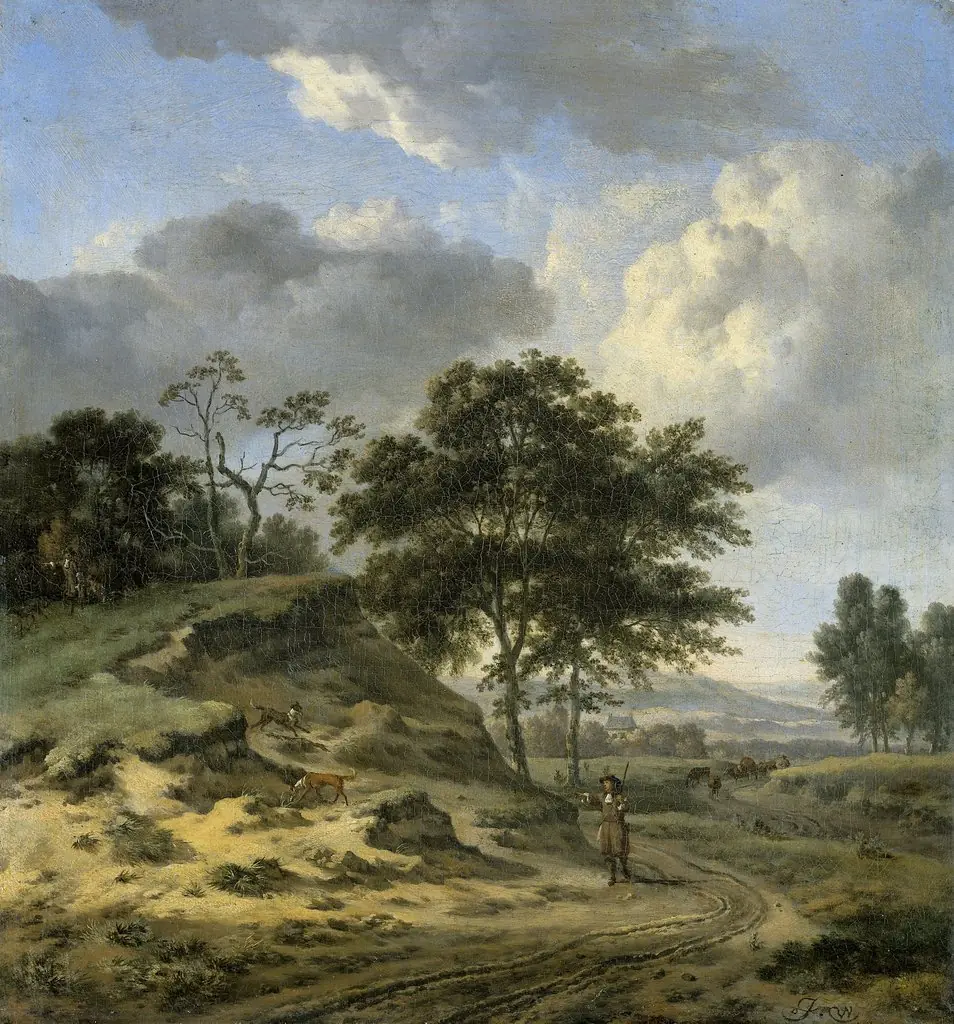
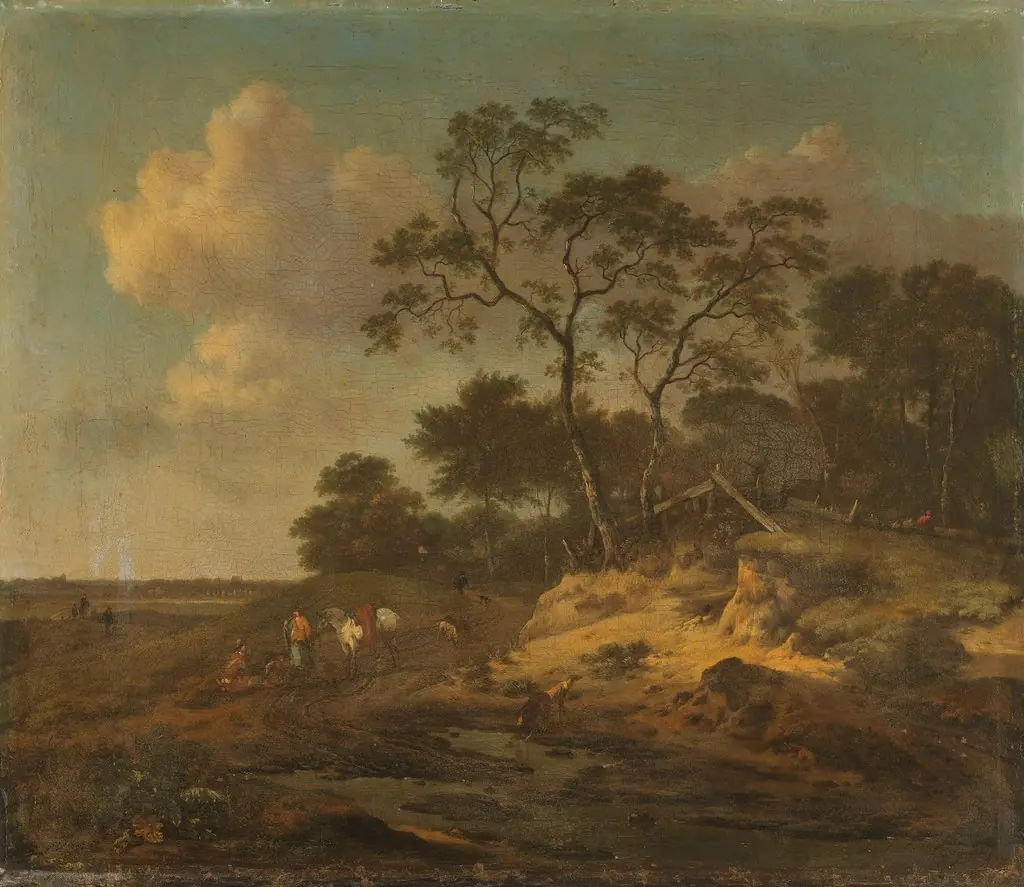
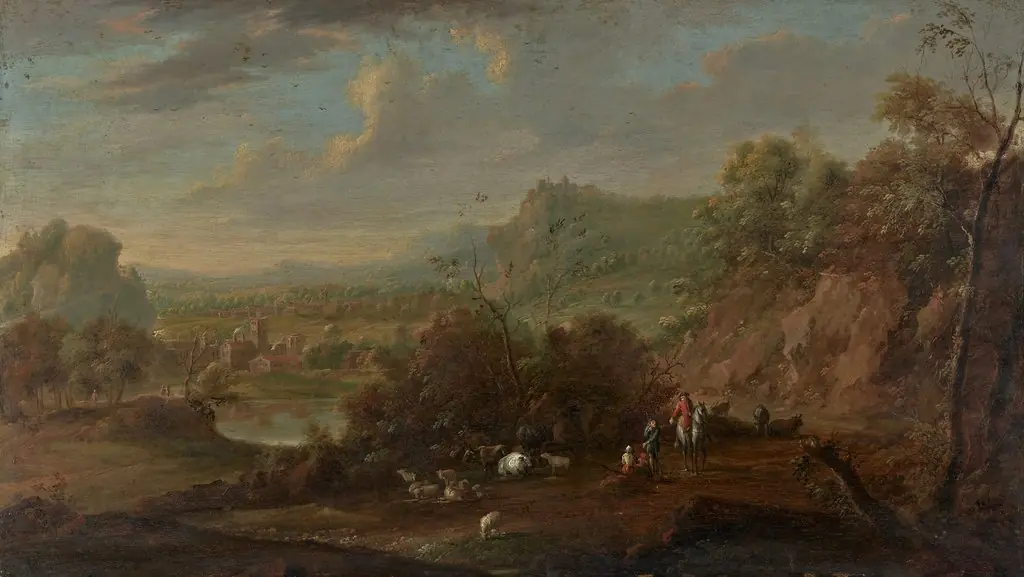
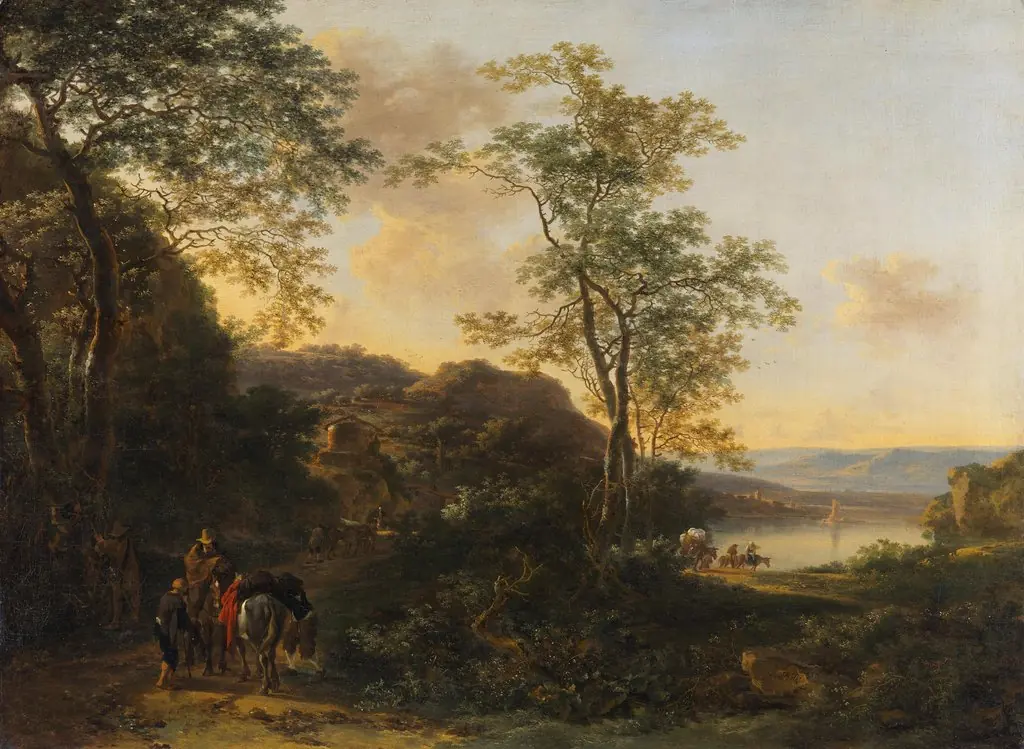
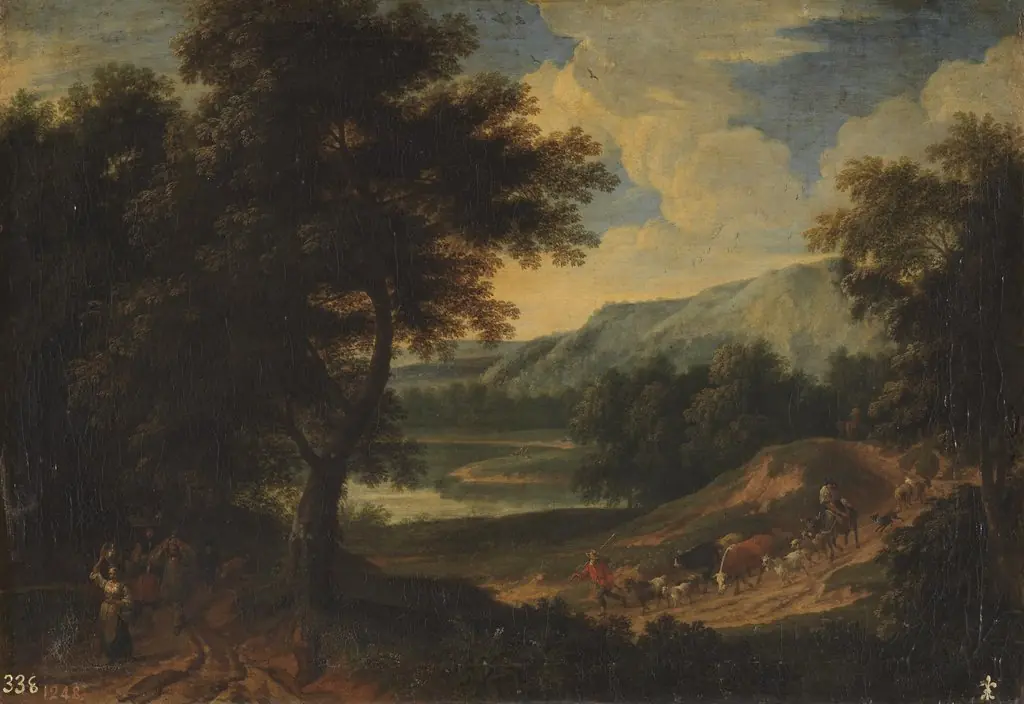
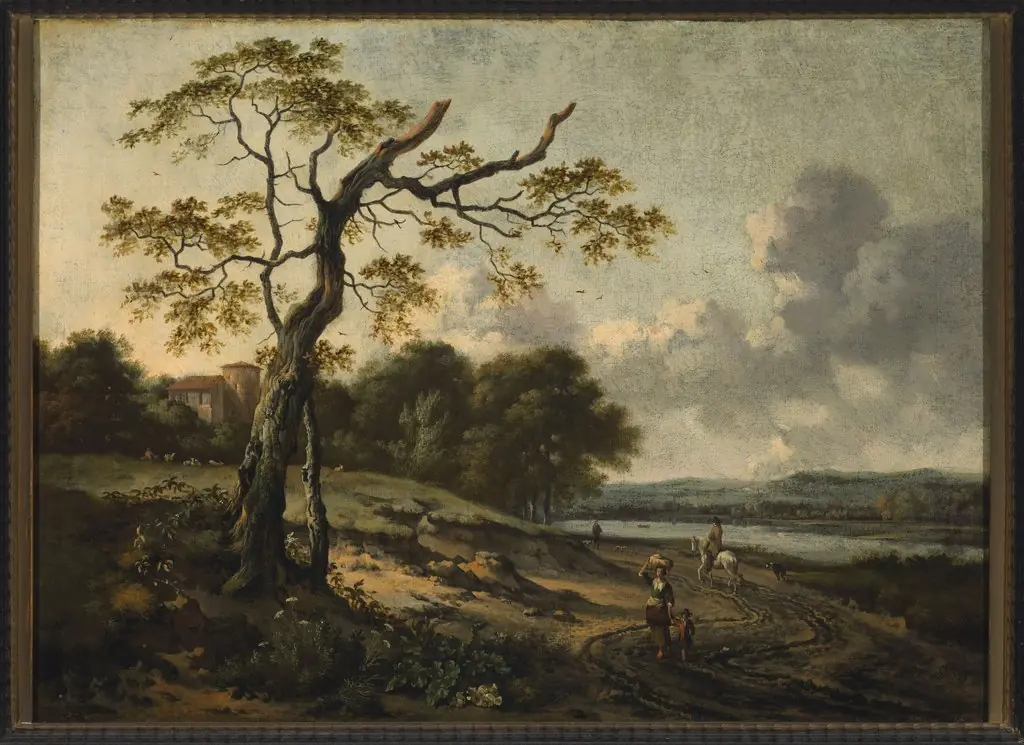
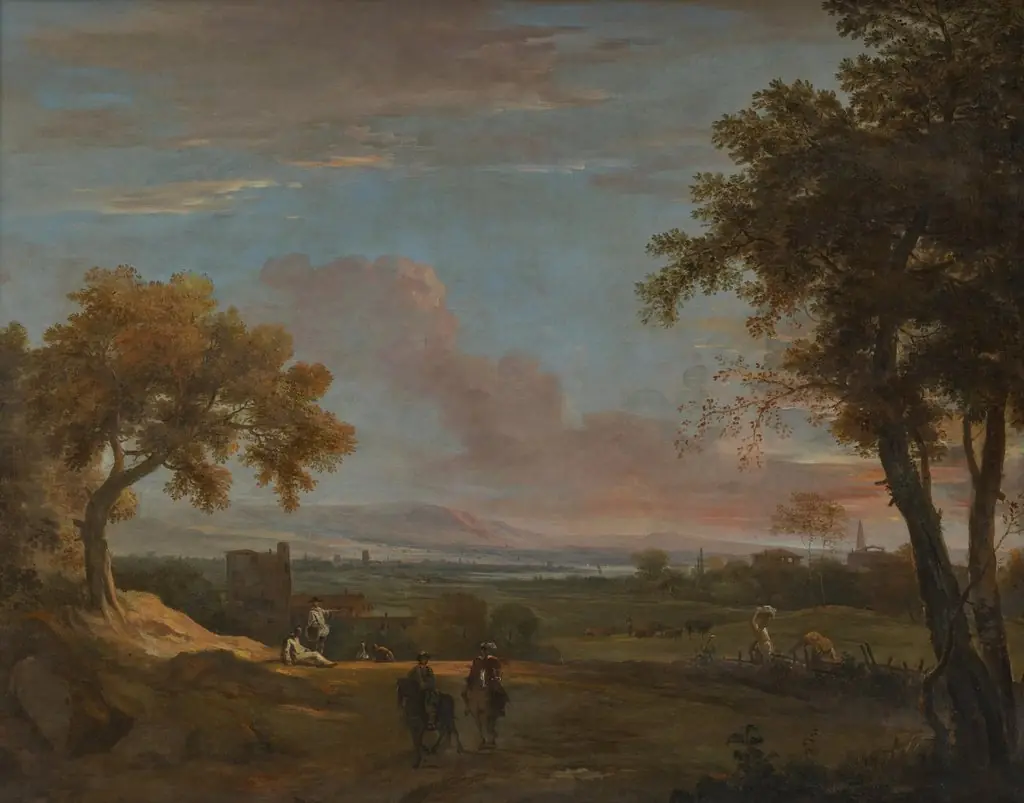
The work depicts a solitary figure on a donkey traversing a sunlit, uneven terrain, a motif that evokes themes of travel, labor, and the humble journey through nature. The rider’s presence in a rural landscape underscores the 17th‑century fascination with everyday pastoral scenes and the symbolic association of the donkey with steadfastness and modest virtue. By situating the traveler within an expansive, sun‑drenched vista, Wijnants emphasizes the relationship between humanity and the natural world, suggesting both the transience of life’s path and the quiet dignity found in simple movement.
The painting’s iconography aligns with typical landscape conventions of the Dutch Golden Age, where figures are often integrated into broader environmental narratives rather than serving as narrative focal points. The donkey, historically linked to themes of pilgrimage and moral constancy, reinforces a contemplative reading of the scene as a visual meditation on journey and endurance.
Technique & Style
Landscape with donkey rider is an oil painting executed on canvas, reflecting Wijnants' characteristic approach to landscape rendering in the late 17th century.
Landscape with donkey rider is an oil painting executed on canvas, reflecting Wijnants' characteristic approach to landscape rendering in the late 17th century. The work employs layered oil paint to build depth and atmospheric effect, typical of Dutch Golden Age landscape practice. Measured at 29 cm in height and 36 cm in width, the canvas support provides a stable surface for the delicate handling of tonal transitions and textural detail. The composition demonstrates a precise yet expressive style, with careful attention to naturalistic forms and spatial recession.
The painting's condition appears well-preserved, with the original canvas and pigments maintaining their structural integrity over three centuries. Its formal qualities include a balanced arrangement of figural elements within a receding landscape space, showcasing Wijnants' skill in integrating narrative details with expansive natural scenery.
History & Provenance
Jan Wijnants created the oil painting Landscape with donkey rider in 1670. Executed on canvas, the work entered the collection of Adriaan van der Hoop at some point after its completion. Van der Hoop's ownership eventually led to the painting's inclusion in the holdings of the Rijksmuseum in Amsterdam, where it remains part of the museum's collection.
Context
Jan Wijnants' 1670 oil on canvas titled Landscape with donkey rider exemplifies his mature landscape style, characterized by meticulous observation of natural terrain and subtle atmospheric effects. The work belongs to the Dutch Golden Age tradition of topographical landscape painting, yet demonstrates a transition toward more expressive compositional structures that would influence later artists. Its inclusion in Adriaan van der Hoop's collection reflects the growing appreciation for such works among 19th-century Dutch art patrons, bridging 17th-century production with 19th-century connoisseurship.
Scholarly attention to this painting has focused on its technical execution and its role within Wijnants' broader oeuvre, particularly regarding his innovations in depicting rocky landscapes. The painting's provenance at the Rijksmuseum and Amsterdam Museum underscores its significance as part of a foundational collection of Dutch masters assembled during the late 18th and early 19th centuries.
Overview
Landscape with donkey rider is an oil painting by Jan Wijnants, created in 1670 and held at the Rijksmuseum.
Own this work as a print
Artist & collection