Artwork
Portrait of Arthur Wellesley, Duke of Wellington (1769-1852)
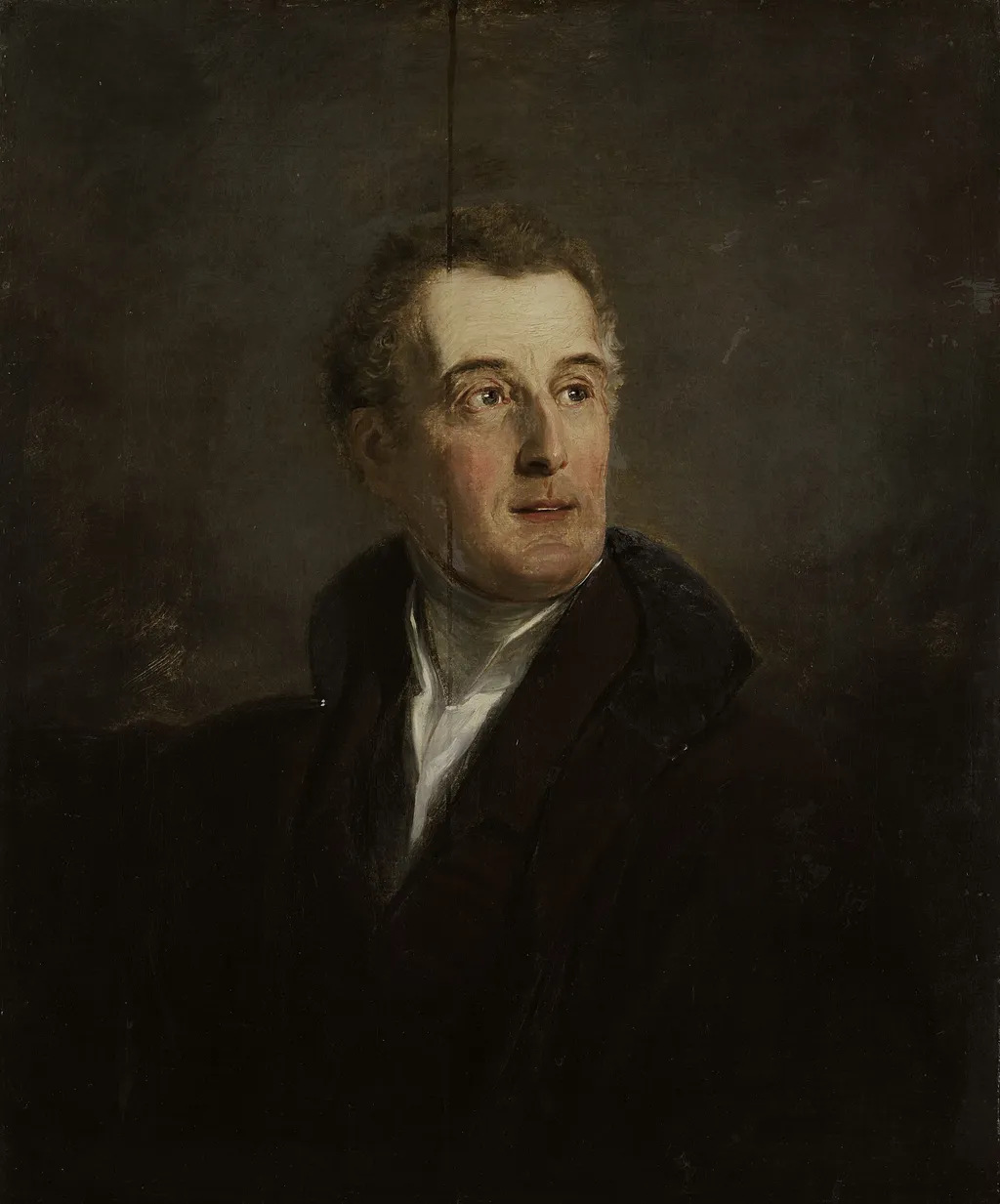
Portrait of Arthur Wellesley, Duke of Wellington (1769-1852) is an oil painting by Jan Willem Pieneman. It dates from 1821 and is held in the collection of the Rijksmuseum.
About this work
Technique & Style
Pieneman produced the painting in 1821 in London, where the Duke of Wellington was active in the aftermath of the Napoleonic Wars.
The portrait is executed in oil paint on canvas, a standard combination for formal portraiture of the early nineteenth century. According to the catalogue record, the work measures 76 cm in height by 63.5 cm in width, giving it a modest upright format suited to a half-length or bust-length likeness. Pieneman produced the painting in 1821 in London, where the Duke of Wellington was active in the aftermath of the Napoleonic Wars.
The medium and support are consistent with the conventions of British and Dutch military portraiture of the period, allowing for the layered glazing and detailed rendering of uniform, insignia, and facial features typical of state-commemorative likenesses of the era.
No information is available in the provided sources regarding the painting's current condition, handling history, or specific stylistic analysis beyond its classification as a portrait genre work.
History & Provenance
The portrait is held by the Rijksmuseum in Amsterdam. It is inventoried as SK-C-1399.
Its exhibition history includes display at the Rijksmuseum in 2016 as part of the exhibition 'High Society', where it was shown alongside other portraits of European aristocracy.
Overview
This oil painting, created in 1821 by Jan Willem Pieneman, portrays Arthur Wellesley, 1st Duke of Wellington, in a formal, somber setting. The subject is rendered with meticulous attention to detail, capturing his serious demeanor and distinctive physical features.
Subject & Meaning
The painting focuses on Arthur Wellesley, 1st Duke of Wellington (1769-1852), a prominent military and political figure. His portrayal in a black coat against a muted background conveys dignity and gravity, reflecting his esteemed status.
Context
The painting was created during a period when Wellington's influence was at its peak, following his victory at Waterloo in 1815. The work likely served to commemorate his achievements and solidify his public image.
Legacy
As a likeness of a pivotal historical figure, the portrait contributes to the visual record of Wellington's legacy, offering insights into 19th-century perceptions of leadership and dignity.
Own this work as a print
Artist & collection

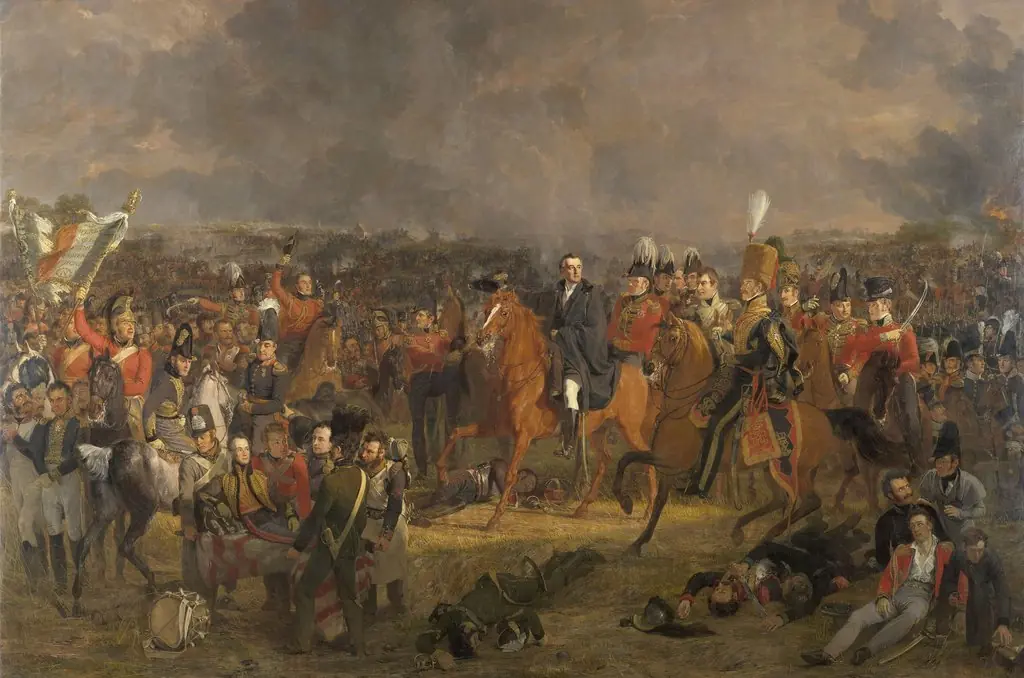 The Battle of Waterloo
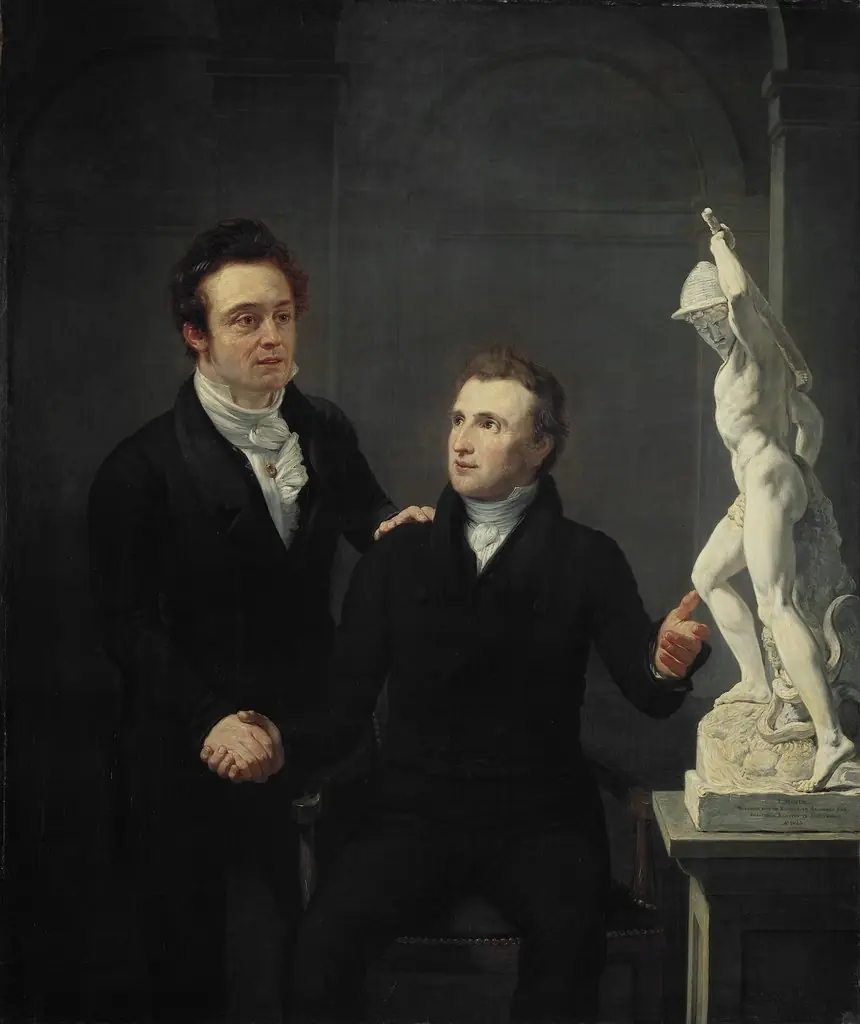 Louis Royer, sculptor, and Albertus Bernardus Roothaan, stockbroker, friend of the arts, and patron of the sciences
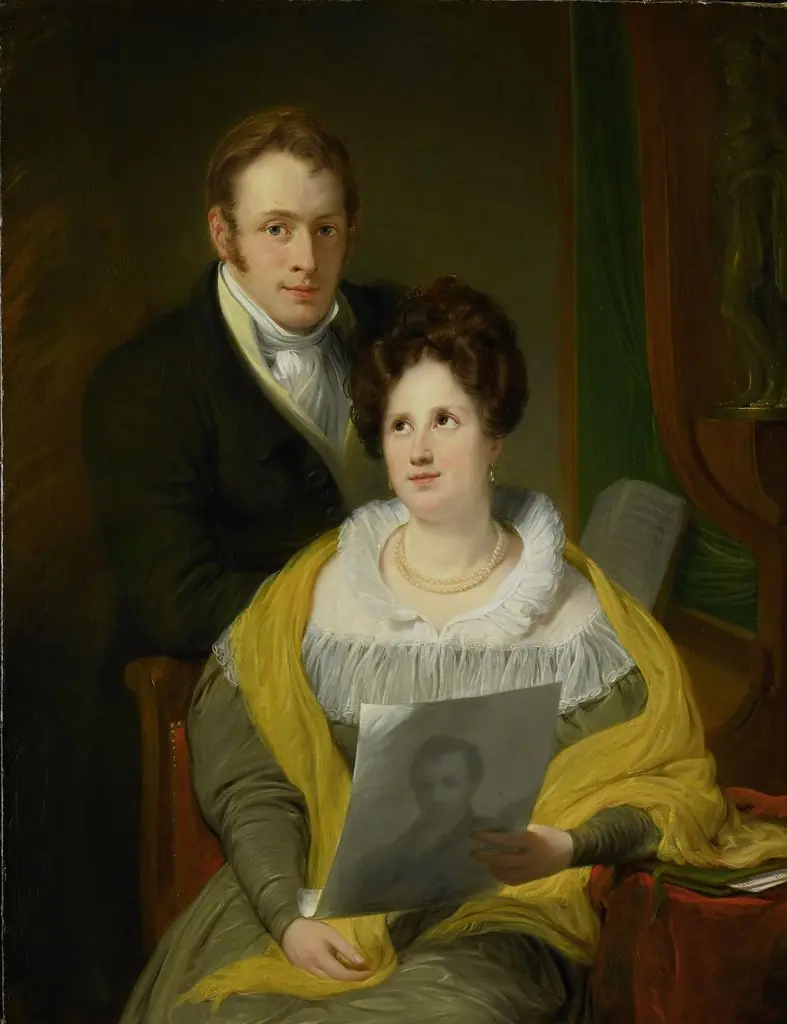 Portrait of a Woman and a Man
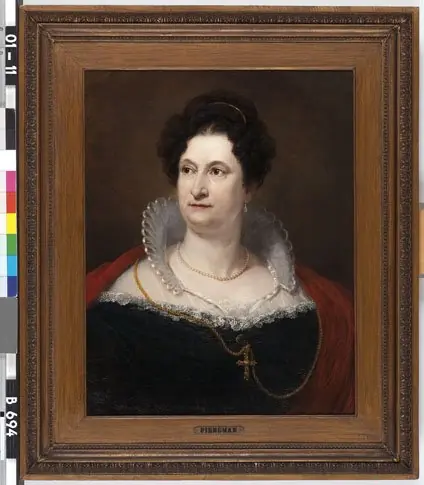 Joanna Cornelia Ziesenis-Wattier (1762–1827). Toneelspeelster
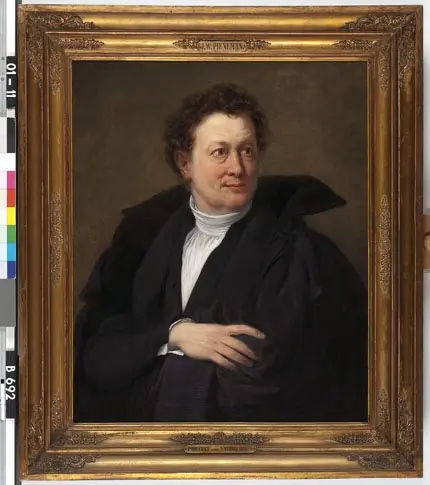 Andries Snoek (1766–1829). Toneelspeler
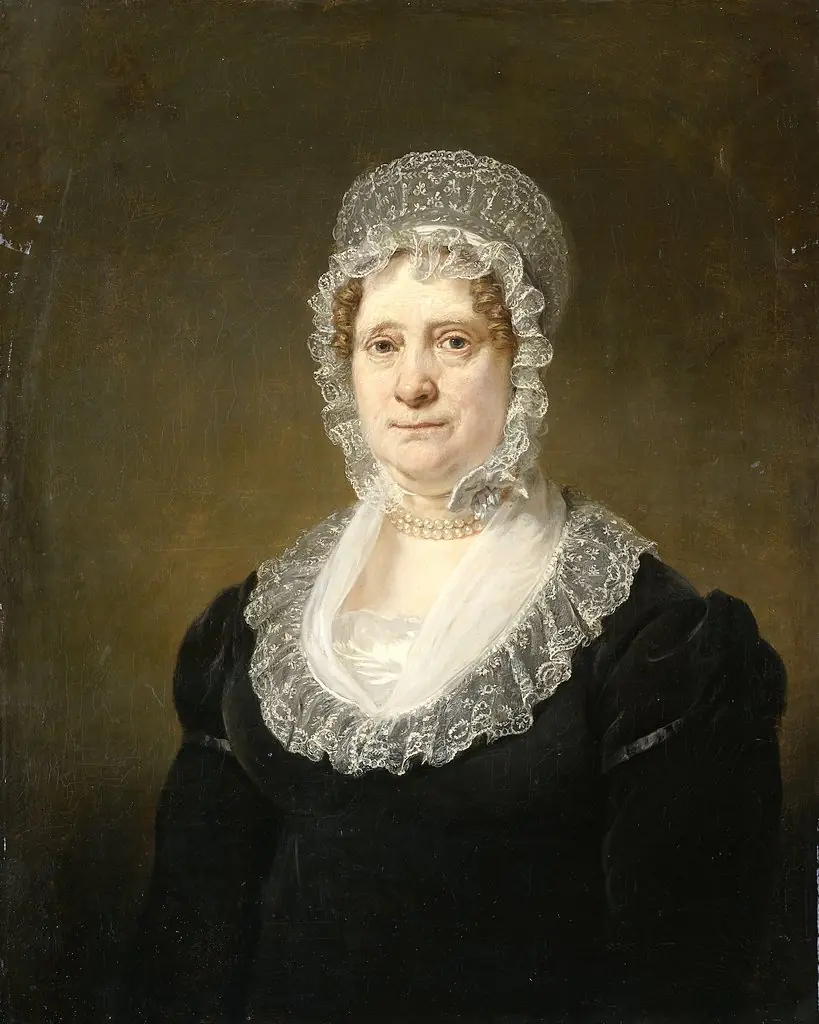 Portrait of Sara de Haan, Widow of the Amsterdam Underwriter Cornelis Hartsen
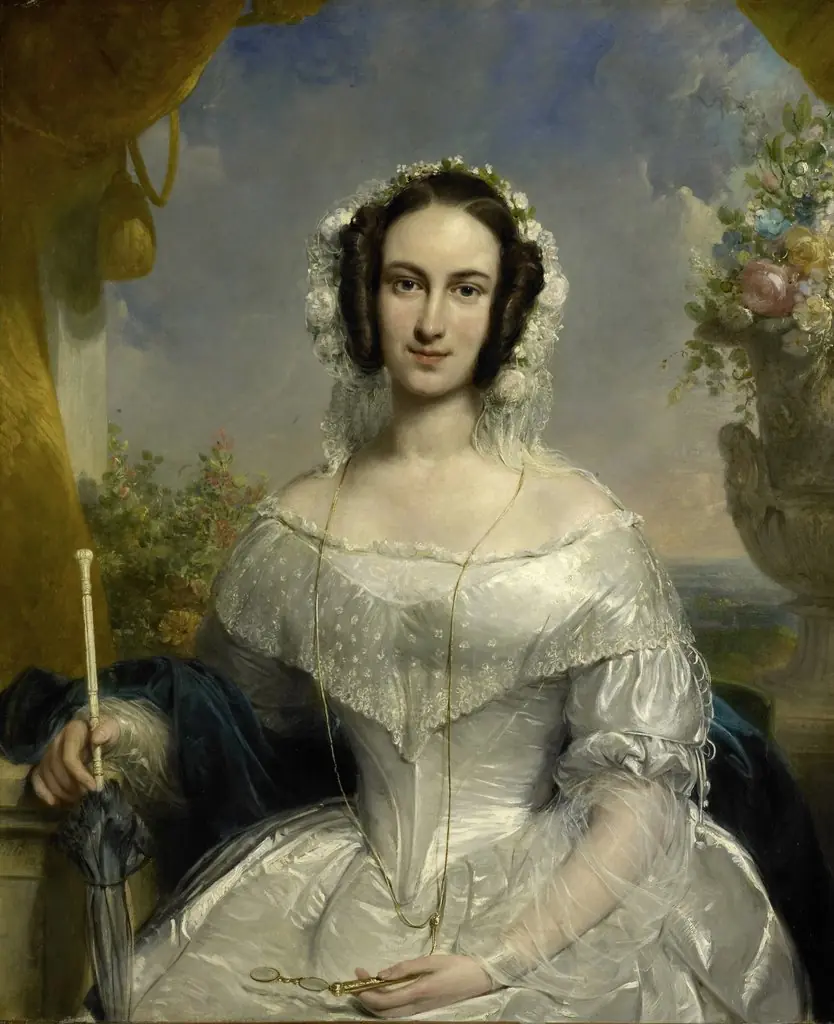 Agatha Petronella Hartsen (1814-78). In bruidstoilet ter gelegenheid van haar huwelijk met Jan van der Hoop op 17 maart 1841
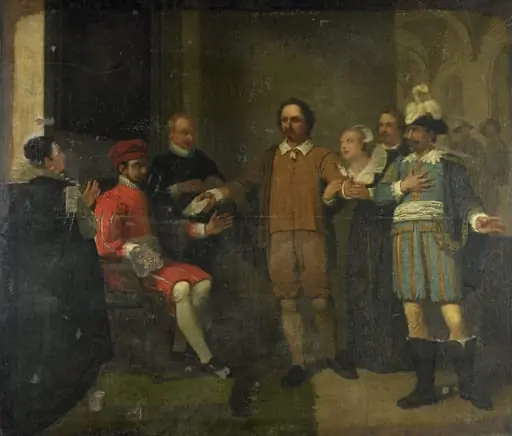 Jacob Simonsz de Rijk getting the Spanish Governor-General Requesens to Release Marnix van Sint Aldegonde, 1575
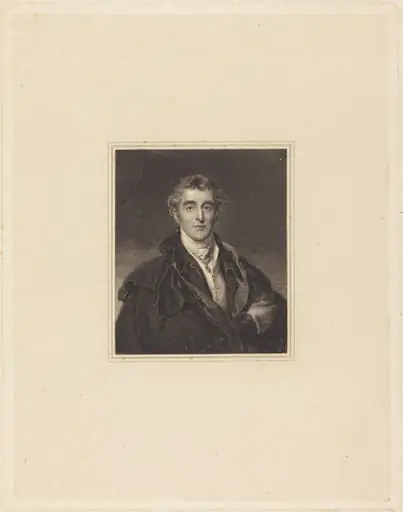 Portrait of a Gentleman
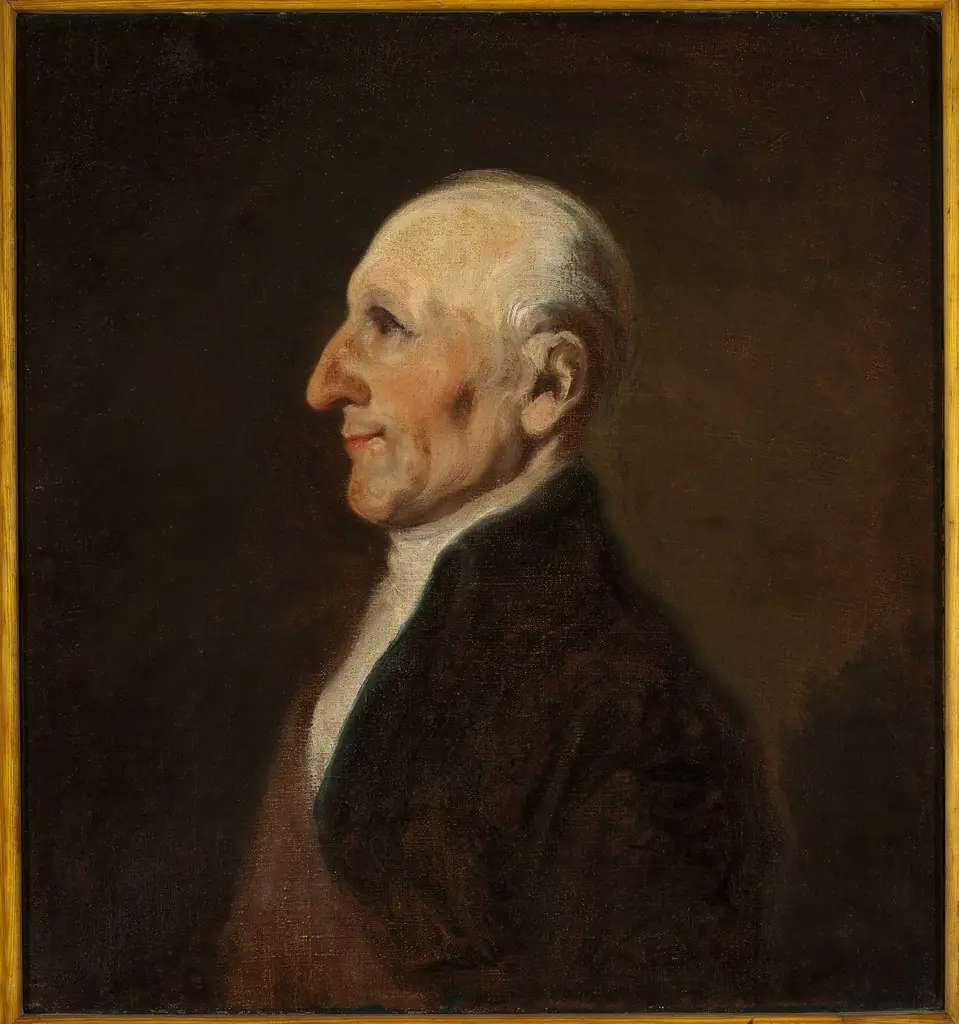 Portrait of the artist’s father
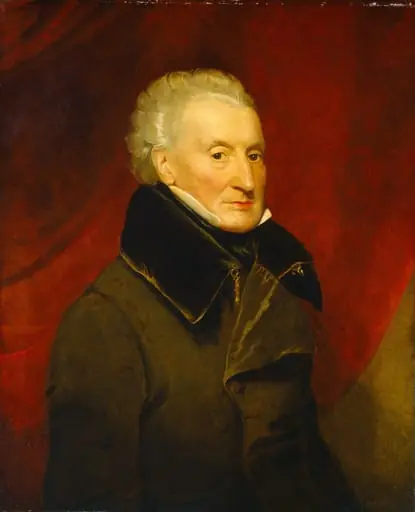 Portrait of a Man
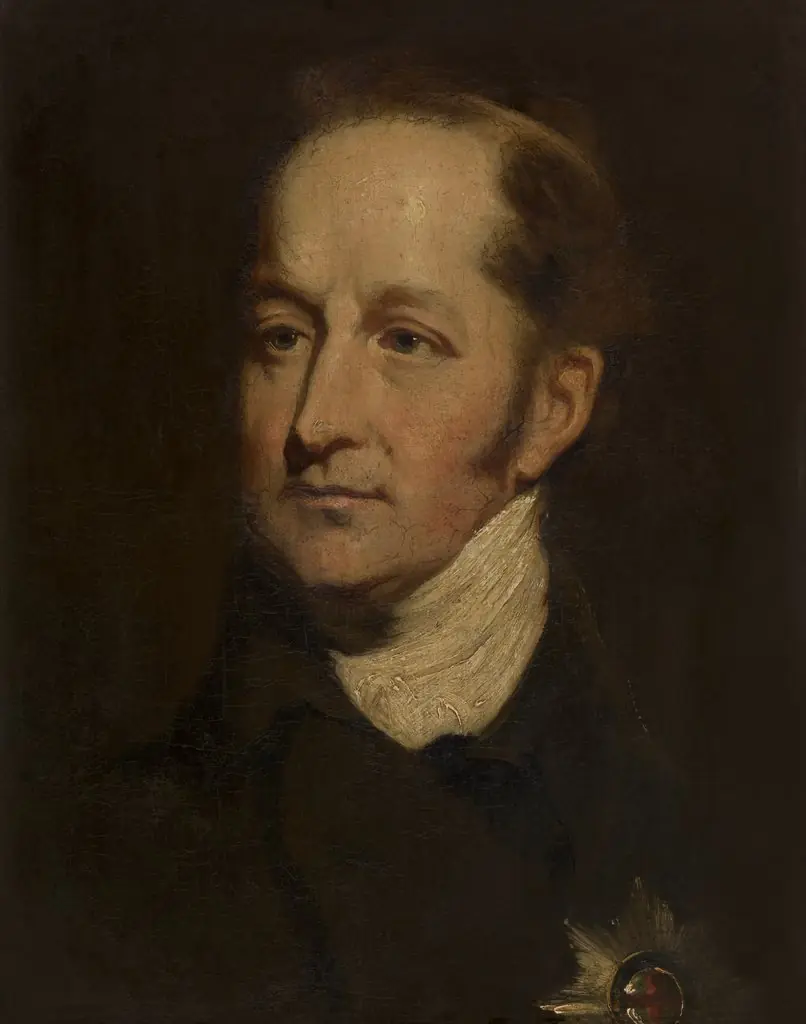 Lord Uxbridge
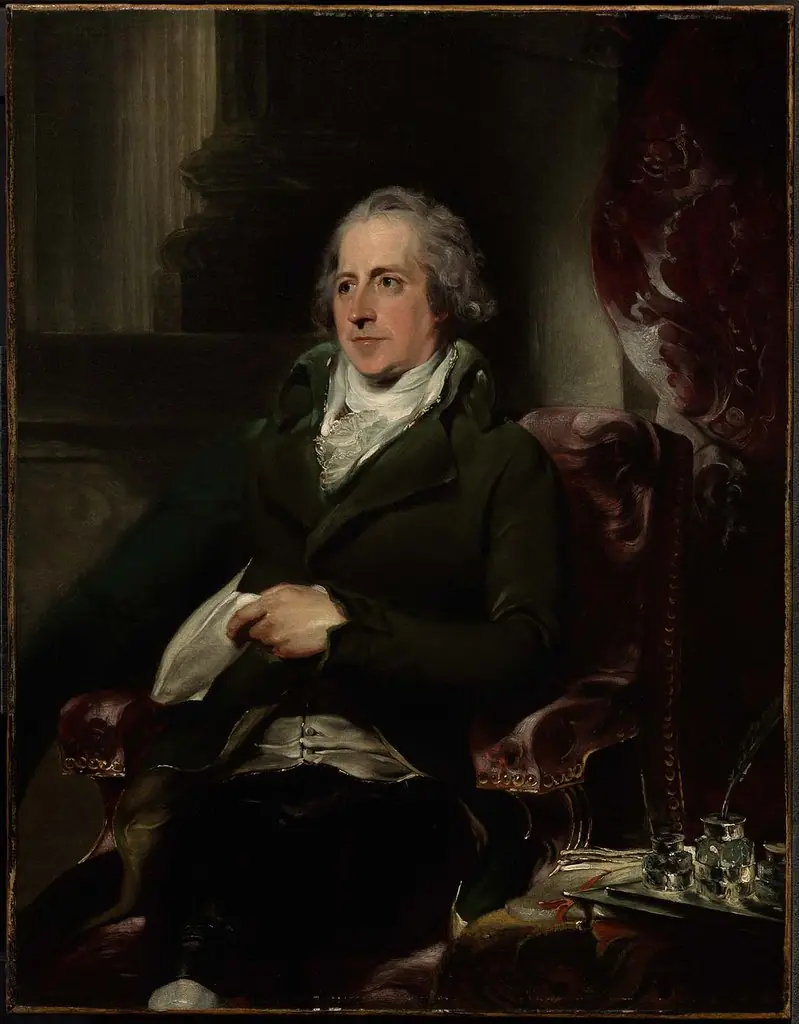 William Eden, First Lord Auckland, M. P.
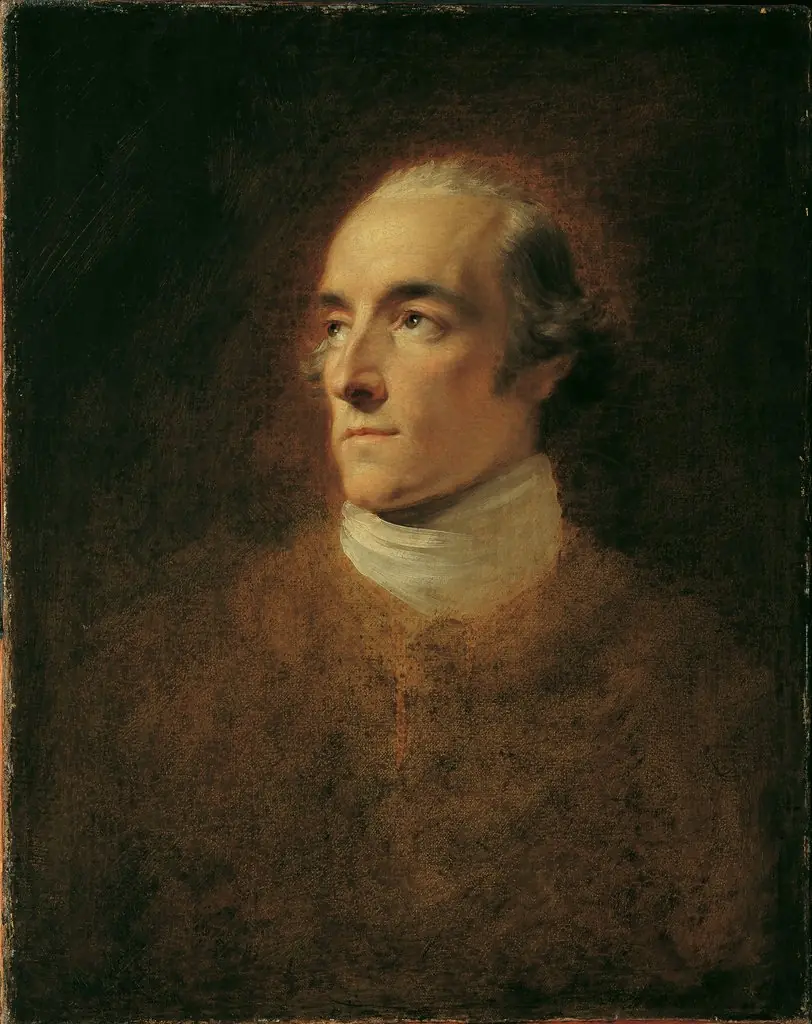 Franz Joseph Graf Saurau
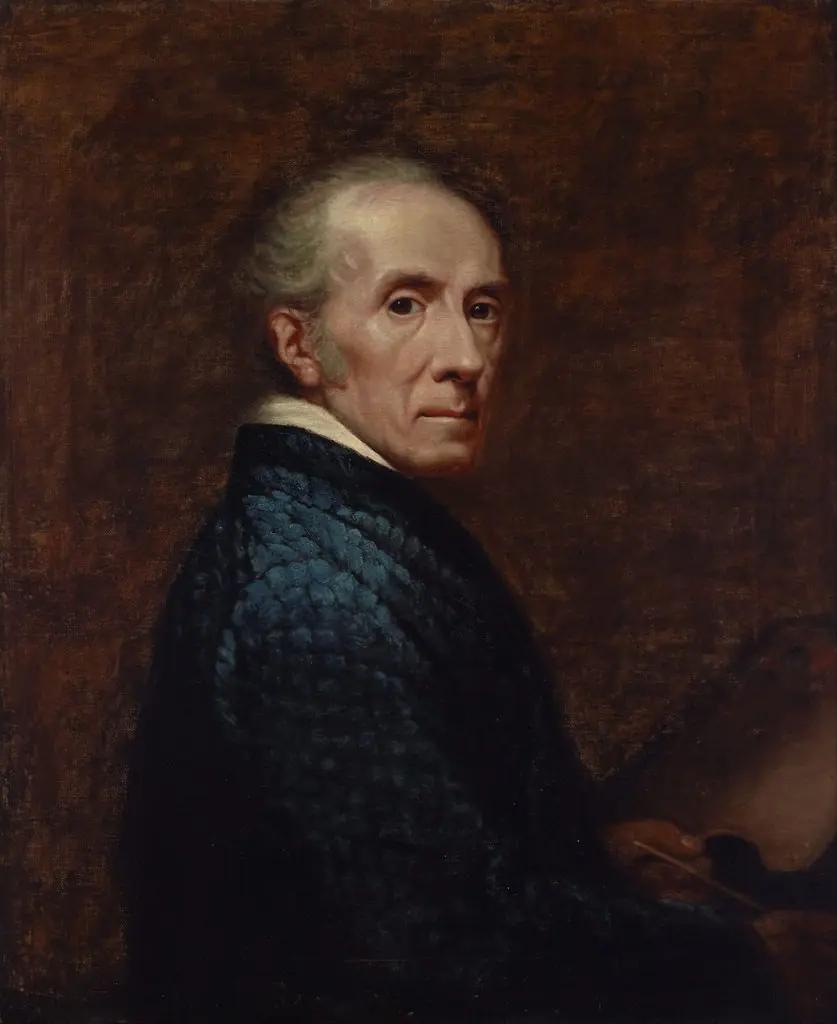 Self-portrait
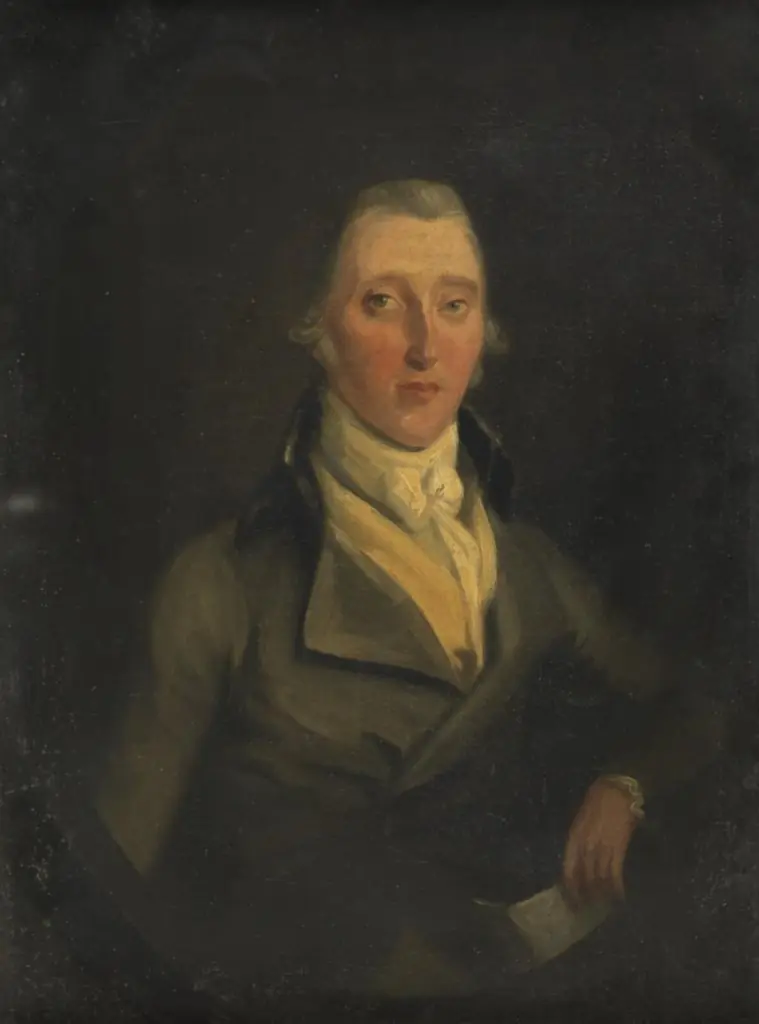 Robert Roberts, Mab Richd & Jane Roberts
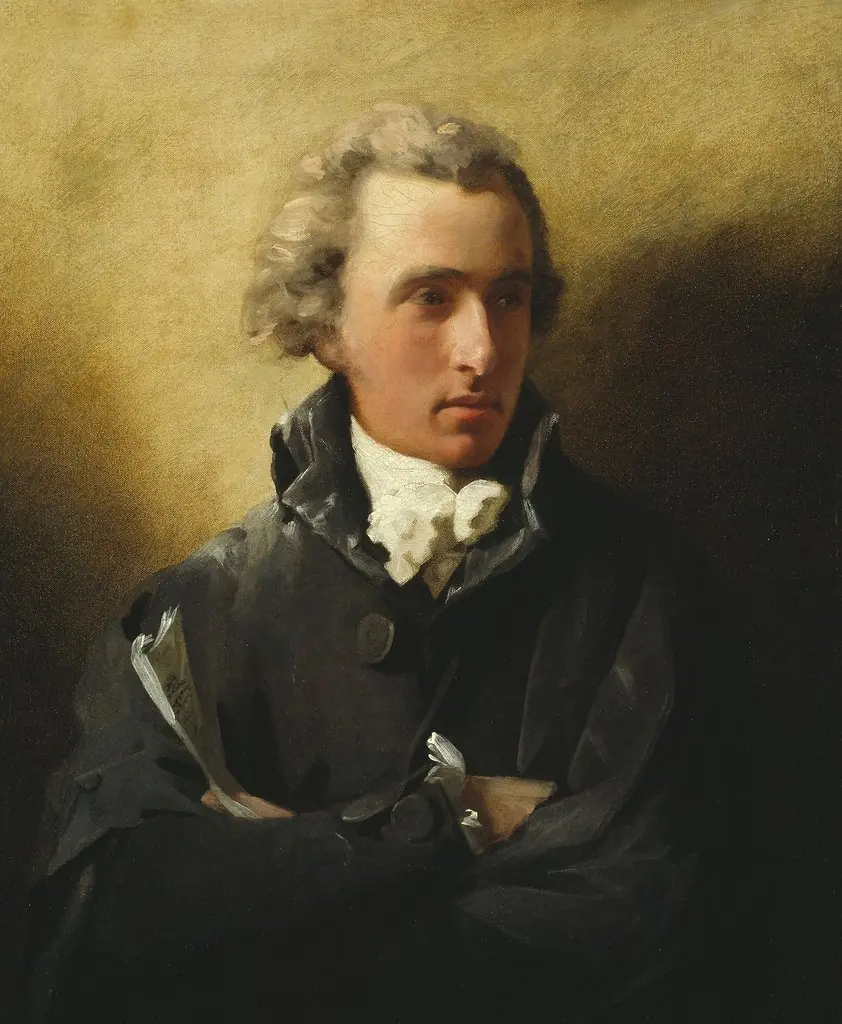 Robert Brown of Newhall
 Portrait of Count D.A. Zubov
 Portrait of a Gentleman
- Portrait Study of Arthur Wellesley, Duke of Wellington