Artwork
Andries Snoek (1766–1829). Toneelspeler
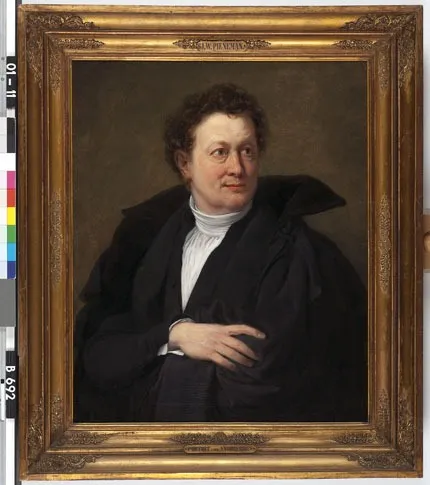
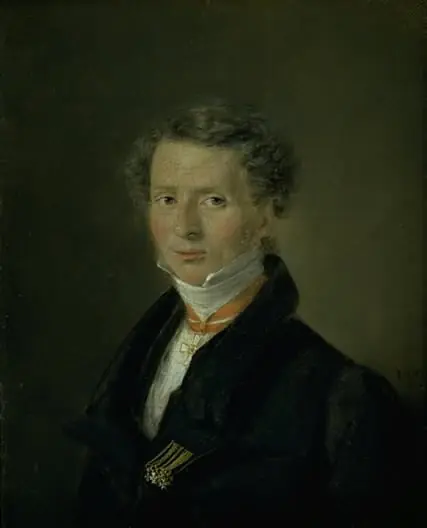
Andries Snoek (1766–1829). Toneelspeler is an oil painting by Jan Willem Pieneman. It dates from 1829 and is held in the collection of the Rijksmuseum.
About this work
Technique & Style
Executed in 1829 by Jan Willem Pieneman, this portrait of the actor Andries Snoek is an oil painting on canvas. The work measures 85 cm in height and 69 cm in width. As a formal portrait, the composition focuses on depicting the sitter, Andries Snoek, utilizing oil paint as the primary medium to render the subject on a fabric support.
History & Provenance
No information is available regarding the original commission, the circumstances of its creation, or the chain of ownership prior to its institutional holdings.
The portrait of Andries Snoek was painted by Jan Willem Pieneman in 1829, the year of the sitter's death. It is executed in oil paint on canvas and depicts the Dutch actor in a portrait format.
The work is associated with two institutional collections: the Rijksmuseum and the Stadsschouwburg Amsterdam, with the Cultural Heritage Agency of the Netherlands Art Collection also listed as a holding repository. Its recorded location spans the Rijksmuseum and the Stadsschouwburg Amsterdam.
No information is available regarding the original commission, the circumstances of its creation, or the chain of ownership prior to its institutional holdings.
Overview
Jan Willem Pieneman's 1829 oil painting, 'Andries Snoek (1766–1829). Toneelspeler,' is a posthumous portrait of the Dutch actor Andries Snoek. The composition features the sitter in a three-quarter view, dressed in a dark coat and a white cravat, set against a plain, dark background that isolates the figure and directs attention to his facial expression.
Snoek is depicted with slightly disheveled curly hair, gazing off to the side with a serious, contemplative demeanor. Created in the year of Snoek's death, the work serves as a memorial tribute to the actor's career and legacy. Pieneman, a prominent Dutch painter known for his historical scenes and portraits, captures the subject with a naturalistic approach typical of his portraiture from this period.
The painting reflects the 19th-century Dutch tradition of honoring cultural figures through intimate, unadorned representations that emphasize character over theatricality. As a late work by Pieneman, it demonstrates his continued skill in rendering psychological depth and realistic detail in oil paint.
Subject & Meaning
Andries Snoek, a noted stage performer of his era, is shown in a dark coat with a white cravat, his curly hair slightly disheveled. His gaze turns away from the viewer, lending a contemplative, almost solemn tone that suggests a reflective remembrance, appropriate given the portrait’s creation shortly before his death.
Artist & collection

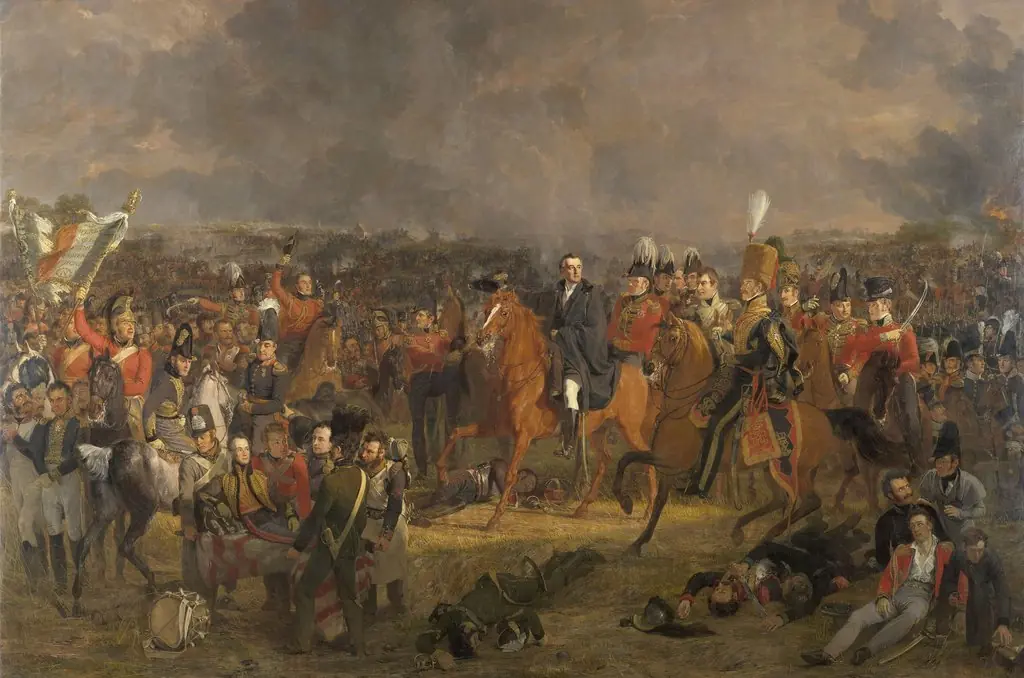 The Battle of Waterloo
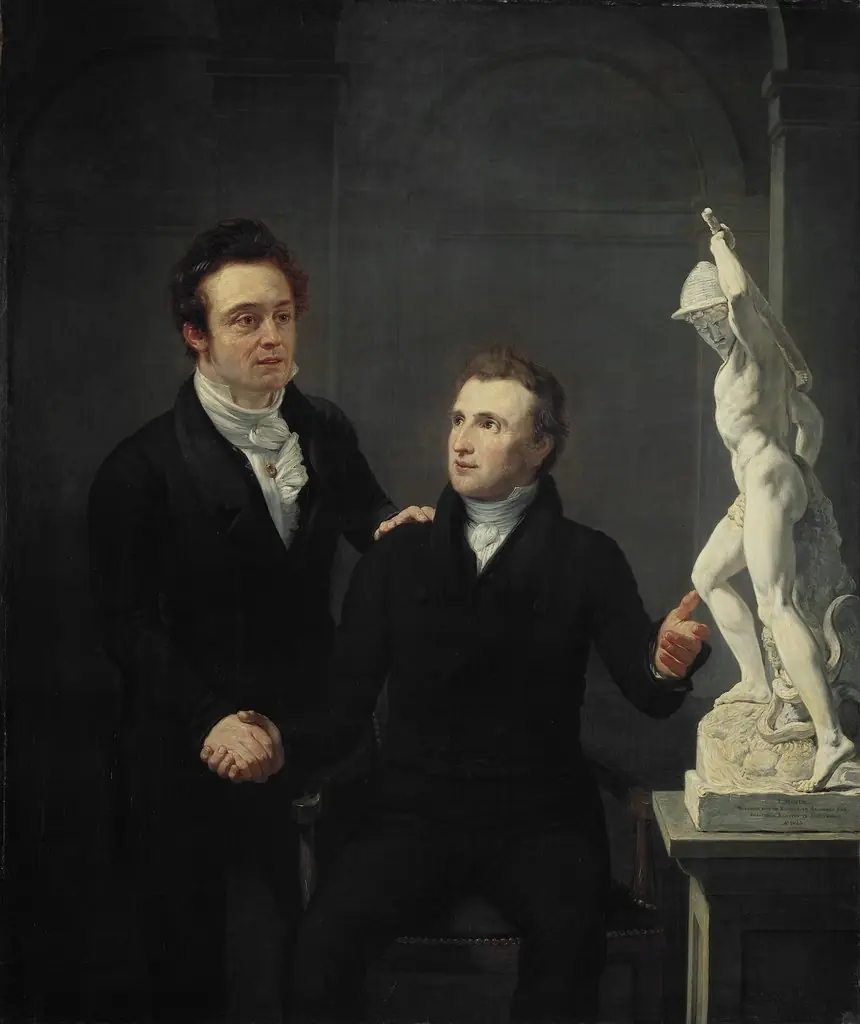 Louis Royer, sculptor, and Albertus Bernardus Roothaan, stockbroker, friend of the arts, and patron of the sciences
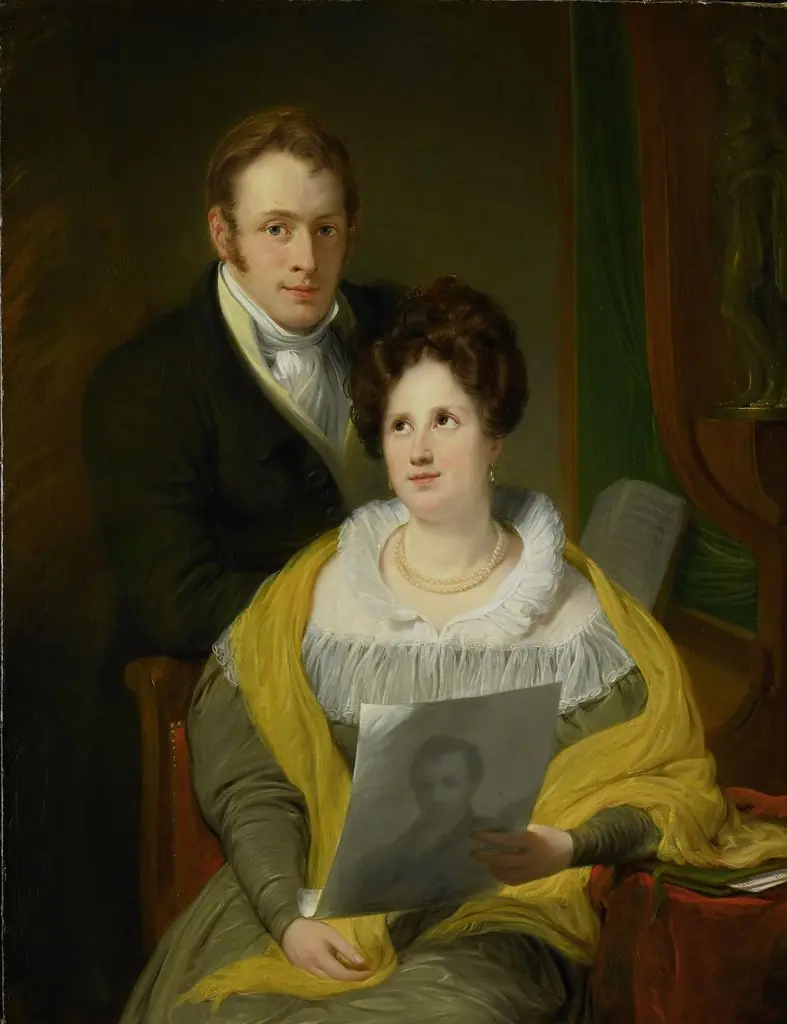 Portrait of a Woman and a Man
- Joanna Cornelia Ziesenis-Wattier (1762–1827). Toneelspeelster
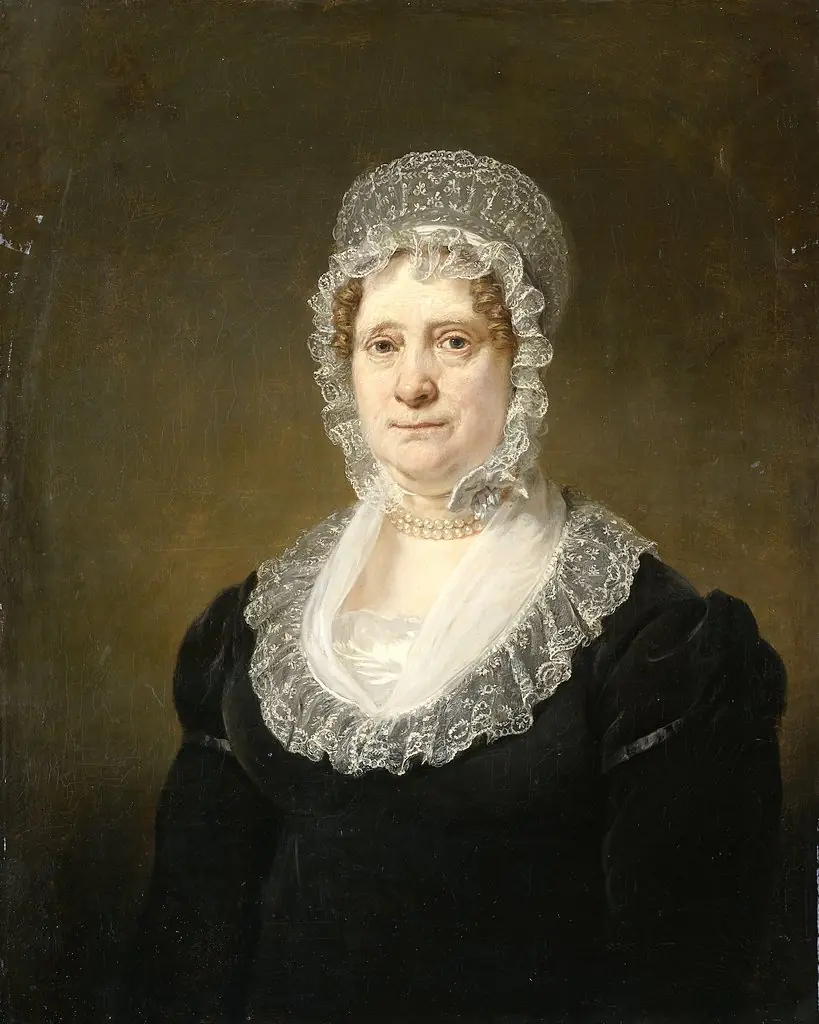 Portrait of Sara de Haan, Widow of the Amsterdam Underwriter Cornelis Hartsen
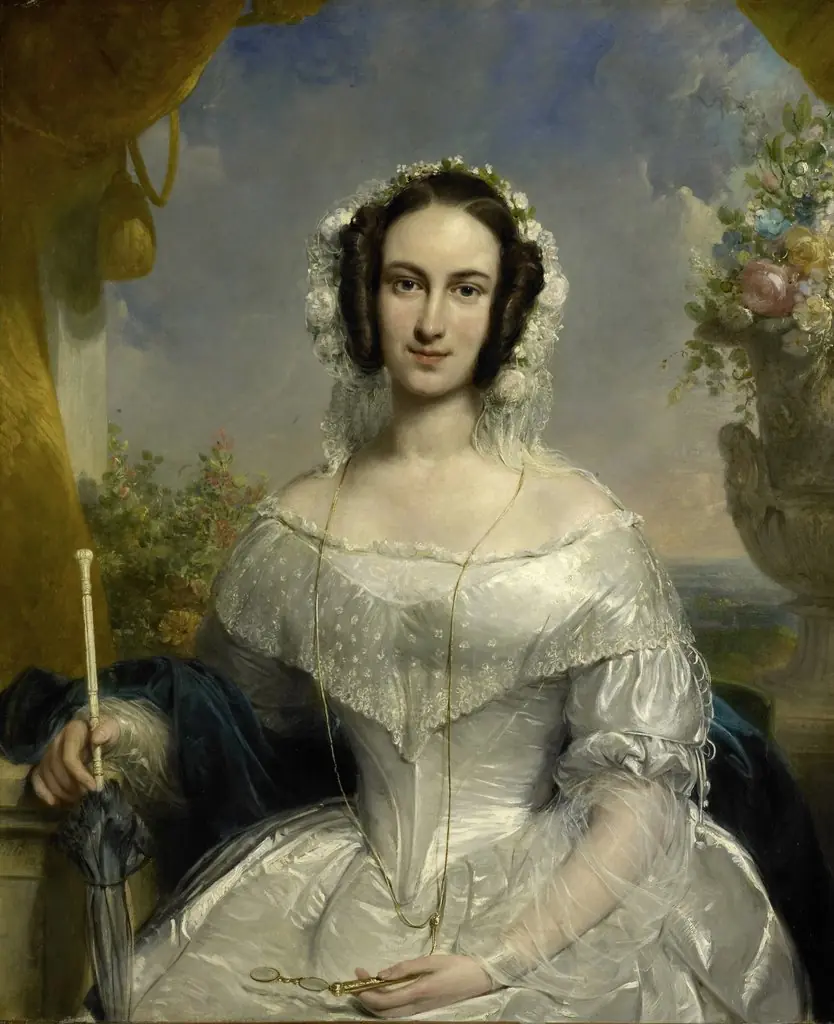 Agatha Petronella Hartsen (1814-78). In bruidstoilet ter gelegenheid van haar huwelijk met Jan van der Hoop op 17 maart 1841
 Jacob Simonsz de Rijk getting the Spanish Governor-General Requesens to Release Marnix van Sint Aldegonde, 1575
 Allegory of the Death of Prince William V, 1806
 Portrait of the Artist´s Cousin and Brother-in-Law, the Grocer Christian Petersen
 Juristen og statsmanden Anders Sandøe Ørsted
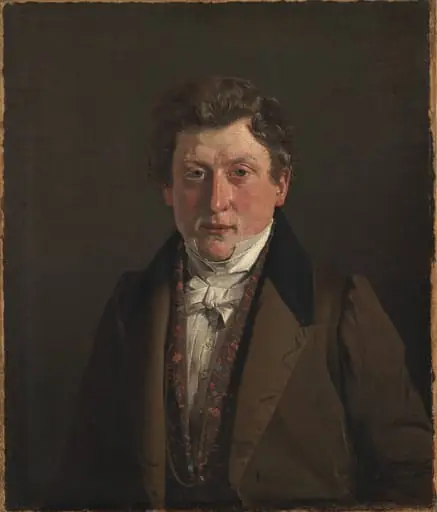 Portrait of the Artist´s Cousin and Brother-in-Law, the Grocer Christian Petersen
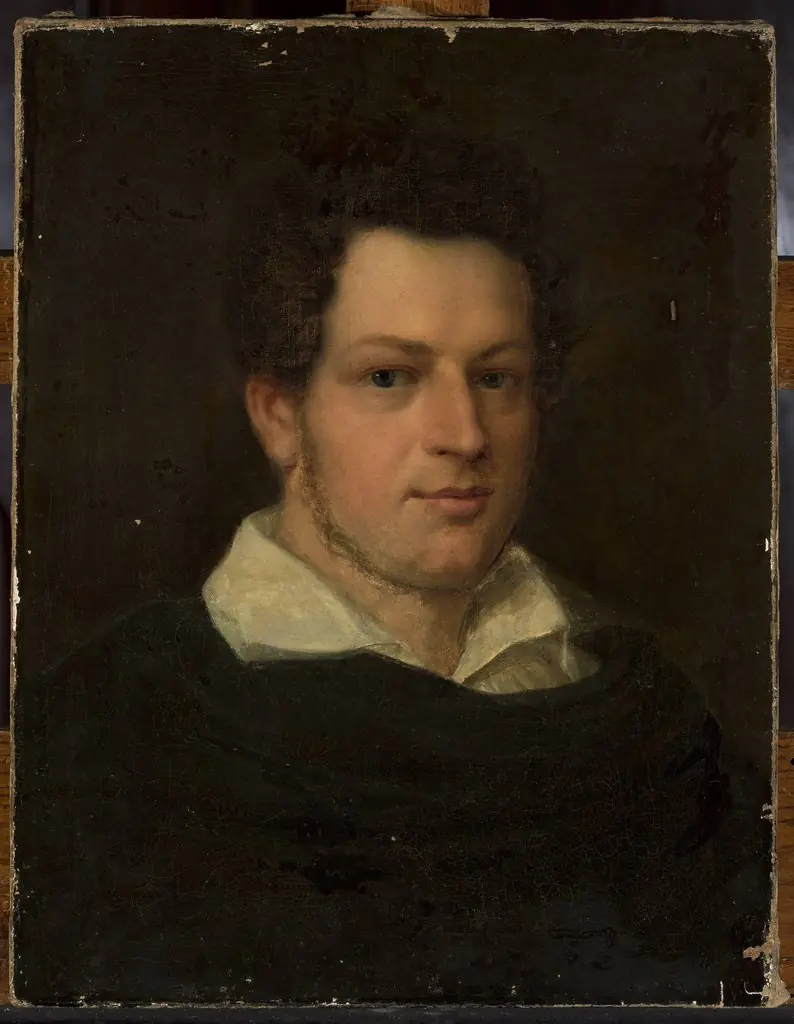 Portrait of Izydor Dymidowicz
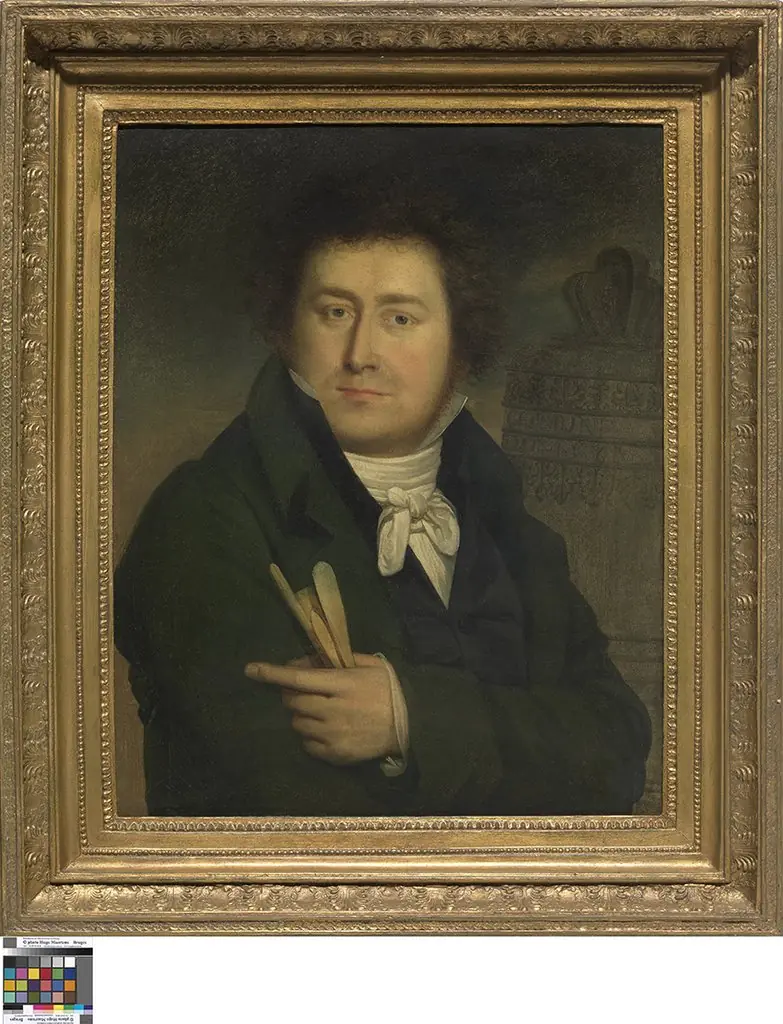 Portret van Jacobus Dumery
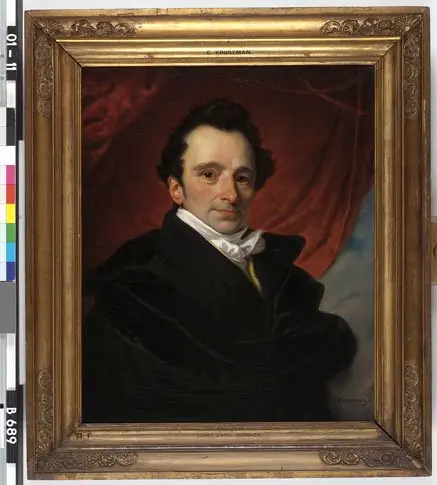 Portrait of the actor Gerrit Carel Rombach (1784-1833)
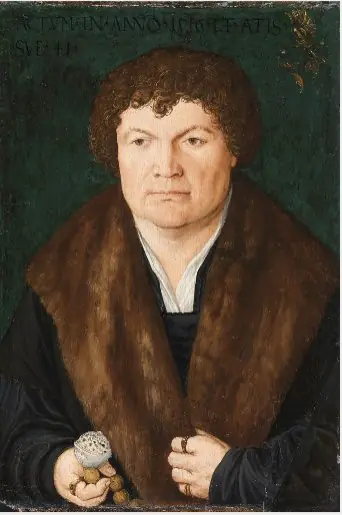 Portrait of a Man of the Rad Family
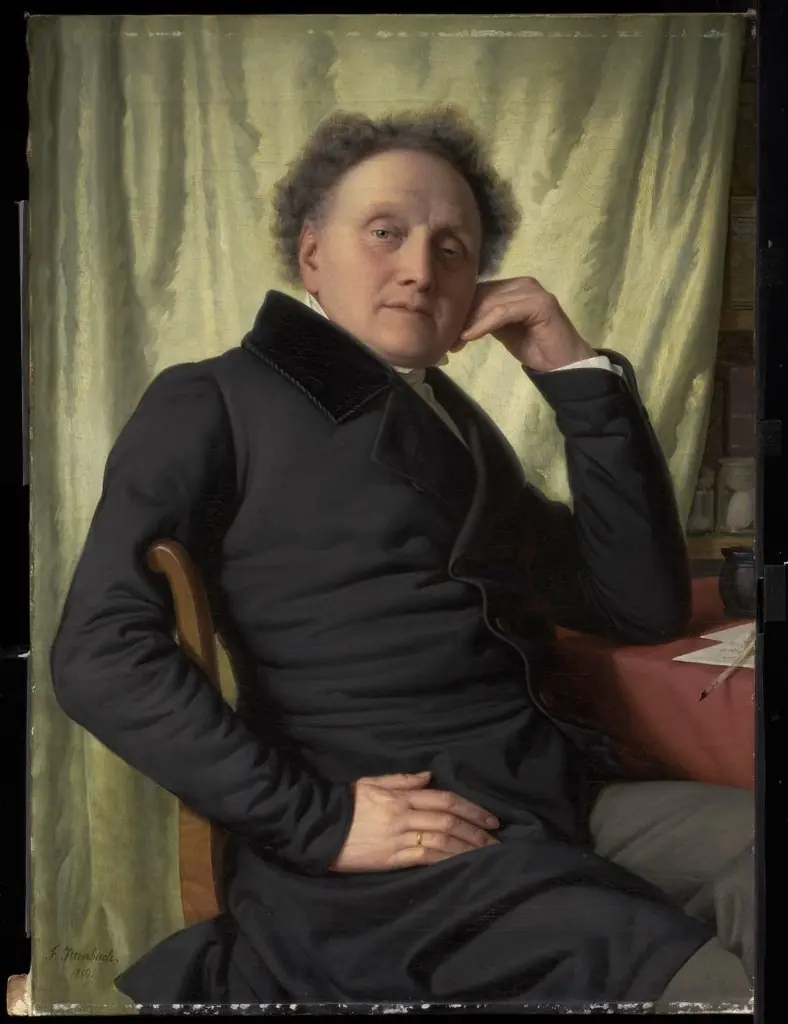 Dr. Franz Xavier von Soist
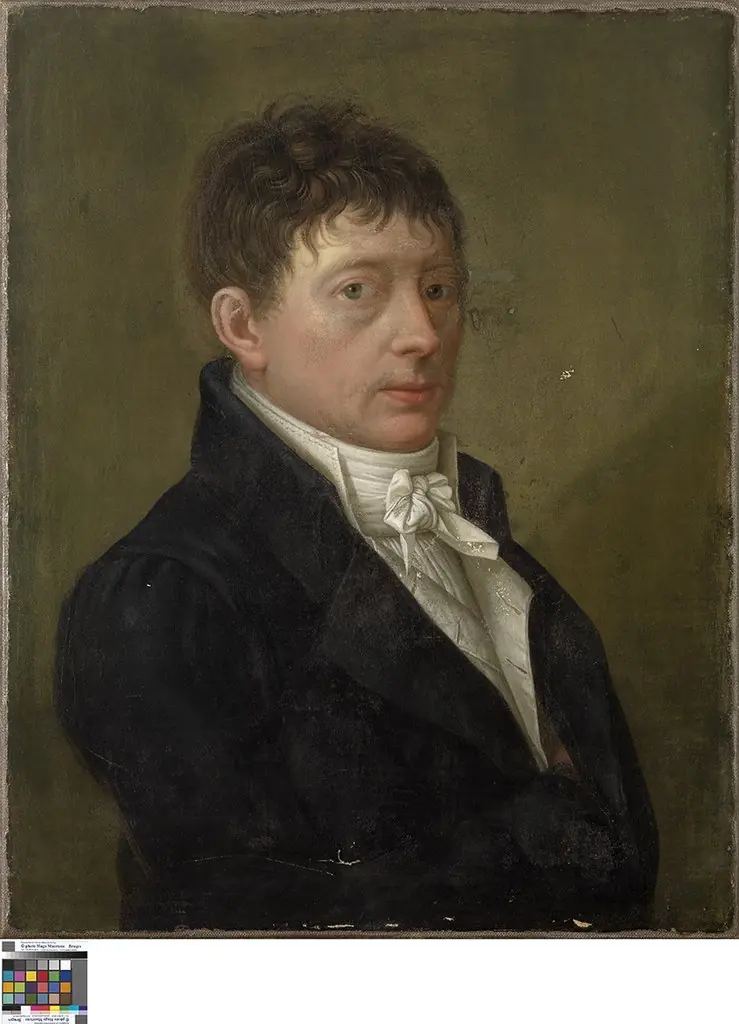 Portret van een man
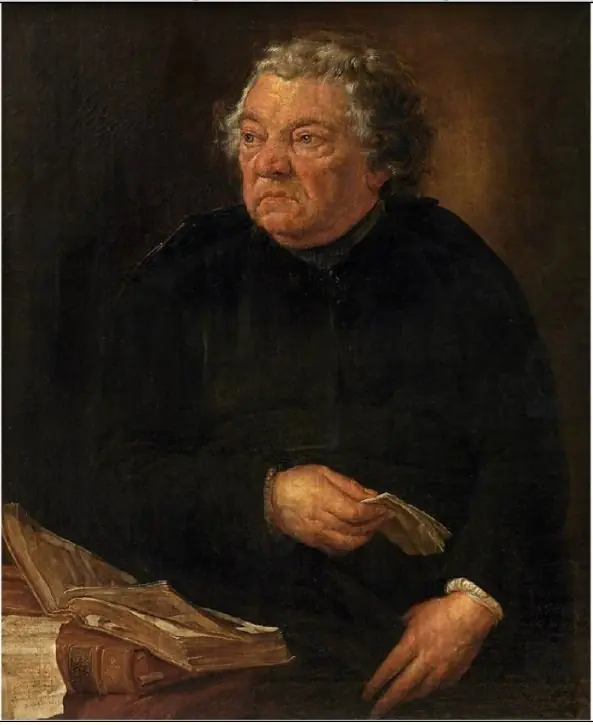 Portrait of Jacques de Bue, Jesuit and bollandist
 Mathias Friis von Irgens-Bergh, chargé d'affaires i Dresden