Artwork
Joanna Cornelia Ziesenis-Wattier (1762–1827). Toneelspeelster
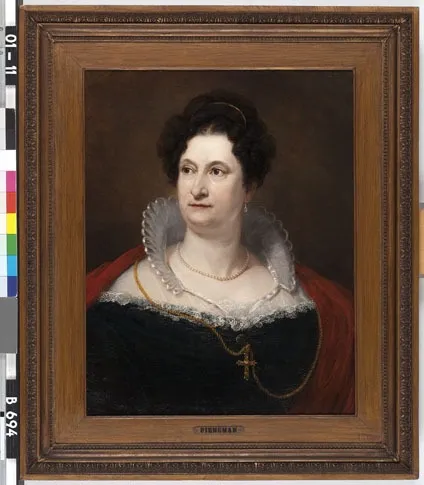
Joanna Cornelia Ziesenis-Wattier (1762–1827). Toneelspeelster is an oil painting by the Neoclassicist artist Jan Willem Pieneman. It dates from 1819 and is held in the collection of the Rijksmuseum.
About this work
History & Provenance
The painting is held in the collections of the Rijksmuseum, the Stadsschouwburg Amsterdam, and the Cultural Heritage Agency of the Netherlands Art Collection.
The portrait was painted in 1819 by Jan Willem Pieneman, as recorded by both institutional documentation and the work’s Wikidata entry. The painting depicts the Dutch actress Joanna Cornelia Ziesenis-Wattier and belongs to the collection of the Rijksmuseum in Amsterdam. It is catalogued among holdings associated with the Stadsschouwburg Amsterdam and the Cultural Heritage Agency of the Netherlands, indicating a municipal or state custodianship dating to at least the early nineteenth century.
The painting is held in the collections of the Rijksmuseum, the Stadsschouwburg Amsterdam, and the Cultural Heritage Agency of the Netherlands Art Collection. It is currently located at the Rijksmuseum and the Stadsschouwburg Amsterdam. The provided sources do not contain specific inventory or accession numbers, nor do they list any exhibition history for this work.
Overview
Jan Willem Pieneman’s 1819 oil portrait presents Joanna Cornelia Ziesenis‑Wattier, a noted Dutch actress of the late eighteenth and early nineteenth centuries. Rendered in a restrained composition, the work measures the sitter’s presence through a direct, unembellished setting, allowing the viewer to focus on her likeness and attire. The painting resides in the collection of the Rijksmuseum in Amsterdam.
Subject & Meaning
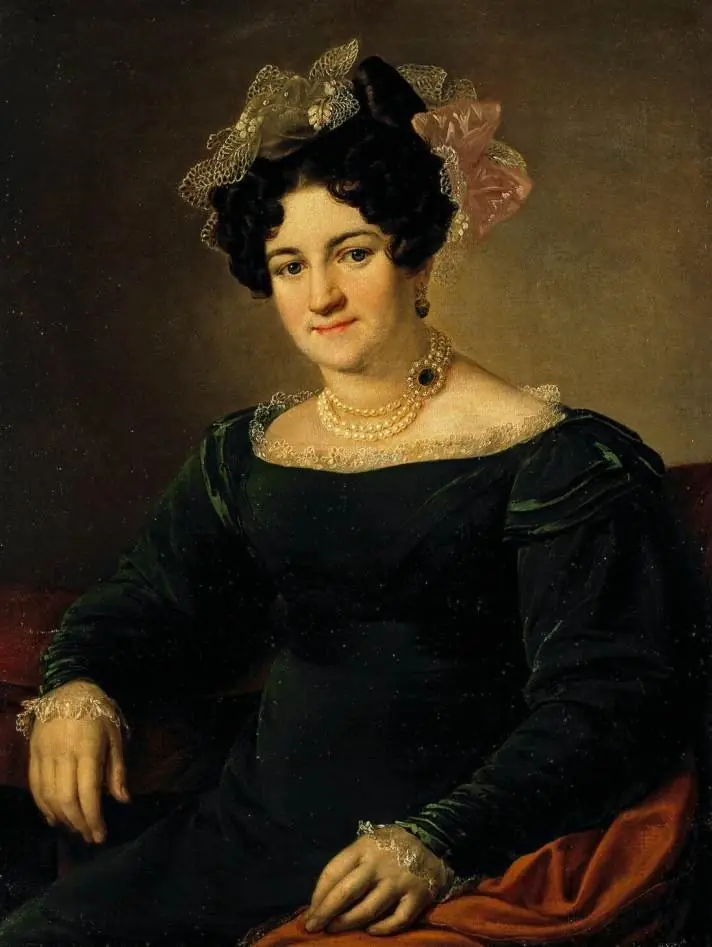
The portrait captures Wattier in the role of a stage actress, emphasizing her professional identity through her dignified expression and poised demeanor. Her attire, a dark, sumptuous dress with a vivid red collar, a white lace ruff, and a pearl necklace, conveys both the fashion of the period and the status she held within theatrical circles. The calm, serious gaze suggests a contemplation of her public persona.
Technique & Style
Pieneman employs a subtle chiaroscuro, using soft shadows to model Wattier’s facial features and render her skin with a smooth, luminous quality. The background is deliberately plain, eliminating distractions and directing attention to the sitter’s figure and clothing. The brushwork is refined, with careful attention to the texture of the lace and the sheen of the pearls, reflecting the artist’s academic training.
Artist & collection

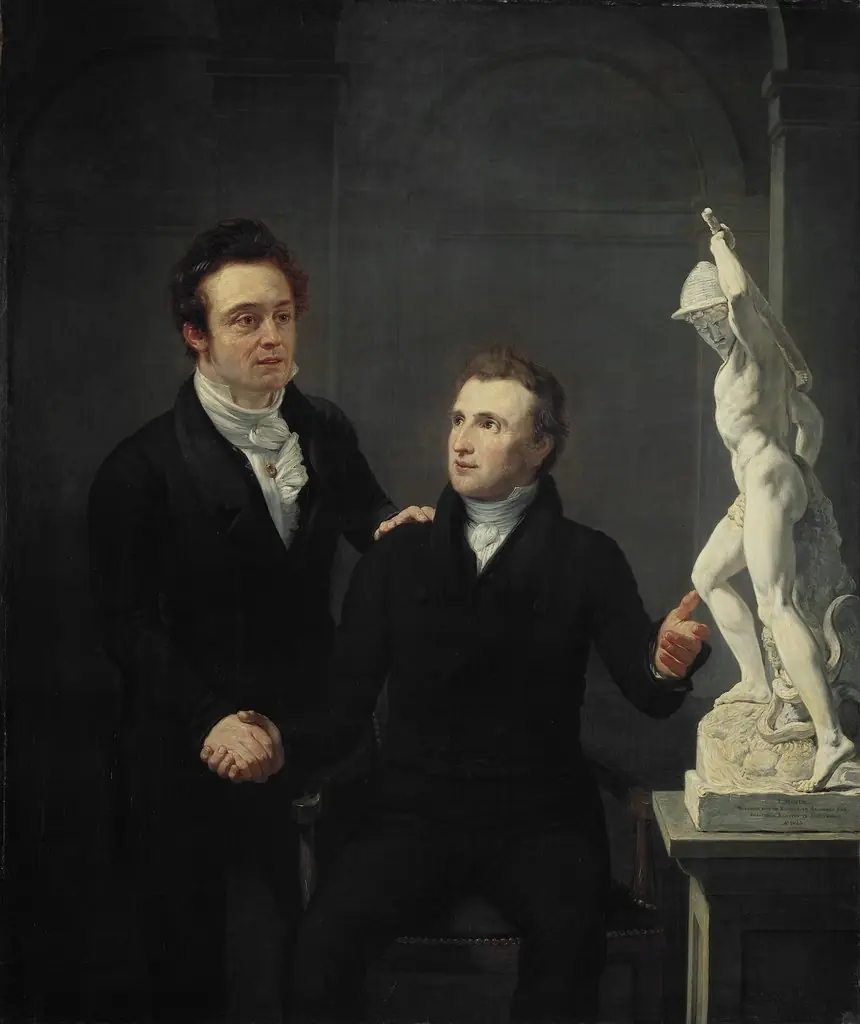
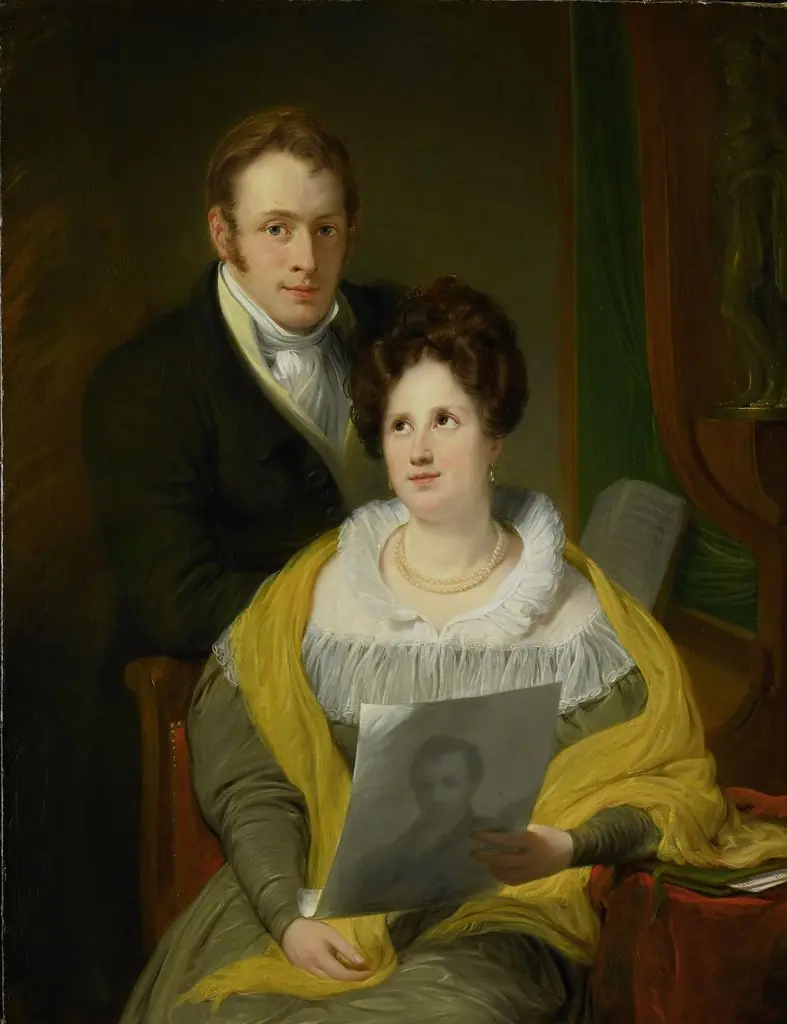
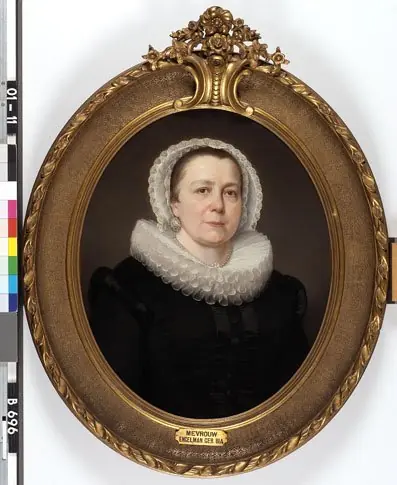 Maria Francisca Bia (1809-89). Weduwe van Reinier Engelman, echtgenote van Johan Eduard de Vries, actrice en zangeres, in het kostuum van Juffer Serklaas uit het gelijknamige toneelstuk van Hendrik Ja
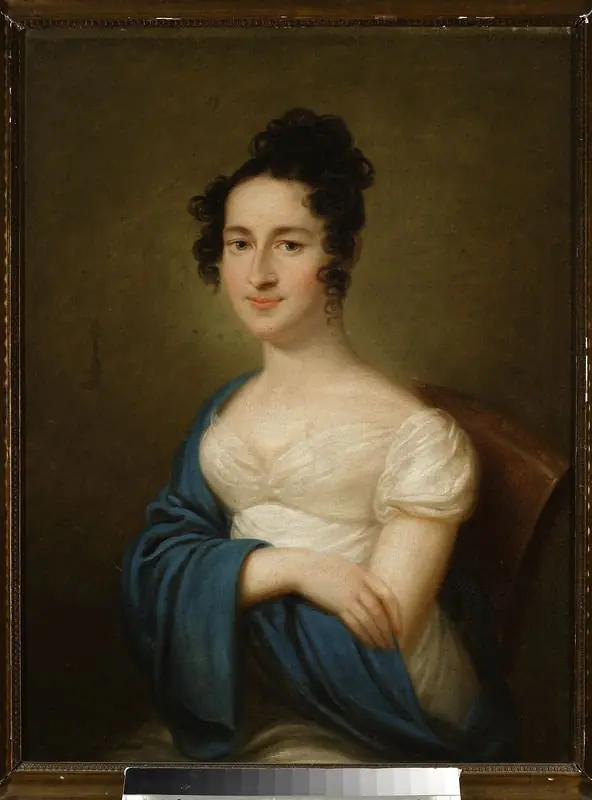 Portrait of Salomea Zawadzka née Mikołajewska
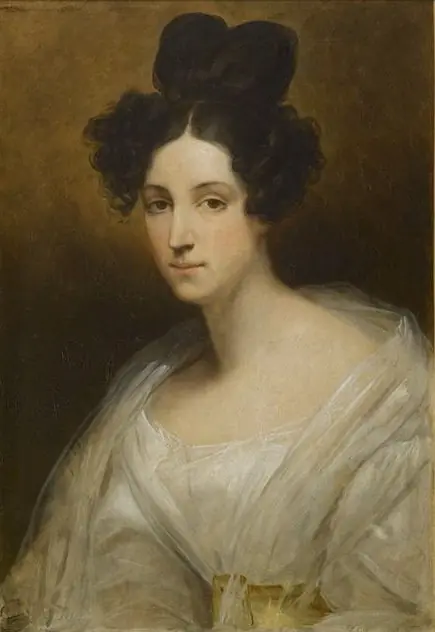 Césarine de Houdetot, Baronne de Barante (1794-1877)
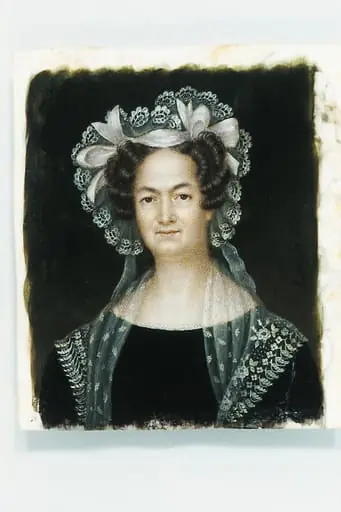 Mrs. Jacob Gerard Koch (Jane Griffith)
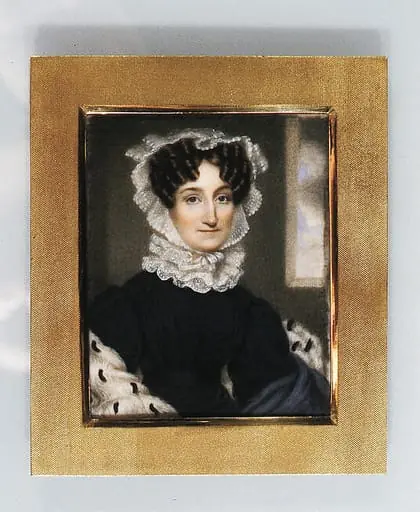 Portrait of a Lady
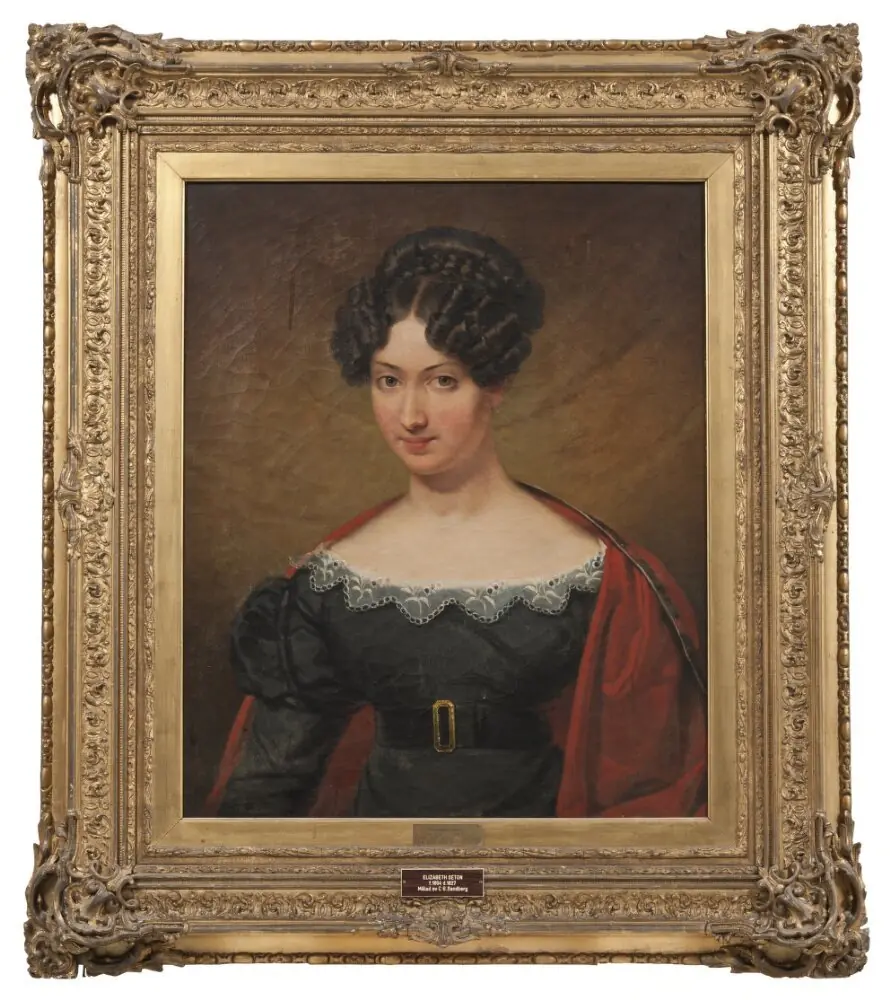 Elizabeth Seton (1804-1827), stiftsjungfru, sondotter till Alexander Baron Seton
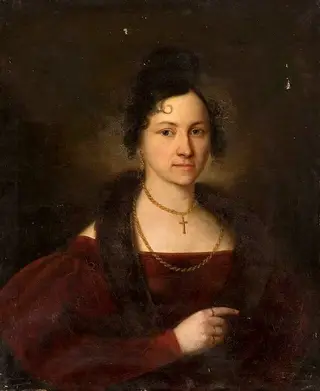 Portrait of Konstancja Narbutt
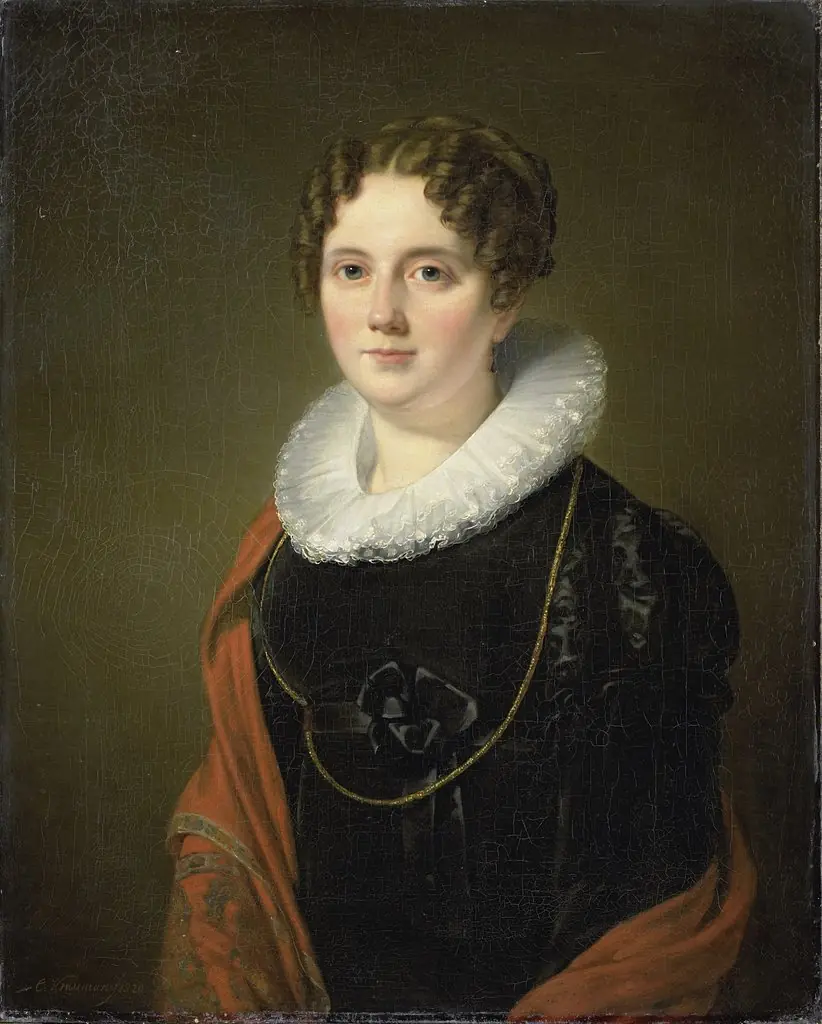 Portrait of Marie Allebé-Herckenrath, Grandmother of the Painter August Allebé
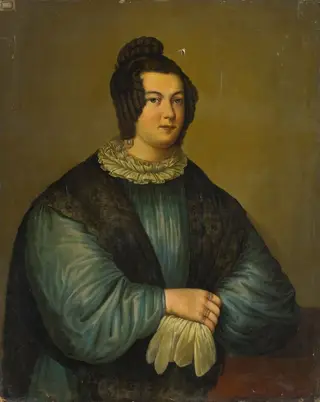 Portrait of Anastasia Dolgorukova
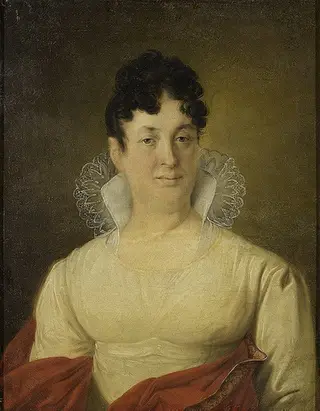 Portrait of Countess Maria Tolstaya
 Portrait of P.I. Sapoznikova
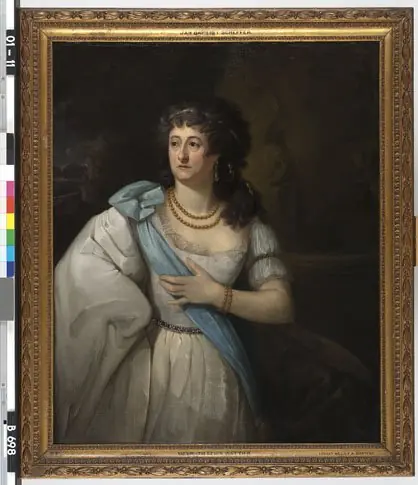
- Joanna Cornelia Ziesenis-Wattier (1762-1827). Toneelspeelster, in de rol van Elfride in het gelijknamige toneelstuk van Friedrich Justin Bertuch