Artwork
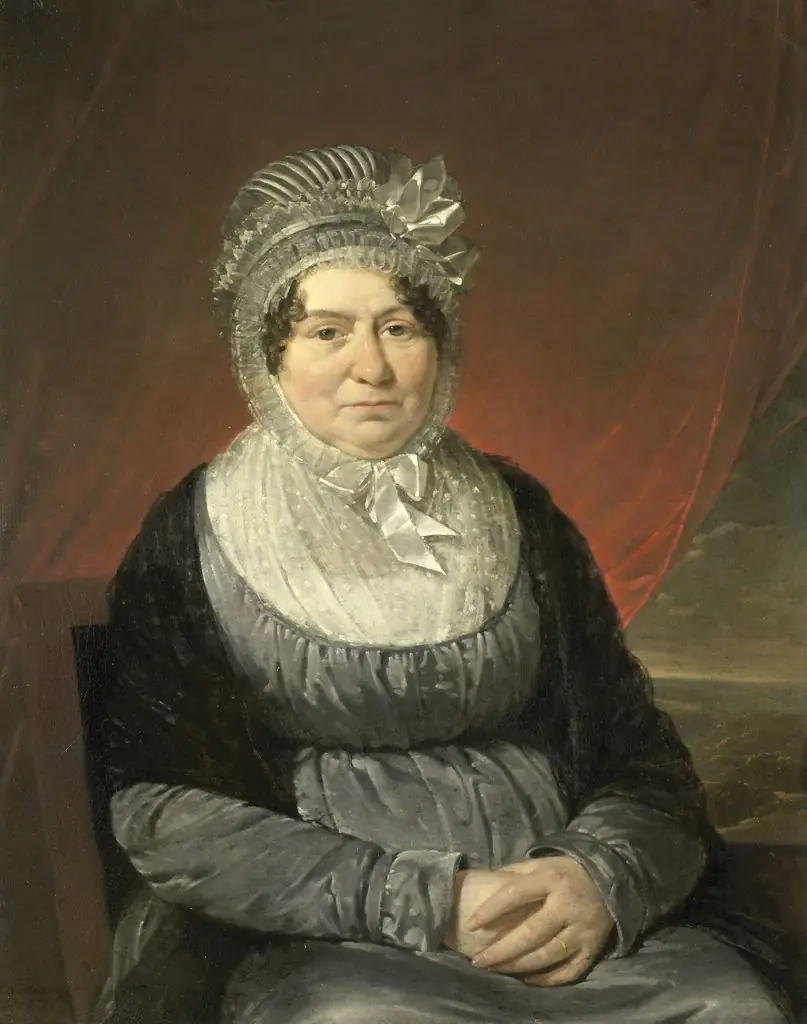
Portrait of Sara de Haan, Widow of the Amsterdam Underwriter Cornelis Hartsen
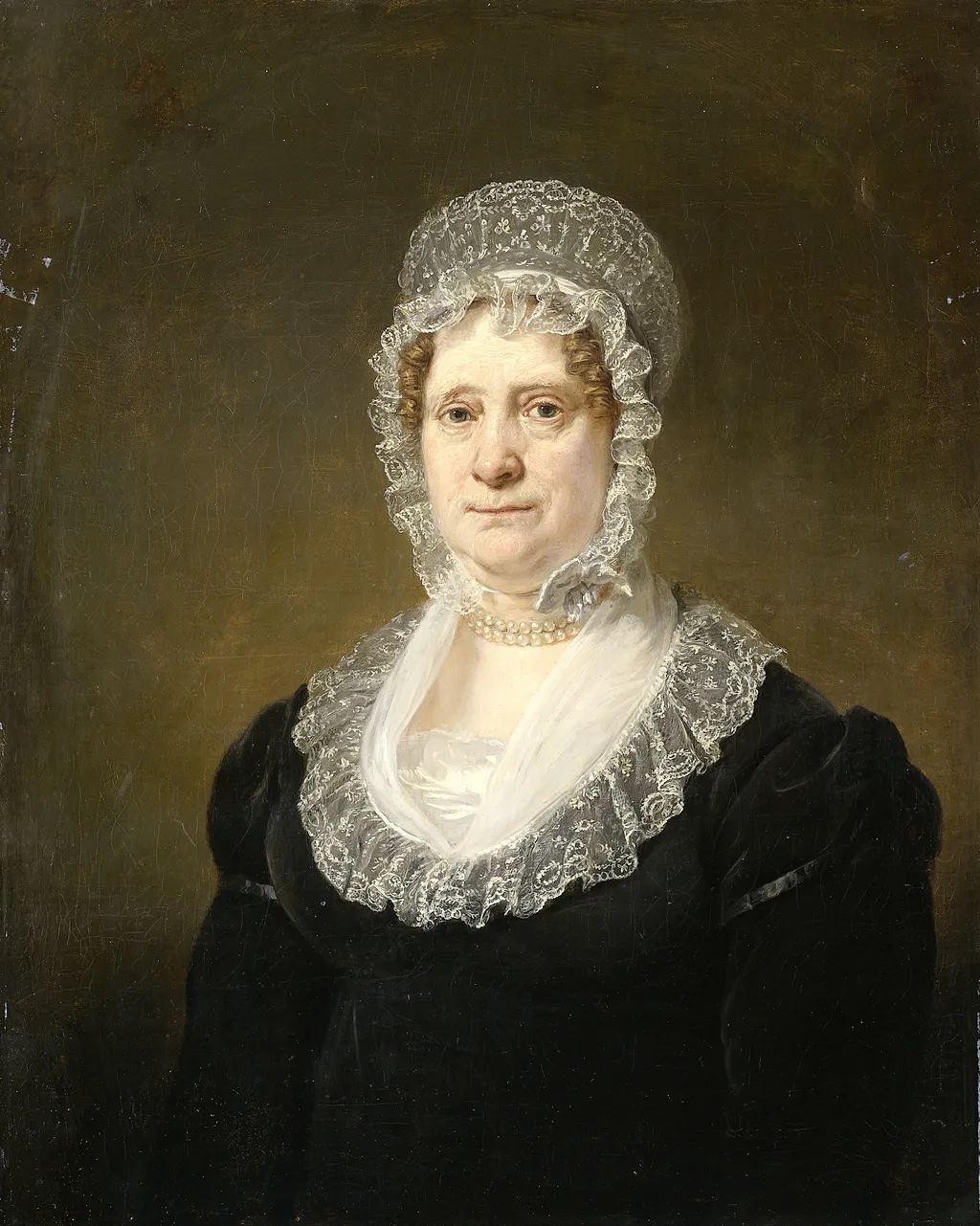
Portrait of Sara de Haan, Widow of the Amsterdam Underwriter Cornelis Hartsen is an oil painting by the Neoclassicist artist Jan Willem Pieneman. It dates from 1826 and is held in the collection of the Rijksmuseum.
About this work
Technique & Style
Created in 1826, the Portrait of Sara de Haan, Widow of the Amsterdam Underwriter Cornelis Hartsen is an oil painting executed on a canvas support.
Created in 1826, the Portrait of Sara de Haan, Widow of the Amsterdam Underwriter Cornelis Hartsen is an oil painting executed on a canvas support. The work measures 77 cm in height and 63 cm in width. As a portrait by Jan Willem Pieneman, the piece adheres to the conventions of the genre, utilizing oil paint to render the sitter with the formal precision characteristic of the artist's output during this period.
History & Provenance
Jan Willem Pieneman executed this oil-on-canvas portrait in 1826. The work depicts Sara de Haan, identified as the widow of Cornelis Hartsen, an Amsterdam underwriter. Created during the early nineteenth century, the painting measures 77 cm in height and 63 cm in width.
The artwork is currently held in the collection of the Rijksmuseum, where it remains part of the institution's holdings.
Context
Jan Willem Pieneman painted Portrait of Sara de Haan, Widow of the Amsterdam Underwriter Cornelis Hartsen in 1826, an oil portrait now held by the Rijksmuseum. The work exemplifies early 19th-century Dutch portraiture, blending neoclassical composition with emerging Romantic sensibilities. Scholarship situates it within Pieneman's broader output of elite civic and familial likenesses, reflecting the Netherlands' continued patronage traditions during a period of cultural transition.
Its presence in a national collection underscores its significance as a representative example of period portrait conventions, particularly in rendering status through costume and setting.
Legacy
The painting has been part of the Rijksmuseum's collection since at least the early 20th century, where it is displayed as a representative example of Dutch portraiture from the early 19th century. Its scholarly importance is underscored by frequent inclusion in exhibitions on Dutch Golden Age continuations and academic publications on Pieneman's oeuvre, solidifying its status as a key work within the museum's holdings. The work is cited in art historical literature as a benchmark for understanding the social status of widows from Amsterdam's merchant class during the period.
Overview
This oil painting, created in 1826 by Jan Willem Pieneman, is a portrait of Sara de Haan, the widow of Amsterdam underwriter Cornelis Hartsen. It is part of the Rijksmuseum's collection.
Subject & Meaning
The portrait depicts Sara de Haan in mourning attire, wearing a black dress with a white lace collar and bonnet, and a pearl necklace. Her serious expression and direct gaze convey a sense of dignity and solemnity.
Own this work as a print
Artist & collection
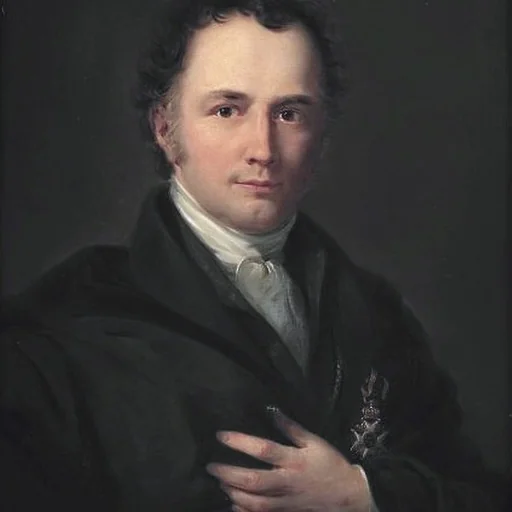

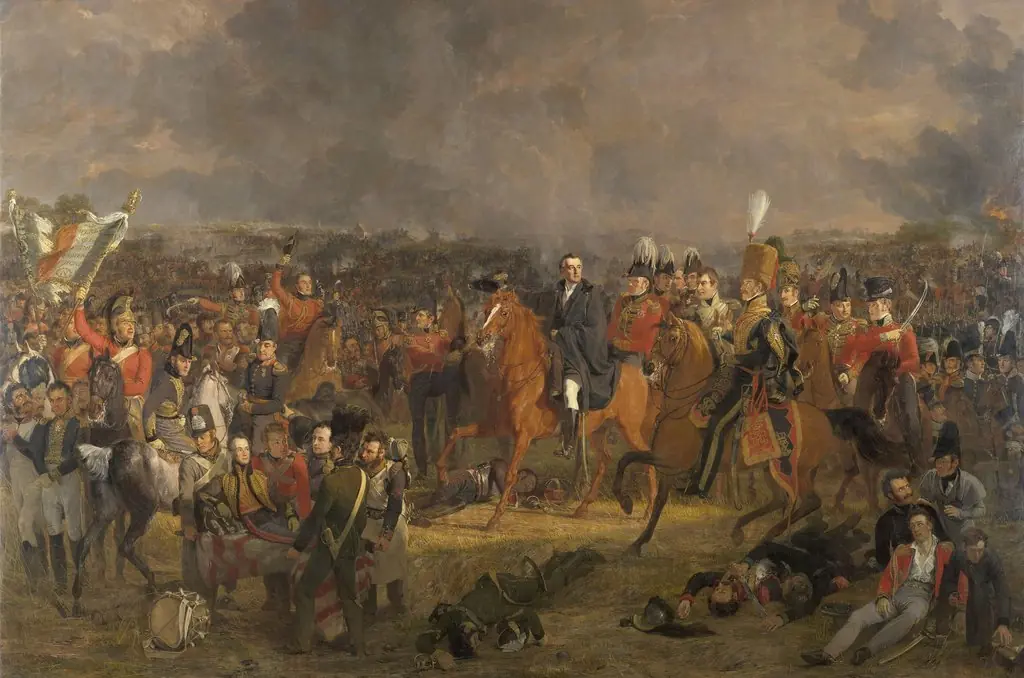 The Battle of Waterloo
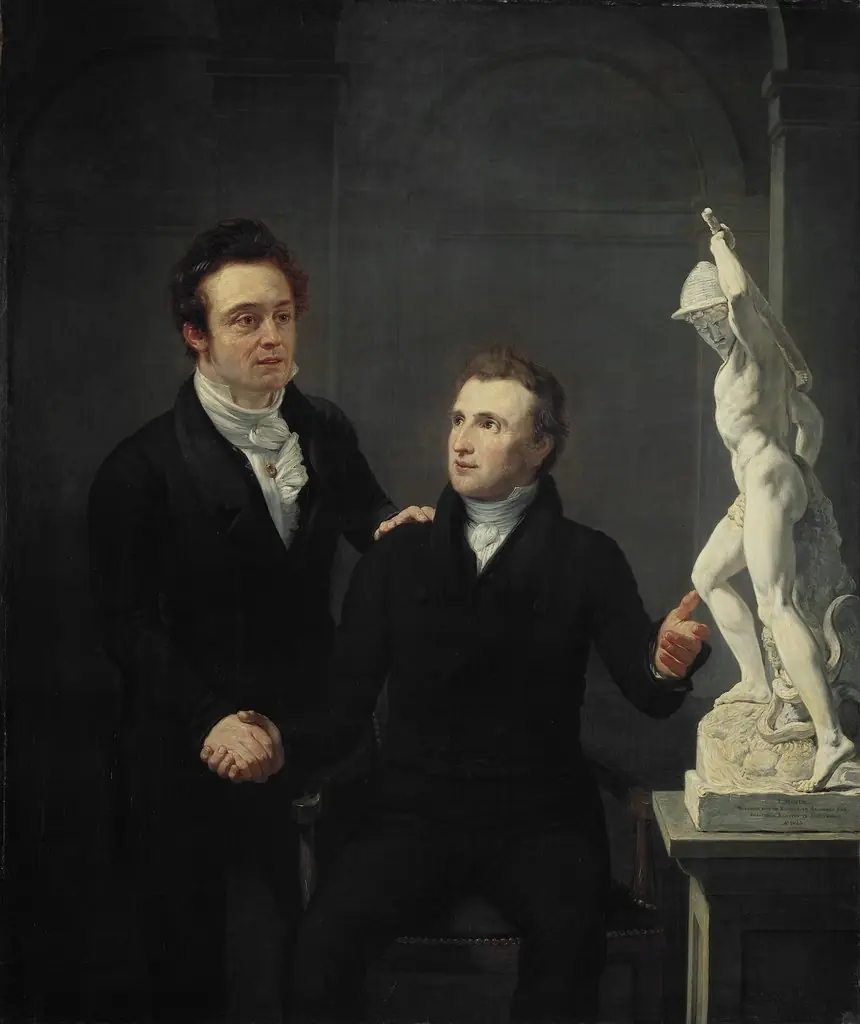 Louis Royer, sculptor, and Albertus Bernardus Roothaan, stockbroker, friend of the arts, and patron of the sciences
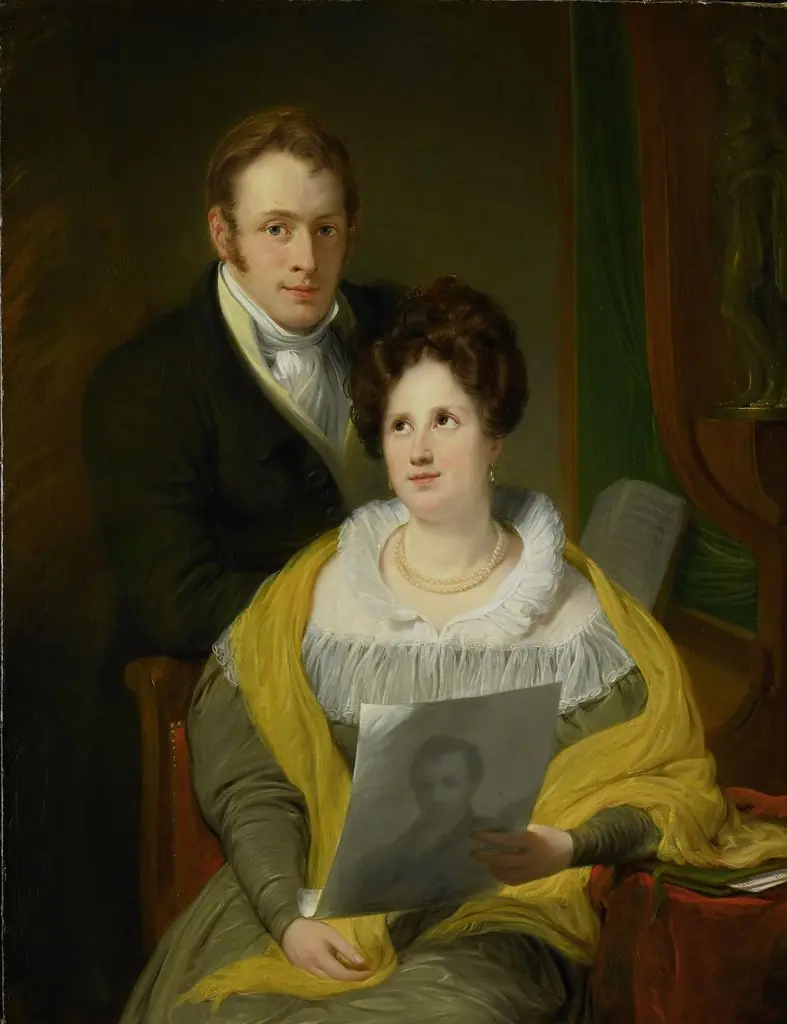 Portrait of a Woman and a Man
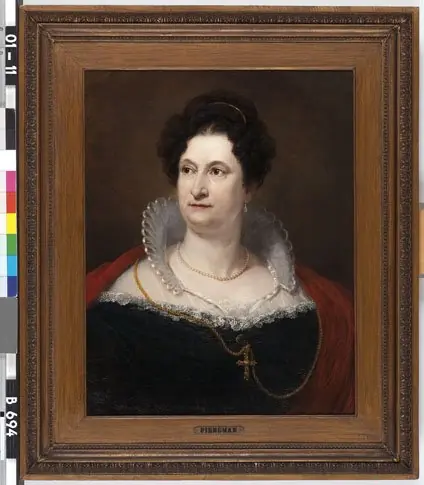 Joanna Cornelia Ziesenis-Wattier (1762–1827). Toneelspeelster
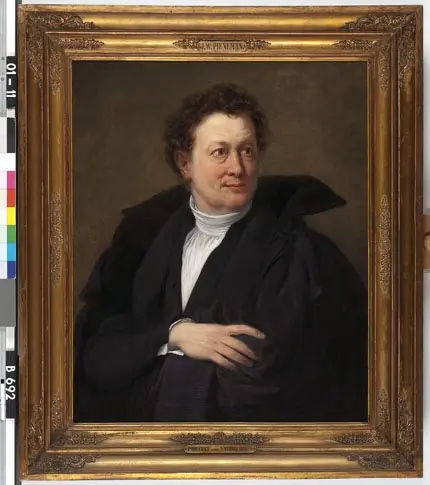 Andries Snoek (1766–1829). Toneelspeler
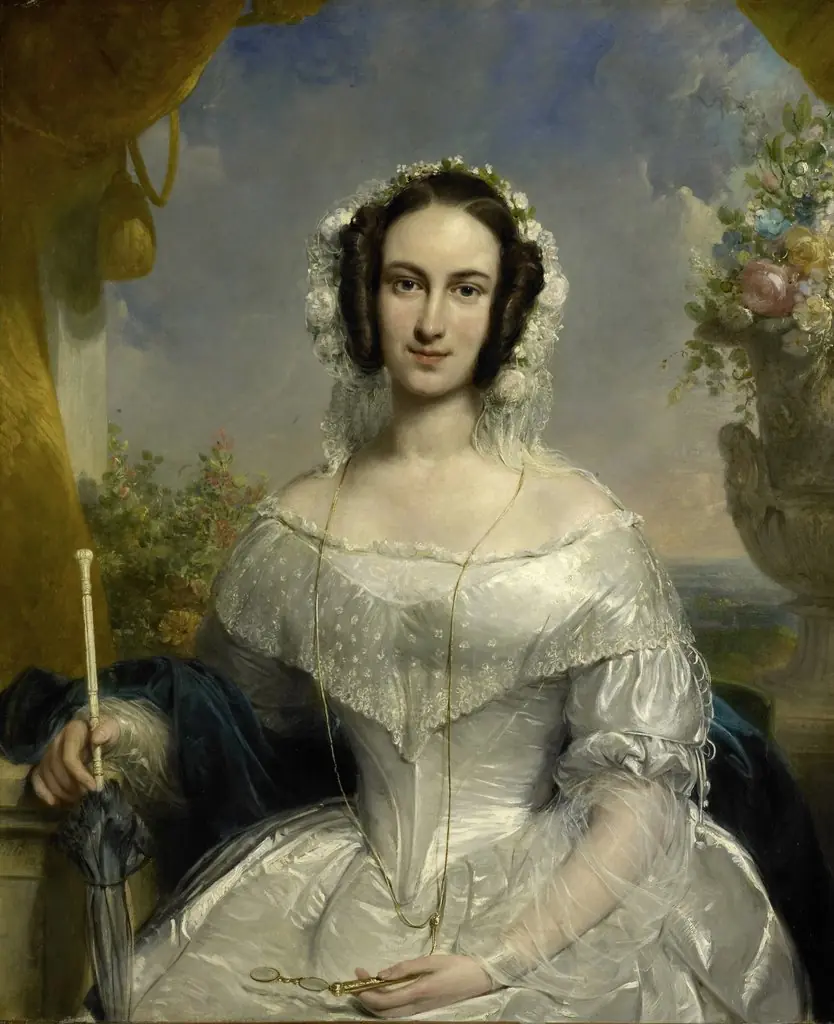 Agatha Petronella Hartsen (1814-78). In bruidstoilet ter gelegenheid van haar huwelijk met Jan van der Hoop op 17 maart 1841
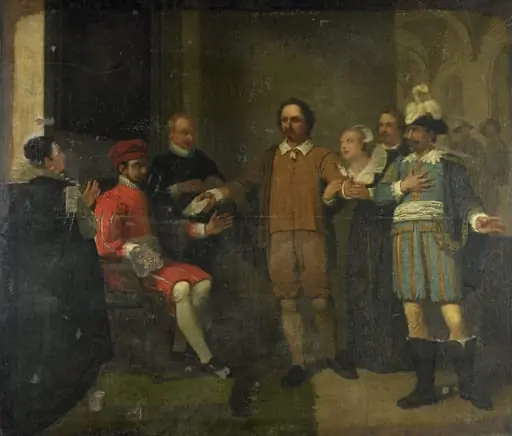 Jacob Simonsz de Rijk getting the Spanish Governor-General Requesens to Release Marnix van Sint Aldegonde, 1575
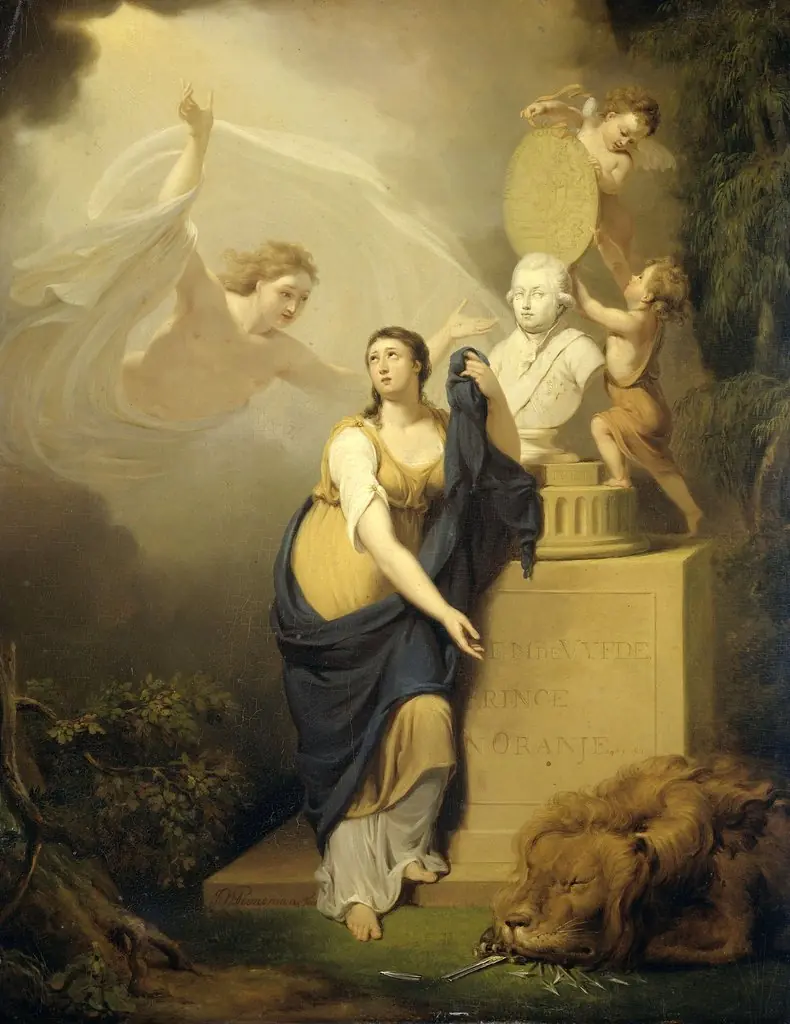 Allegory of the Death of Prince William V, 1806
- Madame Van Donick
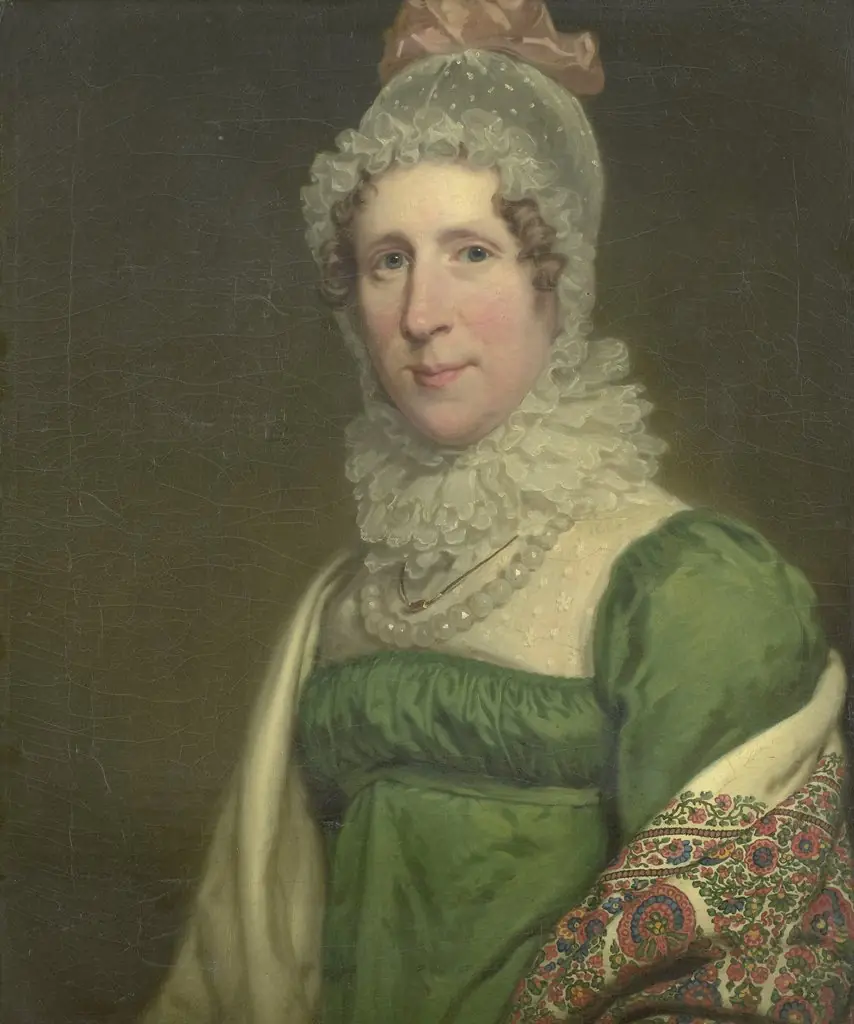 Portrait of Suzanna Maria Crommelin, Wife of Egbert Johannes Koch
 Portrait of Mrs. Brak-Haskenhoff
 Portrait of Magdalena Węglińska
 Portrait of a Lady
 Portrait of Elżbieta Pade (d. 1833), wife of Marcin
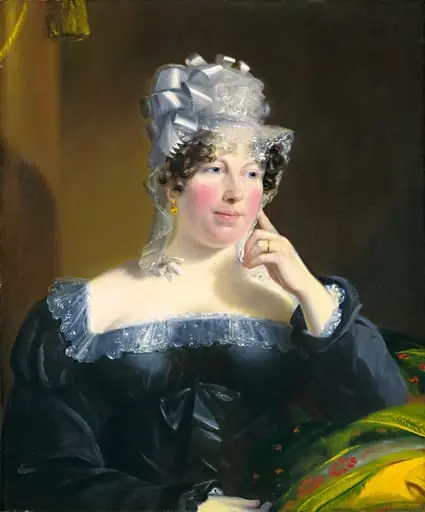 Portrait of a Lady
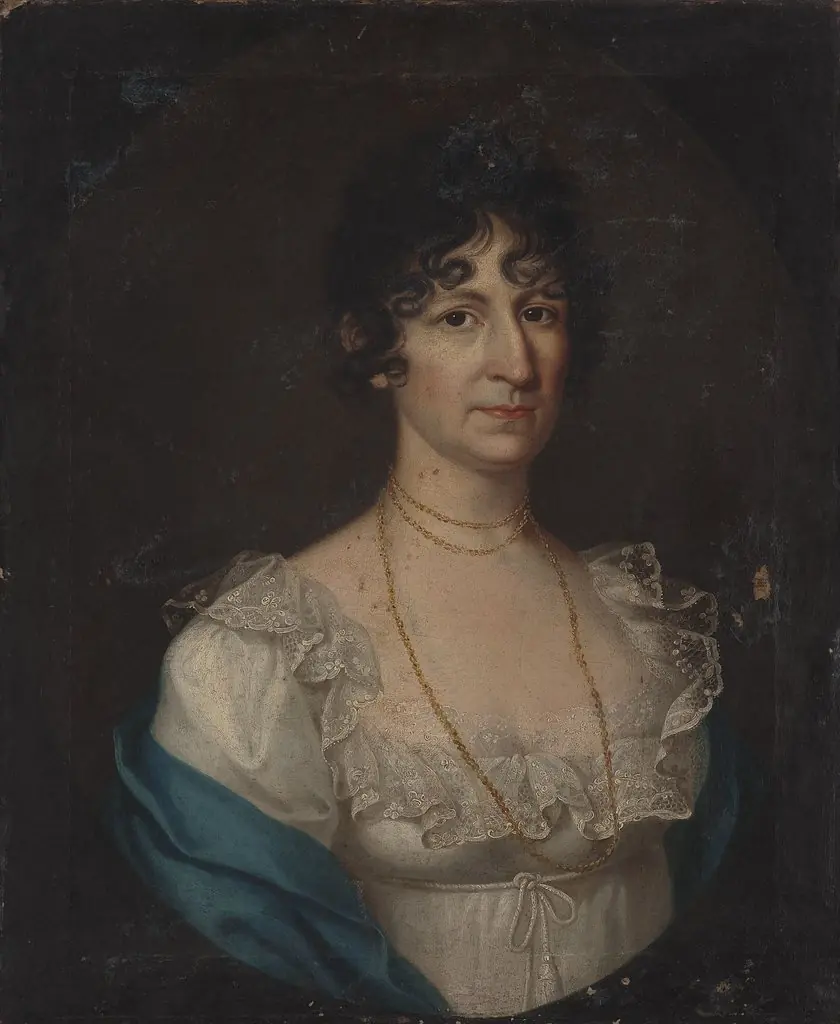 Portrait of a woman
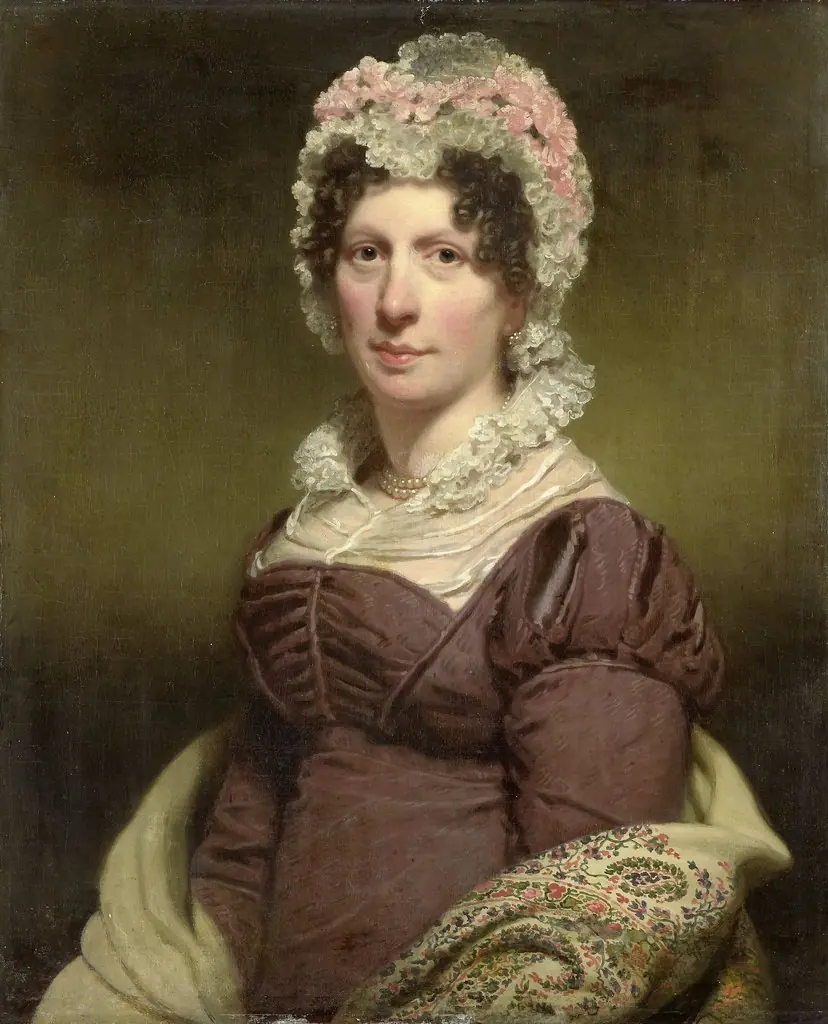 Portrait of a Woman
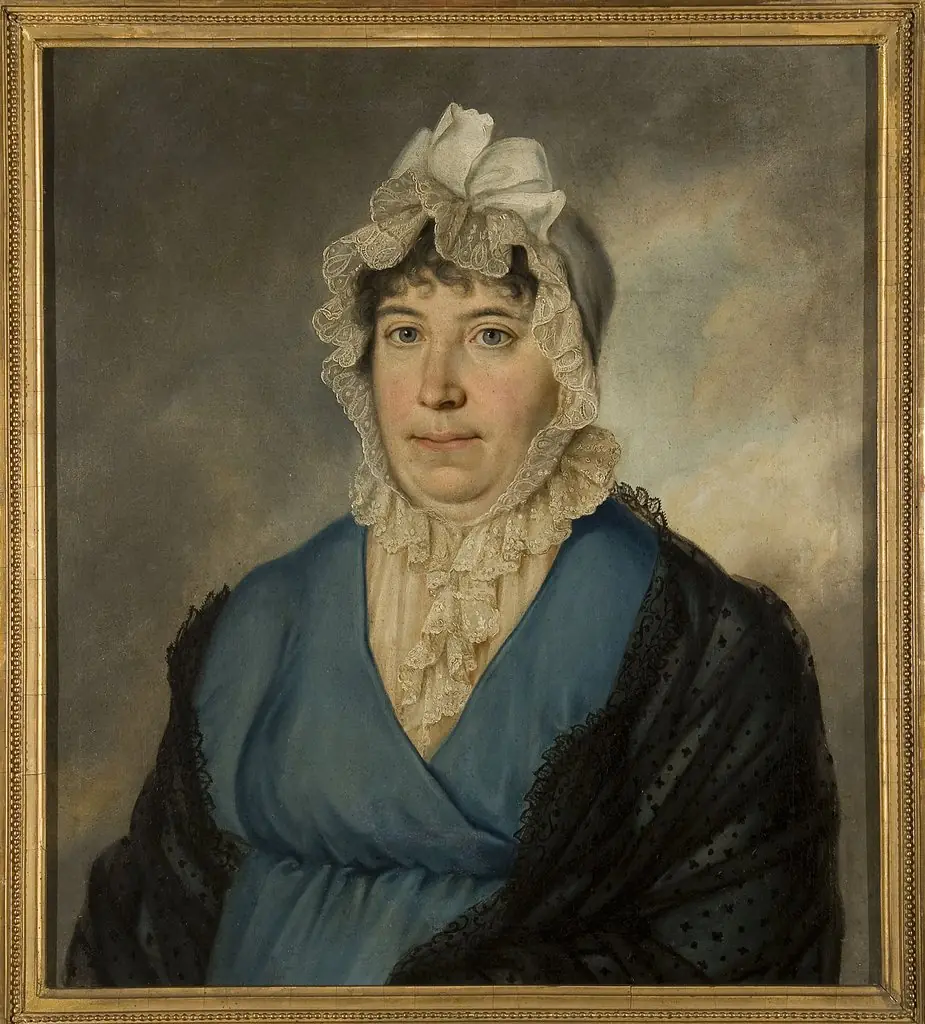 Portrait of Mrs. Luboradzka /?/
 Portrait of Wilhelmina van Pruisen (1751-1820)
 Portrait of a Woman