Artwork
Hendrik van Demmeltraadt (1736/37-1819)
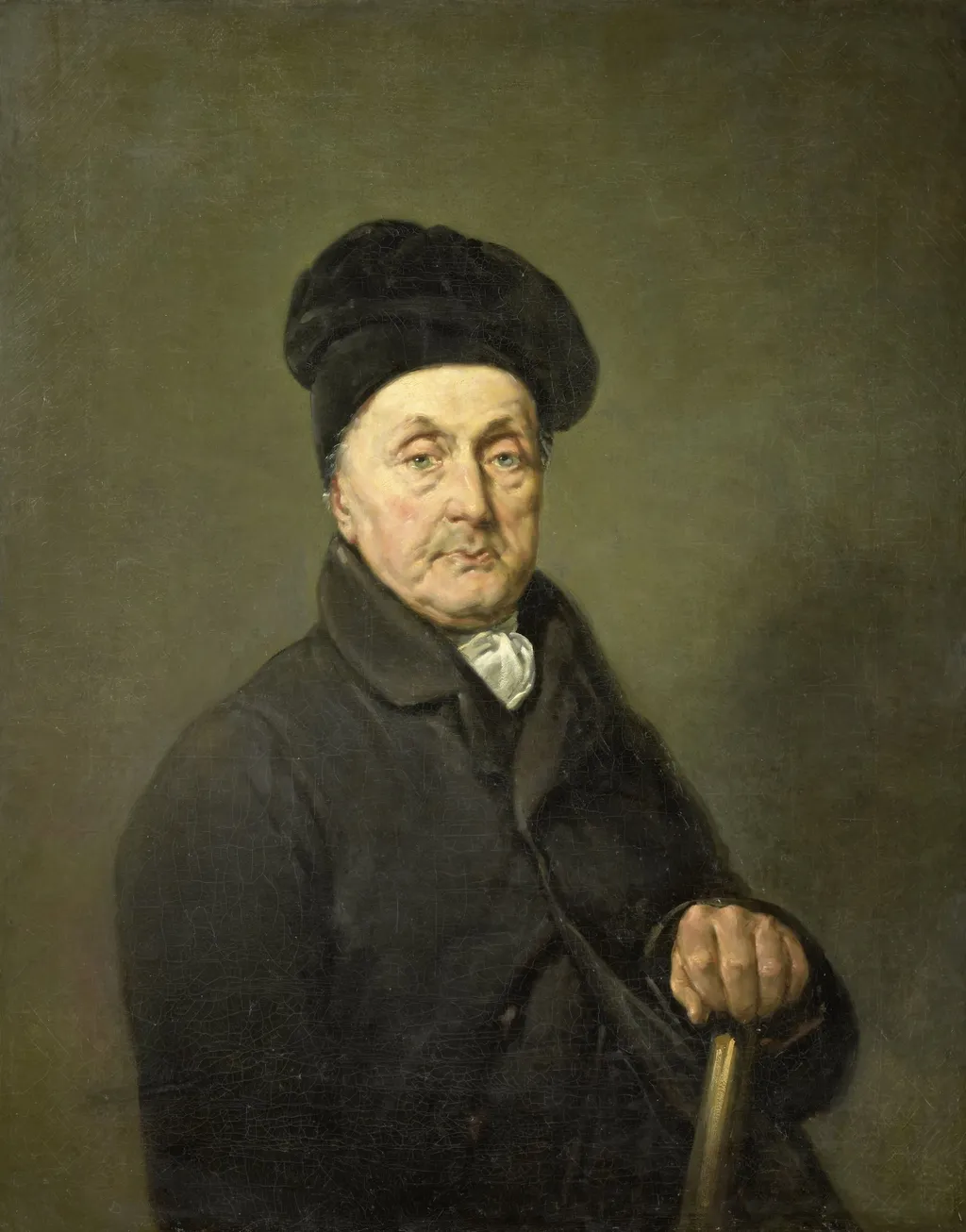
Hendrik van Demmeltraadt (1736/37-1819) is an oil painting by the Biedermeier artist Jean Augustin Daiwaille. It dates from 1810 and is held in the collection of the Rijksmuseum.
About this work
Subject & Meaning
Its meaning is tied to the sitter’s public role rather than narrative storytelling.
The portrait shows Hendrik van Demmeltraadt, a Dutch merchant and militia officer, rendered in a dignified pose that emphasizes his respectable status in early 19th‑century Amsterdam society. The work lacks overt allegorical symbols, instead relying on conventional portrait conventions such as fine clothing and a neutral background to convey the sitter’s civic identity and personal wealth. Its meaning is tied to the sitter’s public role rather than narrative storytelling.
Technique & Style
The portrait of Hendrik van Demmeltraadt is executed in oil paint on canvas, a standard support for early nineteenth-century European portraiture. The work measures 77.5 cm in height by 61.5 cm in width, a moderately sized upright format suited to a single sitter. Classified as a painting and belonging to the portrait genre, the canvas was produced in 1810 by Jean Augustin Daiwaille.
The combination of oil medium and canvas support is consistent with the academic portrait tradition of the period, allowing for layered handling and detailed rendering of the sitter.
The work is held in the collection of the Rijksmuseum, where its oil-on-canvas construction has been preserved as part of the institution's holdings.
History & Provenance
The portrait of Hendrik van Demmeltraadt was painted by Jean Augustin Daiwaille in 1810. It is an oil on canvas work measuring 77.5 cm by 61.5 cm, depicting the subject directly. The painting entered the collection of the Rijksmuseum, where it remains on display.
Context
The portrait by Jean Augustin Daiwaille, created in 1810, was produced during a period when Dutch portraiture emphasized realism and individual character, reflecting Enlightenment ideals of civic virtue and personal identity. The work was later acquired by the Rijksmuseum, indicating its recognition within institutional collections and scholarly interest in 19th-century Dutch art.
Art historians view this painting as representative of the transitional phase in Dutch portraiture, bridging neoclassical conventions with emerging romantic sensibilities, and it contributes to the documented legacy of Hendrik van Demmeltraadt within the artistic milieu of the early 19th century.
Overview
Jean Augustin Daiwaille’s 1810 oil portrait presents Hendrik van Demmeltraadt, an elderly gentleman whose likeness is preserved in the Rijksmuseum’s collection. Rendered in a restrained palette, the work focuses attention on the sitter’s dignified bearing, set against a uniform dark‑green backdrop that isolates the figure from any narrative setting.
Own this work as a print
Artist & collection

 Berlin Consistory Council Johann Joachim Spalding (1714-1804)
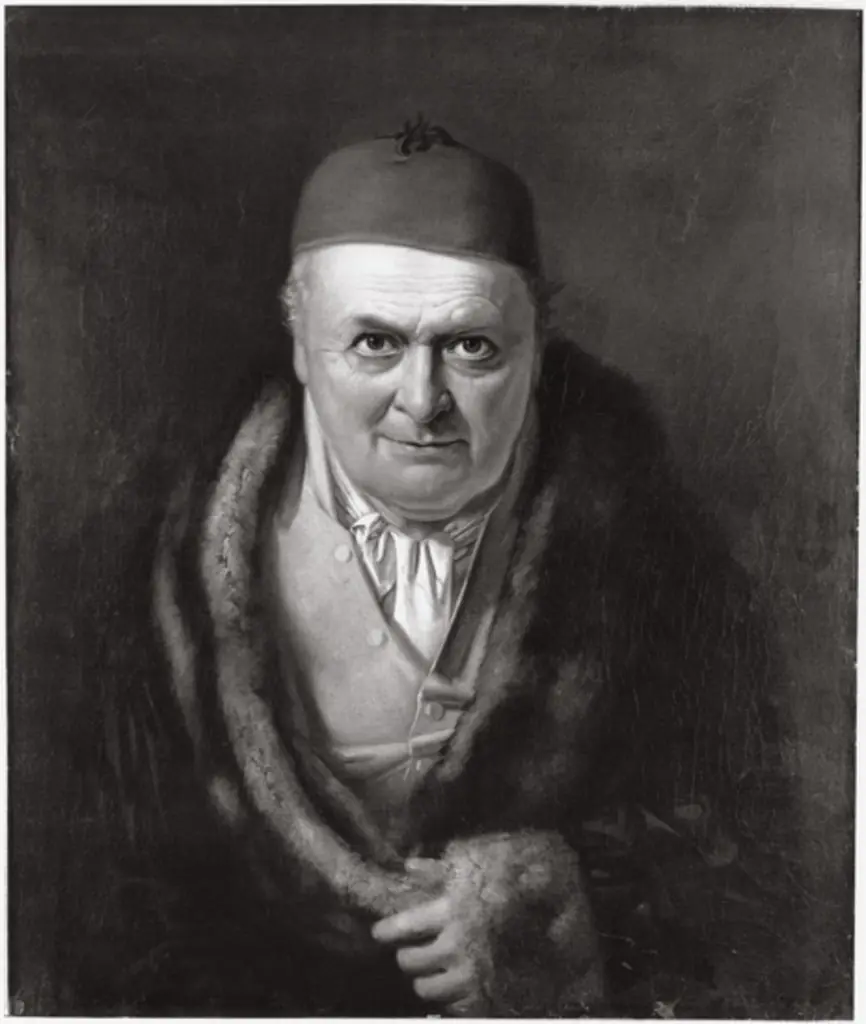 Bildnis des Landschaftsmalers Joseph Koch
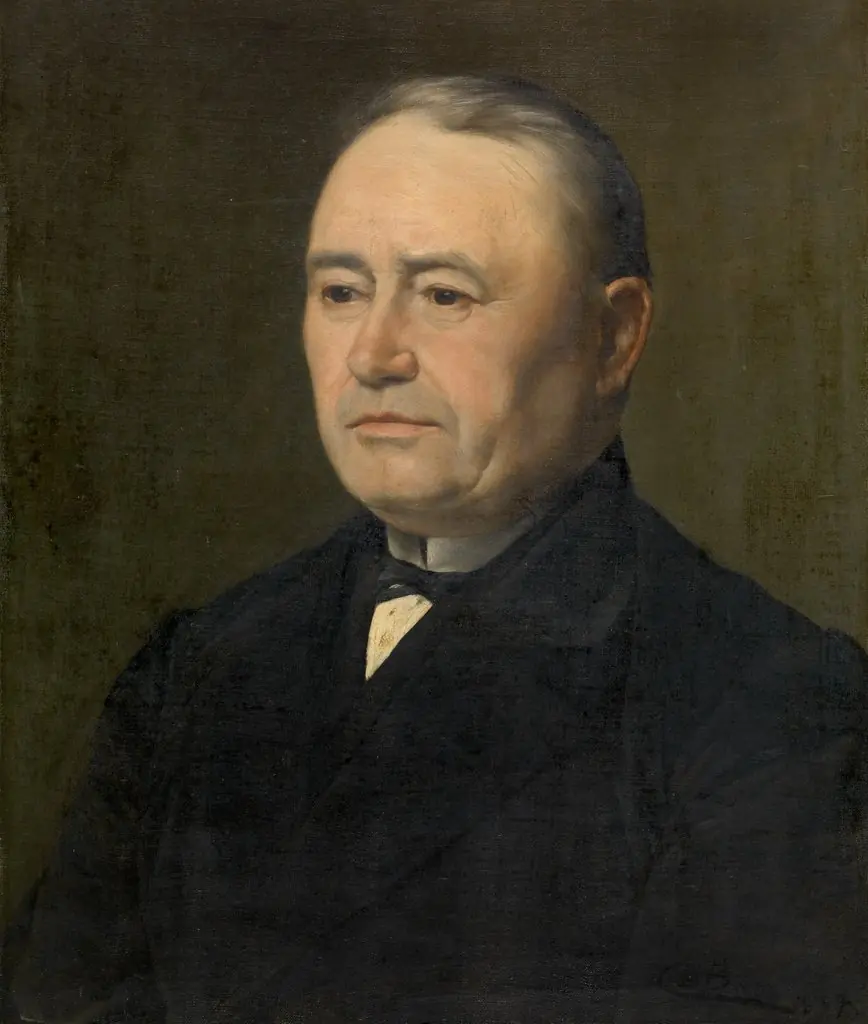 Portrait of a Man
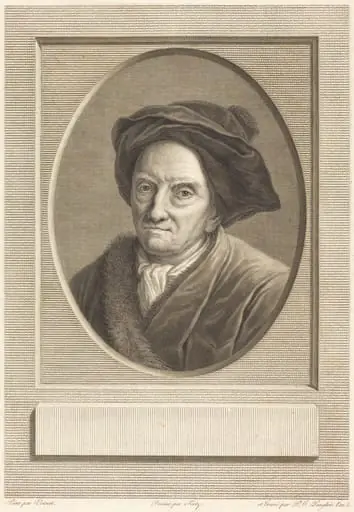 Fontenelle
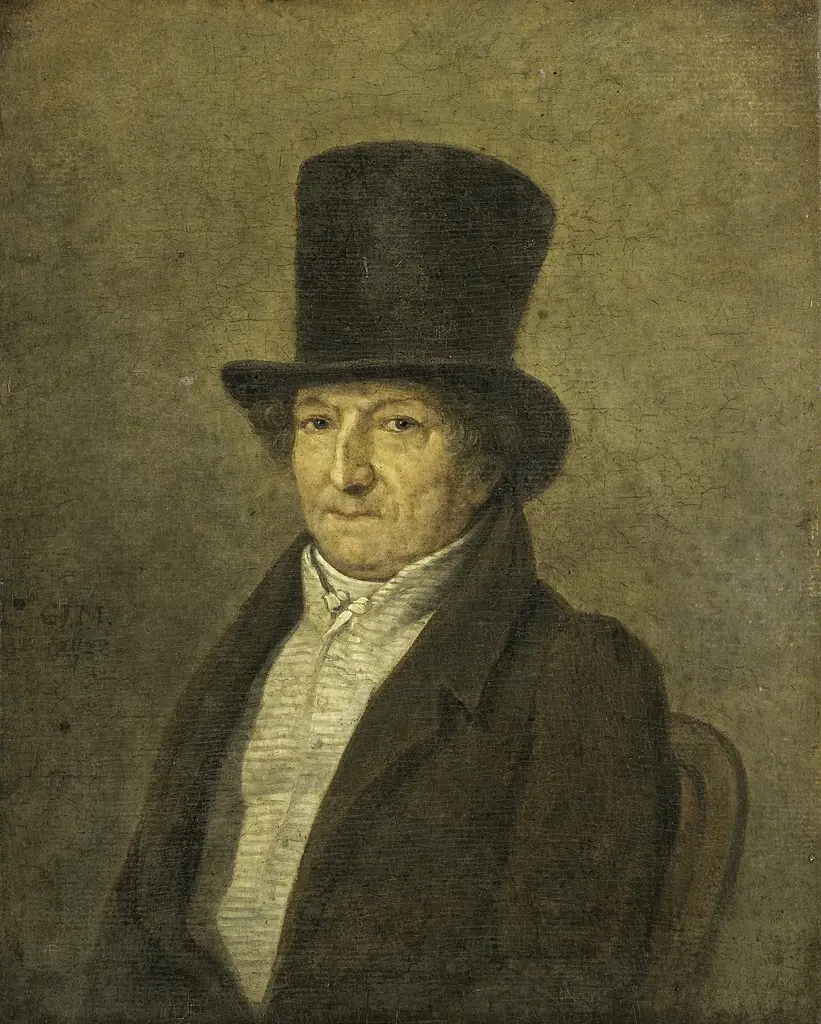 Portrait of Jean Bernard, Art Collector and Painter in Amsterdam
 The Actor Kristian Mantzius
 Portrait of Pieter Arnold Diederichs (1804-74), bookseller and founder AD in 1828
 Etatsråd M.L. Nathanson
 Rev.Henry Rees
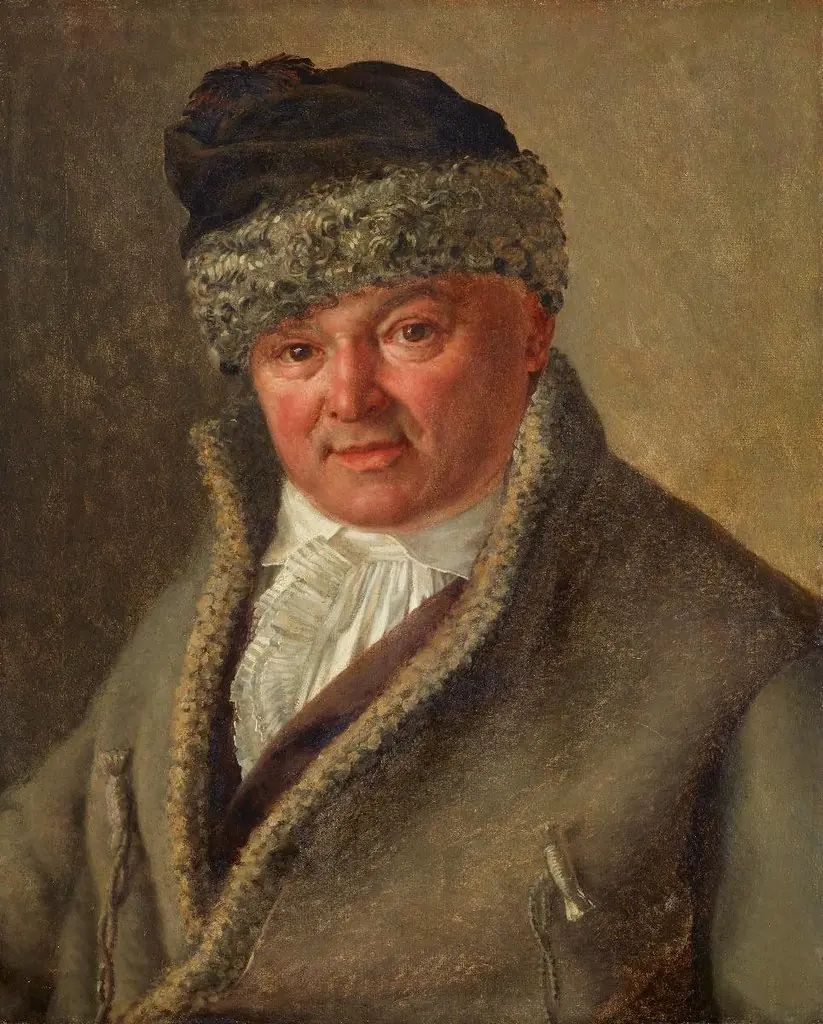 Bildnis des Landschaftsmalers Johann Heinrich Wüest
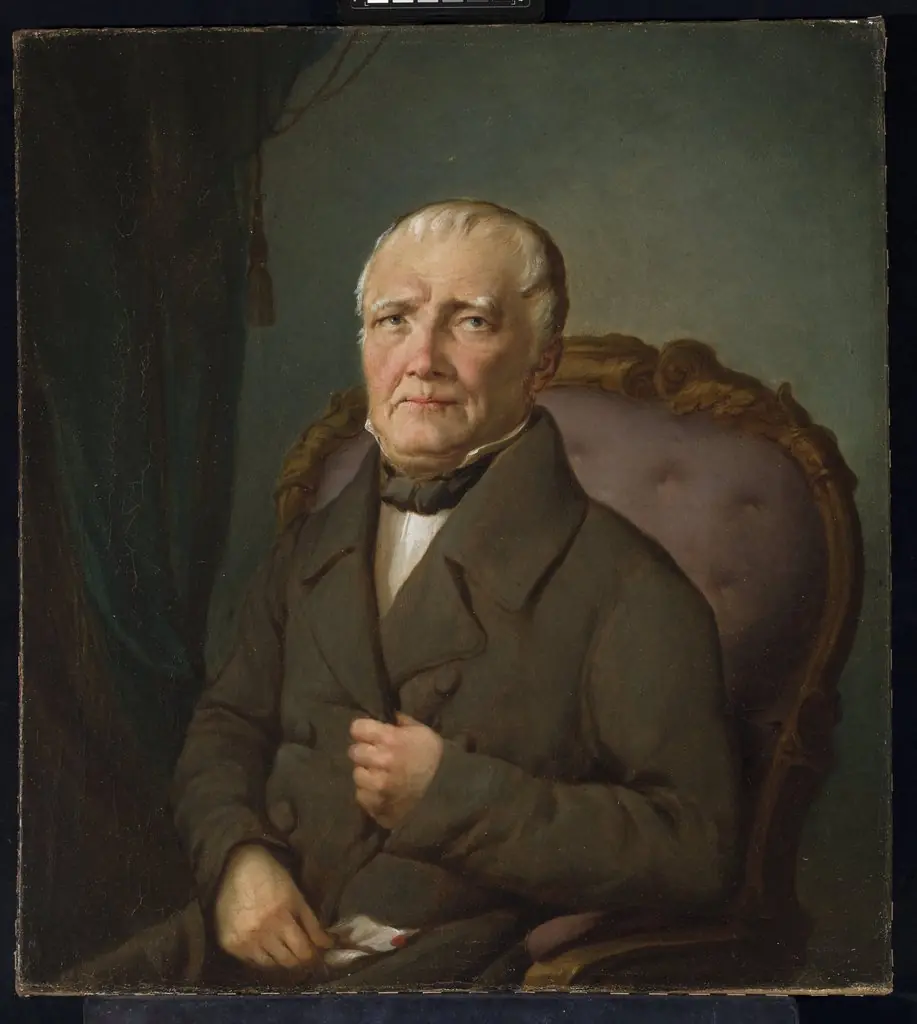 Portrait of Stanisław Kurpiewski
- Untitled