Artwork
View of Lormes
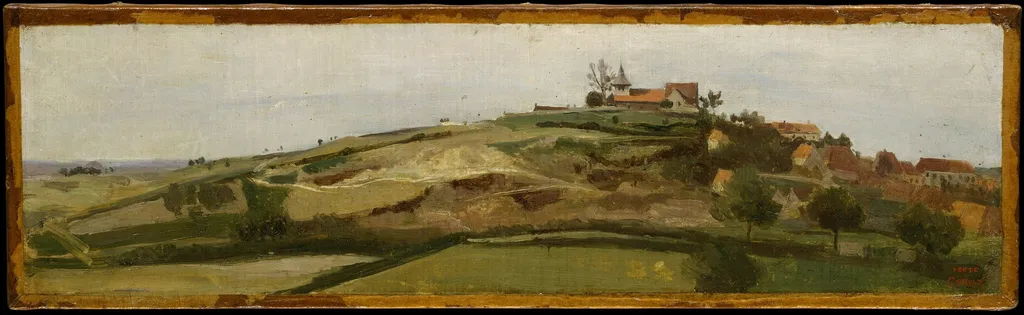
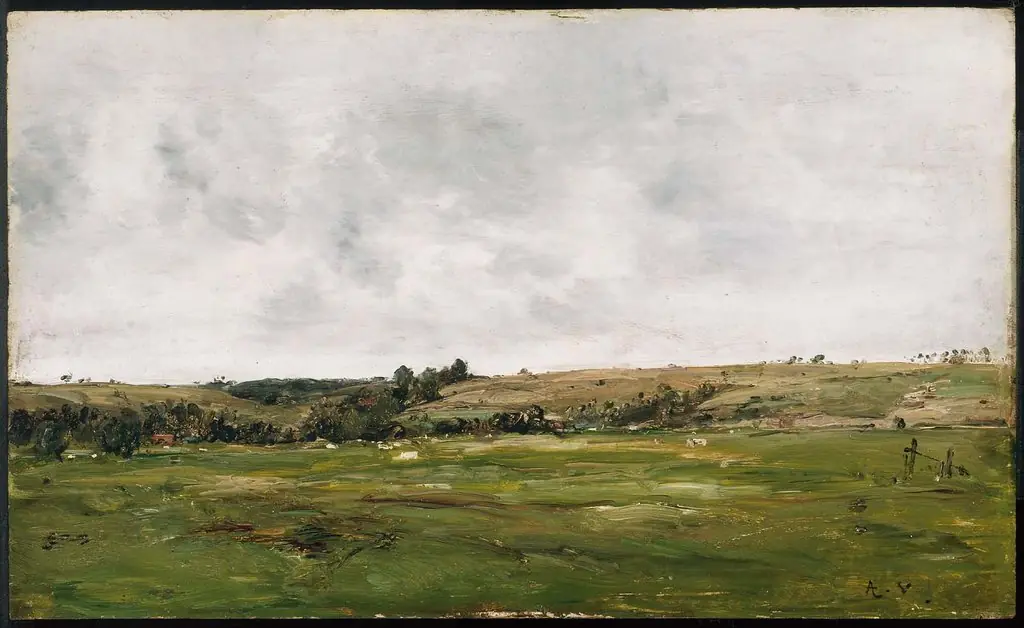
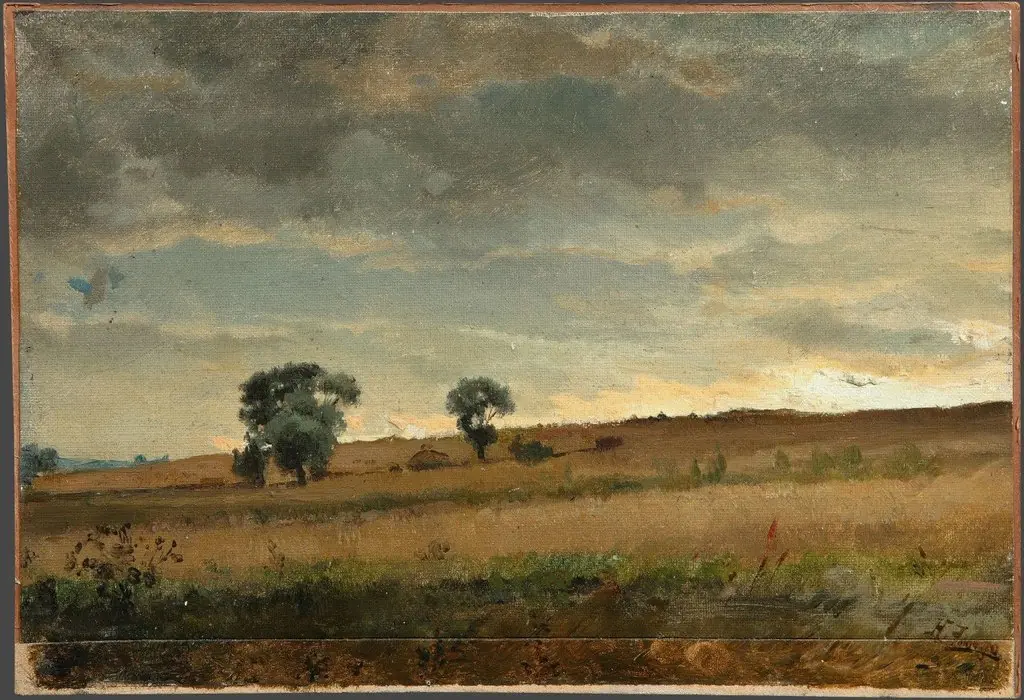
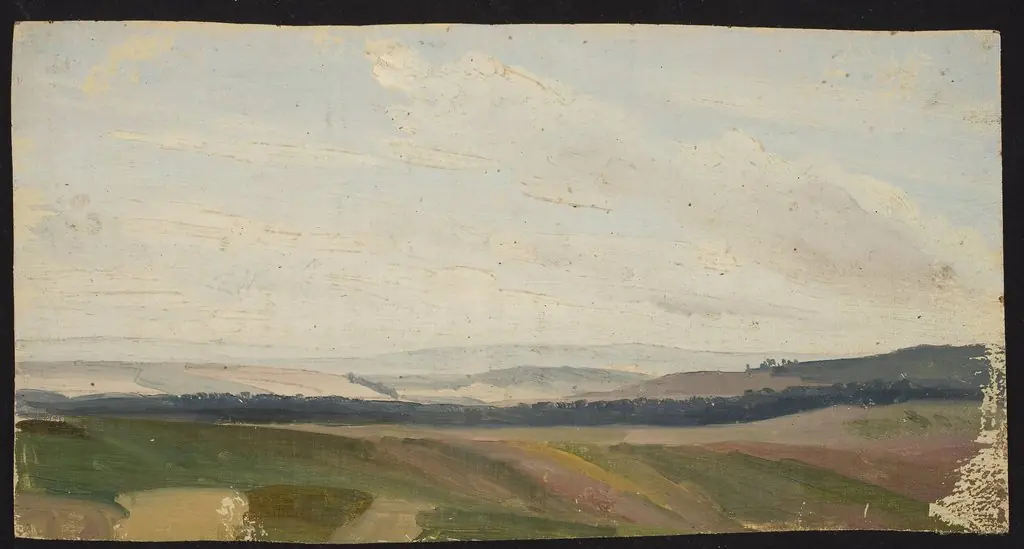
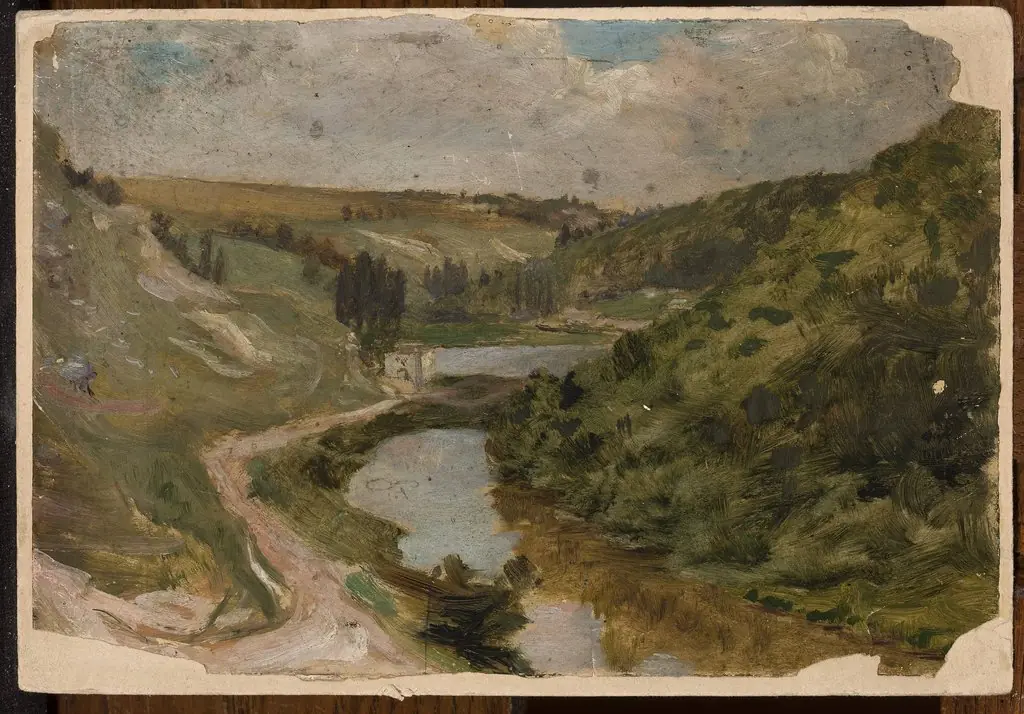
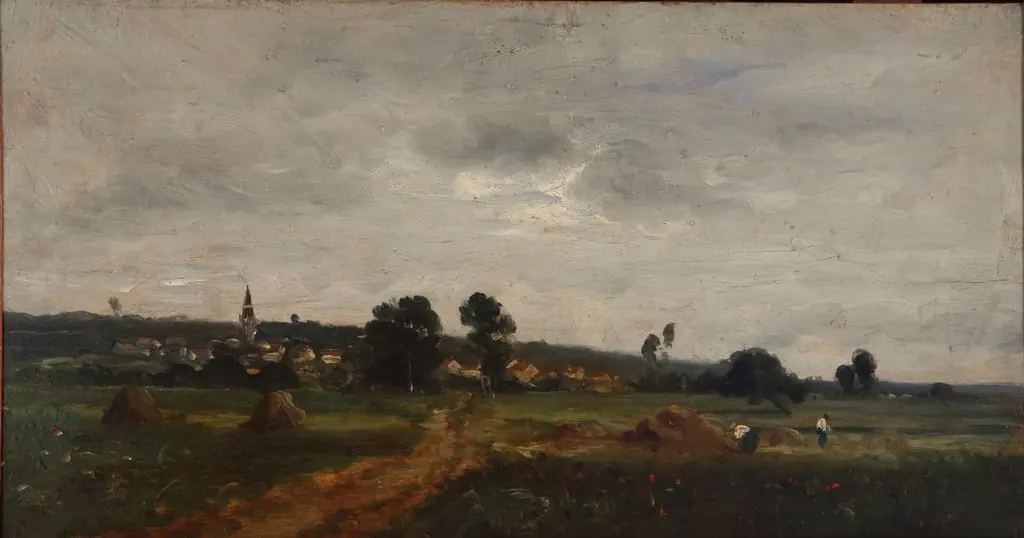
View of Lormes is an oil painting by the Barbizon school artist Jean Baptiste Camille Corot. It dates from 1840 and is held in the collection of the Metropolitan Museum of Art.
About this work
Subject & Meaning
The painting presents a view of the village of Lormes as a tranquil landscape, emphasizing the rural setting rather than narrative details.
The painting presents a view of the village of Lormes as a tranquil landscape, emphasizing the rural setting rather than narrative details. Corot's composition centers on the village nestled within rolling terrain, suggesting a harmonious relationship between human settlement and the surrounding countryside. The work functions as a topographic record that also evokes the quiet charm and atmospheric qualities of the French locale, reflecting the artist's interest in capturing light and mood in a specific place.
Technique & Style
View of Lormes is executed in oil paint on canvas, a standard support for Corot's landscape production of the early 1840s. The work takes the form of a notably elongated horizontal panel, measuring approximately 16.5 by 54.9 centimeters, a panoramic proportion that encourages a sweeping, frieze-like treatment of the rural scene. Classified as a landscape painting, it depicts a village set within its surrounding countryside, consistent with Corot's plein-air and studio practice during this period.
The combination of oil medium and modest canvas scale places the painting within the intimate cabinet-picture tradition Corot favored in his early career.
History & Provenance
View of Lormes was painted in 1840 by Jean-Baptiste Camille Corot as an oil-on-canvas landscape depicting the village of Lormes. The work's creation date and medium are established by the artwork's internal record and its Wikidata entry, which both list an inception of 1840. According to the same sources, the painting is presently part of the collection of the Metropolitan Museum of Art in New York, where it is housed and displayed. No further details regarding earlier ownership, commission, or provenance are provided in the available sources.
Overview
Jean-Baptiste-Camille Corot's View of Lormes, an oil painting from 1840, captures a tranquil rural landscape. This work exemplifies the artist's dedication to natural scenes and atmospheric rendering, a hallmark of his practice. It is currently housed in The Metropolitan Museum of Art and represents a significant example of his contributions to landscape painting during the mid-19th century.
Context
Created during a period of evolving artistic practices, View of Lormes aligns with the Barbizon School movement, which emphasized direct observation of nature. Corot, a key figure in this transition, is recognized for integrating Neo-Classical compositional principles with the innovative plein-air techniques of painting outdoors. This synthesis influenced subsequent generations of landscape artists.
Artist & collection
Artist
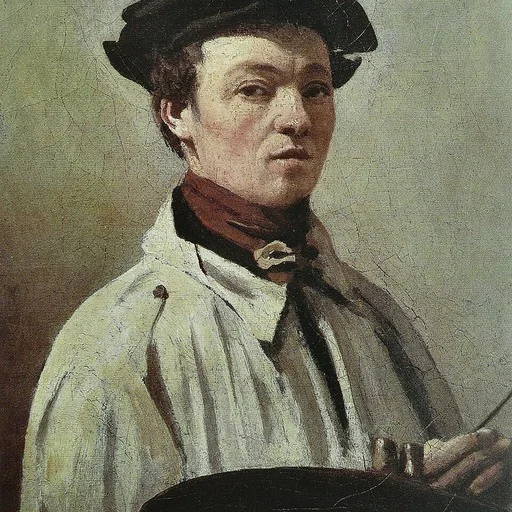
Jean-Baptiste-Camille Corot (UK: KORR-oh, US: kə-ROH, kor-OH; French:; 16 July 1796 – 22 February 1875), or simply Camille Corot, was a French landscape and portrait painter as well as a printmaker in etching.