Artwork
Summer
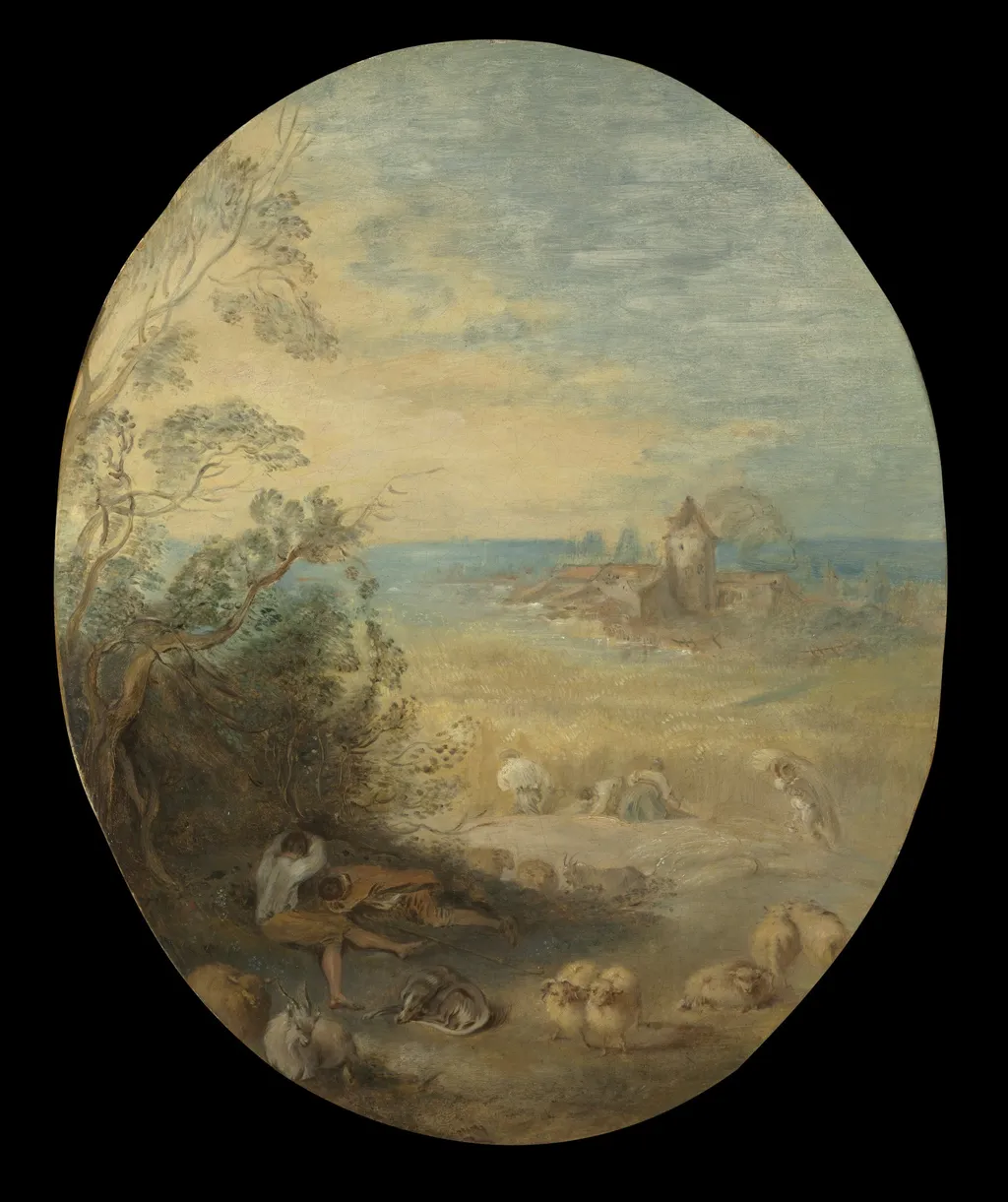
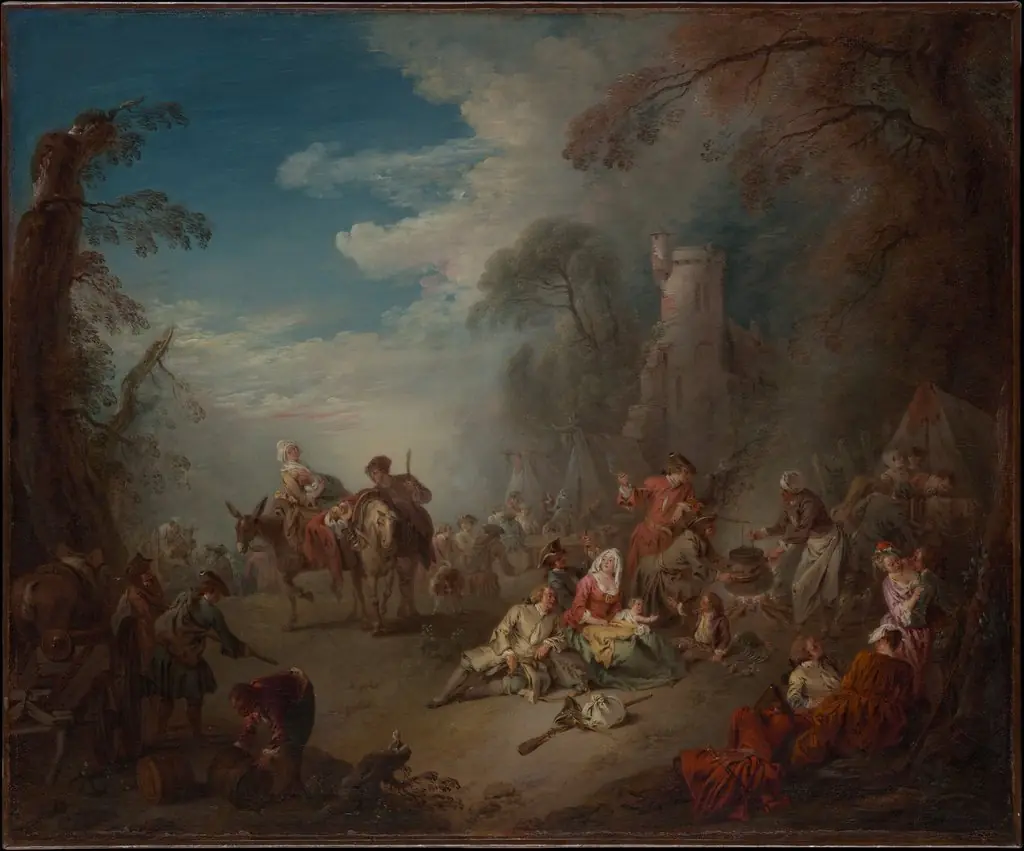
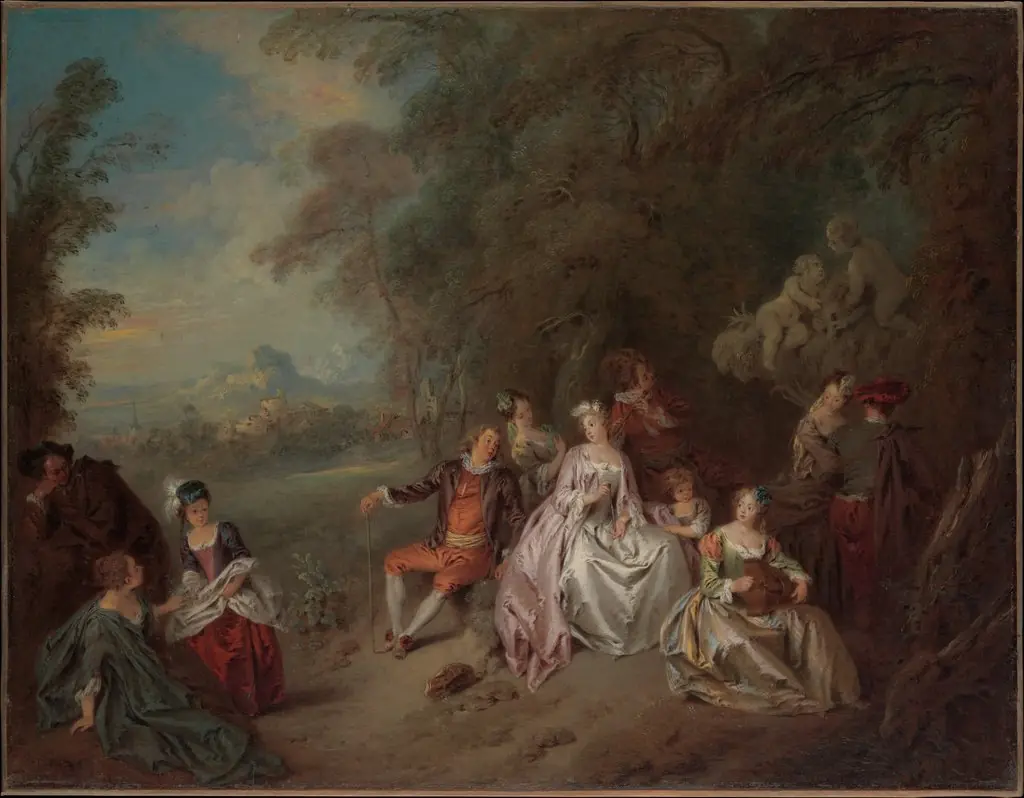
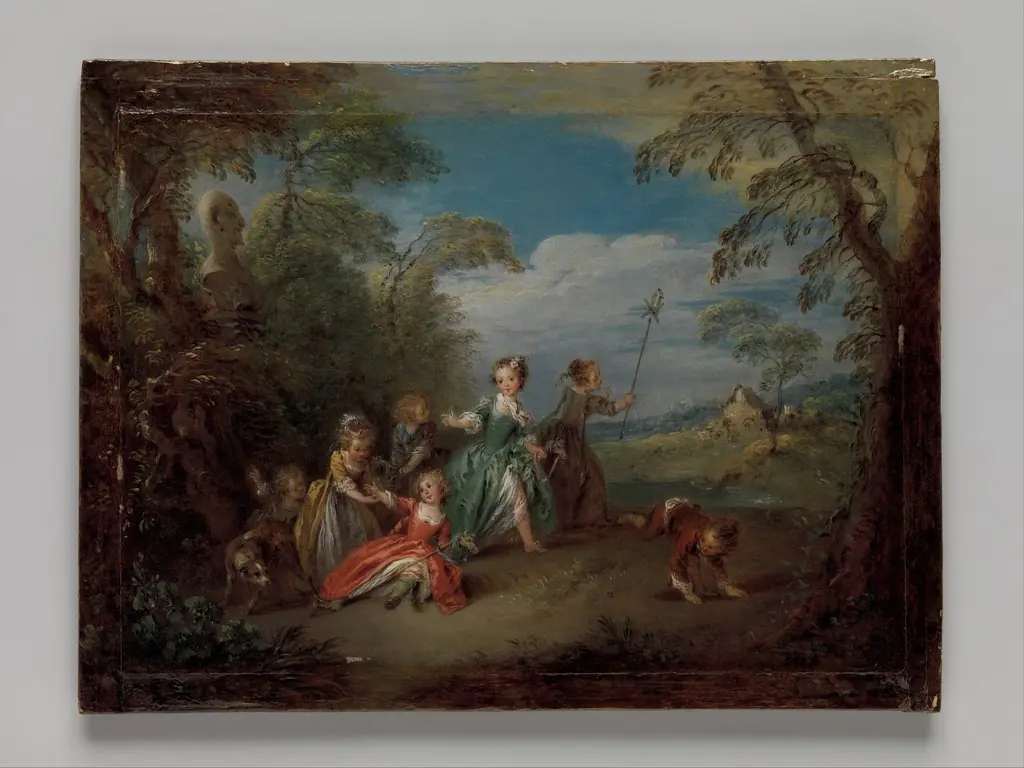
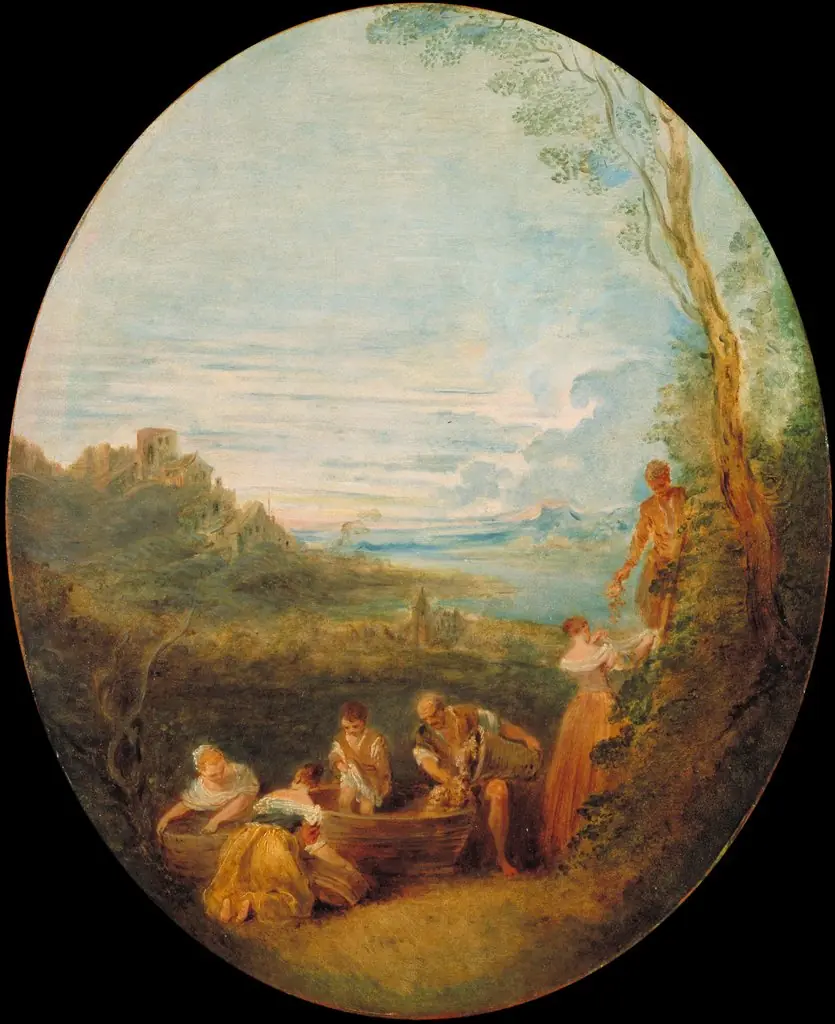
Summer is an oil painting by the Rococo painting artist Jean-Baptiste Pater. It dates from 1728 and is held in the collection of the Cleveland Museum of Art.
About this work
Technique & Style
The composition centers on a tree, contributing to a compositional focus that defines its visual language.
The painting Summer is executed in oil on canvas, a support noted in the documentation, and measures 65.3 cm by 53.5 cm. Its creation dates to 1728, with the work produced in France, as recorded in the reference material. The composition centers on a tree, contributing to a compositional focus that defines its visual language. The surface is treated with traditional oil pigments, allowing layered translucency and a soft modeling of form typical of early 18th‑century French easel painting.
History & Provenance
Summer is an oil painting on canvas by Jean-Baptiste Pater, dated 1728 and produced in France. The work entered the Cleveland Museum of Art collection, where it is recorded under the accession number 1952.540, indicating that it was accessioned by the museum in 1952. No further details about an earlier ownership chain, commission, or intermediate provenance are documented in the available sources.
Jean-Baptiste Pater's painting Summer, created in 1728, is held in the collection of the Cleveland Museum of Art in Cleveland. The work is cataloged under the accession number 1952.540. Executed in oil paint on canvas, the piece has been part of the museum's holdings since its acquisition, representing the artist's depiction of the season featuring a tree motif.
Context
Summer (1728) exemplifies the decorative Rococo sensibility of early‑18th‑century French painting, reflecting Jean‑Baptiste Pater’s focus on idyllic, nature‑filled compositions. The work, executed in oil on canvas, measures 65.3 × 53.5 cm and depicts a solitary tree, a motif that recurs in Pater’s oeuvre and illustrates his fascination with pastoral settings. Its inclusion in the Cleveland Museum of Art highlights scholarly interest in documenting the breadth of French decorative art beyond grand historical narratives.
Contemporary criticism of Pater’s output was modest, yet modern scholarship cites the piece as evidence of the artist’s contribution to the evolution of Rococo aesthetics and as a representative example of the period’s evolving taste.
Overview
Jean-Baptiste Pater, a French Rococo painter born in Valenciennes in 1695, completed Summer in 1728 using oil paint. This painting exemplifies the Rococo movement's characteristic lightheartedness and pastoral themes. It presents a serene countryside vista, featuring figures engaged in leisurely activities amidst a soft, warm landscape. The artwork is presently held in the collection of The Cleveland Museum of Art.
Subject & Meaning
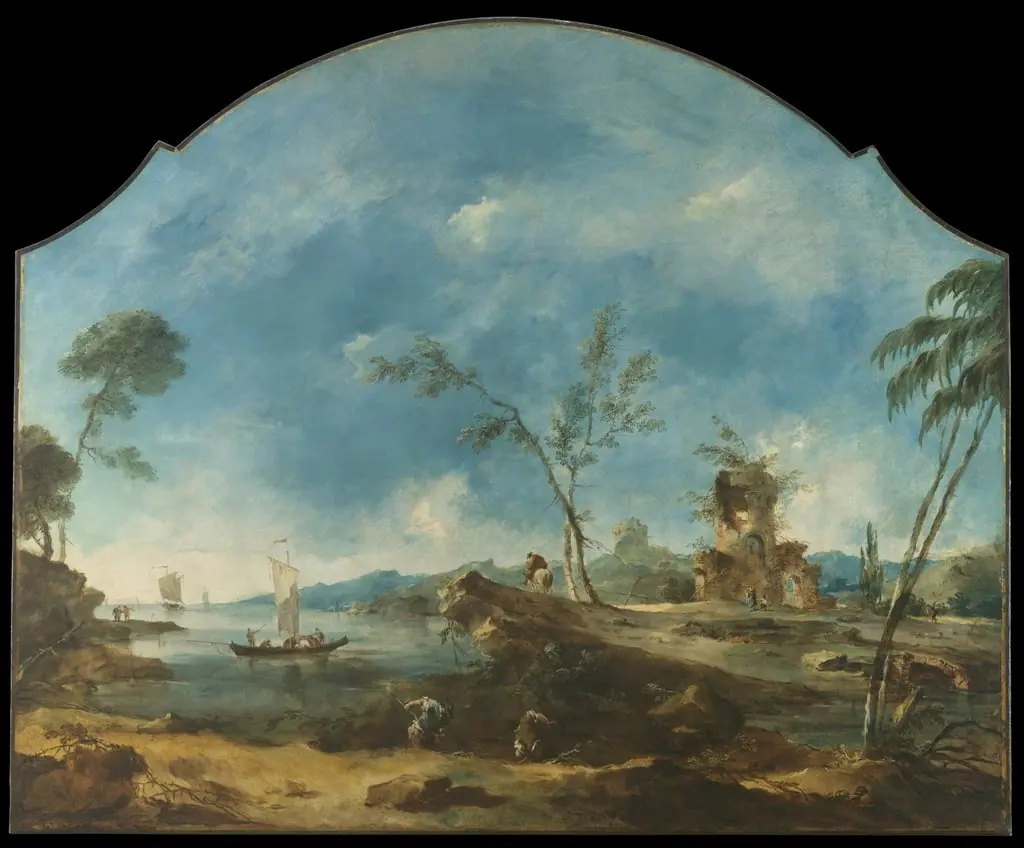
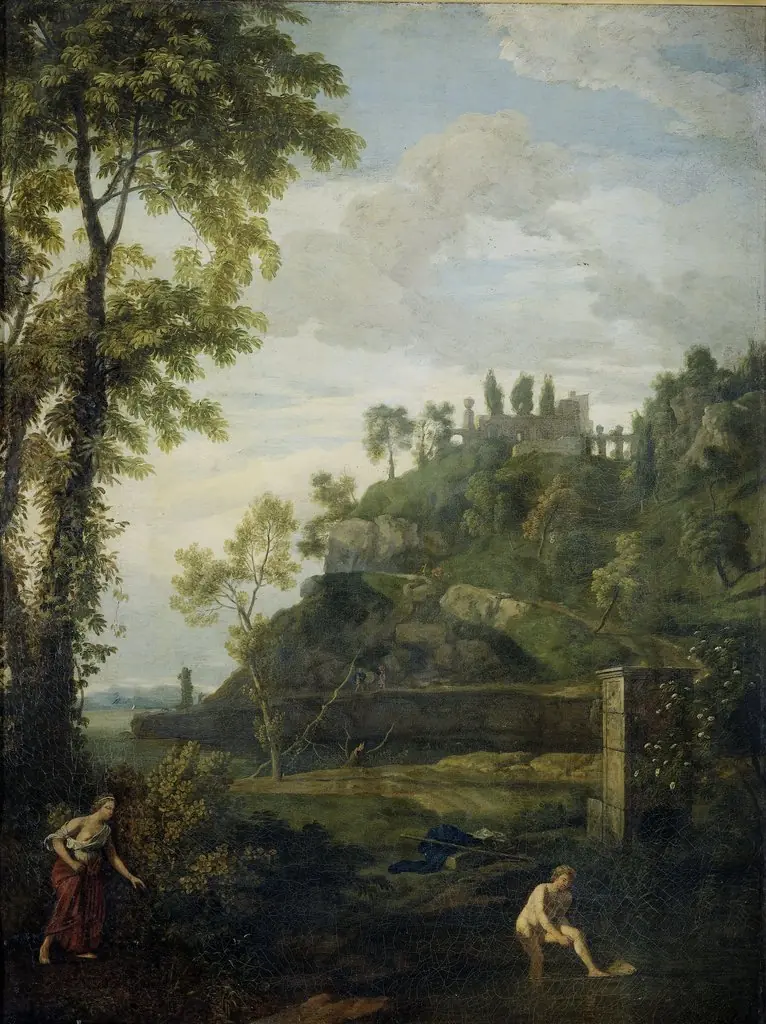
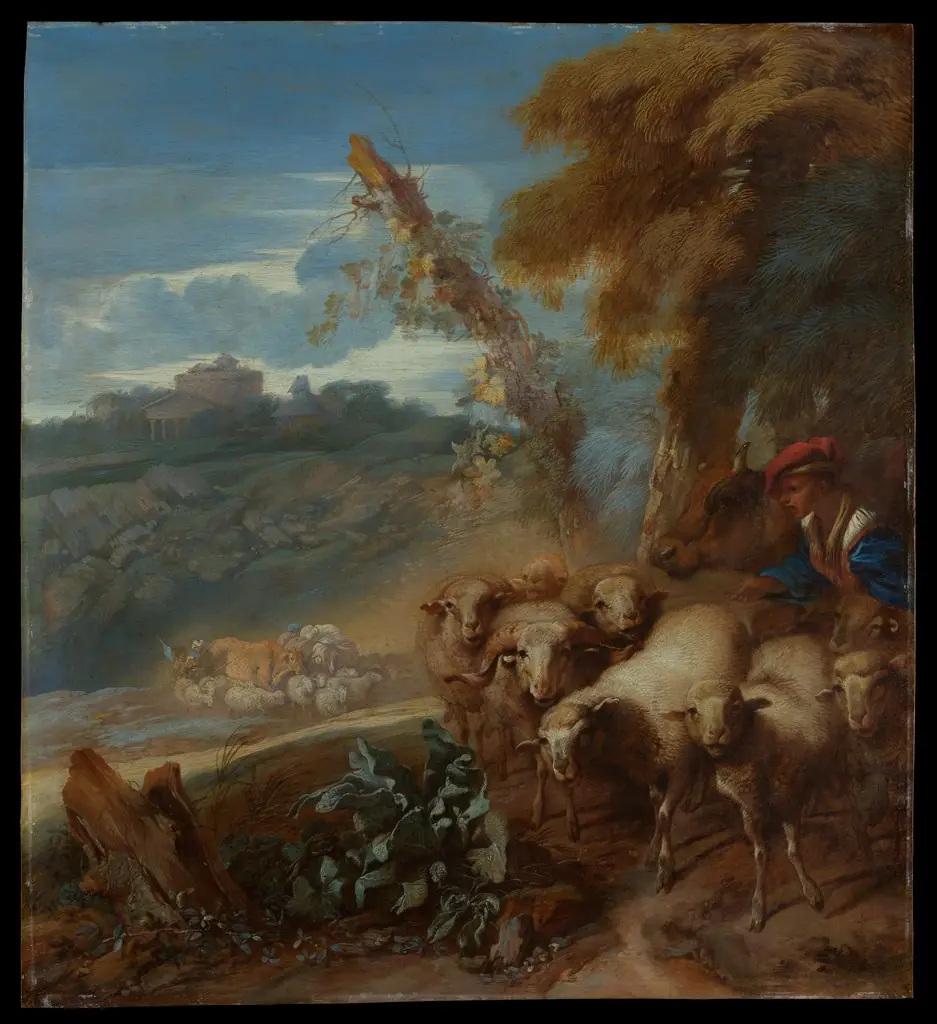
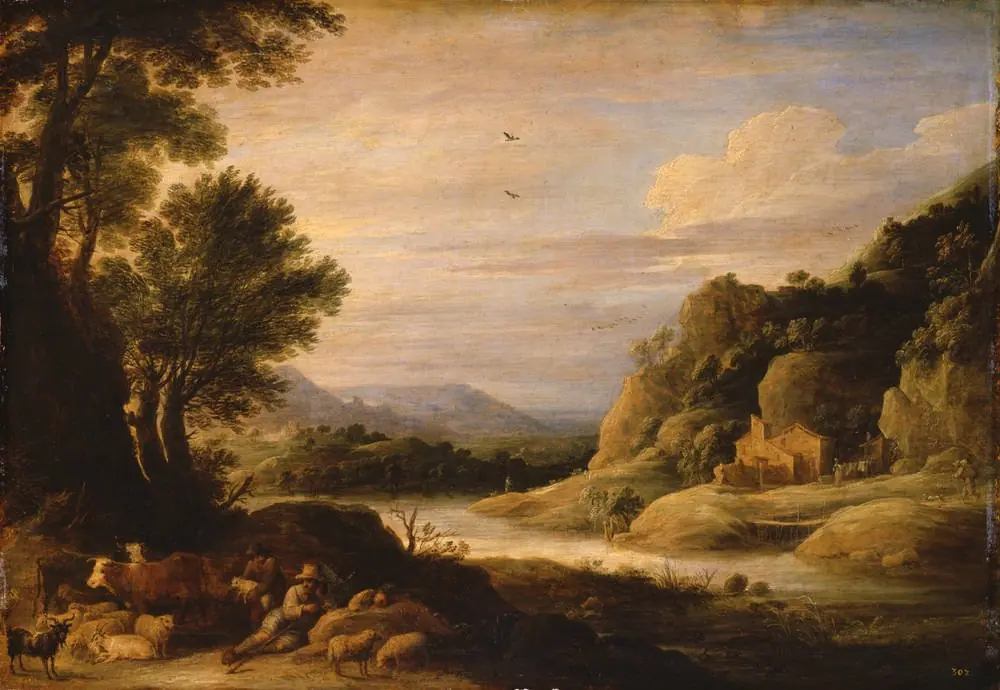
The painting depicts a tranquil rural setting, where a shepherd attends to his flock while two children play nearby in the foreground. A solitary, bare-branched tree anchors the left side of the composition, with a small stone tower visible by the water's edge in the distance. The overall impression is one of idyllic peace and gentle daily life, characteristic of the pastoral scenes favored during the Rococo period.
Own this work as a print
Artist & collection
Artist
Jean-Baptiste Pater (December 29, 1695 – July 25, 1736) was a French rococo painter.