Artwork
Haystacks: Autumn
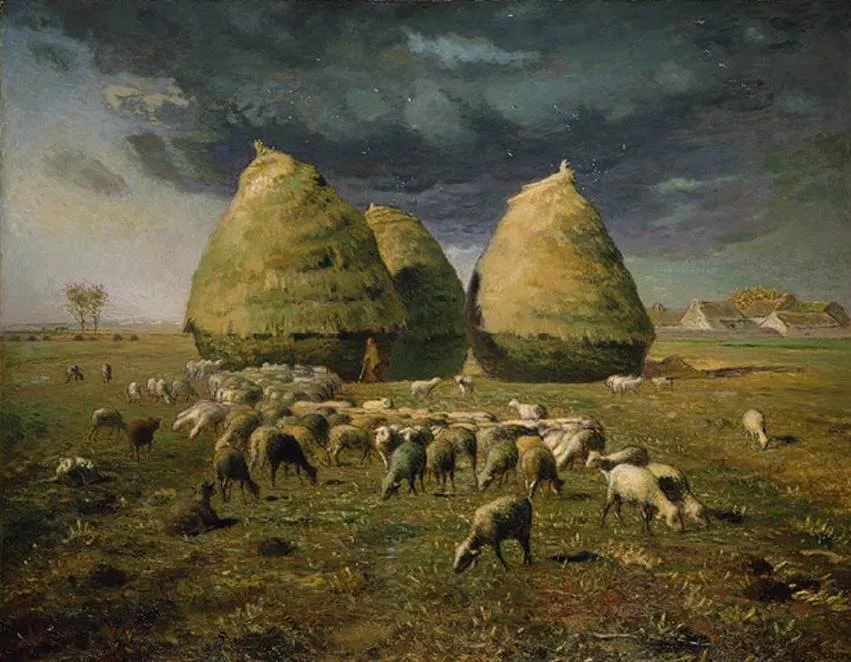
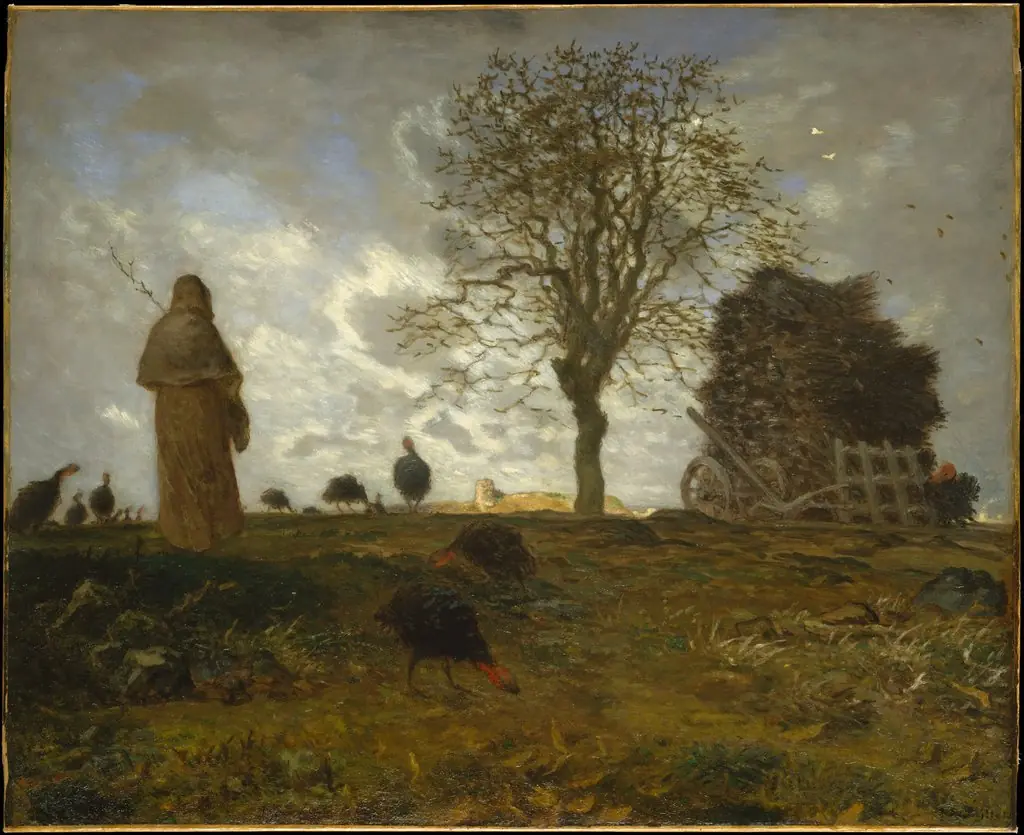
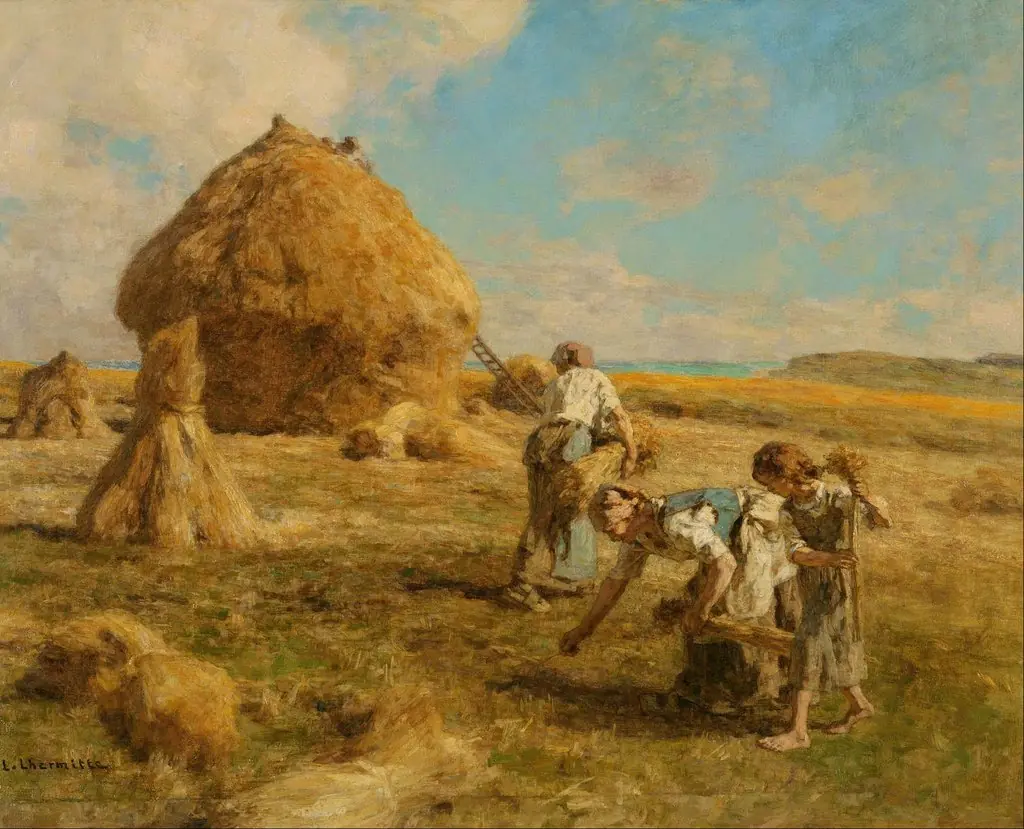
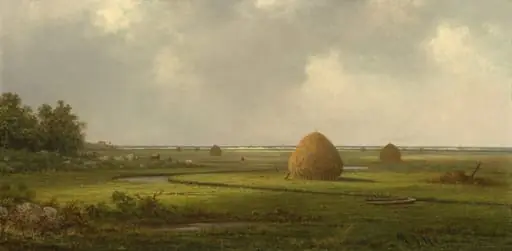
Haystacks: Autumn is an oil painting by the Realist artist Jean François Millet. It dates from 1874 and is held in the collection of the Metropolitan Museum of Art.
About this work
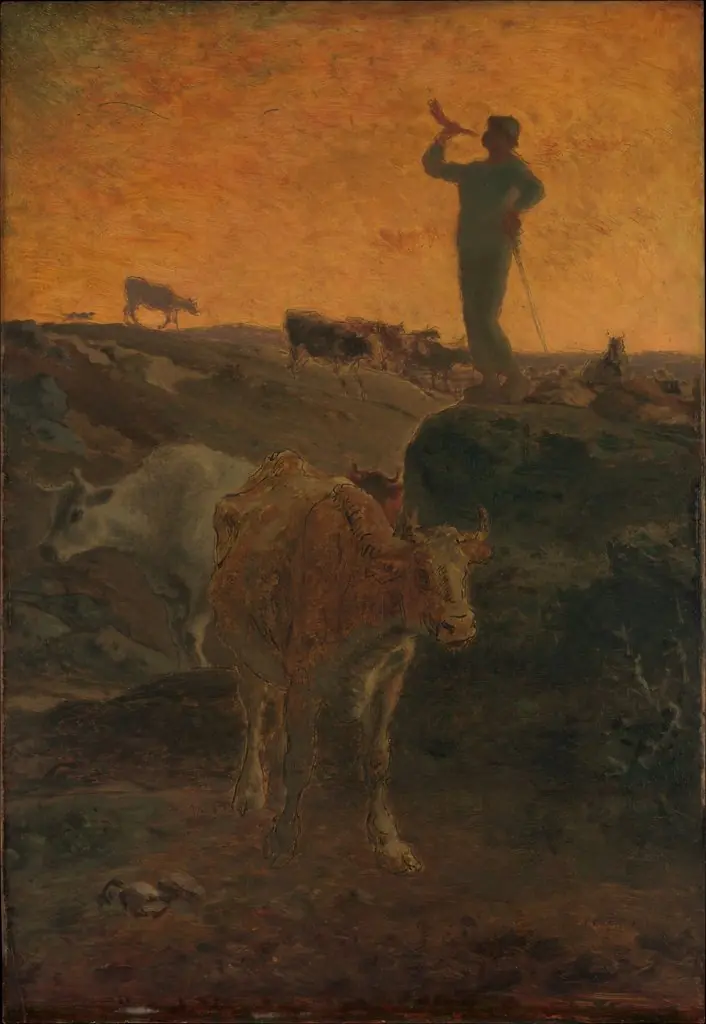
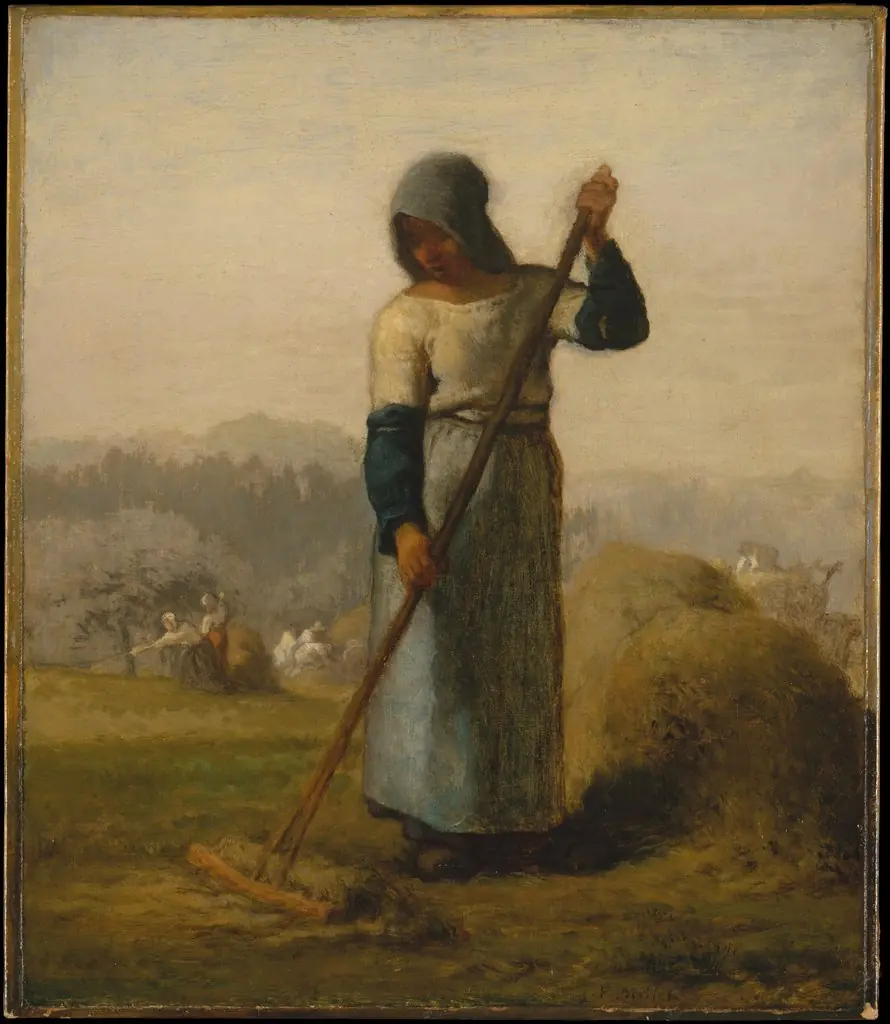
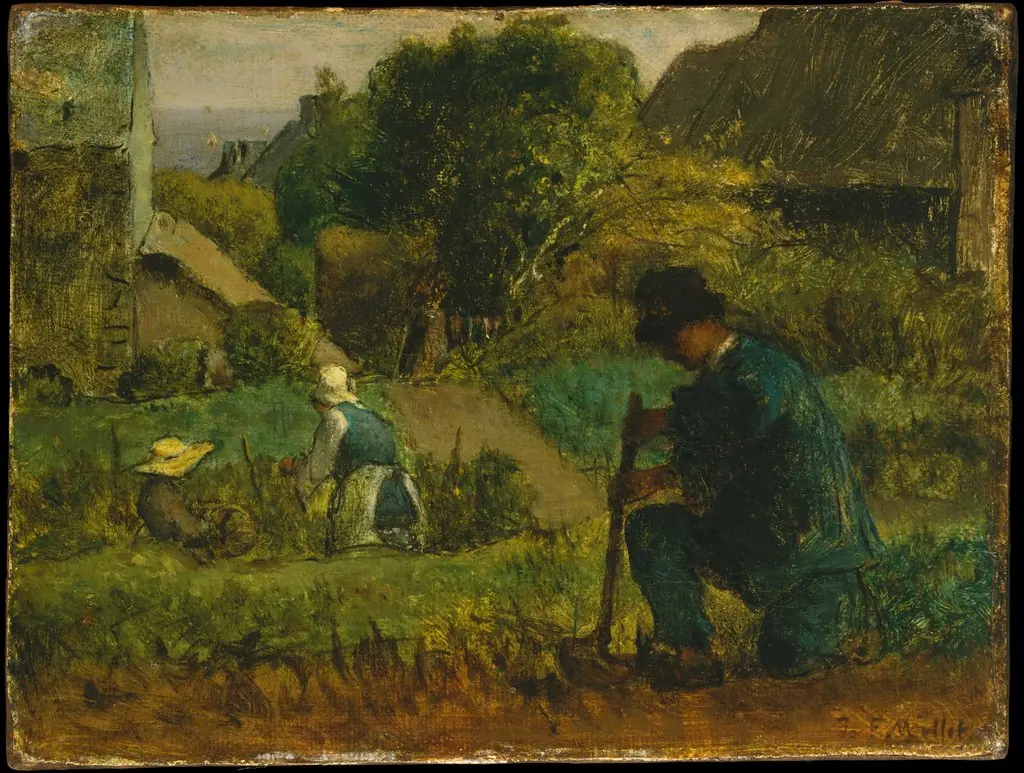
Haystacks stand in a French field, a quiet rural scene Millet painted in 1874. It belongs to a set of four, one for each season, commissioned by a French industrialist to capture the changing light and atmosphere across the year.
Subject & Meaning
This imagery captures the quiet aftermath of the season's labor, emphasizing the relationship between the rural environment and the animals left to pasture.
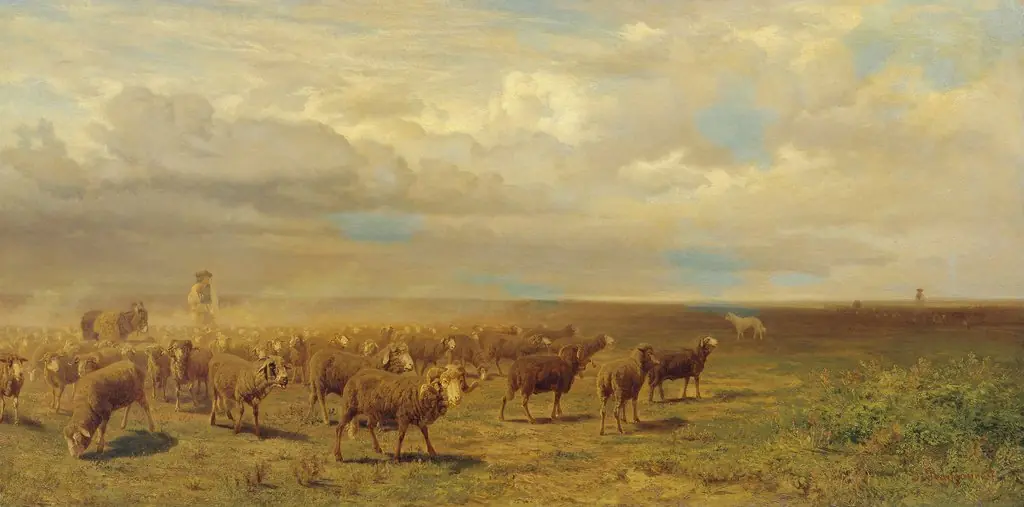
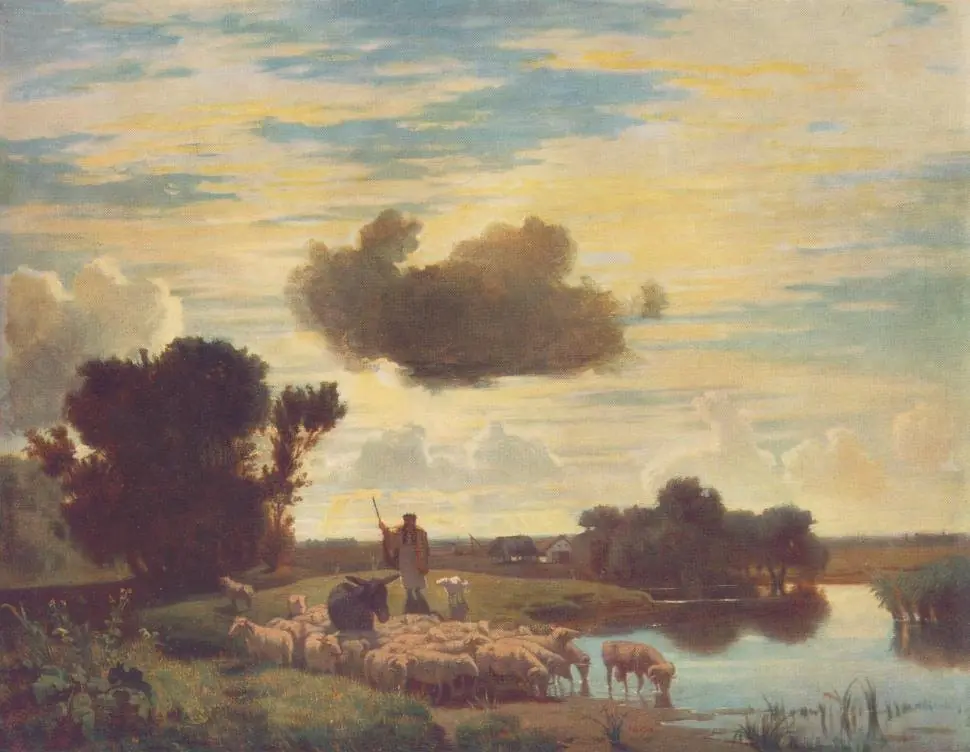
The painting depicts a group of haystacks situated in a French field, accompanied by sheep grazing in the landscape. Created in 1874, the work is part of a commissioned series of four paintings, each representing a different season, executed for the industrialist Frédéric Hartmann. The specific subject matter of the autumn panel reflects the agricultural cycle following the harvest; with the grape harvest concluded and the gleaners having departed, the scene focuses on the remaining livestock and the stacked hay.
This imagery captures the quiet aftermath of the season's labor, emphasizing the relationship between the rural environment and the animals left to pasture.
History & Provenance
Haystacks: Autumn was painted in 1874 by Jean-François Millet as an oil-on-canvas landscape depicting a group of haystacks in a French field. It forms one of four seasonal works Millet executed on commission for the French industrialist Frédéric Hartmann. The painting has been in the collection of the Metropolitan Museum of Art in New York since at least the time of its cataloguing, with no earlier ownership details recorded in the available sources.
Haystacks: Autumn is held in the collection of the Metropolitan Museum of Art in New York. The work, an oil on canvas painted in 1874, was commissioned by the French industrialist Frédéric Hartmann as part of a four-painting series depicting the seasons. While the museum location is confirmed, the provided sources do not list a specific inventory or accession number for the piece.
Regarding exhibition history, the available documentation identifies the painting's presence in the museum's holdings and notes its association with digital resources such as Google Arts & Culture and the RKDimages database, but it does not record specific past or future exhibition dates or venues.
Overview
Jean-François Millet's Haystacks: Autumn, painted around 1874, is an oil on canvas work depicting a rural French landscape. The painting focuses on a cluster of haystacks situated in a field, rendered with a quiet sensibility. This piece exemplifies Millet's enduring interest in agricultural subjects and the natural environment, characteristic of his later career. It offers a glimpse into the seasonal rhythms of the French countryside.
Context
Haystacks: Autumn forms part of a larger series of four paintings, each representing a distinct season. Millet created this set on commission for a French industrialist, with the intention of illustrating the nuanced shifts in light and atmospheric conditions throughout the year. This particular work captures the specific mood and visual characteristics associated with the autumn months, contributing to the overarching theme of nature's cyclical progression.
Artist & collection
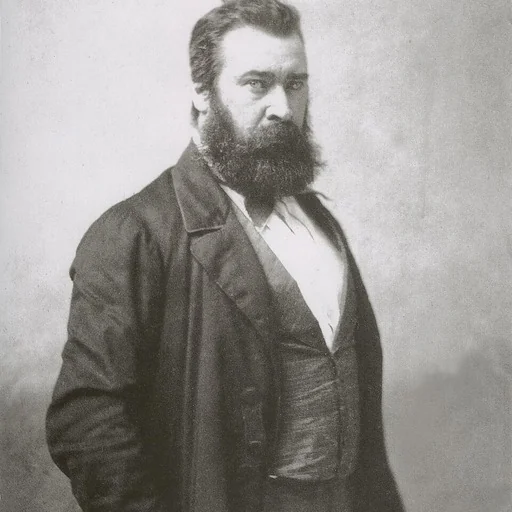
Artist
Jean-François Millet (French pronunciation:; 4 October 1814 – 20 January 1875) was a French painter and one of the founders of the Barbizon school in rural France.