Artwork
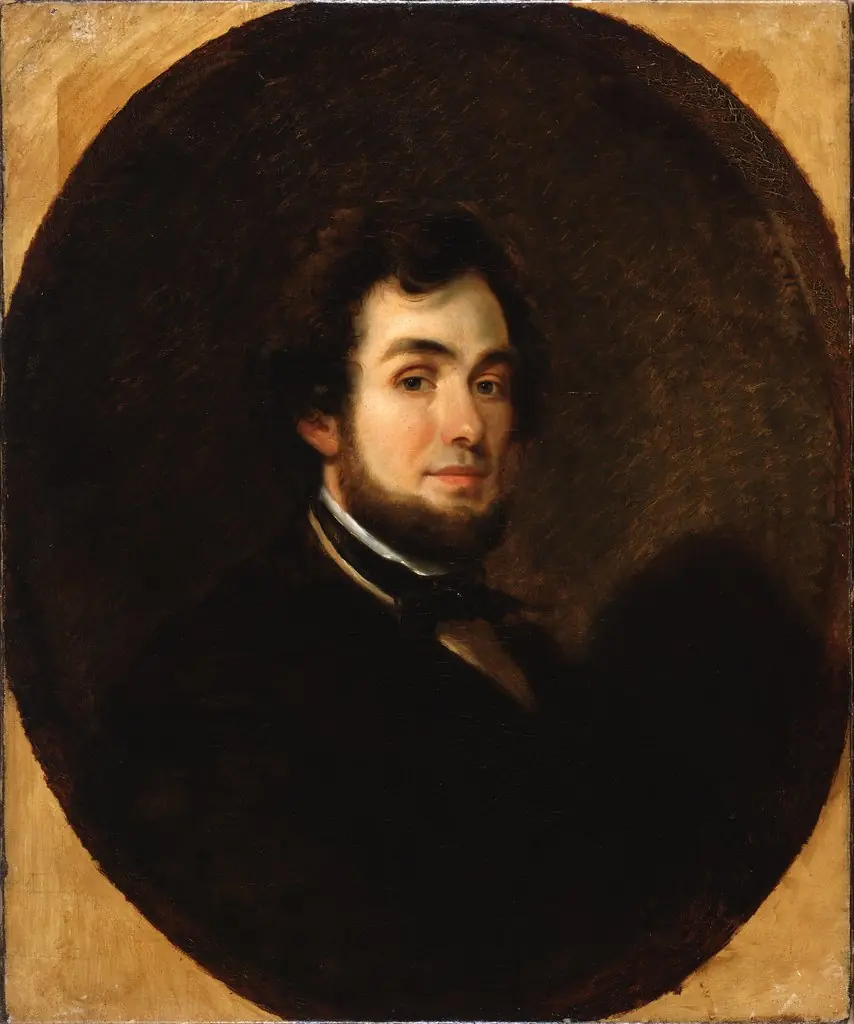
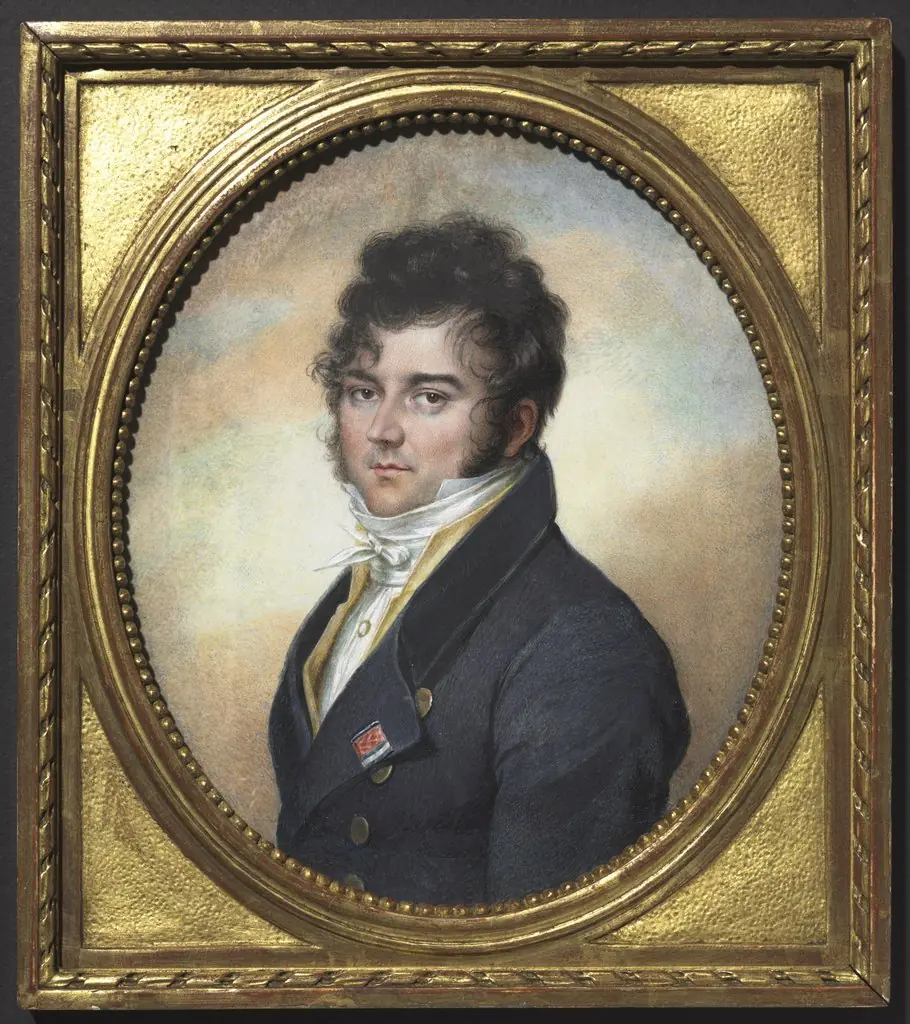
Portrait of a Man
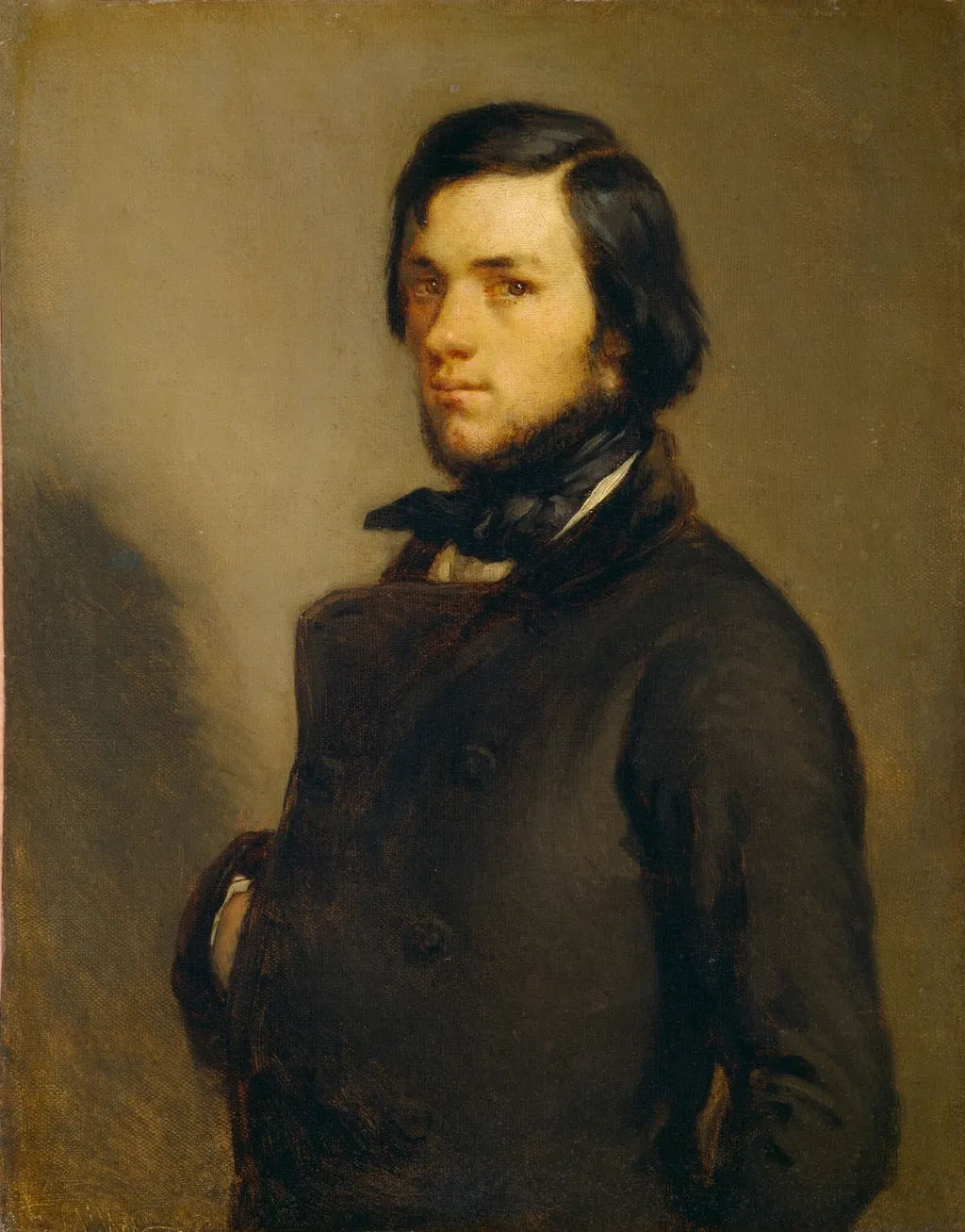
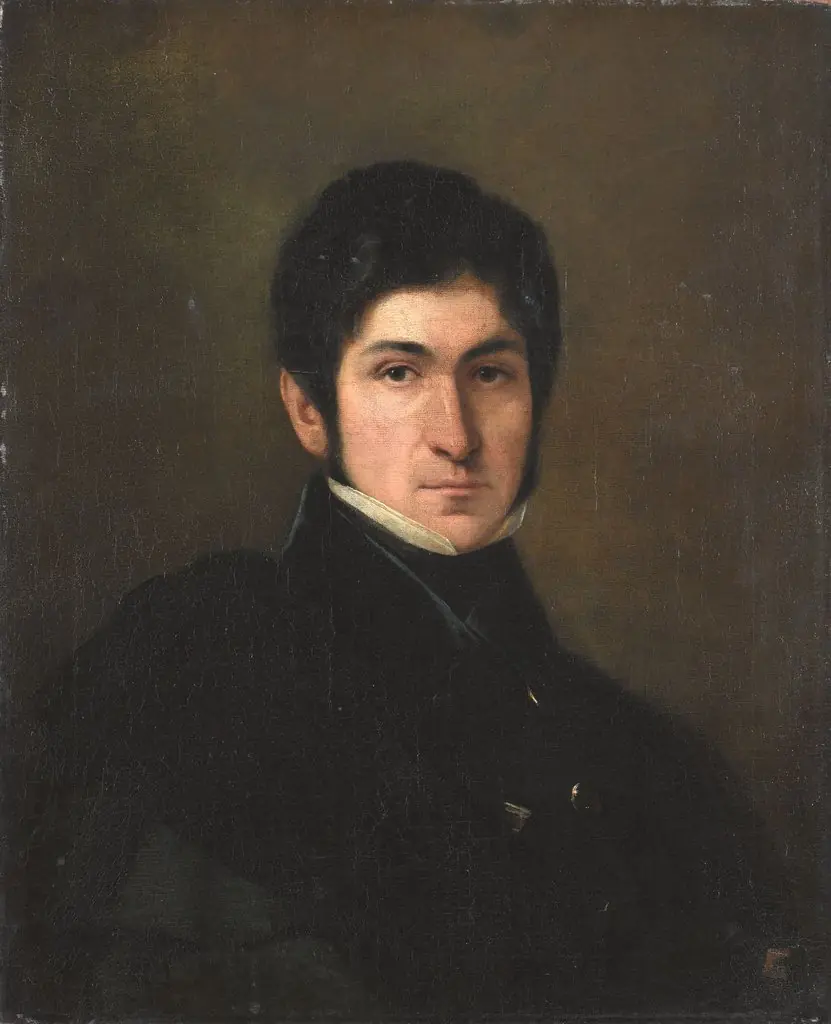
Portrait of a Man is an oil painting by the Realist artist Jean François Millet. It dates from 1845 and is held in the collection of the National Gallery of Art.
- Inscription
- Inscribed:lower left, scratched into the paint with the handle of a brush: F. Millet
About this work
History & Provenance
Jean-François Millet's 1845 oil painting, Portrait of a Man, is held in the collection of the National Gallery of Art in Washington, D.
The work was painted in 1845 by Jean-François Millet as a portrait of a man. It first entered the market at two successive Paris auctions in 1925, appearing as lots 111 and 101 at the Hôtel Drouot on 23 February and 3 December respectively. By 1926 it was in the possession of A. Devilder, who consigned it to Galerie Joseph Allard, Paris, from which Chester Dale purchased it on 16 June 1926.
Dale later bequeathed the painting to the National Gallery of Art, Washington, D.C. in 1963, where it remains.
Jean-François Millet's 1845 oil painting, Portrait of a Man, is held in the collection of the National Gallery of Art in Washington, D.C. The work entered the museum's holdings through the bequest of Chester Dale in 1963. Dale originally acquired the piece from Galerie Joseph Allard in Paris on June 16, 1926, after it had passed through two auctions at Hôtel Drouot in Paris earlier that year. While the painting is currently part of the National Gallery of Art's permanent collection, the provided sources do not list specific exhibition history or an accession number, only the provenance chain leading to its current location.
Overview
Jean-François Millet, a French painter associated with the Barbizon school, created this Portrait of a Man around 1845. Executed in oil on canvas, this early work stands apart from the rural genre scenes for which Millet later became renowned. It offers insight into his initial focus on individual human subjects before his broader engagement with peasant life within the Realist movement.
Subject & Meaning
The painting depicts a man seated with a calm, direct gaze. Dressed in unadorned attire, his posture and gentle expression convey a sense of quiet dignity. Millet appears to have aimed to capture an inner serenity, presenting the subject not merely as an individual but as an embodiment of composed introspection.
Technique & Style
Rendered in oil on canvas, the portrait showcases Millet's attention to detail in depicting the subject's features and the textures of his simple clothing. The artist's focus on the man's composed demeanor, highlighted by a thoughtful expression, aligns with the emerging Realist interest in depicting ordinary individuals with sincerity and psychological depth.
Context
While Jean-François Millet is primarily recognized for his depictions of rural laborers and peasant life, particularly as a co-founder of the Barbizon school and a figure in the Realist movement, this portrait represents an earlier phase of his career. It demonstrates his initial interest in individual human subjects before his later shift towards broader genre scenes and landscapes.
Own this work as a print
Artist & collection
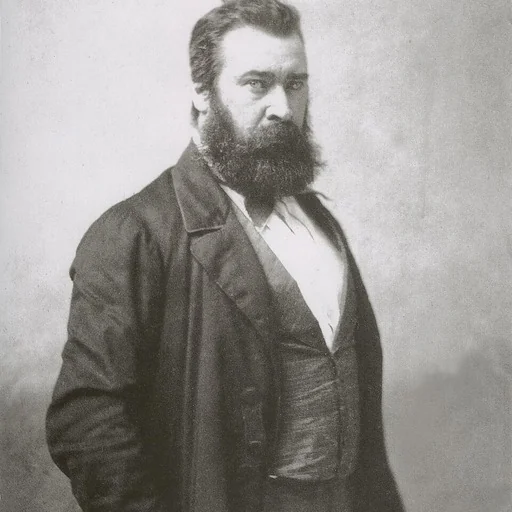
Artist
Jean-François Millet (French pronunciation:; 4 October 1814 – 20 January 1875) was a French painter and one of the founders of the Barbizon school in rural France.